
When BIM and VR technologies are integrated into architectural design, the resulting system not only combines the strengths of both but also offers unique features:
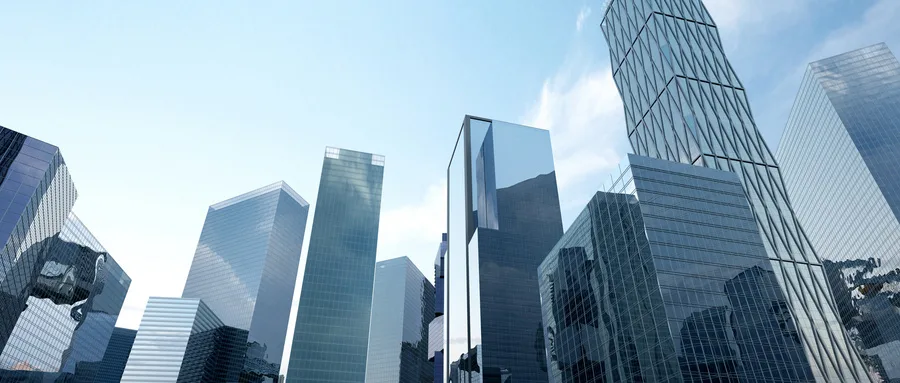
(1) Experience Virtual Building Spatiotemporal Scenes with Data Integration Anytime
Architects greatly value the accumulation of practical project experience, as their expertise and insights from completed projects guide future designs. Traditionally, architectural design outcomes were often unpredictable. However, with BIM+VR technology, architects can now explore virtual building environments enriched with data, enabling real-time visualization and immersive walkthroughs. This capability allows continuous refinement and optimization throughout the design process.
(2) Enhanced Subjective Experience That Improves Design
BIM+VR technology enables not only owners, users, and related professionals to navigate virtual models in real time, but also allows architects themselves to immerse in the 3D building information model. Architects can experience spatial layouts, material dimensions, external environments, indoor lighting, and thermal conditions firsthand. During this immersive exploration, they can annotate areas of concern and provide immediate feedback for improvements. This flexibility helps enhance the overall quality of the design scheme.
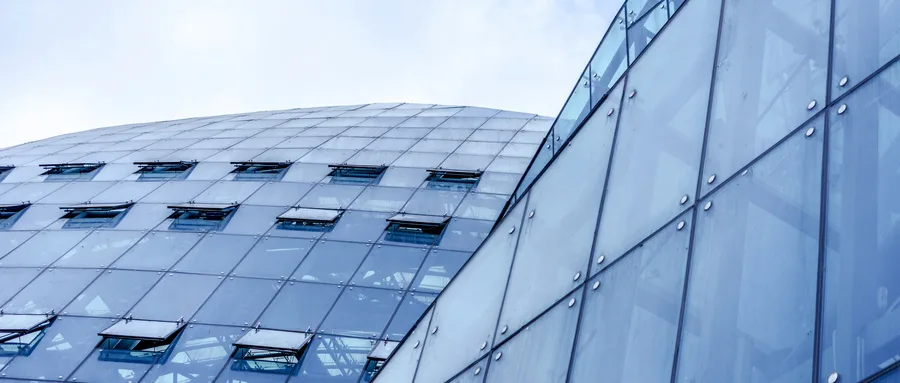
(3) Designing with Real Human Experience as the Focus
The principle of “people first” is a core concept in architecture, often guiding design decisions. Traditionally, public participation in design was limited, usually confined to initial surveys and post-completion feedback. BIM+VR technology revolutionizes this by enabling continuous public involvement throughout the design process. Through interactive virtual platforms, the public can engage with architects at any design stage, fostering meaningful communication and truly embodying a human-centered design philosophy.
(4) Enabling Collaborative Design Across Networks
Built on advanced network technology, BIM+VR allows professionals from different locations to collaborate seamlessly on construction projects. This multidisciplinary participation accelerates project timelines, minimizes design errors, reduces redundant work, and enhances the overall efficiency of all involved experts.
(5) Facilitating Effective Project Team Building
Construction projects require coordinated efforts from multiple professional fields. Traditional projects often struggle with inefficient personnel allocation, high labor costs, and duplicated efforts due to a lack of integrated information and collaborative design. BIM+VR technology integrates data digitally, providing clear visibility into team participation over time. This enables optimized team configurations, cost reductions, and improved productivity.
















Must log in before commenting!
Sign Up