
While BIM definitions vary in wording, they generally encompass two key aspects. According to the National Institute of Building Sciences (NIBS), BIM involves leveraging advanced digital technology to represent all physical and functional attributes of a facility, along with relevant data throughout the entire project lifecycle. It also creates an information database for owners and property managers to aid in facility use and maintenance over time. The core principle of BIM is to enable diverse stakeholders to collaborate at different stages of a building’s lifecycle by inserting, extracting, updating, and modifying information within the BIM data model to support and reflect their specific tasks.
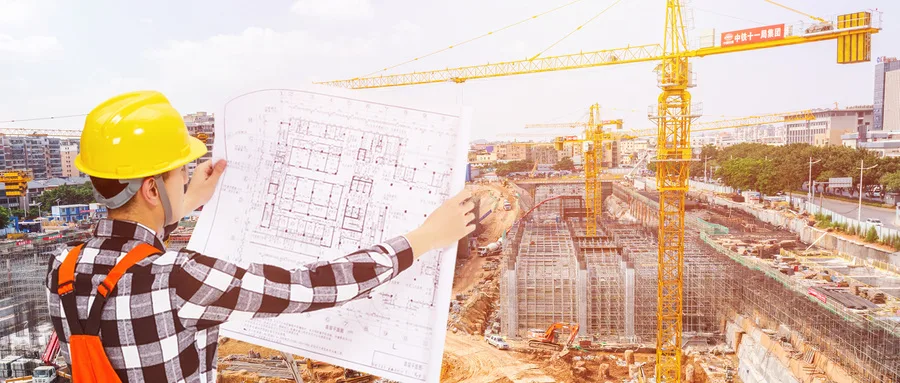
During the design phase, each discipline submits construction drawings based primarily on their own expertise and experience. However, due to limited communication among different disciplines, numerous conflicts can arise. For example, pipelines planned during the design phase might clash with those arranged by other specialties during construction, or structural design constraints may obstruct pipeline layouts. These conflicts and contradictions often become apparent during implementation. At this stage, coordination among all disciplines is essential to discuss construction challenges, analyze their causes, and develop specific solutions. Design changes must be issued to progressively address these issues. BIM coordination services help project professionals communicate promptly during the design phase, provide coordination data, and prevent such conflicts from occurring later on.
Thus, BIM serves as an information-sharing platform for all project participants, effectively shifting coordination from a reactive “post-coordination” approach to a proactive “pre-coordination” process. Stakeholders can use BIM models to complete their own tasks while simultaneously collaborating with others. Government agencies can oversee contractor compliance; owners can comprehensively manage project execution at every stage. Construction companies can apply 4D technology for virtual construction, identifying potential risks or issues before they arise. Meanwhile, operation teams benefit from standardized project control and management during later stages.
















Must log in before commenting!
Sign Up