
“Observing the Bodhisattva at ease, practicing deep Prajnaparamita for a long time, seeing that all five aggregates are empty, and experiencing all suffering and afflictions.” – Heart Sutra
The designer’s concept for this project is to merge life experience with reflective introspection.
Located at the crossroads of urban and rural life, this self-owned house embodies a quest for truth—a pursuit of the distant, the natural, and the human spirit.
If the project also serves as a footnote to broader themes like rural revitalization, it becomes an unexpected joy rooted in this very foundation.
1. Intervention
No predetermined agenda
The project is situated in Beijing’s Haidian District, an area nourished by the Xishan Mountains and Yongding River. The villages here, positioned between urban expansion and rural traditions, have inherited the momentum of city development, positioning rural homes as potential centers of influence in this evolving plug-in pattern.
The village secretary commissioned TANZO Tianzuo designer Wang Daquan to design the landscape and interior of a two-story brick house built by local workers. While the building itself resembles other village homes, the owner embraced a fully open approach to the interior structure. This openness laid the groundwork for a visually free expression, albeit with the challenge of losing traditional design references.
In response, the designer adopted a strategy of intervention without fixed intentions—anchored in the natural environment and the owner’s habits. Though the process may be gradual or tentative, it ensures progress in the right direction, a fact continually validated by experience.
2. Going with the Flow
Adapting with intention
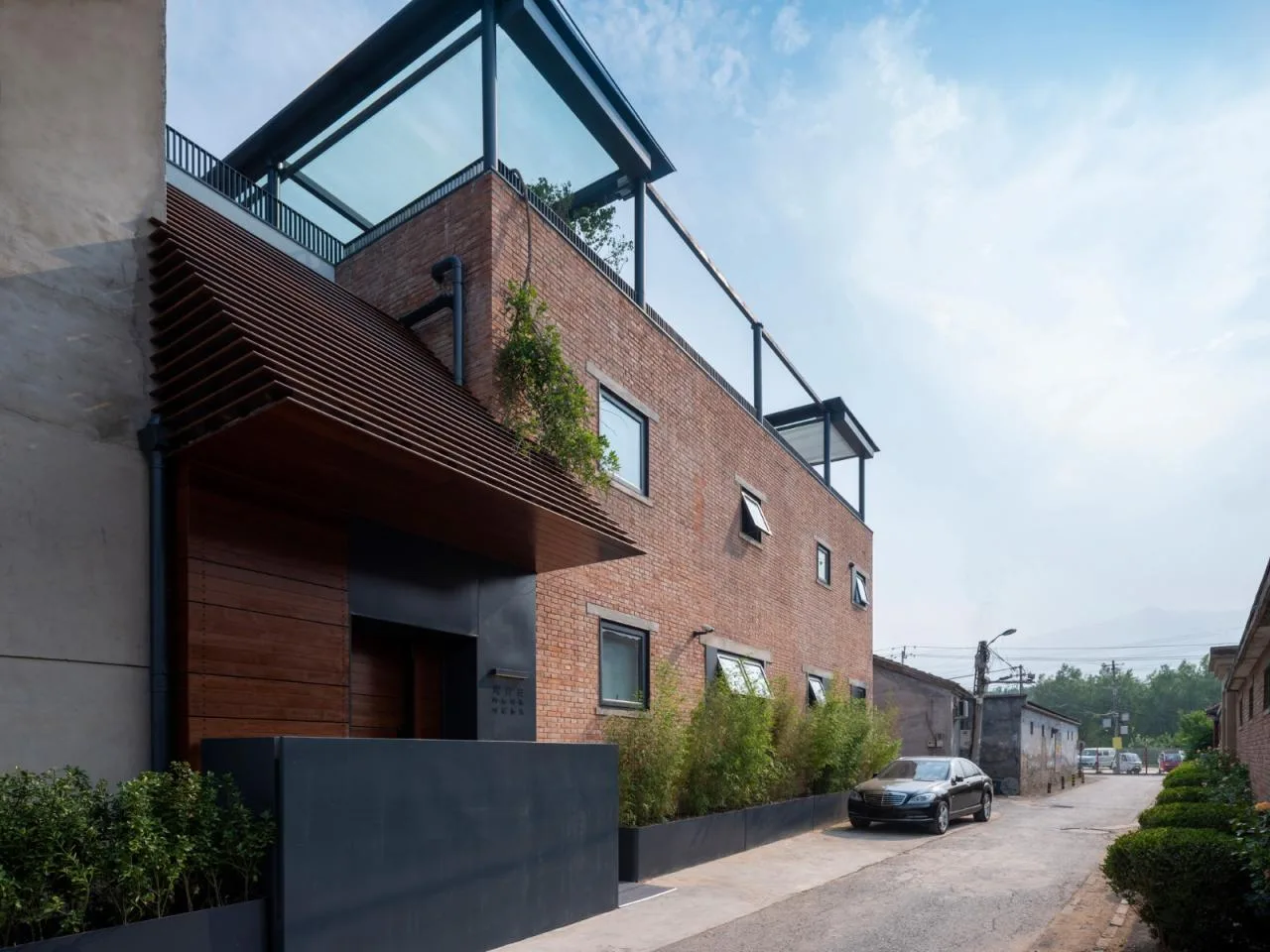
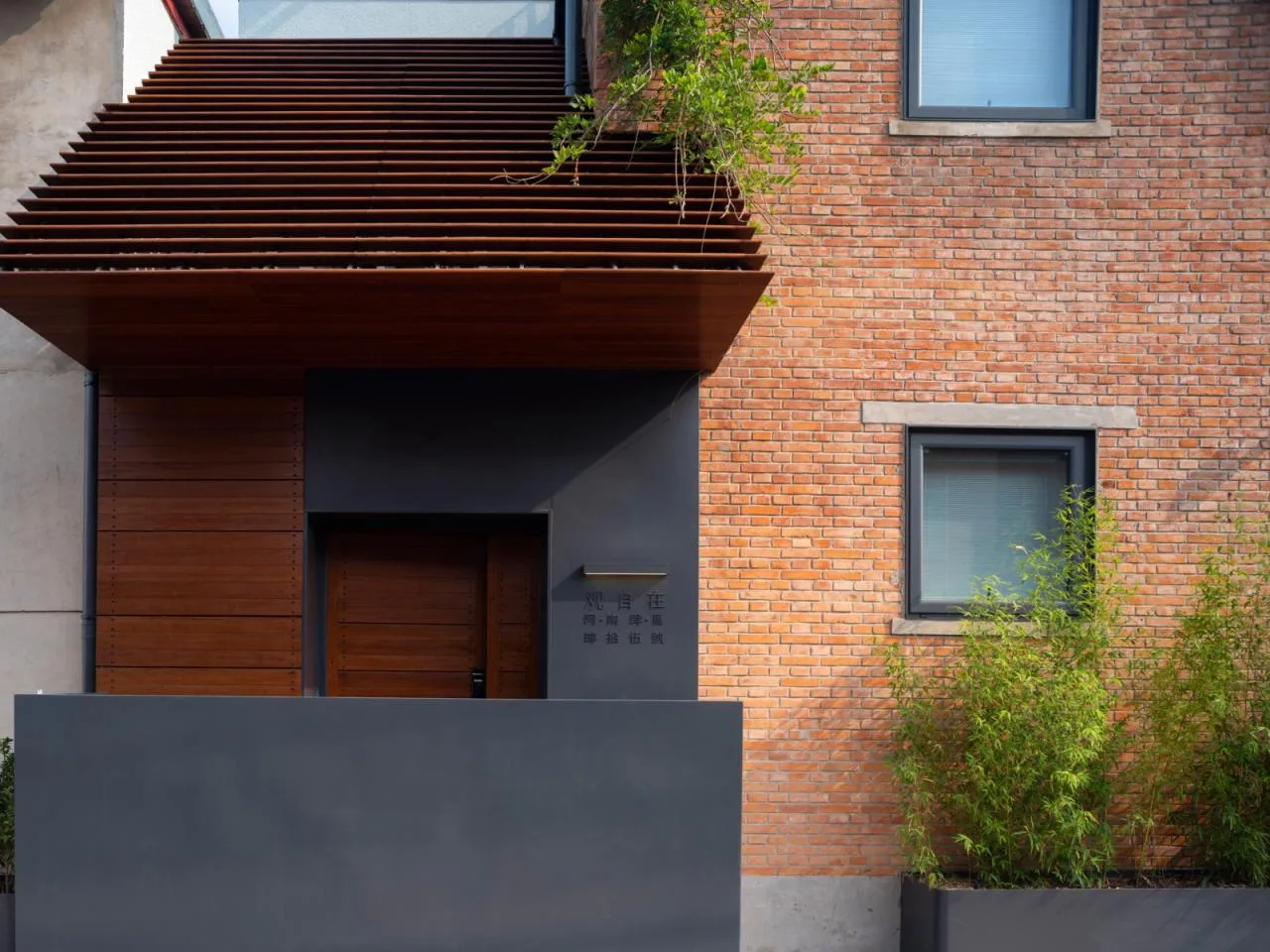
To manage air conditioning ducts while ensuring ventilation, the designer crafted the entrance door with a double-sloped roof, resembling a small tower when viewed from afar—an unplanned yet welcomed feature. The owners cherish its symbolism of “rising step by step.” The black half-wall framing the door adds a dual meaning: stepping onto a stage or retreating inside.
This opportunistic approach permeates the entire design. The village itself is dynamic, not static. While the designer studied the block landscape shaped by the ridges of old houses, the neighbor had already demolished a two-story structure with stainless steel railings, and the tight, sloping drainage gaps between buildings prompted further structural adjustments indoors.
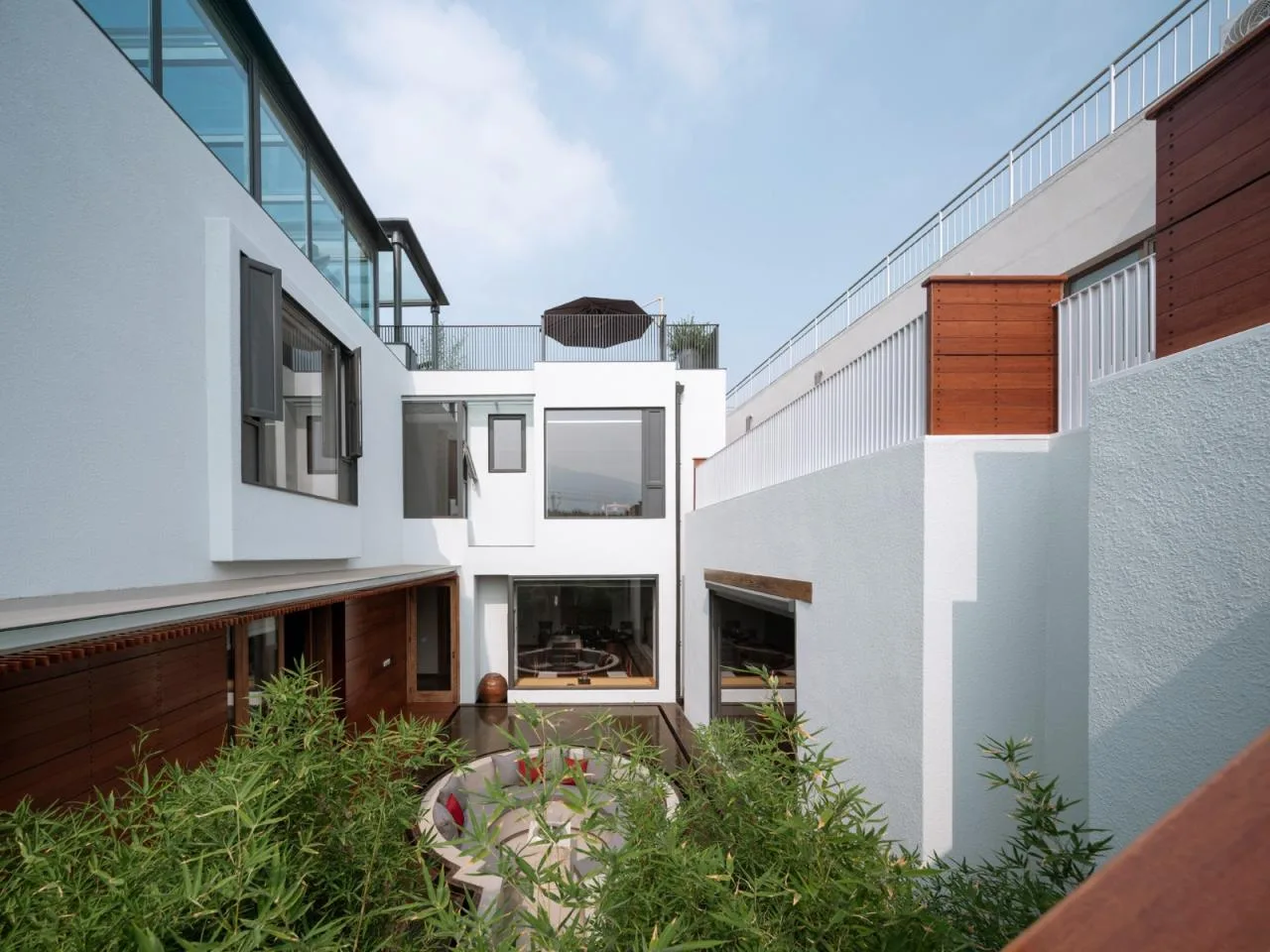
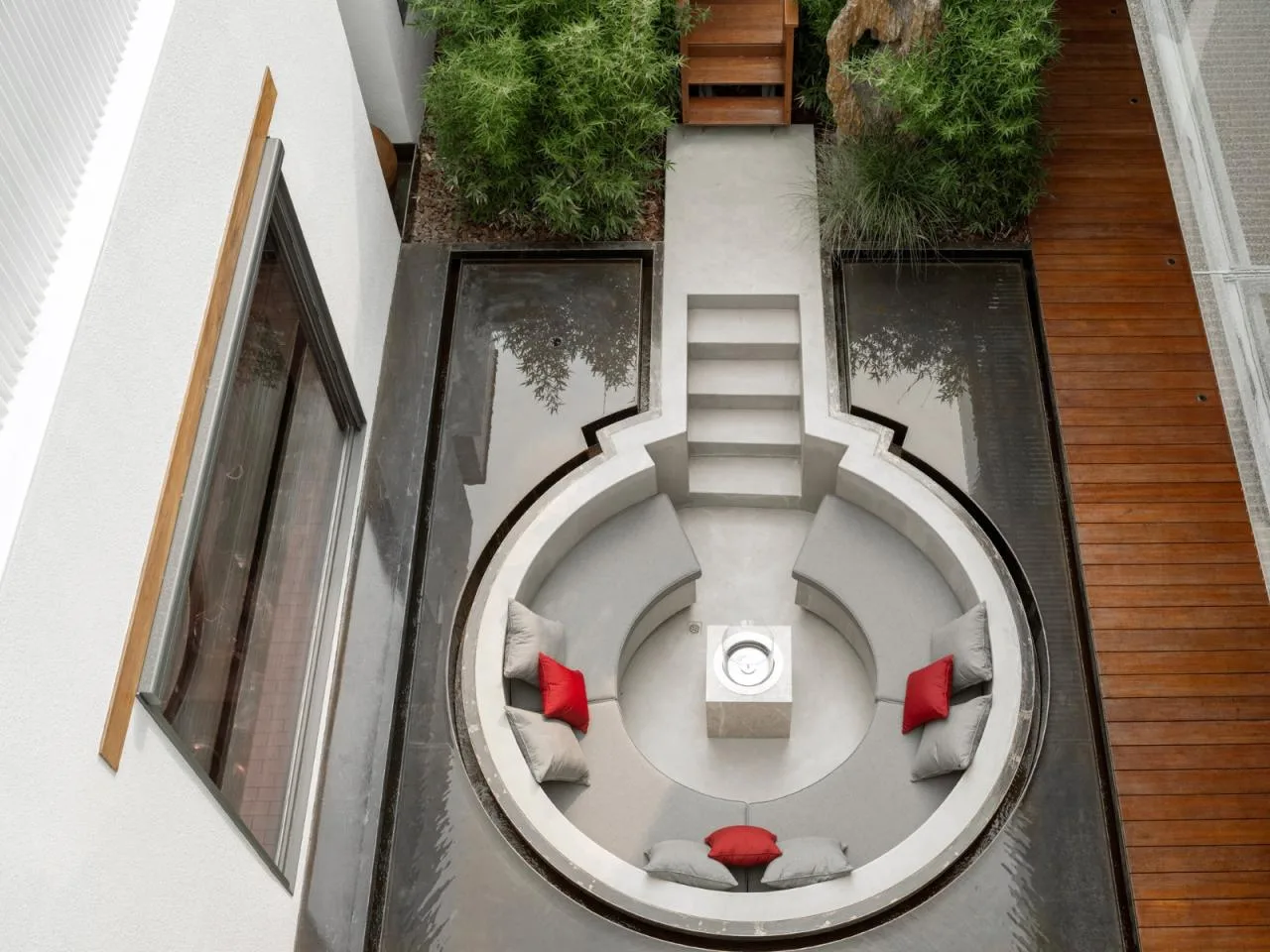
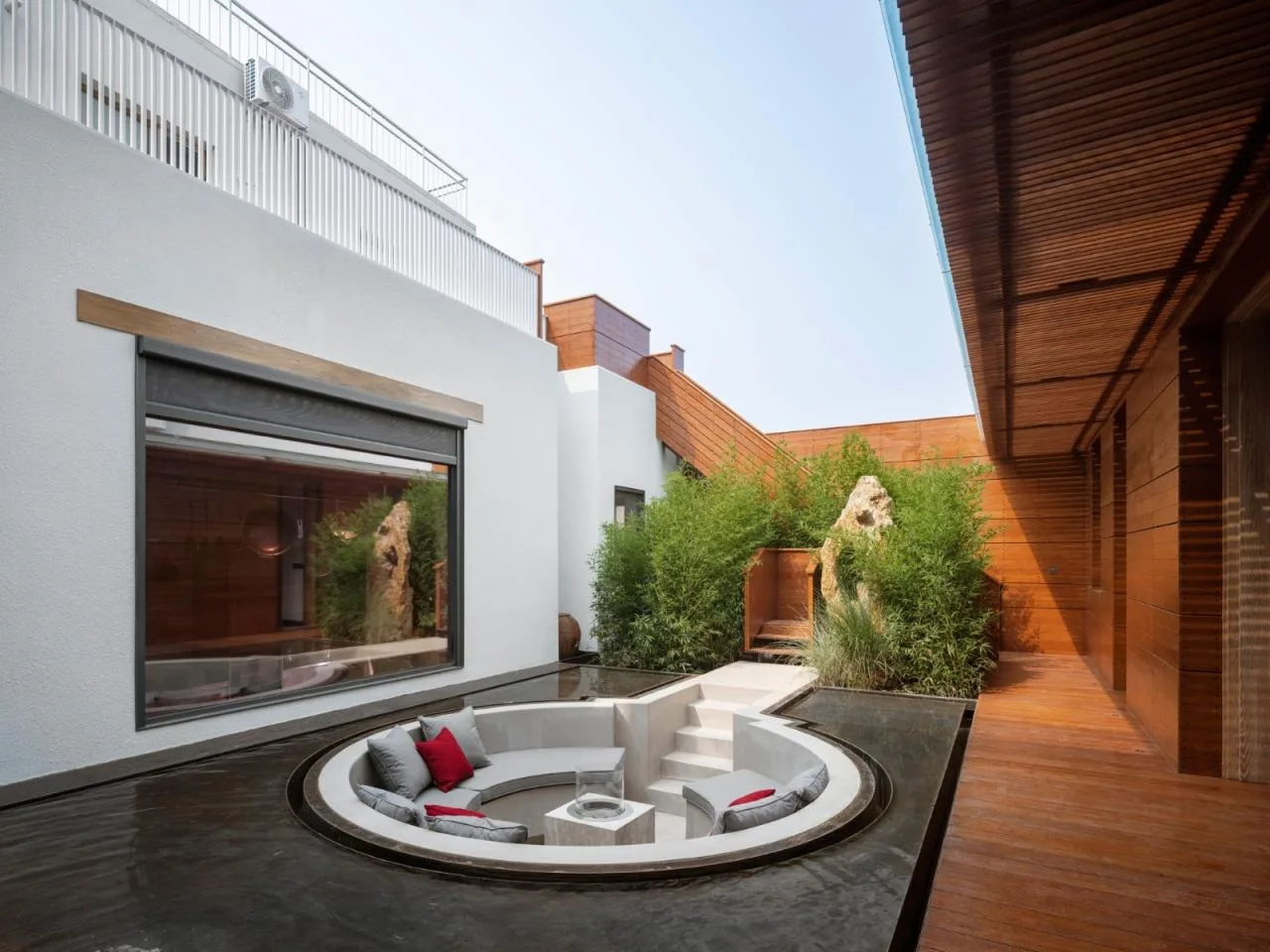
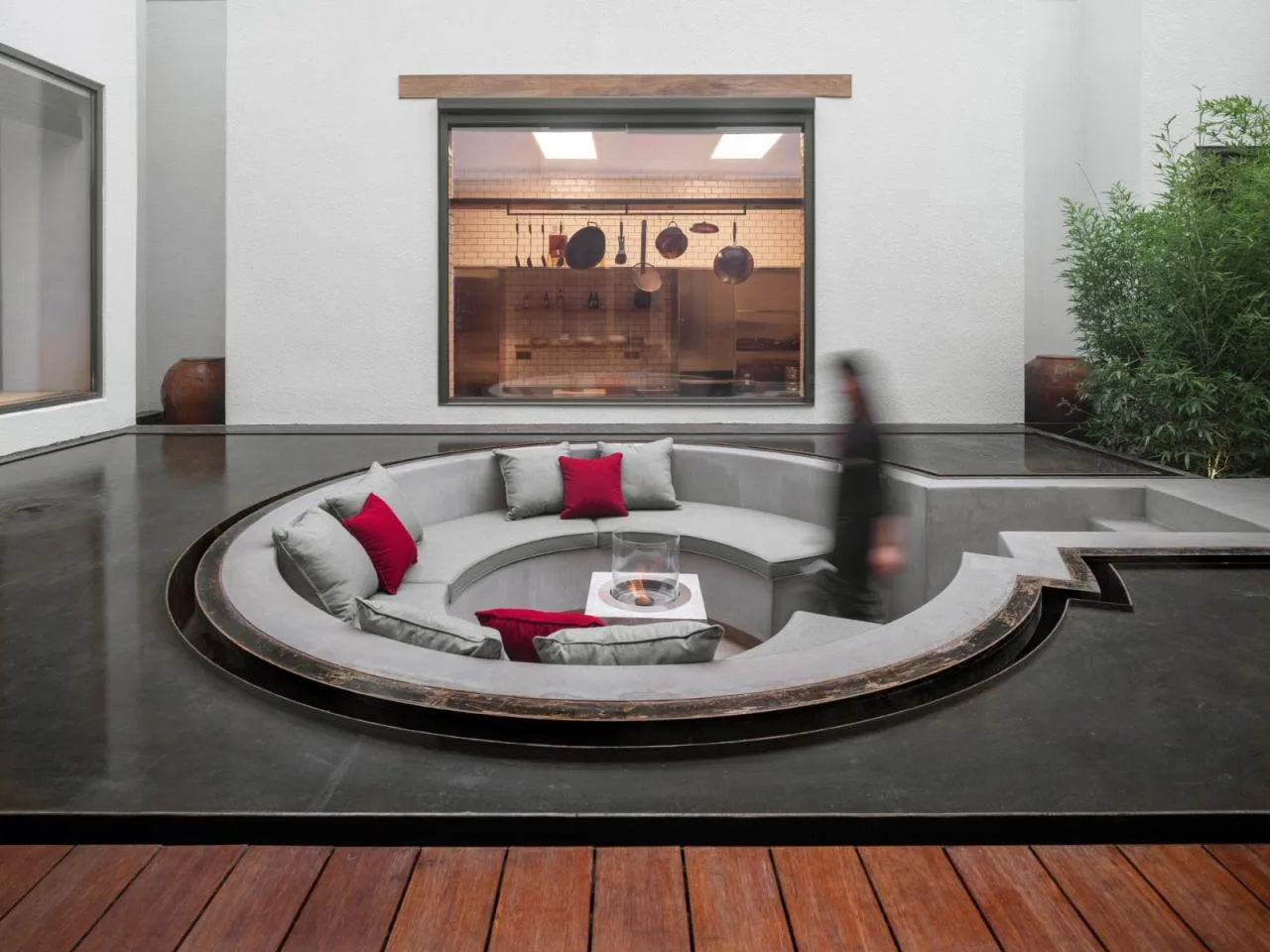
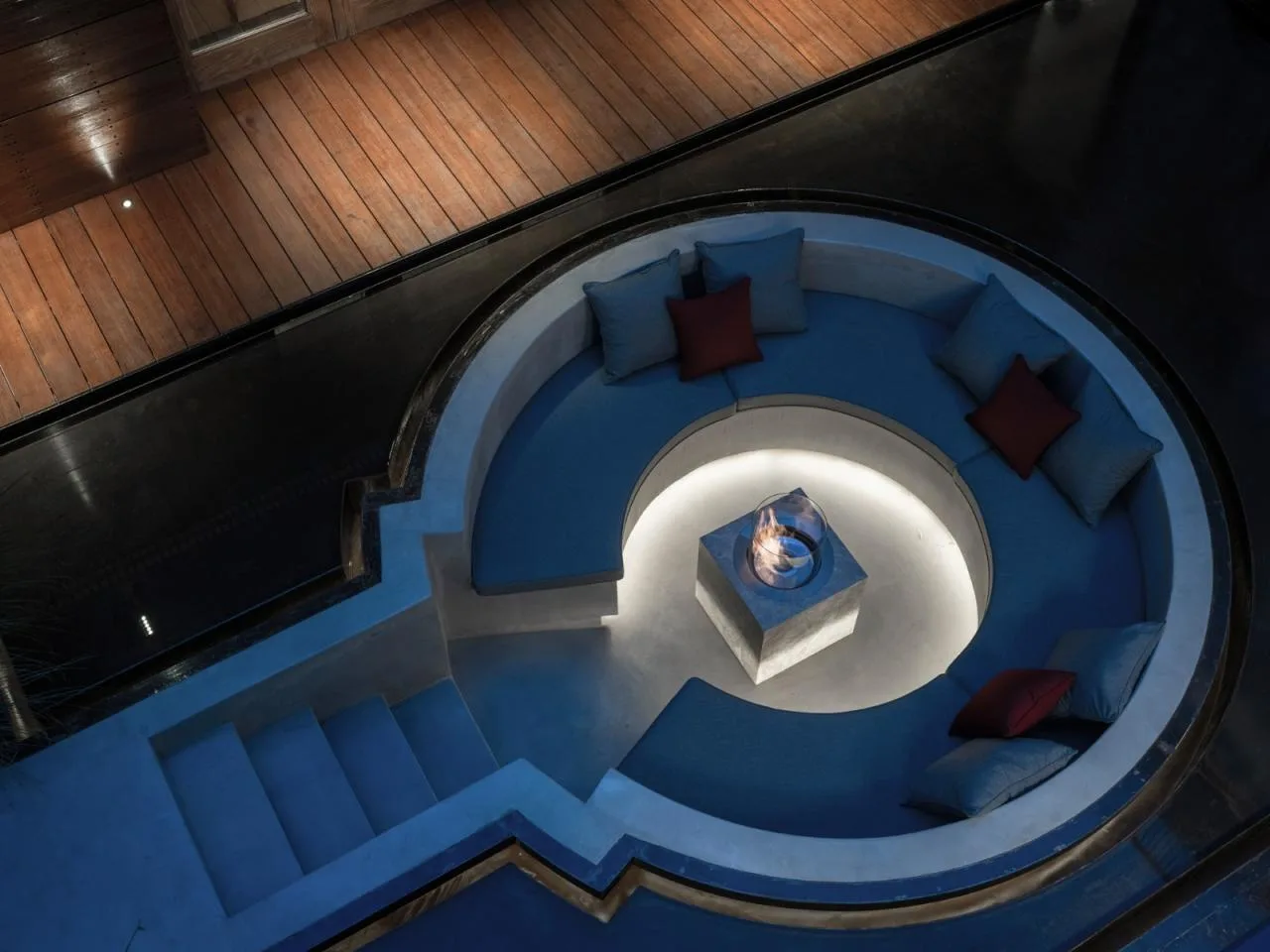
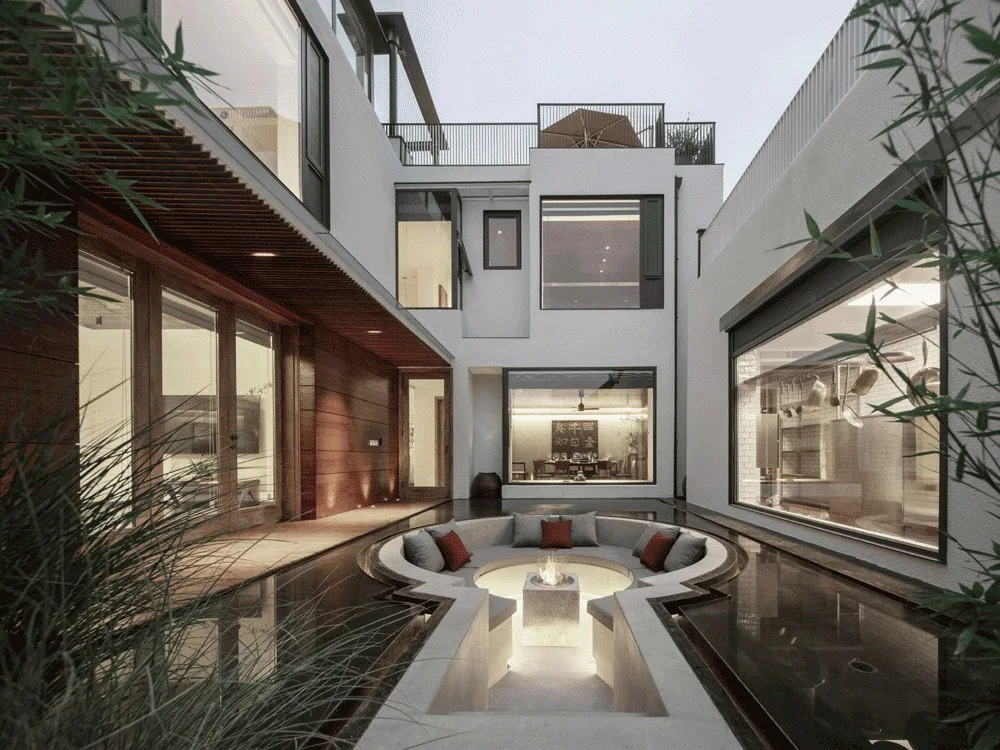
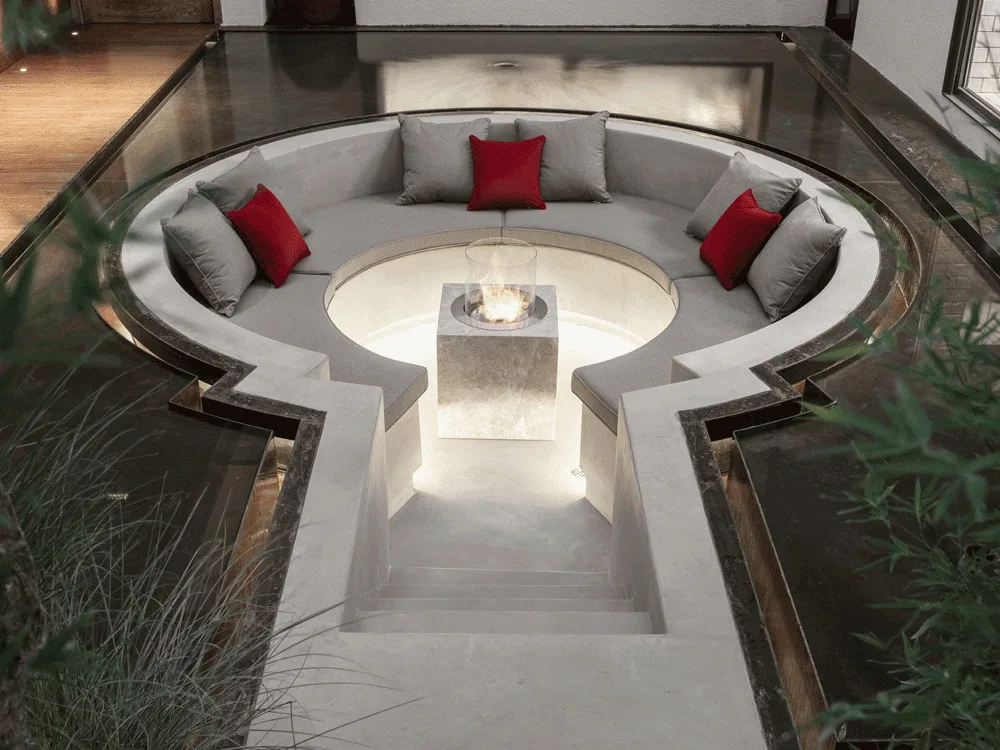
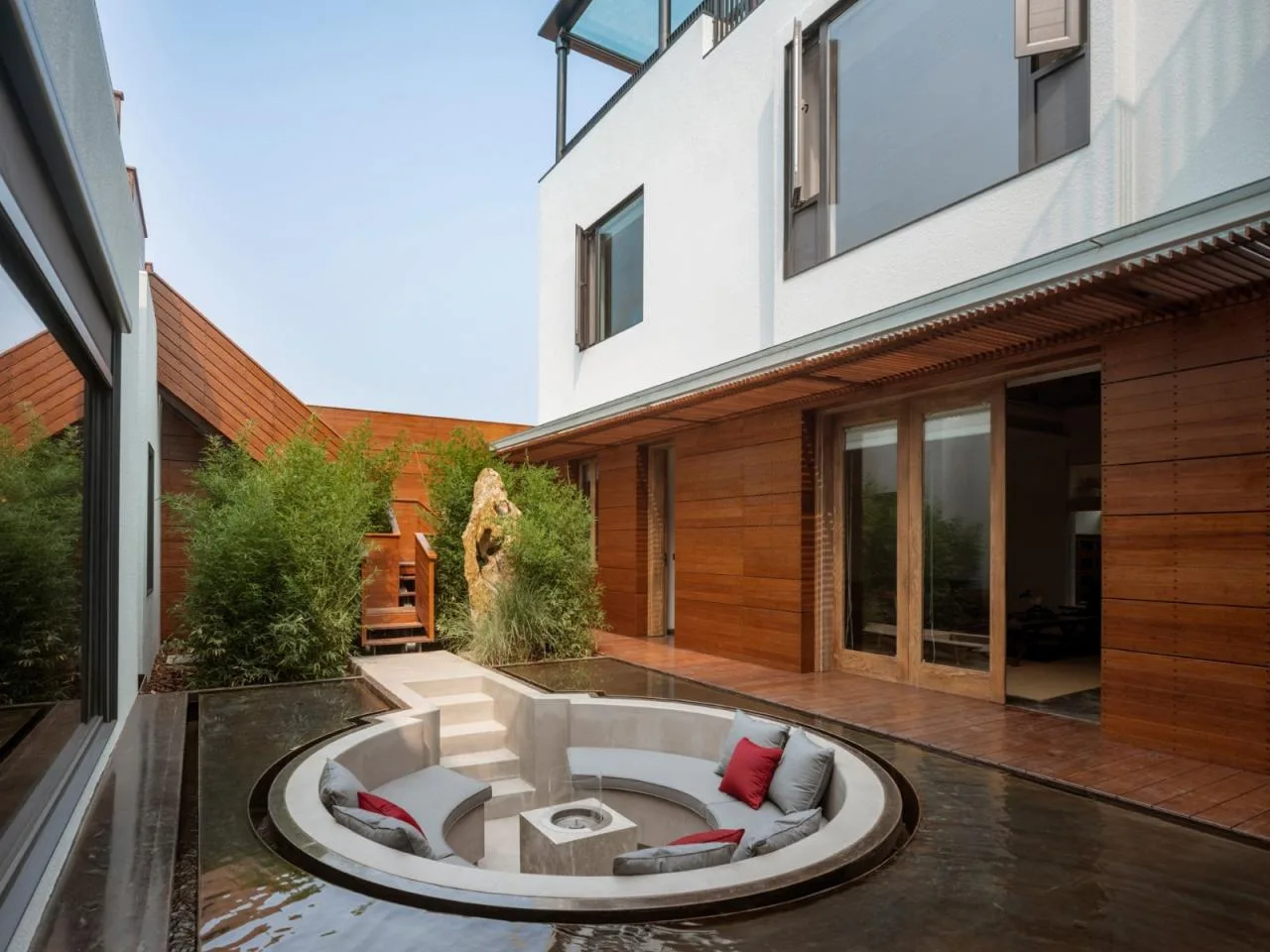
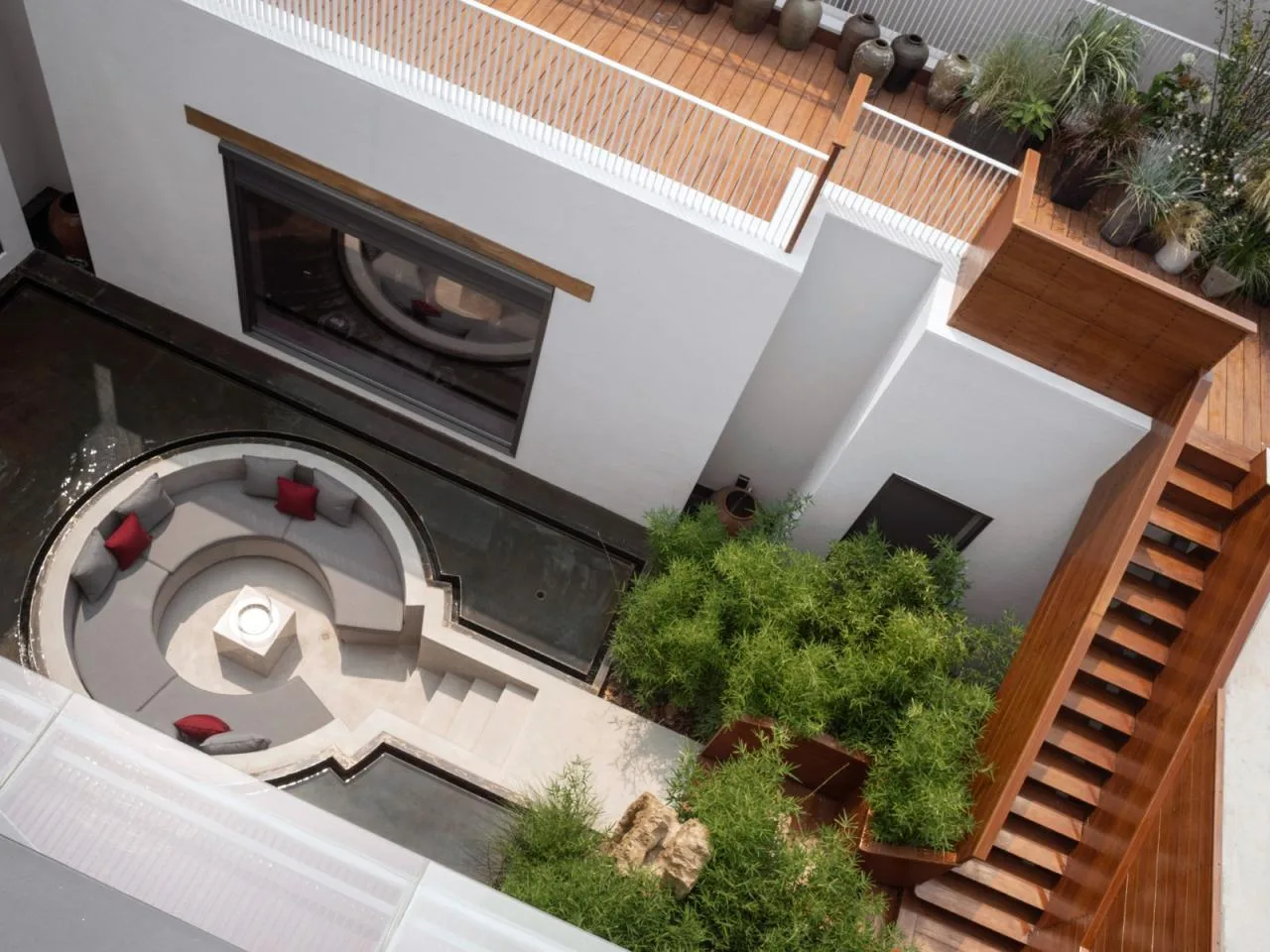
At the heart of the house, the designer created a pavilion-like space that breaks the tension of the interior by connecting it with the outdoors. This sunken area, encased in cement, features a thin water surface where children often jump between pools in the courtyard. The water’s width perfectly matches their stride.
Gathering around the stove in this key-like nook, under a sky full of stars and swaying moonlight, the blend of literati romance and rural charm shines through. The key symbolizes “opening life”—a simple yet endearing idea. Embracing the flow of life, the design fosters relaxation and invites freedom to flourish.
3. Compatibility
Creating an immersive experience
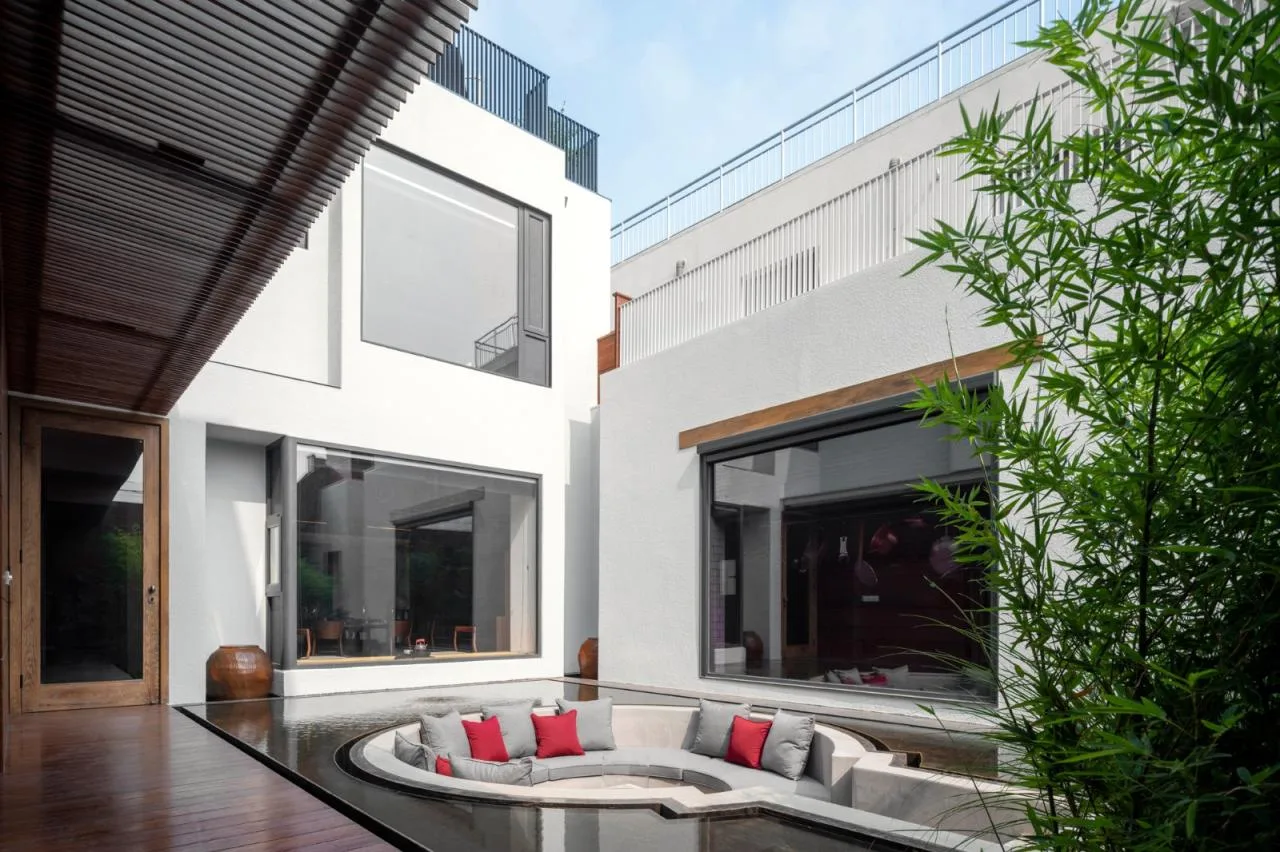
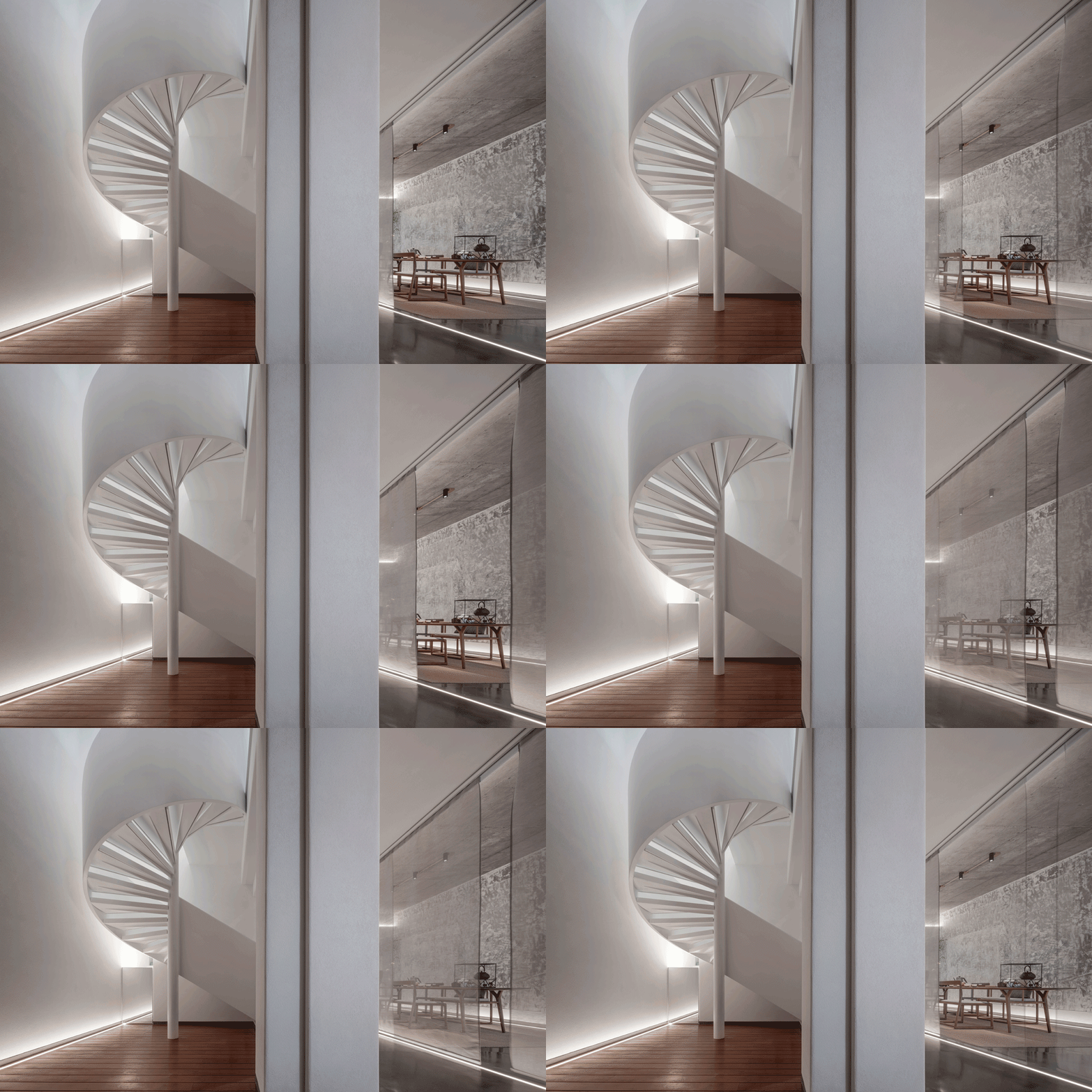
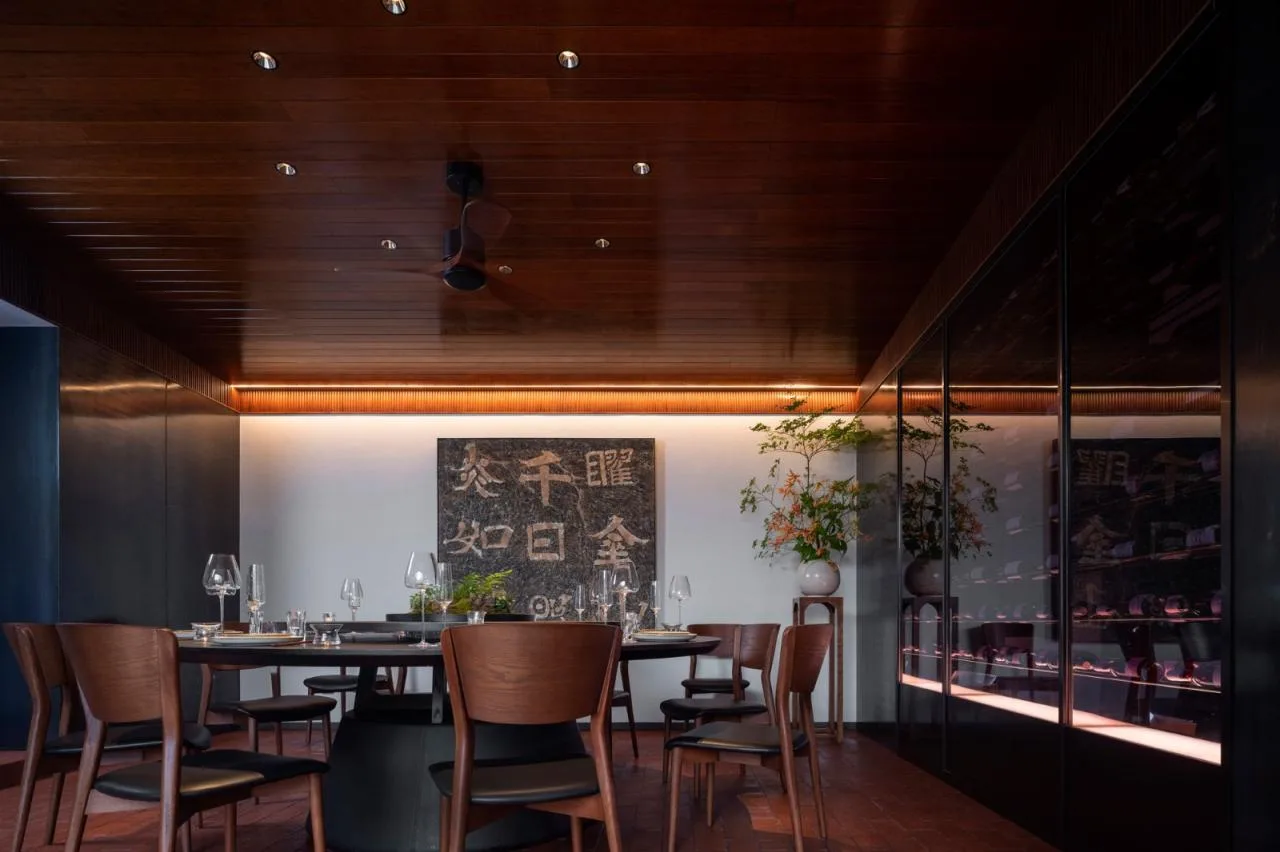
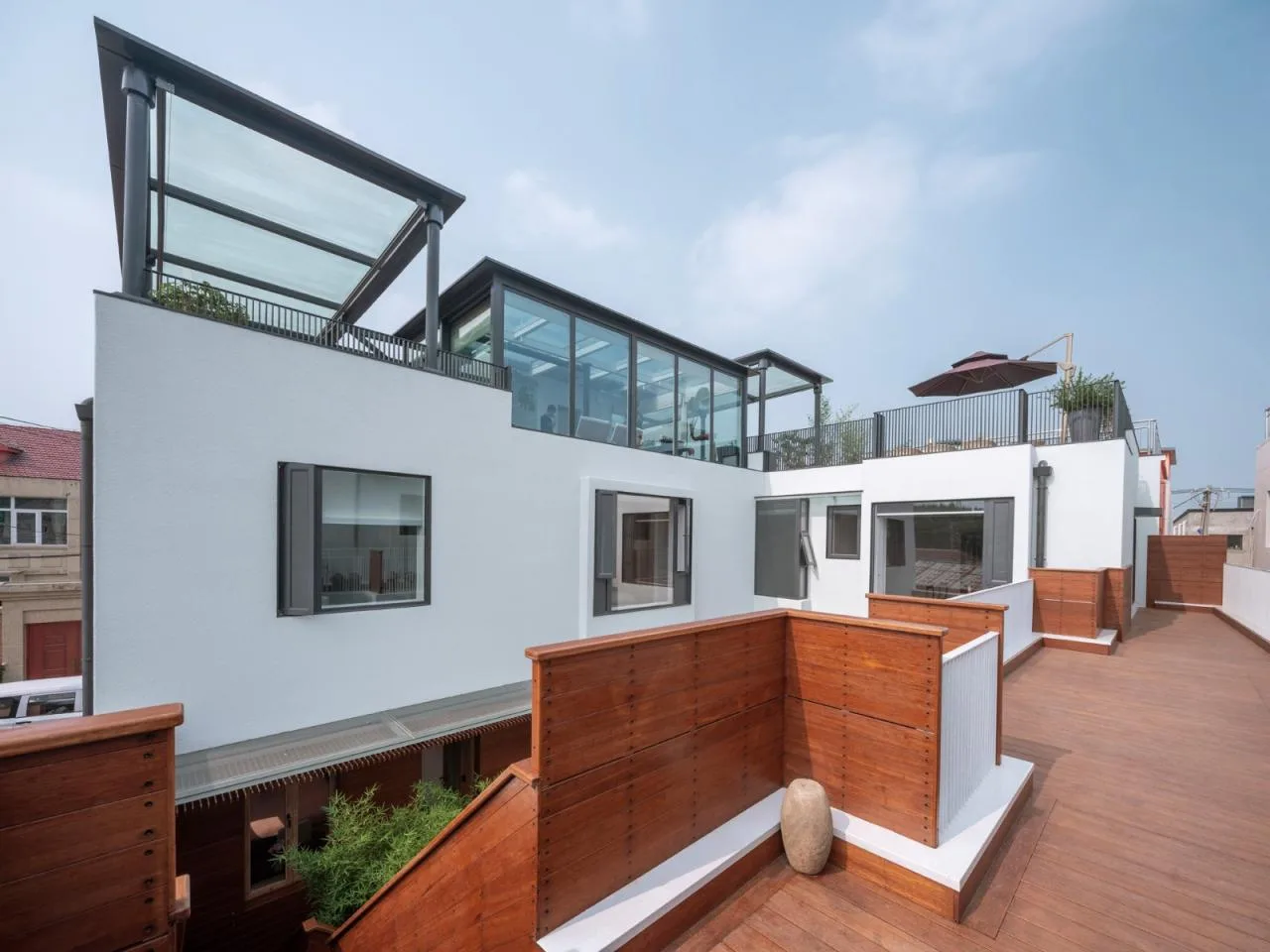
On a larger scale, the house itself acts as a vessel harmonizing with its surroundings. The designer strategically placed windows on scenic facades, sizing them to frame the landscape. The western mountains and river views flow through these openings, while skylights invite natural light inside. Views differ between the first and second floors, adding depth to the experience.
The kitchen window, in particular, transforms the chef into a performer on stage, fostering engagement beyond cooking. This concept of being seen is also a form of respect.
Inside, structural lines are anchored by the building’s core elements—red bricks and a 1970s-style roof that evoke emotion and craftsmanship. Removing an old escalator revealed brick walls that narrate stories of nostalgia, juxtaposed with a newly built white spiral staircase at the entrance.
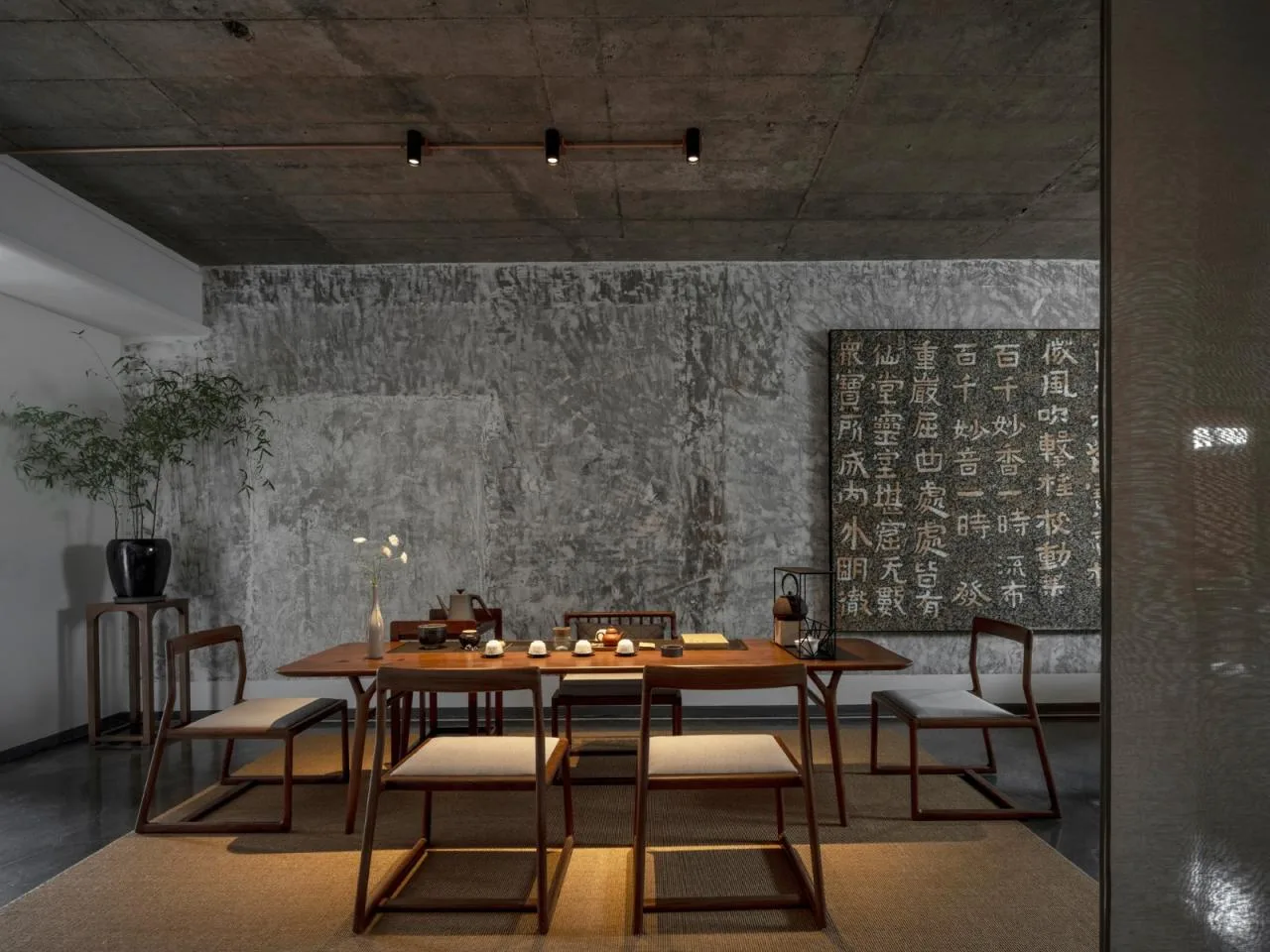
The material palette—from cement and solid wood to glass and steel plates—maintains respect and rationality. Layered combinations create richness and tension, while the natural textures of the materials regulate the space’s atmosphere, offering comfort and consistency. Material limitations also guide the design’s direction.
4. Improvisation
Vitality in motion
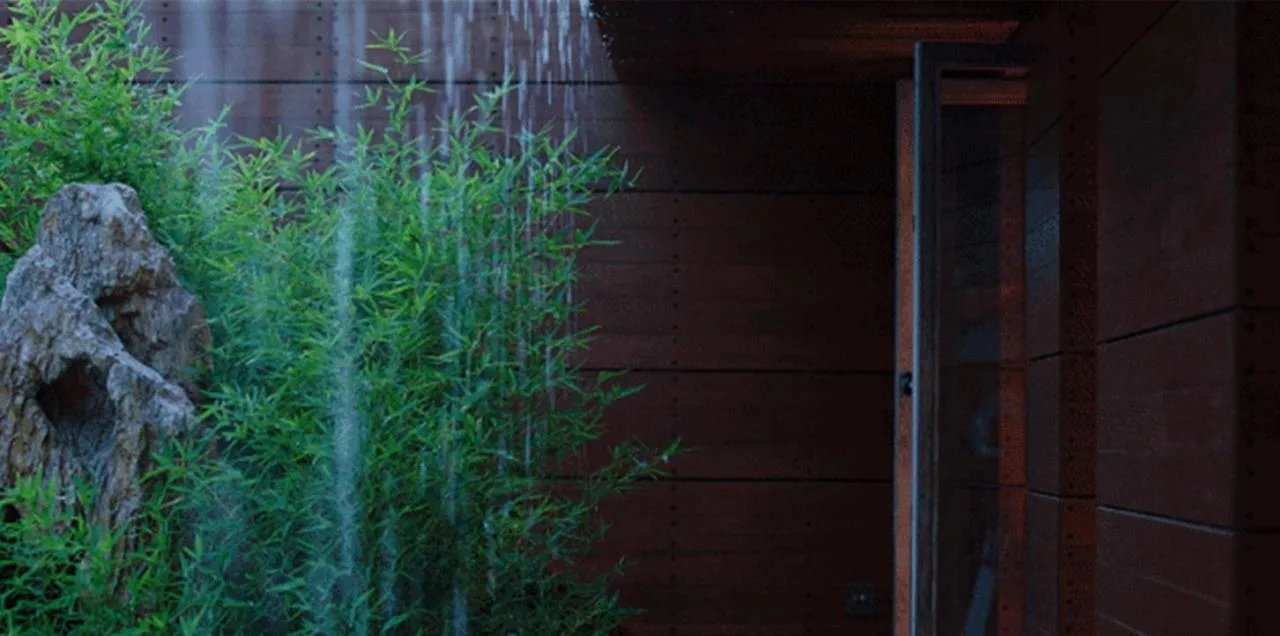
Every brushstroke leaves room for the materials and nature to breathe, blending space, environment, and humanity in a dynamic balance full of vitality.
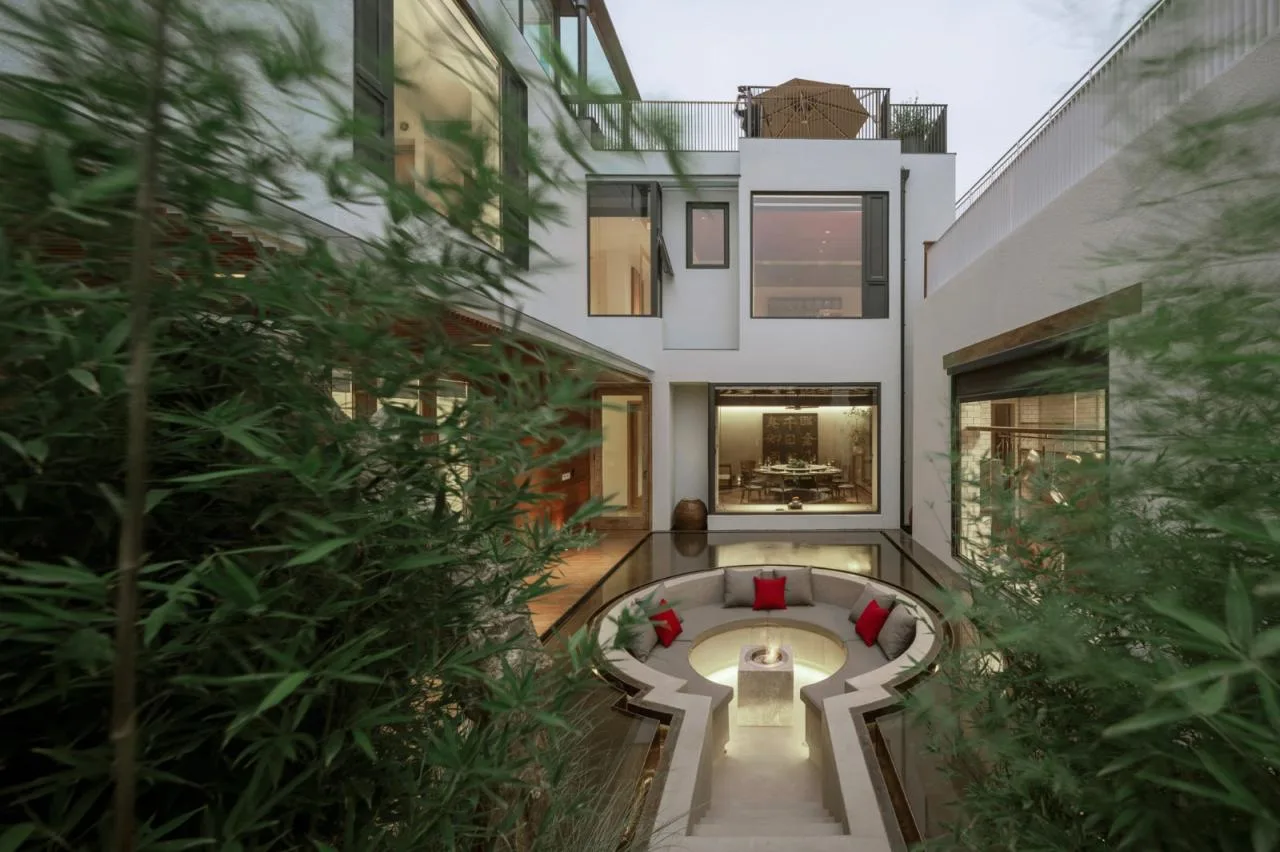
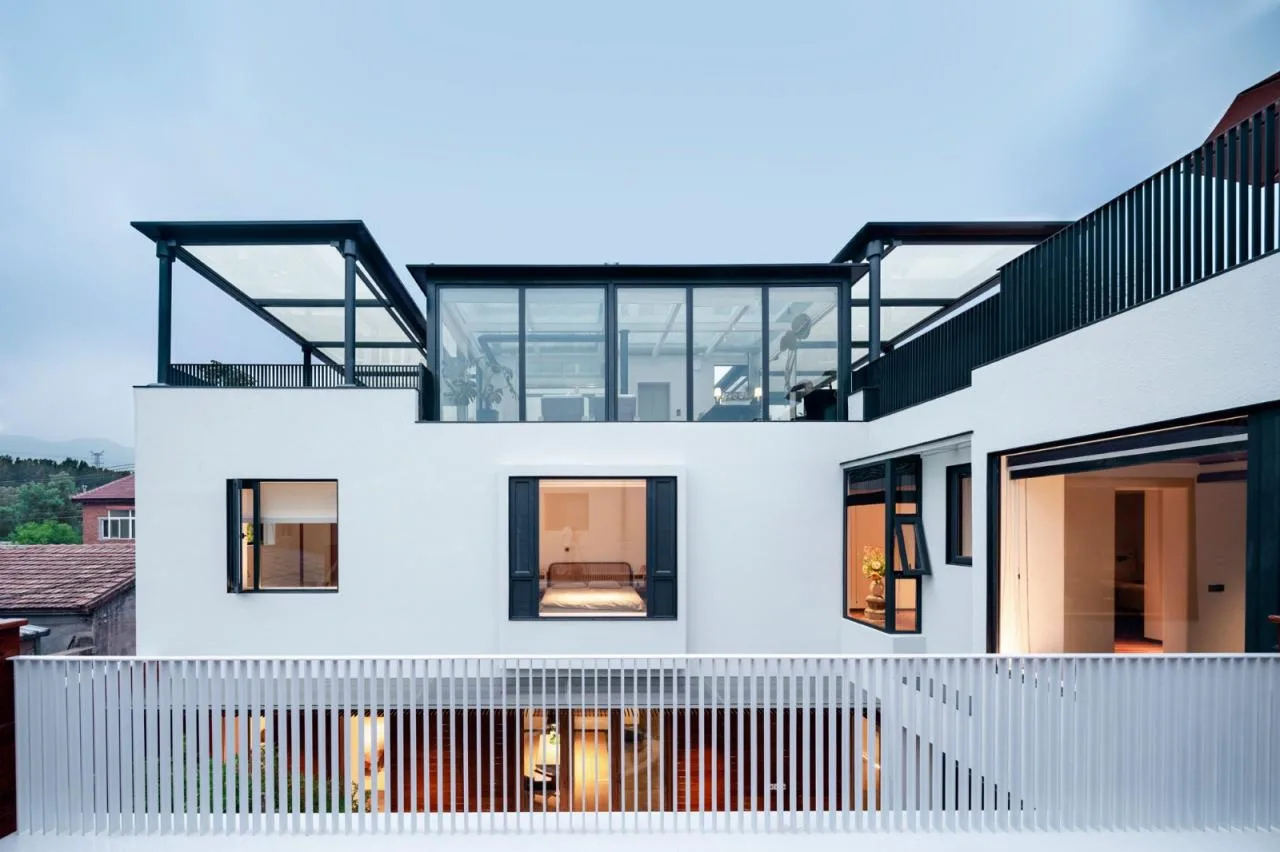
Beijing’s sky can often appear gray, but the expansive white walls purify the backdrop. A bamboo grove planted in the courtyard symbolizes the East, creating a natural contrast to the village and town—like Beijing facing the Jiangnan region.
Sunlight, rain, and sound freely interact with both the interior and exterior. Southern plantains and northern plants coexist in the flower house, dissolving boundaries between old and new, inside and outside, north and south, urban and rural. This surplus space offers room for both progress and retreat.
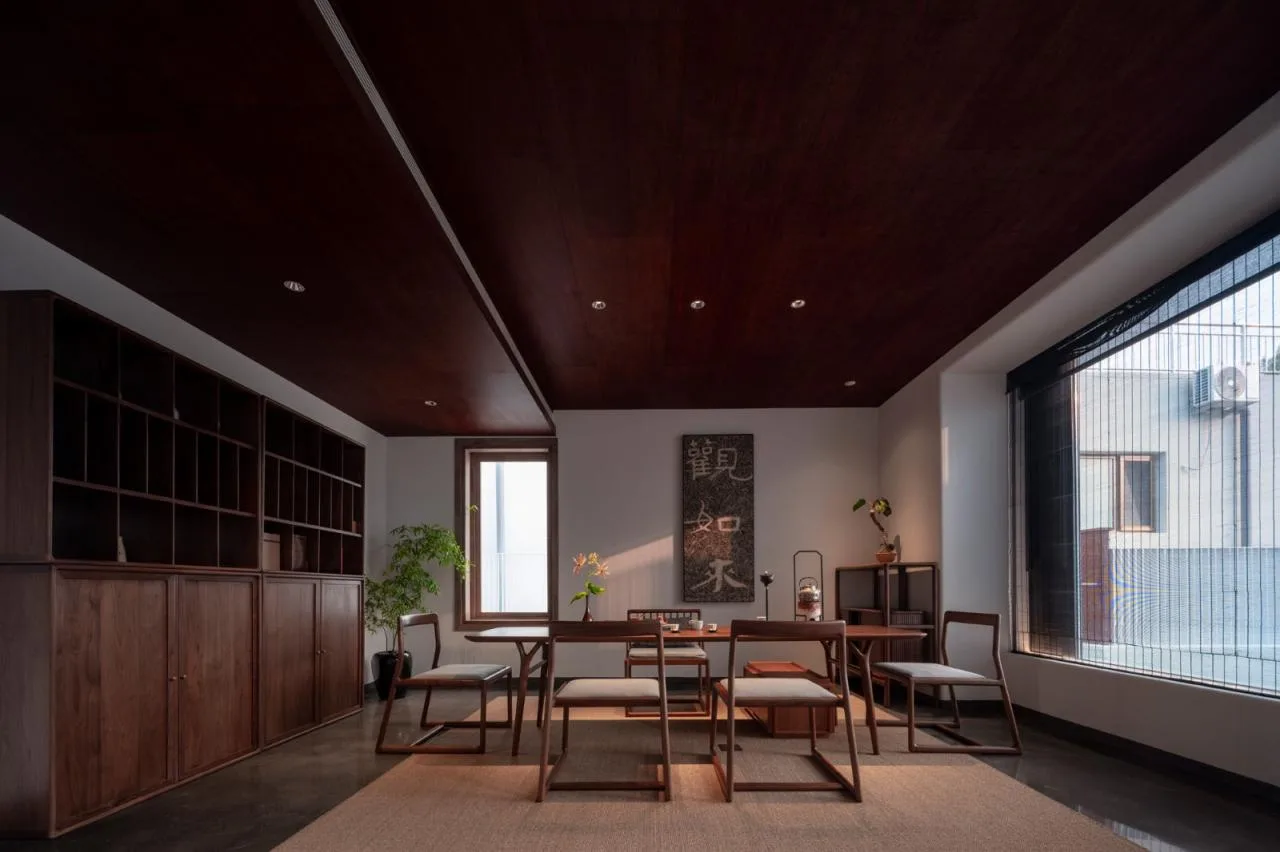
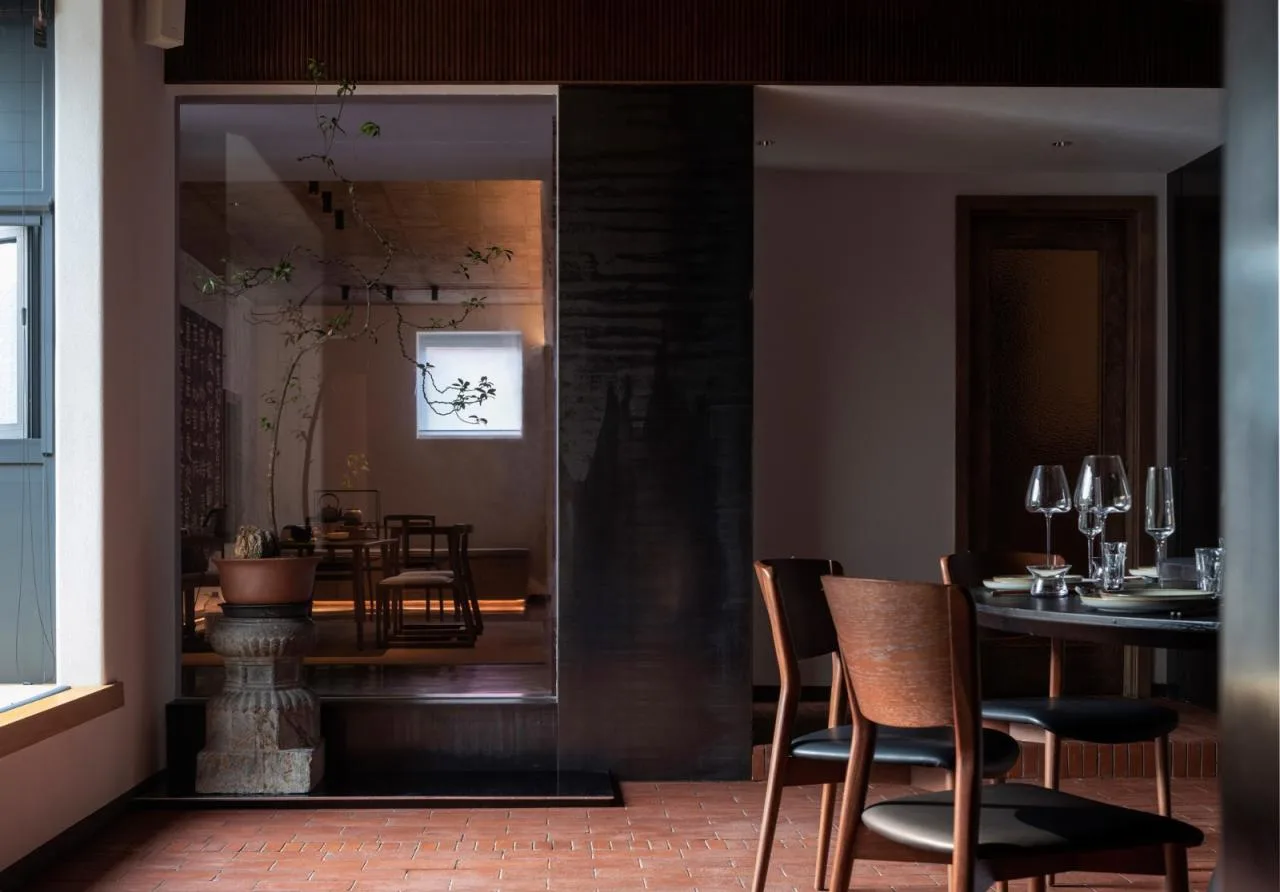
After completion, the owner often takes friends on tours around the house at various times of day, marveling at the shifting forms of plants and the flow of light and shadow. Guests find their own favorite spots without feeling obliged to entertain, while children invent new games and orchestrate calm yet grand improvisations throughout the day.
5. Rural Areas
The medium of traditional modernization
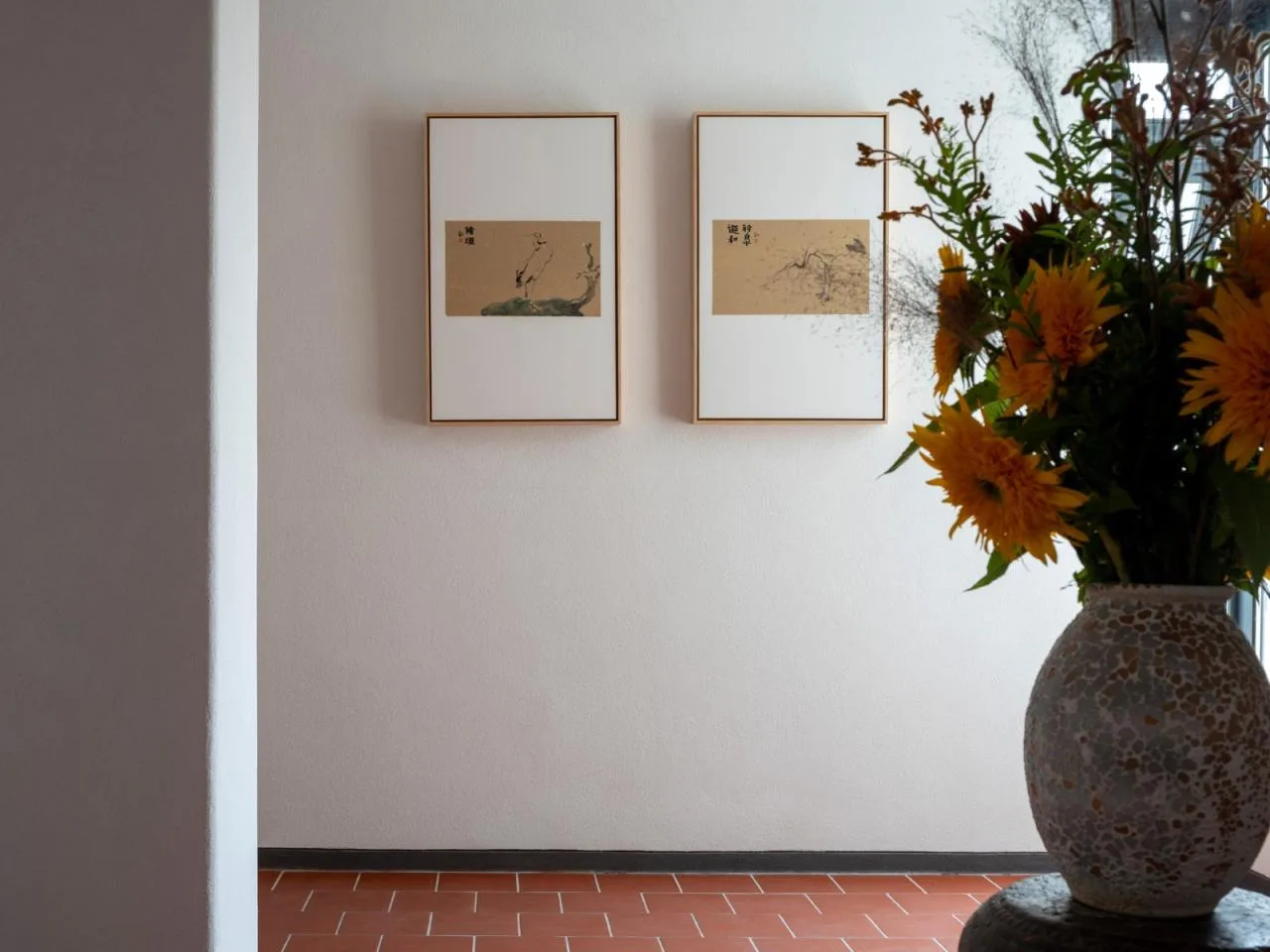
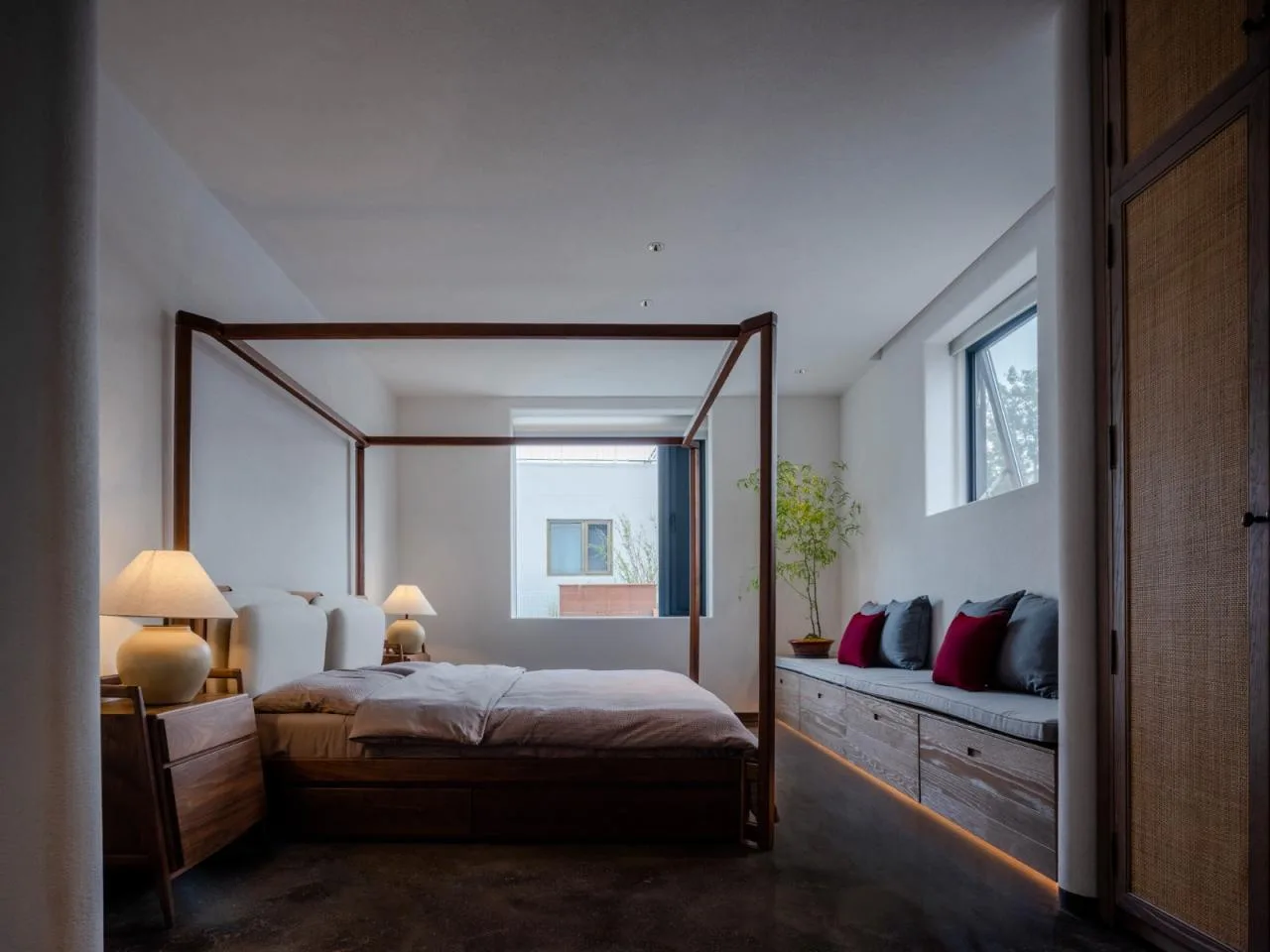
Wang Daquan favors designs that “live in self-awareness.” All interior furniture is sourced from domestic design brands, creating harmony through shared values. Utensils come from afar, with Ming and Qing dynasty tea vessels reintegrated into daily life here. Precious cliff carvings blend with natural light, seamlessly connecting past and present.
Floral designer Wan Hong meticulously curated the final touch of Song Yi at the corridor’s end. On the bay window couch facing the courtyard pool rests a teapot suspended by a lifting beam. Even the daughter of an abandoned winery’s red wine vat has been repurposed, adding endless charm to evenings in the courtyard.
Here, temple and martial arts traditions coexist within the same space, while the countryside offers a vast and open world. The traditional spiritual experience of the Chinese people reveals a natural, relaxed state in contemporary rural life. Design intervention acts like brushing away layers of dust to reveal precious treasures.
Design begins by solving practical problems, gradually moving toward cultural and emotional dimensions—much like rice growing from the soil, naturally and with traceability.
Conclusion
My focus lies in the spatial qualities and experiential essence of a place. Harmonizing space, light, and sound can move people deeply, often more than deliberate effort could achieve.
Beyond the homeowner’s full trust, on-site workers brought their creativity to bear, collaborating with the designer to tackle many complex construction challenges tailored to local conditions. This collective effort showcases the invaluable spirit of craftsmanship.
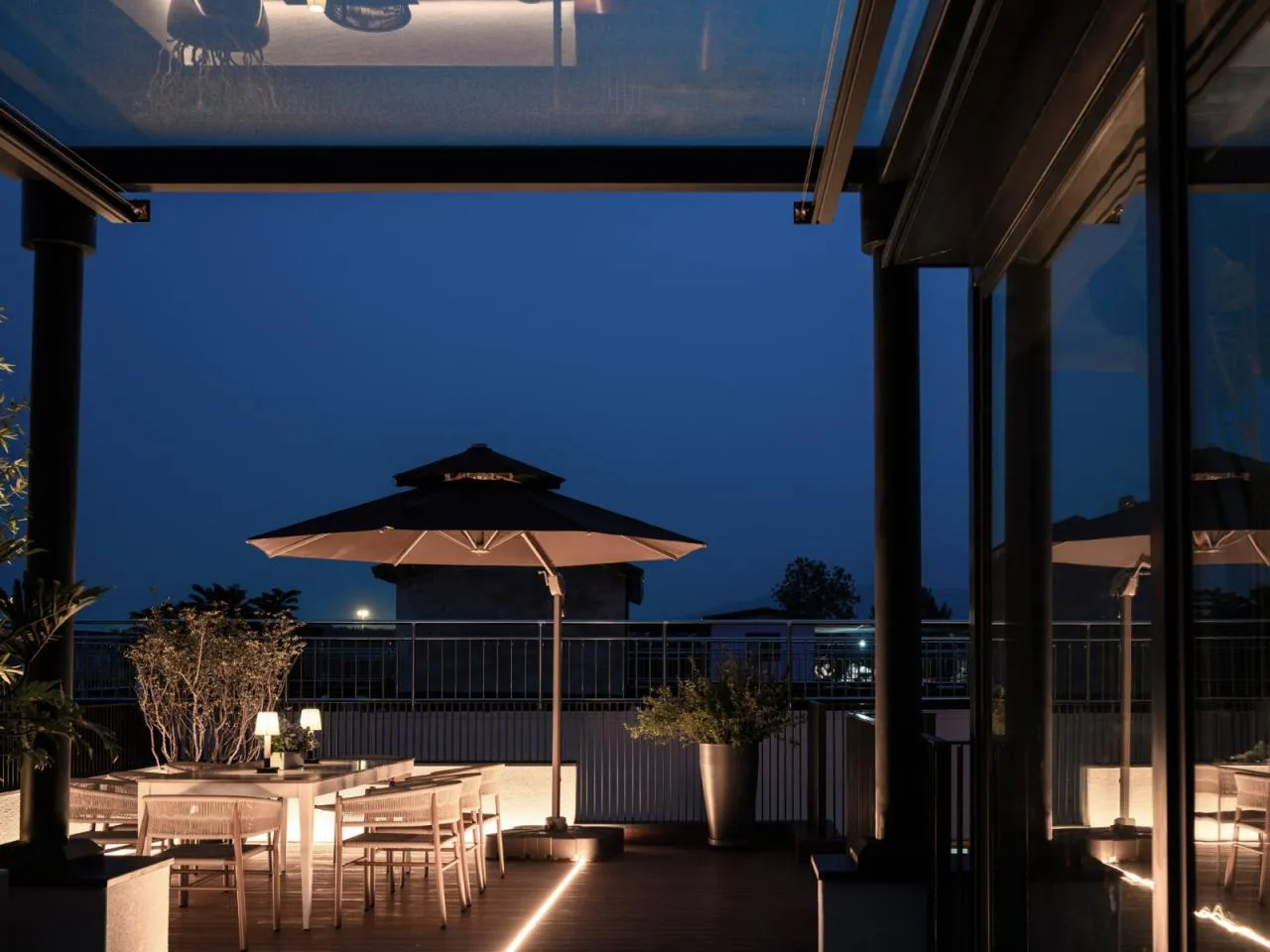
Xu Zhuoyun reflects on the spirit of Chinese culture as a harmony between human and natural dynamics. From this perspective, the countryside and its people possess an innate capacity for insight—design begins with introspection and patiently awaits transformation.
Project Drawings
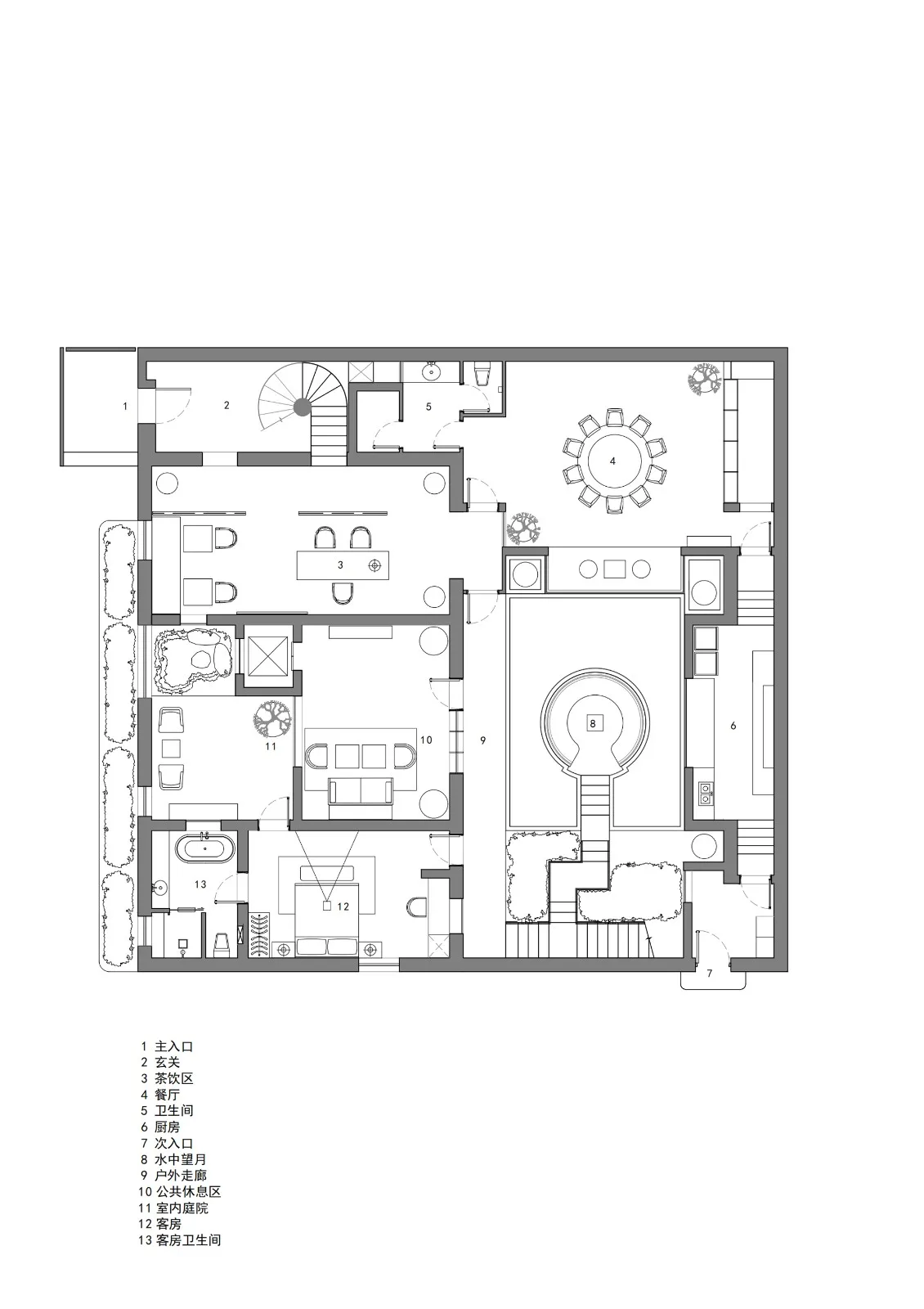
△ First Floor Plan
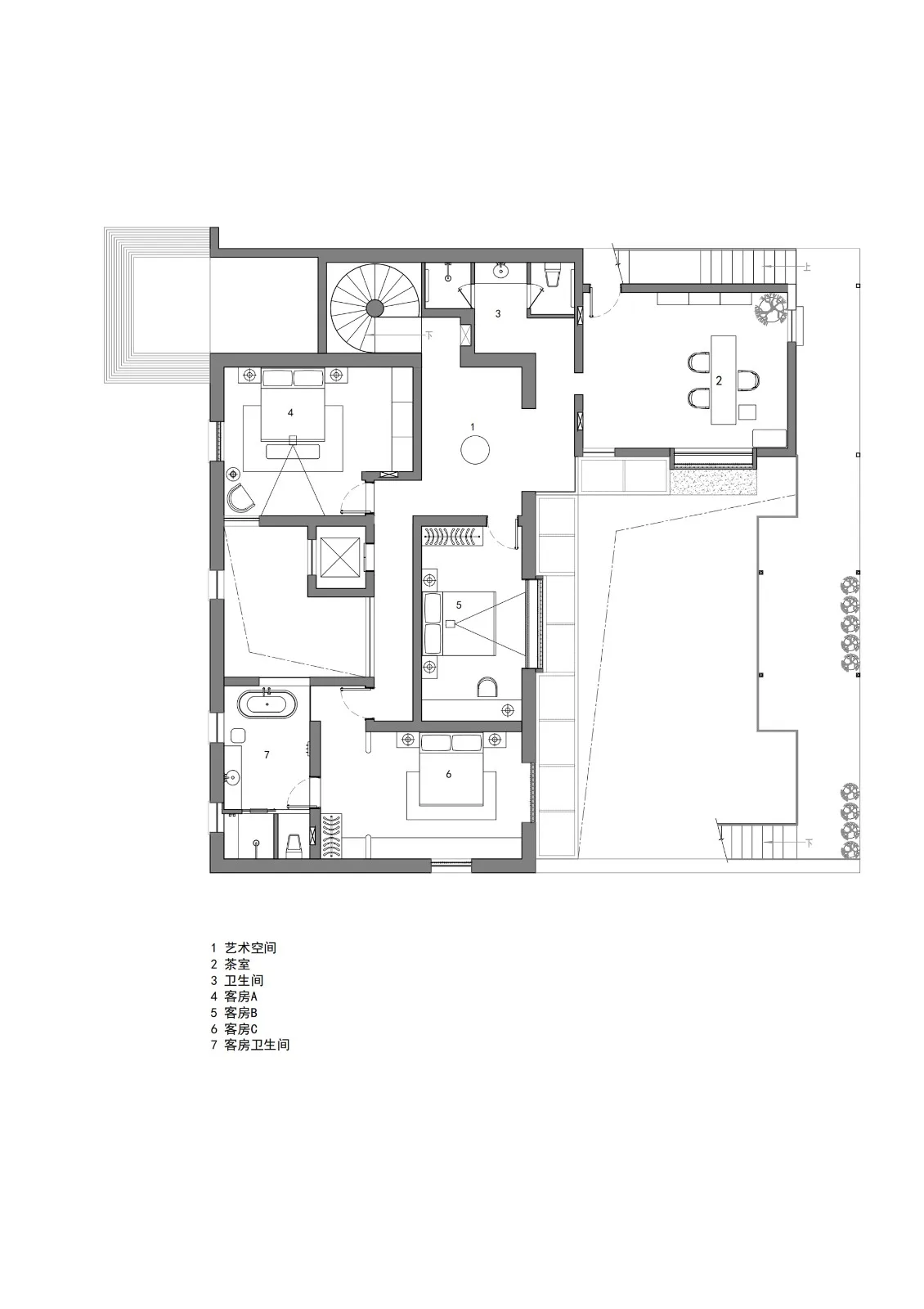
△ Second Floor Plan
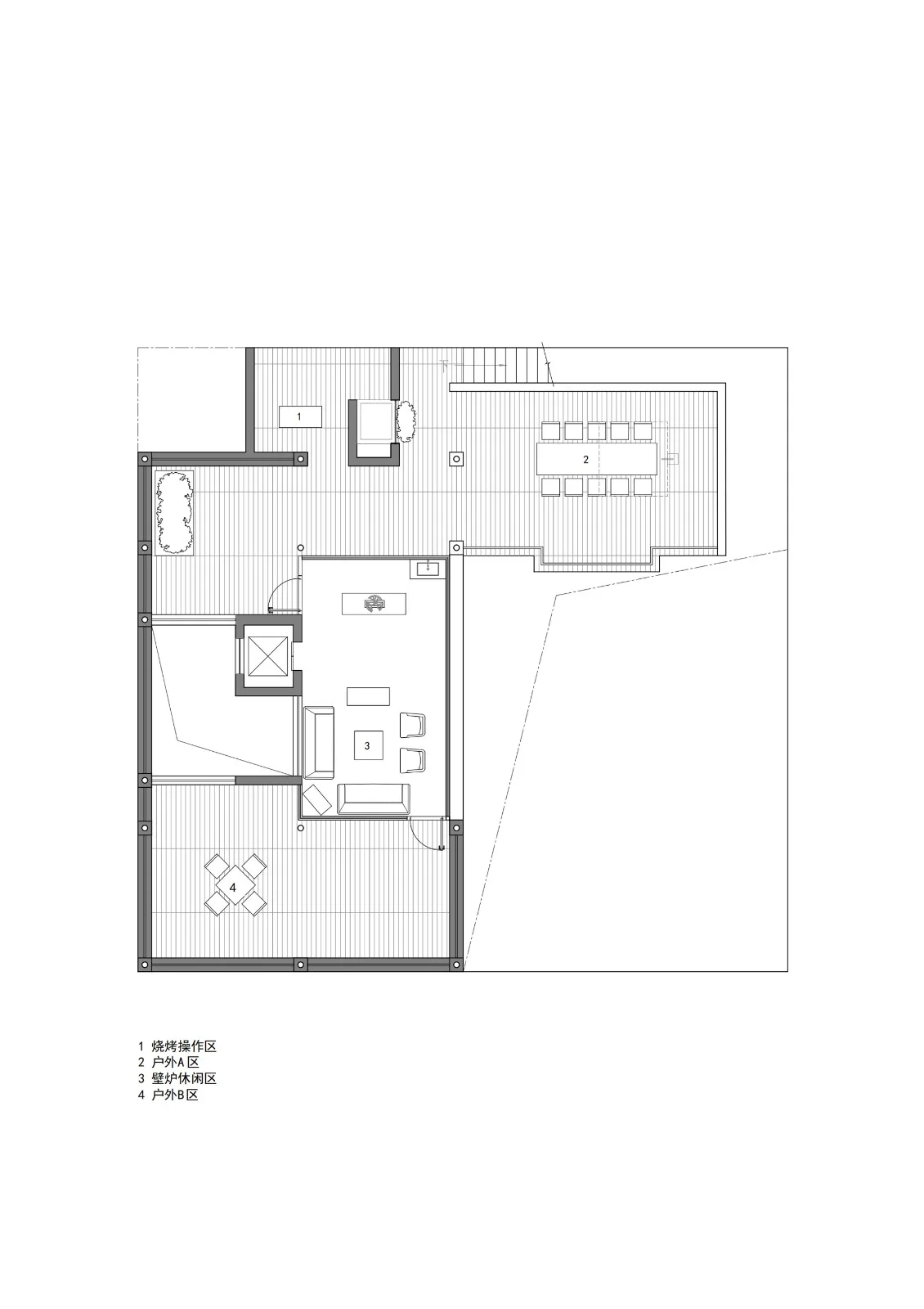
△ Third Floor Plan
Project Information
Project Name: Observing Freedom
Project Type: Interior & Landscape
Location: Haidian District, Beijing
Design Firm: Beijing Tianzospace Design Company (www.tanzopace.com)
Lead Designer: Wang Daquan
Design Period: 2021–2022
Project Area: 442 square meters
Lighting Design: Light Banquet Shengpin
Furniture Brands: Suyuan, Fanji, Yiji
Floral Arrangement: Wan Hong
Photography: Shi Yunfeng
Videography: Du Peng
Copywriting & Planning: NARJELING















Must log in before commenting!
Sign Up