
Content source: Transportation Research Lab

1. Software Overview
Synchro is a traffic signal timing and optimization software developed by the American company Trafficware, based on the Highway Capacity Manual (HCM) specifications from the US Department of Transportation. It is designed to evaluate, optimize, and predict service levels, vehicle operating efficiency, and emissions at unsignalized intersections, signalized intersections, and roundabouts.
2. Case Study
2.1 Traffic Signal Point Control Timing Design
This case study uses the intersection of Xinjiekou South Street and Ping’anli West Street as an example to demonstrate how to utilize Synchro software for intersection optimization. Figure 3 below shows a satellite image and plan view of the intersection, while Figure 4 presents the traffic flow statistics for each entrance and direction. Figure 5 illustrates the signal timing during peak hours. All data was collected in July 2018.
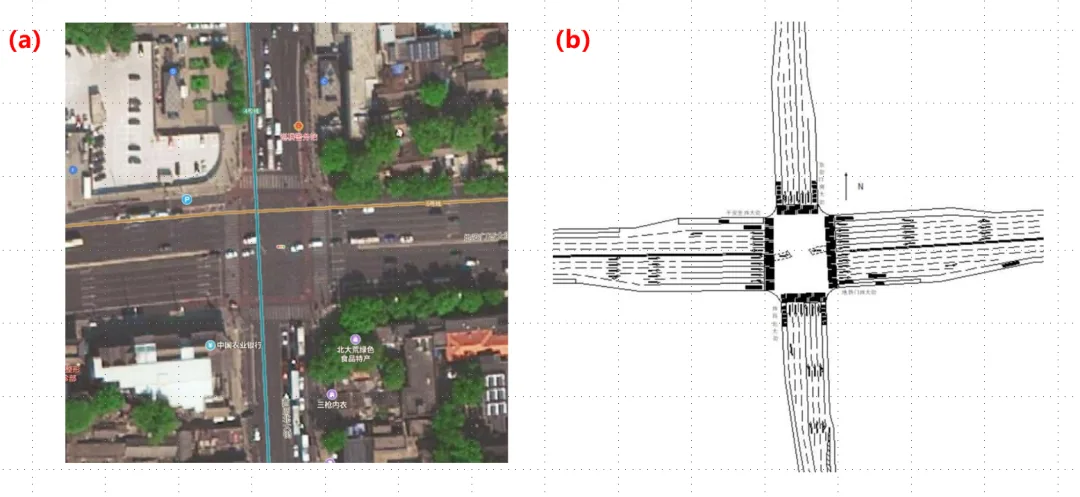
Figure 3. Schematic diagram of the intersection at Xinjiekou South Street and Ping’anli West Street
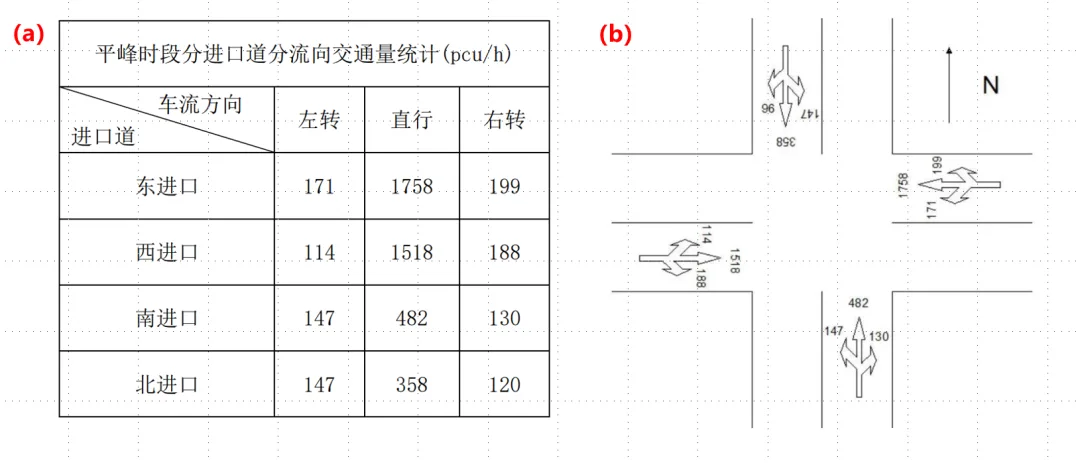
Figure 4. Peak hour traffic volume statistics at the intersection
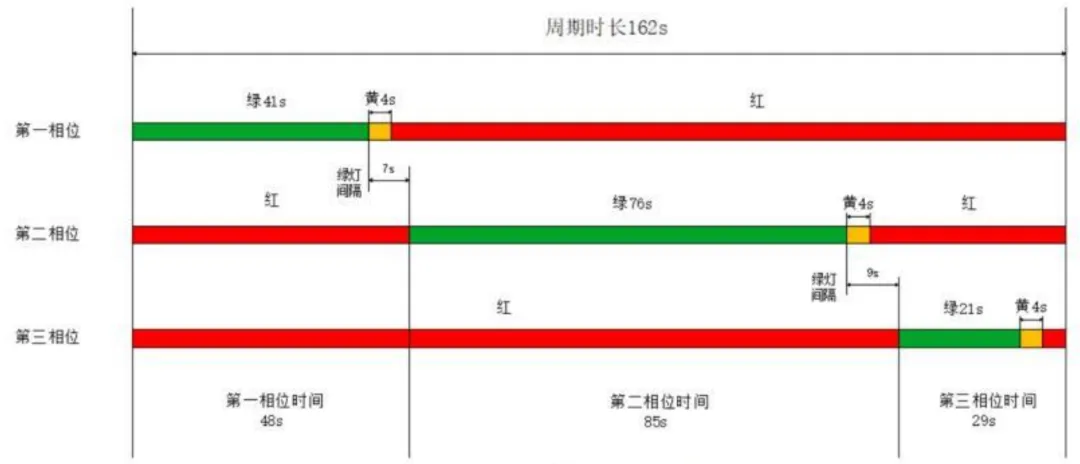
Figure 5. Signal timing during peak hours at the intersection
After entering the traffic data and signal timing scheme for the Pingfeng intersection into Synchro, the interface appears as shown in Figure 6.
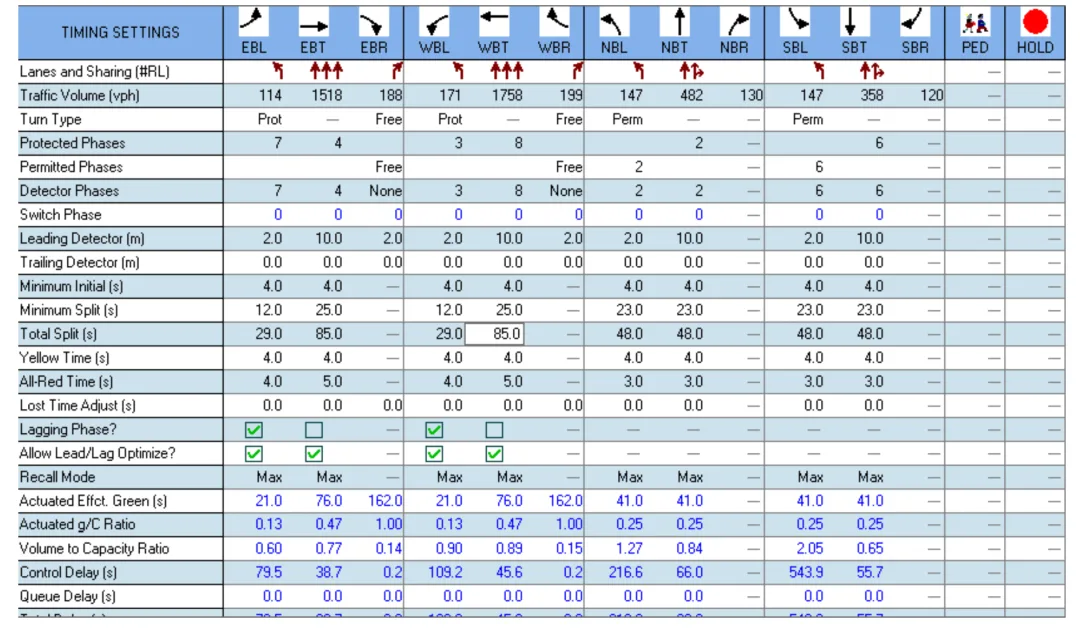
Figure 6. Synchro simulation parameters interface
To assess the service level and vehicle operating efficiency during off-peak hours, select File Report in Synchro. Users can customize the report type (Reports) and content (Options), including measures of effectiveness (MOE) and detail levels. For this case, the basic evaluation report and utility evaluation report (MOE) for each entrance lane are generated.
Given the extensive evaluation indicators available, our analysis focuses on control delay, service level of entrance lanes, total entrance lane delay, and entrance lane service level. The evaluation report generated by Synchro is shown below.
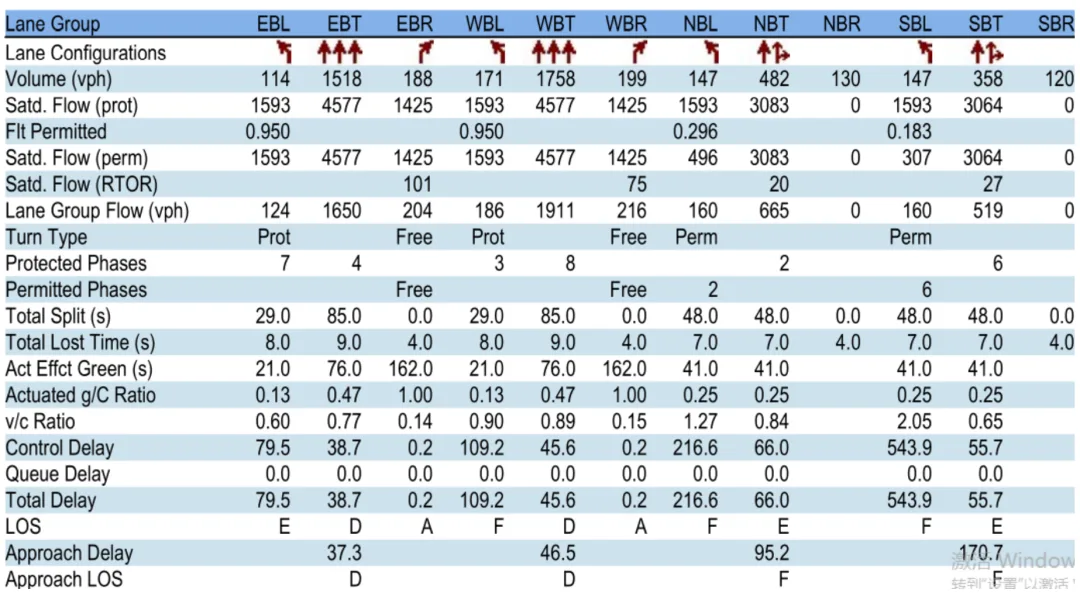
Figure 7. Evaluation report on signal cycles during peak hours at the intersection
From the report, significant delays and reduced service levels are observed at the intersection of Xinjiekou South Street and Ping’anli West Street during peak periods. The delays at the southern and northern inbound lanes are substantial, measuring 95.2 seconds and 170.7 seconds respectively. More detailed analysis shows left-turn delays at the north and south entrances of 216.6 seconds and 543.9 seconds, with volume-to-capacity (V/C) ratios of 1.27 and 2.05, both exceeding 1.
These findings suggest that left-turn delays at the north and south entrances are the primary factors causing extensive delays at the entire intersection. Therefore, the subsequent signal timing optimization focuses on reducing left-turn delays at these entrances.
The overall service level of the intersection during peak hours is illustrated in Figure 8.
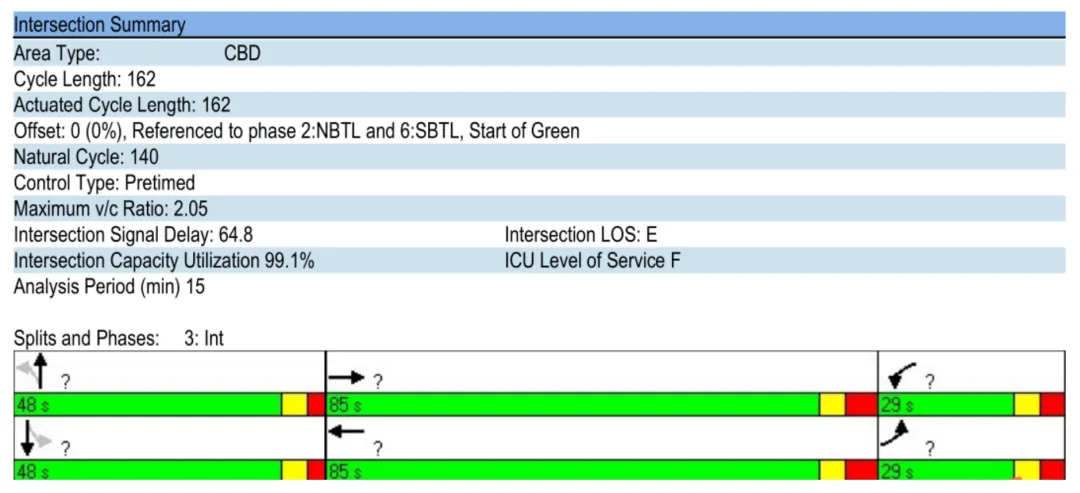
Figure 8. Comprehensive evaluation of the signalized intersection
The MOE report evaluates the intersection holistically and includes additional indicators such as fuel consumption and total stops, compared to the Intersection Summary. The results are shown in Figure 9.
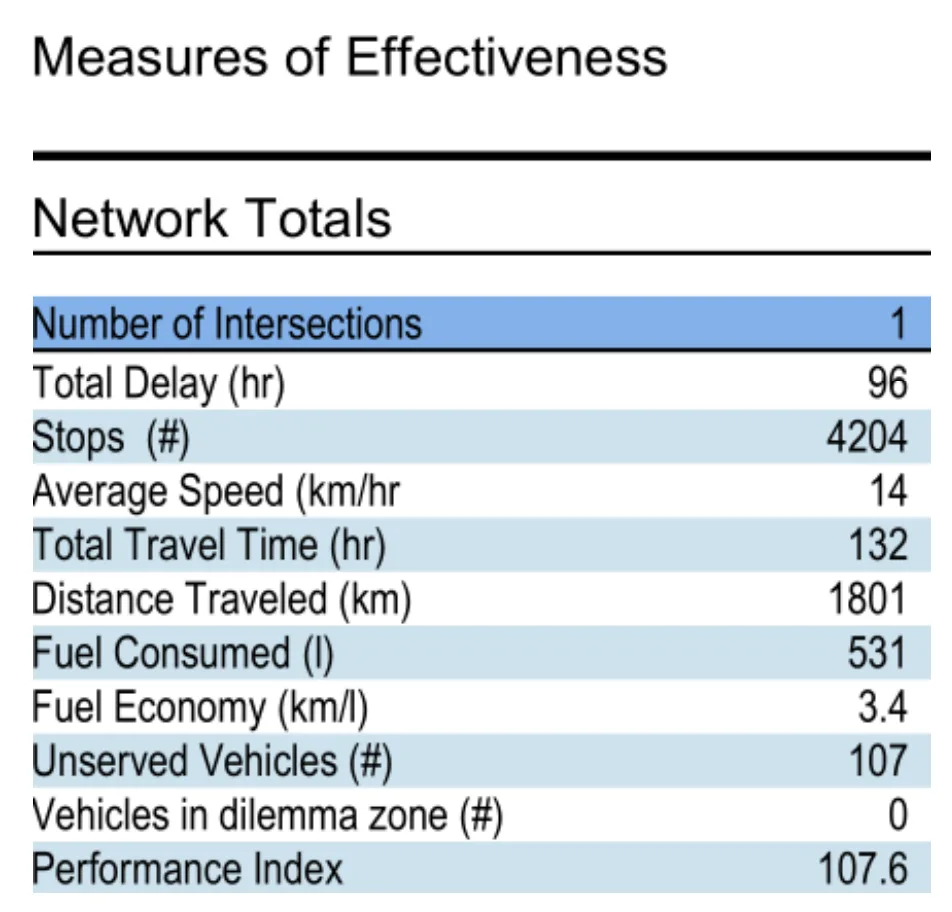
Figure 9. Efficiency evaluation of the signalized intersection
Since the service level of the intersection during peak hours is relatively low, efforts are underway to improve it by optimizing signal cycles, adjusting phases, modifying entrance and exit lanes, channelizing traffic, and reducing vehicle delays and emissions. Due to space constraints, this study focuses on optimizing the total signal cycle duration and green light durations.
Cycle Duration Optimization
In Synchro’s Node Settings panel on the left, click the “Optimize Cycle Length” button to optimize the cycle duration, as shown below.
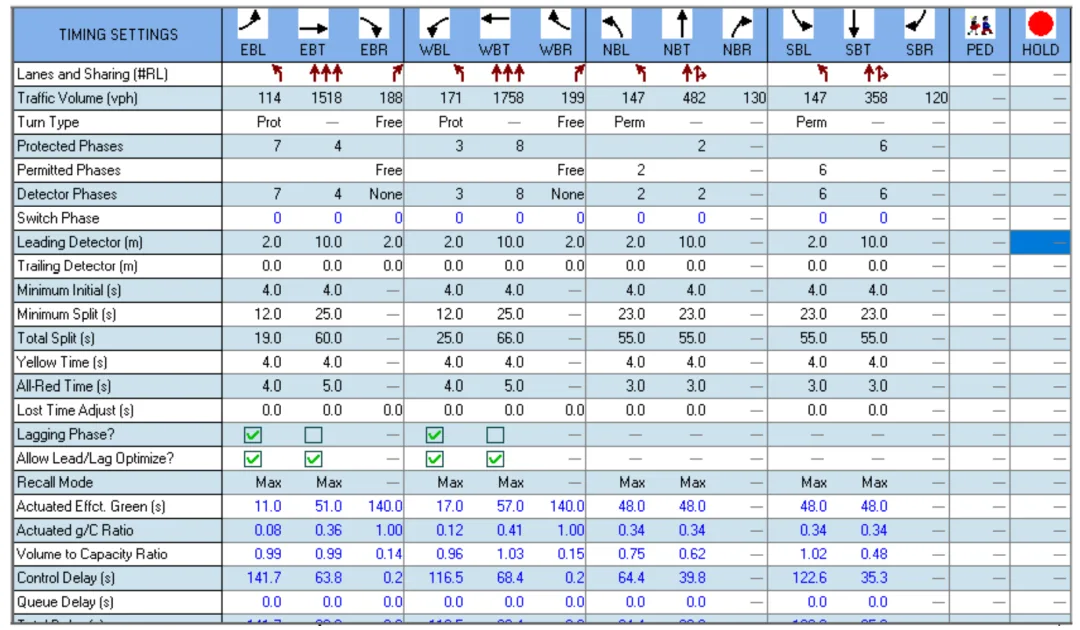
Figure 10. Results of signal cycle duration optimization
Green Light Duration Optimization
In the Node Settings panel, click the “Optimize Splits” button to optimize green light durations, as illustrated below.
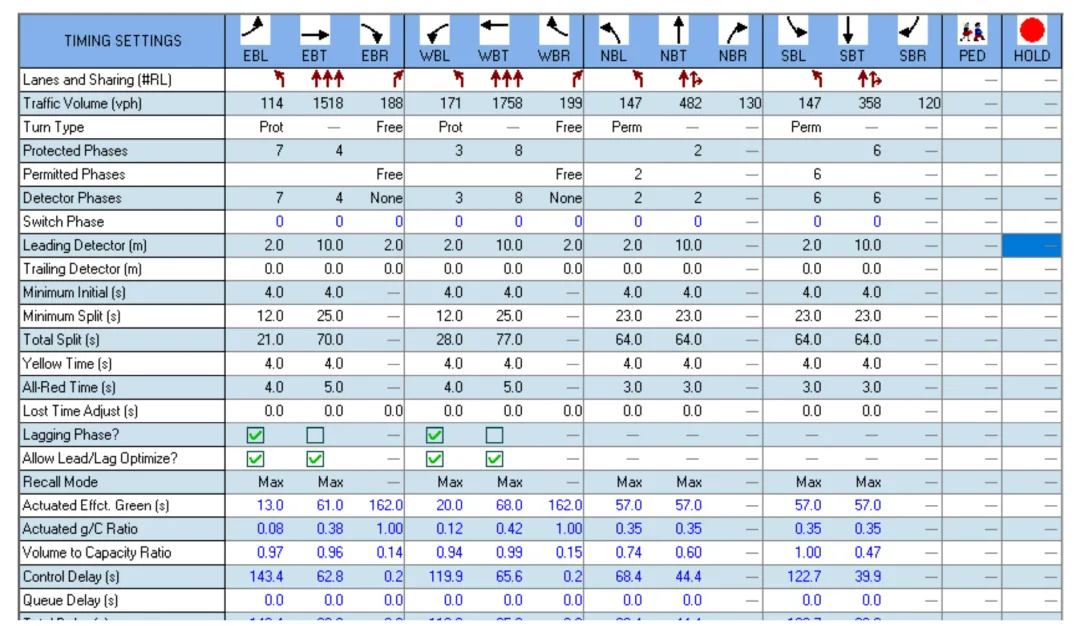
Figure 11. Green light duration optimization results at signalized intersections
2.2 Coordination and Timing Design for Mainline Traffic Signal Control
The signal cycles and lane configurations of other intersections along the main road are analyzed statistically, and Webster’s method is applied to optimize signal timing individually.
Table 1. Service Level Evaluation at Mainline Intersections
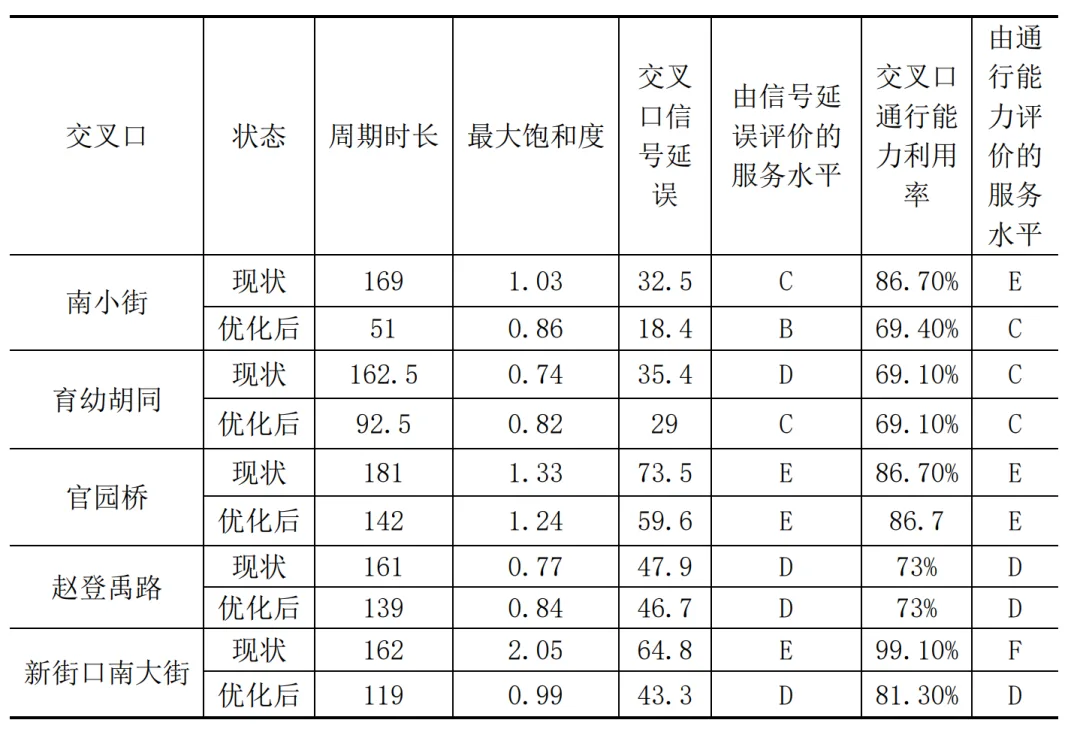
The coordination and timing design for mainline traffic signals follow these steps:
- Calculate the signal cycle and key parameters for each intersection using Webster’s single-point signal timing method.
- Identify the intersection with the longest required cycle as the critical intersection; this cycle becomes the system cycle for line control.
- Determine green signal ratios and green times for each phase at each intersection based on the system cycle and traffic flow ratios of primary and secondary roads, ensuring pedestrian crossing times exceed minimum green durations.
- Set the main road green time at the critical intersection as the minimum green duration for the main road directions at all intersections.
- For non-critical intersections, set the secondary road green time based on calculations from step three as the minimum green time.
- If the system cycle exceeds the required cycle at non-critical intersections, those intersections adopt the system cycle, increasing all green light durations accordingly; secondary road green times maintain their minimum levels.
- To facilitate two-way coordination, non-critical intersections maintain minimum green times for secondary roads, allocating extra green time to the main road direction, thus widening the bandwidth for line control.
Mainline Webster Calculation Results
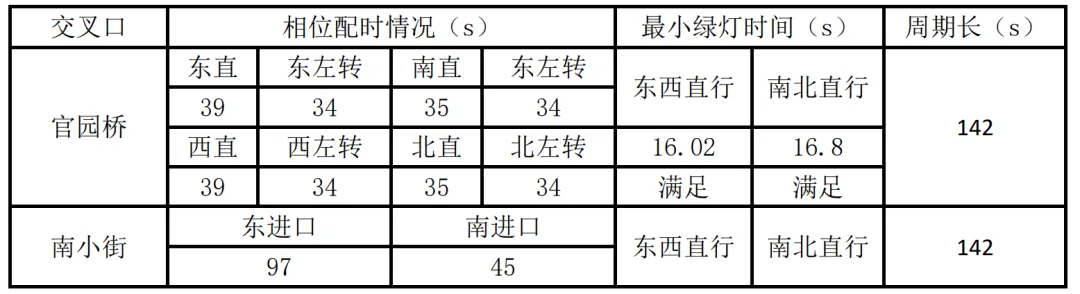
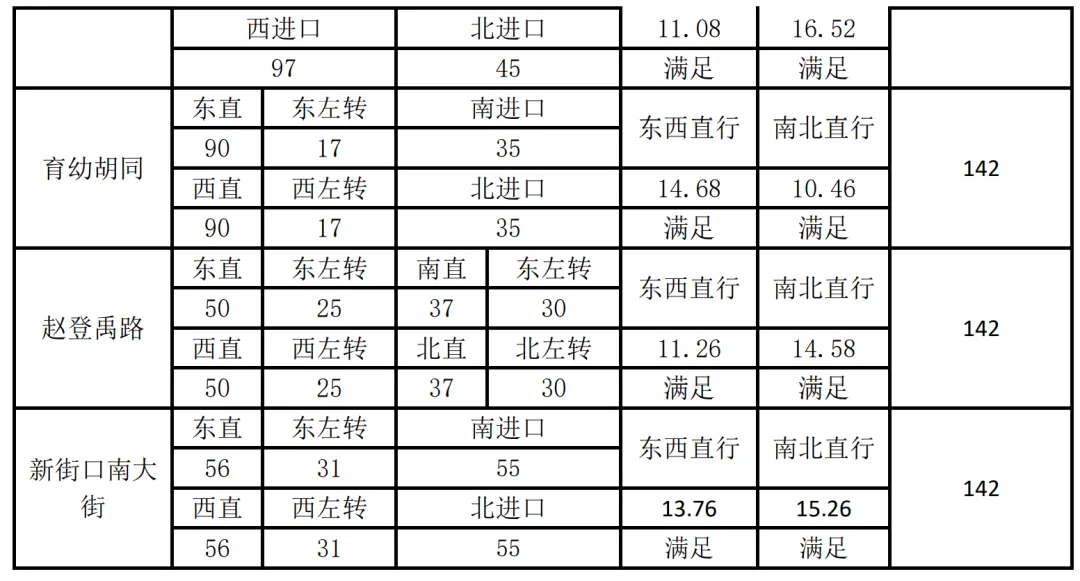
Using the timing calculated by Webster, the mainline is scheduled as described. The Guanyuan Bridge intersection has the longest cycle at 142 seconds, making it the critical intersection. For other intersections, the difference between their cycle and this critical cycle is proportionally added to the east-west main road direction, while maintaining minimum green times for secondary roads. Table 2 presents the optimized timing schemes for trunk road intersections.
Table 2. Optimized Timing Scheme for Trunk Road Intersections
Coordinated Control of One-Way Green Wave on the Mainline
After obtaining each intersection’s timing on the mainline, the next step is to calculate phase differences. Based on the road network’s lengths, the distances between intersections are as follows:
Table 3. Distances Between Intersections

West to East Green Wave
The phase difference calculations for west-to-east travel are shown below:
Table 4. Phase Differences from West to East at Each Intersection
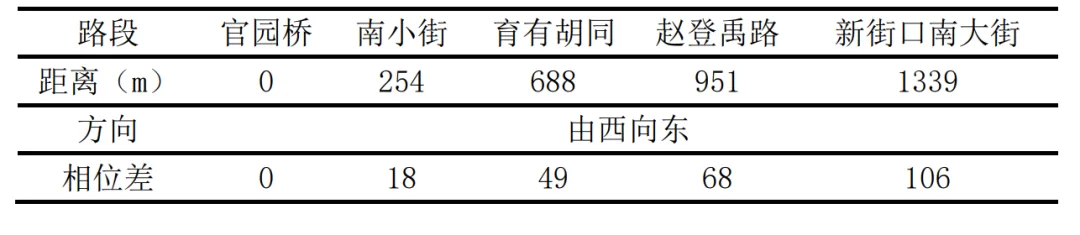
After inputting these results into Synchro, the generated green wave band is displayed below.
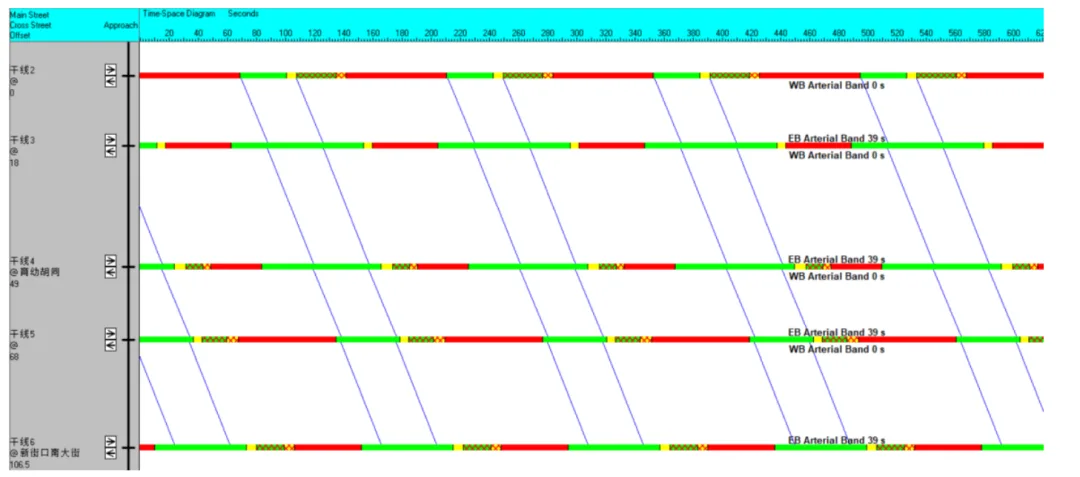
Figure 12. Unidirectional green wave band traveling from west to east, lasting 39 seconds
East to West Green Wave
The phase difference calculations for the east-to-west direction are as follows:
Table 5. Phase Differences from East to West at Each Intersection
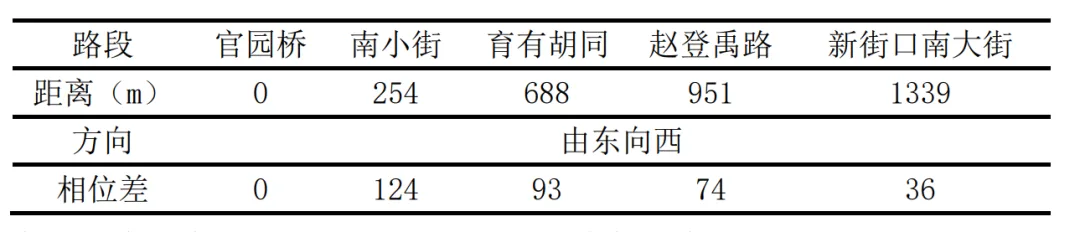
After entering these values into Synchro, the resultant green wave band is shown below.
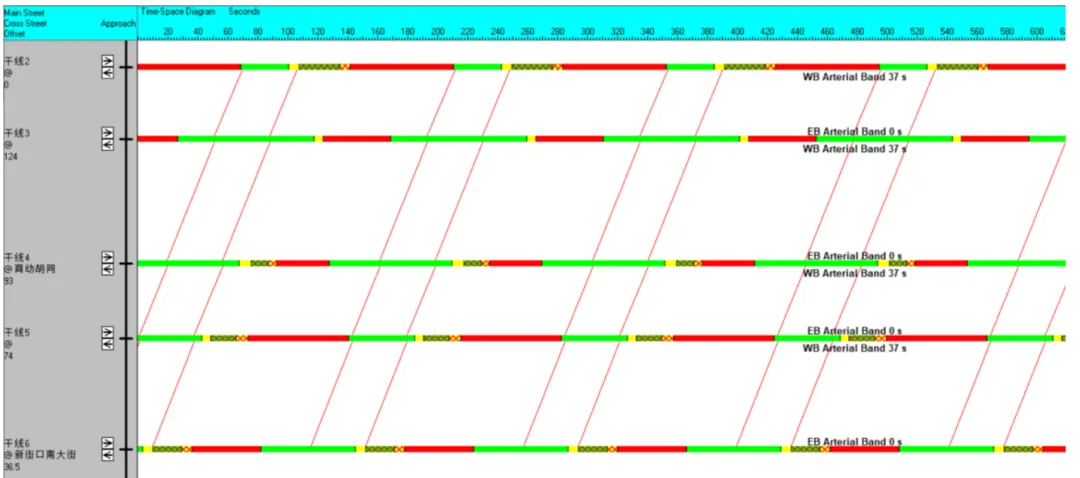
Figure 13. Unidirectional green wave band traveling from east to west, lasting 37 seconds
Synchro Simulation and Results
After optimizing the one-way green wave on the mainline, a simulation was run with a 3-minute vehicle generation warm-up period and a simulation duration from 10:00 to 10:30. The simulation report was generated for comparative analysis.
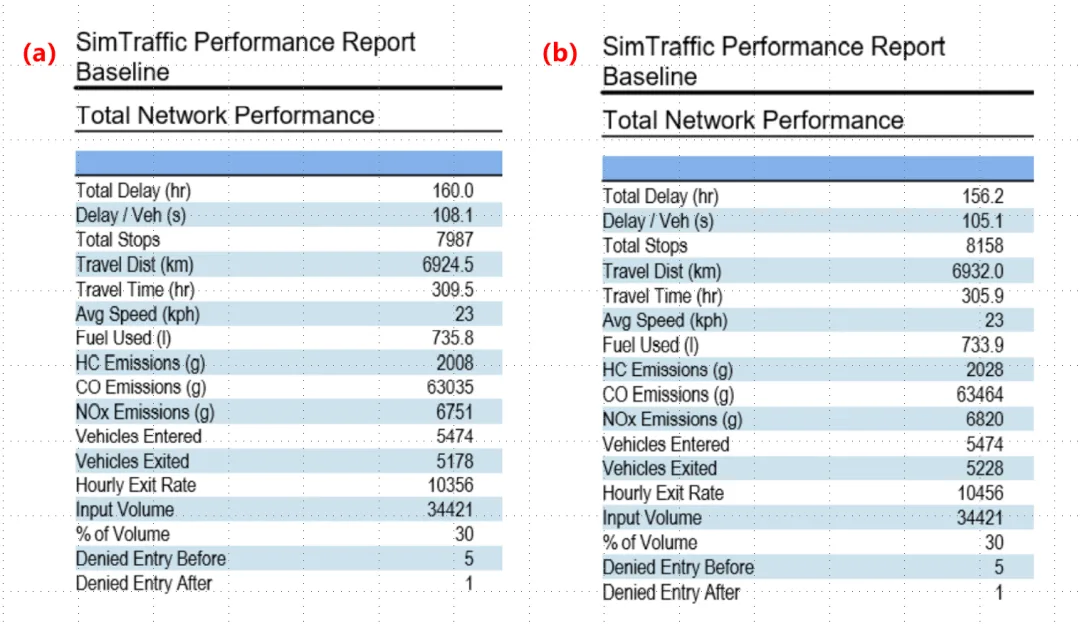
Figure 14. Green Wave Band Simulation Report (a: West to East; b: East to West)
Because this optimization only addresses one-way green wave coordination on the main line and does not coordinate intersections bidirectionally, the improvement in service level for the trunk transportation system is limited and does not reach ideal performance.
















Must log in before commenting!
Sign Up