
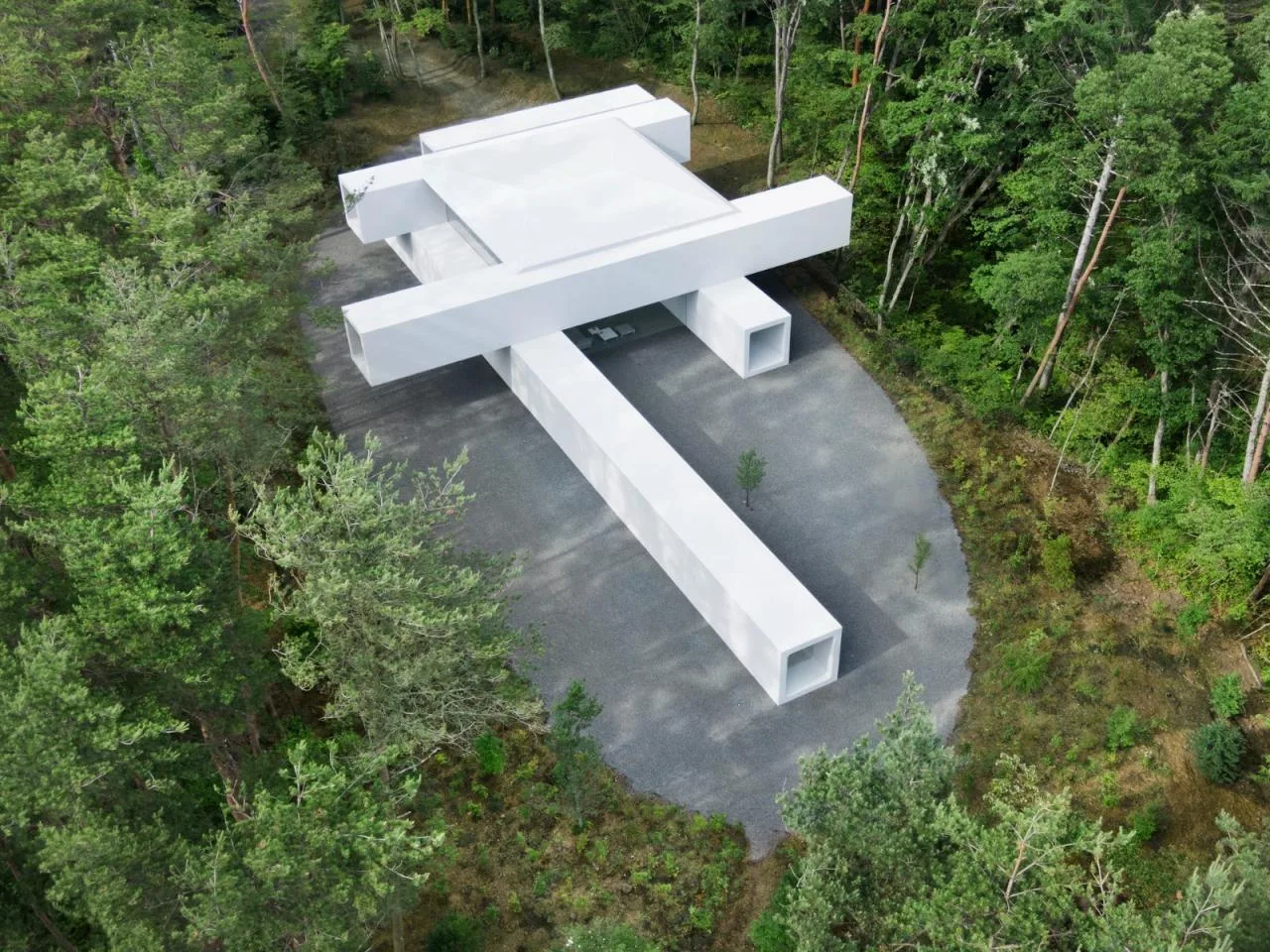
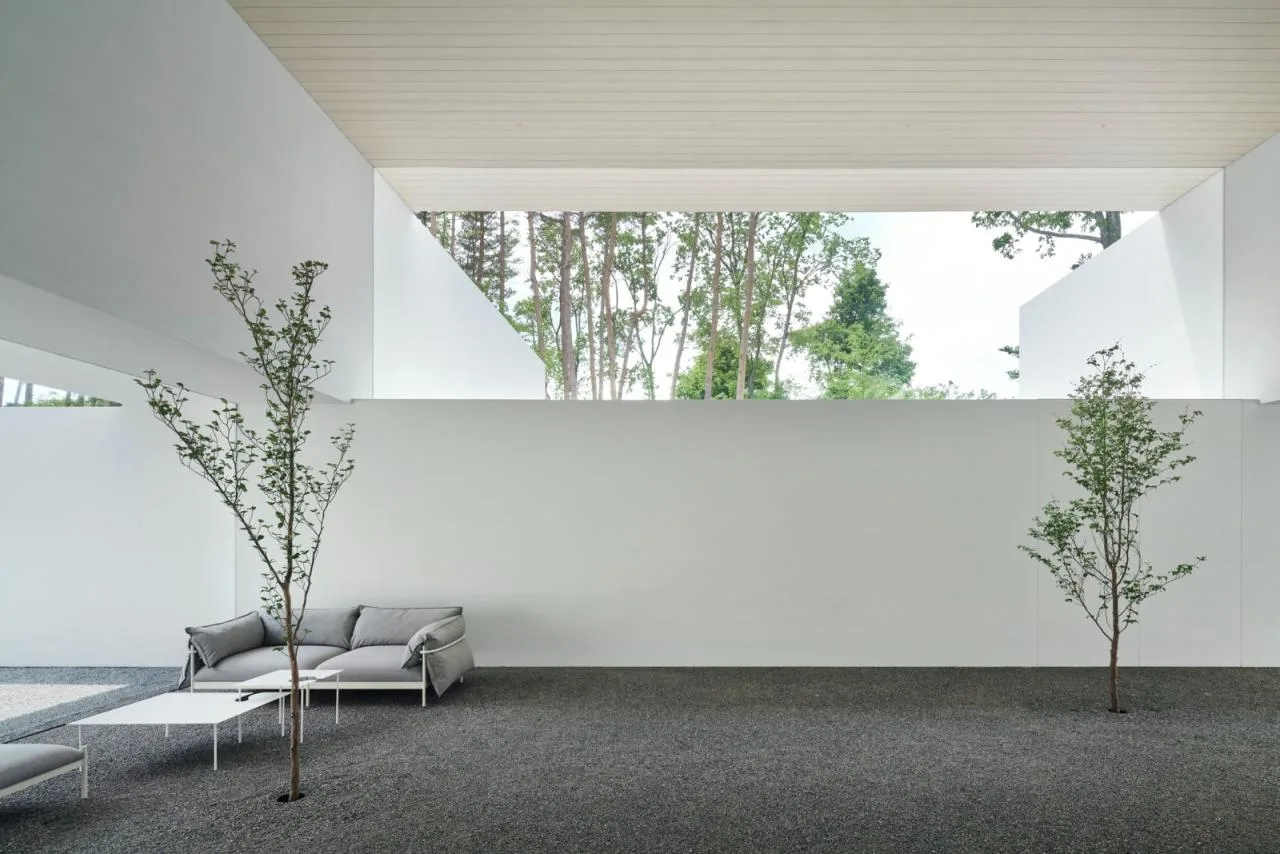
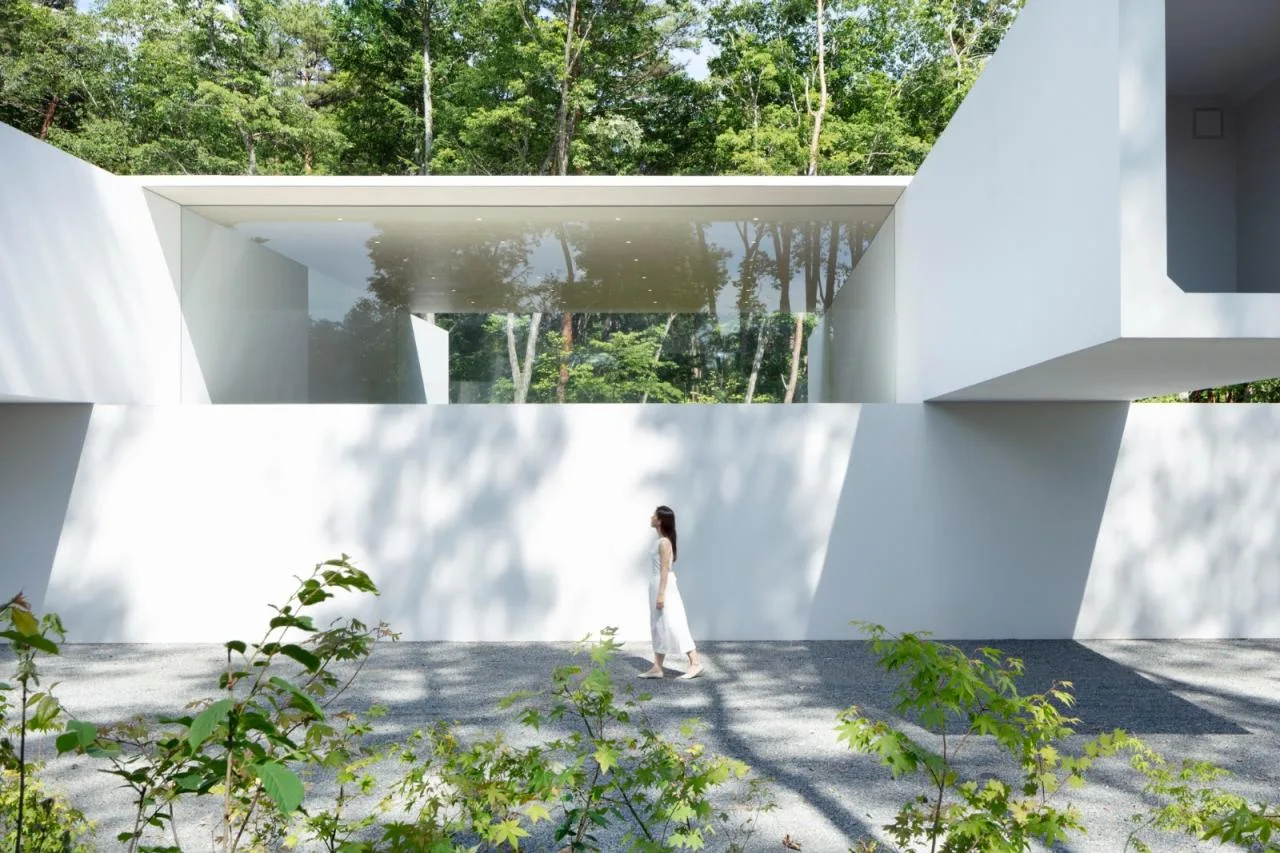
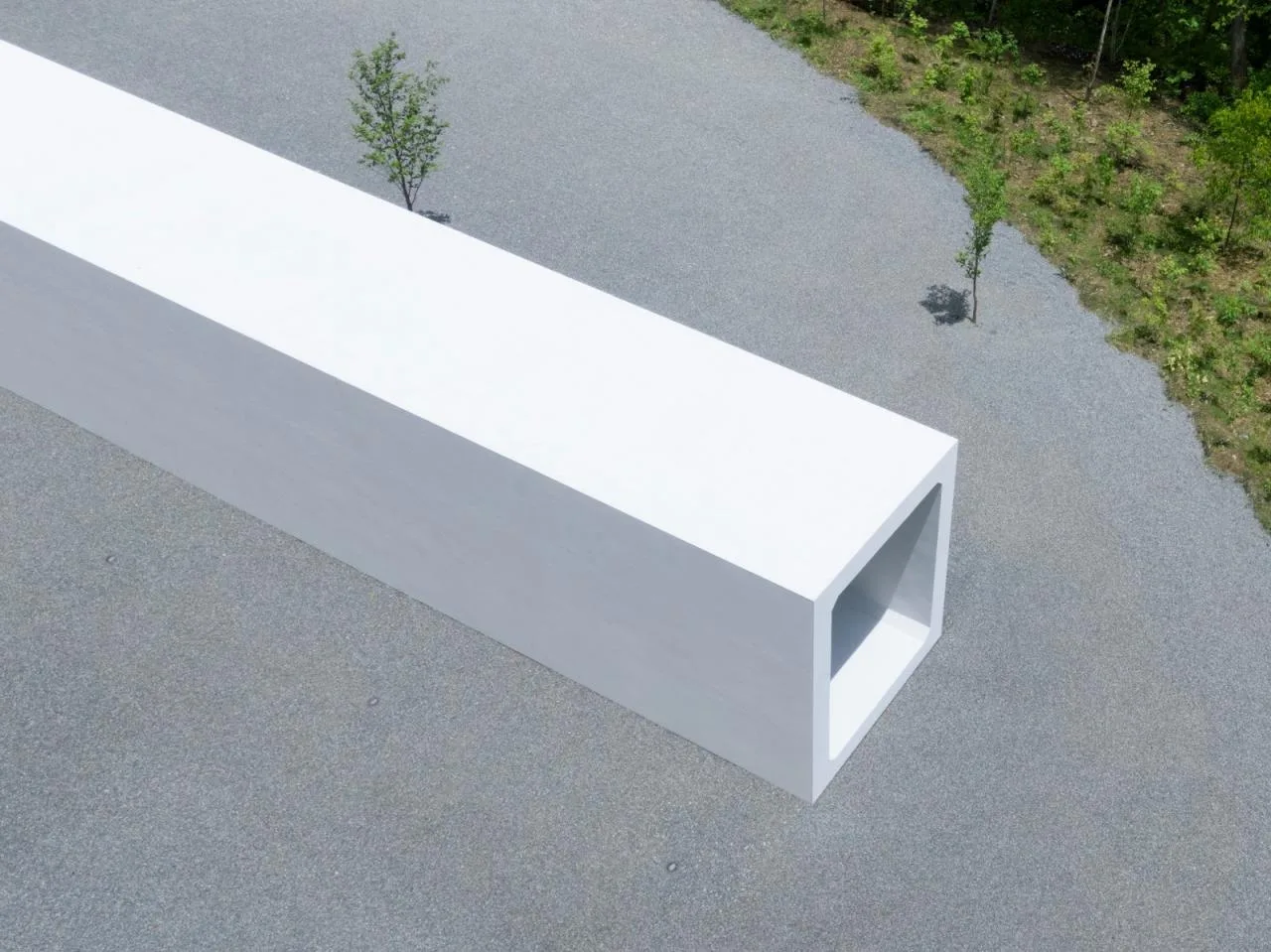
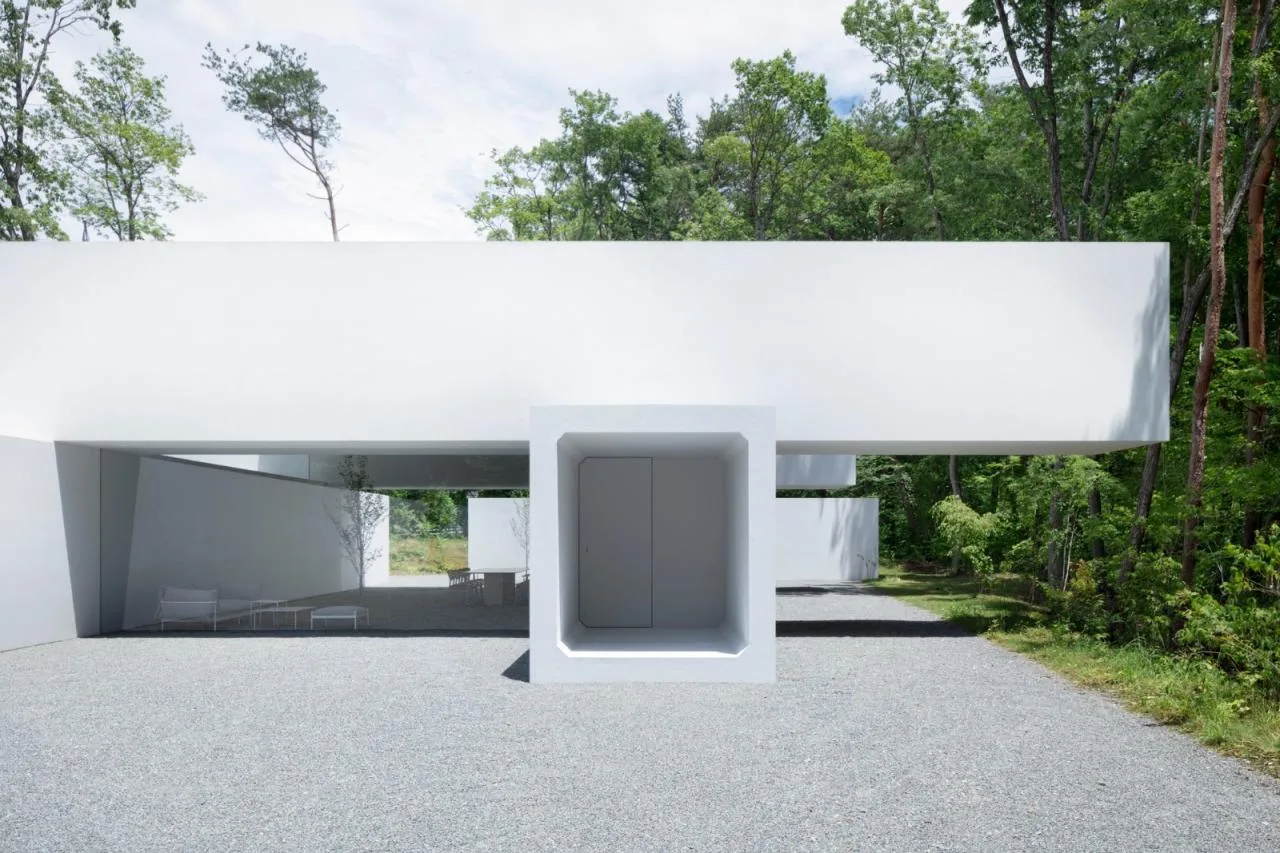
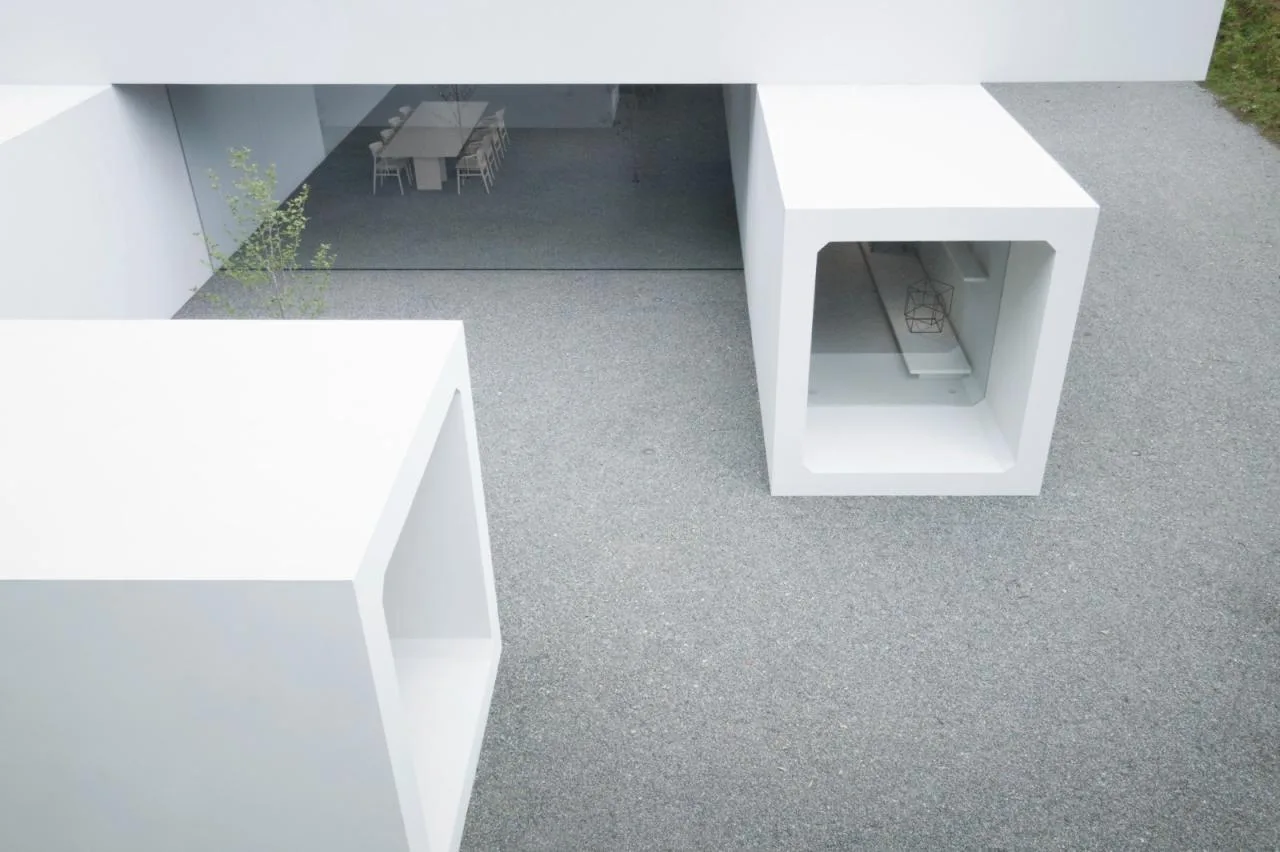
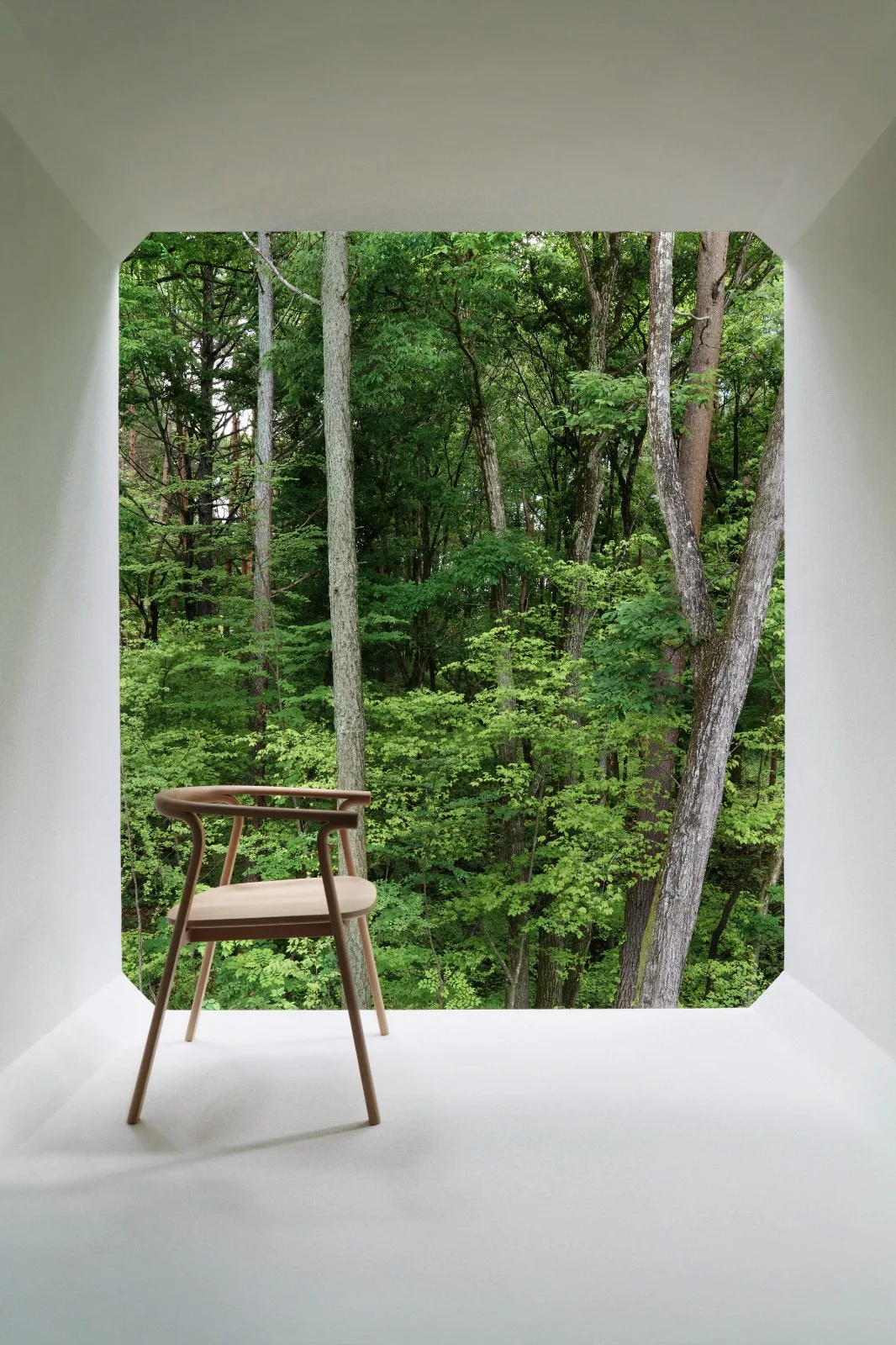
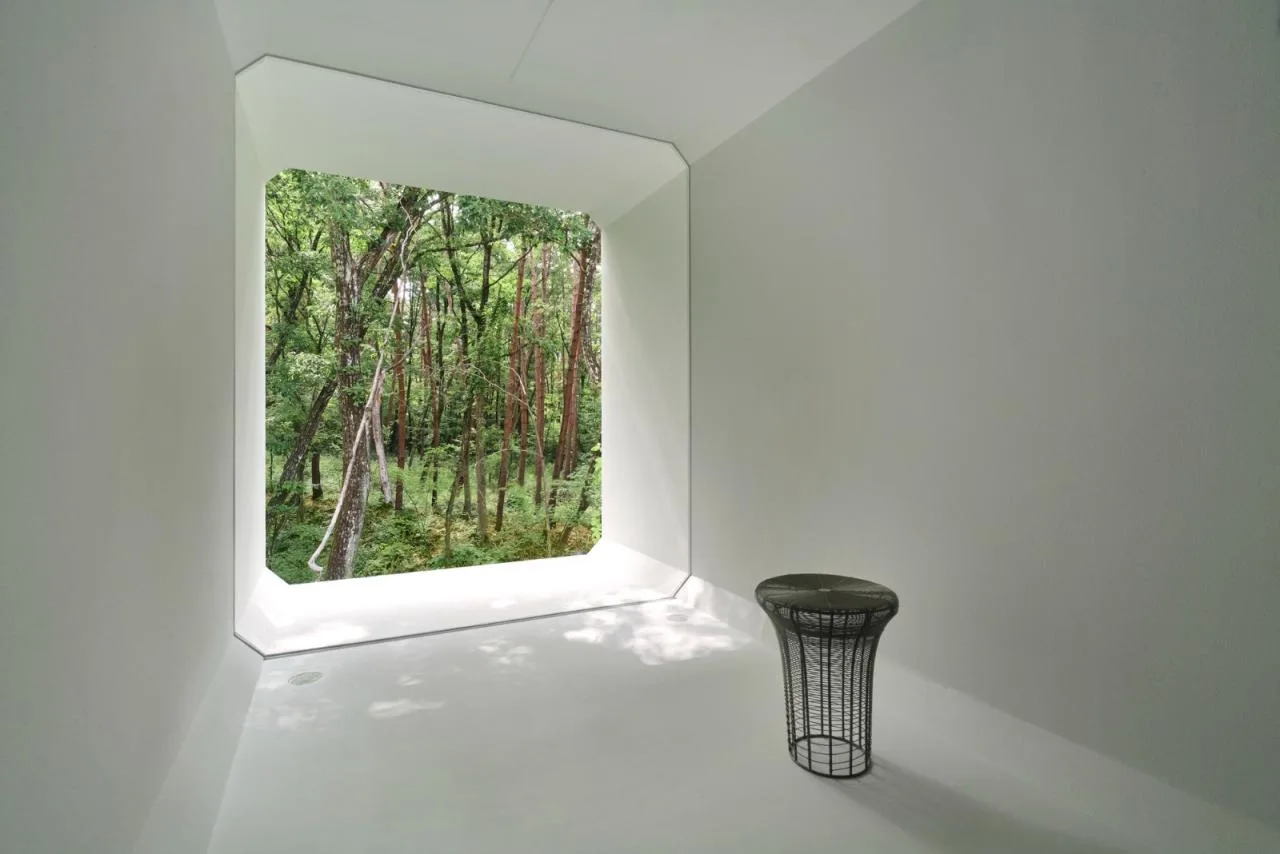
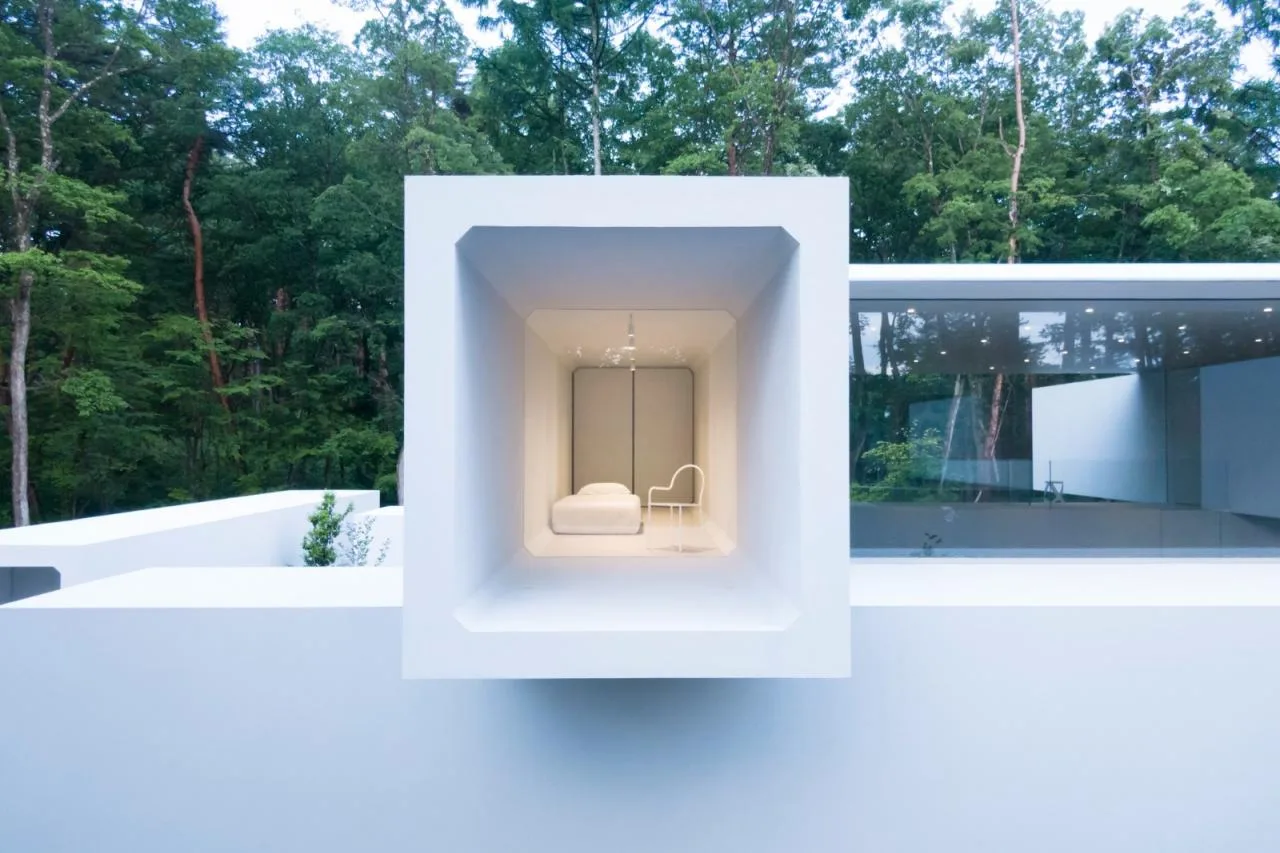
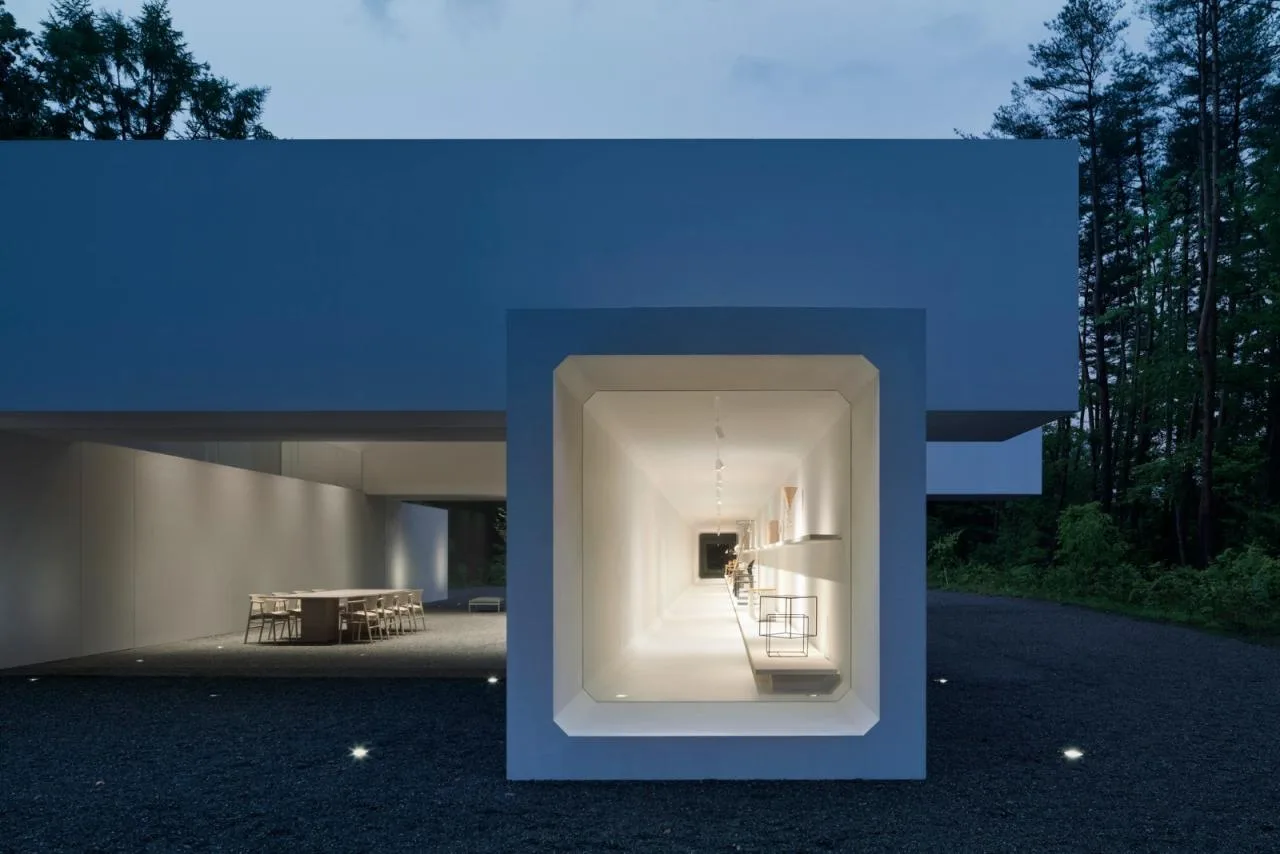
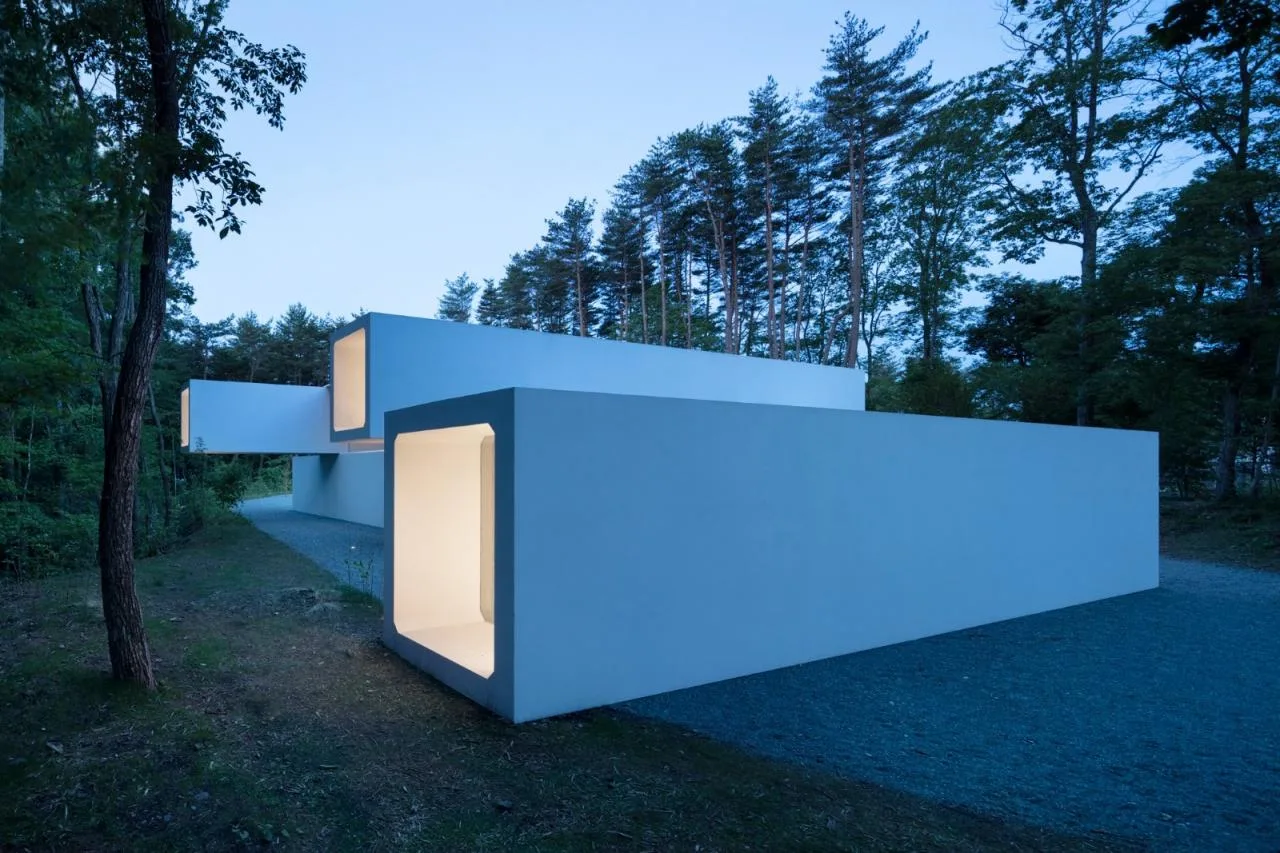
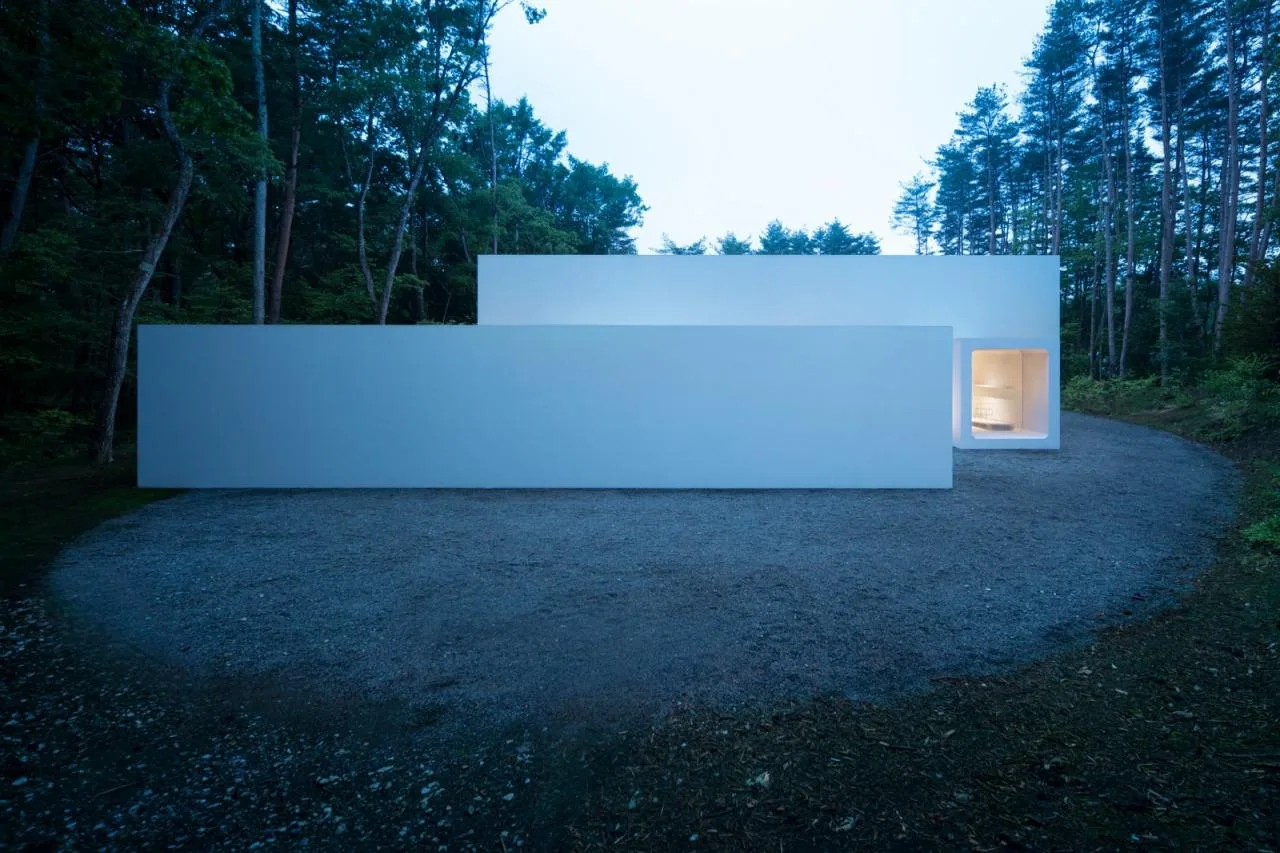
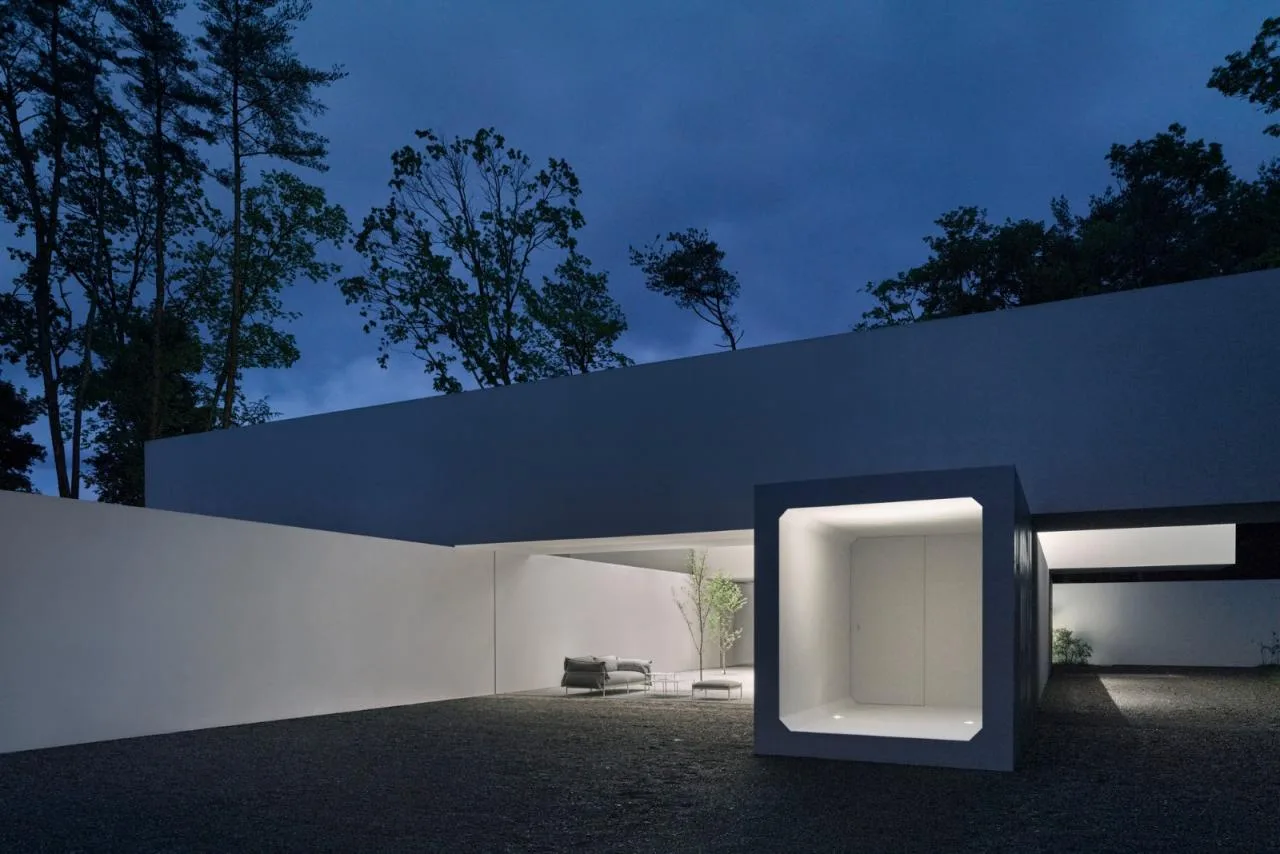
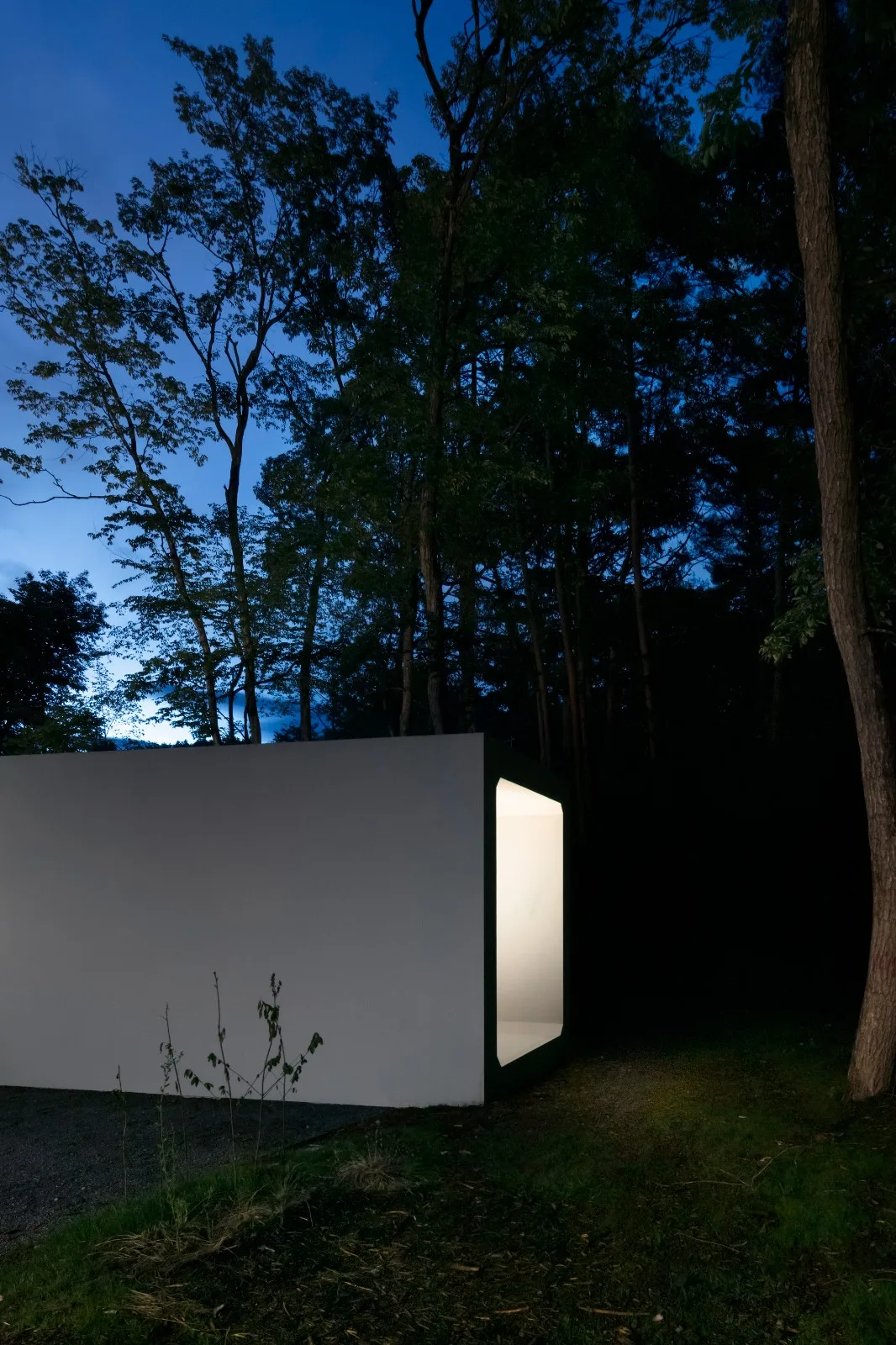
The Culvert Hotel, located in Miyata cho, Nagano Prefecture, serves both as a storage facility and a hotel space for furniture, products, and art archives. Nestled in a tranquil natural setting, the site is characterized by streams weaving through dense red pine forests. This tunnel-style building’s construction merges prefabricated and prestressed concrete techniques.
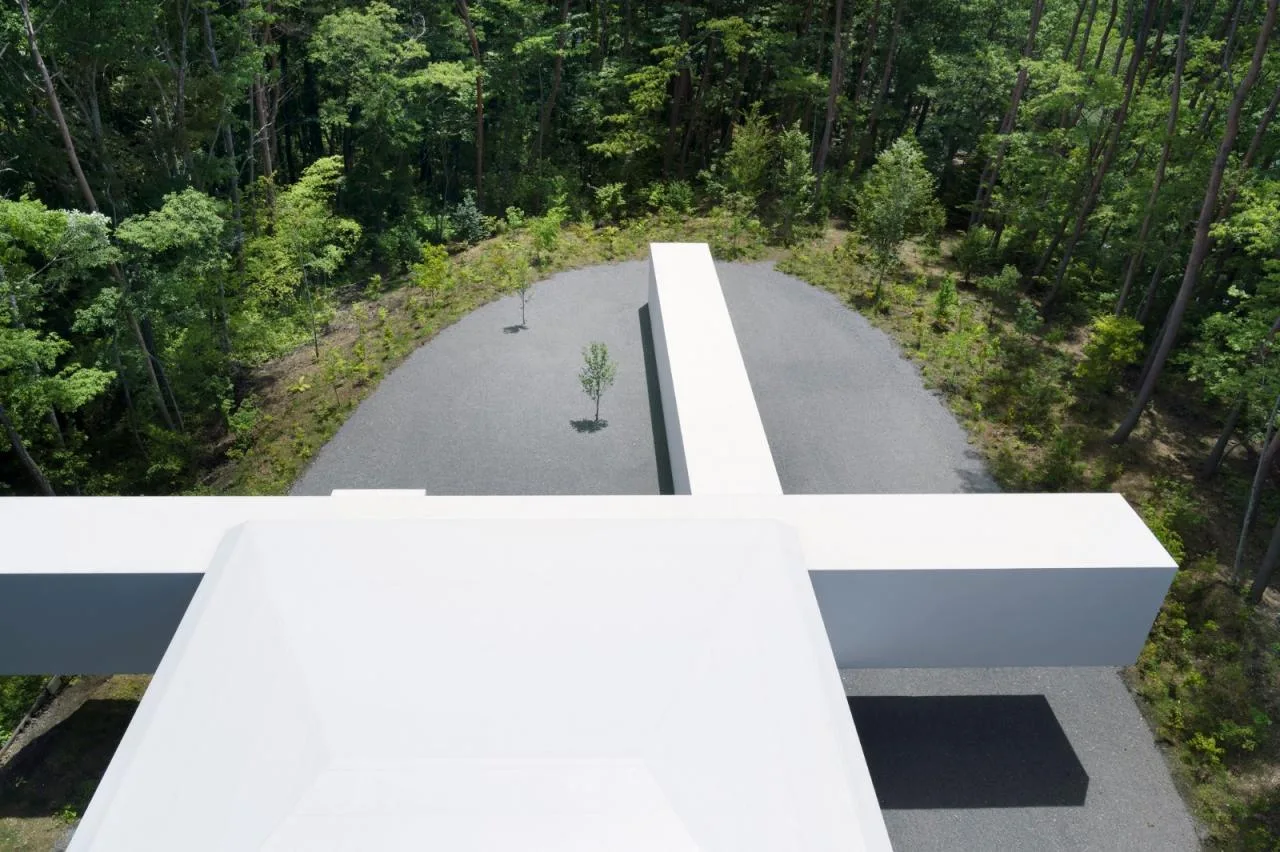
Prefabricated construction typically involves manufacturing standardized components in a factory setting, which are then assembled onsite. In this project, the box culvert—a box-shaped concrete structure commonly used to enclose underground waterways, passageways, power, and communication lines—illustrates this method. However, prefabrication alone cannot achieve the seamless assembly and structural integration required, so the components are joined using prestressing techniques during construction.
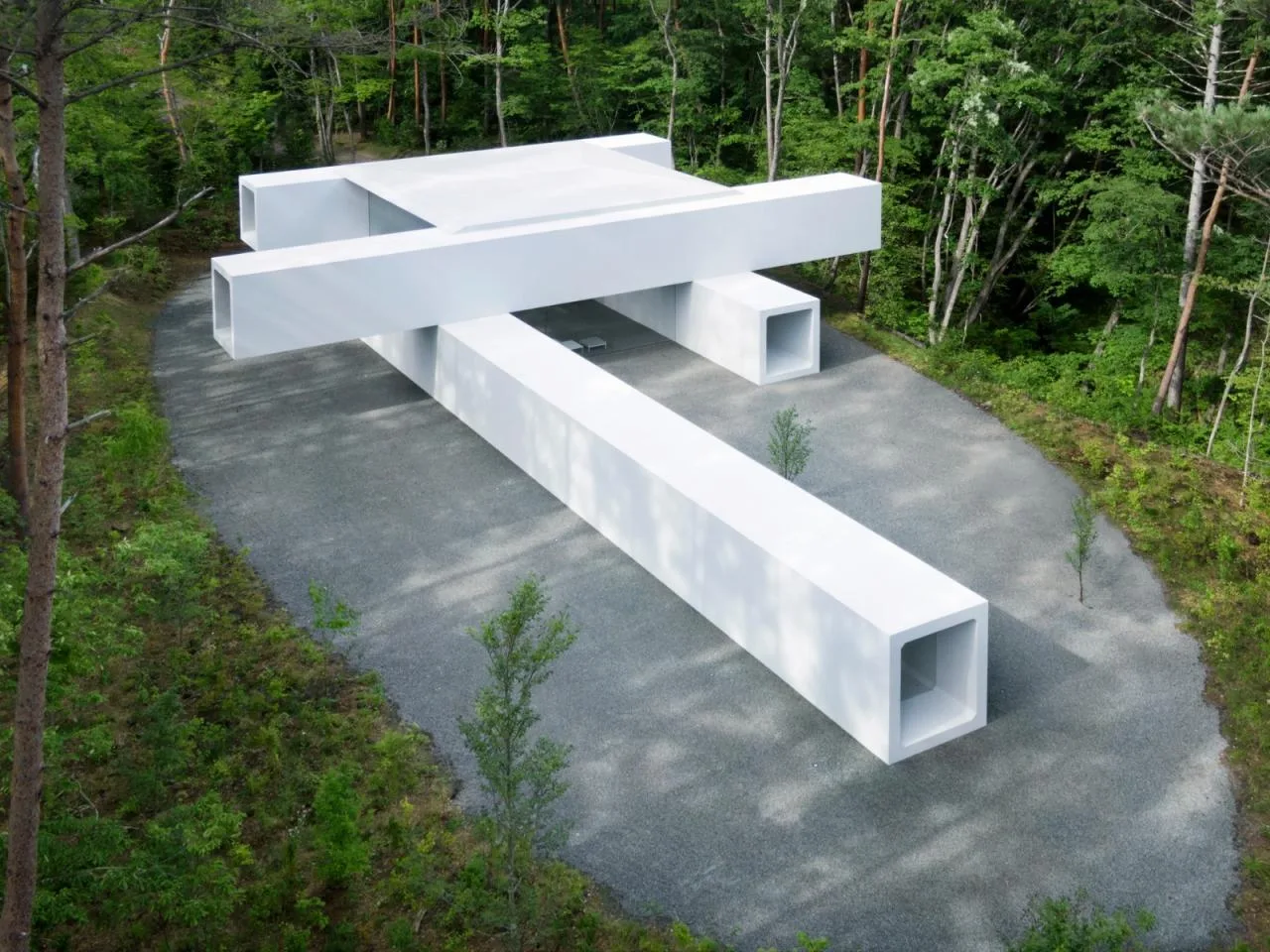
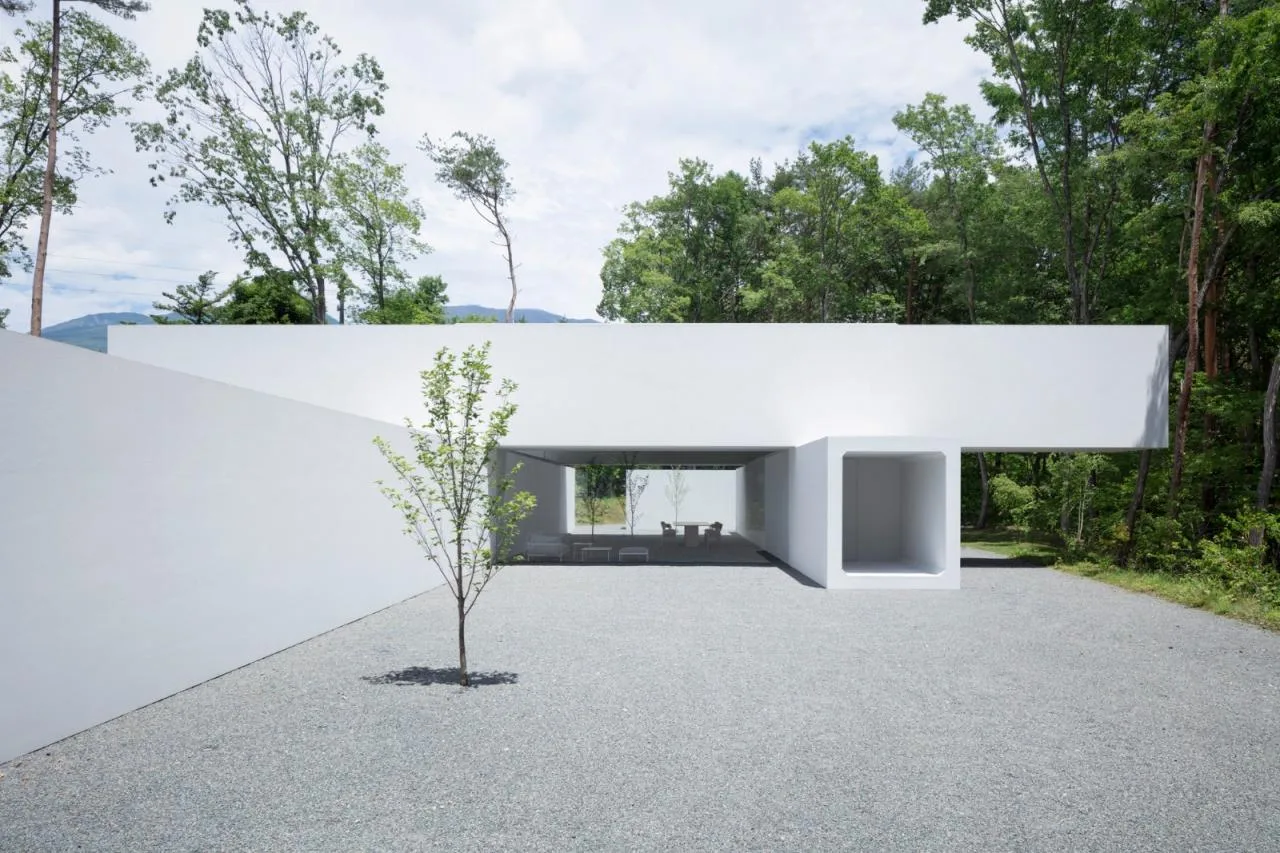
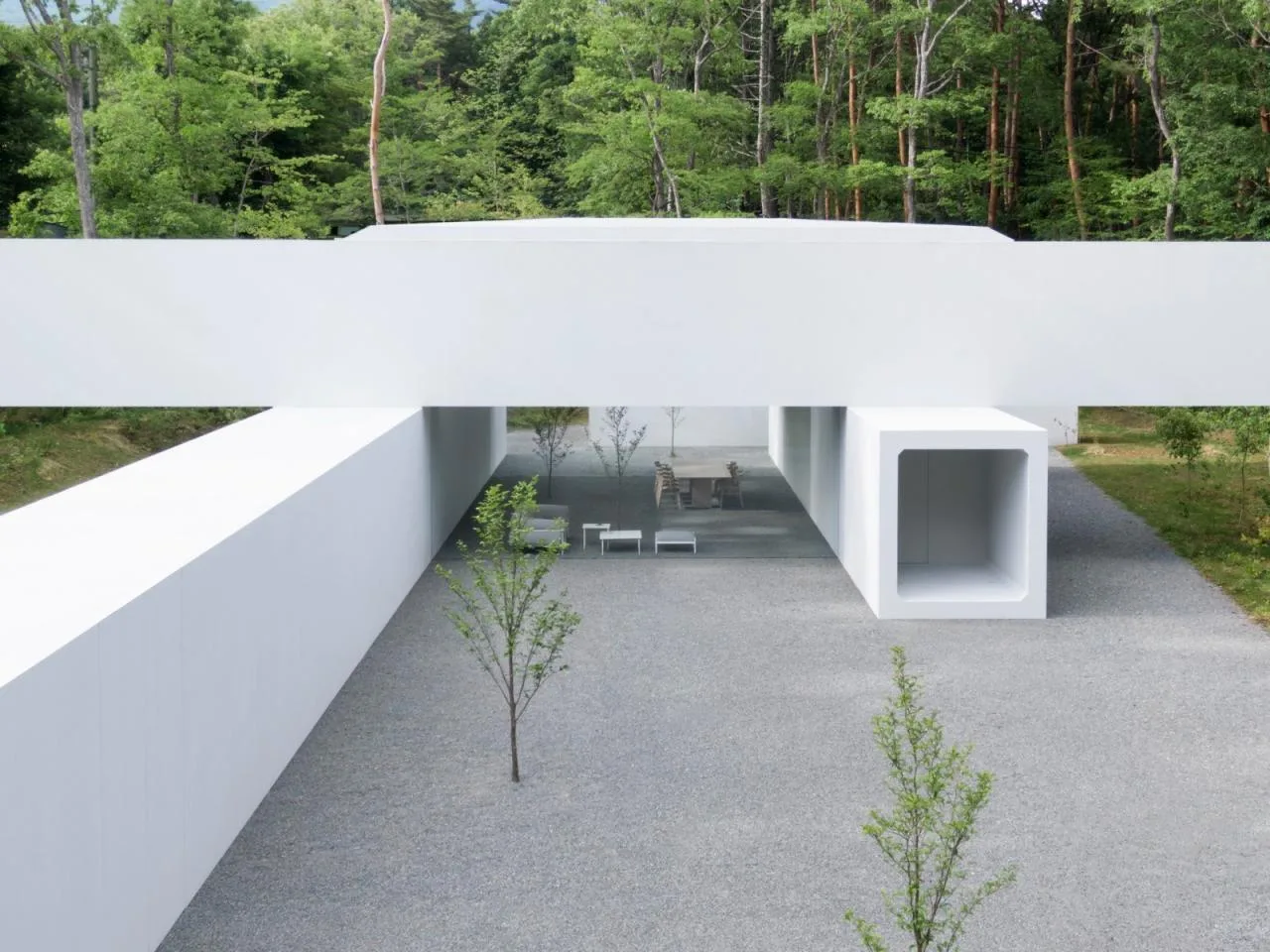
Prestressing is a civil engineering technique often used in bridge construction, where components are precisely aligned and then tensioned with steel cables. This process creates a seamless, smooth surface with airtight joints and enhances durability.
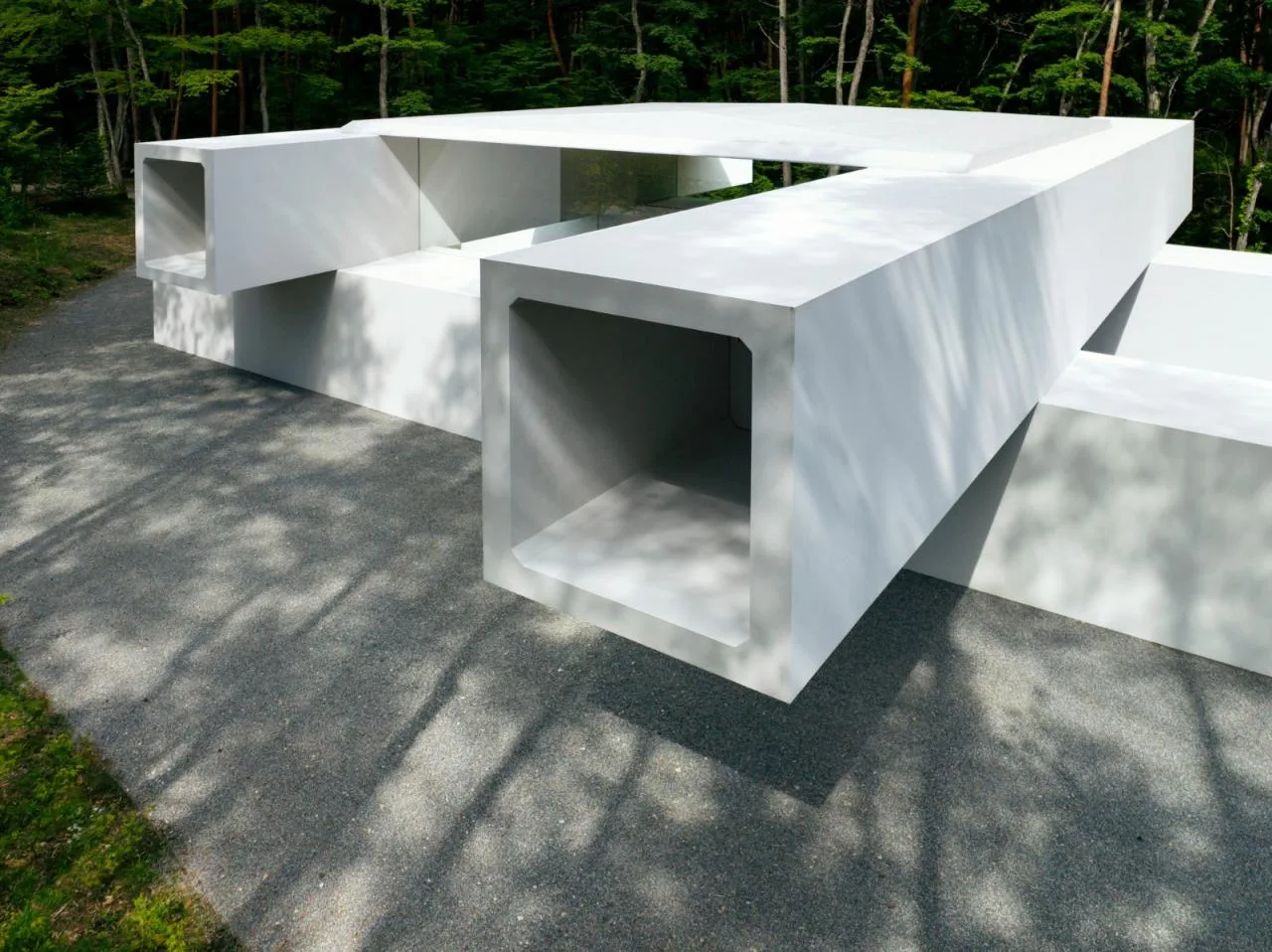
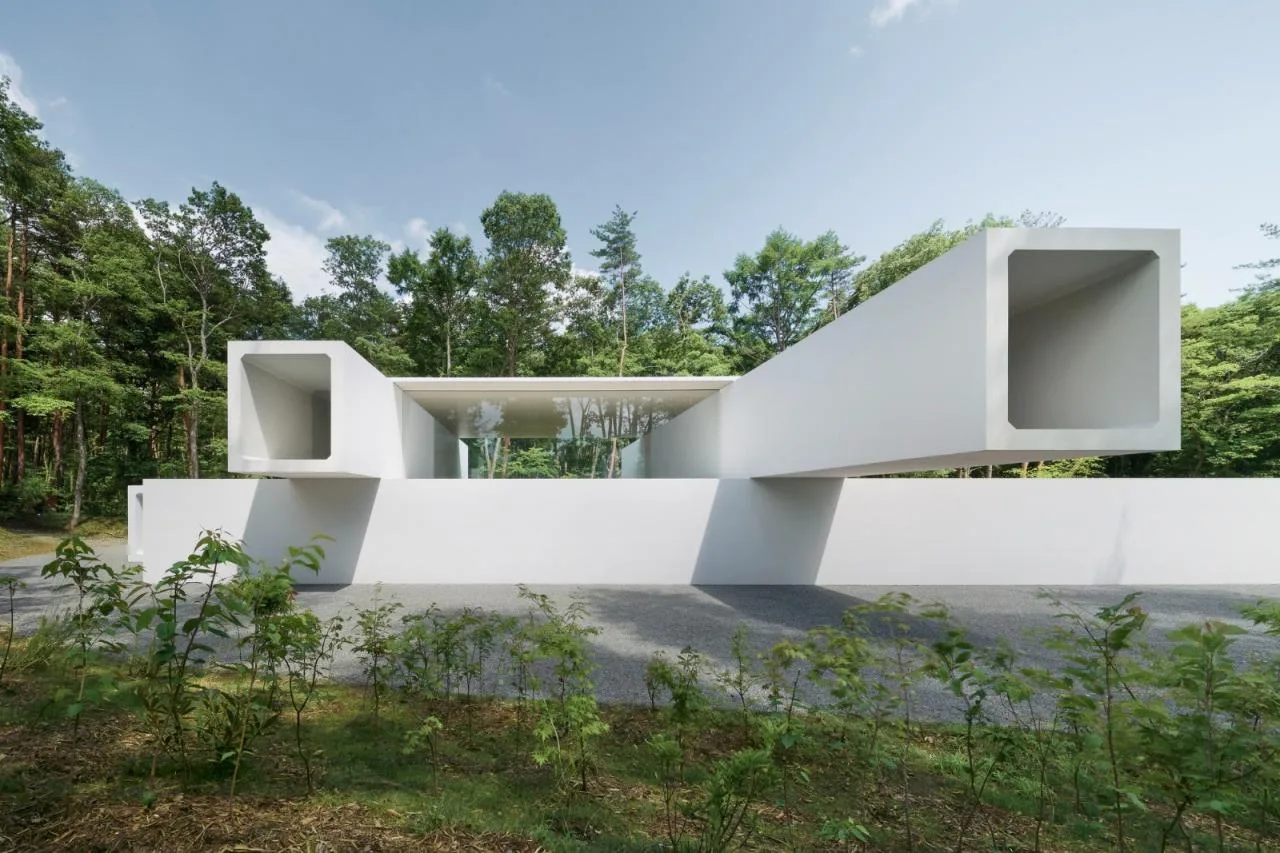
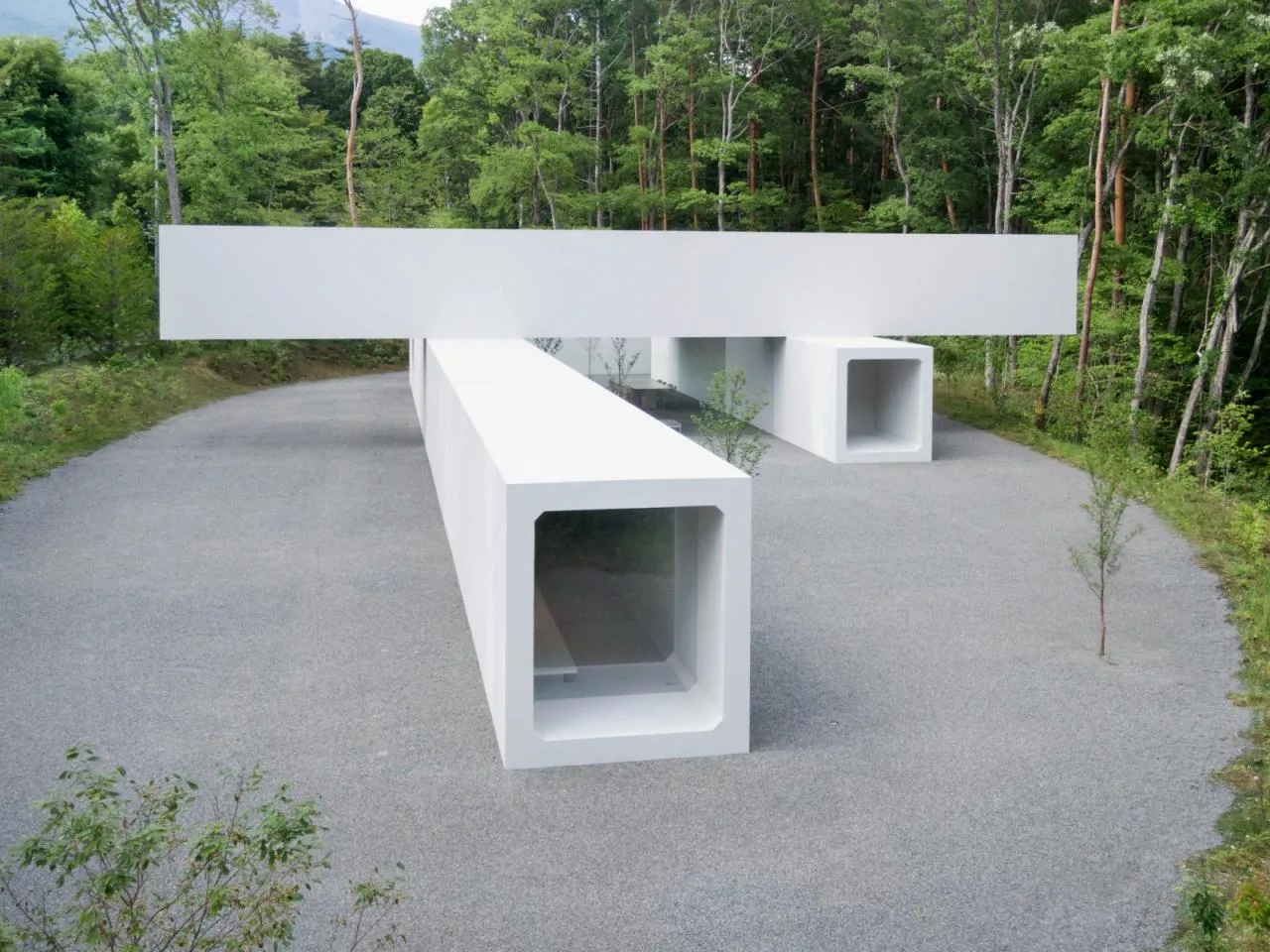
The project utilizes 63 square prefabricated components, each weighing approximately 12 tons. Their dimensions are carefully calculated to fit within the constraints of transport truck load sizes and crane lifting capacities. At the tunnel entrance, 45-degree steel bars—common in standard box culverts—are installed to provide structural support and improve seismic resistance.
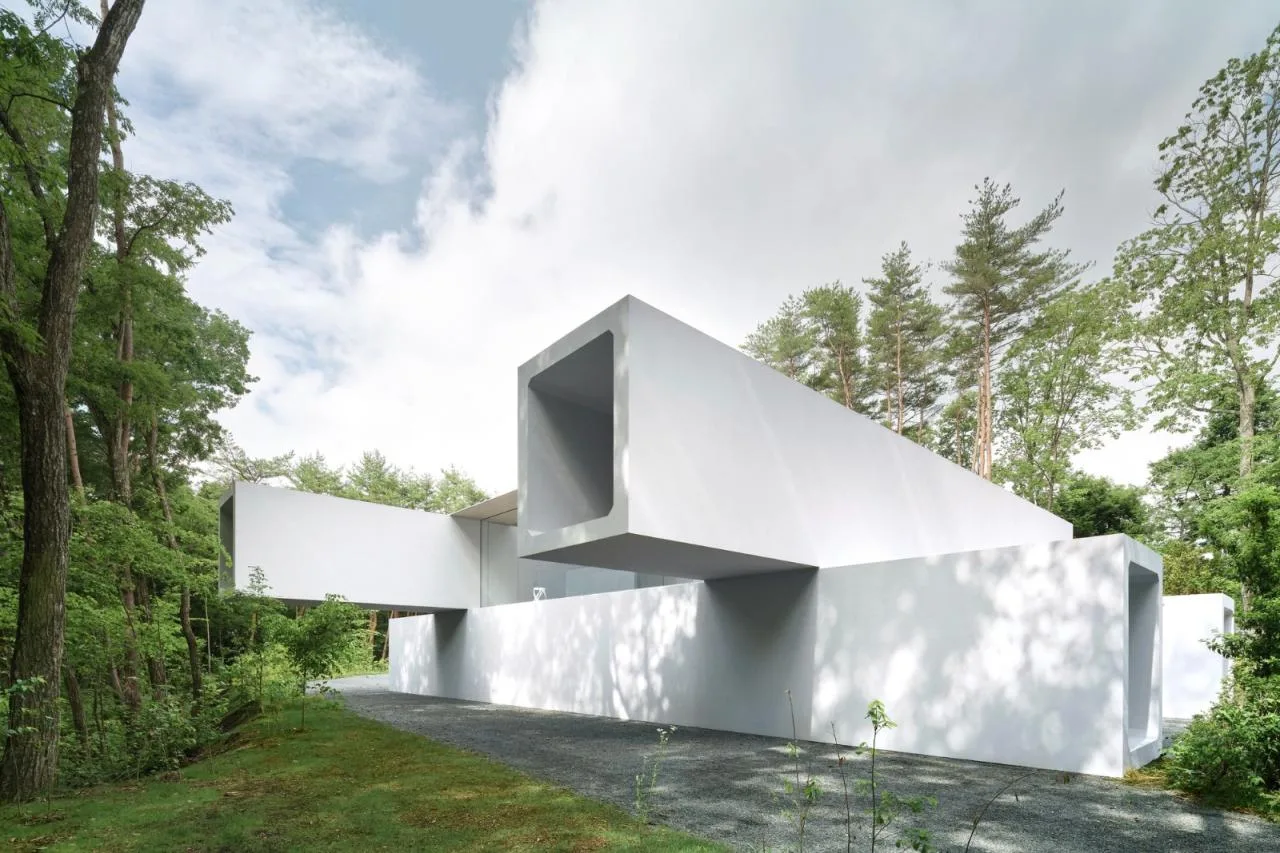
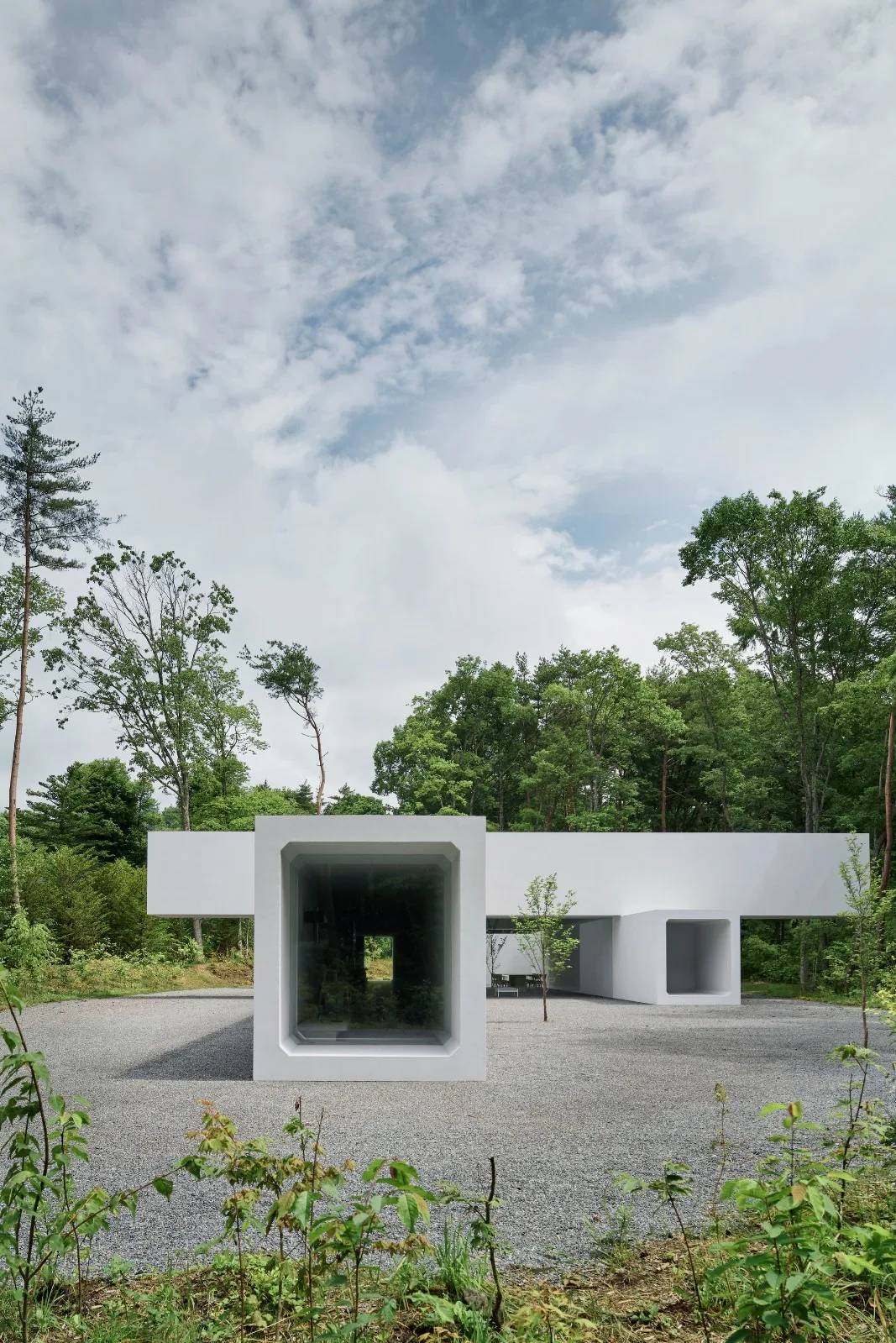
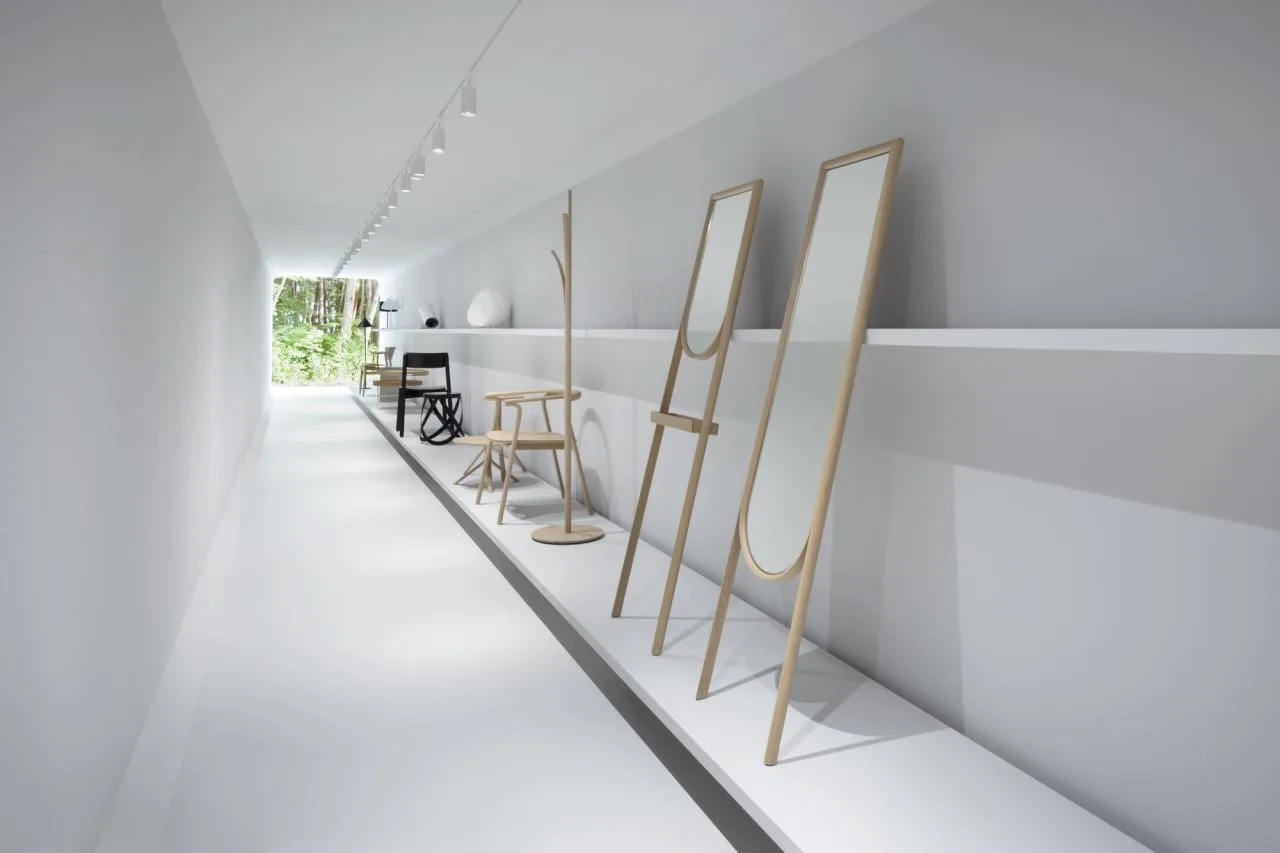
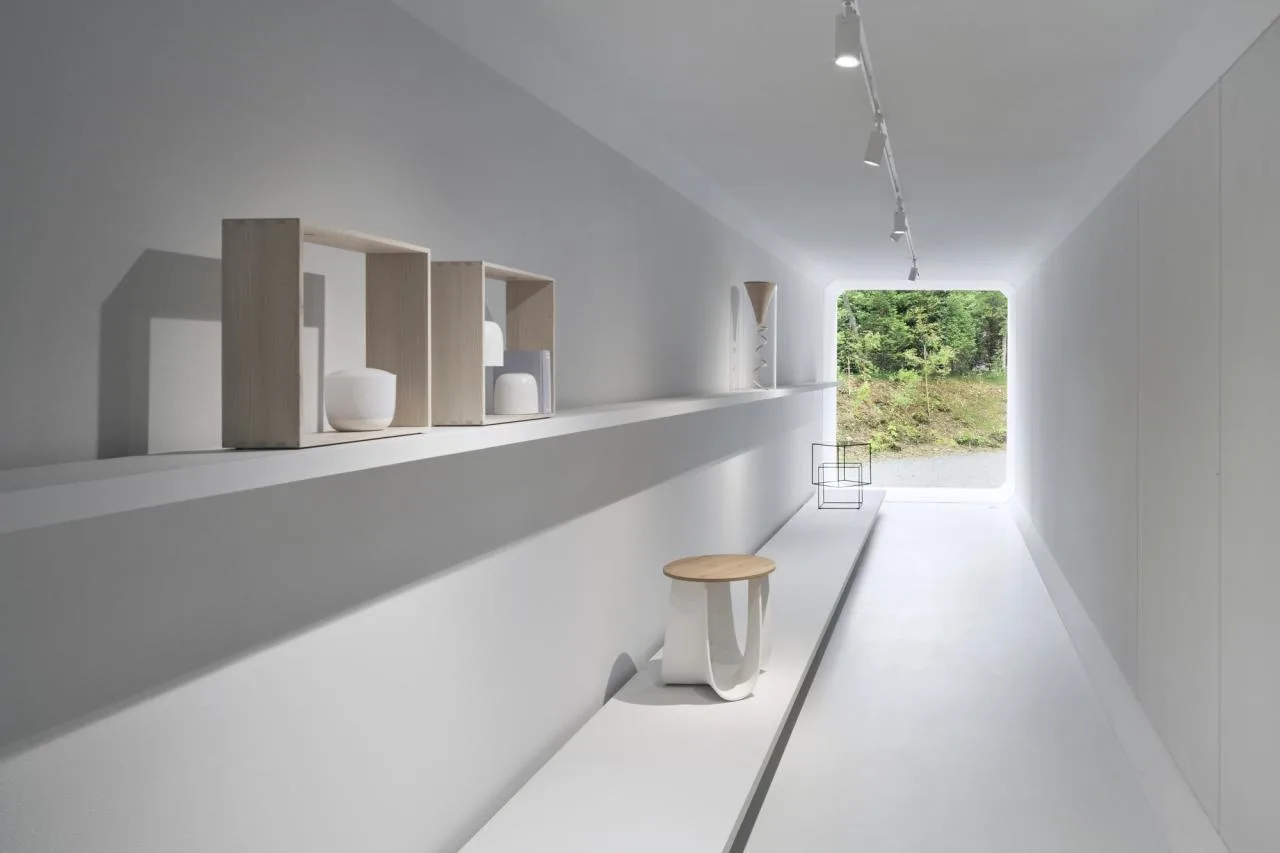
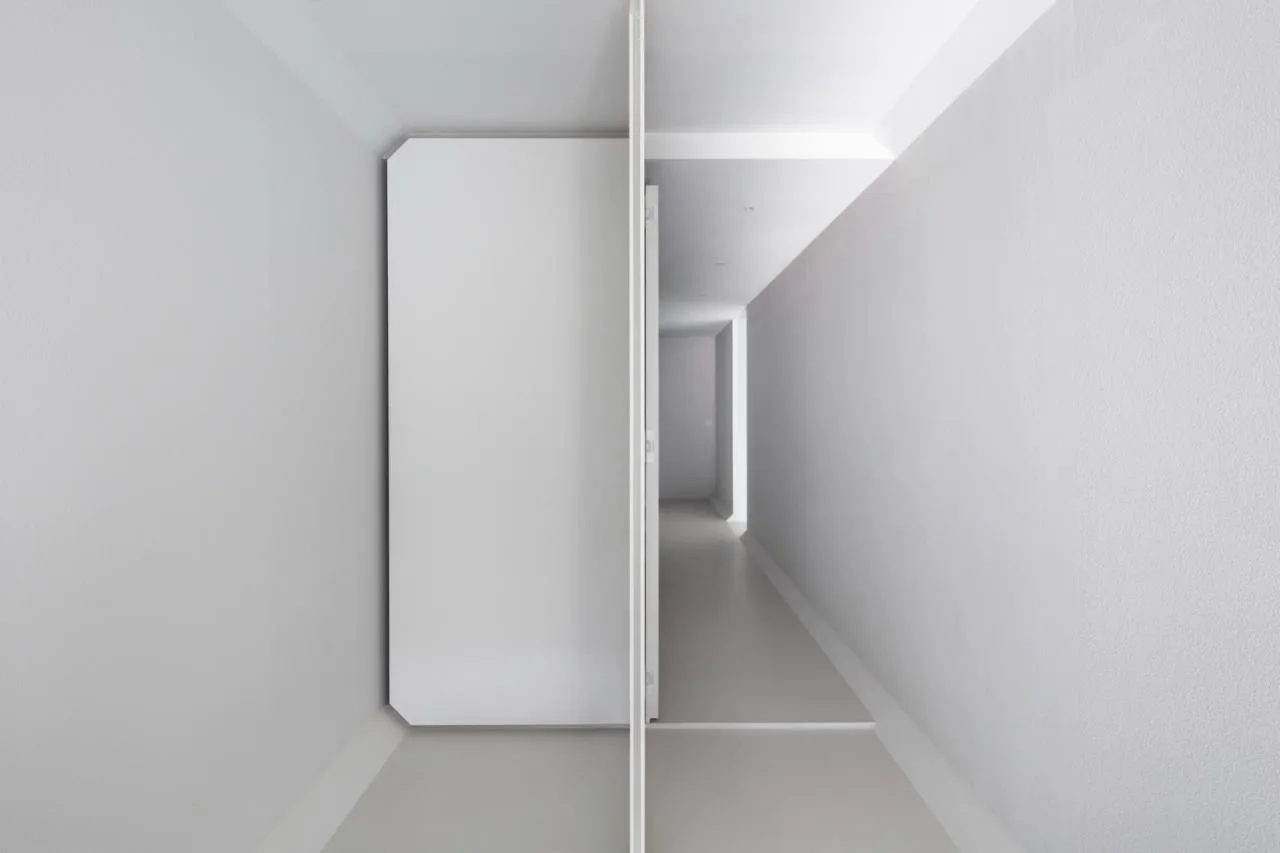
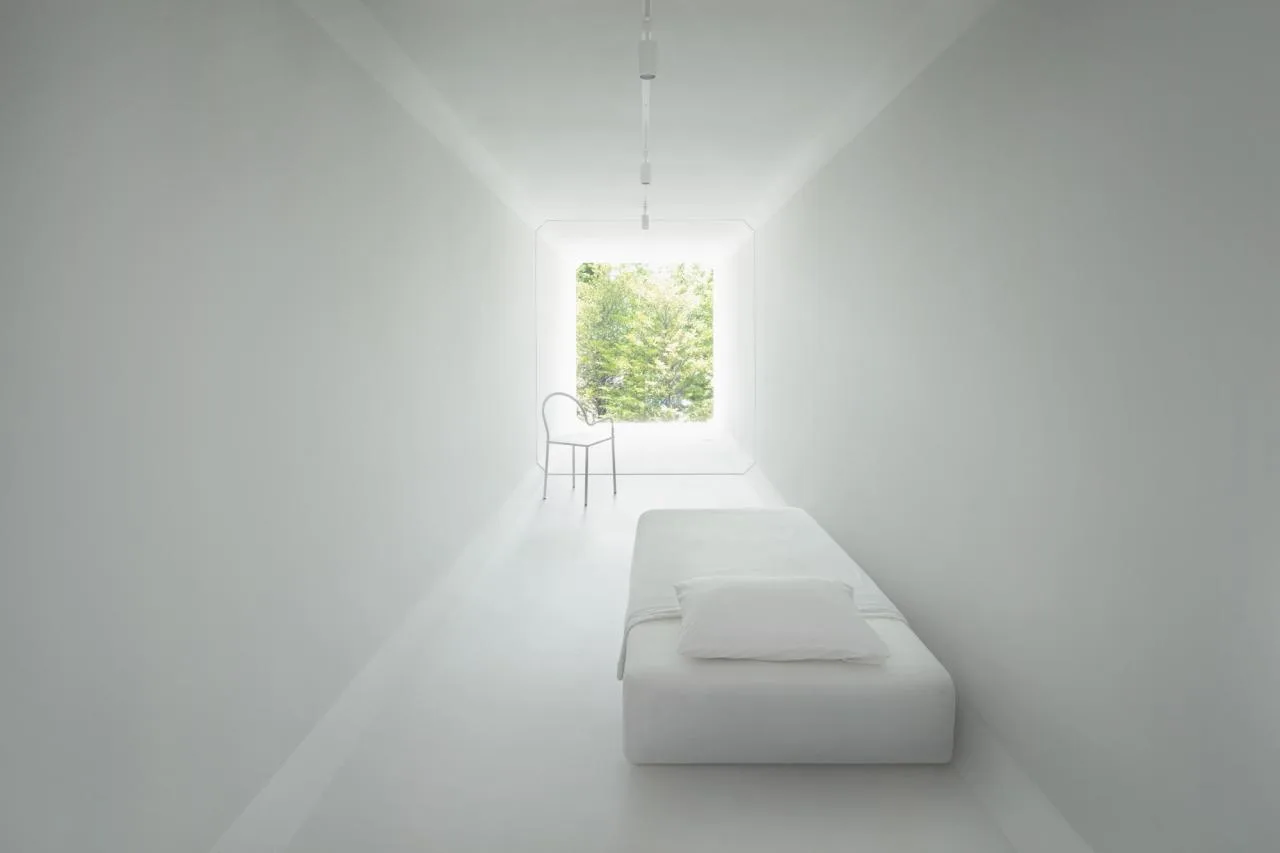
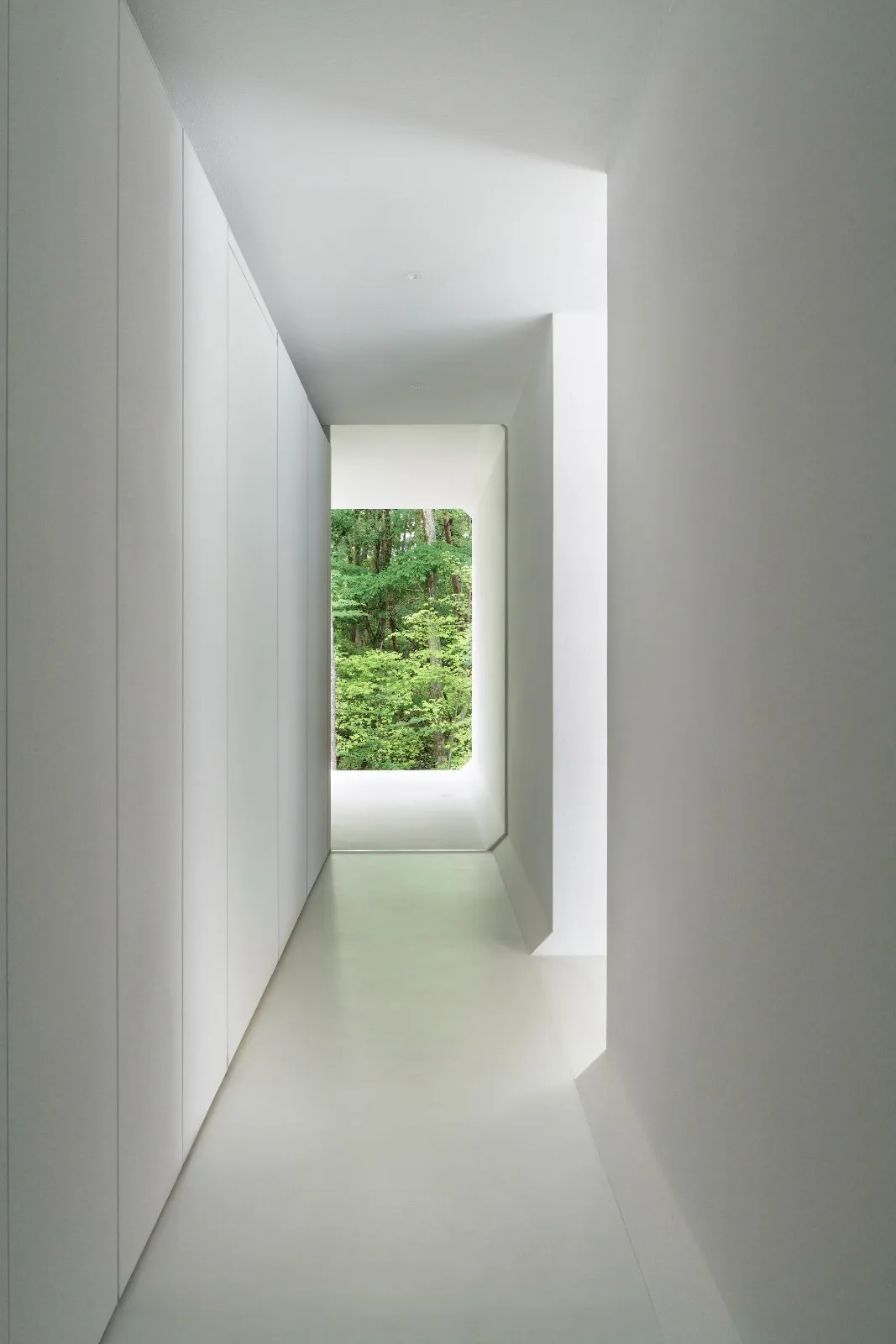
These components form a slender tunnel-shaped space measuring roughly 2 by 2.3 meters internally. Fourteen steel cables connect each tunnel section, and maintaining uniform tension across all cables is critical. The cables are gradually tightened over time until each reaches a tension of 46 tons.
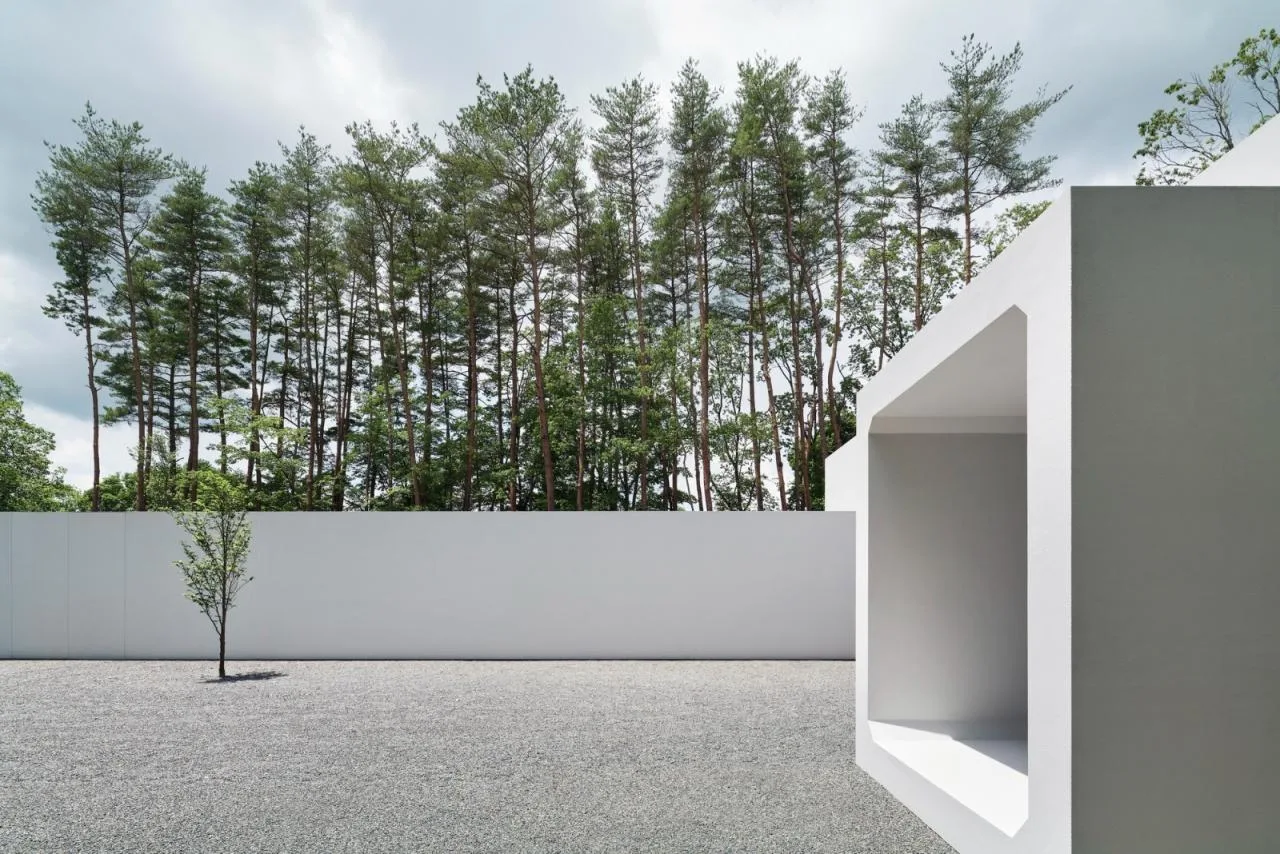
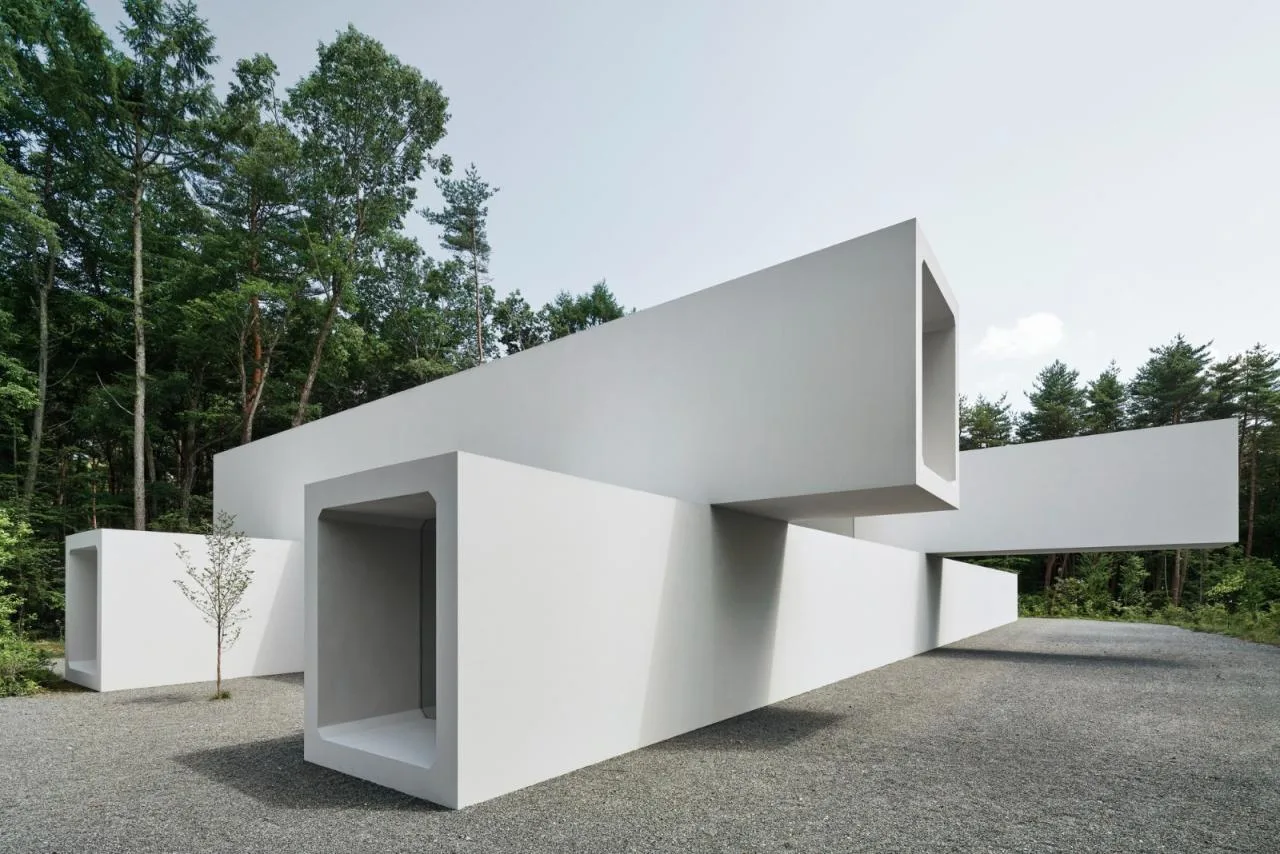
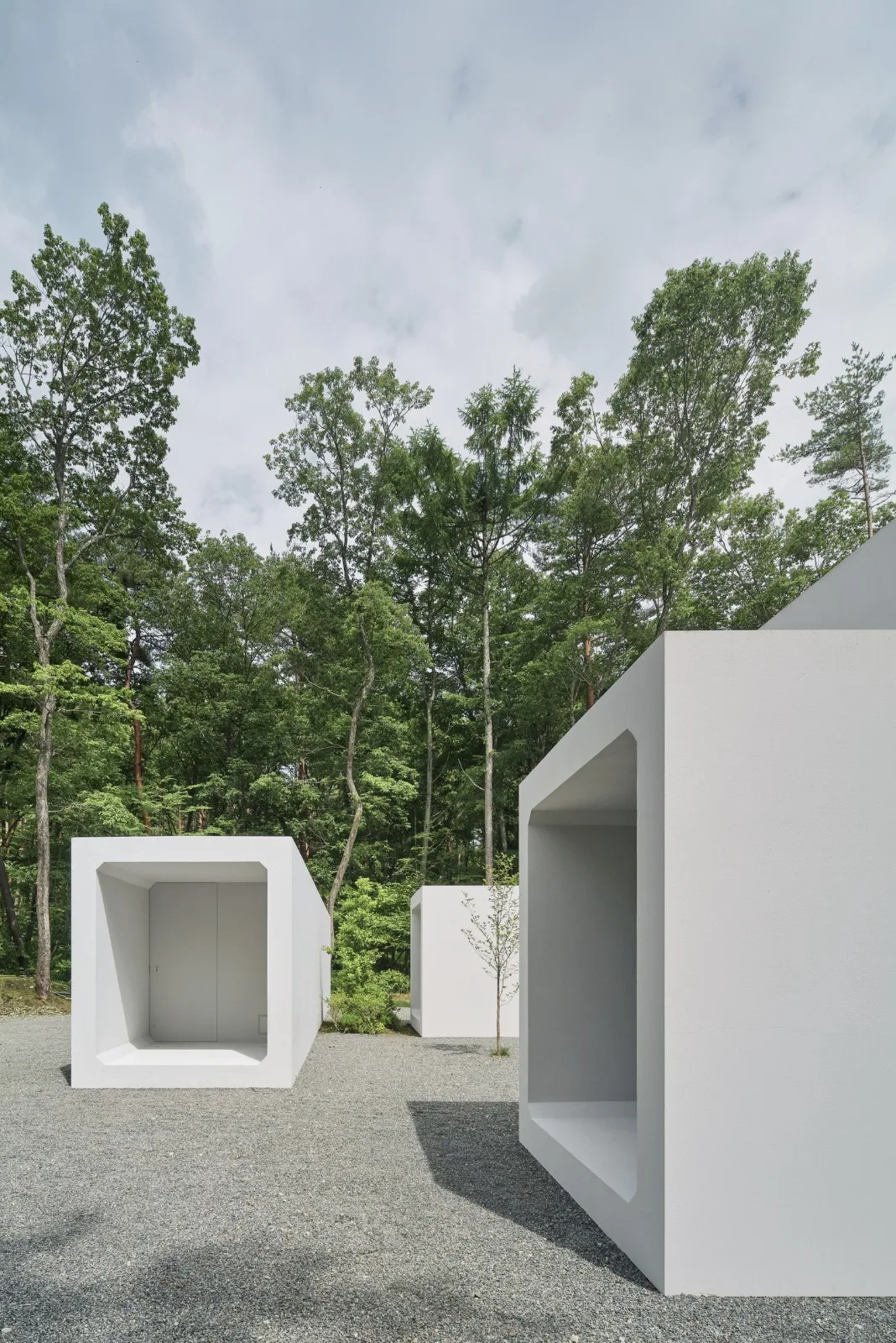
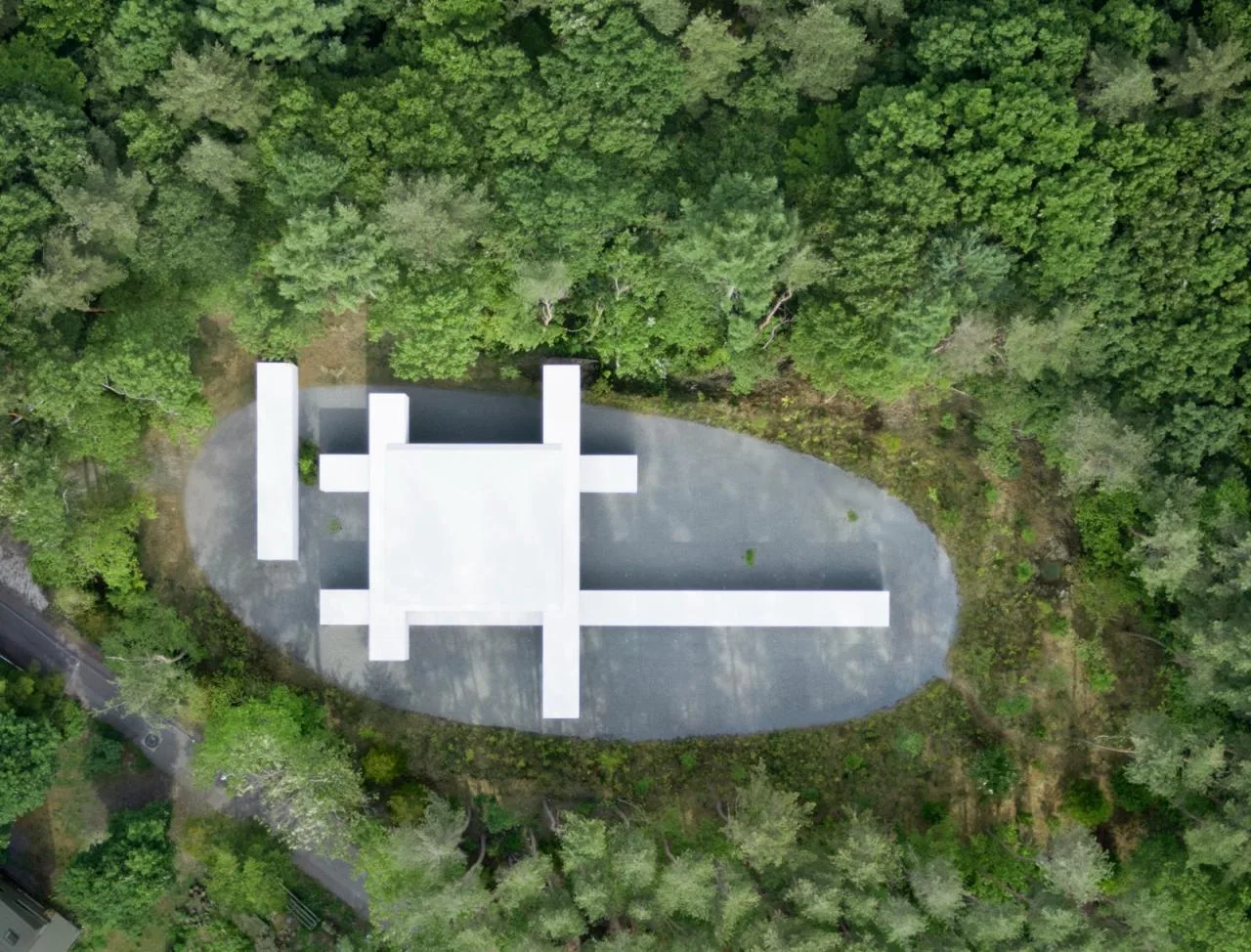
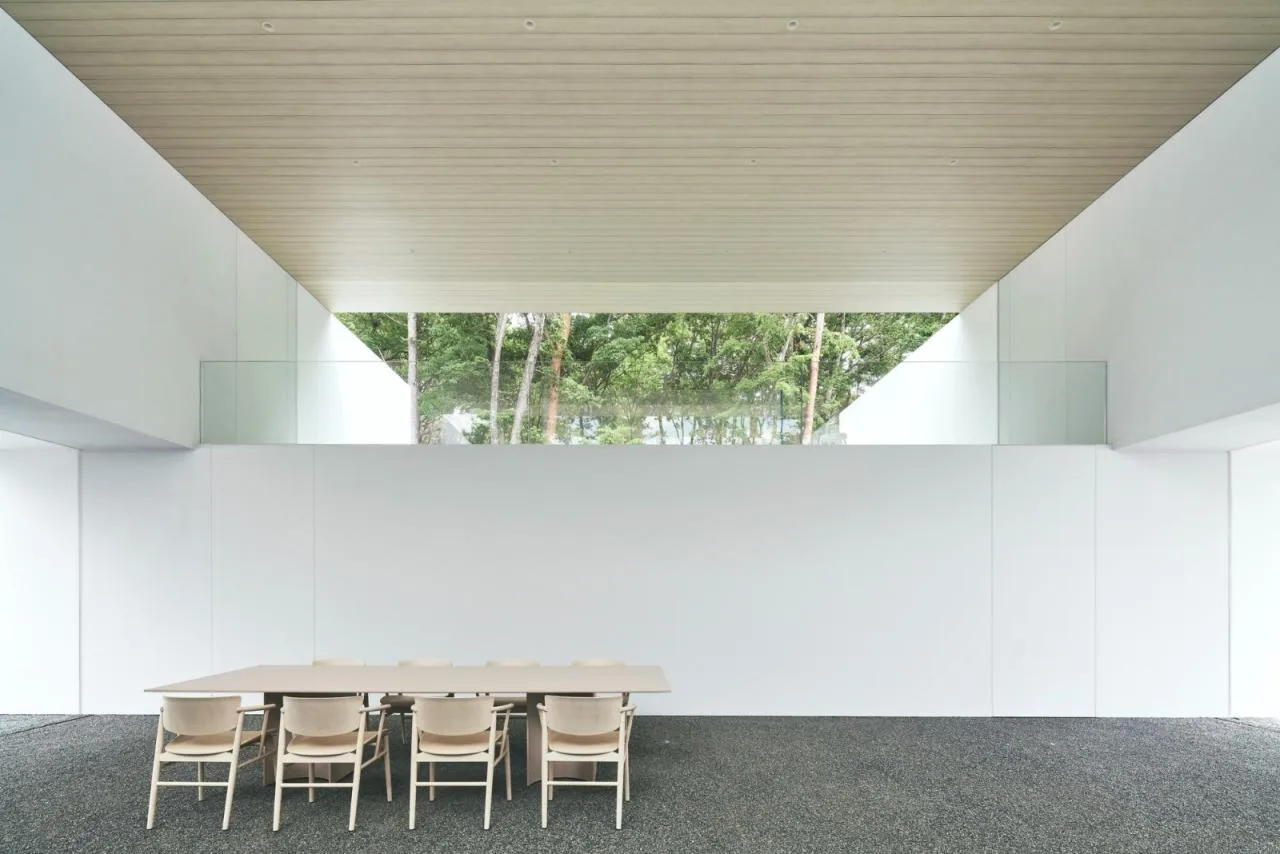
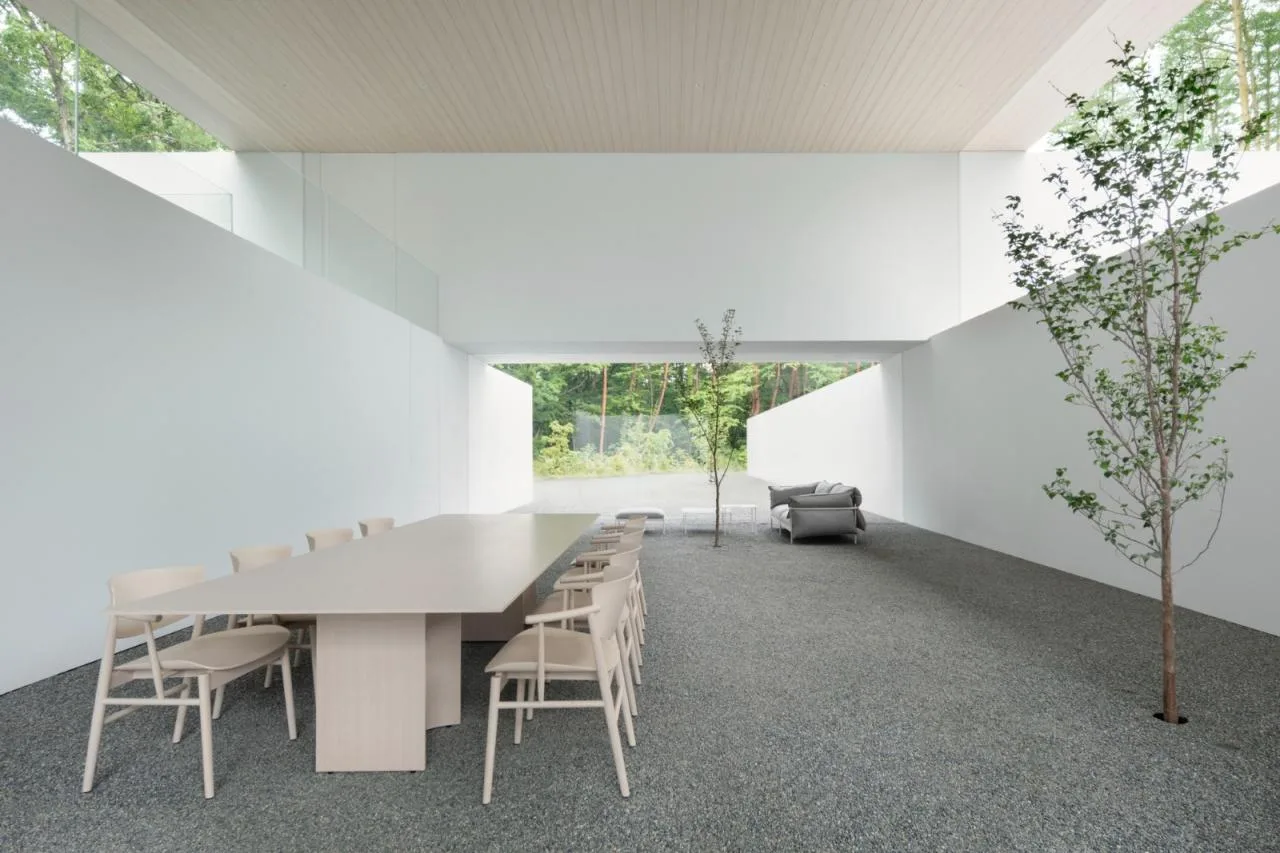
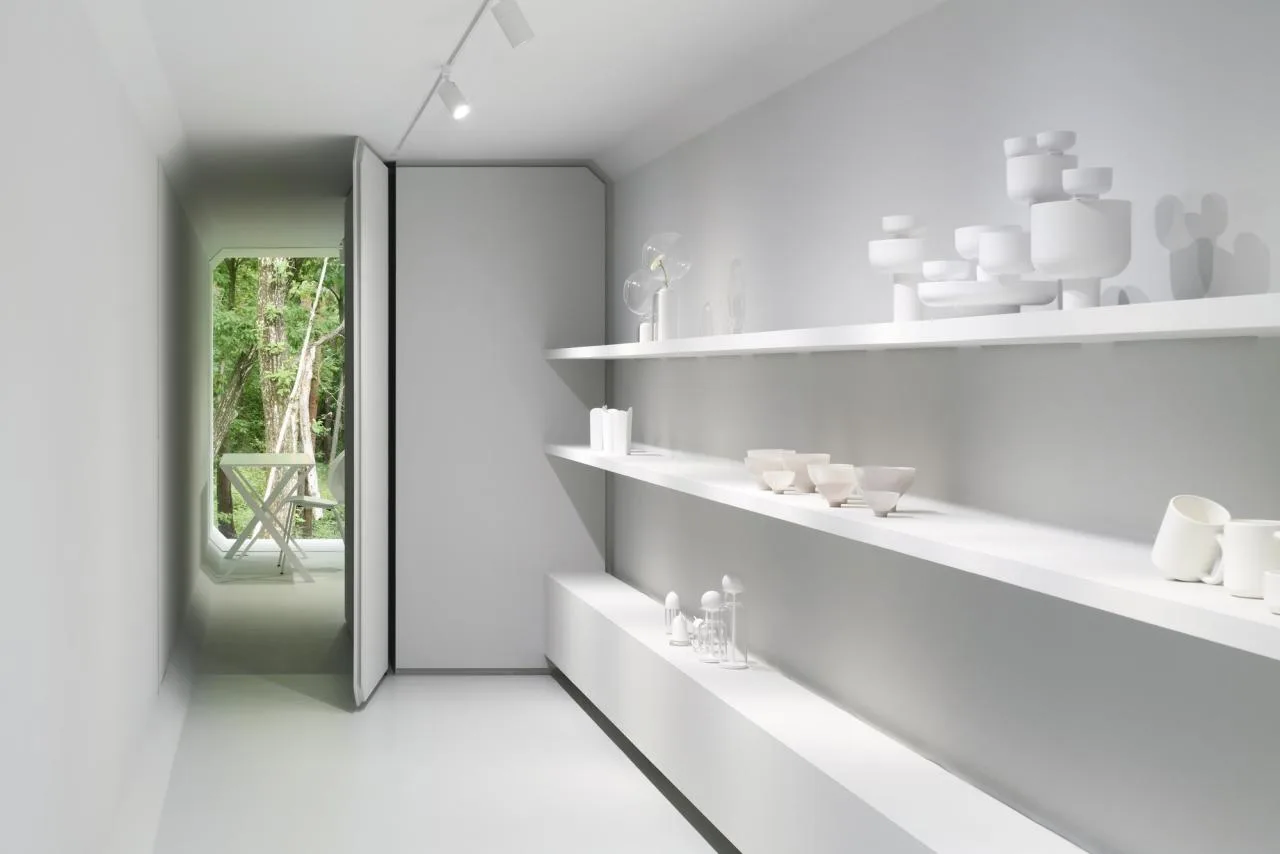
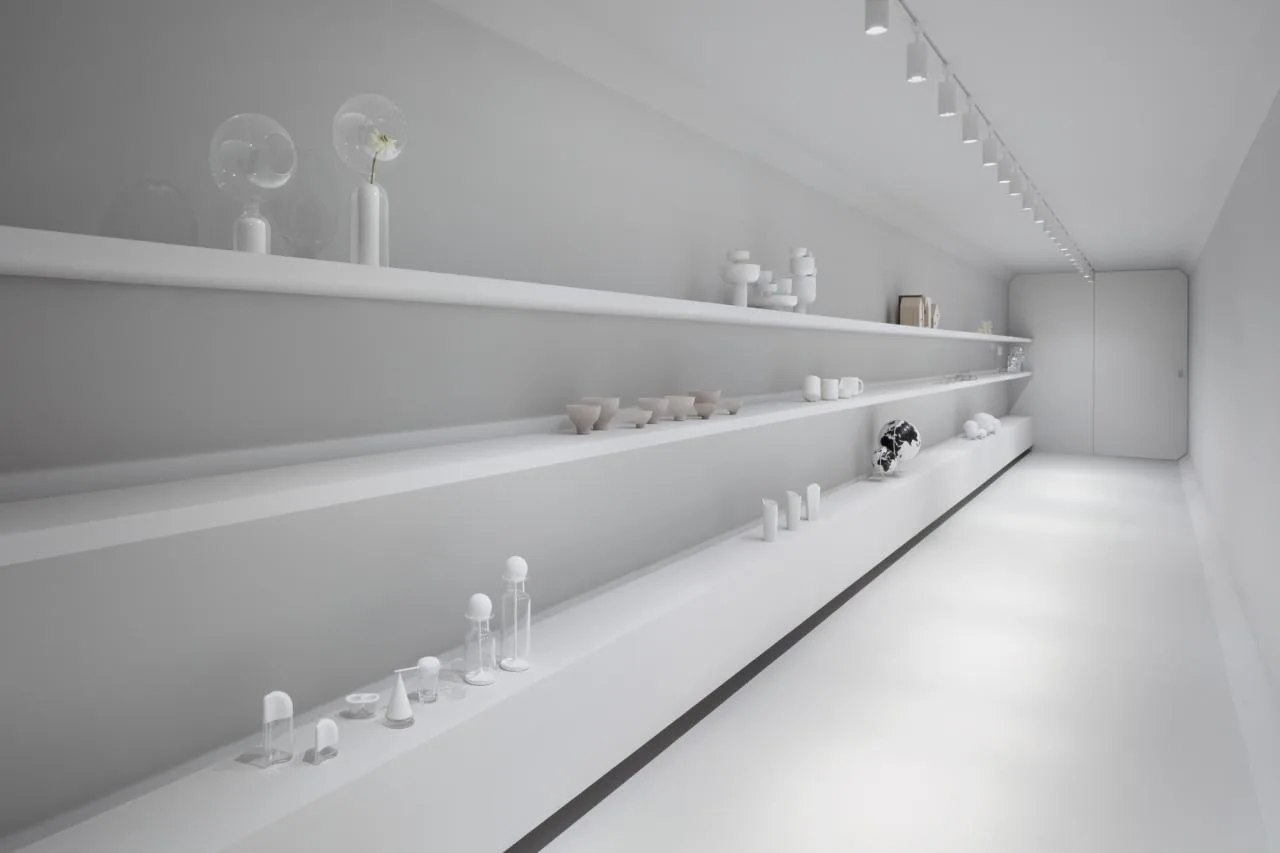
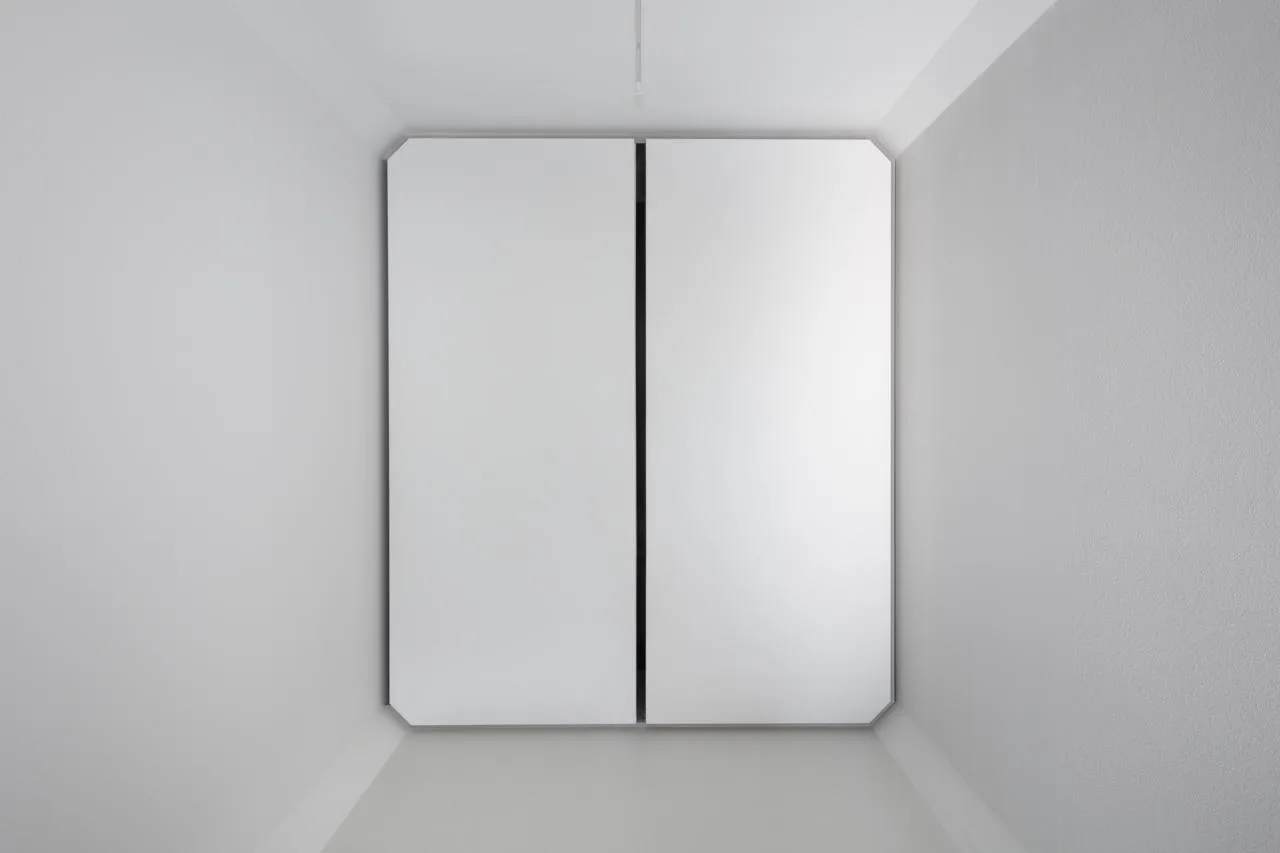
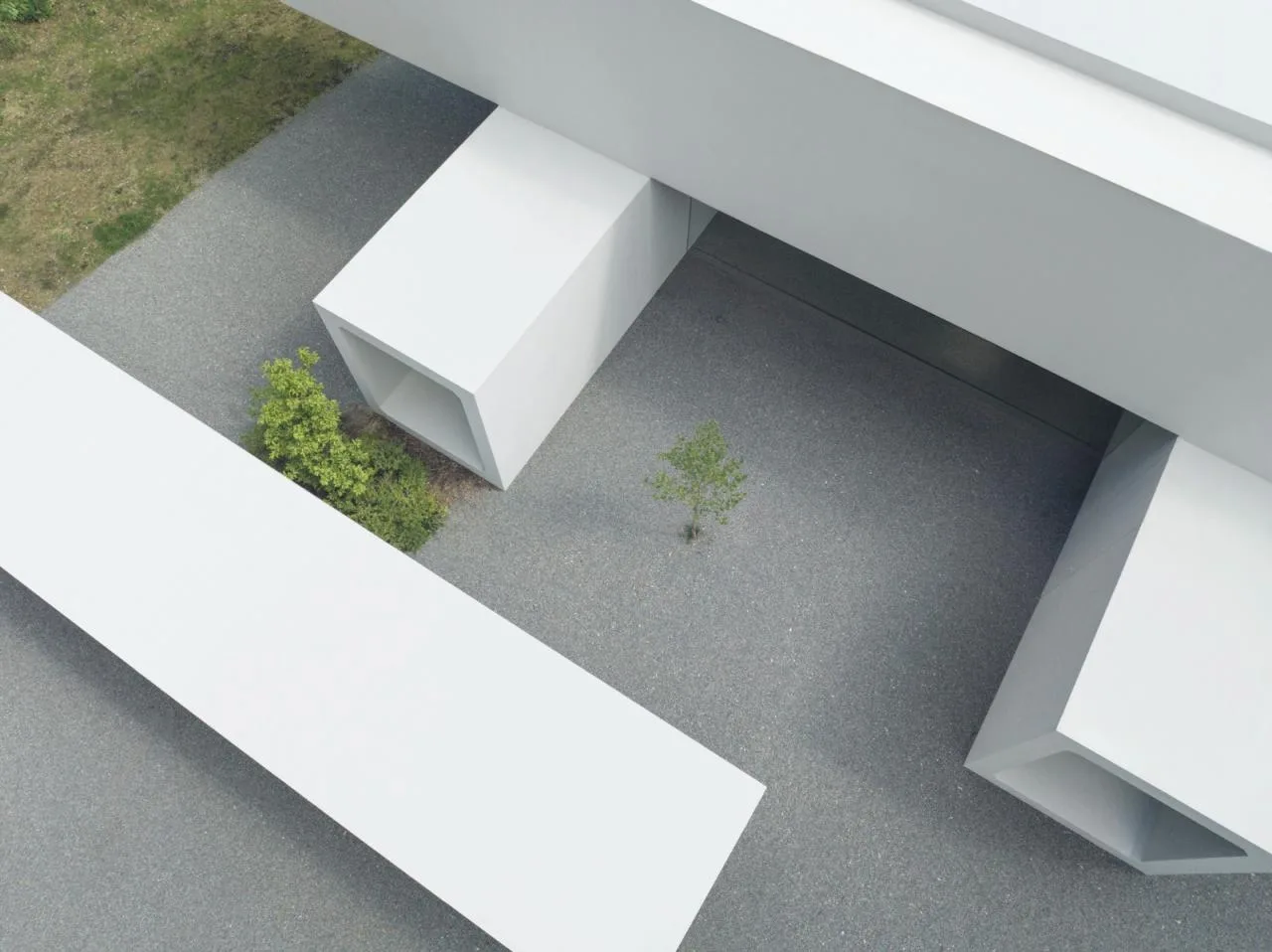
The building is composed of four stacked tunnel sections, topped with a roof covering at the midpoint. It includes a narrow storage room approximately 40 meters long, as well as two smaller storage spaces. Plans indicate future expansion with additional storage rooms as the collection grows. Essential amenities such as the kitchen, bathroom, and toilet are concentrated on the first floor, while the second floor houses a compact bedroom and study.
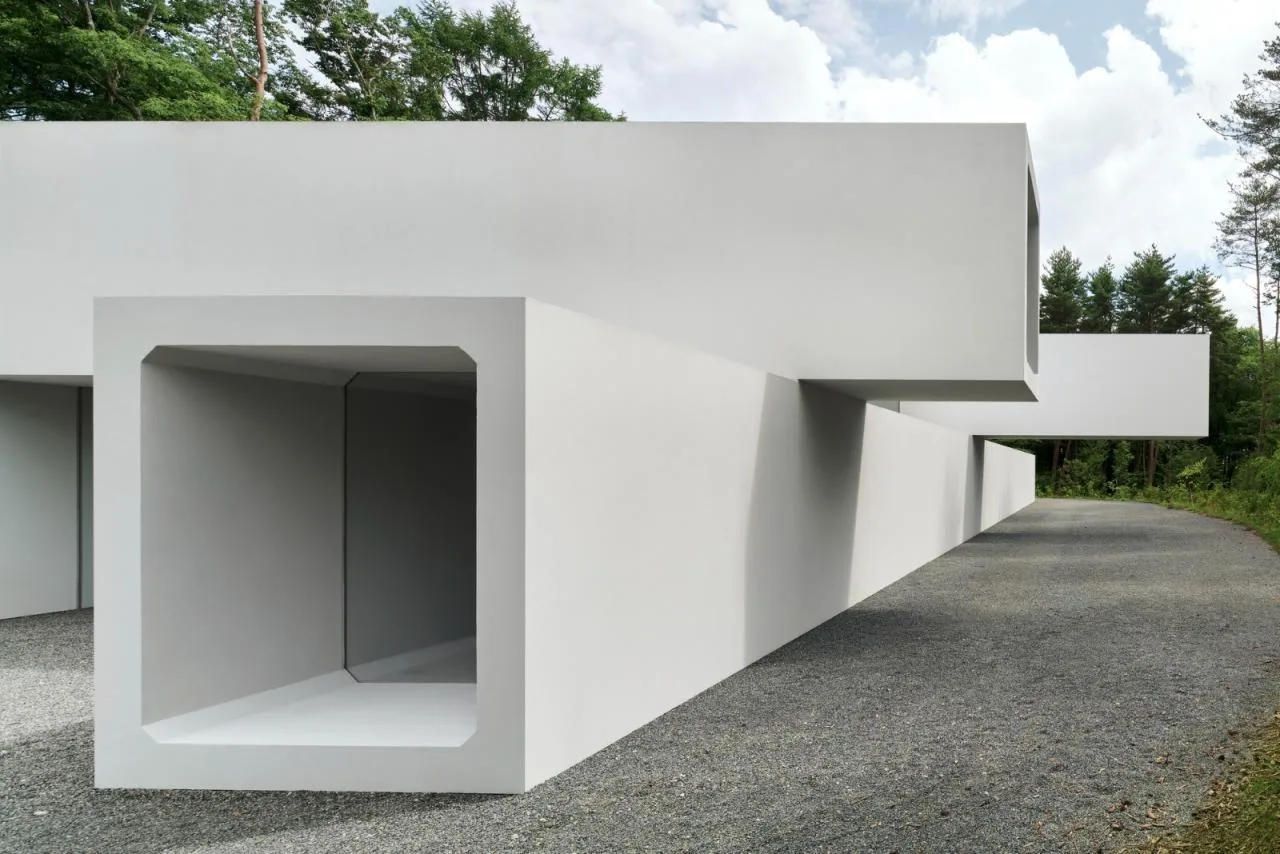
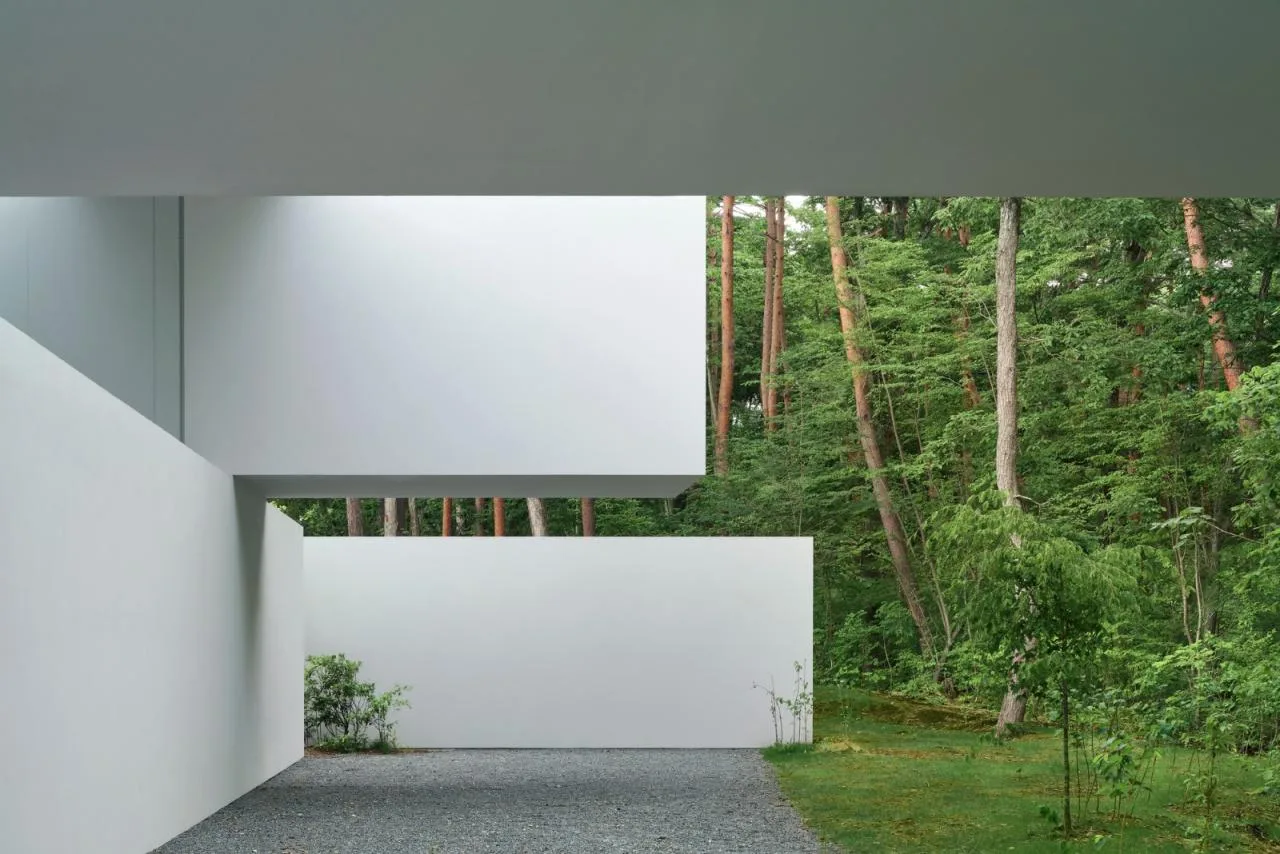
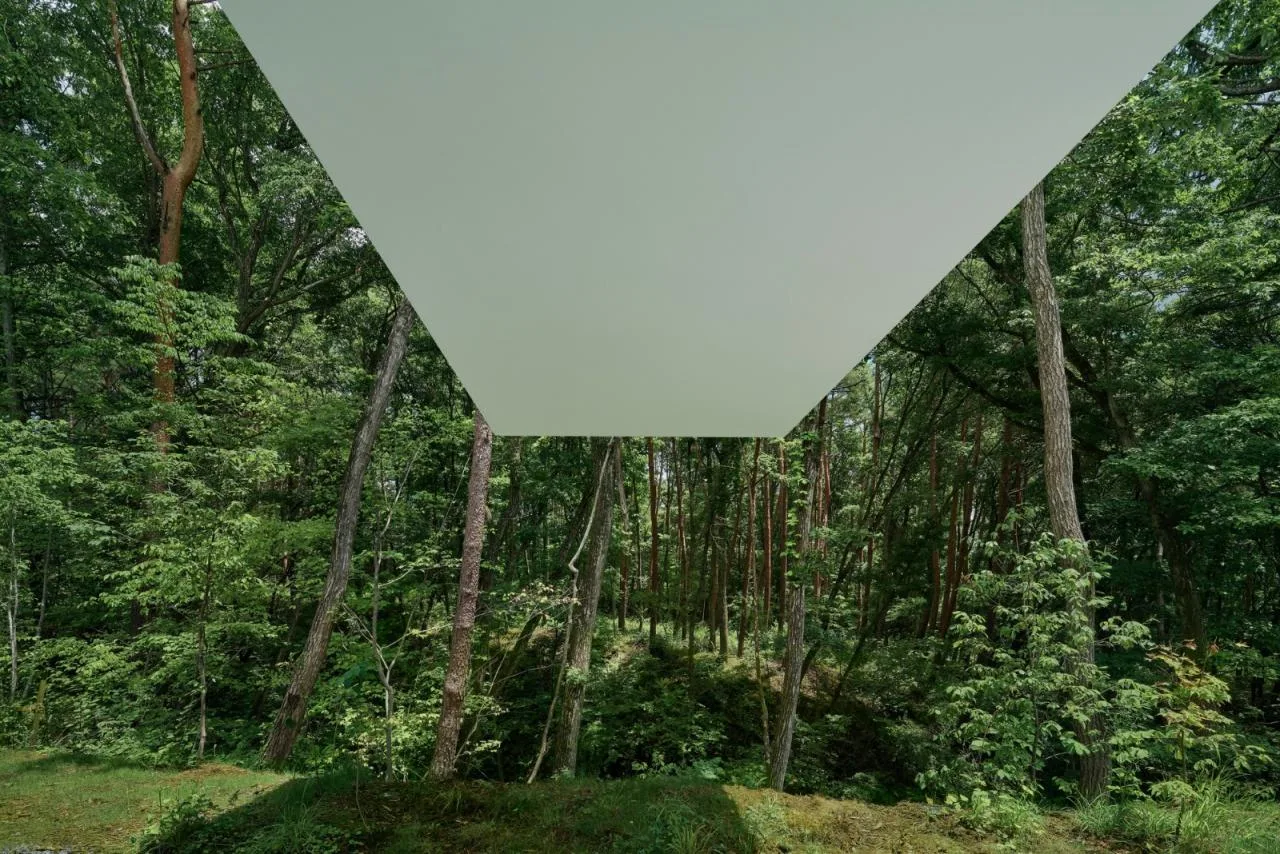
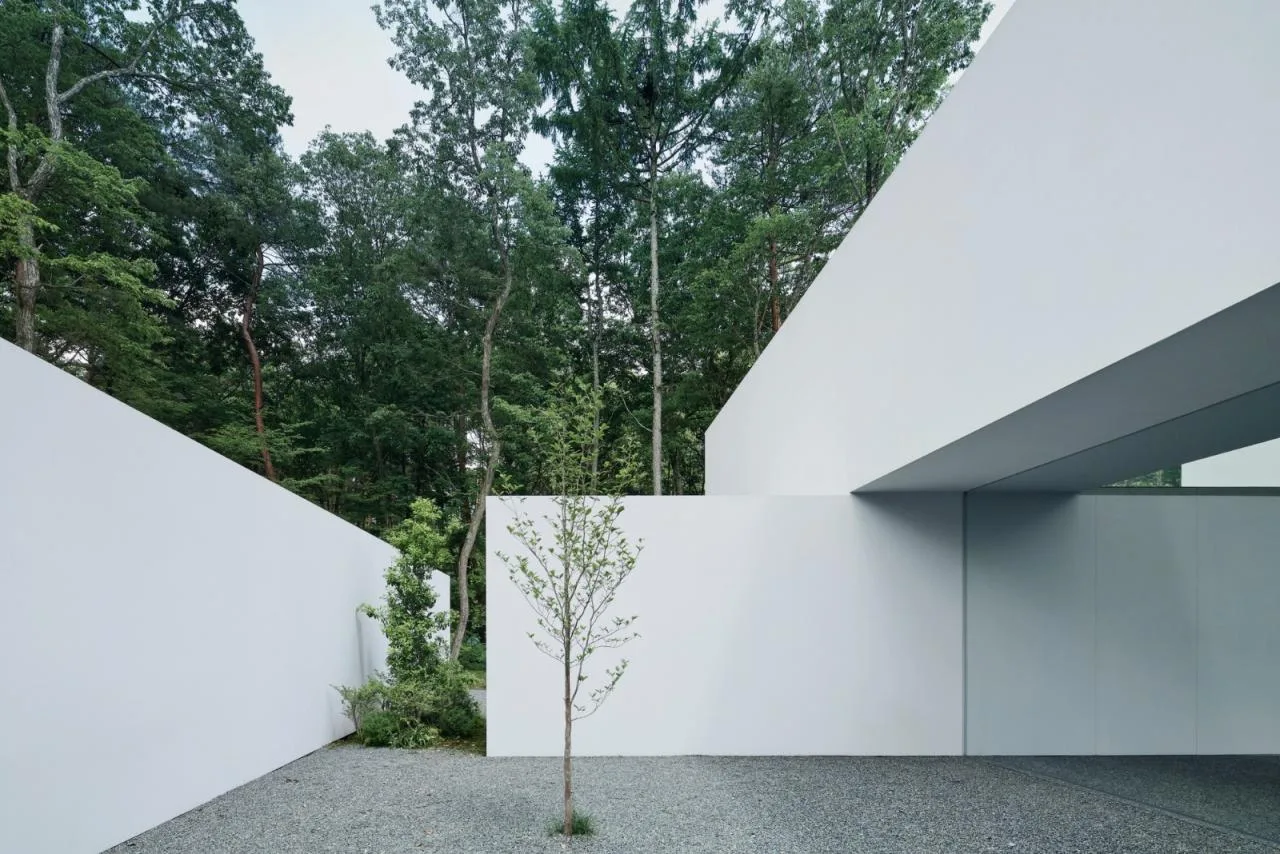
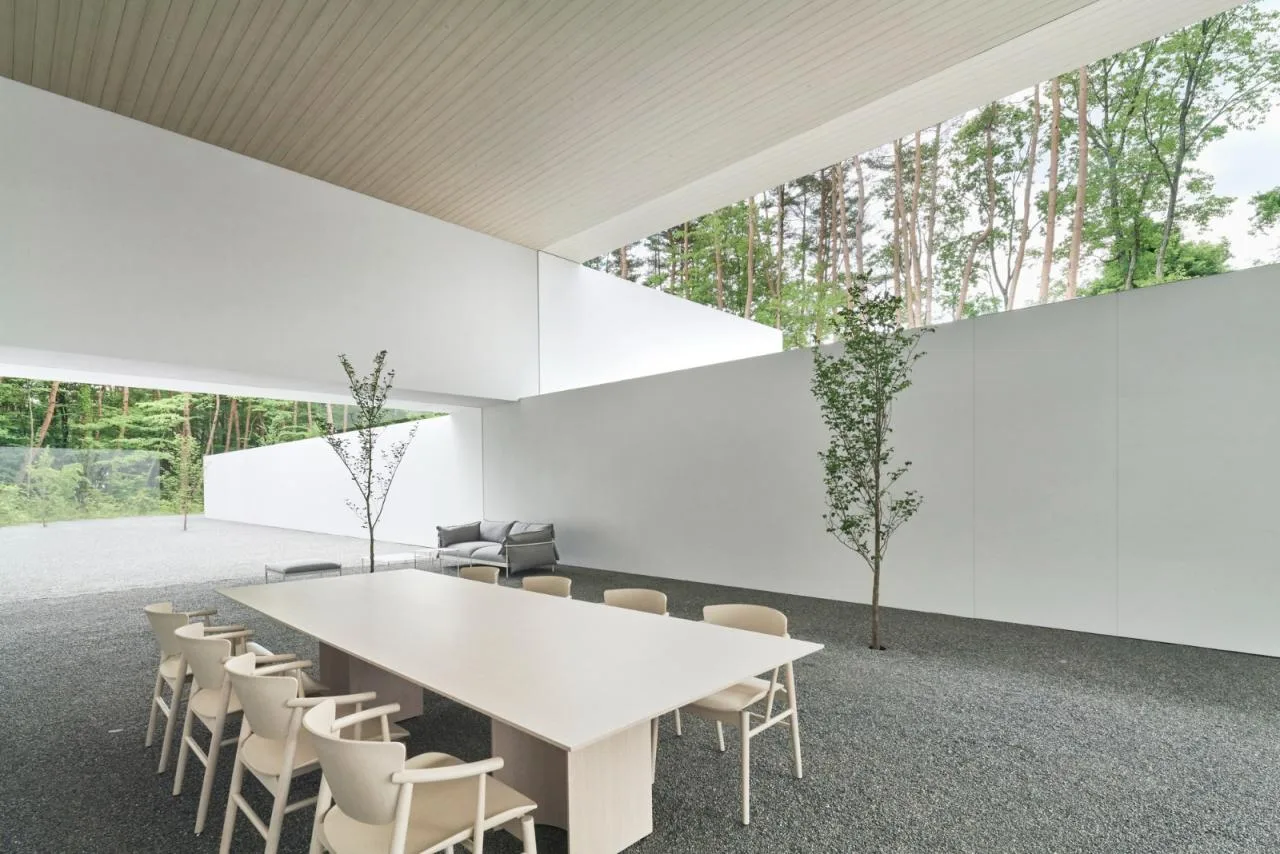
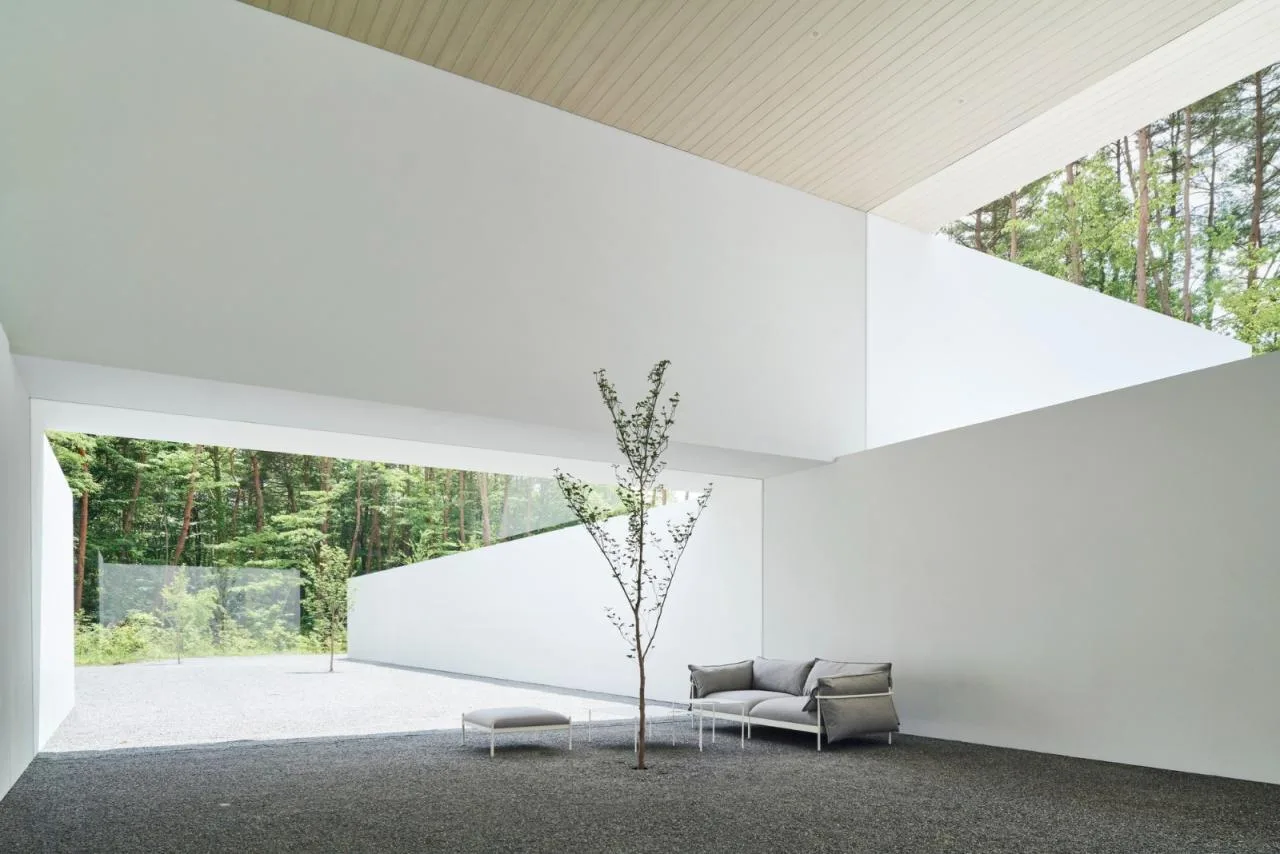
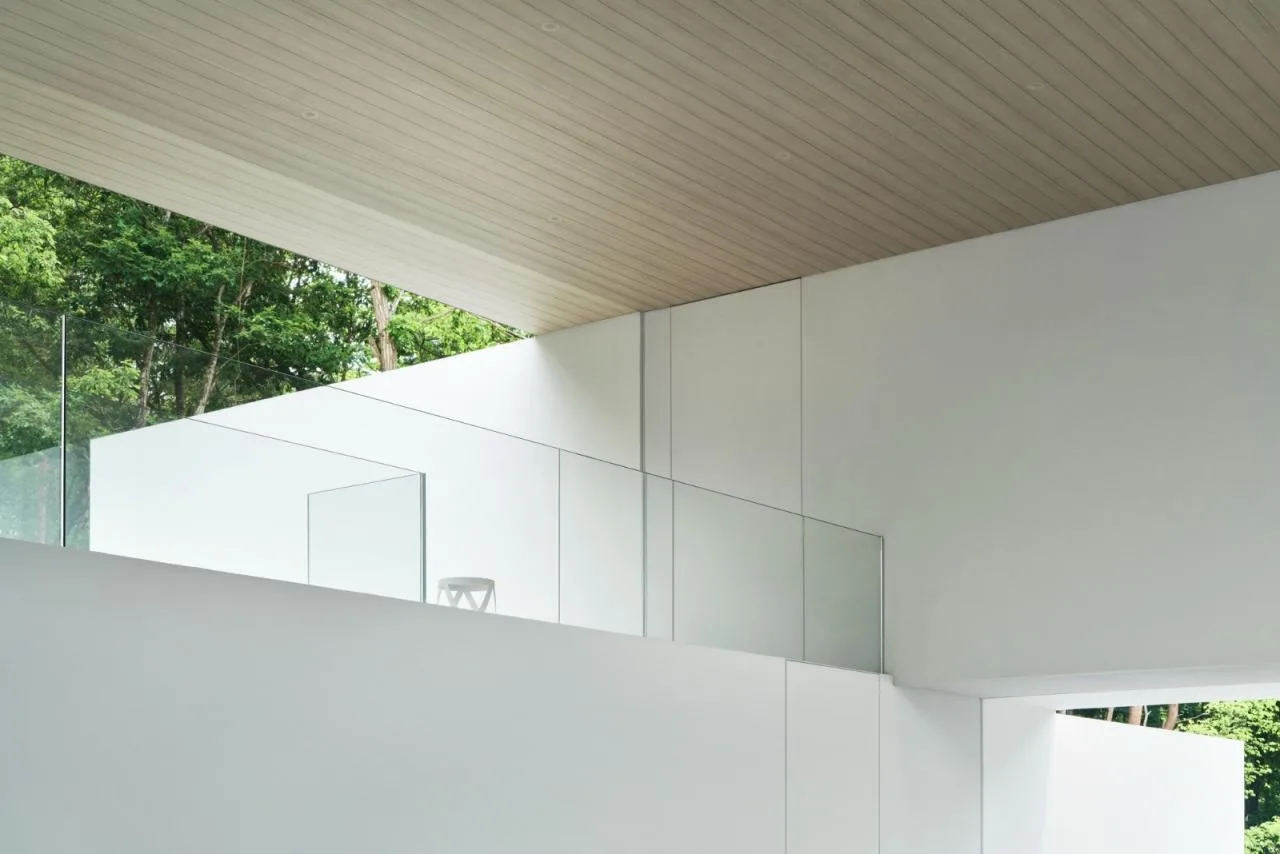
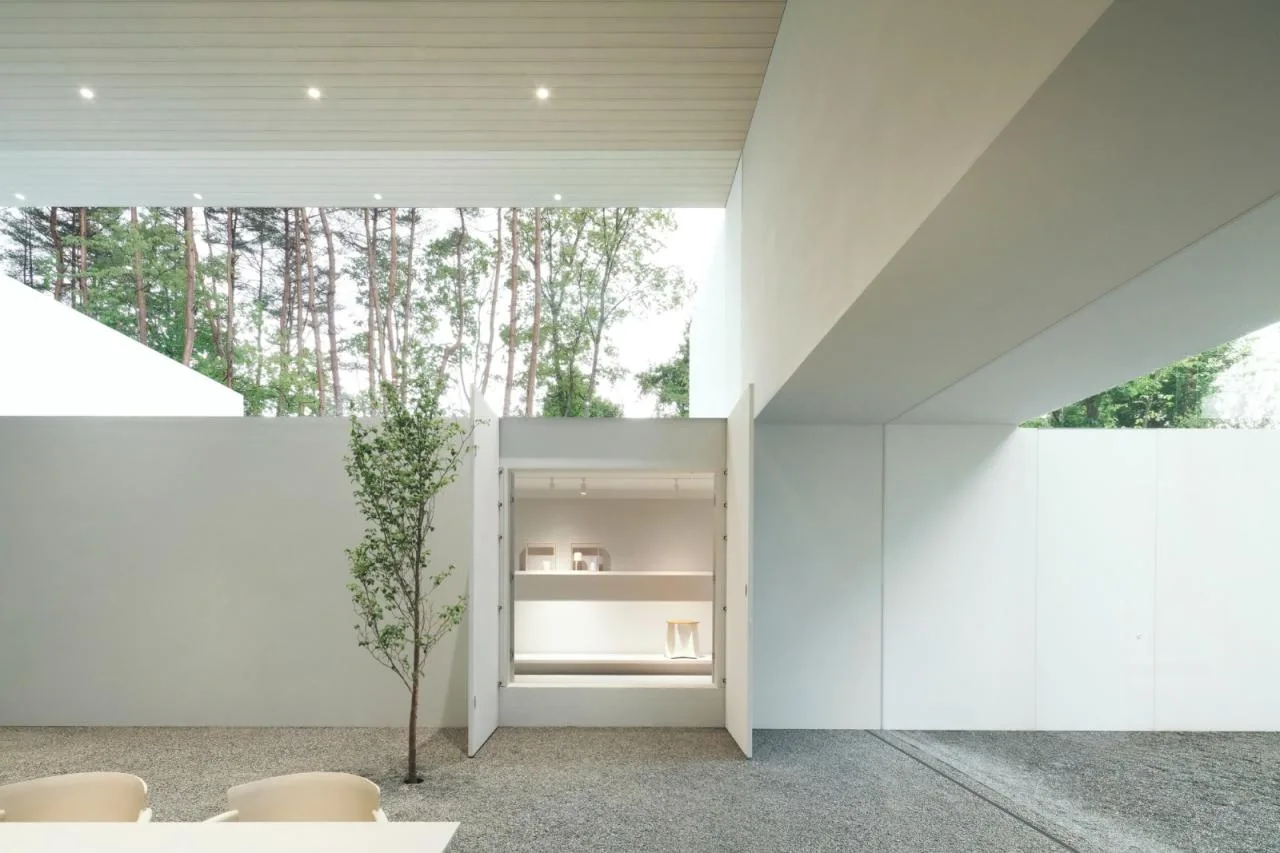
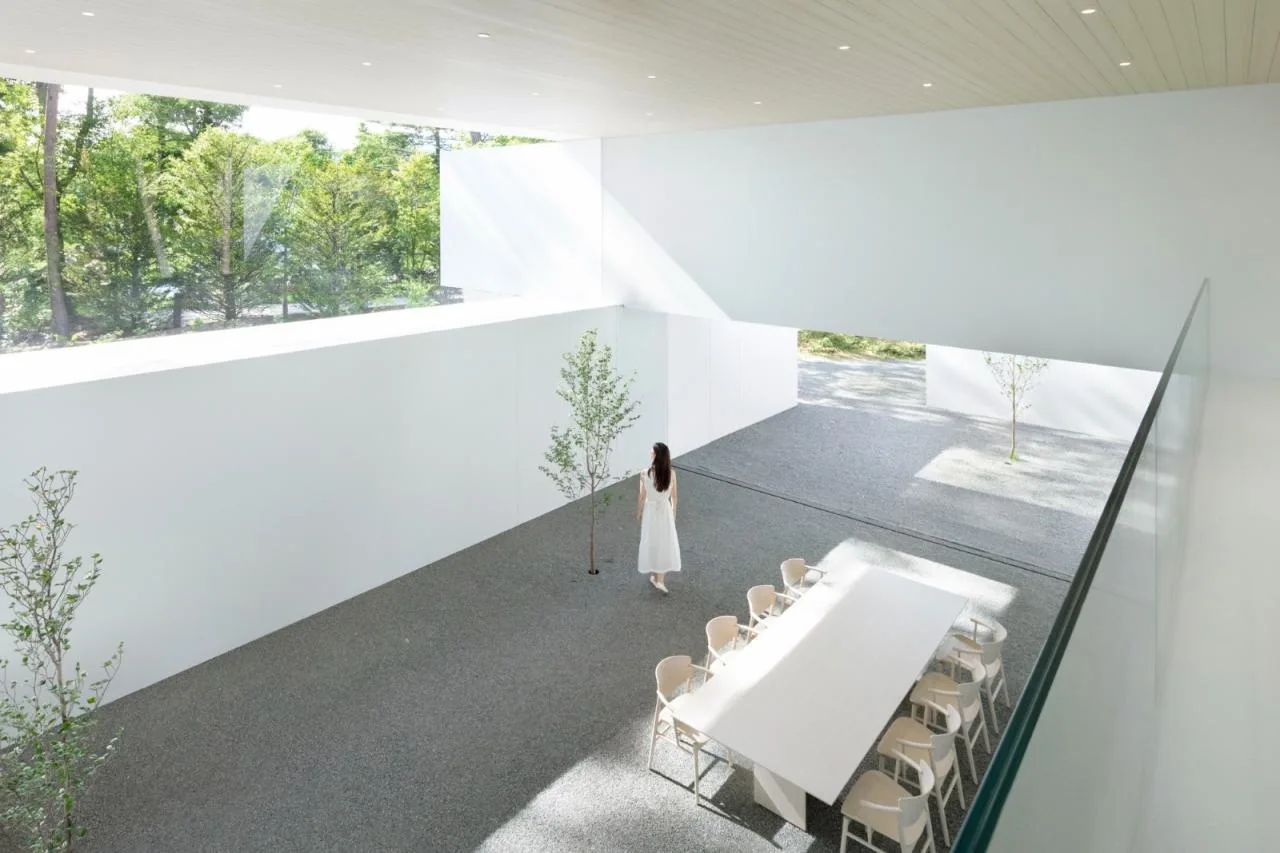
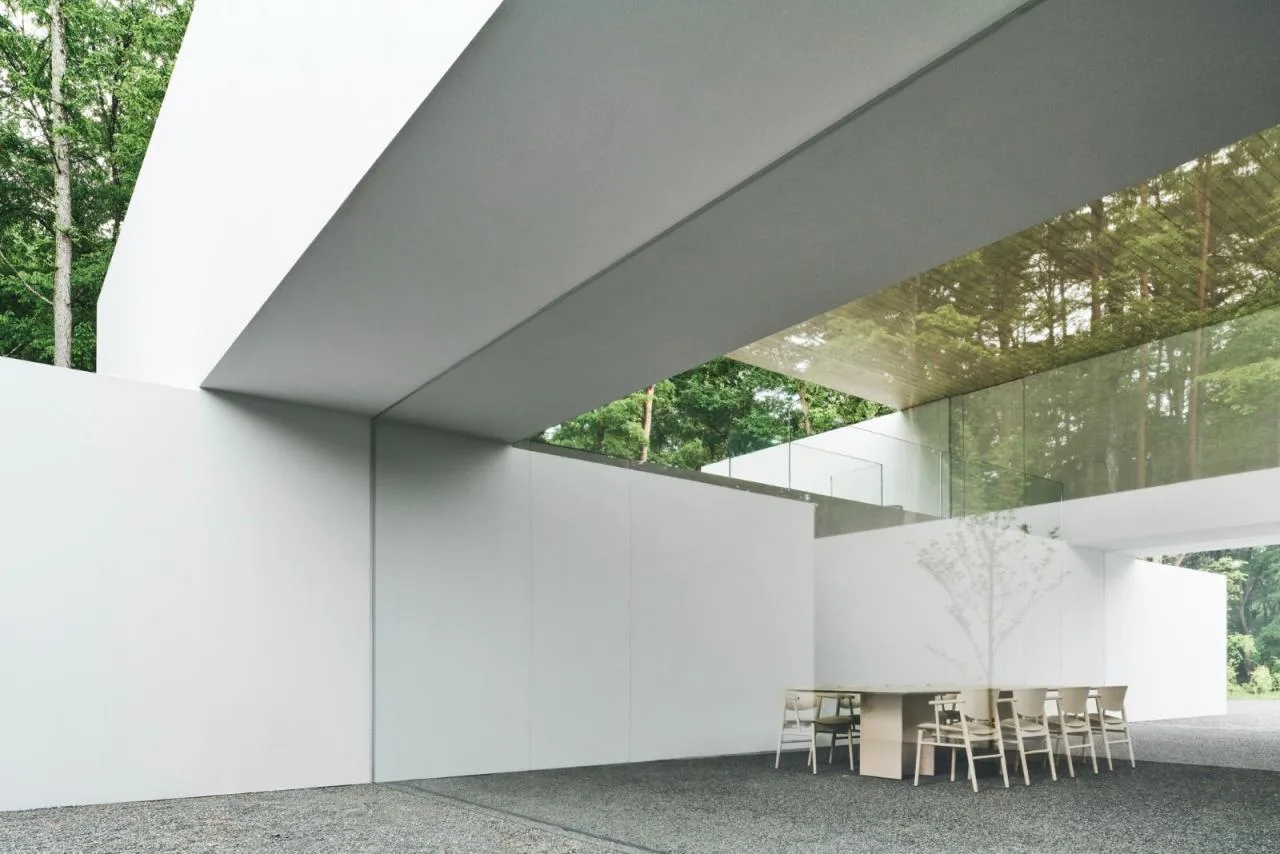
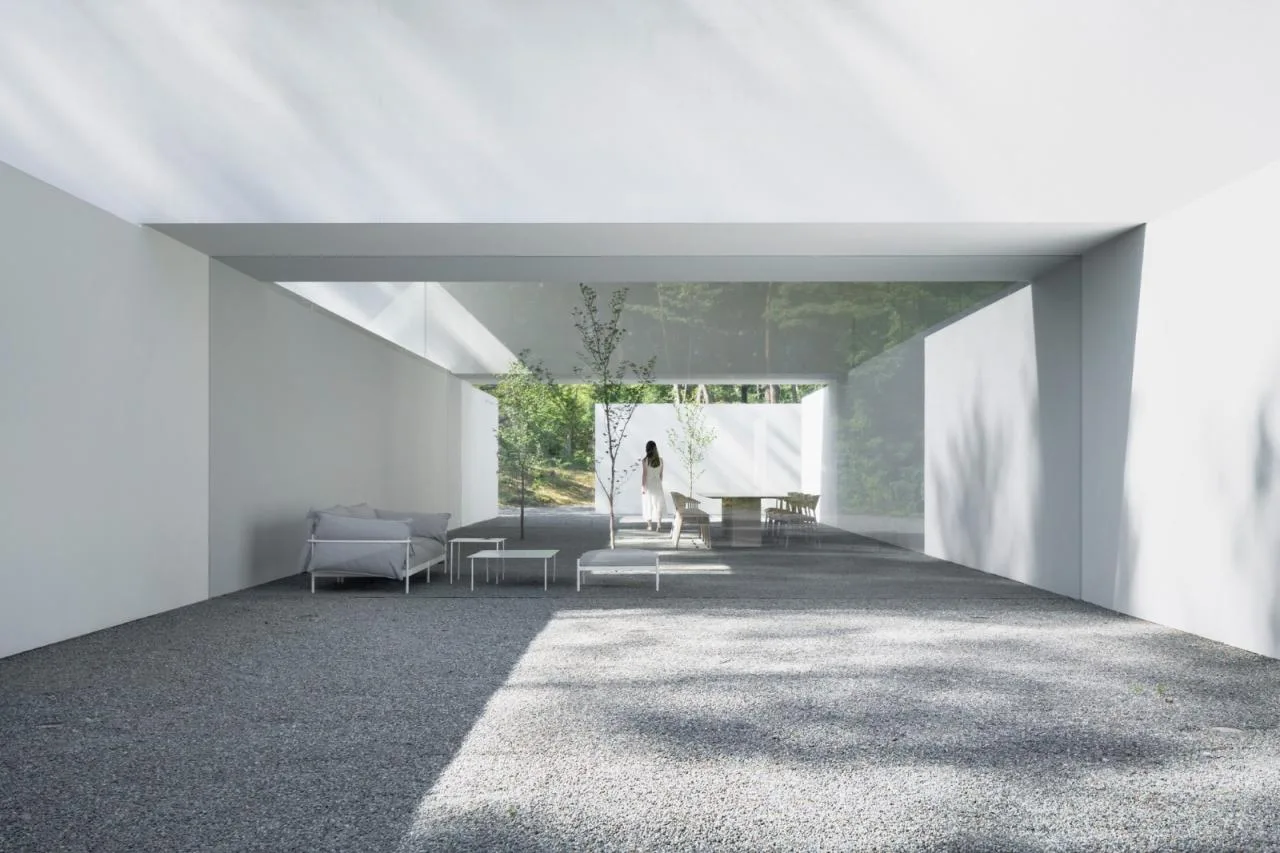
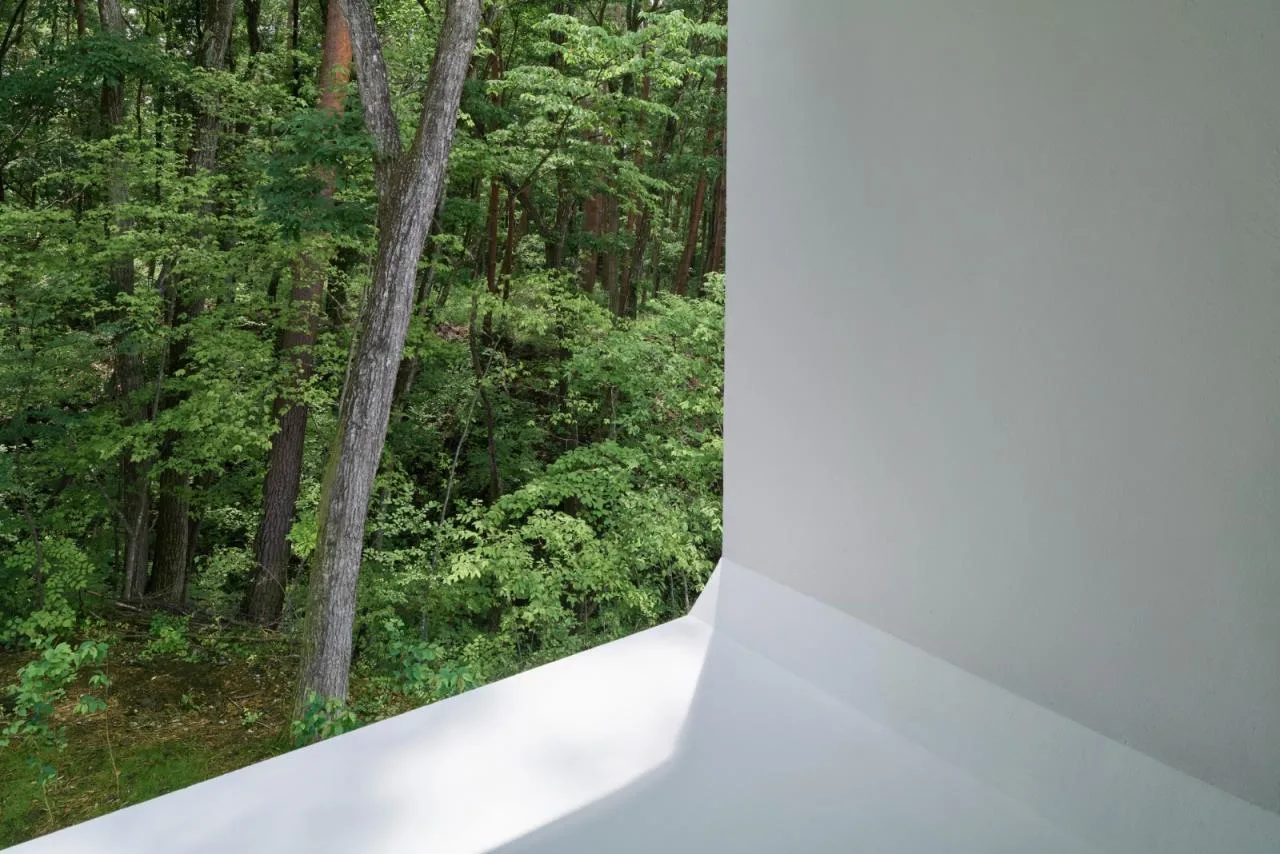
The project minimizes the use of metal frames for windows. Instead, it employs 10-meter-long high-transparency glass panels set into grooves, constructed similarly to screens. The transition between indoor and outdoor spaces is softened by integrating gravel and plants. To improve walkability, portions of the gravel flooring have been hardened with resin.
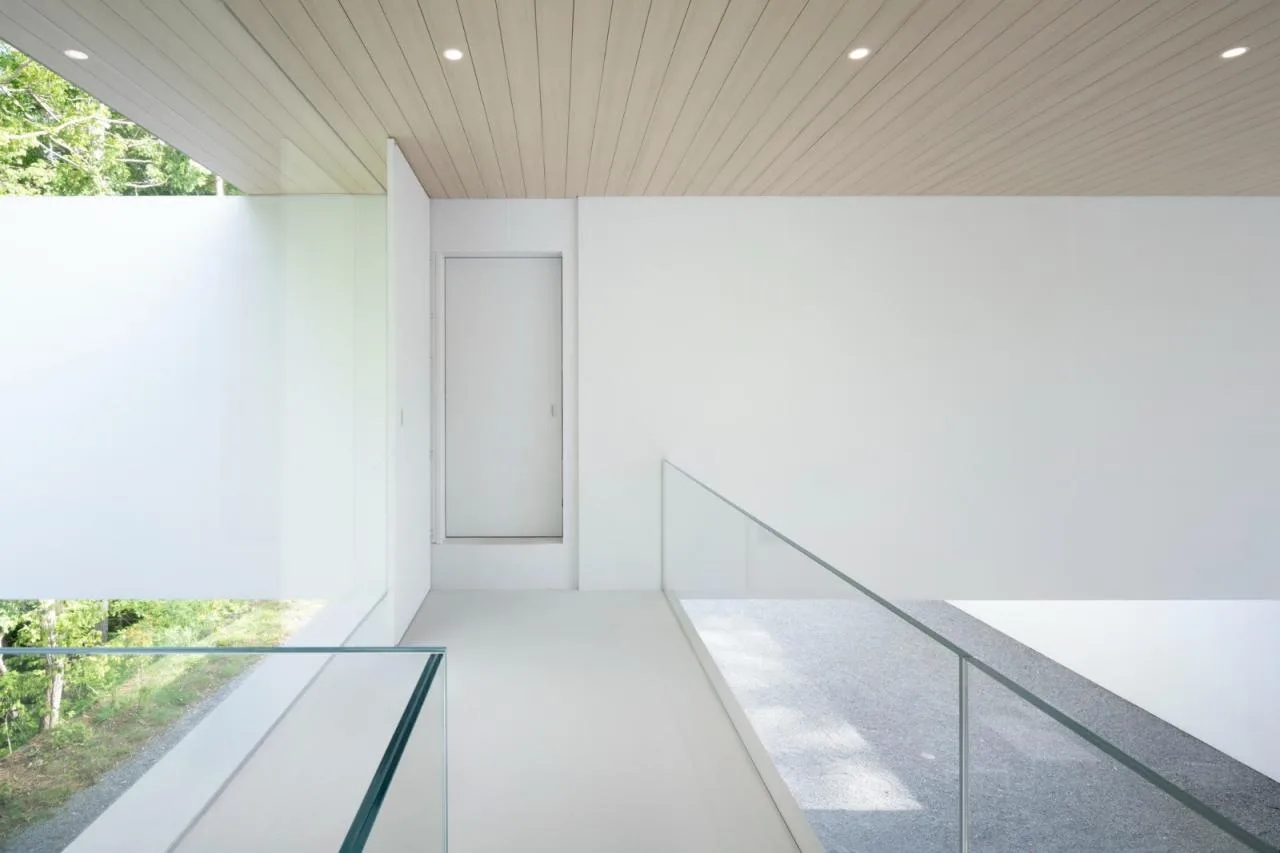
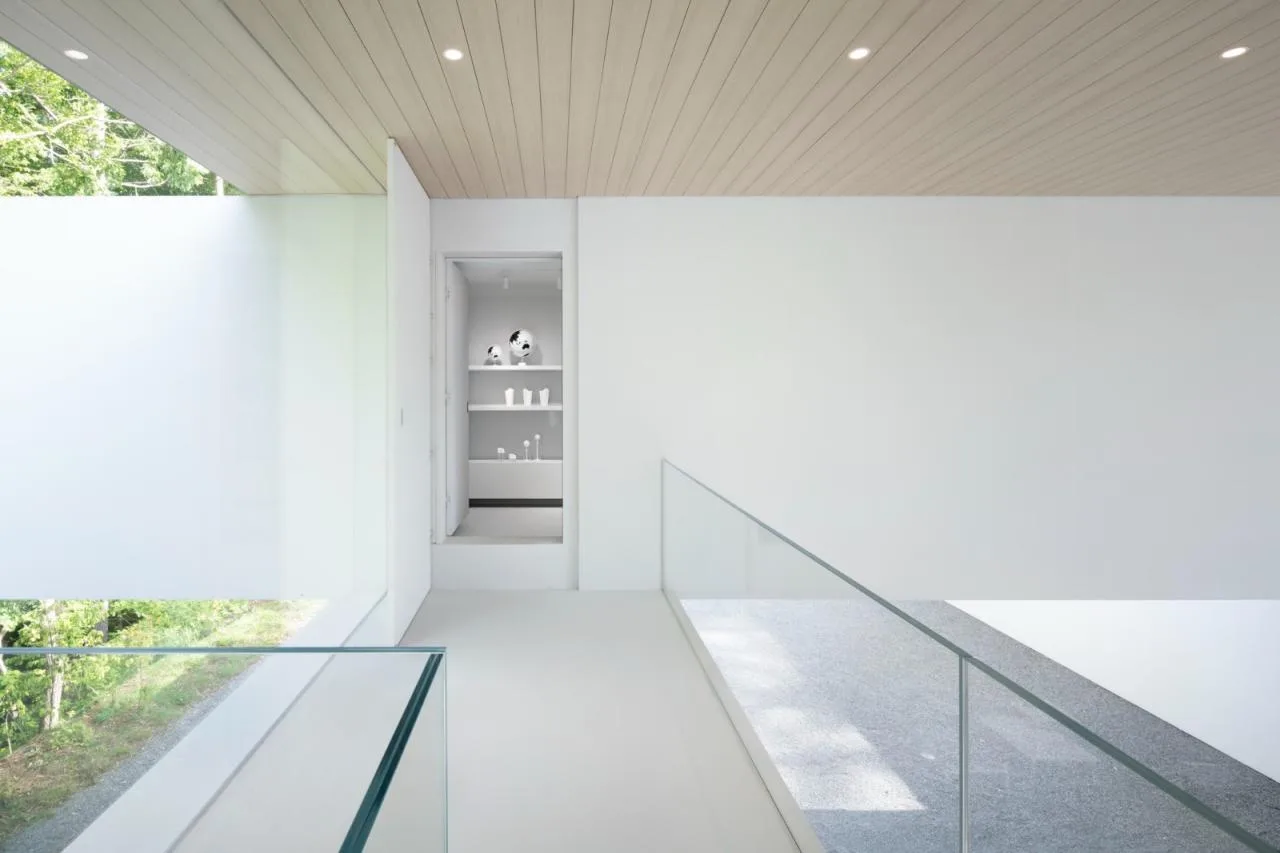
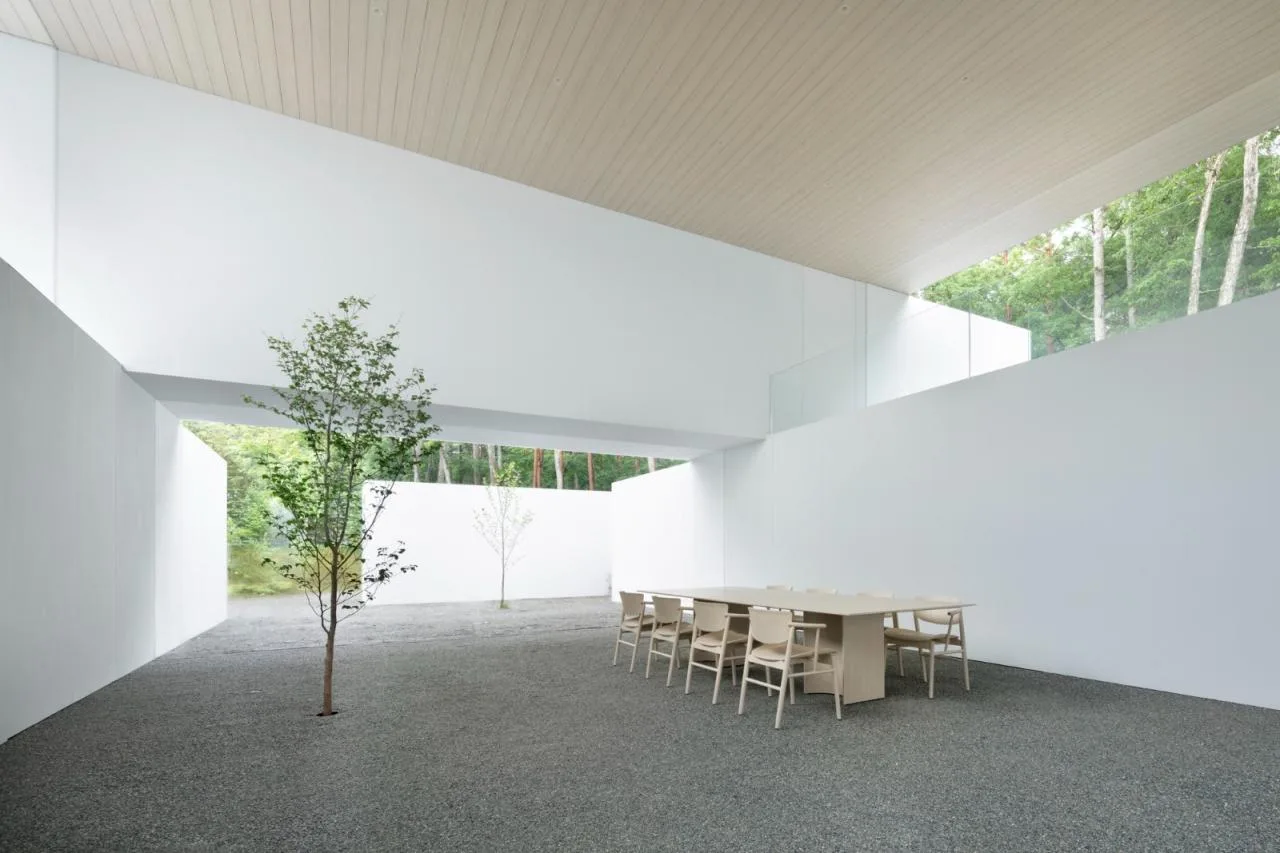
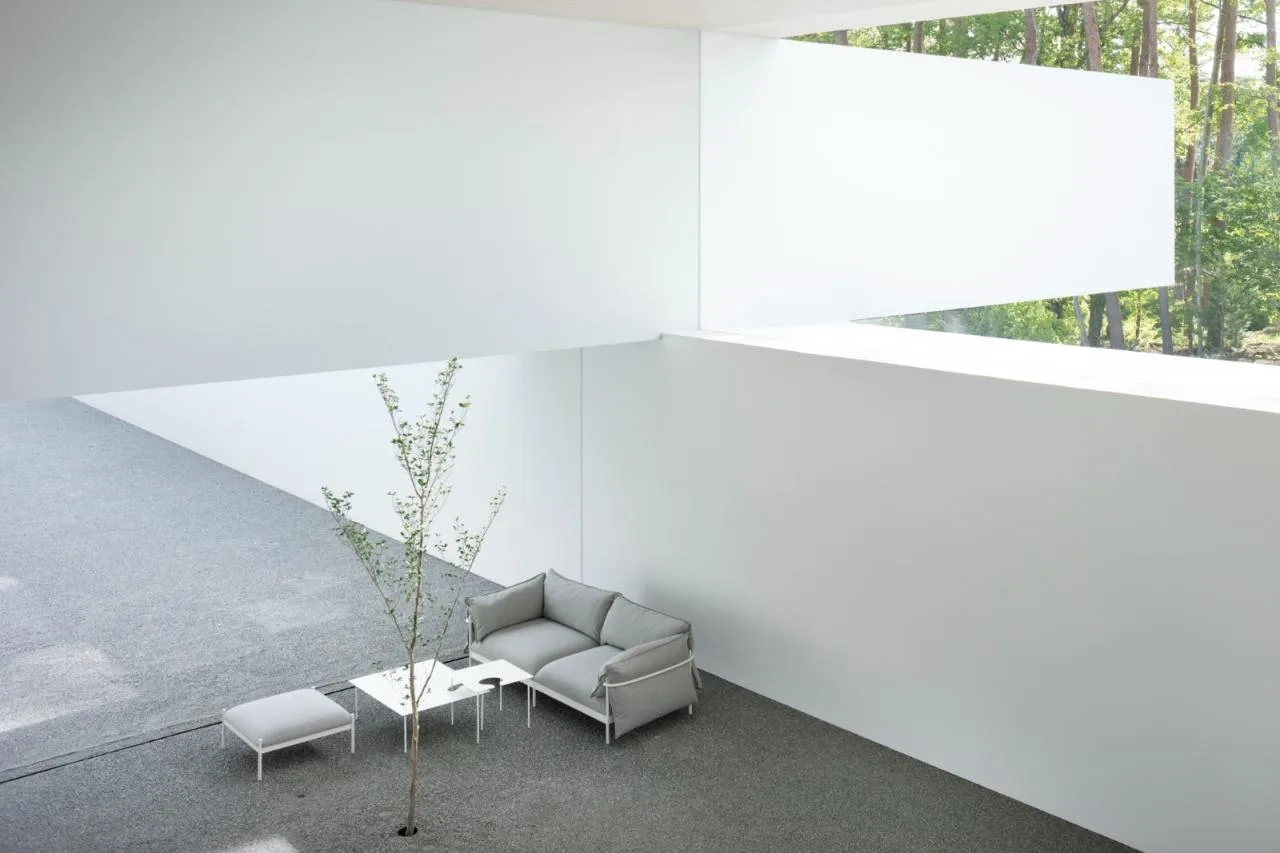
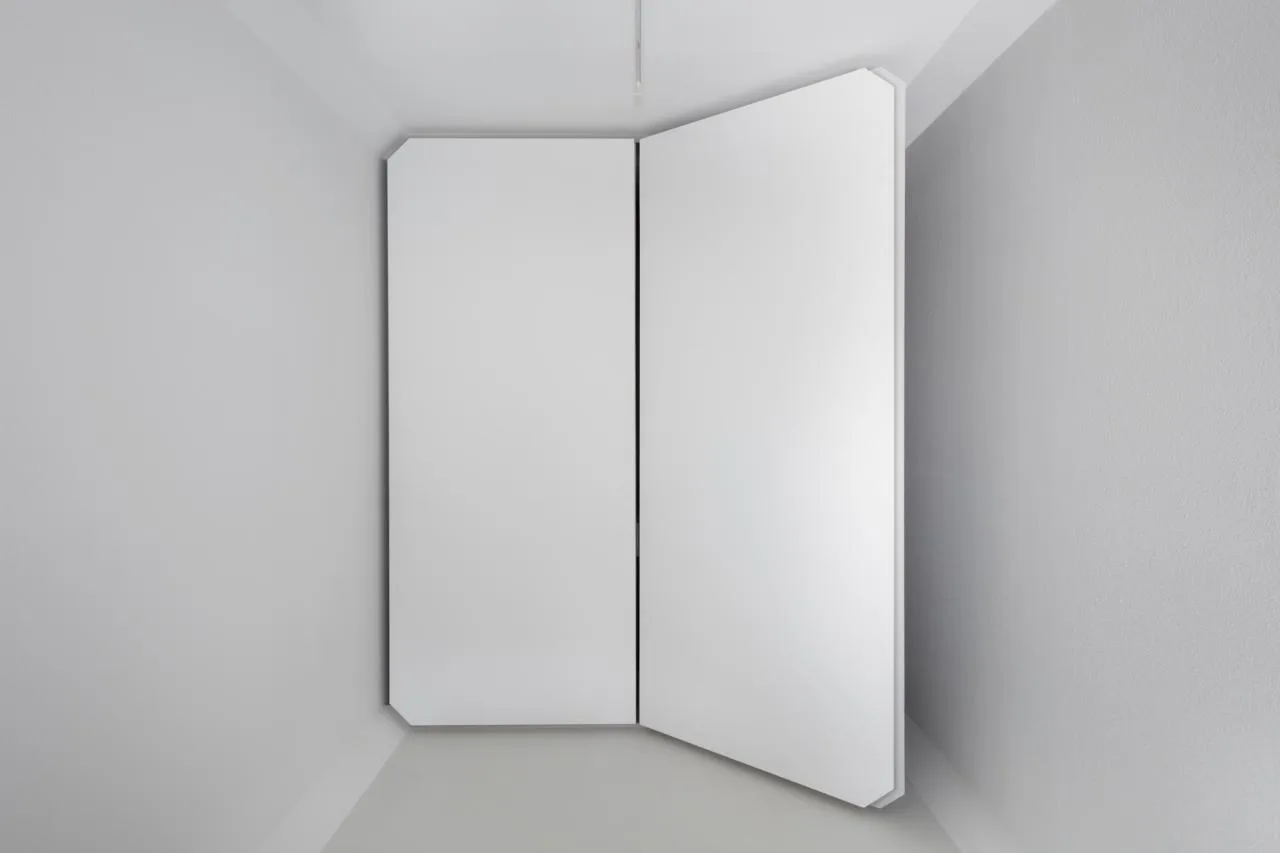
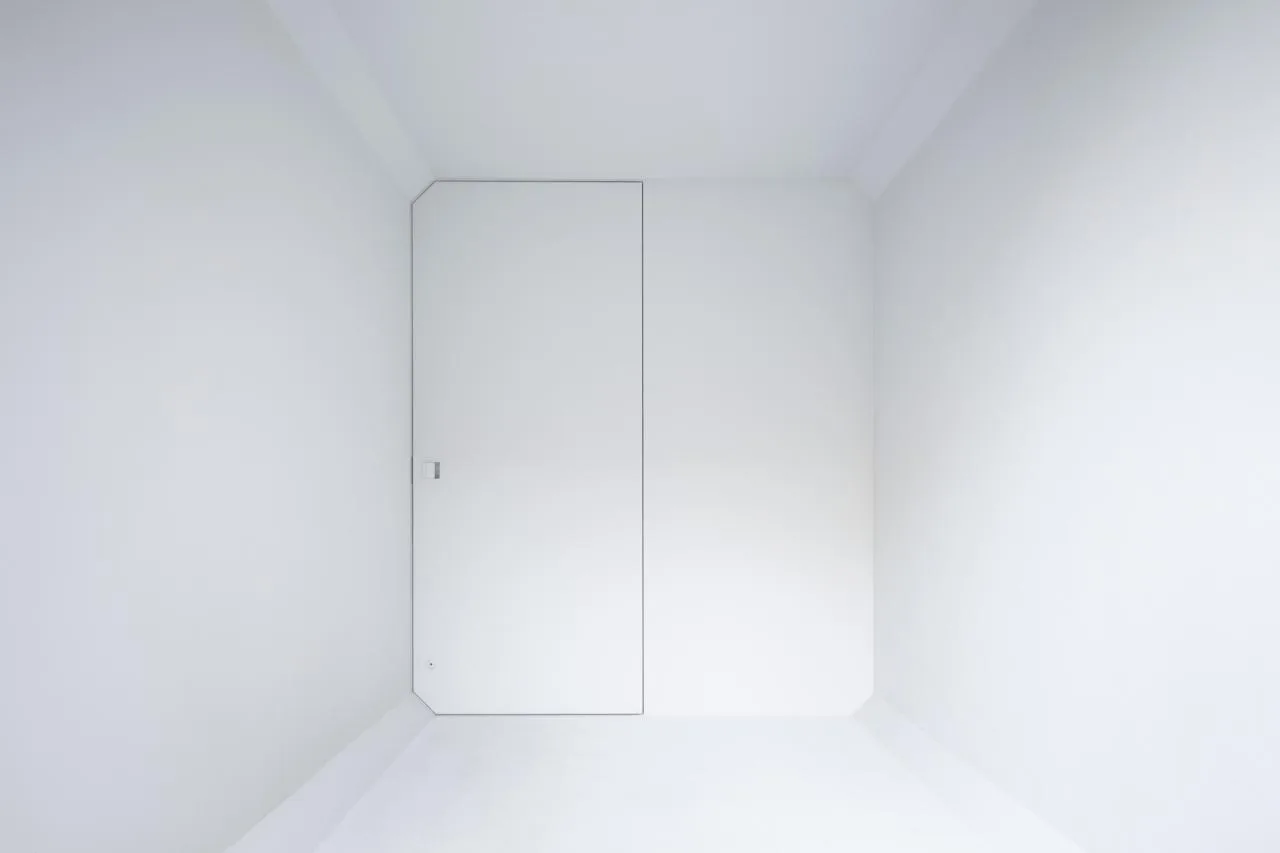
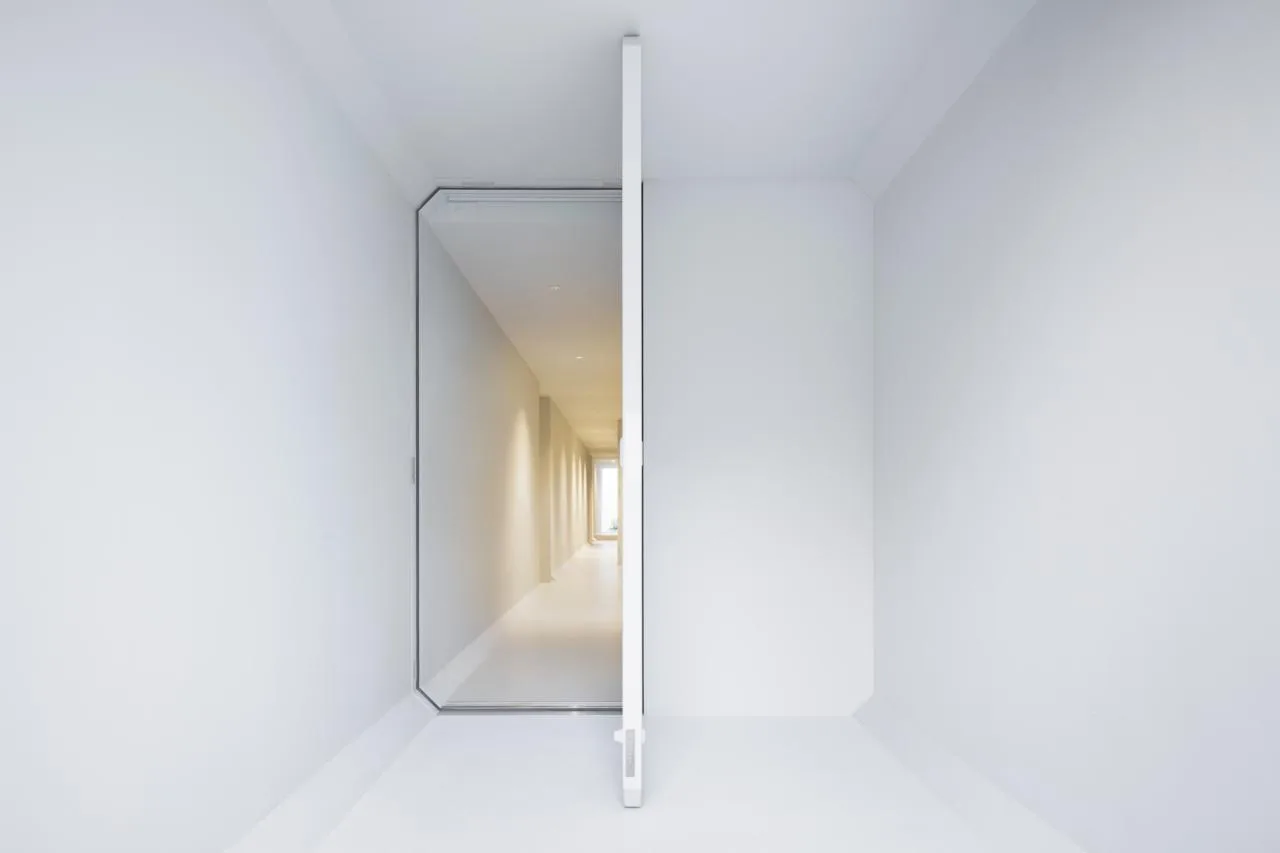
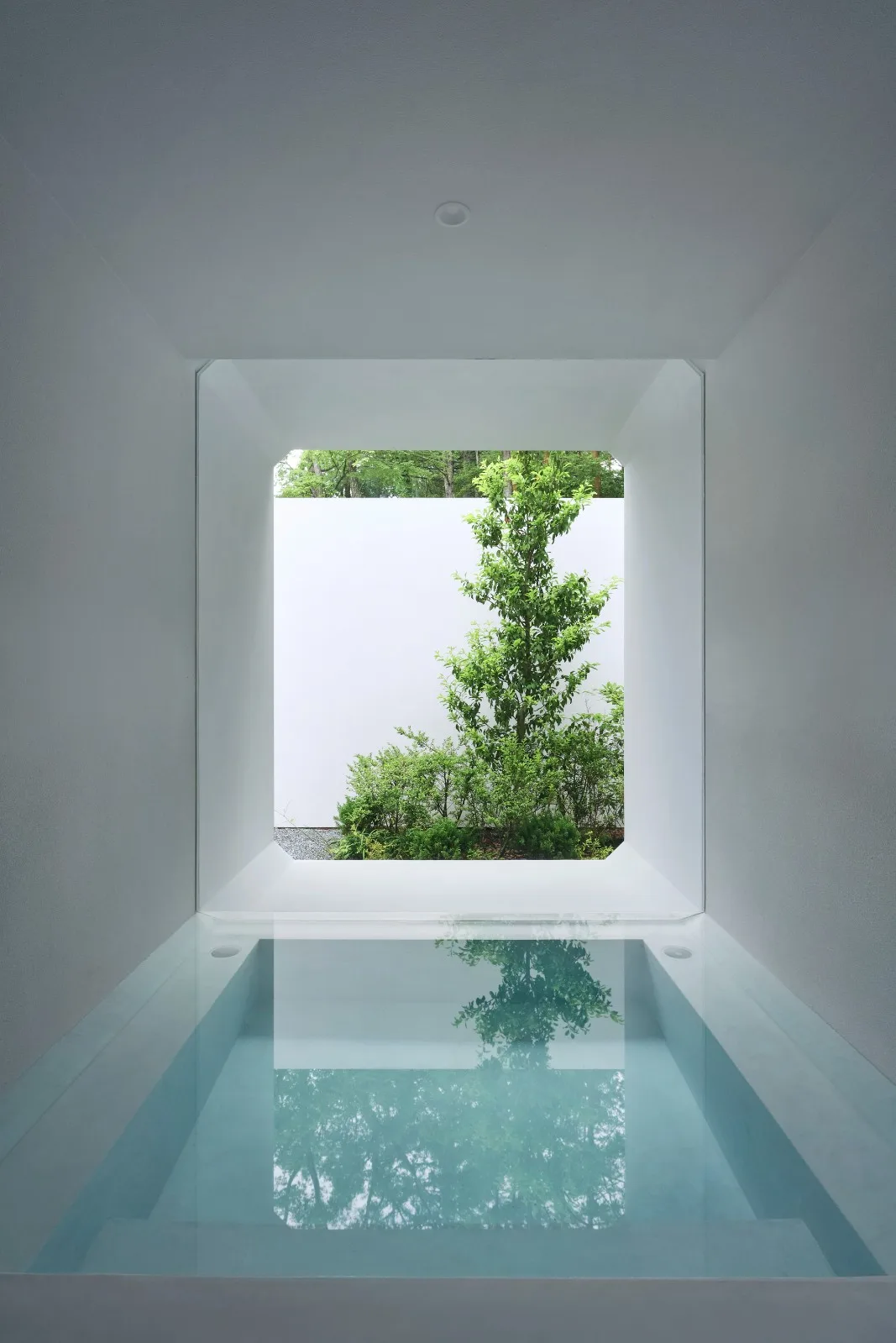
Unlike typical methods where resin is poured directly over gravel, here resin is applied first to the base, then gravel is laid on top. This technique prevents the surface from becoming overly glossy. Additionally, instead of installing visible door handles, the architect designed a hidden handle concealed within a narrow gap between the door and wall. The bathtub is recessed into the floor, aligning the water surface flush with the floor, contributing to the continuous tunnel-like aesthetic. The outcome is a unique architectural space that harmoniously blends civil engineering principles with product design details.
Project Information
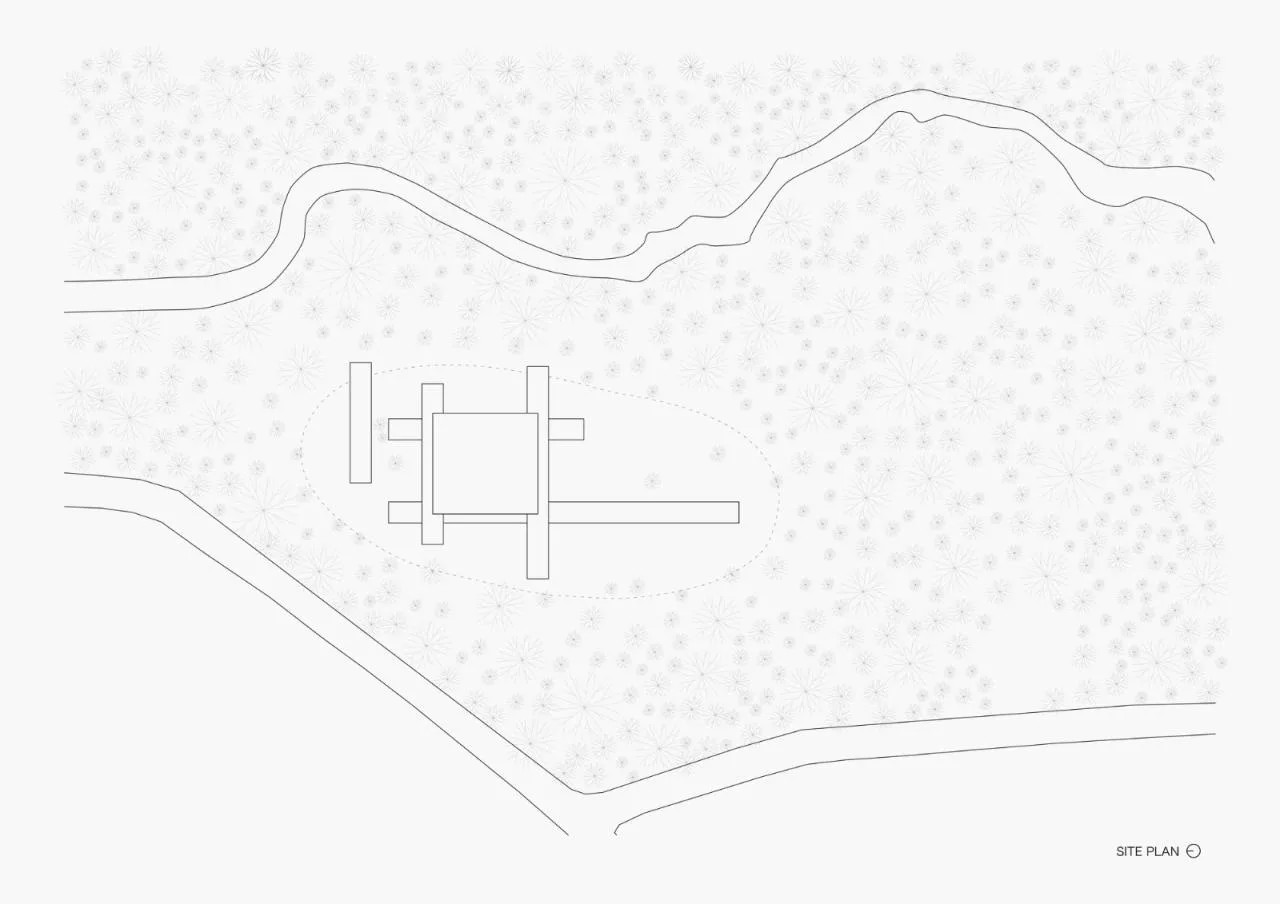
△ General layout plan
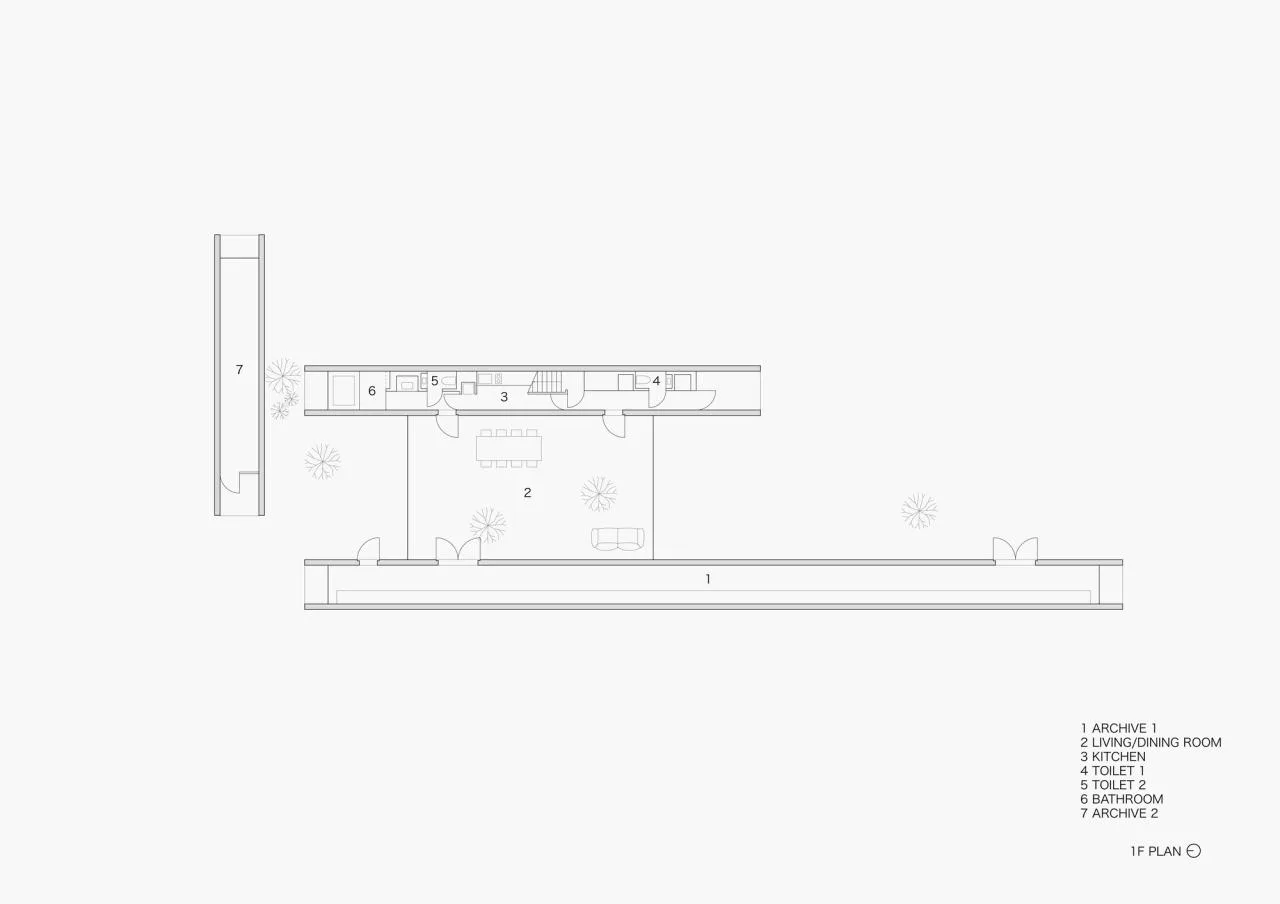
△ First floor plan
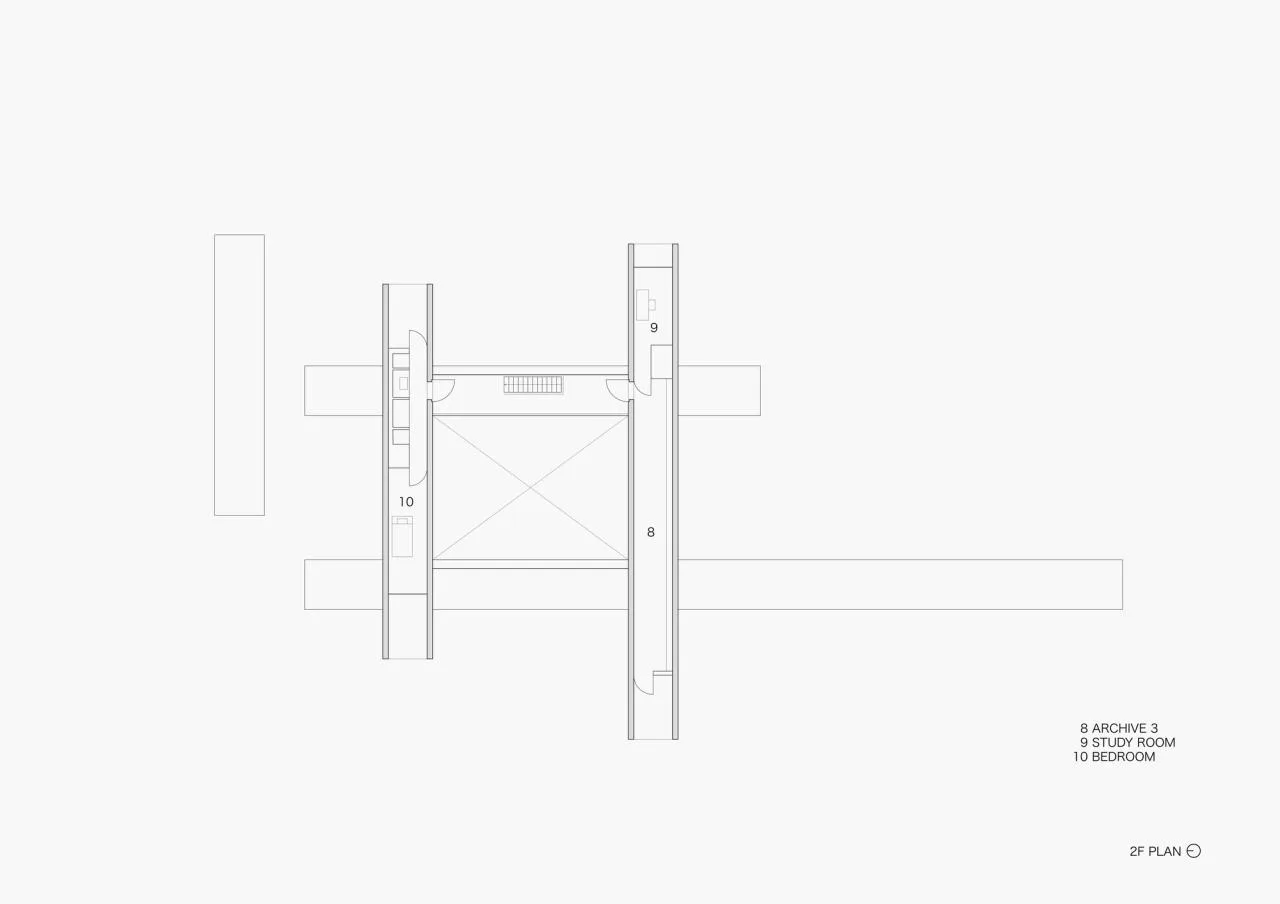
△ Second floor plan
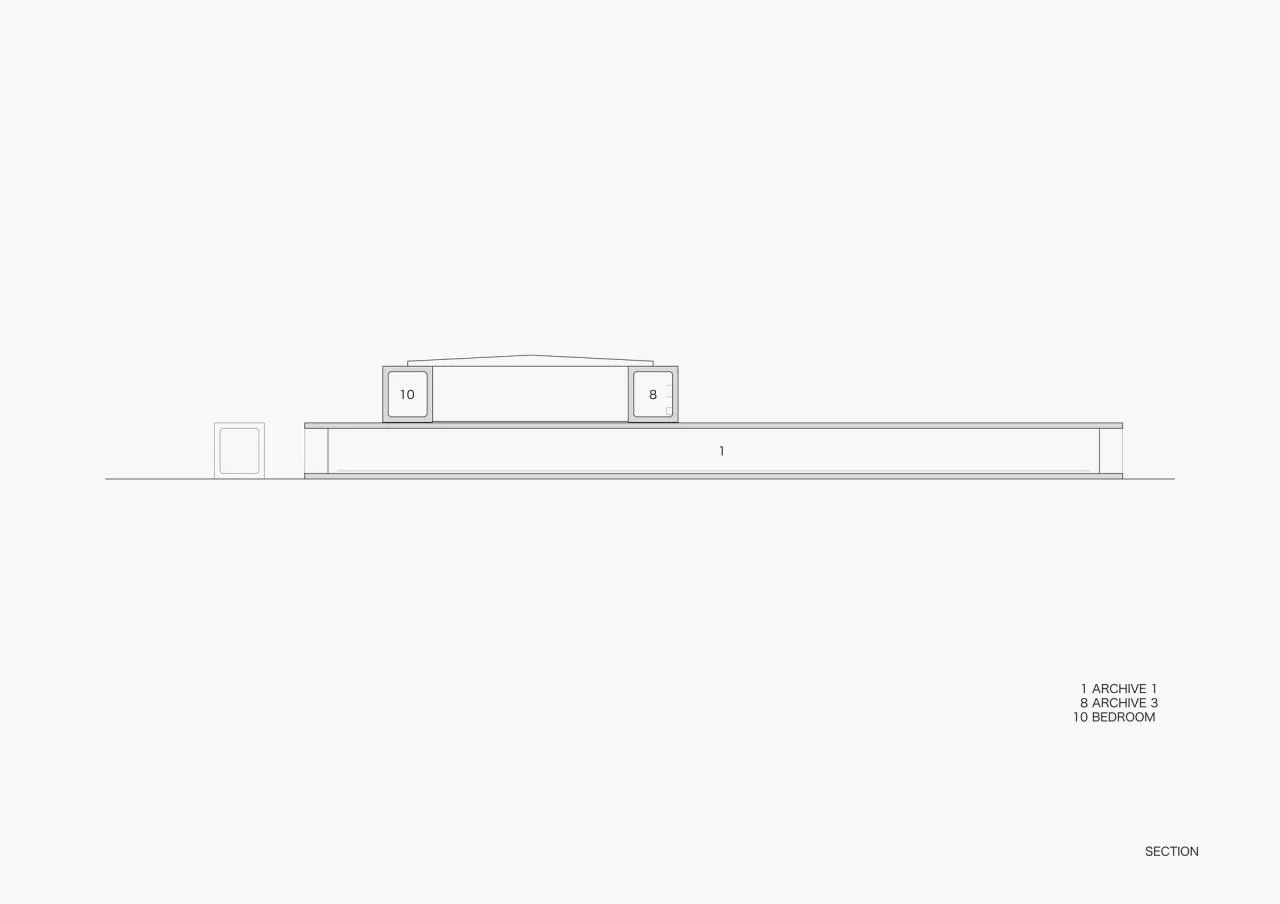
△ Section diagram
Project Details
Architect: Nendo
Year: 2022
Photographers: Takumi Ota, Daici Ano
Partners: Noritaka Ishibayashi, Ryota Maruyama, Daisuke Maeda
Documentation: Toru Shiomi
Shooting: Takahisa Araki, Masaya Yoshimura














Must log in before commenting!
Sign Up