
In discussions about BIM technology, the term full lifecycle is frequently mentioned. But what exactly does it mean?
The full lifecycle encompasses the entire process of building materials—from planning and design, through construction and completion, to operation and eventual disposal. Managing this entire process is known as full lifecycle management. The main challenge in this approach lies in the lengthy timeline, which makes storing and retrieving information increasingly difficult over time.
Despite these challenges, full lifecycle management is crucial for the construction industry because it maximizes the value of buildings and enhances economic returns. BIM technology effectively addresses the issues of long timelines and information management. By establishing a comprehensive full lifecycle BIM management platform, all building data from different stages can be efficiently collected, enabling complete lifecycle information management. This significantly reduces inefficiencies caused by lost or missing information.
The value of full lifecycle management is illustrated in the following figure:
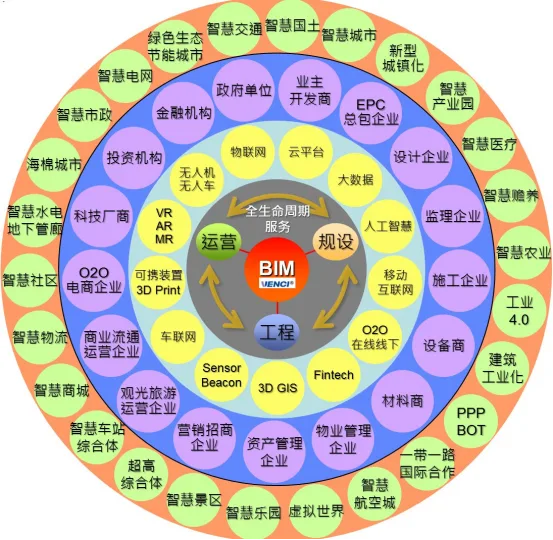
BIM technology serves as the core tool for the digital transformation of the construction industry, deeply influencing various stages and stakeholders. As a result, people in different roles often have varying interpretations of BIM technology. However, these different views are not necessarily incorrect, since there is still no universally agreed-upon definition of BIM.
What matters most is understanding that BIM technology is a vital driver for the future development of the construction industry. With proper promotion and a supportive application environment, BIM technology will play a pivotal role in advancing the entire sector. Do you agree with the editor’s perspective?
















Must log in before commenting!
Sign Up