
When discussing BIM technology, many people focus on its core concept. Naturally, their interpretations may vary based on their own understanding. However, by analyzing the full English term “Building Information Modeling,” we can clearly conclude that the core of BIM technology lies in information — more specifically, information management.
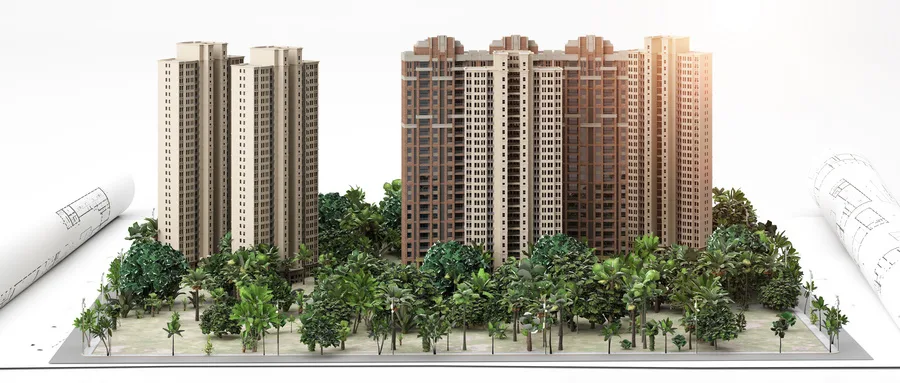
BIM technology digitally represents physical entities or their functions with the primary goal of managing information effectively. It consolidates valuable data, which traditionally exists scattered across various drawings and documents, into a 3D model. This model allows users to quickly search for and extract any required information.
Moreover, BIM leverages the computational power of computers to analyze data within the 3D model, producing useful insights that help stakeholders make informed decisions swiftly. Without efficient information management, BIM cannot be considered true BIM technology. For instance, software like SketchUp can create 3D models, but these models serve only for visualization; they do not contain or manage any engineering information. Such software and models fall short of what defines BIM.
Importantly, BIM integrates diverse information from owners, designers, contractors, and facility managers. Each party extracts relevant data to facilitate collaborative design and intelligent decision-making. This collaborative approach further highlights that the essence of BIM technology is, indeed, information management.
















Must log in before commenting!
Sign Up