
All roads lead to Rome, and similarly, there are many different ways to approach modeling in Revit.
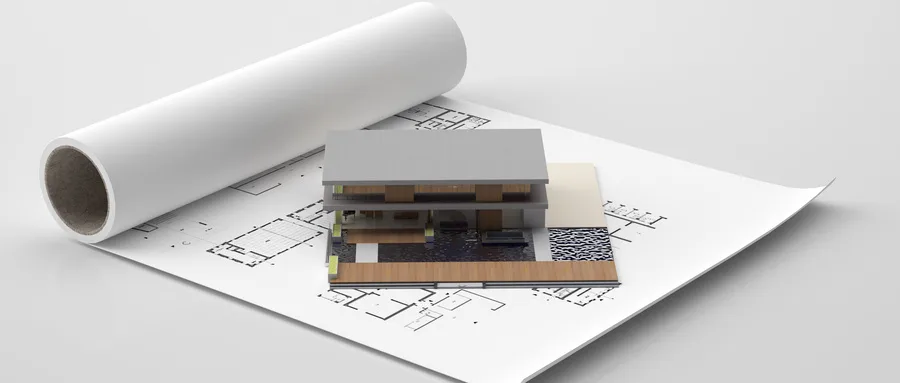
Modeling approaches vary from person to person and can take several forms. One common method is to treat each floor as a separate object. This involves creating various professional models on the first floor plan and then modeling each subsequent floor in sequence until the entire framework is complete. Afterward, attention is given to coordinating the pipelines between floors, managing riser interruptions, and connecting branch pipes.
Another approach focuses on the system itself. Here, the model is established and integrated based on individual systems. This method requires a clear understanding of floor transitions for risers and branch pipe connections. Take the fire hydrant system as an example: since the riser positions often change between floors and branch pipes supply the fire hydrant boxes, it makes sense to model this system starting from the bottom floor and moving upward, converting the risers as needed. Other systems with frequent riser changes can be modeled sequentially in a similar manner. A practical modeling sequence generally moves from top to bottom and from larger to smaller components, minimizing the difficulty and effort required for later adjustments and clash avoidance.
For pipeline integration, the decomposition method is also effective. Before making comprehensive management adjustments, review the entire layout and break down large floor plans into smaller areas using auxiliary lines. Use sparse pipeline sections or corridor ends as boundaries. By segmenting pipelines at junctions and systematically adjusting each section one by one, you can manage the workflow more efficiently. This “divide and conquer” strategy helps prevent errors caused by extending pipelines too far during modeling.













Must log in before commenting!
Sign Up