
Project Background
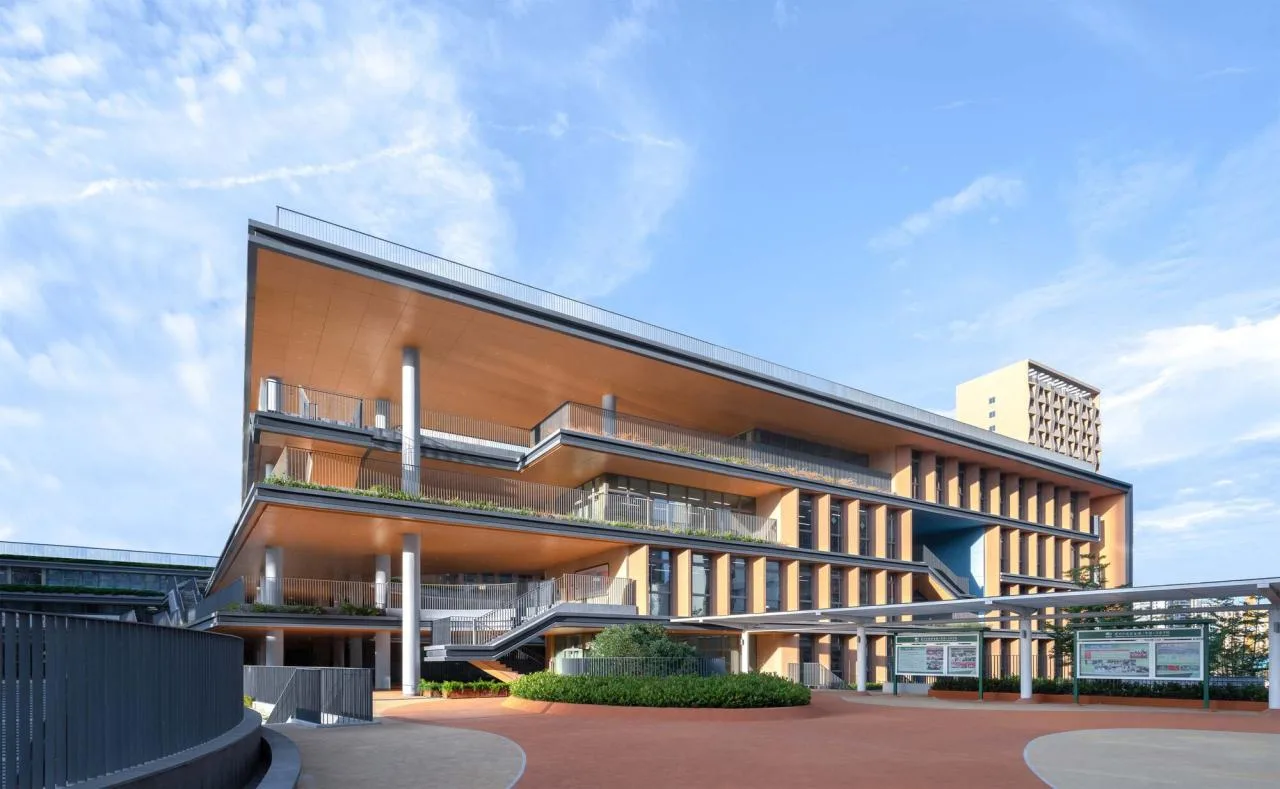
Class 102, a nine-year integrated education system, represents the largest school scale in Shenzhen.
As Shenzhen experiences rapid development, the shortage of educational resources has become a pressing urban challenge. Located within Bao’an District—an important axis in the Guangdong-Hong Kong-Macao Greater Bay Area—this area has seen significant population growth in recent years, intensifying the demand for quality school placements and resources.
Shenzhen Foreign Language School Bao’an School is the first among four prestigious schools introduced to Bao’an District. This project supports the district’s dual development plan of “deep outer space in the north and treasure center in the south,” attracting considerable public attention. With 102 classes and a capacity of 4,740 students, it currently stands as Shenzhen’s largest nine-year integrated school.
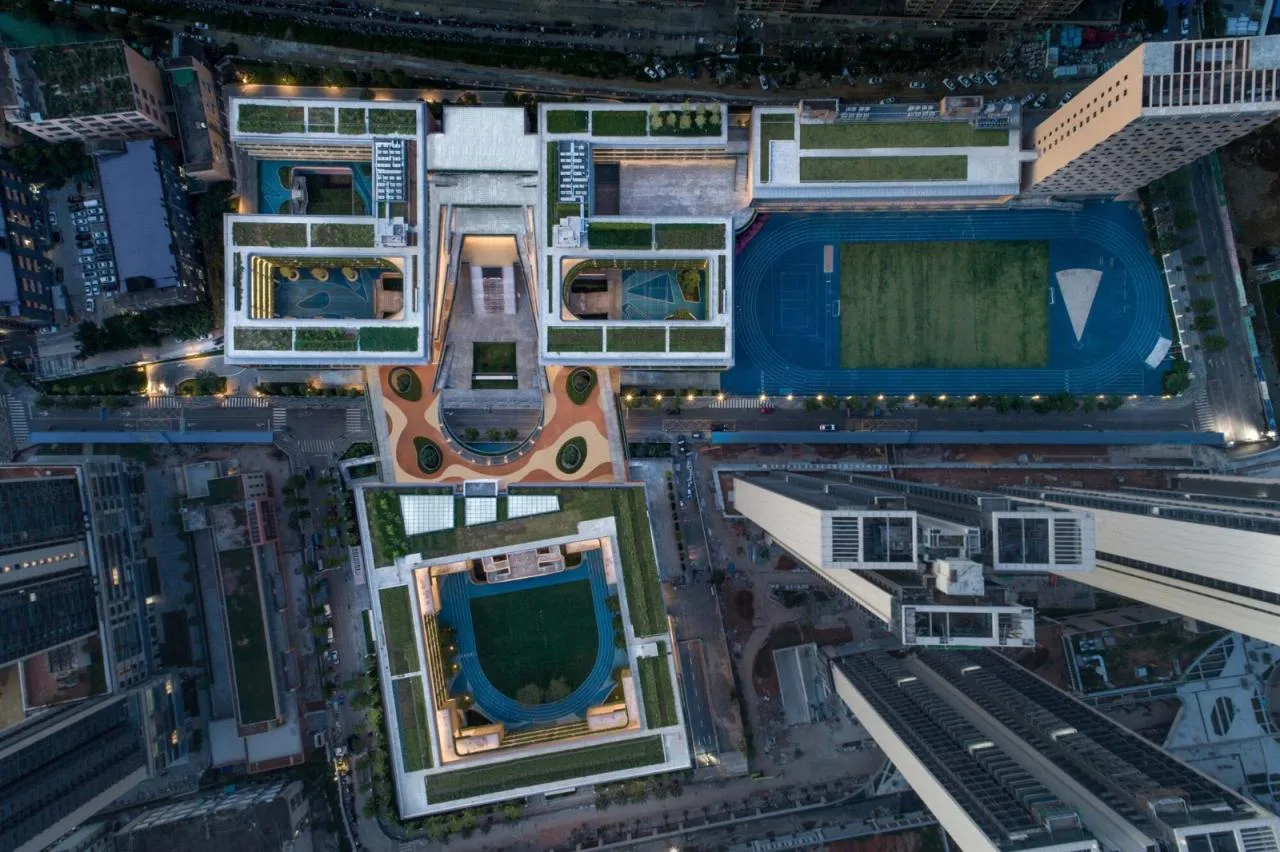
The campus is a shared resource center that merges two schools on separate plots divided by an urban road. To the north lies Class 66, a nine-year school, while to the south is Class 36, a primary school. Both operate independently.
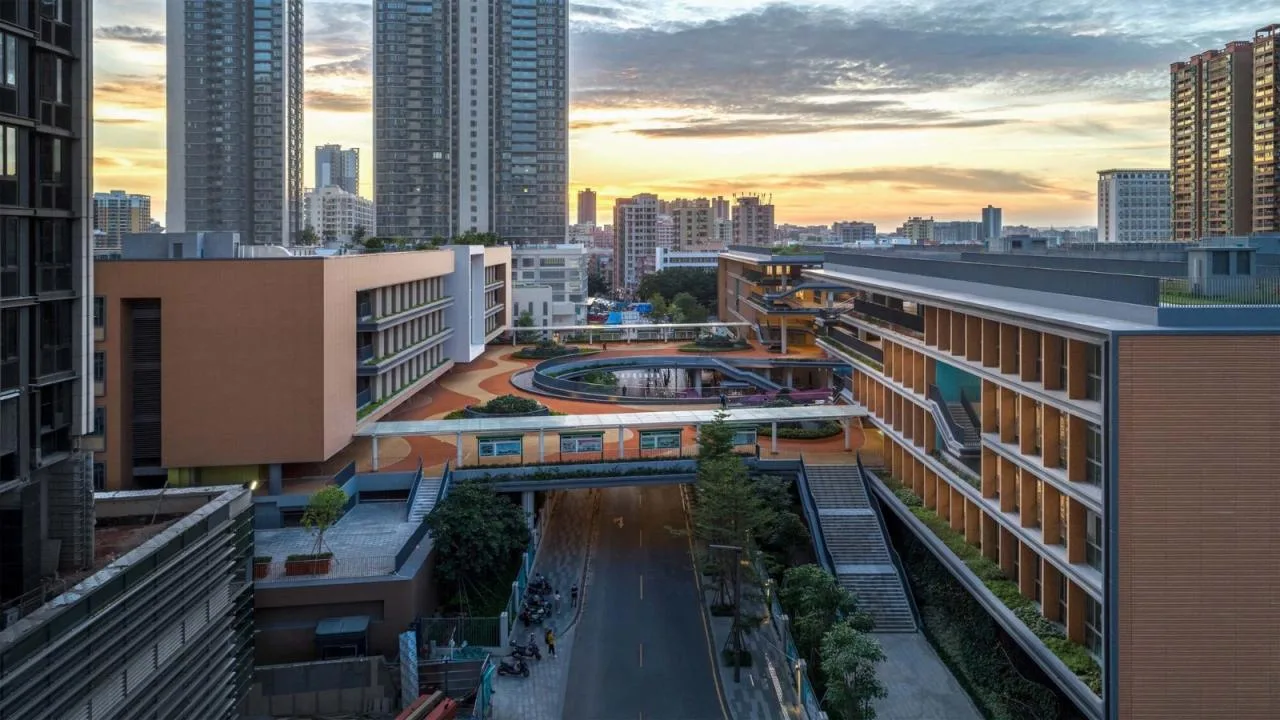
Integrating two adjacent schools with differing educational qualities posed risks of resource imbalance. Through collaboration with government departments, the project received planning approval to “layer the space above and below the community road,” creatively uniting two separate plots into a unified school. This “one school, three departments” layout ensures fairness and equity for local residents.
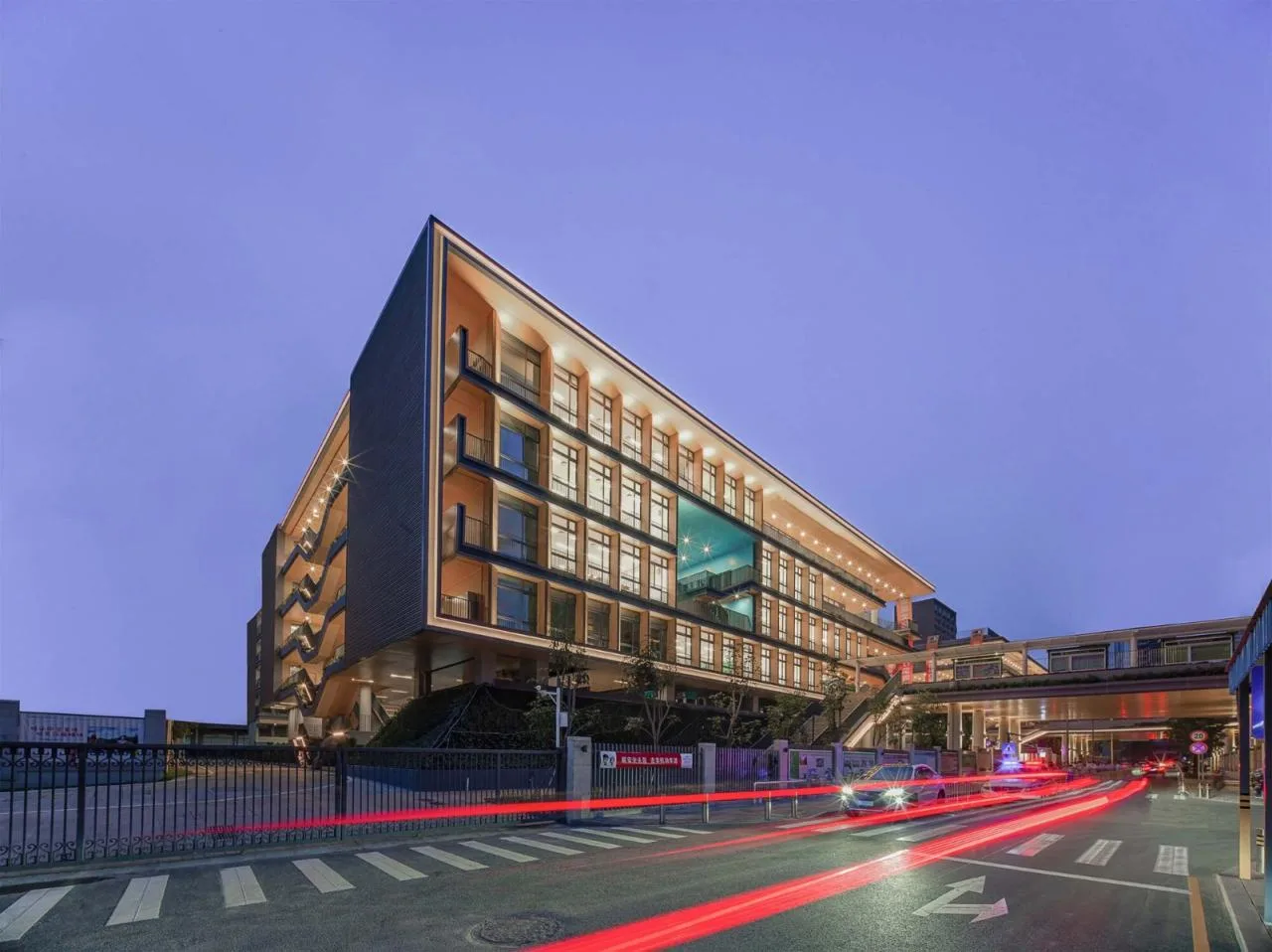
This innovative merger has created Shenzhen’s largest single-campus nine-year integrated school, resembling an “aircraft carrier” split by roads. Given the increased traffic pressure around the campus, an urban design strategy was adopted to enable “dual interconnection” through both above-ground and underground pathways.
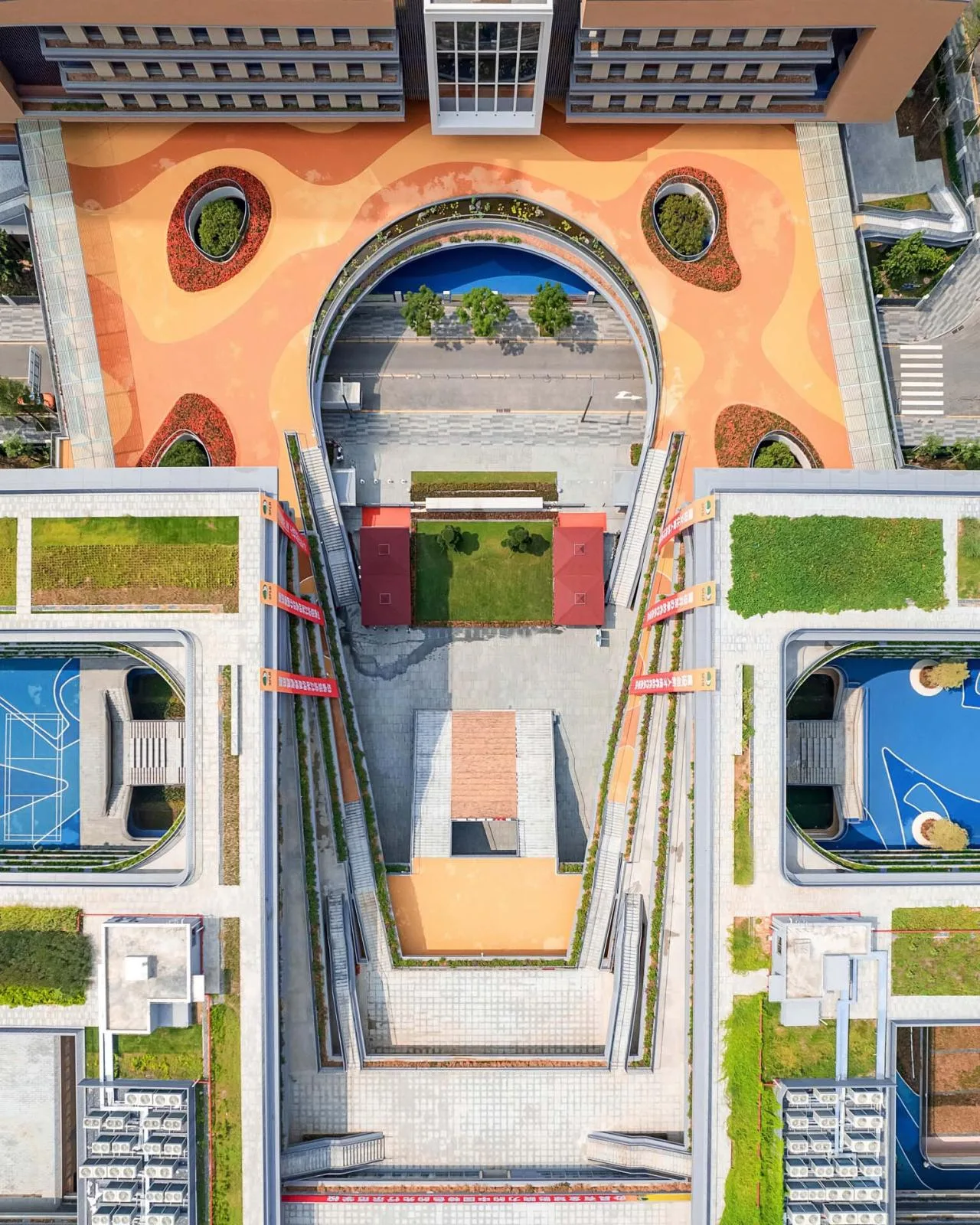
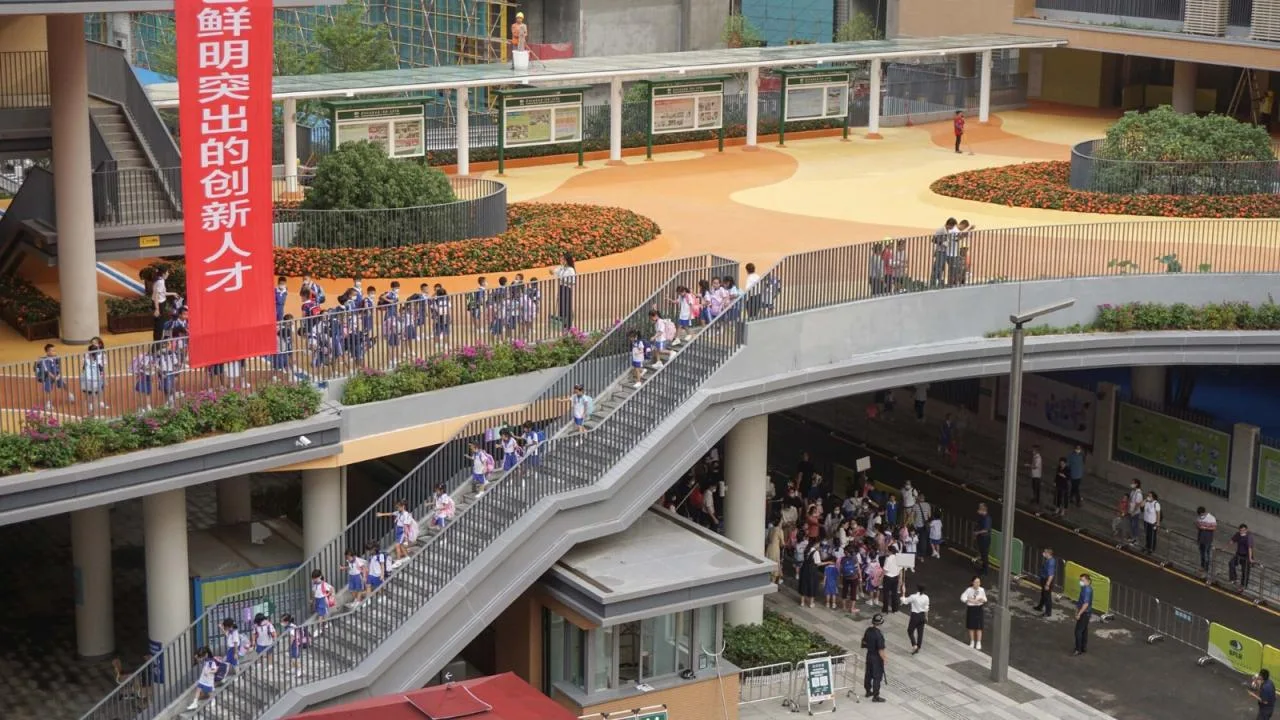
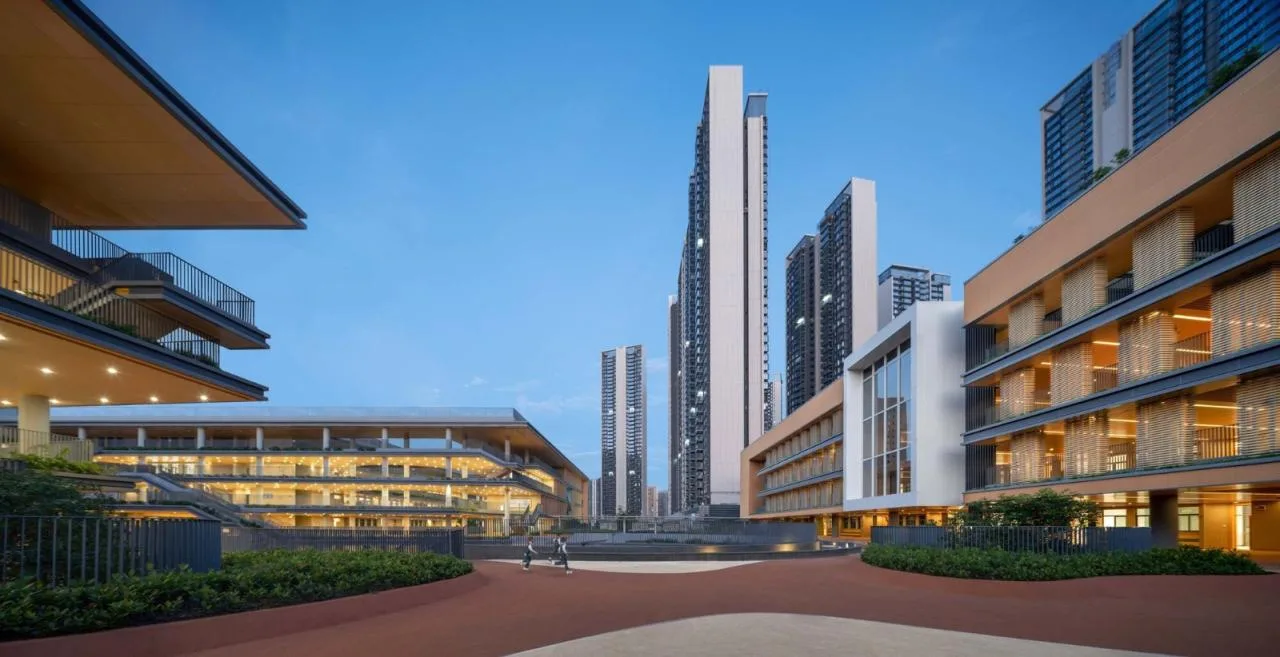
The architectural design connects underground and aerial levels, forming a cohesive campus without disrupting urban traffic. The school’s underground second floor is fully connected, while a cross-street platform on the second floor links the two plots, serving as a shared activity area running north-south. Urban roads run unobstructed beneath this platform, while ground-level separation ensures smooth traffic flow. The platform integrates the courtyards of both schools, creating a dual-axis core that fosters vibrant campus life and spatial harmony between the plots.
This design encourages spontaneous activities and exchanges among teachers and students, visible from the city’s perspective, promoting a dynamic dialogue between campus and urban environment.
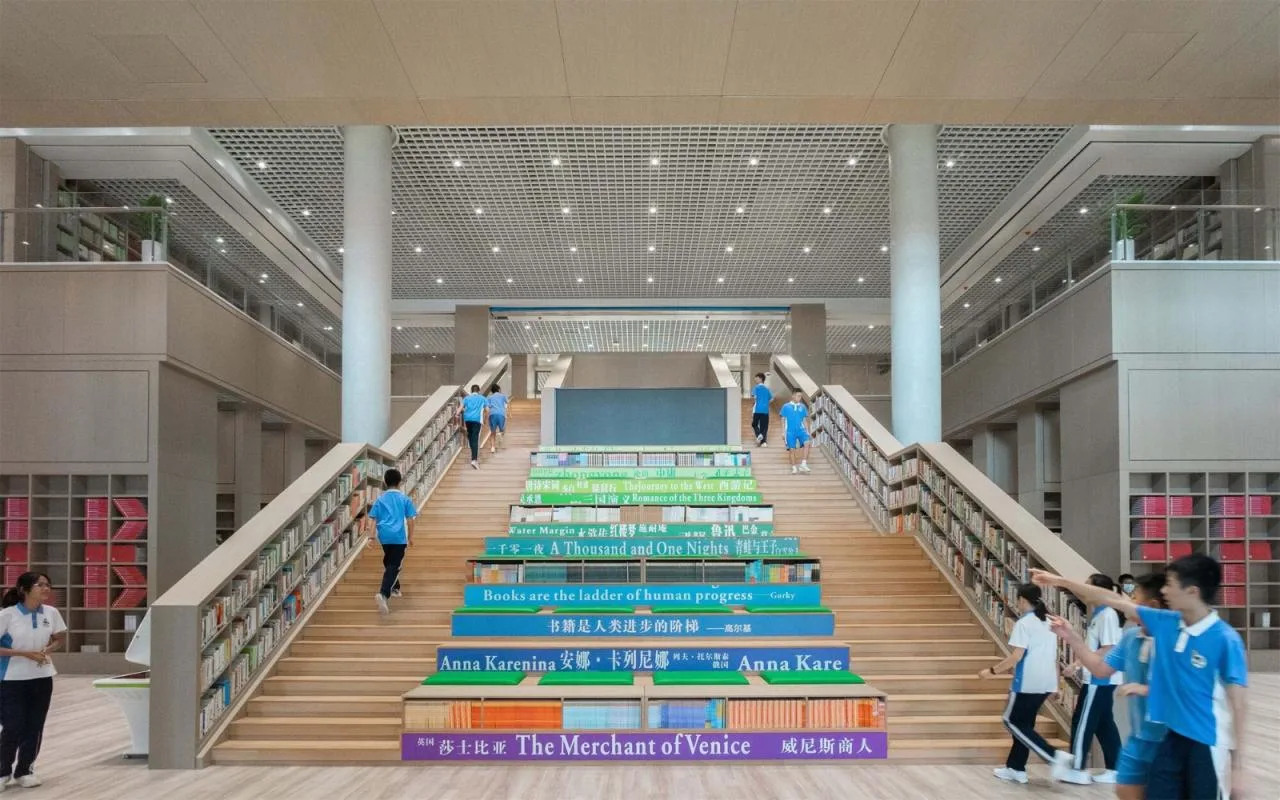
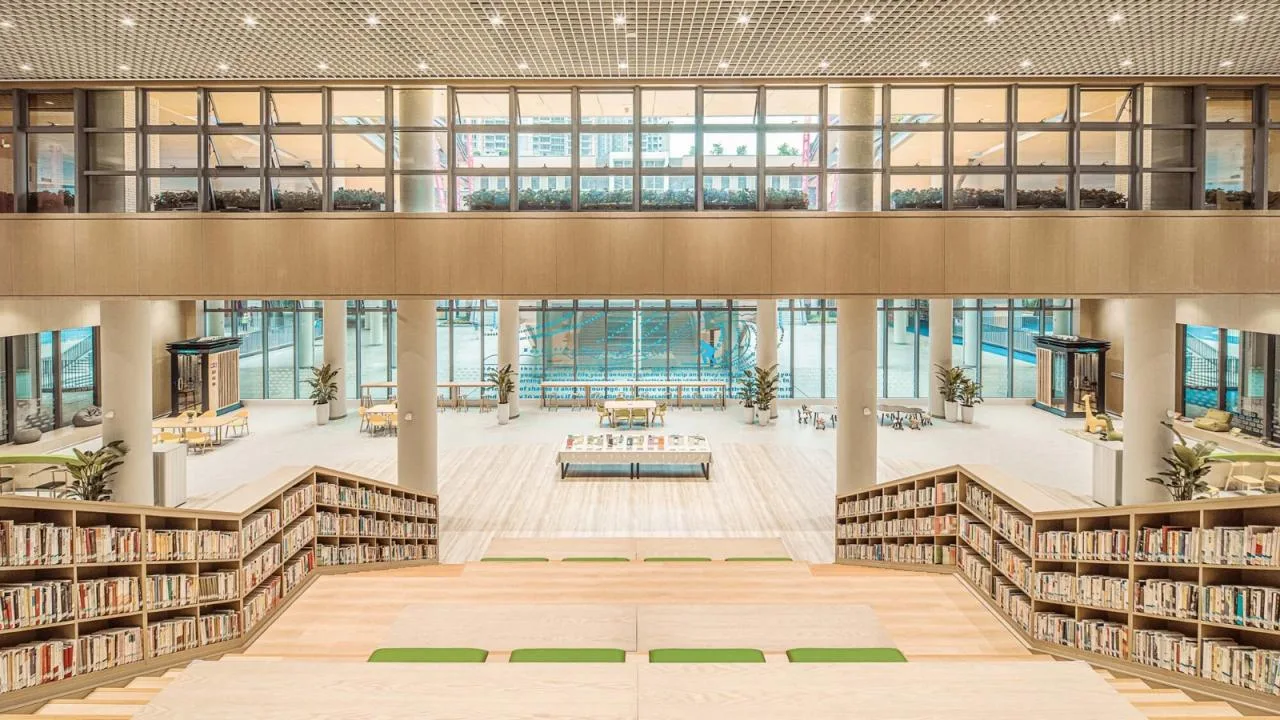
Addressing the wide age range of students, the Shared Resource Center cleverly merges libraries and activity rooms between primary and secondary schools. The library, centrally located on the main staircase aligned with the campus entrance, creates a borderless learning space for interaction, lectures, and discussions, fostering an open and free educational atmosphere.
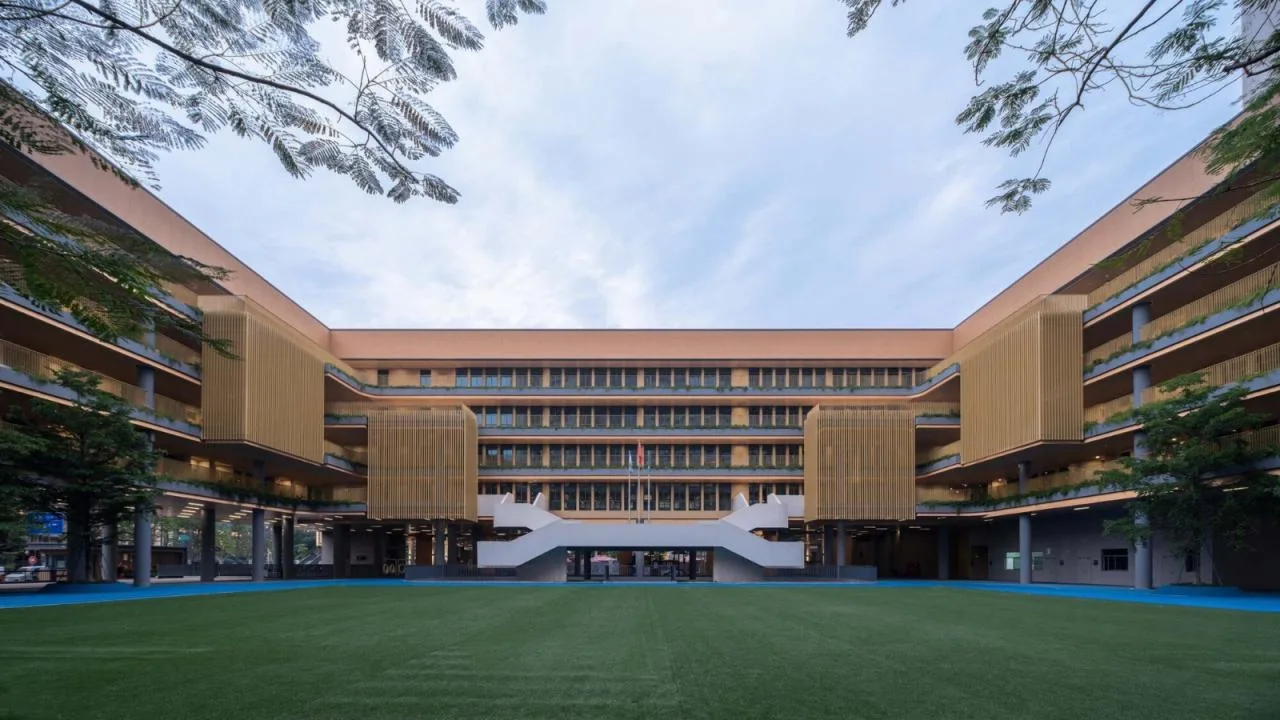
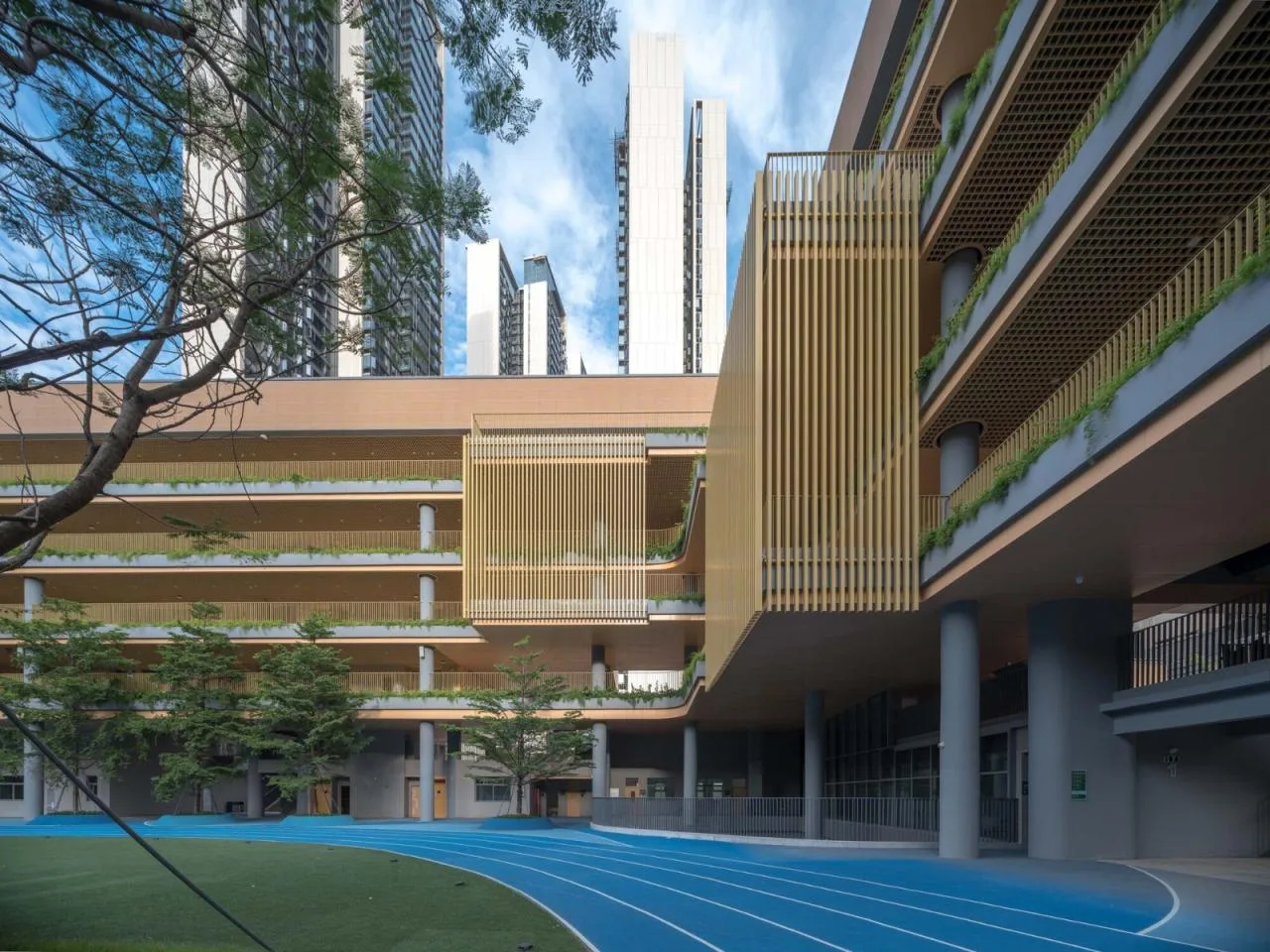
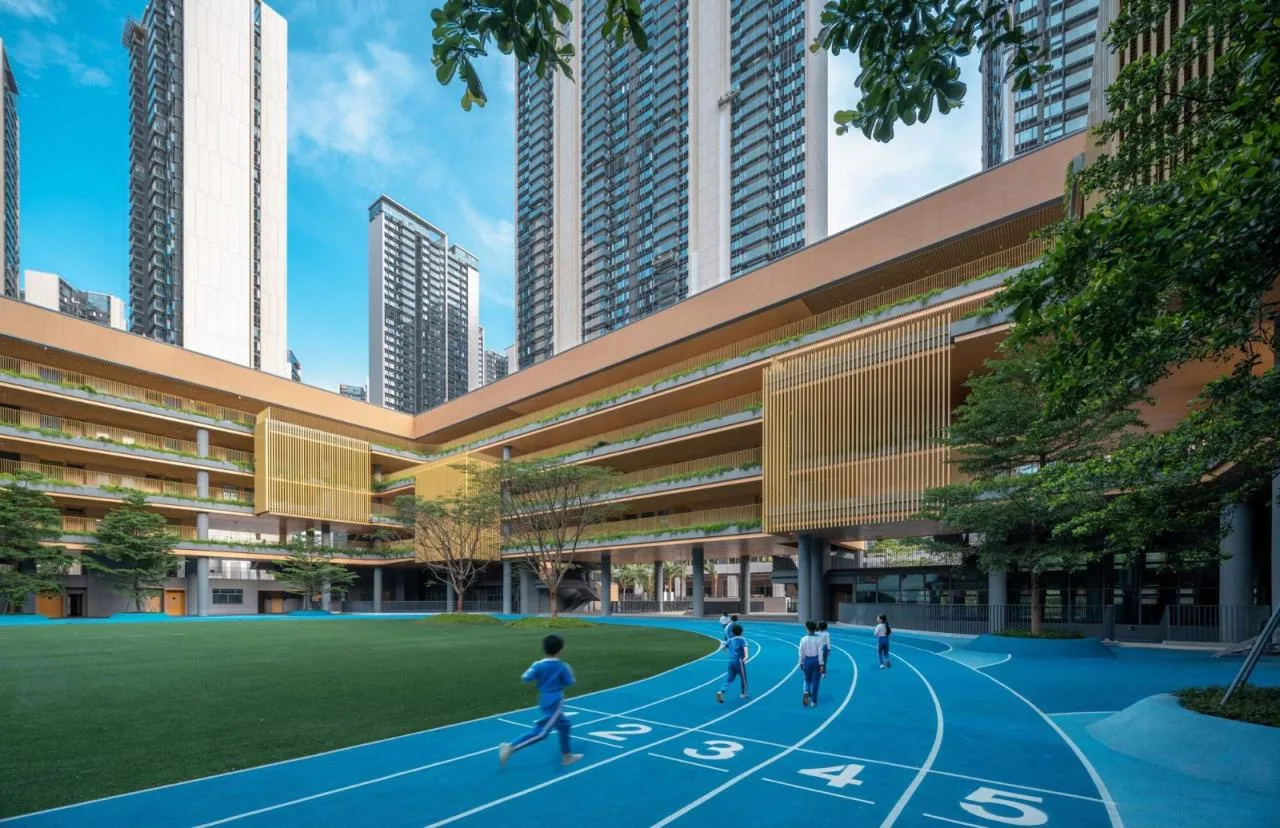
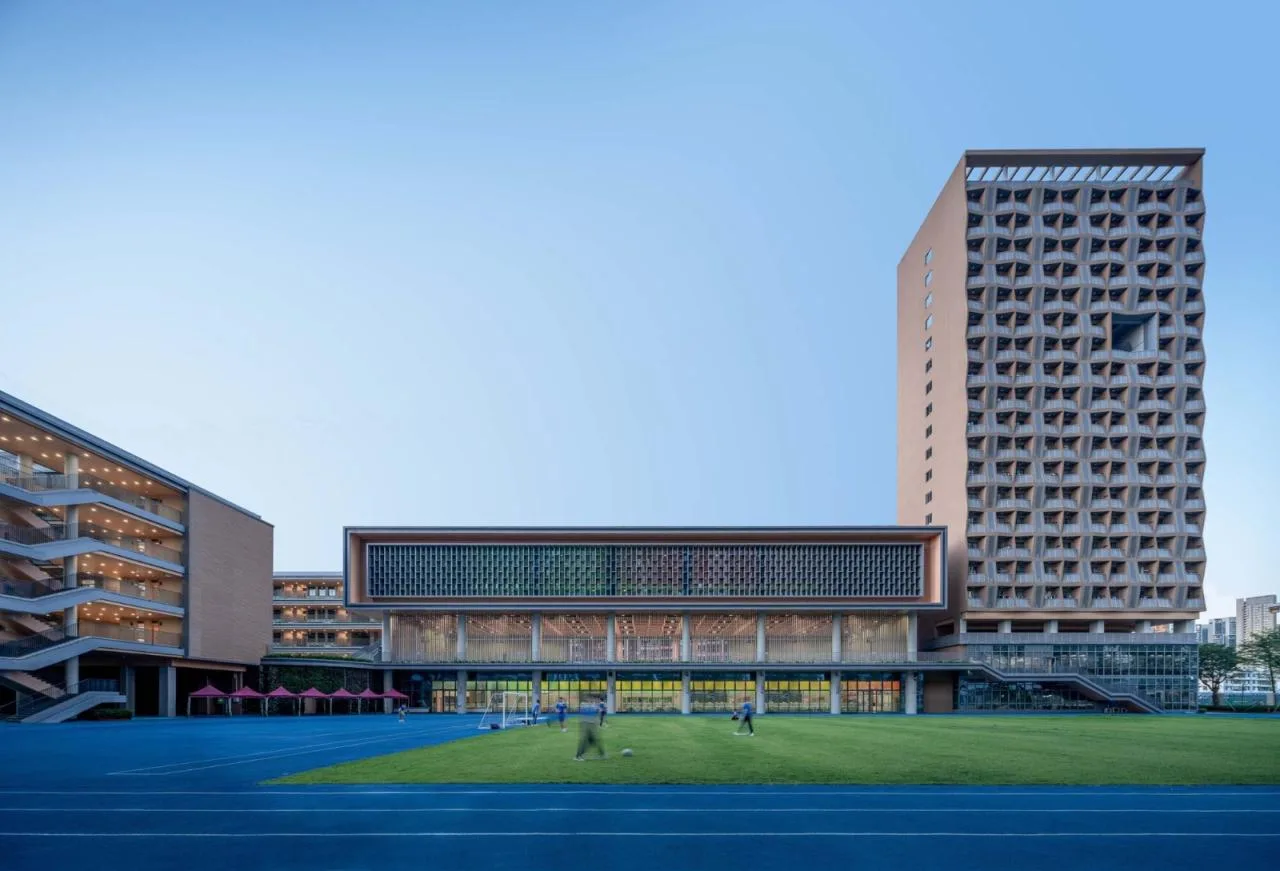
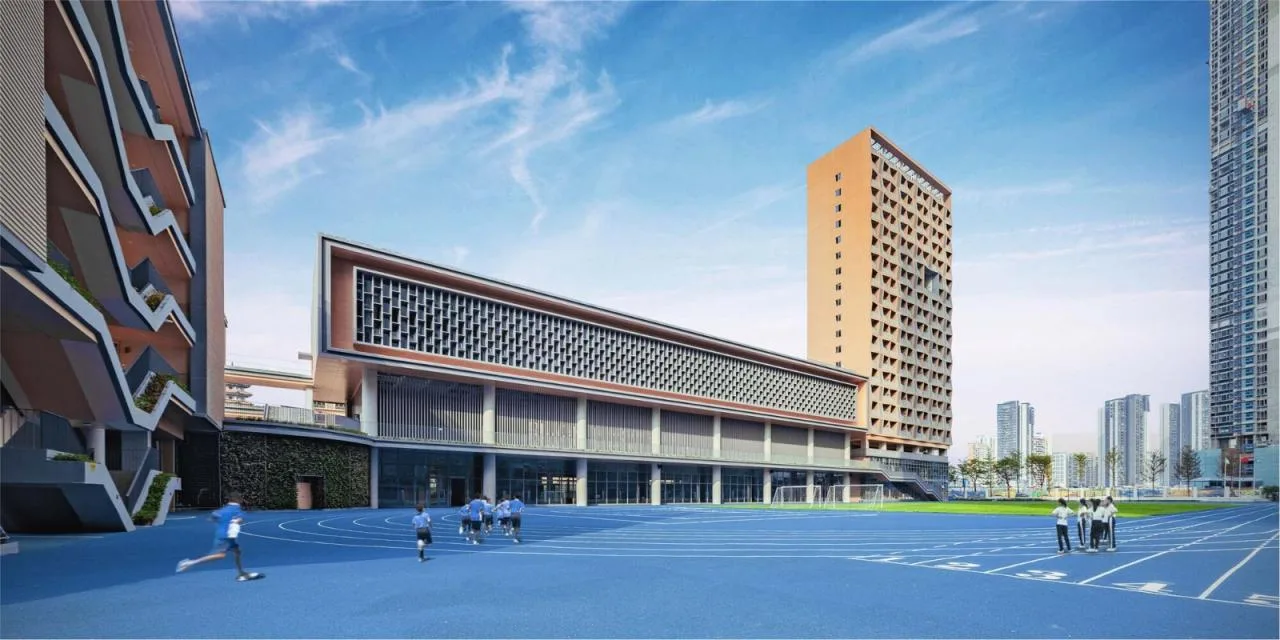
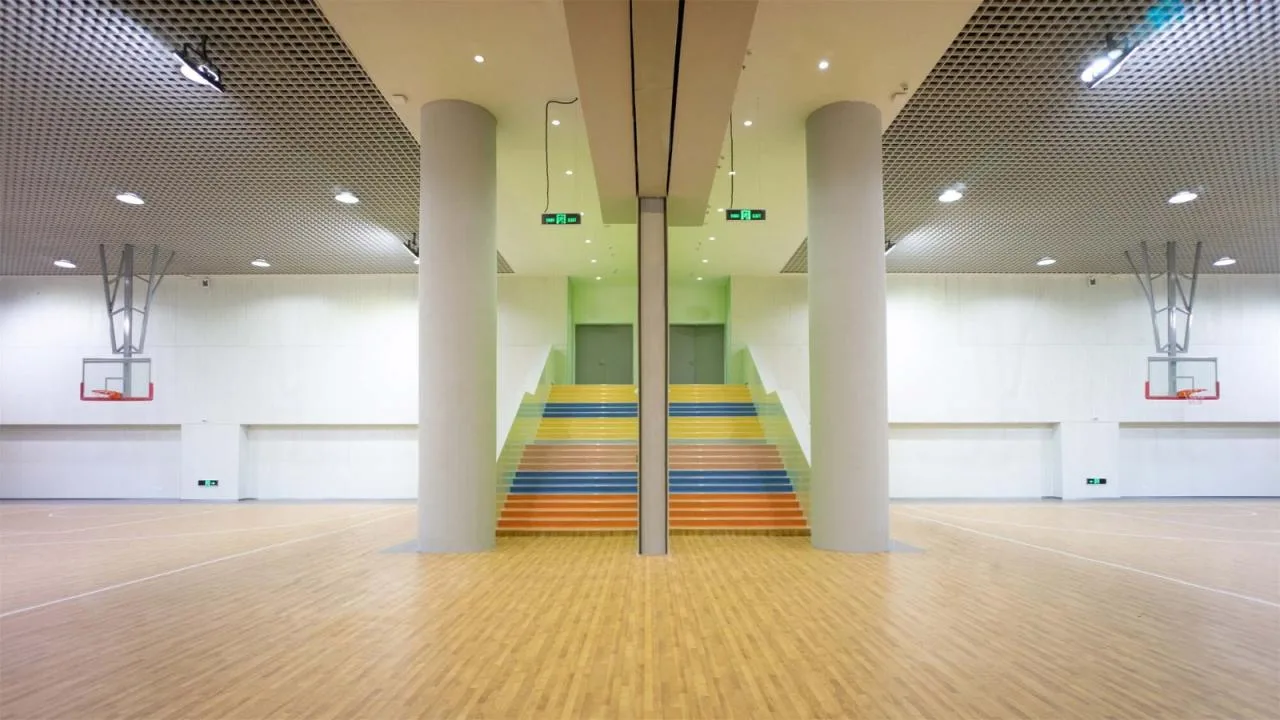
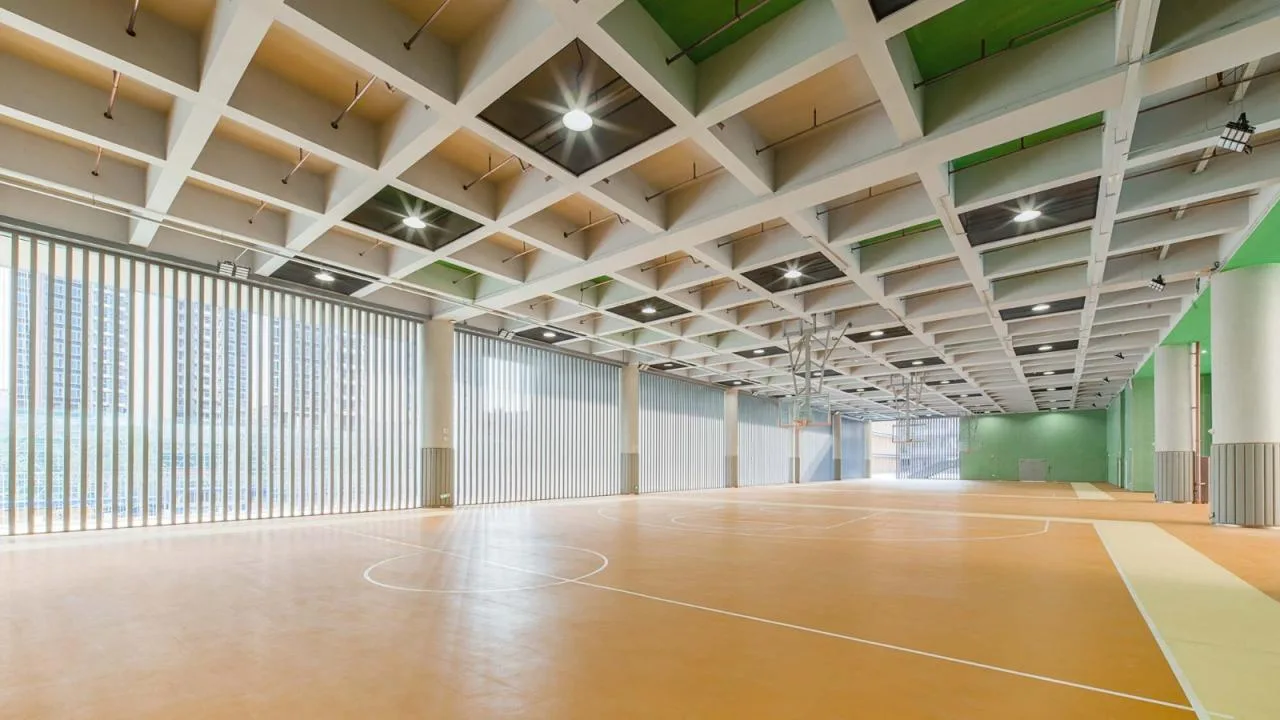
One major design challenge was whether to provide separate sports facilities for each school plot or to share them. The solution balances both: the northern plot includes a 300m sports field and a comprehensive sports hall with an overhead basketball court and indoor badminton courts, primarily for middle school use but shared during major events. The southern plot features a large quadrangle courtyard with a 200m sports field designed for large gatherings, performances, and exhibitions, complemented by an indoor sports hall beneath for primary students.
Both plots exceed standard sports facility requirements, maximizing land use efficiency while enhancing campus sports infrastructure for current and future needs.
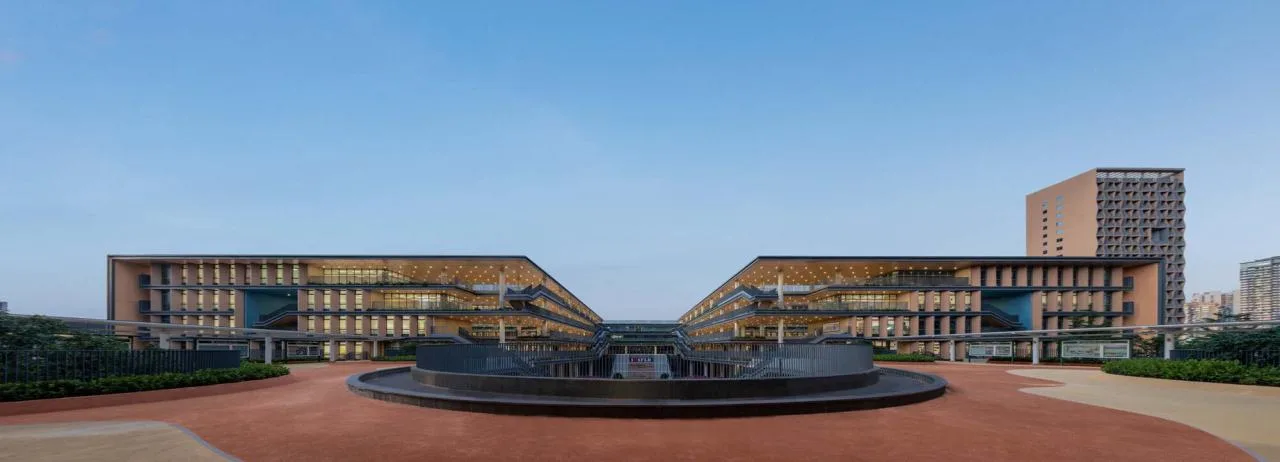
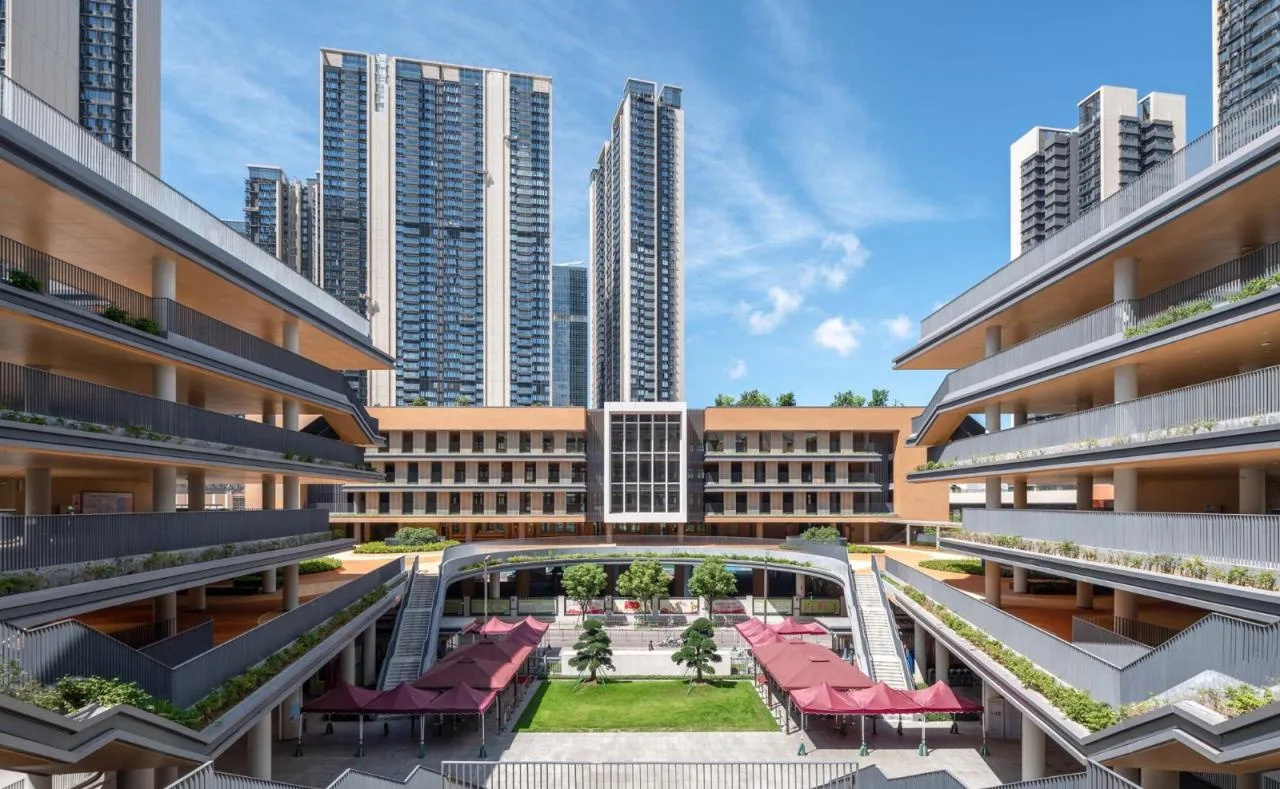
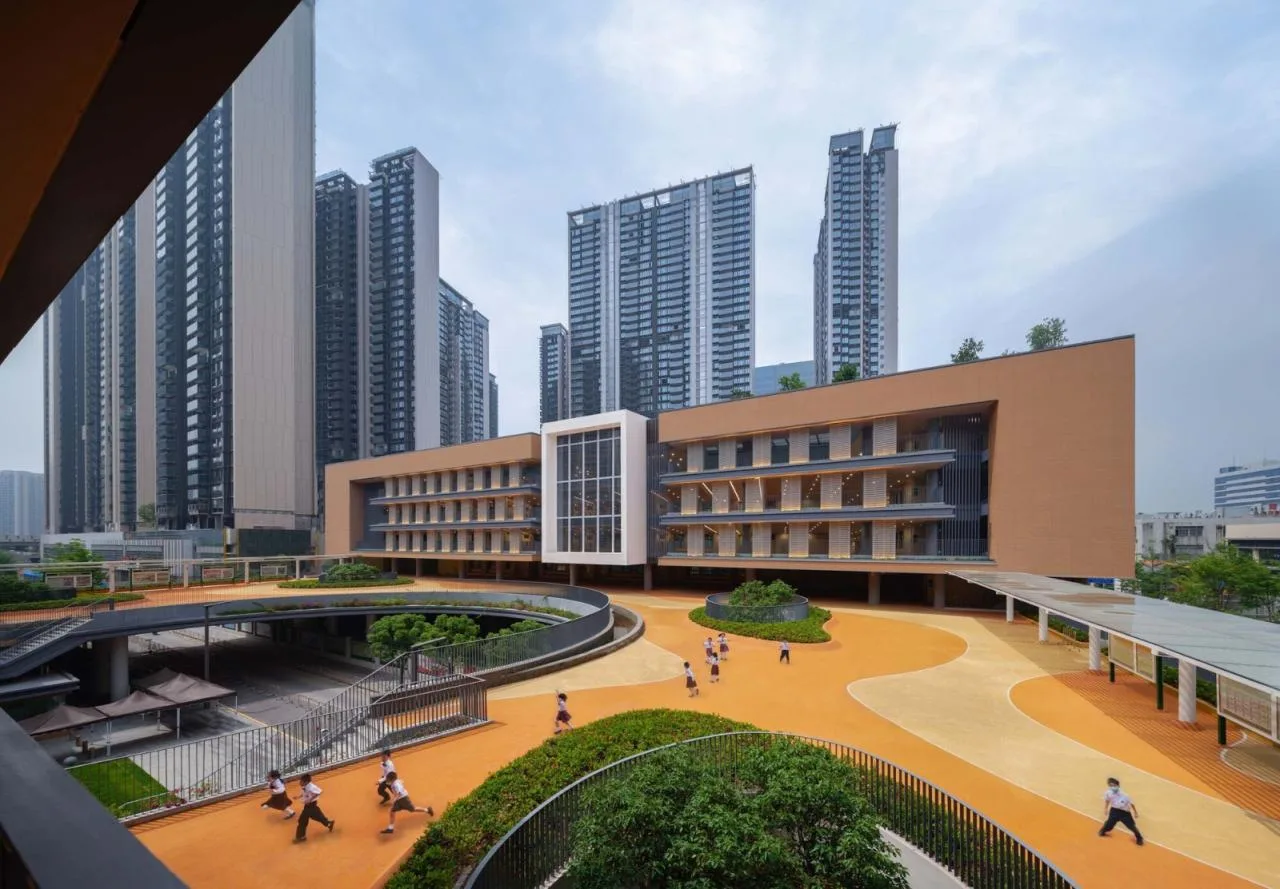
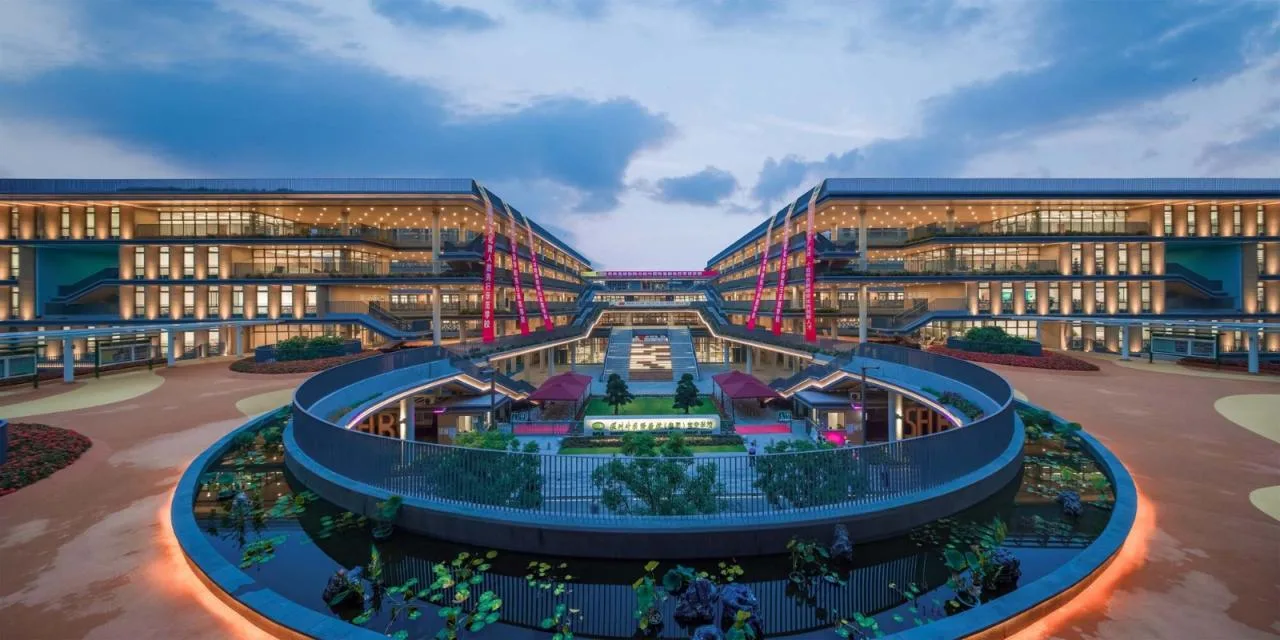
Located within a high-density vertical campus, this key urban renewal project in Bao’an District faces the challenge of accommodating a large scale within limited horizontal space. While typical nine-year schools have a maximum of 72 classes, this project accommodates 102 classes, requiring vertical expansion to achieve spatial diversity and optimal land use.
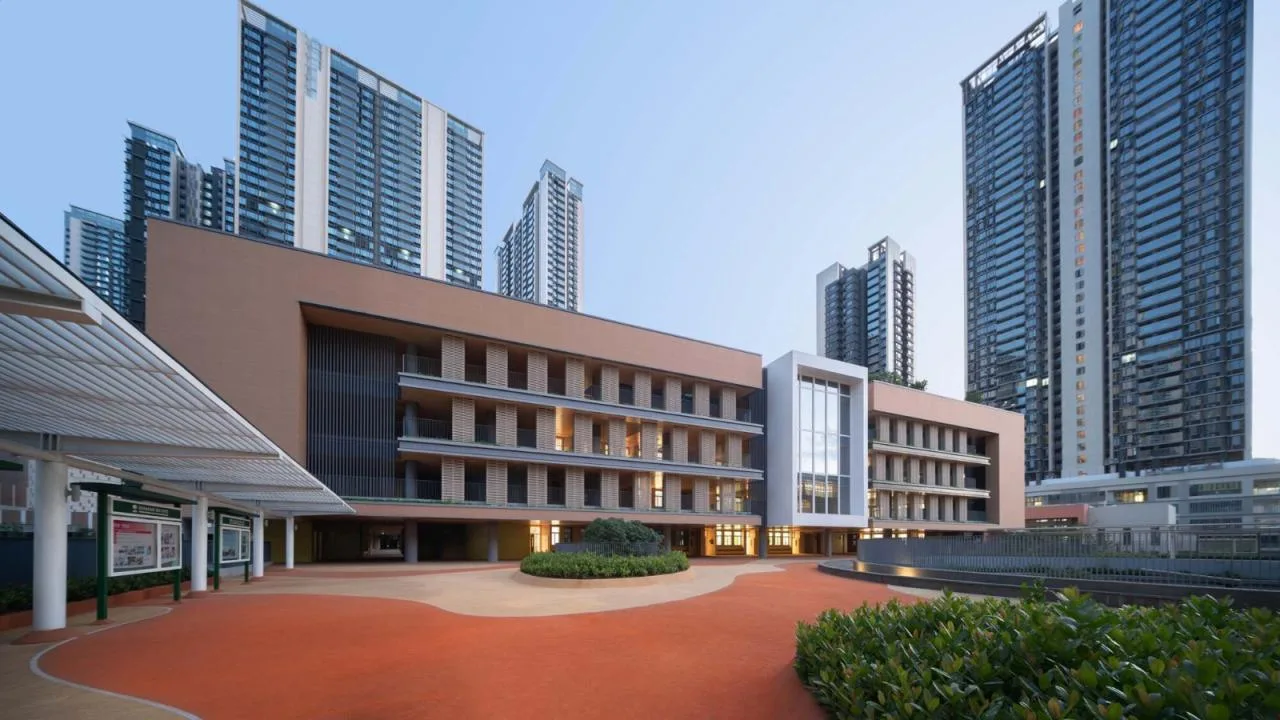
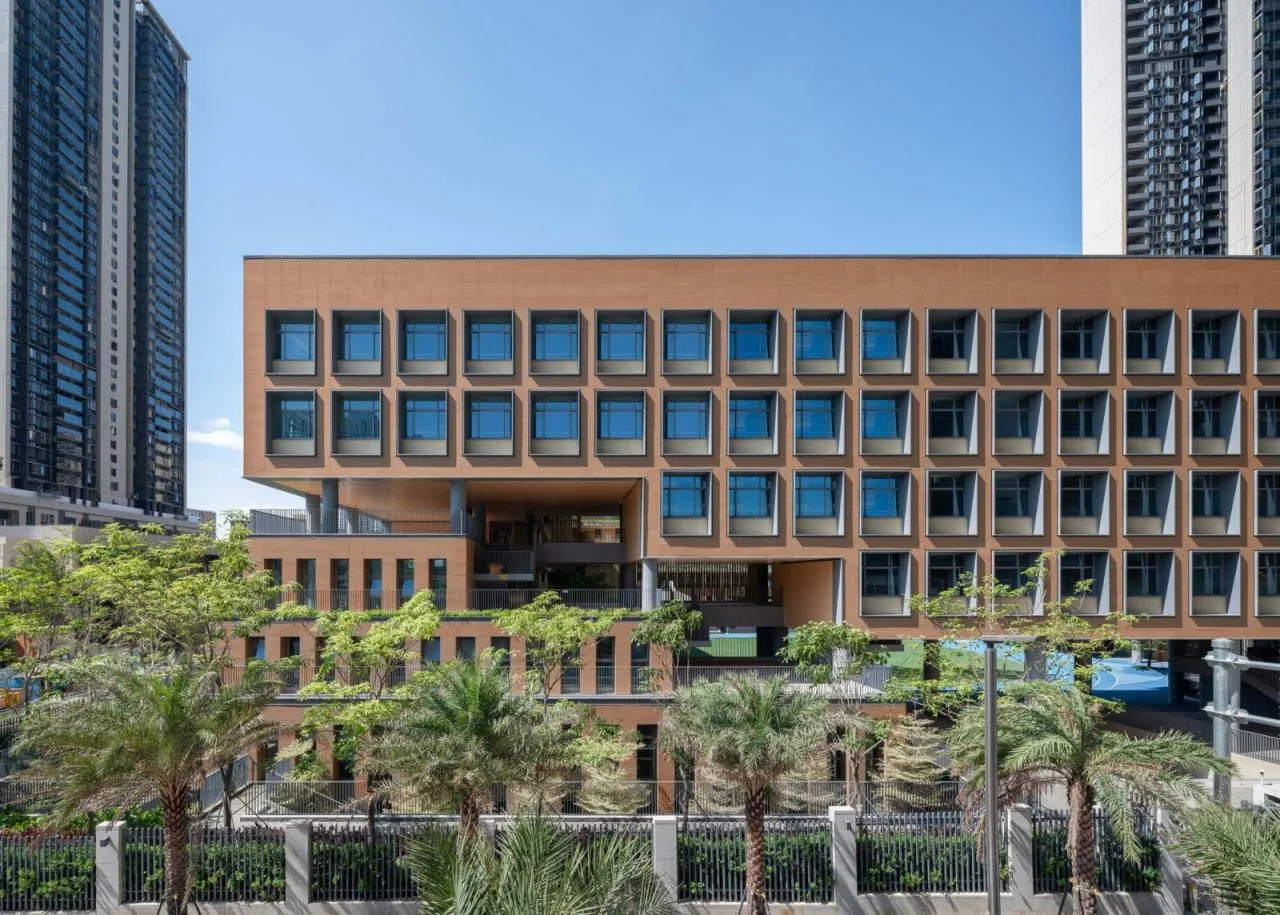
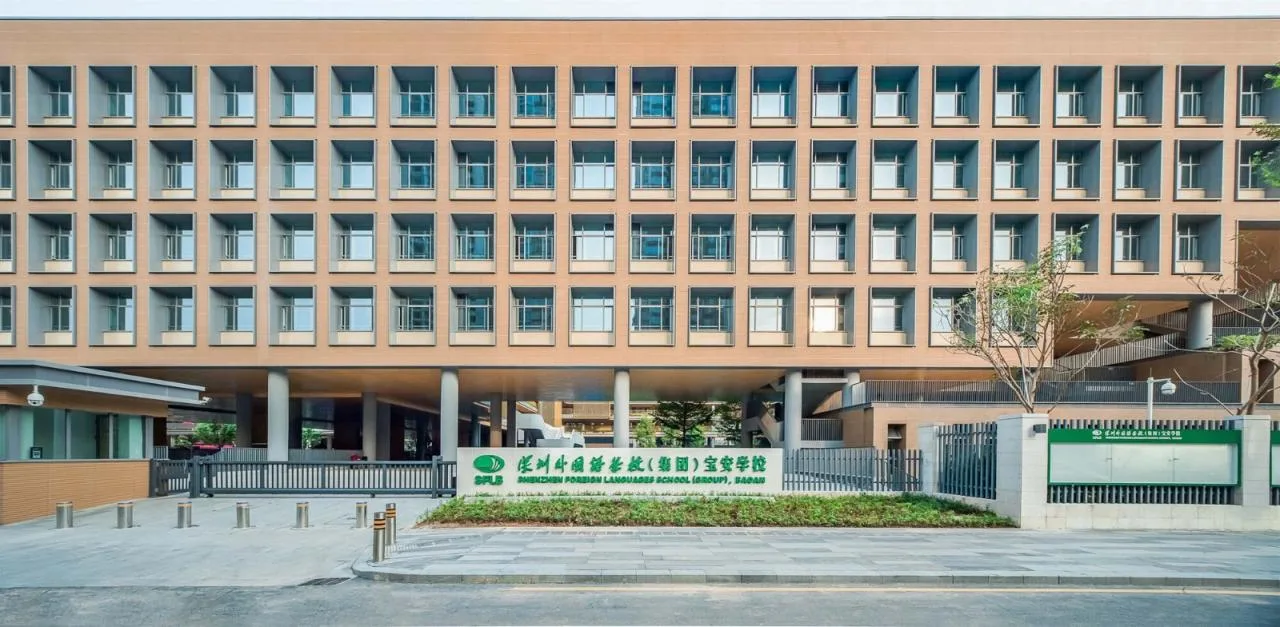
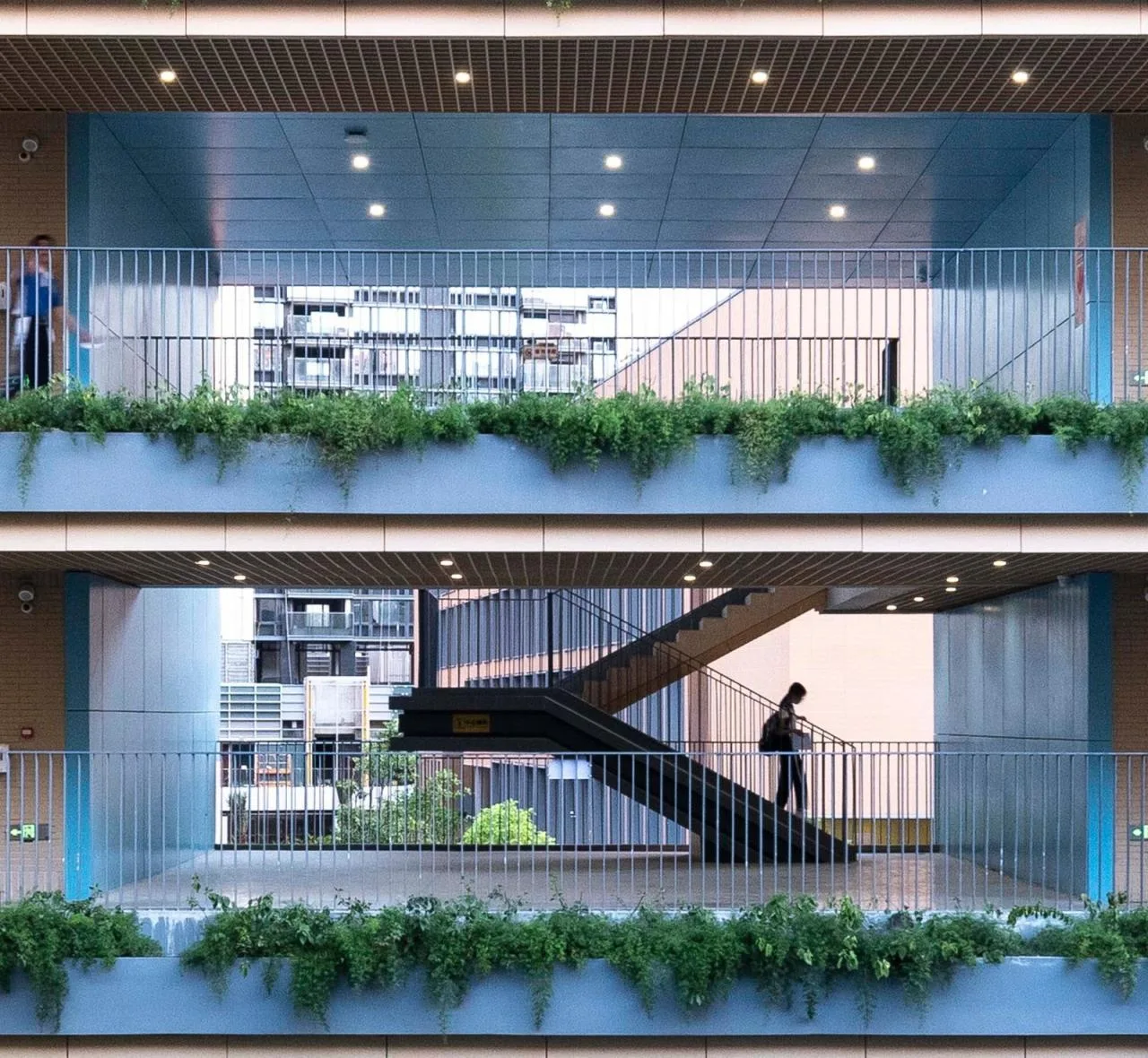
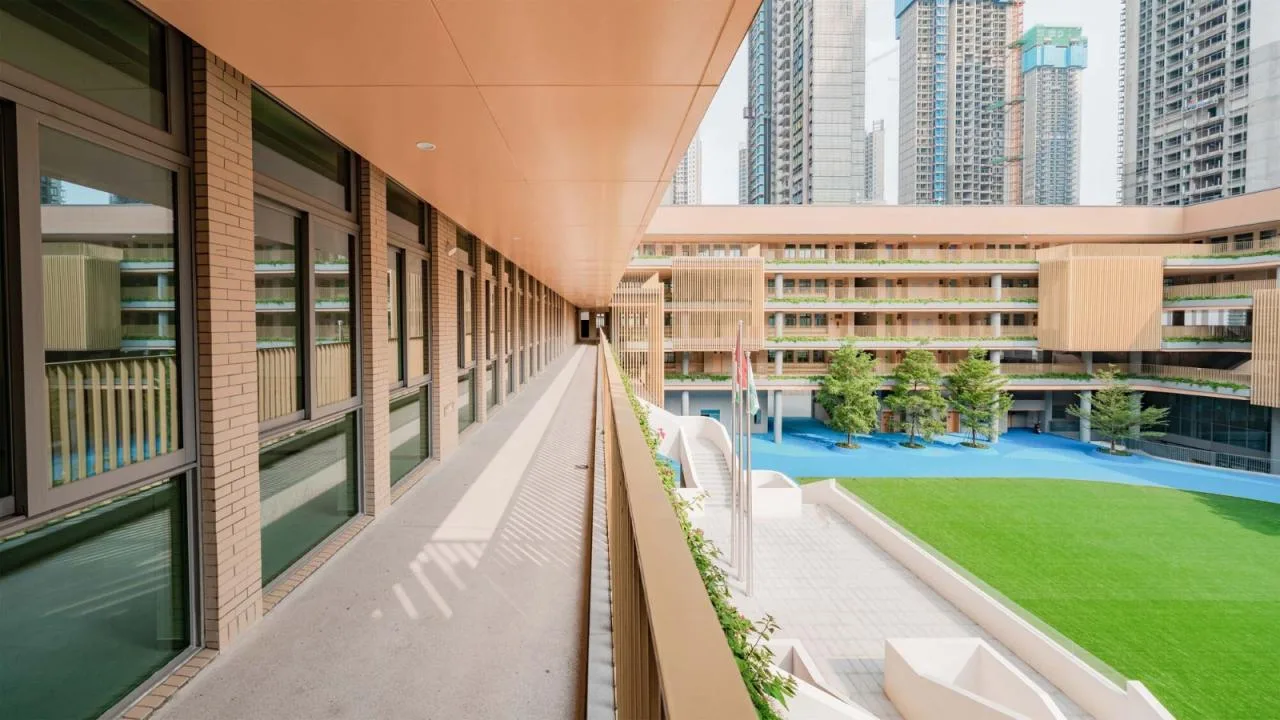
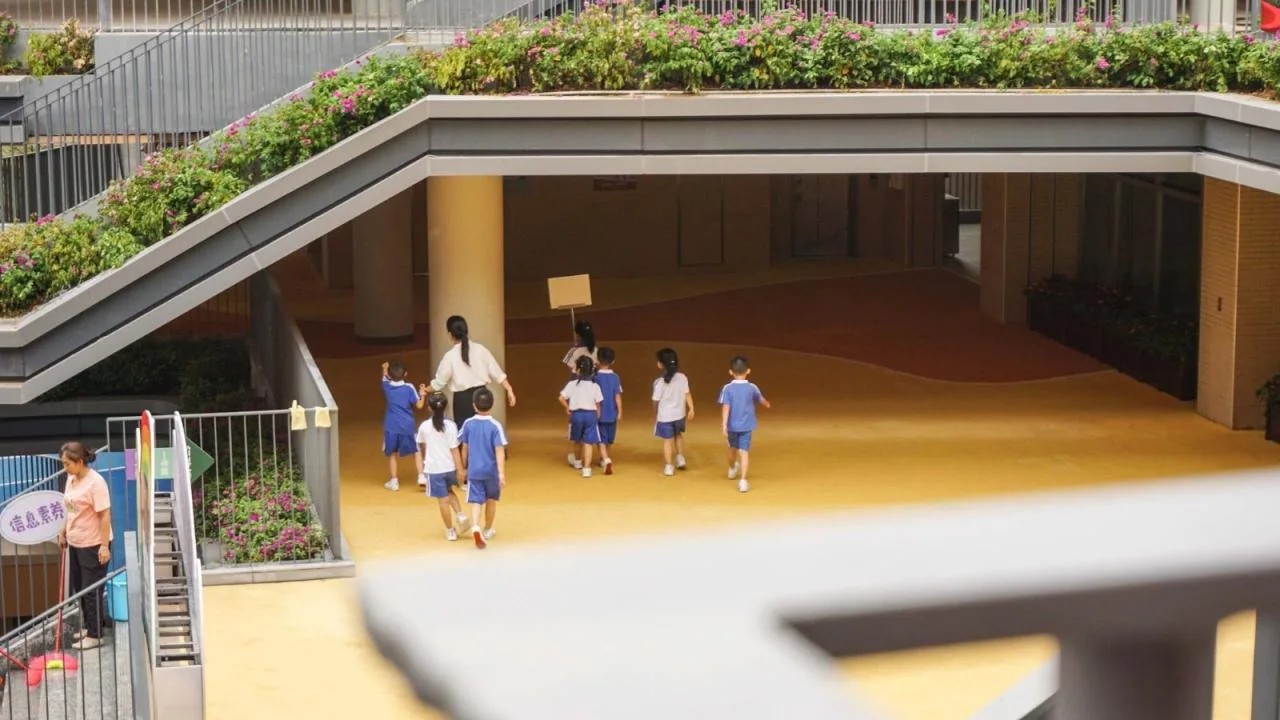
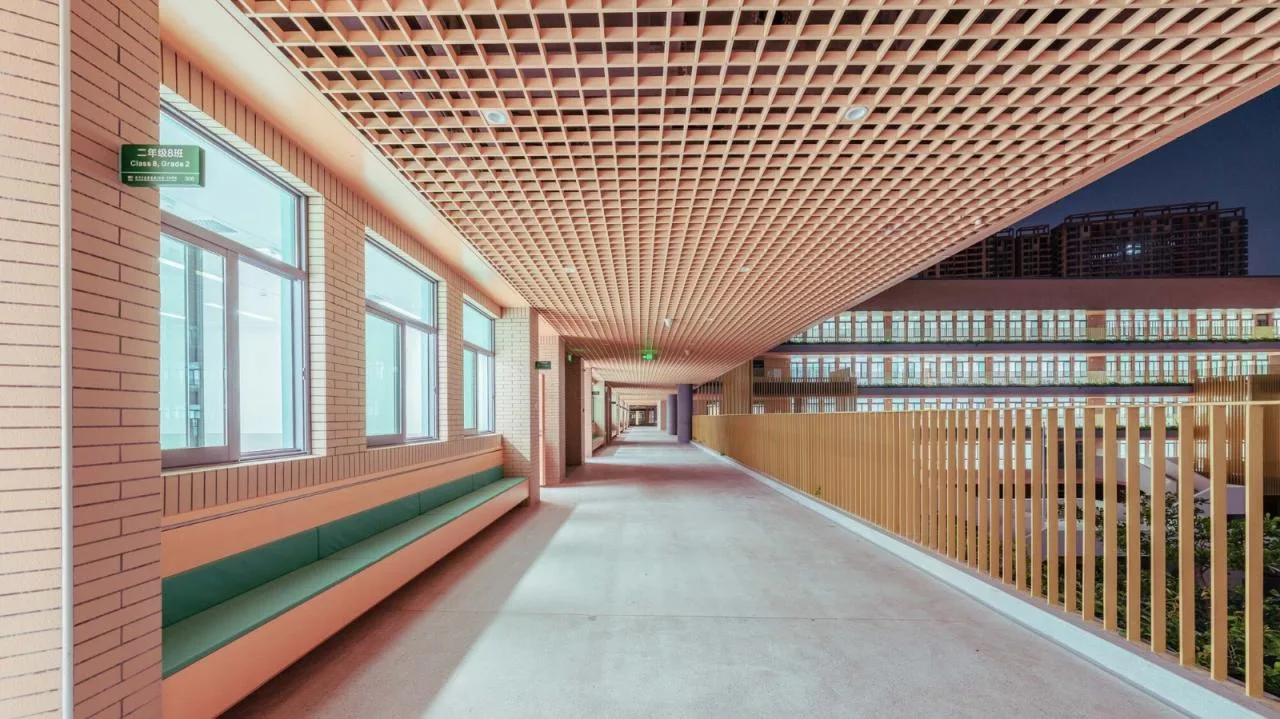
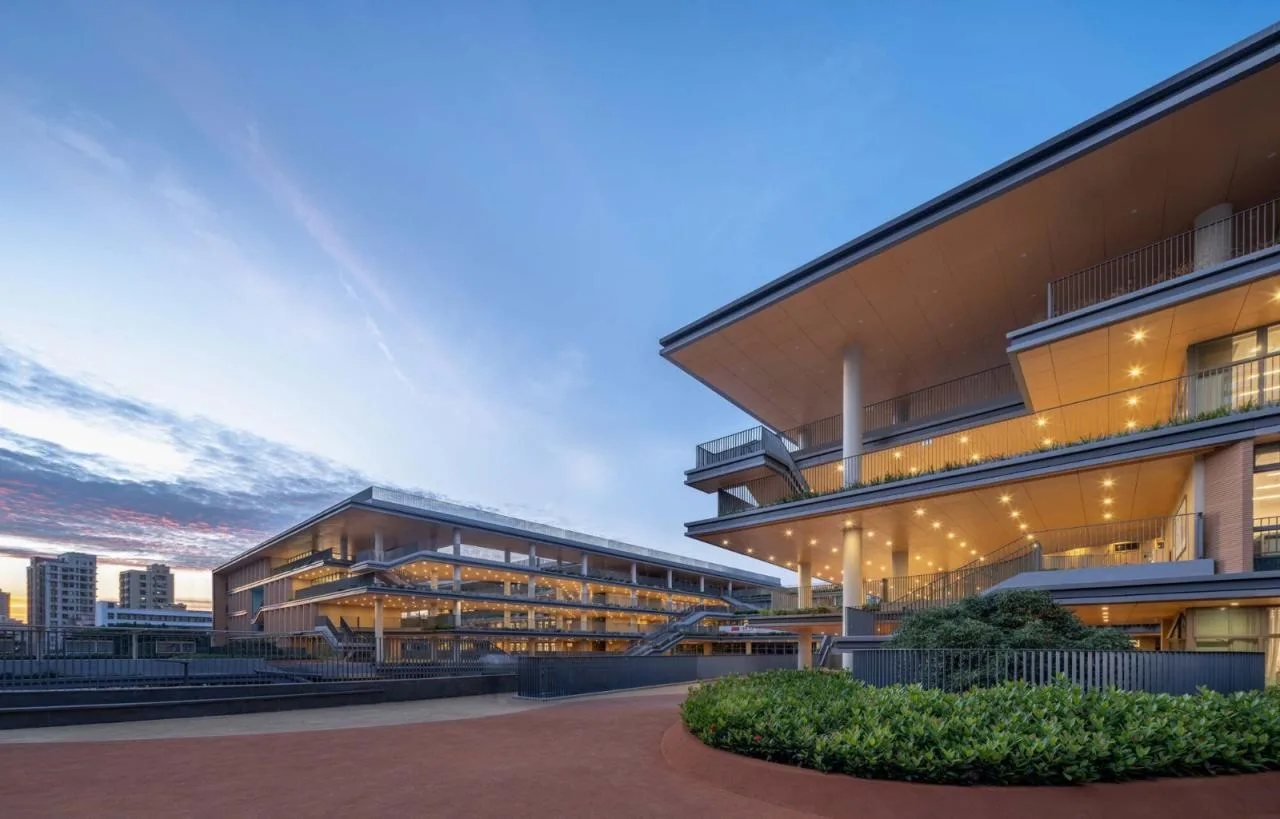
The first-floor elevated design raises the entire building’s base—except for the northeast library—creating an open, continuous ground-level space. This allows students to participate in outdoor activities even during windy or rainy weather, while respecting the public needs of teachers and students in a dense environment. Alongside corridors, flower beds with vertical vines soften the building’s outline and cleverly address drainage issues caused by heavy rainfall.
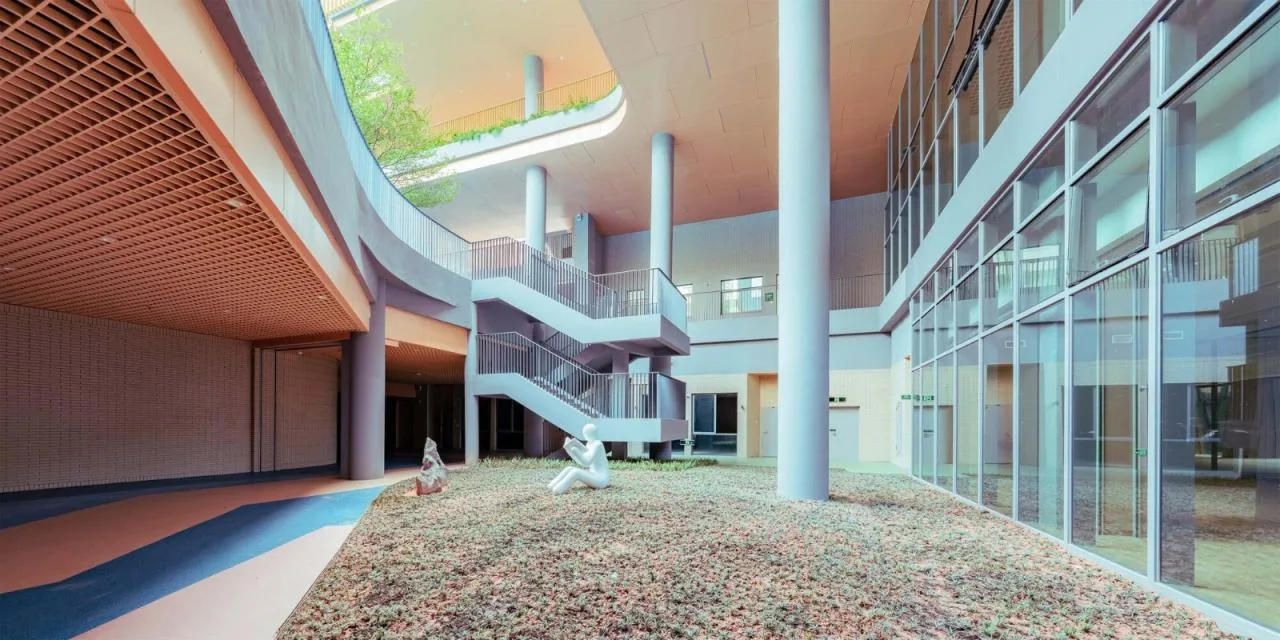
Underground spaces are optimized by relocating auxiliary functions such as auditoriums, sports halls, and specialized classrooms below ground to maximize teaching areas above. Sunken courtyards allow natural sunlight and ventilation to enter, ensuring a high-quality underground environment. The use of colored adhesives and landscaping creates a warm and inviting atmosphere, blurring boundaries and enhancing the space’s softness.
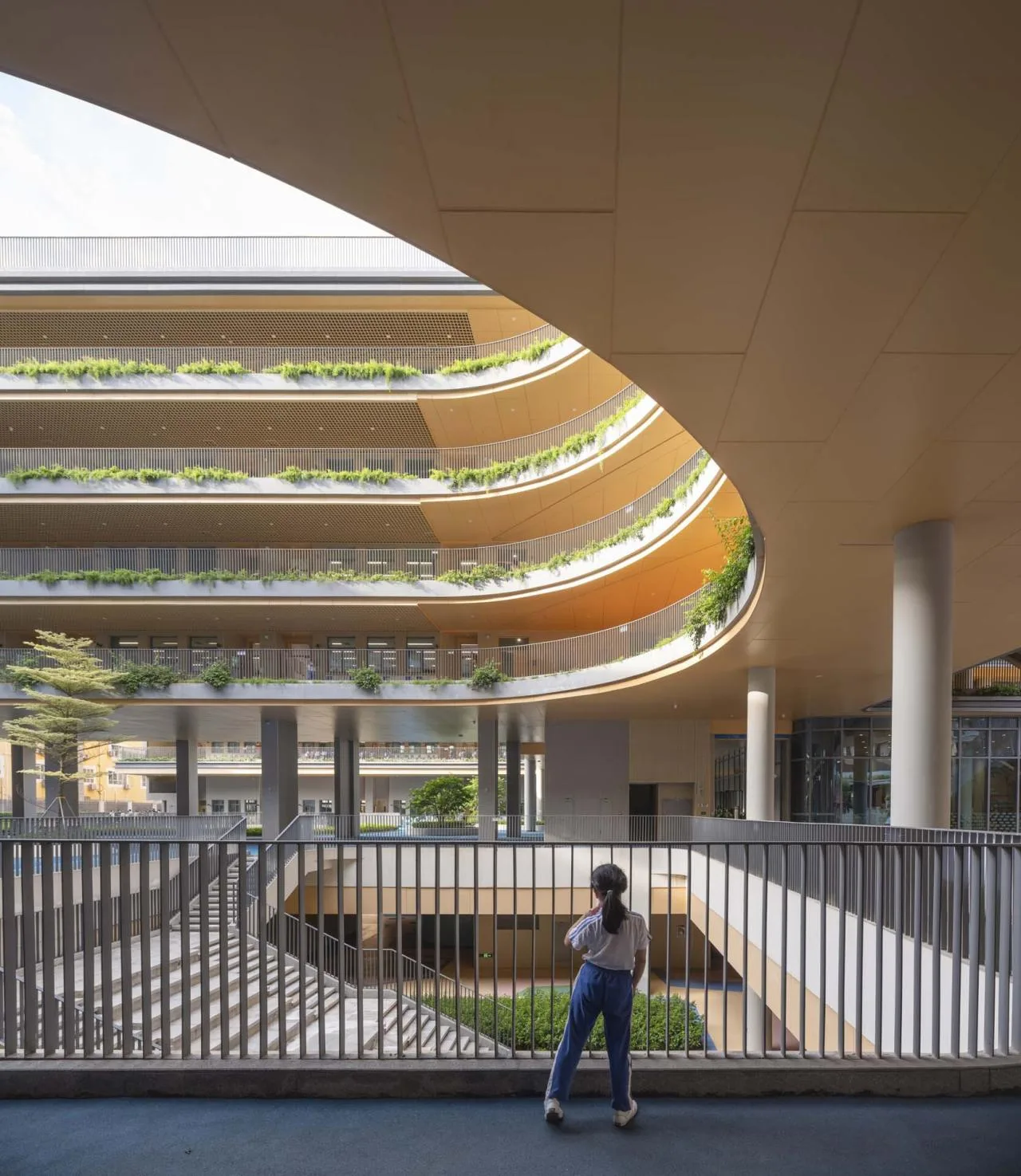
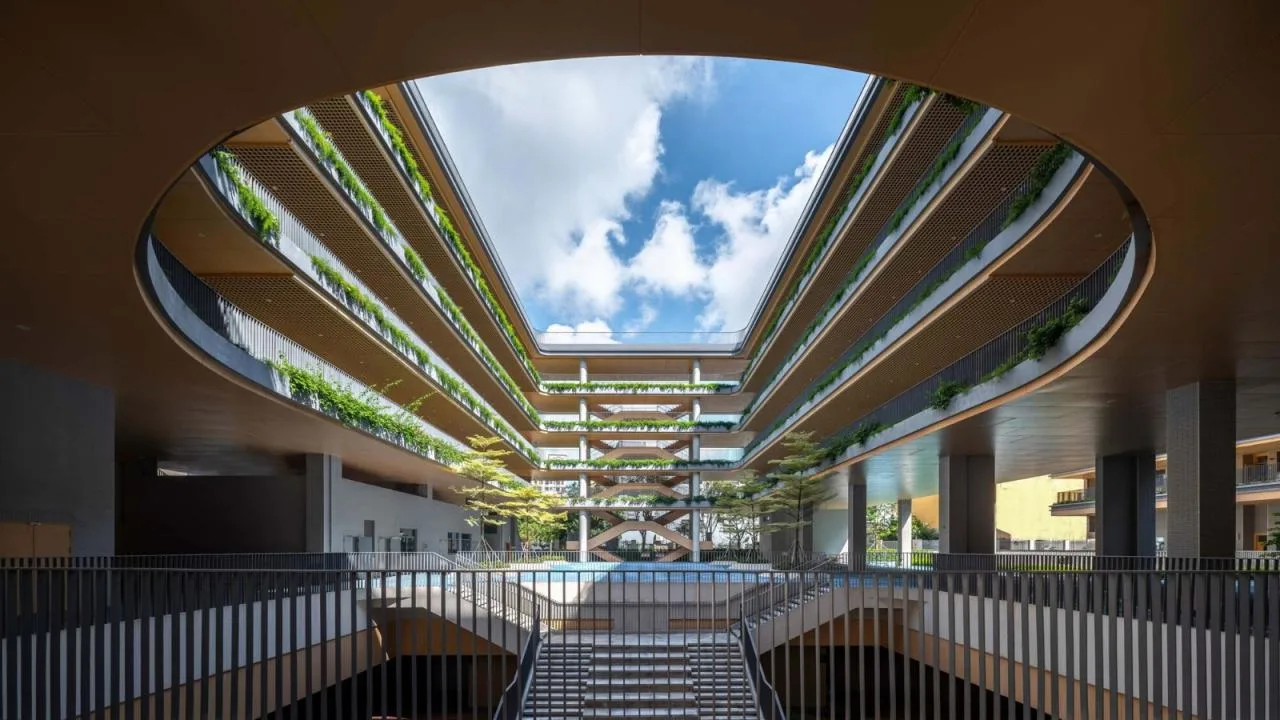
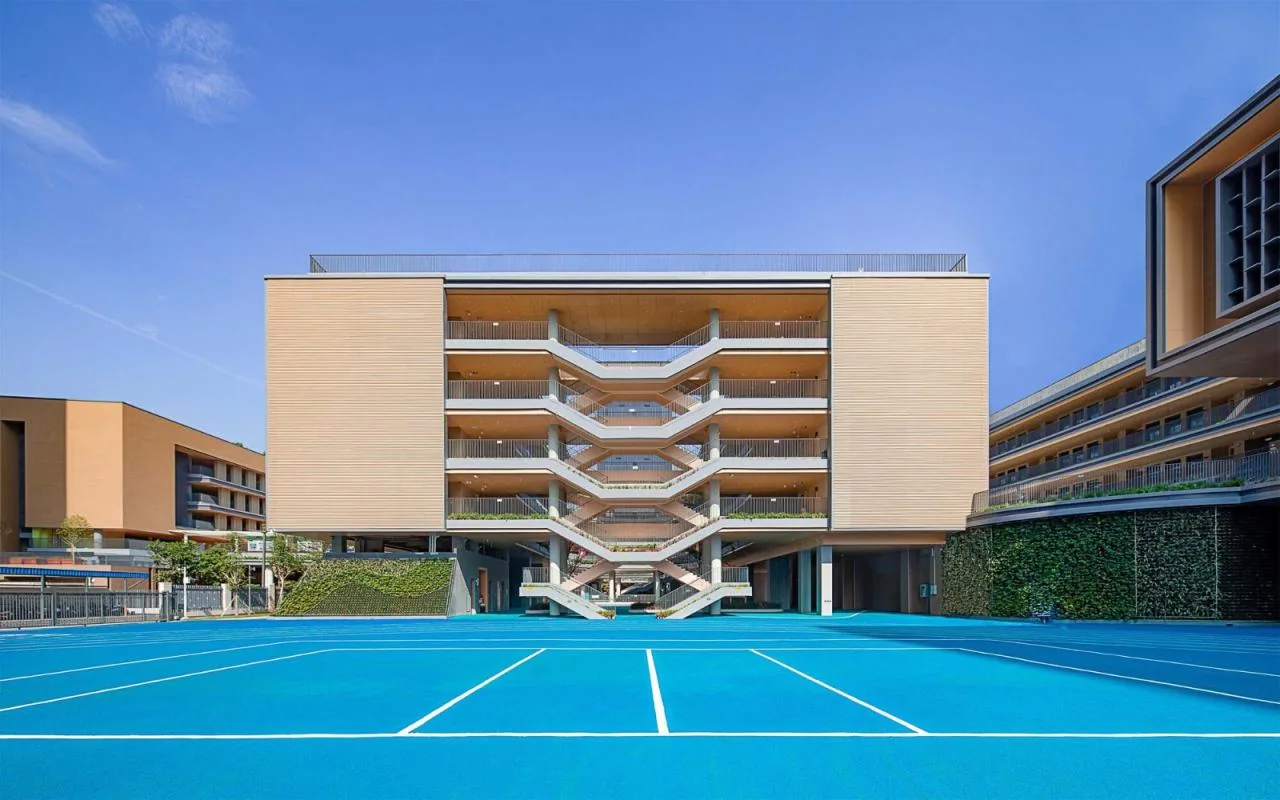
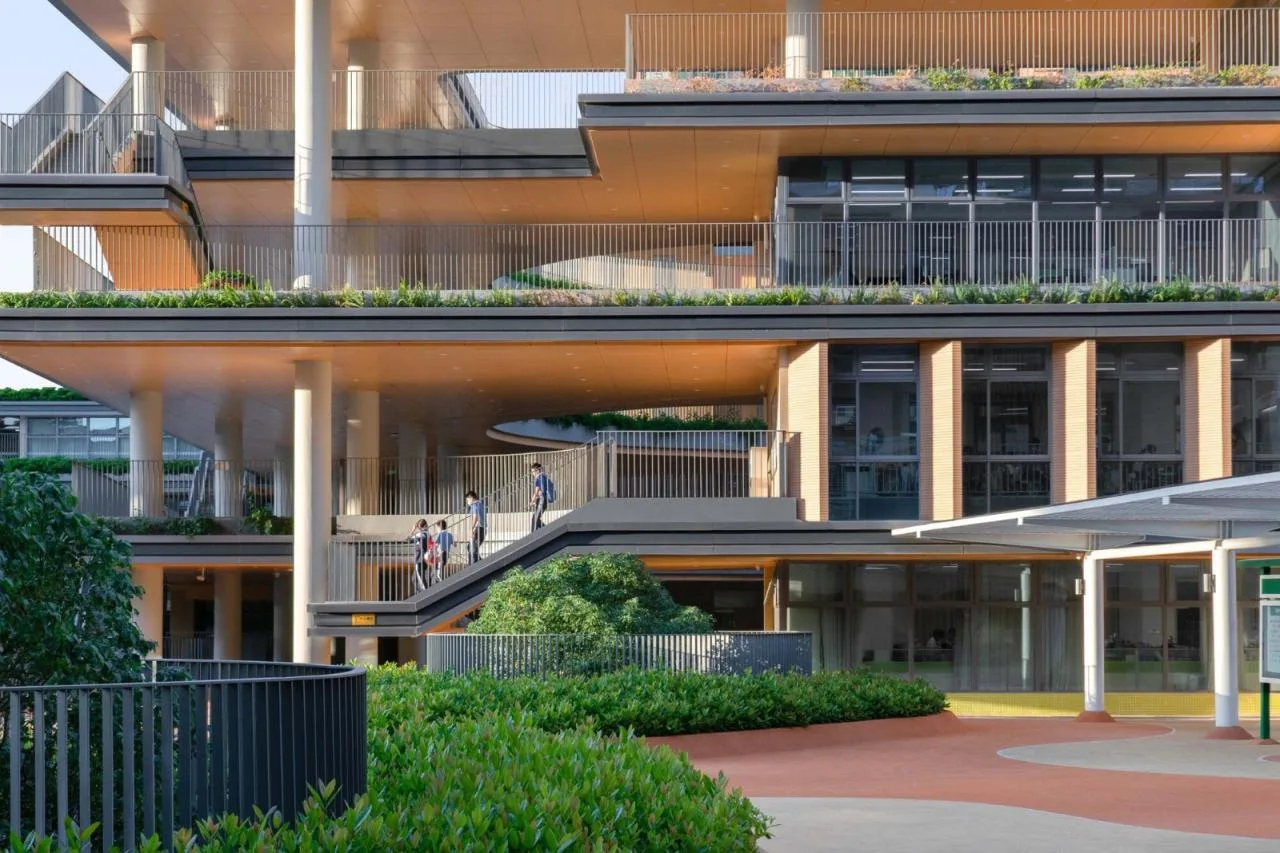
The design encourages a dialogue between the energetic campus community and the architecture itself. Recognizing children as natural explorers who learn through play and interaction, the architecture reflects user behavior patterns, balancing functional spaces and architectural expression.
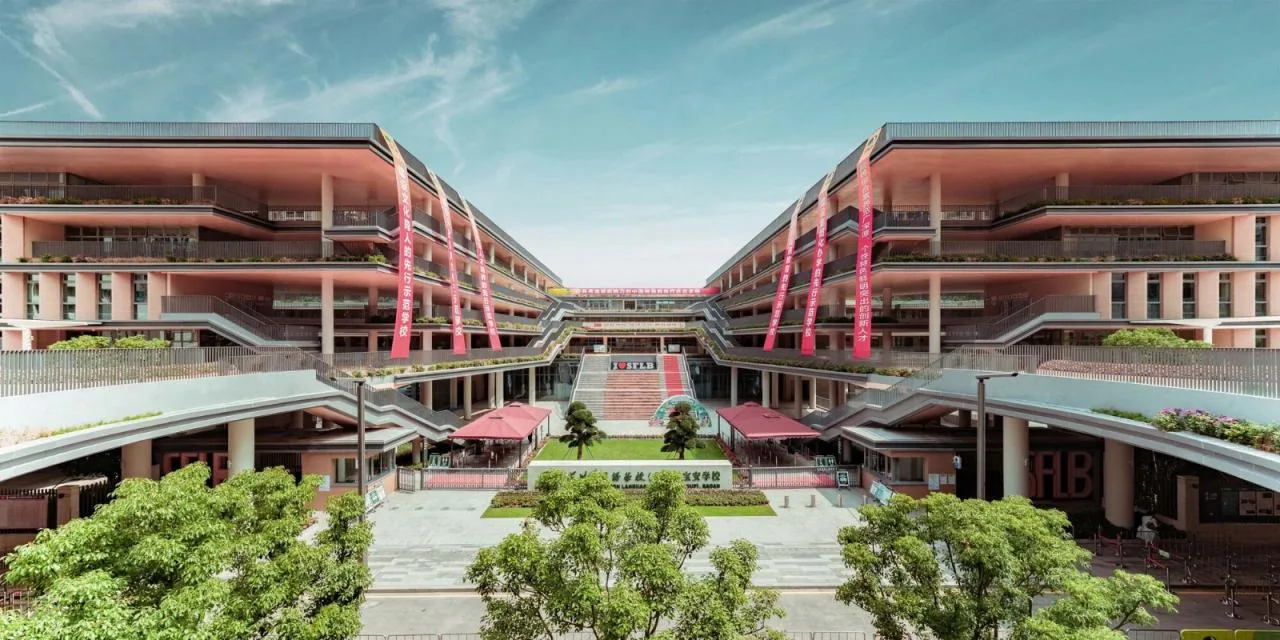
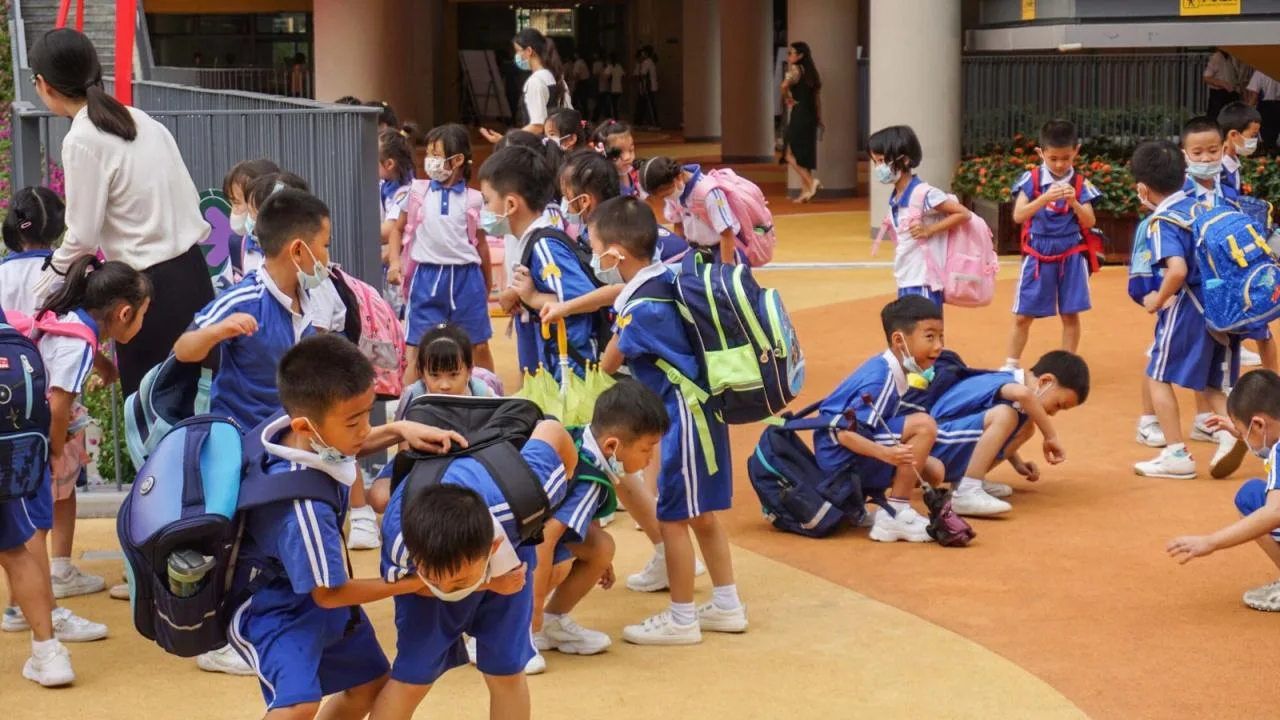
The elementary school’s open-air theater courtyard spans 60 meters square, accommodating sports, school-wide gatherings, and performances. Inspired by ancient theater prototypes, the courtyard features a podium and flag-raising platform with outdoor stairs as its visual focus. This design cultivates a three-dimensional “theater” experience, blending speaker and audience perspectives. Beyond sports, the space serves as a ceremonial and communal hub, fostering social cohesion.
Surrounding corridors incorporate the traditional Chinese “Lu Ban Lock” concept with modern techniques, and the elevated floor design enriches spatial experience. This central courtyard becomes a creative “small world” for children and a memorable, soul-defining campus space that supports diverse activities and future growth.
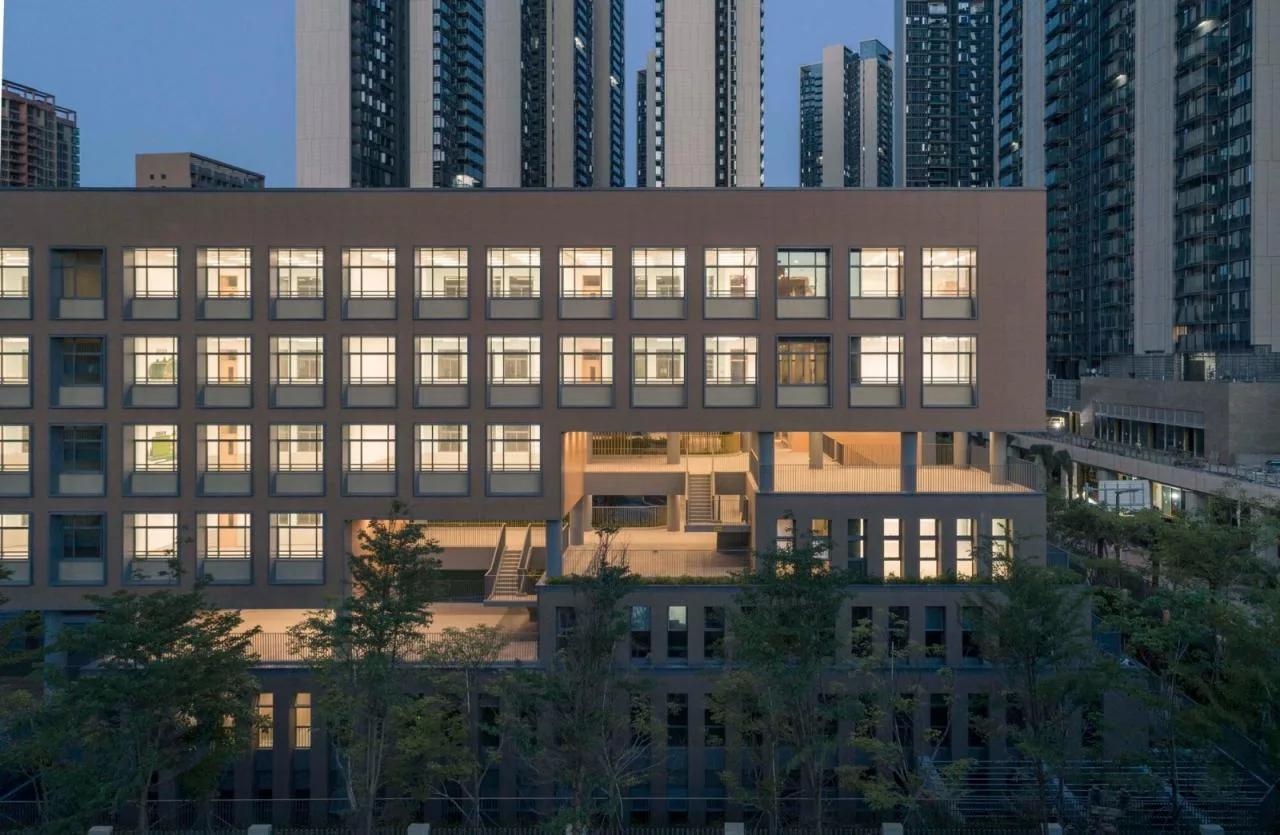
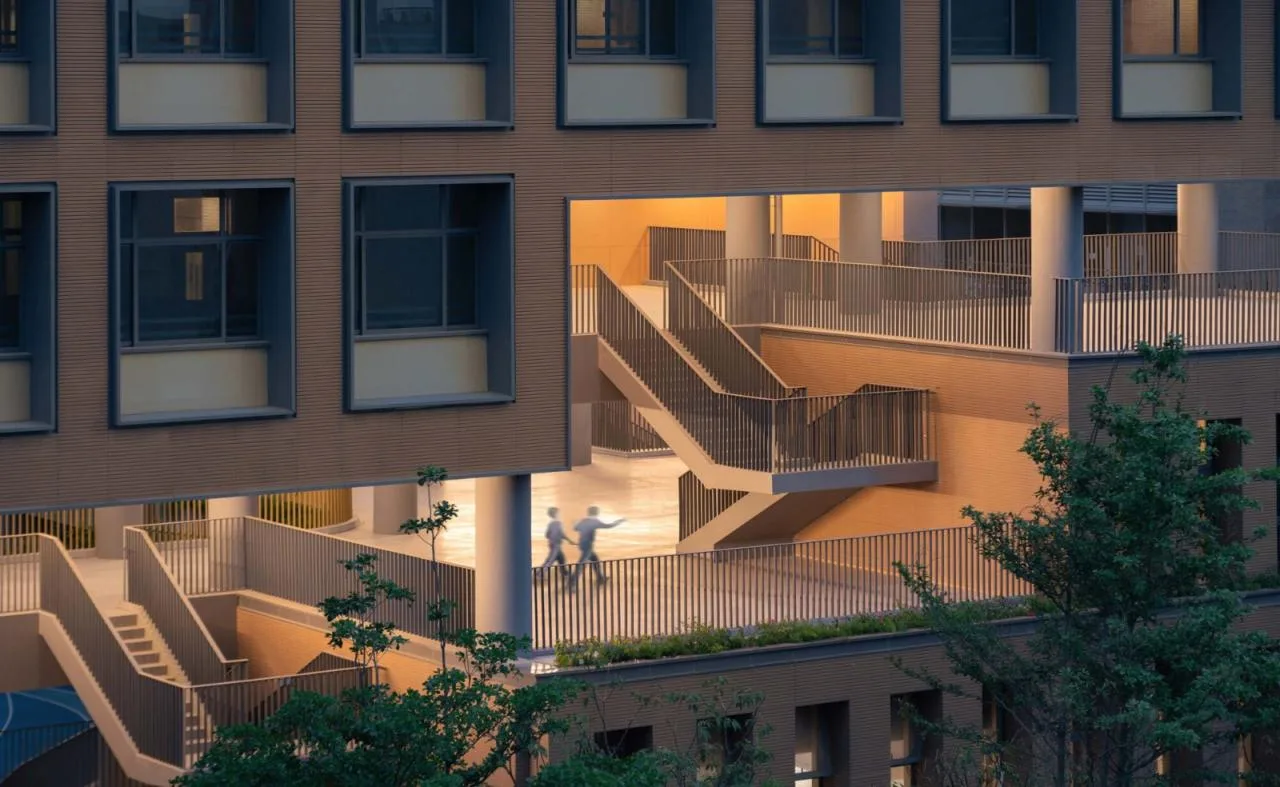
The setback platform linked to the elevated floors breaks the building’s enclosure, integrating activity spaces across multiple levels. This design offers students relaxed, open areas during breaks instead of cramped corridors. The elementary school’s elevated spaces ascend stepwise, creating dynamic, flowing environments through spatial subtraction.
Community Campus
Centered on neighborhood relations, this community-friendly school occupies a vital position within the local area. Its large scale creates pressure on transportation and leisure spaces, especially during school hours. The design philosophy embraces schools as positive community elements, stimulating the vitality of local residents.
The leisure area beneath the cross-street platform utilizes the second-floor space to provide sheltered waiting areas for parents, avoiding the sense of isolation typically caused by large campuses. Instead of forcing direct connections between two schools and their transportation systems—which could increase traffic congestion—the design organizes separate flow lines on different sides of the school. Multiple pick-up and drop-off points ease management and ensure smooth traffic during peak hours.
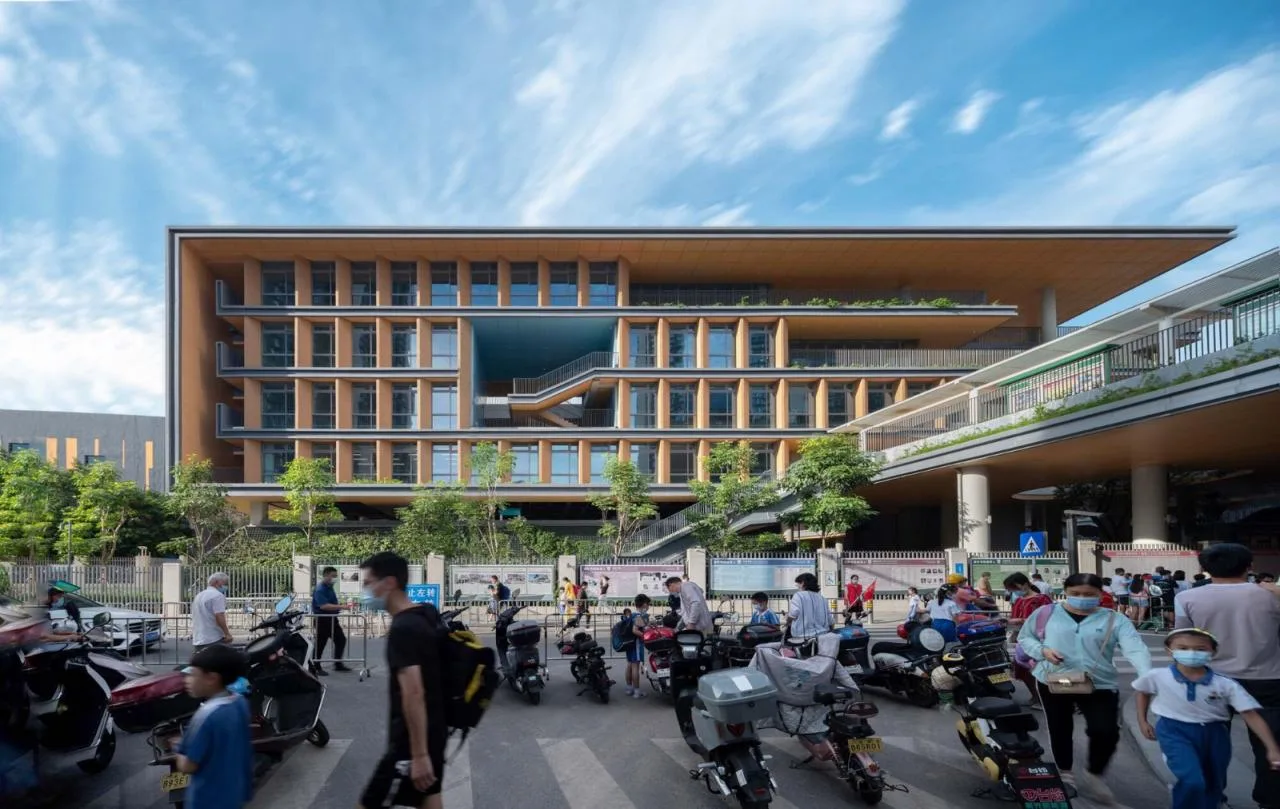
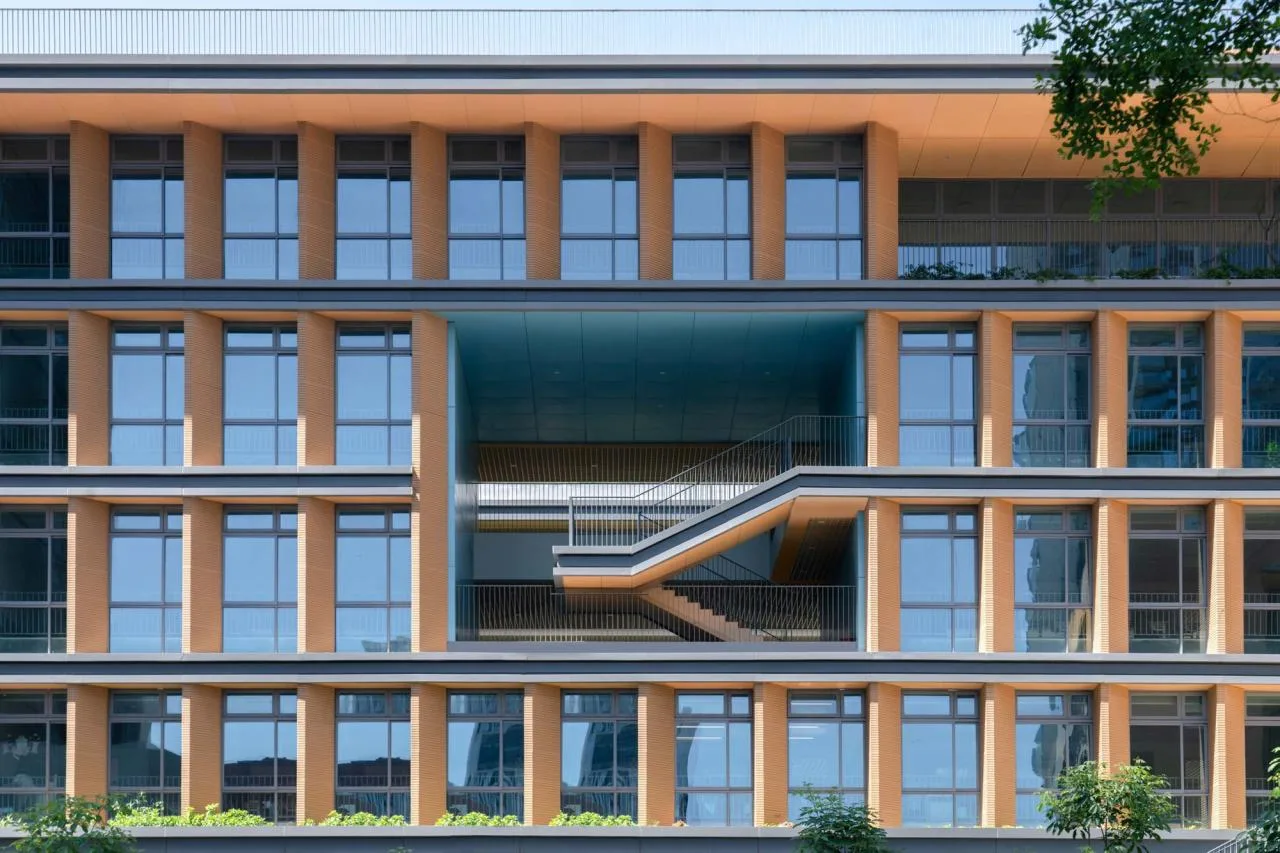
The ideal boundary between campus and city is gentle and inviting, serving as a window to society. The playground is strategically placed at the intersection of two roads, integrating school activities into the cityscape. The sports hall and dormitory are set back from the road to improve visibility and reduce urban congestion. Multi-level corridors, staggered staircases, and layered platforms create a dynamic façade that blends reality and abstraction, breaking the monotonous rhythm of the teaching buildings.
Teachers and students passing through the buildings become part of the urban backdrop, making the façade expressive and welcoming to the community. The combination of metal wire frames and light brown ceramic panels emphasizes cultural heritage and campus vitality, crafting a ceremonial urban interface.
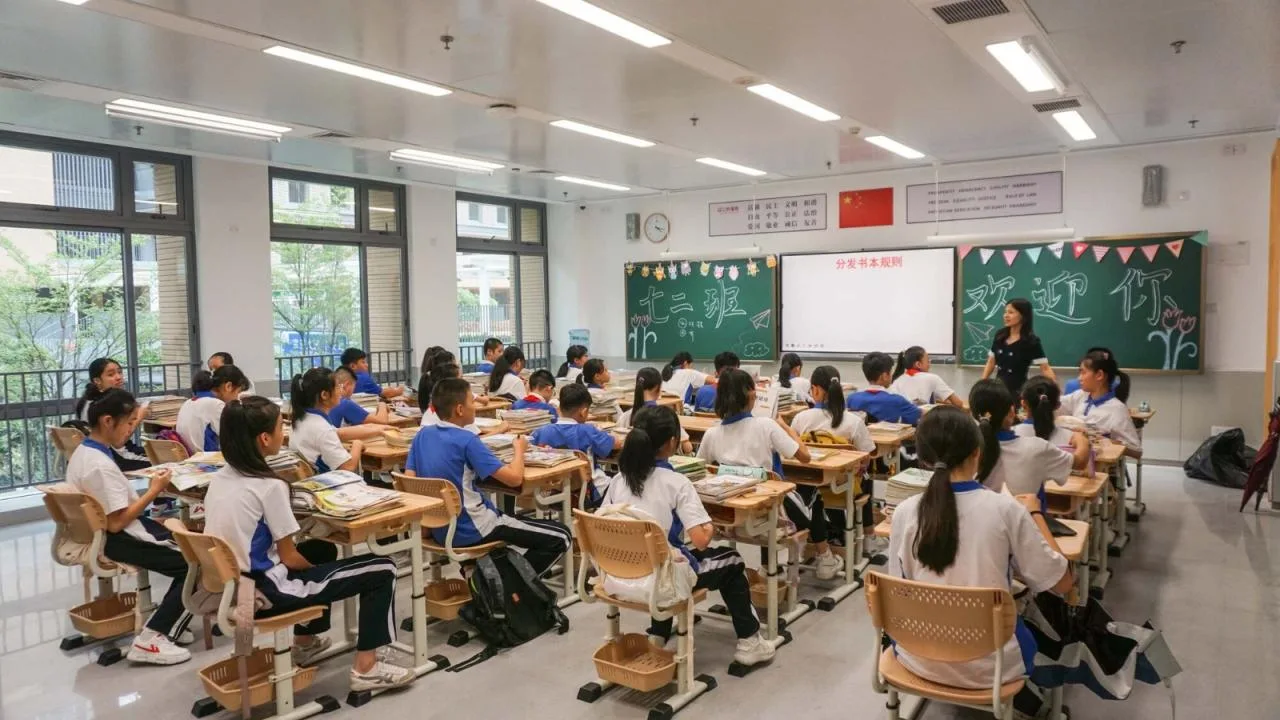
To ensure high-quality execution, modular design carefully considers equipment pipelines. Through extensive research and management review, scientific teaching modules were developed. Every classroom is equipped with multi-split air conditioning and independent fresh air systems, providing a quiet and comfortable learning environment. Meticulous detailing guarantees the architecture’s image and character, creating a unique and poetic campus presence.
Project Drawings
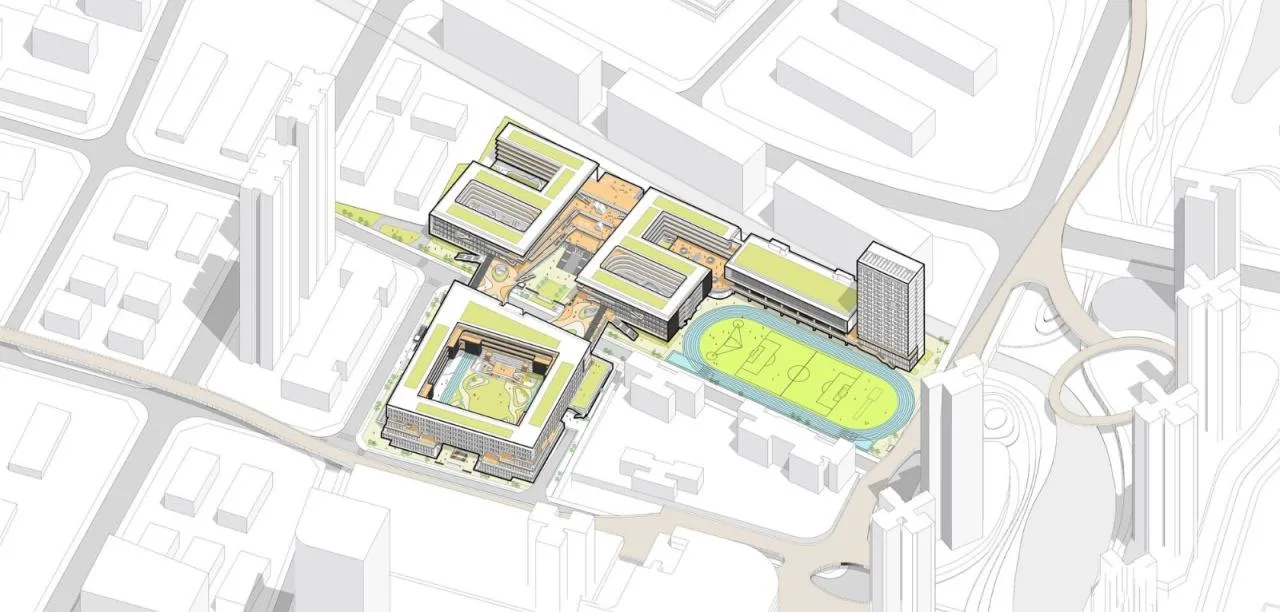
△ Aerial View
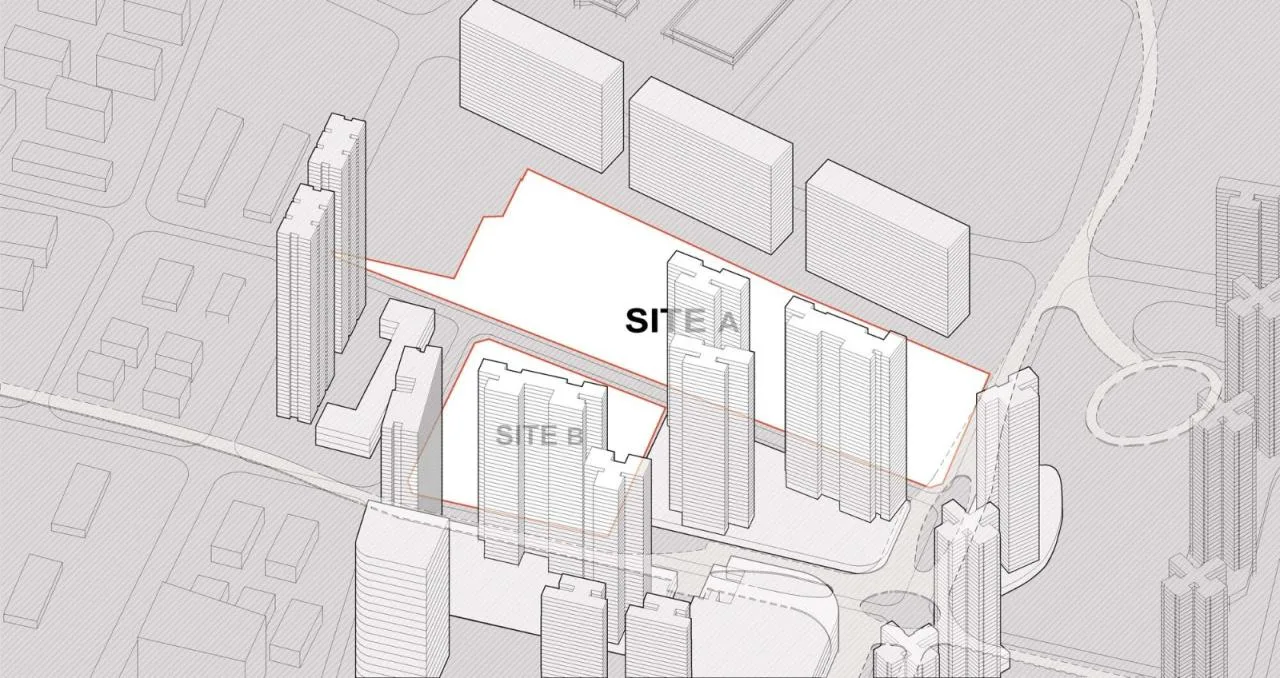
△ Base Schematic Diagram
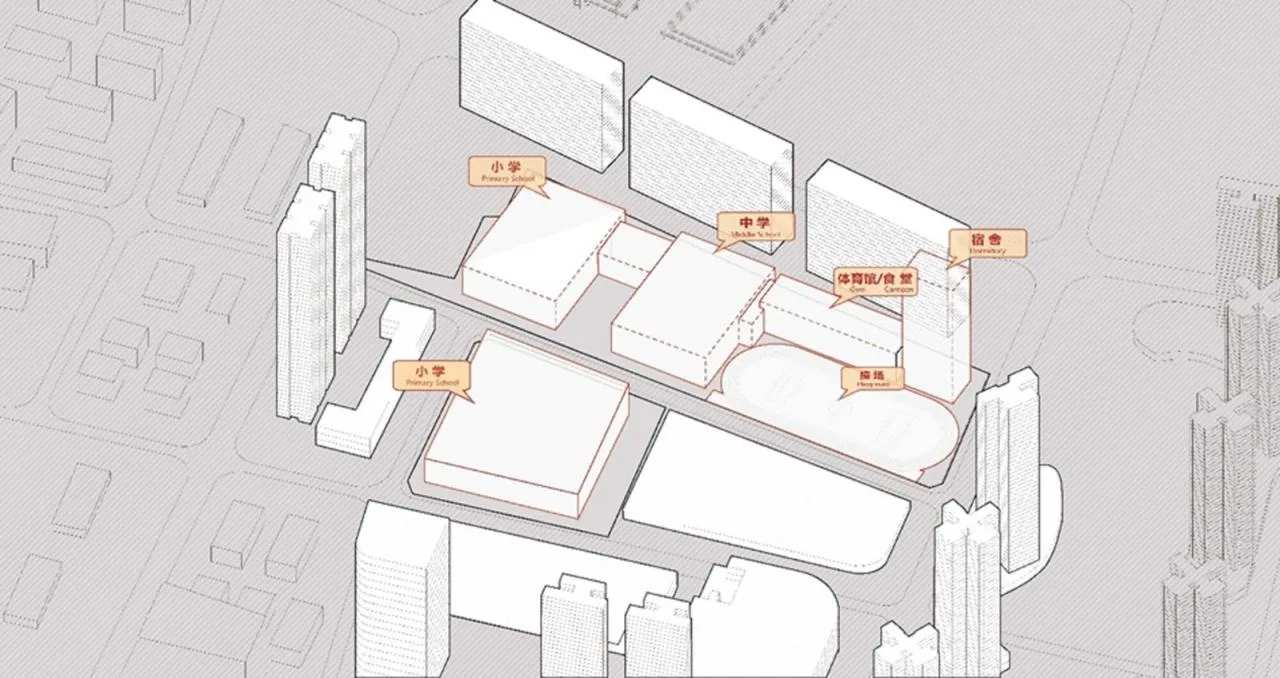
△ Functional Zoning Diagram
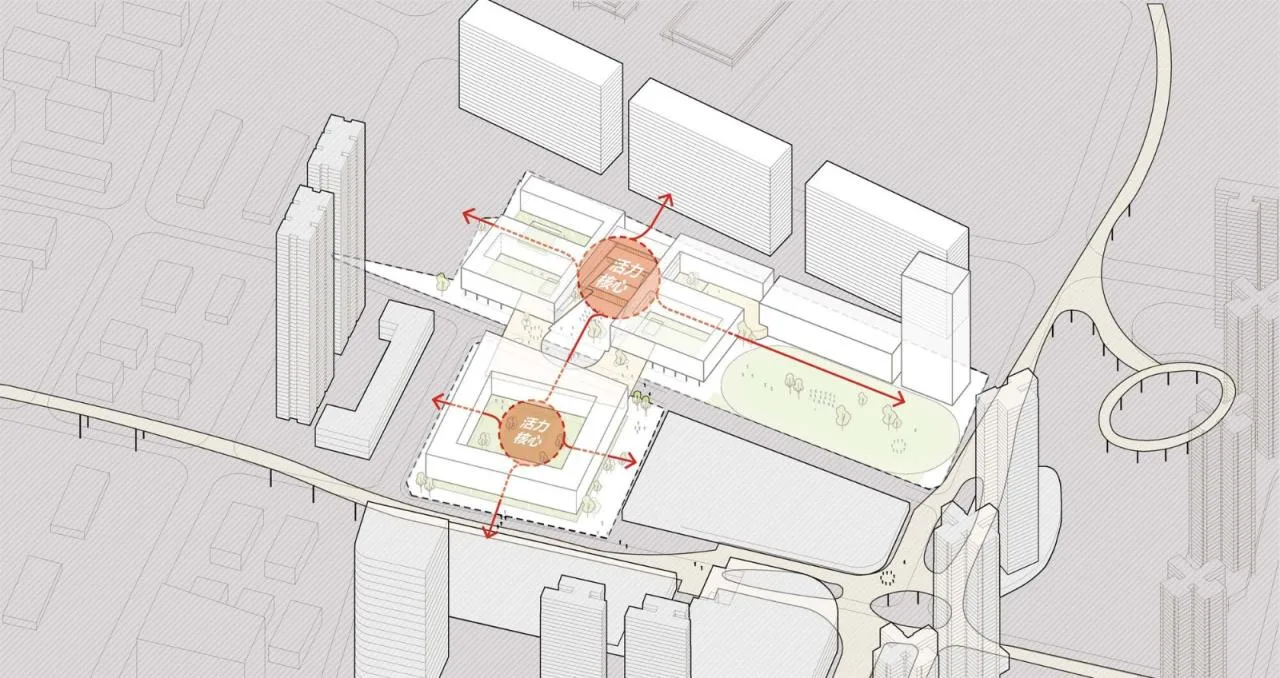
△ Analysis Chart
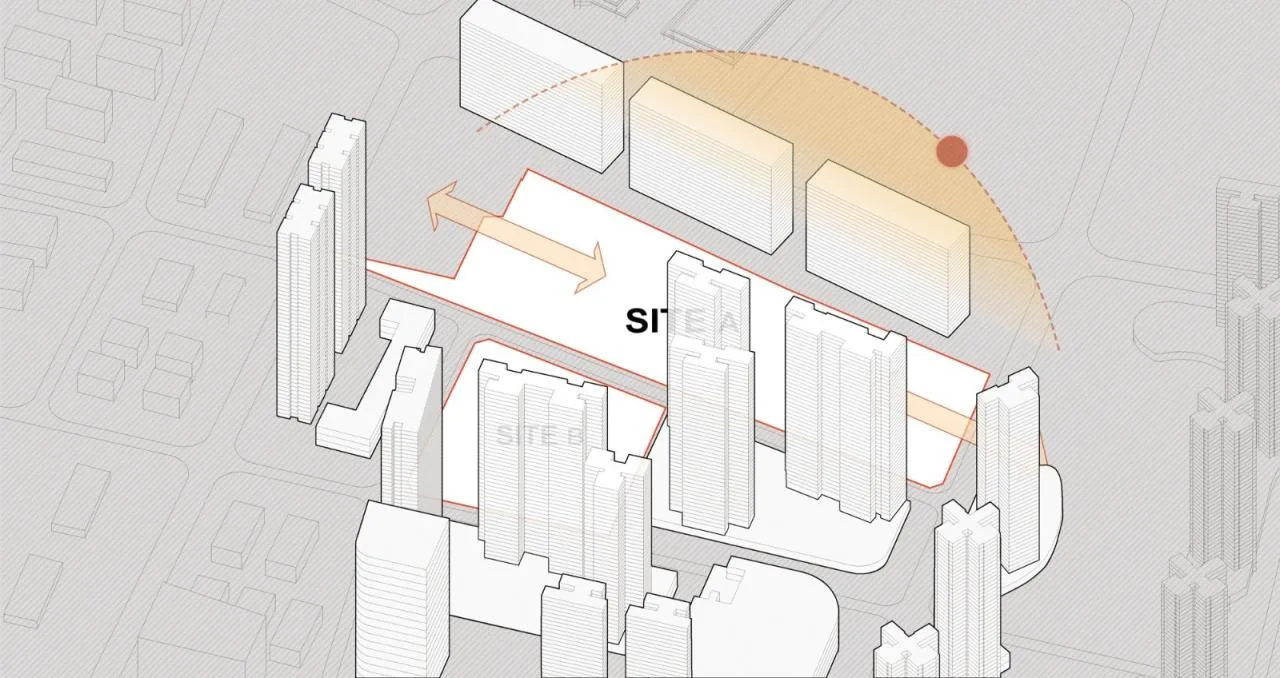
△ Sunshine Analysis Chart
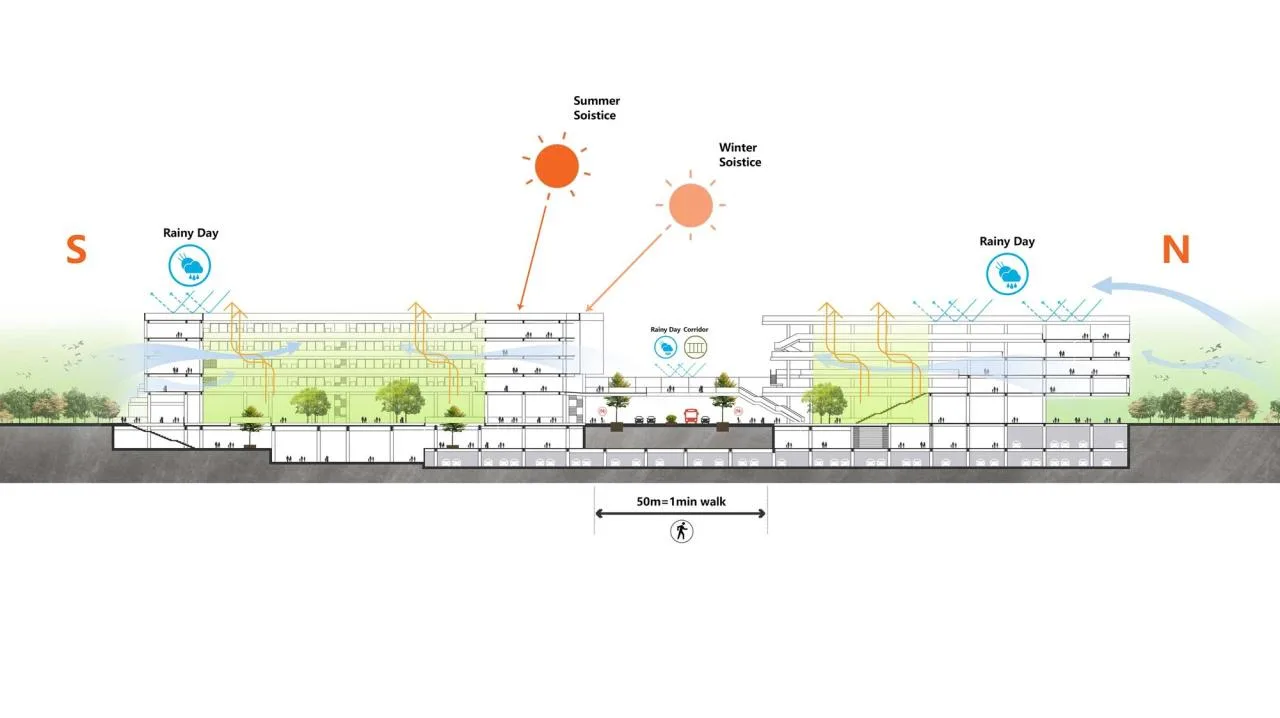
Microclimate Analysis Chart
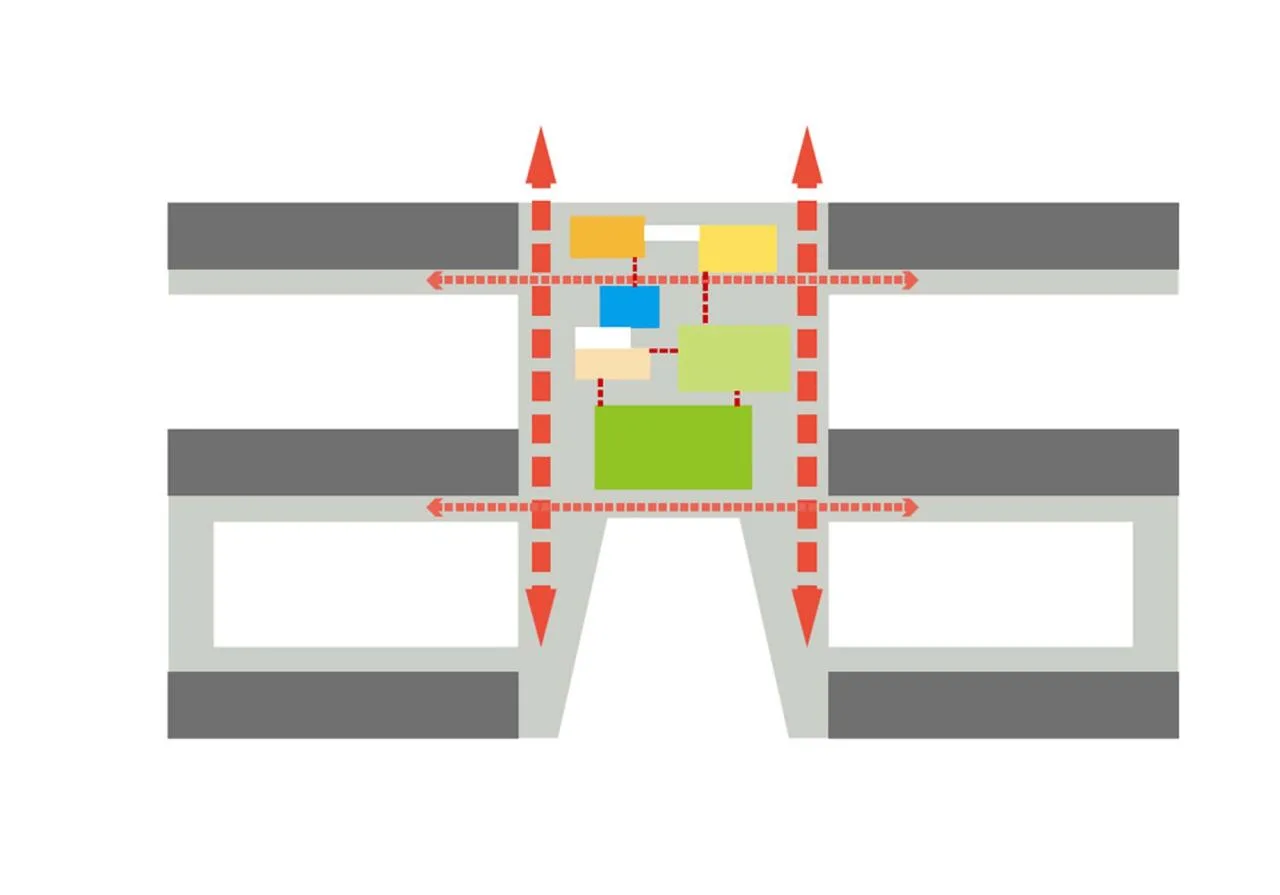
△ Function Analysis Diagram
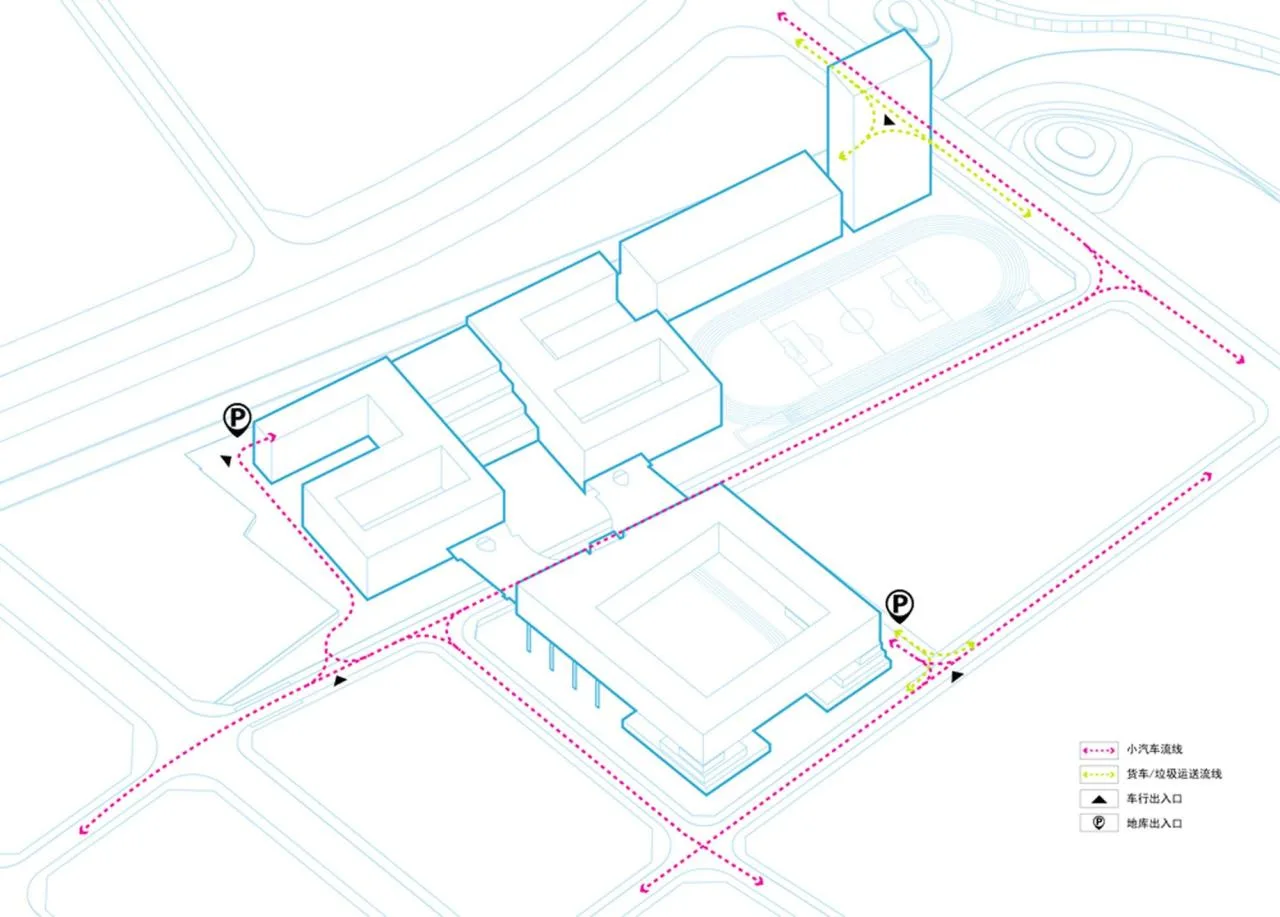
△ Streamline Analysis Diagram
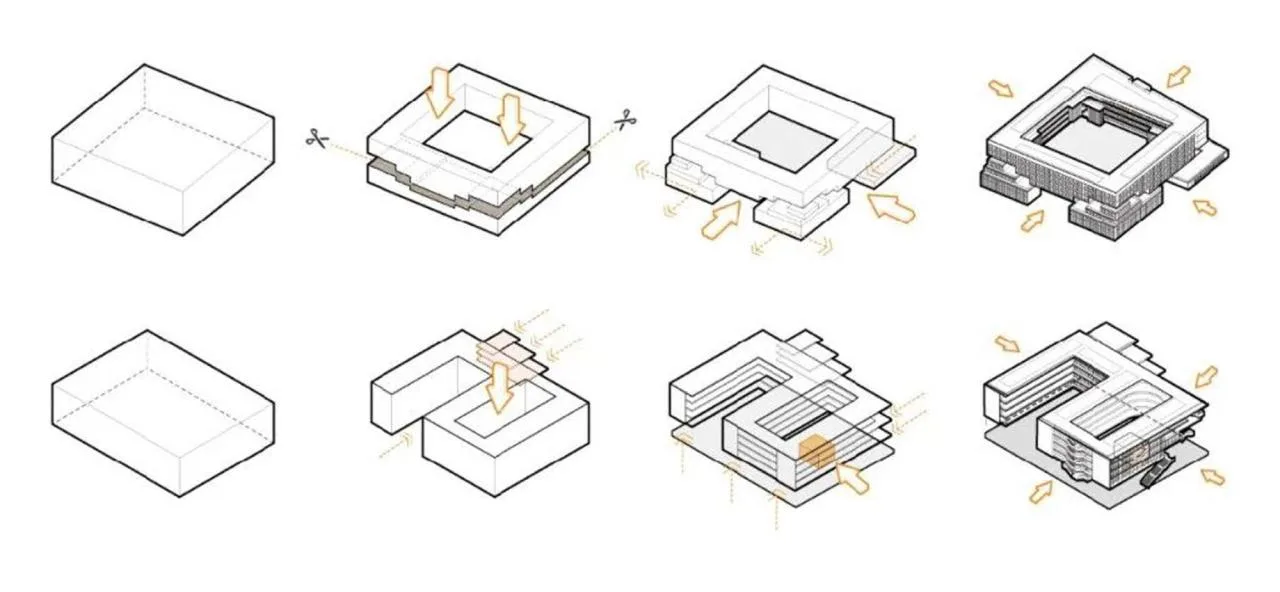
△ Block Generation Diagram
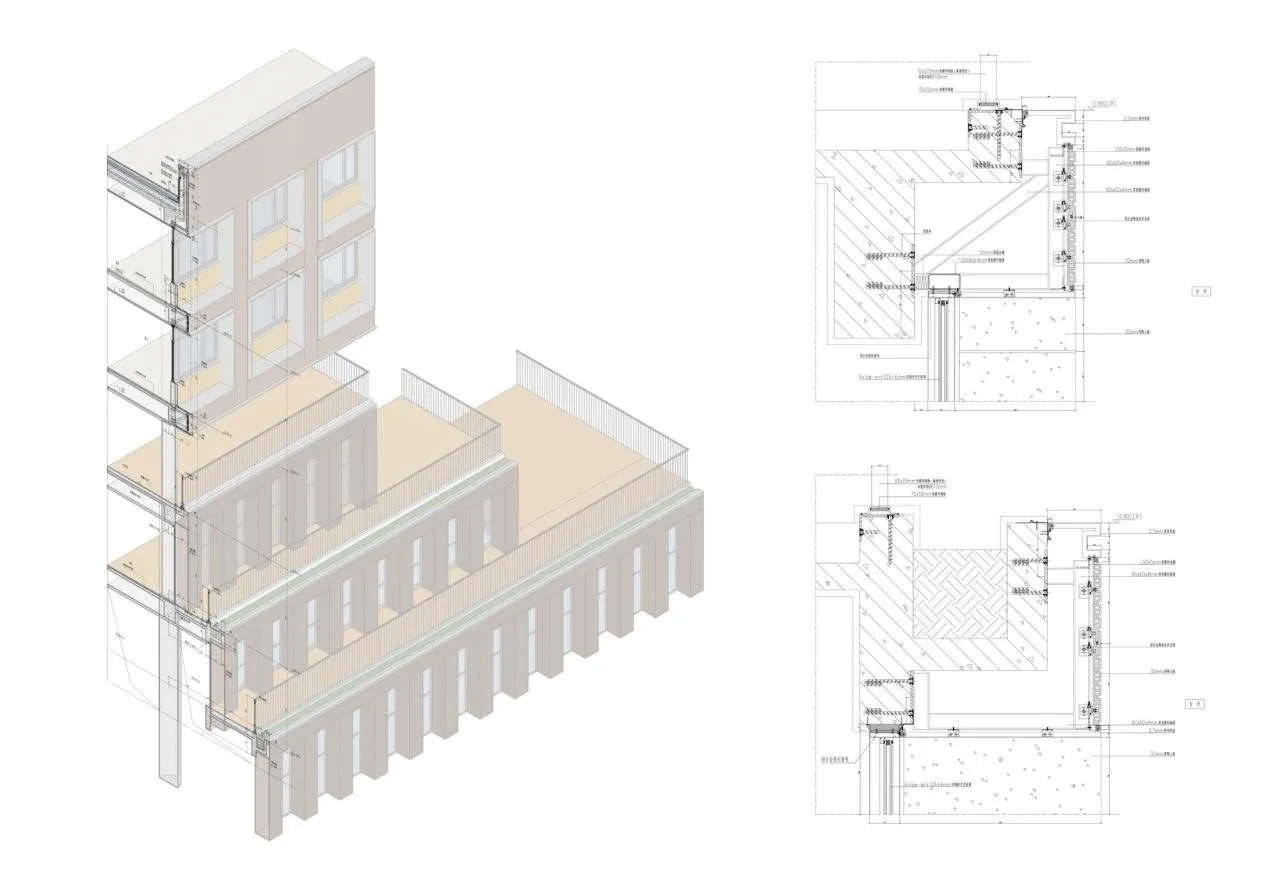
△ Detailed Drawing
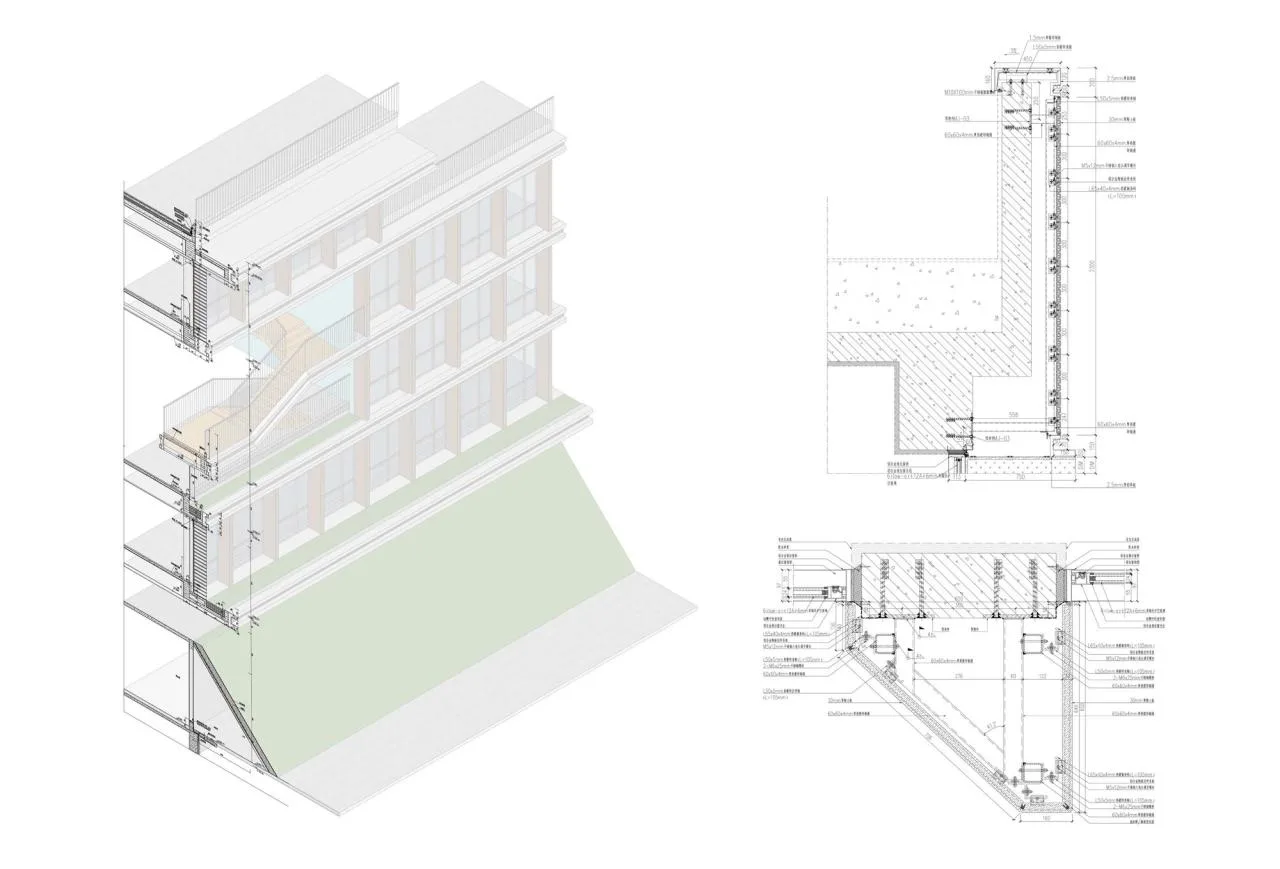
△ Detailed Drawing
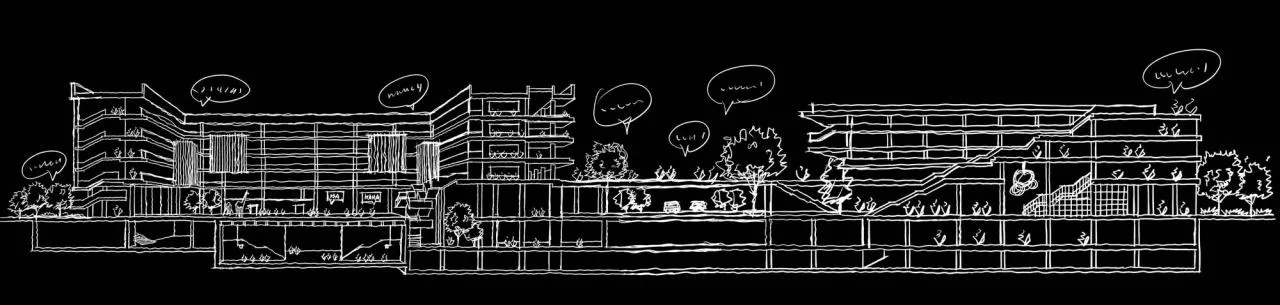
△ Hand-Drawn Sectional Perspective
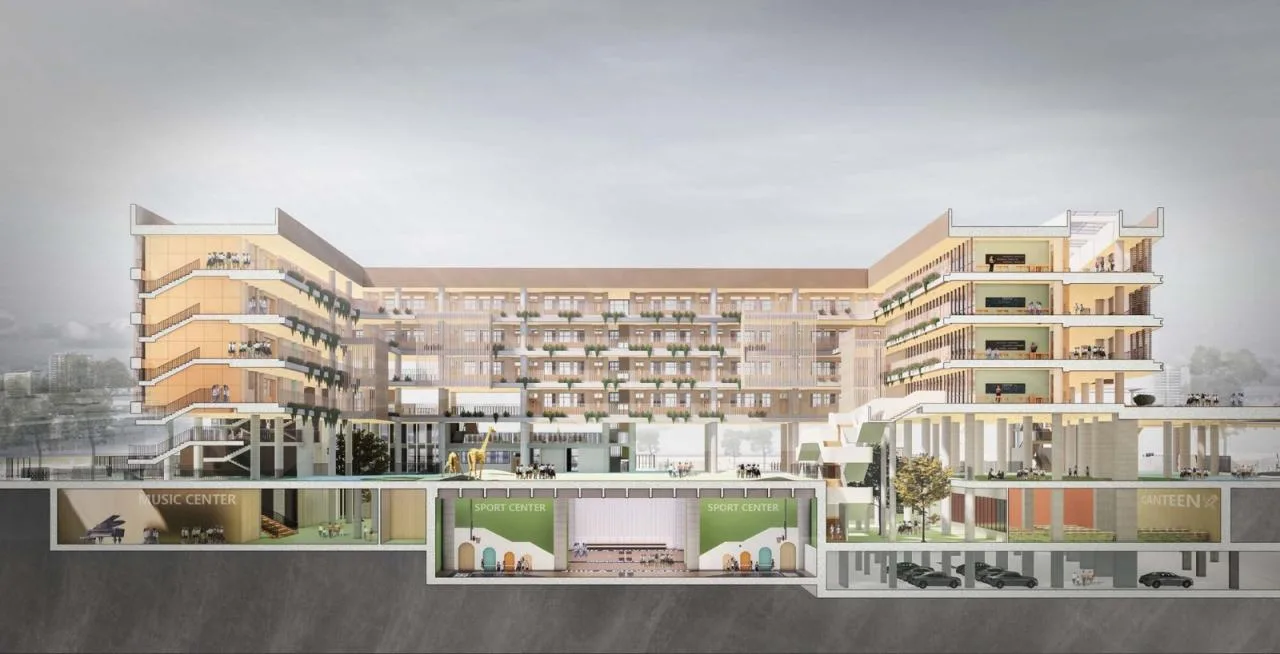
△ Sectional Perspective
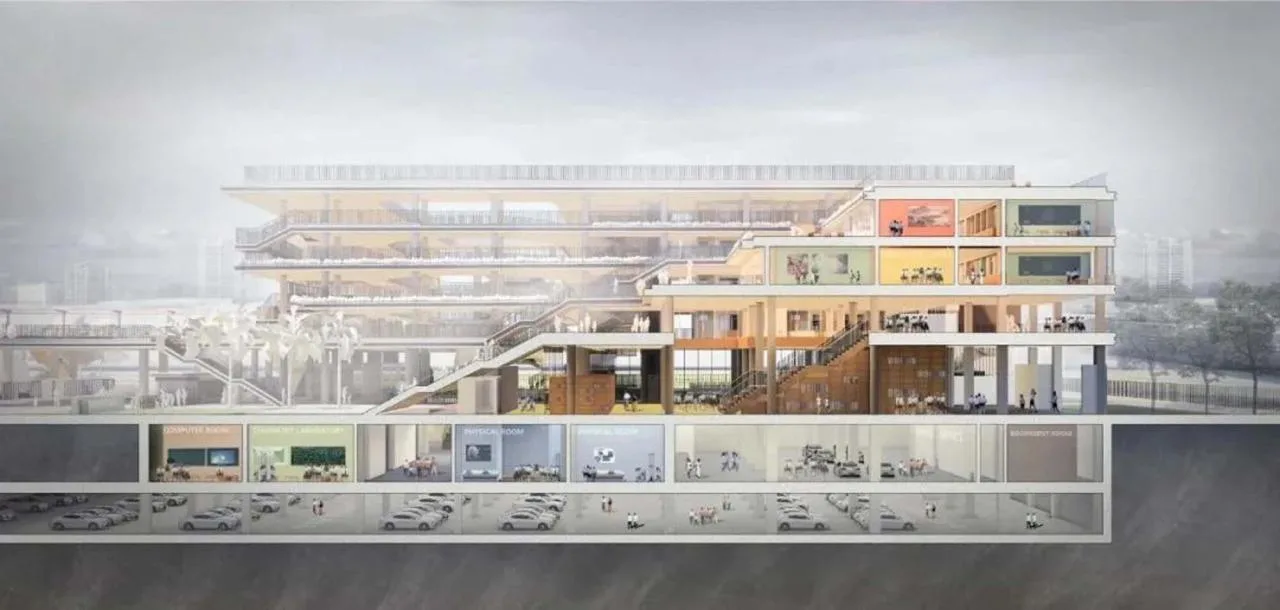
△ Sectional Perspective
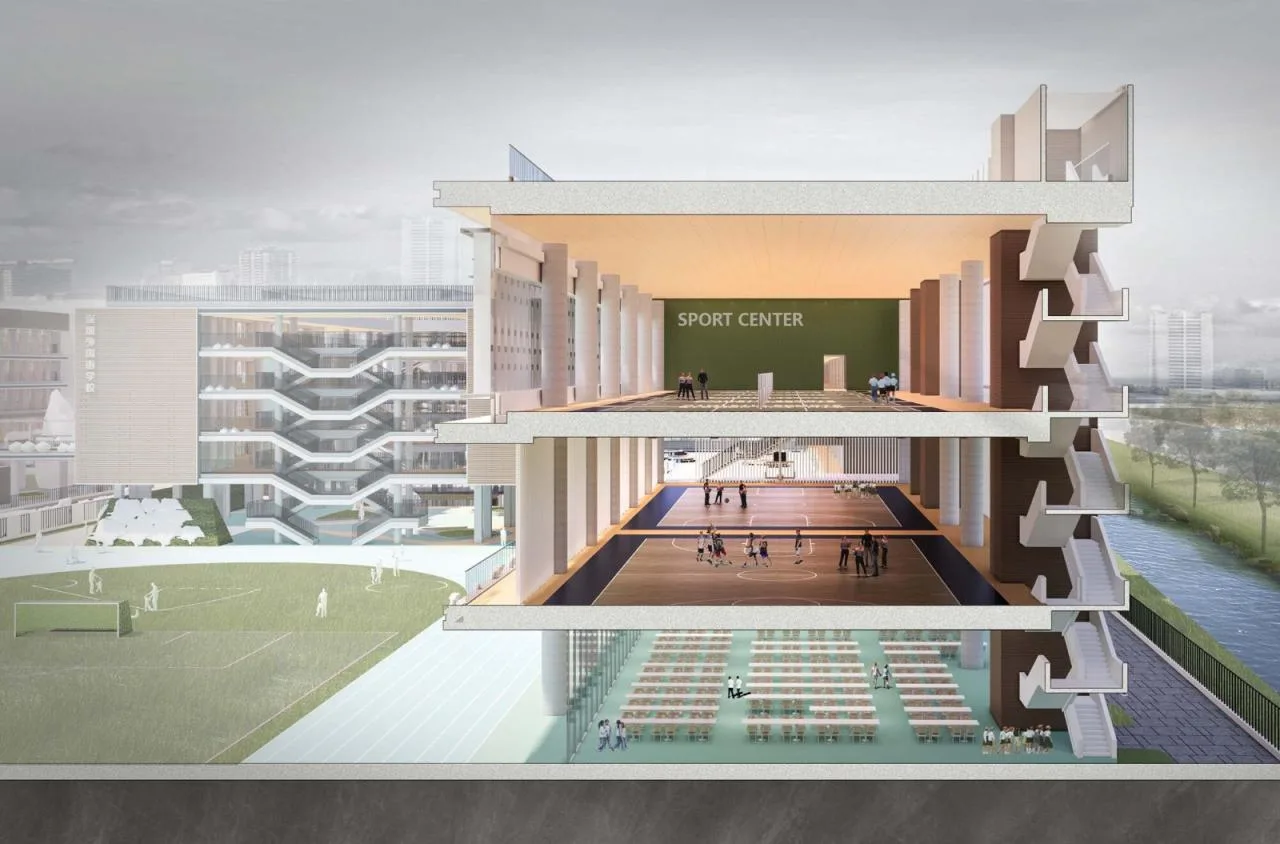
△ Sectional Perspective
Project Information
Architect: Huayang International Design Group
Area: 107,391 m²
Project Year: 2020
Photographers: XINZEE, Shenzhen Coastal Investment Group Co. LTD, Zhixin Wu
Construction Units: Education Bureau of Bao’an District, Shenzhen (nine-year integrated school) / Xinqiao Street Office of Bao’an District, Shenzhen (primary school)
Location: Shenzhen, China















Must log in before commenting!
Sign Up