
BIM is utilized throughout the entire lifecycle of buildings, providing value at various stages including design, construction, operation, and maintenance management.
(1) Design Phase
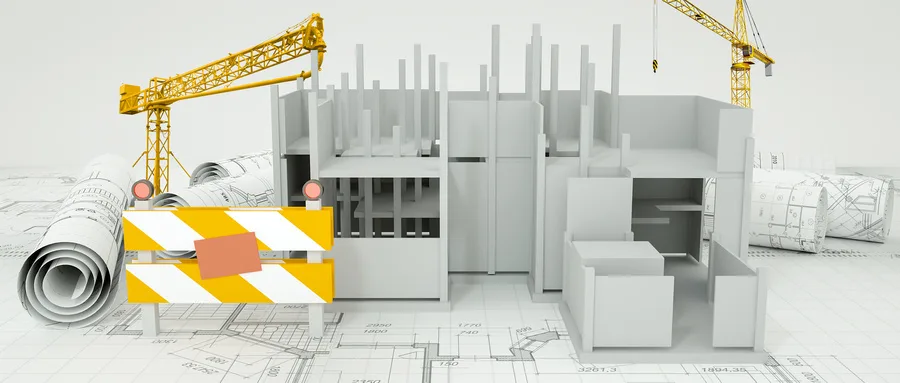
BIM creates three-dimensional physical models that clearly represent complex and diverse buildings, making it easier to understand spatial relationships that are otherwise difficult to visualize mentally. Unlike CAD’s 3D models, which consist of points, lines, and surfaces, BIM models are composed of actual building elements such as beams, walls, and columns, reflecting the real construction information. This is what makes BIM visualization unique. During the design phase, BIM helps coordinate and resolve clashes across different disciplines, allowing issues to be addressed before construction begins, which improves efficiency and conserves resources.
(2) Construction Phase
BIM’s visualization capabilities continue to provide benefits during construction. By integrating the time dimension into the BIM model, a 4D simulation is created, allowing the construction process to be visualized in three dimensions over time. This helps identify potential challenges related to scheduling, layout, and quality before actual work starts. Early detection of design flaws enables optimization, while ongoing changes during construction can be communicated promptly to all stakeholders. This leads to reduced rework costs, improved communication, and significant advantages for the project team.
(3) Operation and Maintenance Phase
Beyond geometric data, BIM models also store valuable non-geometric information such as design and construction data, inspection records, and equipment details. This data supports effective management of building operations, asset maintenance, and disaster prevention. By enabling comprehensive data sharing across the entire lifecycle of a project, BIM enhances the operation and management of buildings. The greatest benefit of BIM lies in its ability to digitize construction projects and facilitate dynamic information flow throughout the project lifecycle.
















Must log in before commenting!
Sign Up