
BIM technology is applied to varying degrees throughout the planning, design, construction, and even operation and maintenance stages of a project.
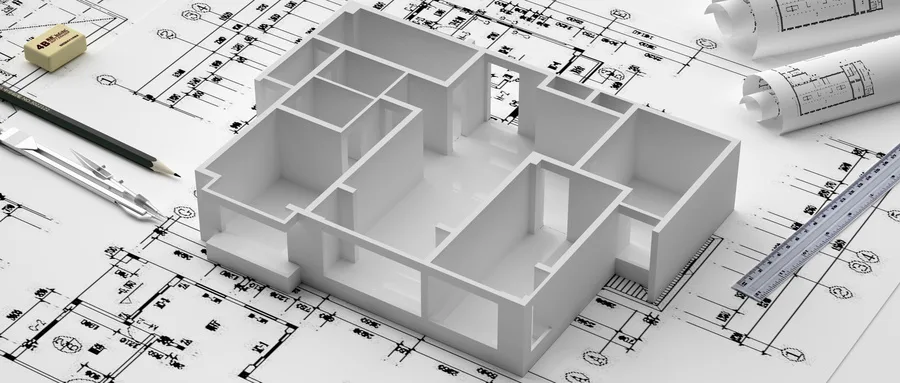
(1) Planning: During project approval and planning, BIM technology plays a crucial role in improving workflow efficiency for building designers and ensuring more effective project approvals. BIM enables on-site spatial analysis of the construction area, integrating site conditions, surrounding terrain, and plant types with project initiation requirements. This provides valuable data on building orientation and environmental factors, serving as a solid foundation for project planning. Additionally, BIM allows for detailed 3D simulations and layouts during project approval, helping identify influencing factors and enabling adjustments that streamline the planning process.
(2) Design: In the initial design phase, BIM supports performance simulations—such as wind, light, and sound environments—through comprehensive solid data models. Collaborative efforts across architecture, structural, plumbing, and electrical disciplines result in integrated BIM models. Plumbing and electrical teams often use Revit MEP 3D design software to create common mechanical and electrical BIM models based on architectural structures. Simulation software analyzes various project scenarios, aligning them with client requirements, standards, and regulations to optimize design quality. BIM also facilitates efficient cost modeling, advancing project planning and scheduling. During construction drawing preparation, BIM-based solid models undergo collision detection using specialized software and industry standards, ensuring potential conflicts are resolved early. This reduces resource waste, minimizes rework, shortens construction timelines, and helps control costs.
(3) Construction: As project complexity grows, traditional construction management methods often demand increased manpower and resources without proportional improvements in efficiency. Increased personnel also complicates communication and coordination. BIM addresses these challenges by providing a centralized communication platform for all project participants. Before construction begins, BIM enables 4D simulations of project progress, allowing teams to develop realistic construction schedules, optimize resource allocation, and shorten timelines. Furthermore, BIM supports 5D simulations that integrate cost control measures throughout the construction phase.
(4) Operations and Maintenance: In practice, BIM solid models are increasingly used to establish advanced building operations and maintenance platforms. These platforms support spatial positioning, real-time data acquisition, and record-keeping, enhancing maintenance workflows. By improving maintenance quality and minimizing factors that could compromise building functionality, BIM helps extend building service life while meeting modern safety standards. Additionally, BIM enhances data management for operations and maintenance, streamlining processes and ensuring structural performance. This proactive approach helps prevent safety issues and supports the ongoing reliability of building infrastructure.
















Must log in before commenting!
Sign Up