
Modeling depth refers to the stages through which the components of a BIM model evolve, progressing from a conceptual framework to the highest level of detail and accuracy achievable.
When creating a model, the depth level is initially set according to the project’s current status and specific requirements. The model’s level of detail is then defined based on the precision needed. By collaborating on models built to the same depth standard across different disciplines, professionals can share their work in real time, minimizing data loss and reducing information distortion.
The modeling depth level also plays a crucial role in defining the scope of use for each model among designers and other team members throughout various project phases. For example, if a BIM physical model is only developed to LOD 200, it cannot be used for design approval until it reaches LOD 400 accuracy. Using a model below the required level may lead to unnecessary risks or losses. Such agreements should be clearly outlined and included in the project contract appendices.
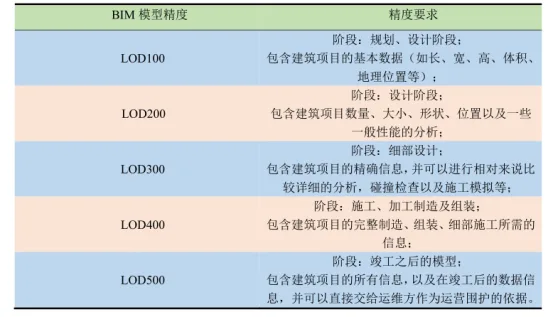
BIM model accuracy is categorized into five levels: LOD 100, LOD 200, LOD 300, LOD 400, and LOD 500. These levels determine not only the model’s application but also the level of detail represented within the model.
















Must log in before commenting!
Sign Up