
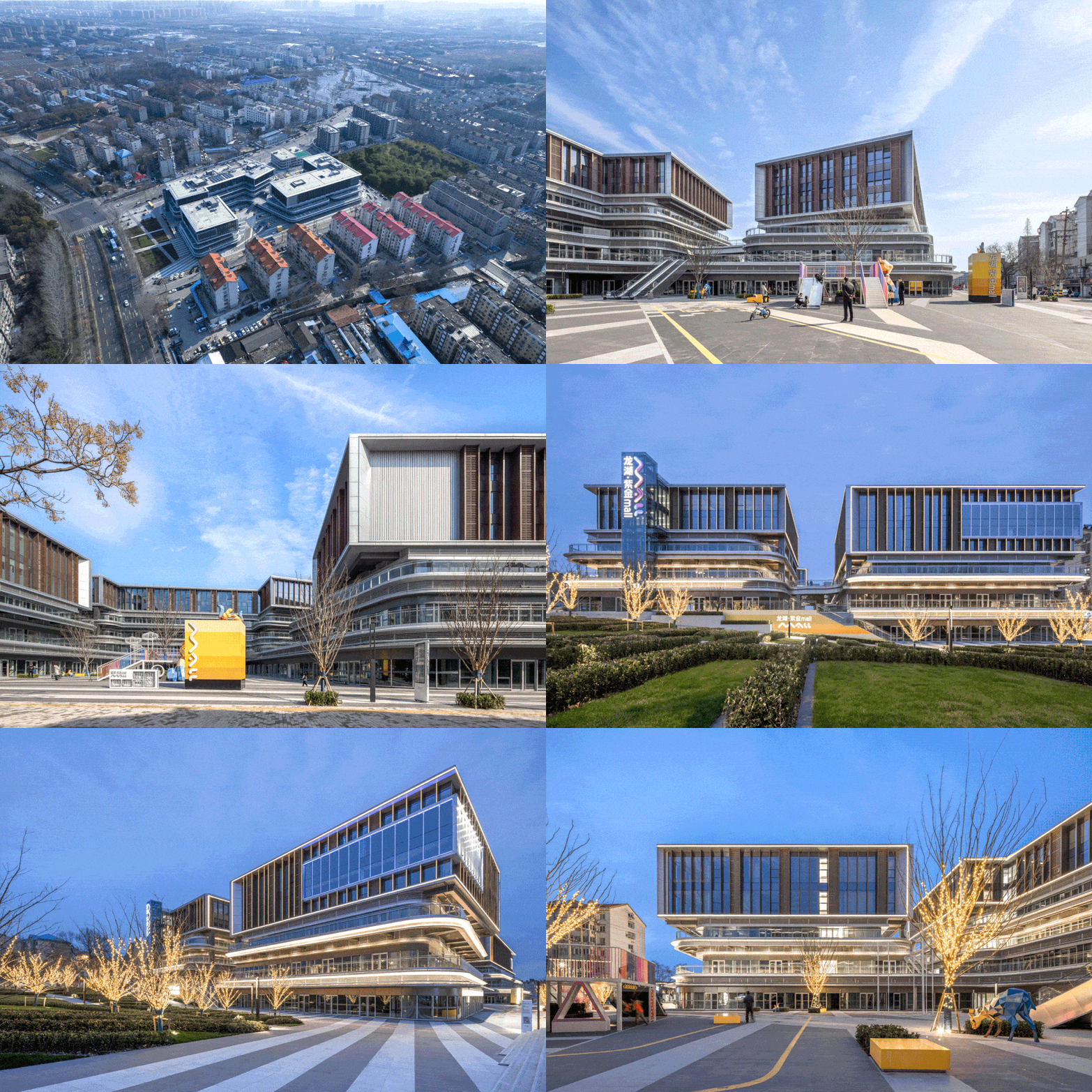
The new era of consumption and housing upgrades has sparked higher and more diverse demands. The pursuit of a better life has become the aspiration of more people than ever. We seek convenience alongside prosperity, green mountains alongside clear waters. We desire truly high-quality living environments and long for community life where cultural identity and belonging thrive. How can these needs be met amid rapid urban development?
The collaboration between Sanyi and Nanjing Longhu aims to develop a “Golden Two Kilometers Magnetic Field” community near the Purple Mountain Scenic Area in Nanjing. This project, named “Purple Gold Original,” integrates residential, commercial, and service functions into one comprehensive complex. By establishing a complementary commercial and community system, we aspire to create an exemplary urban living environment and a new landmark in Xiaolingwei.
01 Comprehensive Planning
Creating the ‘Golden Two Kilometer Magnetic Field’
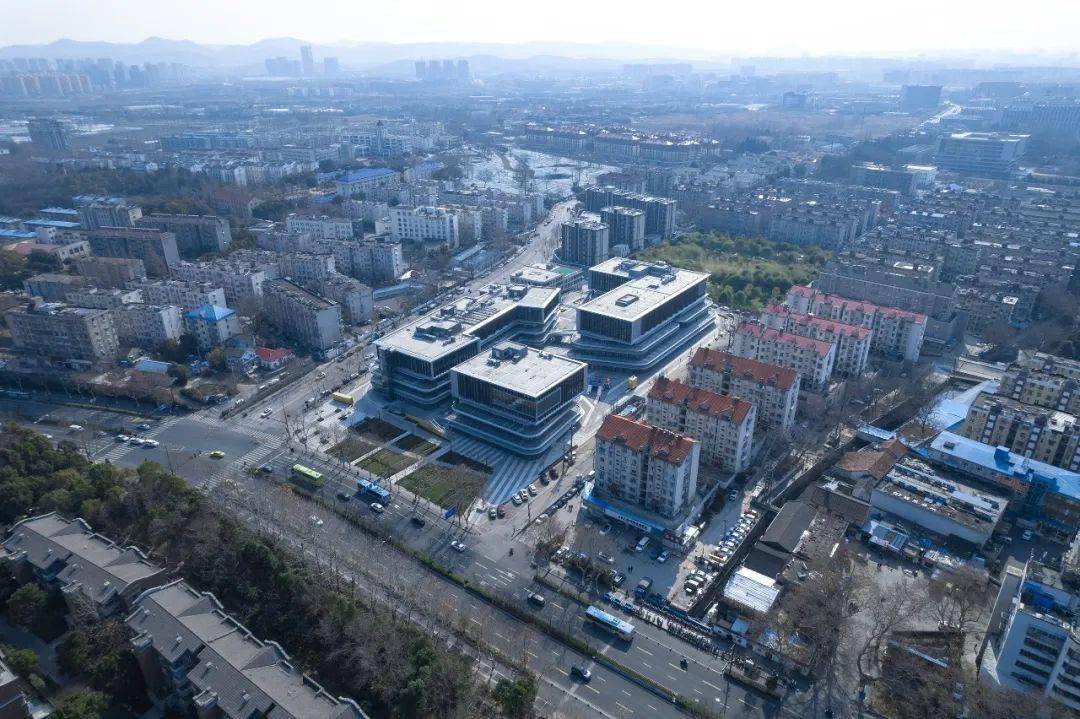
Popular commercial community combined with high-quality residential living
To many, Xiaolingwei is just a place name in Nanjing. However, for locals, it carries rich historical significance. From the elite guards of Zhu Yuanzhang’s Xiaoling Mausoleum in the early Ming Dynasty to a bustling commercial hub in the Qing Dynasty, and later an urban fringe with mixed living conditions, Xiaolingwei is now entering a transformative era.
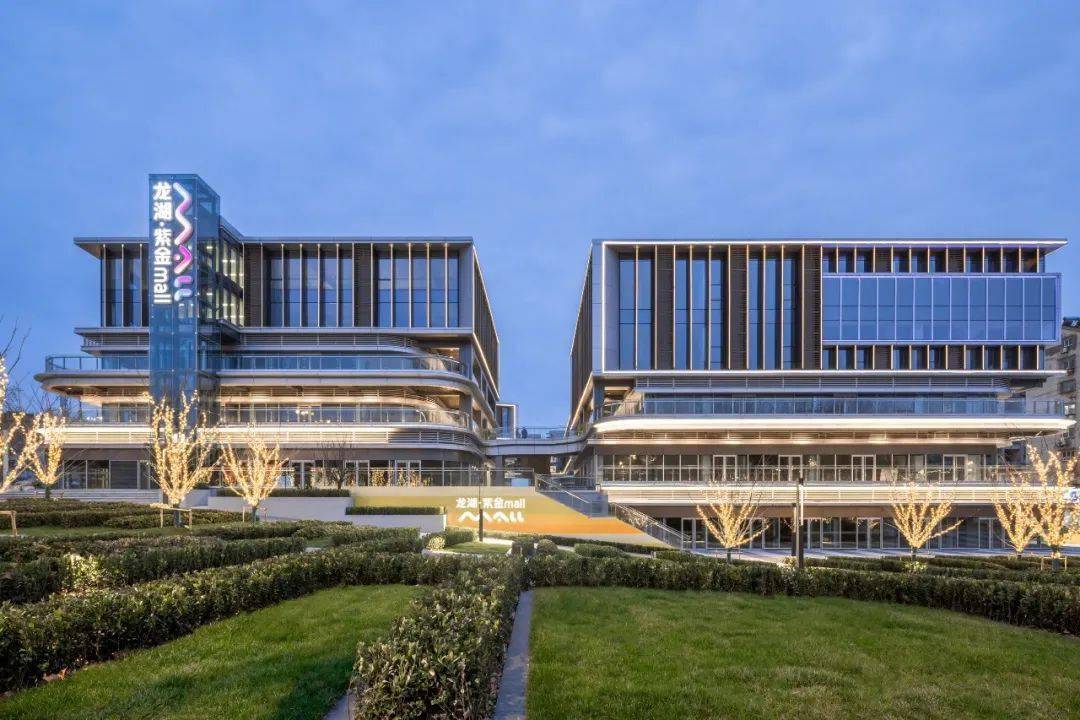
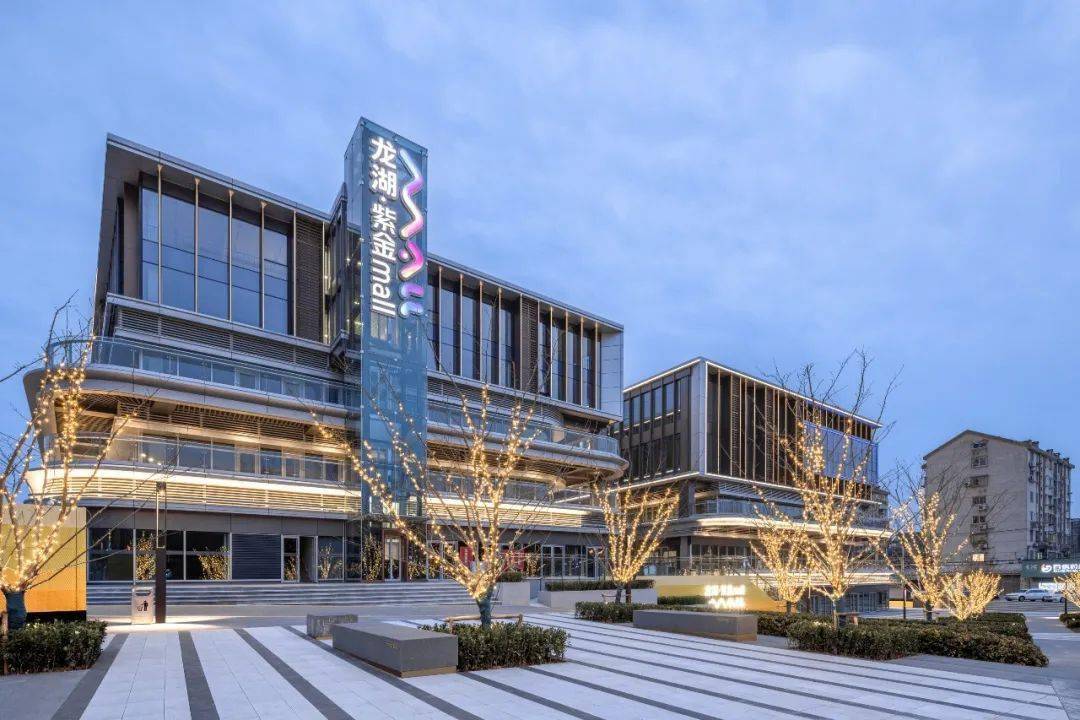
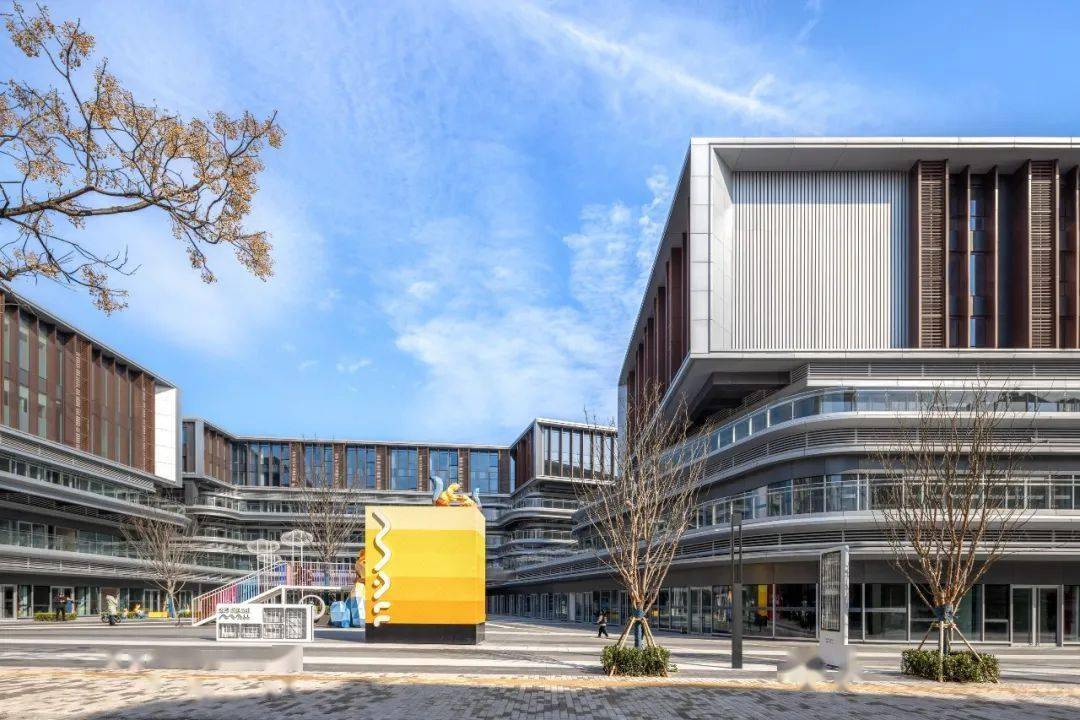
△ Popular commercial area © Liu Songkai
According to Nanjing’s major economic and social development plans, the eastern region is rapidly advancing. Xiaolingwei, located at the southern base of Purple Mountain and serving as the eastern gateway to Nanjing’s main city, is set to focus on urban construction and cultural tourism, developing into a high-standard cultural and tourism district.
In July 2019, Longfor acquired a prime plot in Xiaolingwei, committing to develop the “Purple Gold Original” — a comprehensive complex blending popular commercial spaces with upscale residential communities, filling the gap in high-end housing in eastern Nanjing.
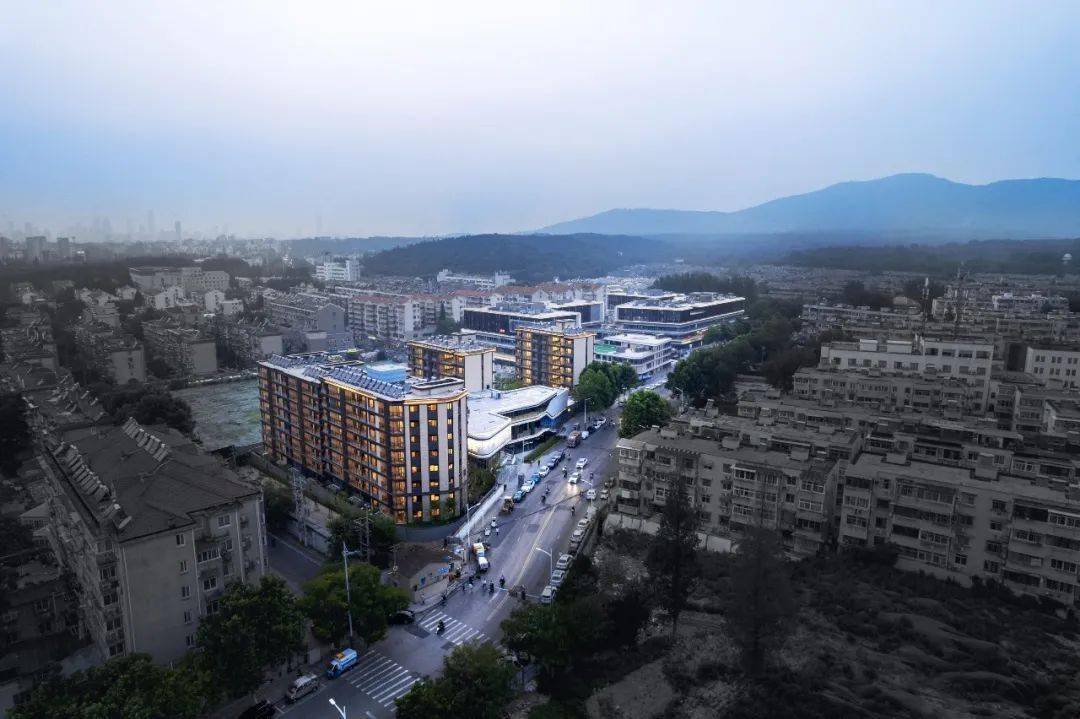
△ High-quality residential community © Liu Songkai
Sanyi’s design prioritizes enhancing the living environment, urban landscape, and commercial value. Employing an innovative anti S-shaped commercial layout paired with multi-level residential design, they help Longfor create a landmark community complex that integrates living, shopping, services, and public squares at Nanjing’s eastern gateway.
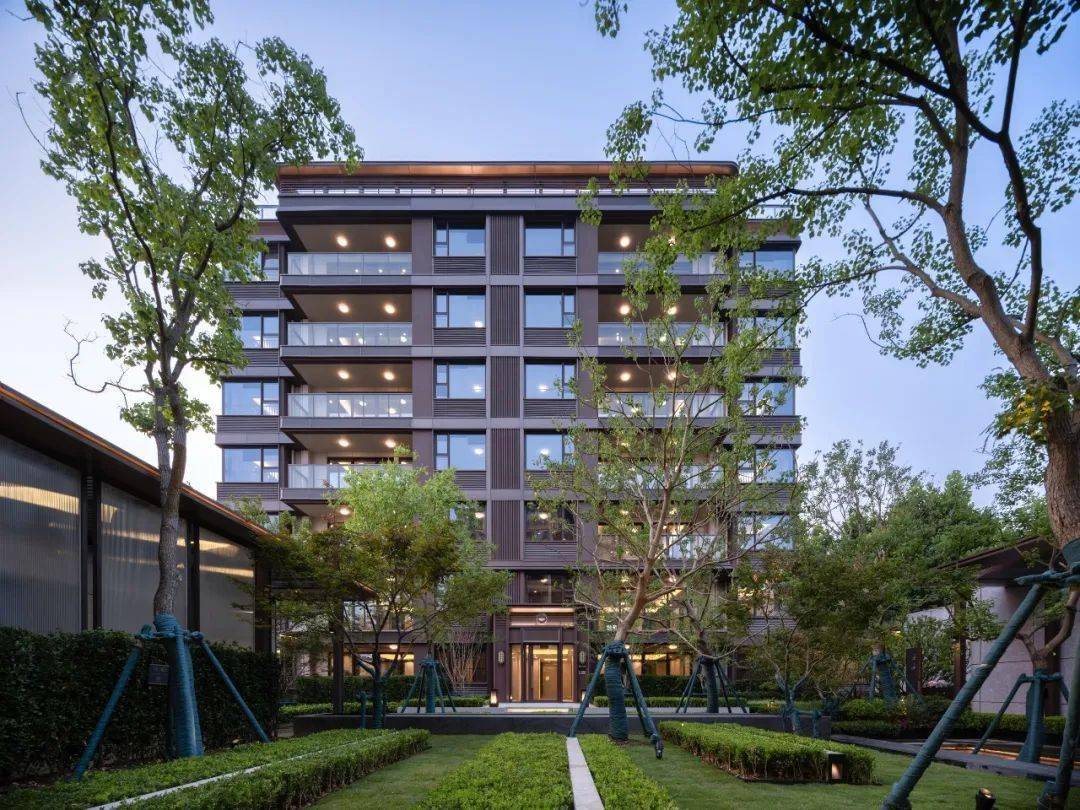
△ High-quality residential community © Liu Songkai
Comprehensive planning ensures short travel distances
The site lies at the southeast foot of Zhongshan Scenic Area in Xuanwu District, Nanjing, close to attractions like Ming Xiaoling and Zhongshan Mausoleum. Surrounded by schools, hospitals, and complete infrastructure, it is just 400 meters from Xiaolingwei Metro Station, offering convenient transportation.
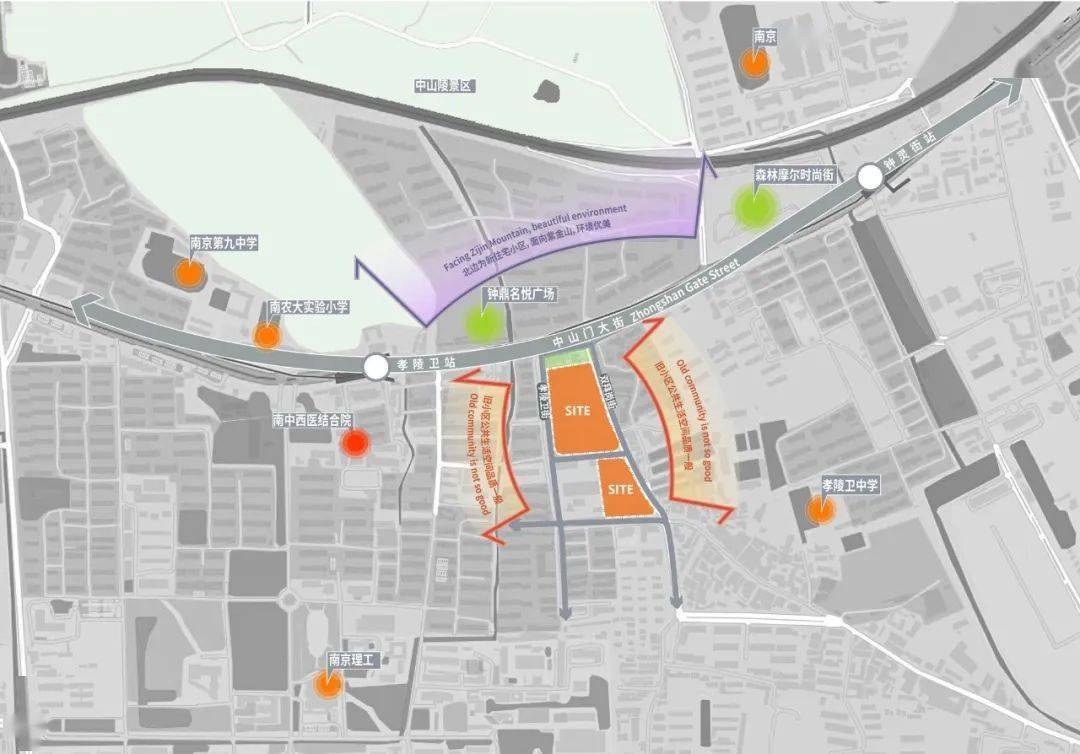
△ Location analysis chart
However, the area’s development has lagged behind. Residents lack community cohesion, building facades are outdated, and the overall aesthetic and quality of life fall short. This project aims not only to design residential communities tailored to local conditions and provide superior urban services but also to bridge the aesthetic gap and improve connectivity between city and community.
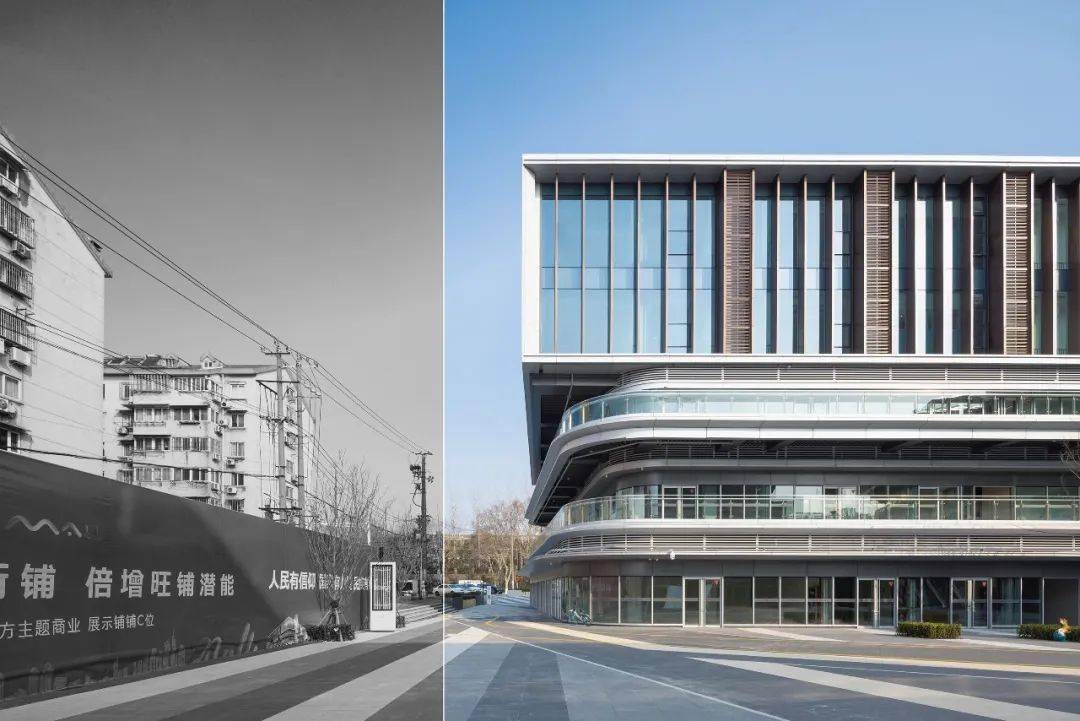
△ Outdated building facades © Liu Songkai
△ Bridging the aesthetic gap in residents’ daily lives © Liu Songkai
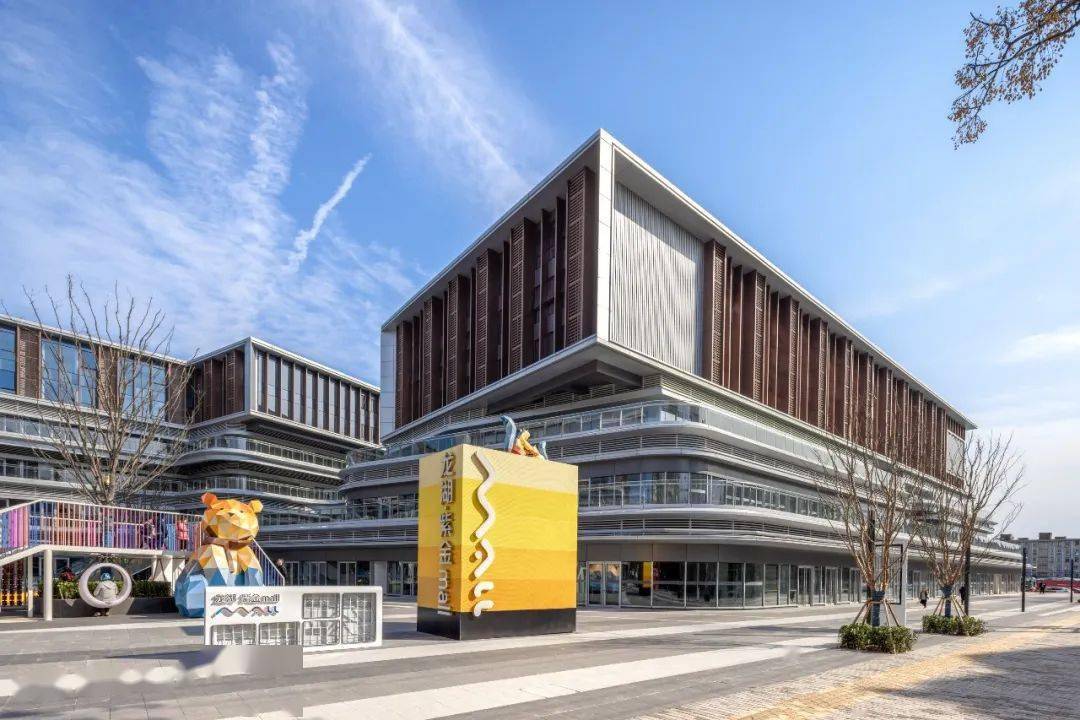
Taking the site’s context into account, the design team analyzed current conditions and traffic flow patterns, dividing the northern plot — closest to the subway and main roads — into commercial, office, and urban-related facilities to create an appealing urban interface and improve the area’s image.
The quieter, scenic southern plot adjacent to secondary roads is reserved for residential buildings and community service centers, providing a livable, active environment.
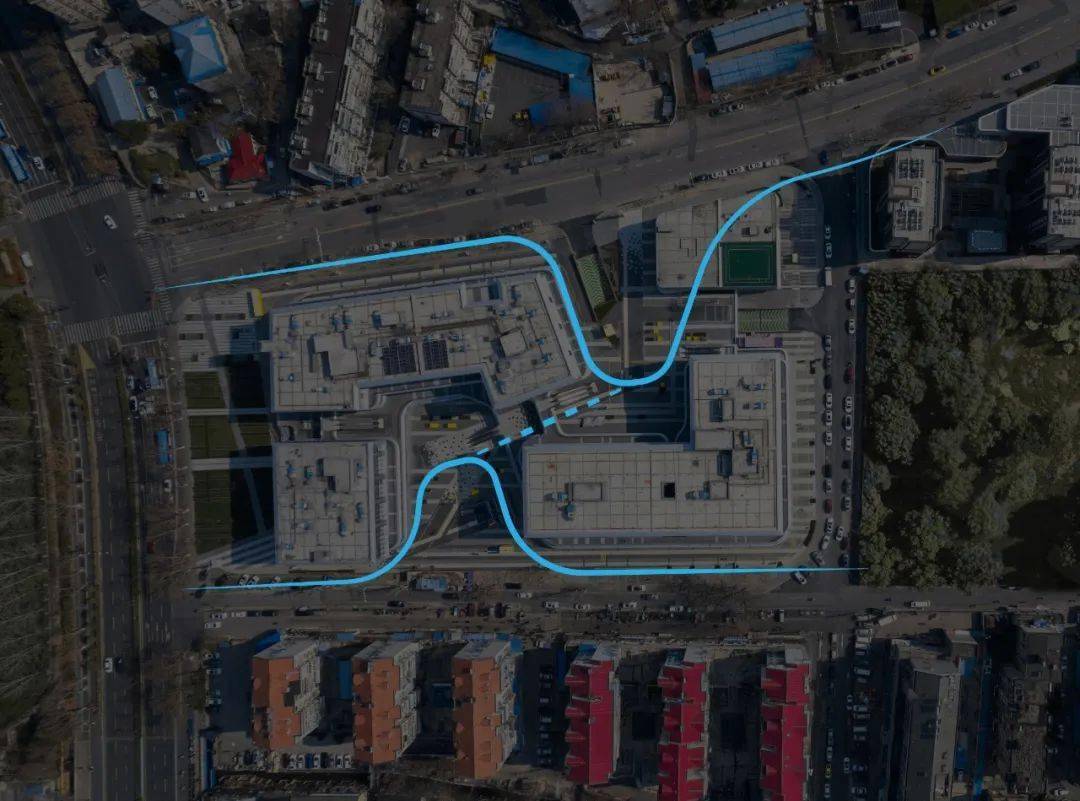
△ Traffic flow analysis © Liu Songkai
North plot: Commercial complex © Liu Songkai
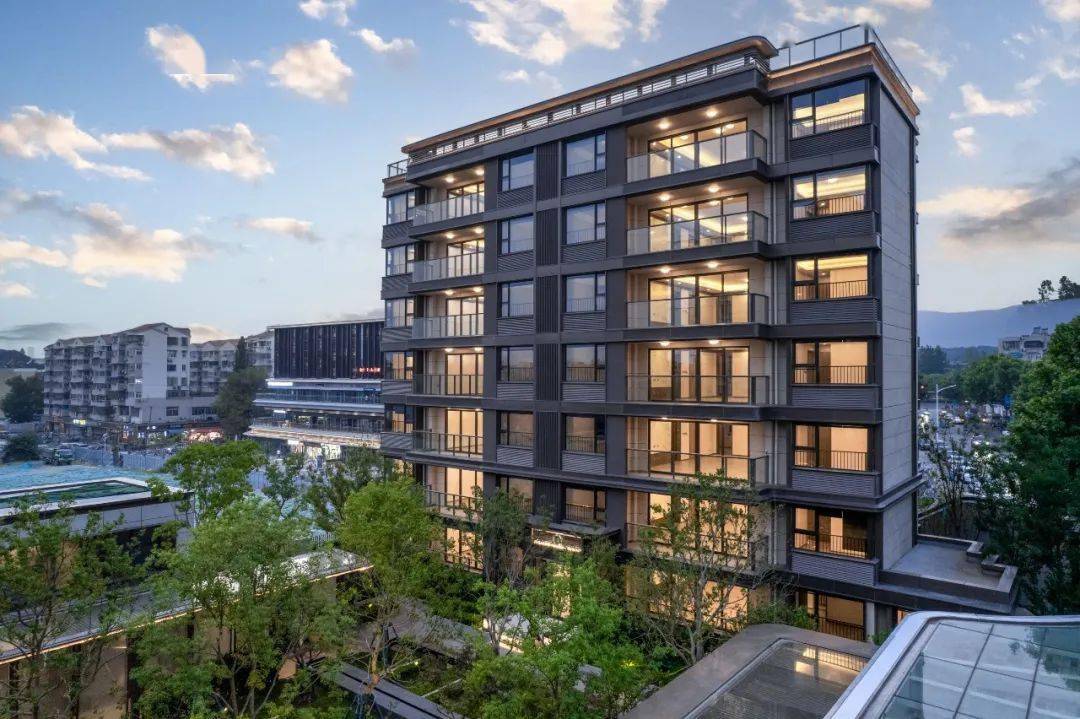
South plot: Residential area © Liu Songkai
02 Breaking Venue Limitations
Creating Multi-Dimensional Commercial Spaces
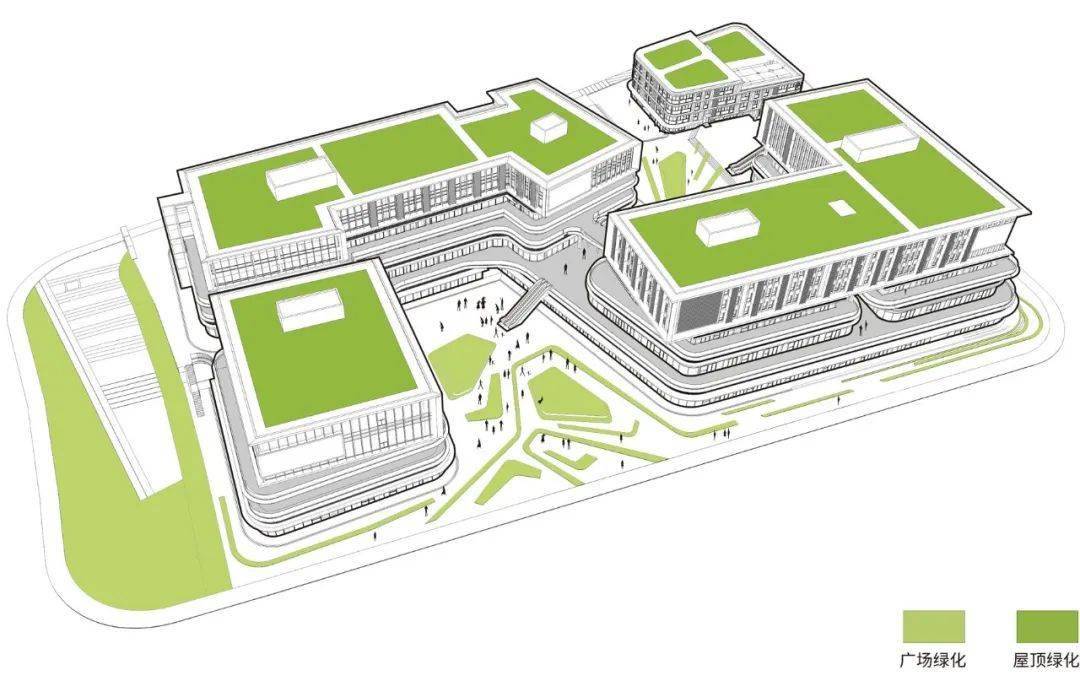
Maximizing pedestrian flow with an inverted S-shaped ‘X’ layout to attract customers
The area surrounding the site mainly consists of older residential neighborhoods with average environmental quality and a lack of high-quality commercial and public spaces. Within these constraints, the commercial design uses a unique inverted S-shaped layout to maximize commercial potential. Additionally, open plazas return public space to the city, forming a high-quality community and achieving multi-plot synergy to boost commercial and urban development value.
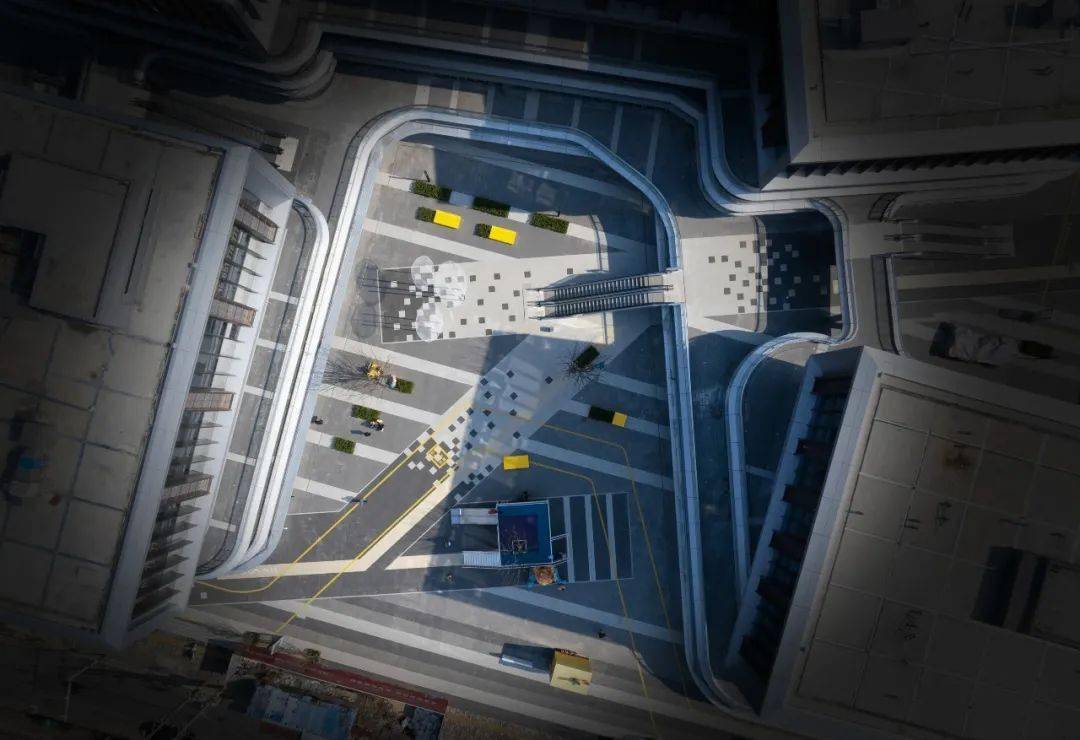
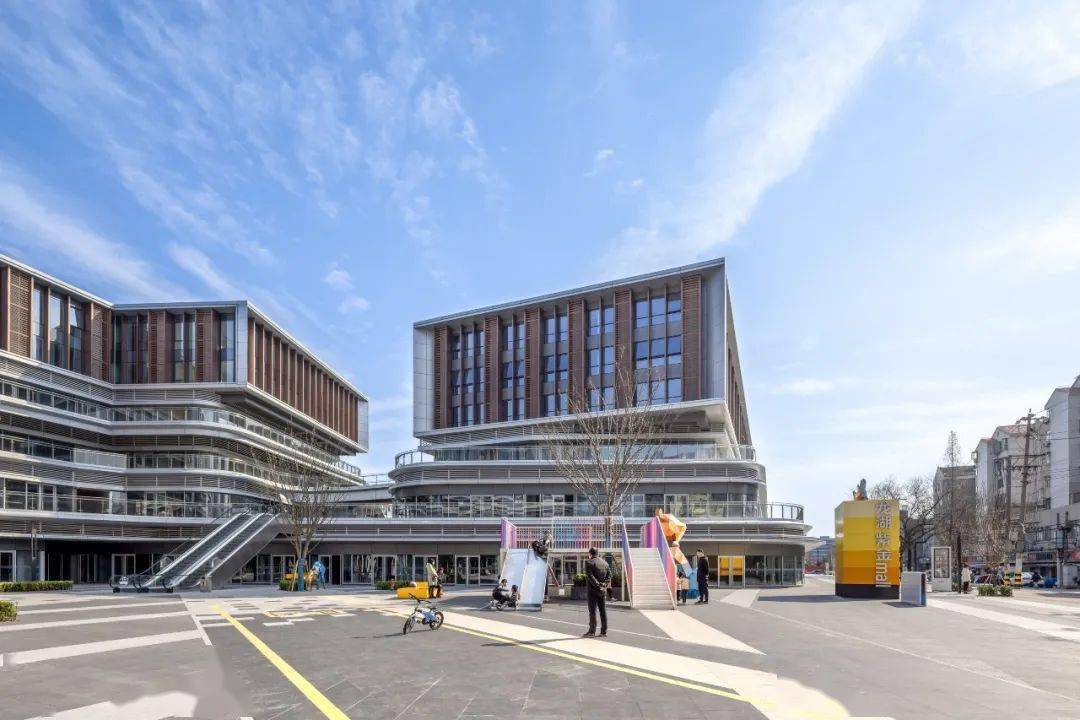
△ Returning public space to the city © Liu Songkai
Traditional commercial complexes, whether block-style or Hui-shaped street businesses, often have inner streets or facades hidden from view. To maximize commercial value, more outer-facing storefronts are essential. The inverted S-shaped layout transforms internal spaces into externally accessible and visible commercial fronts.
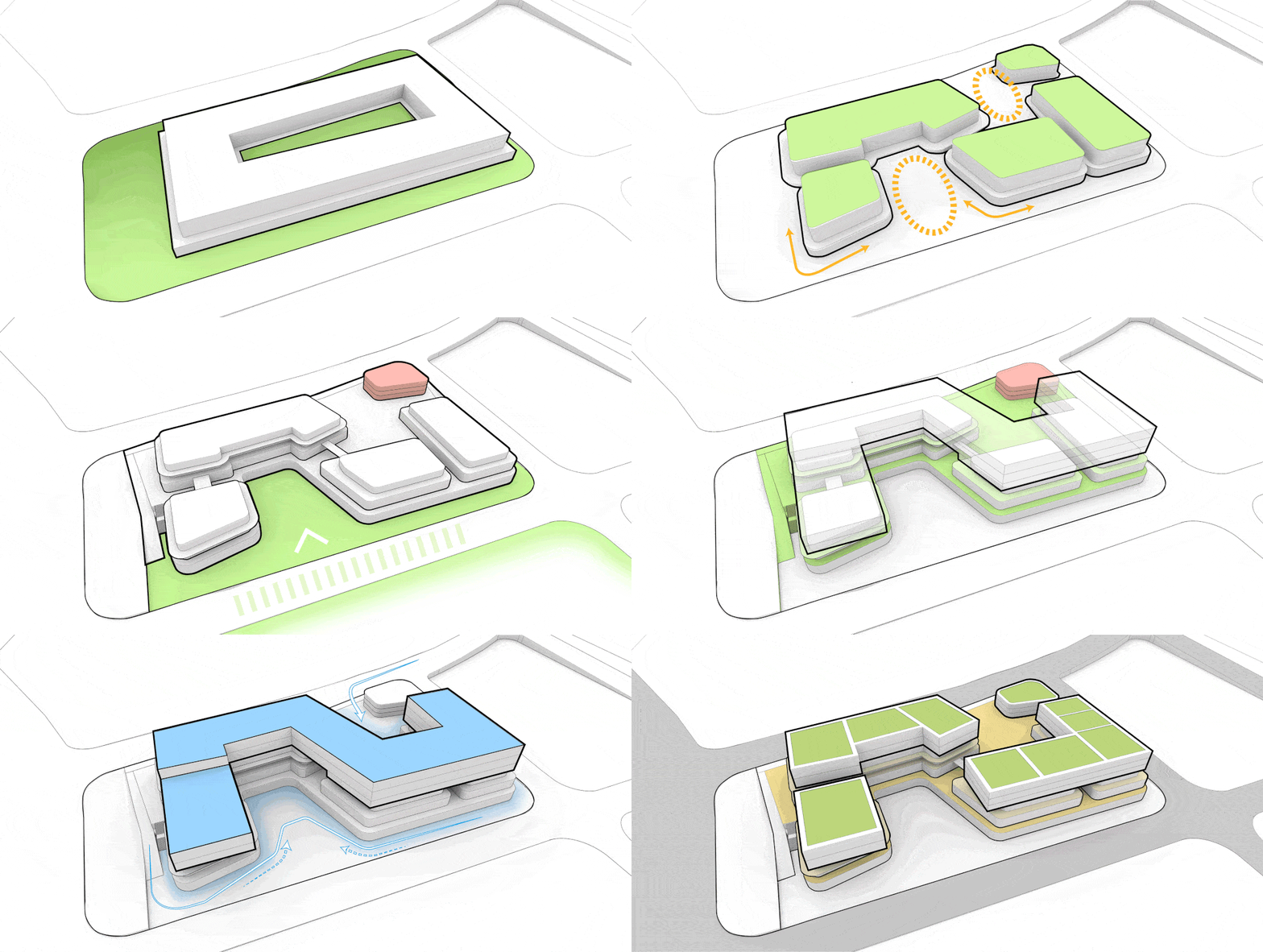
△ Concept illustration
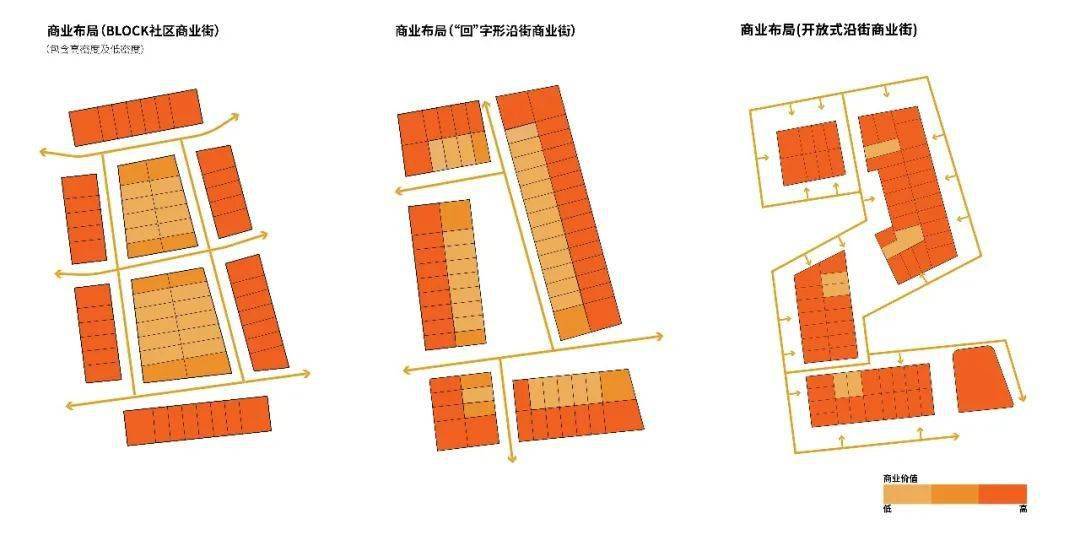
Analysis of the inverted S-shaped commercial layout
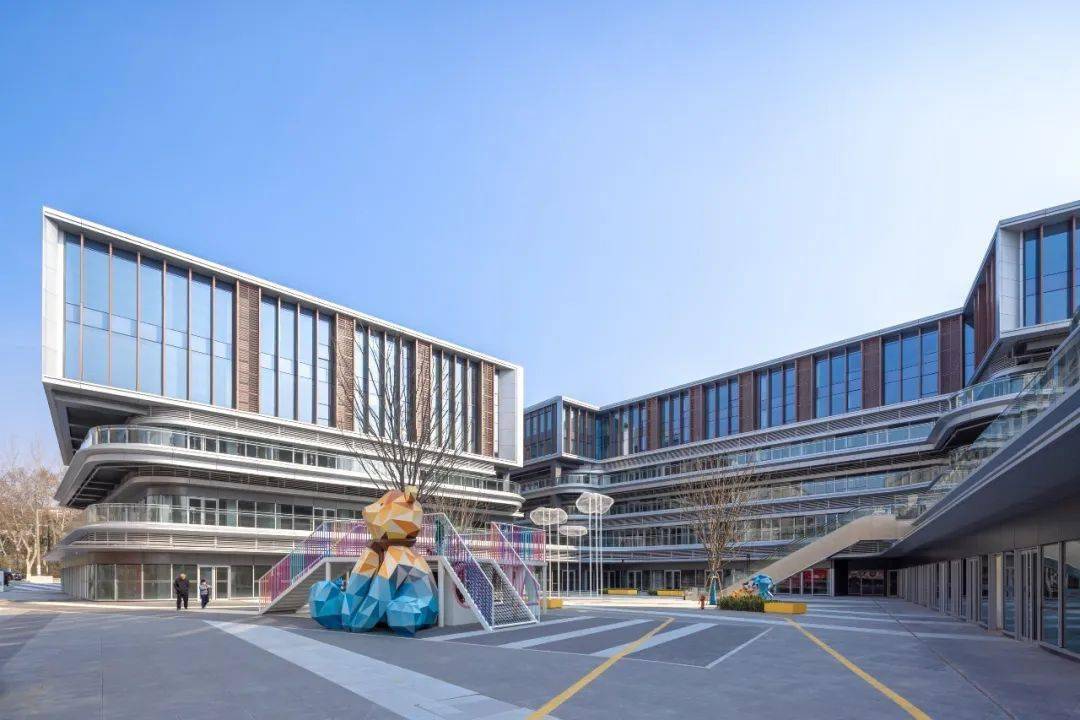
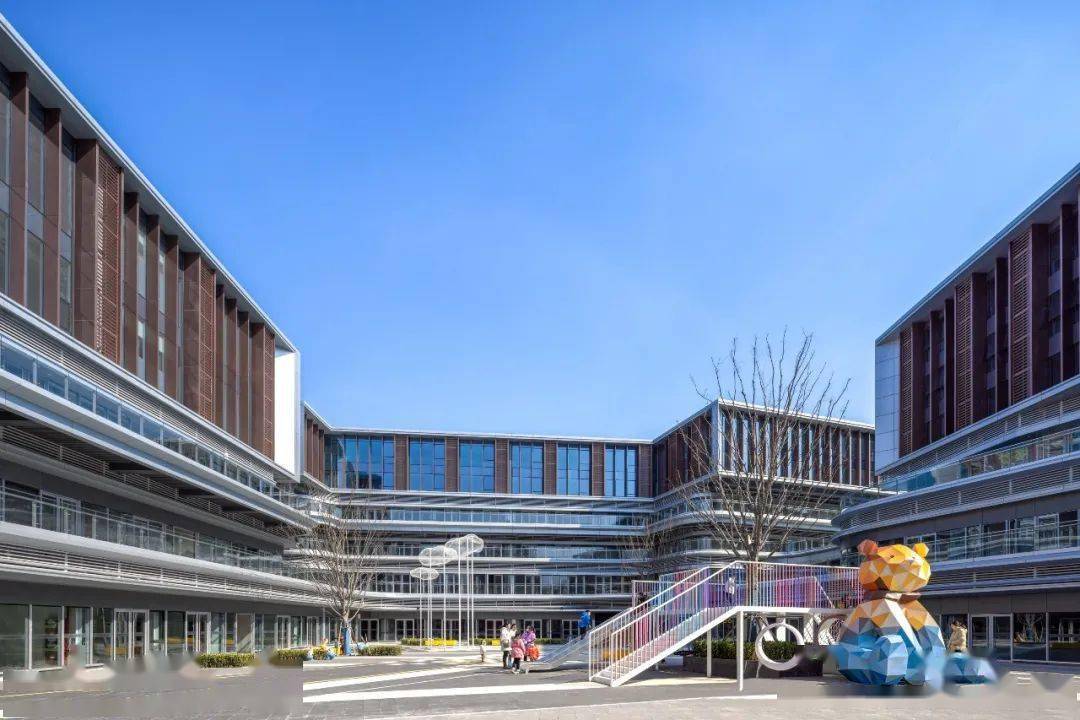
This high-quality design achieves a clear and simple flow while naturally creating two outward-facing civic plazas. These plazas introduce a continuous, personalized, and spatially ordered theme. Open gathering areas integrate vibrant city life, compensating for the lack of public activity spaces nearby while enhancing commercial vibrancy and social value.
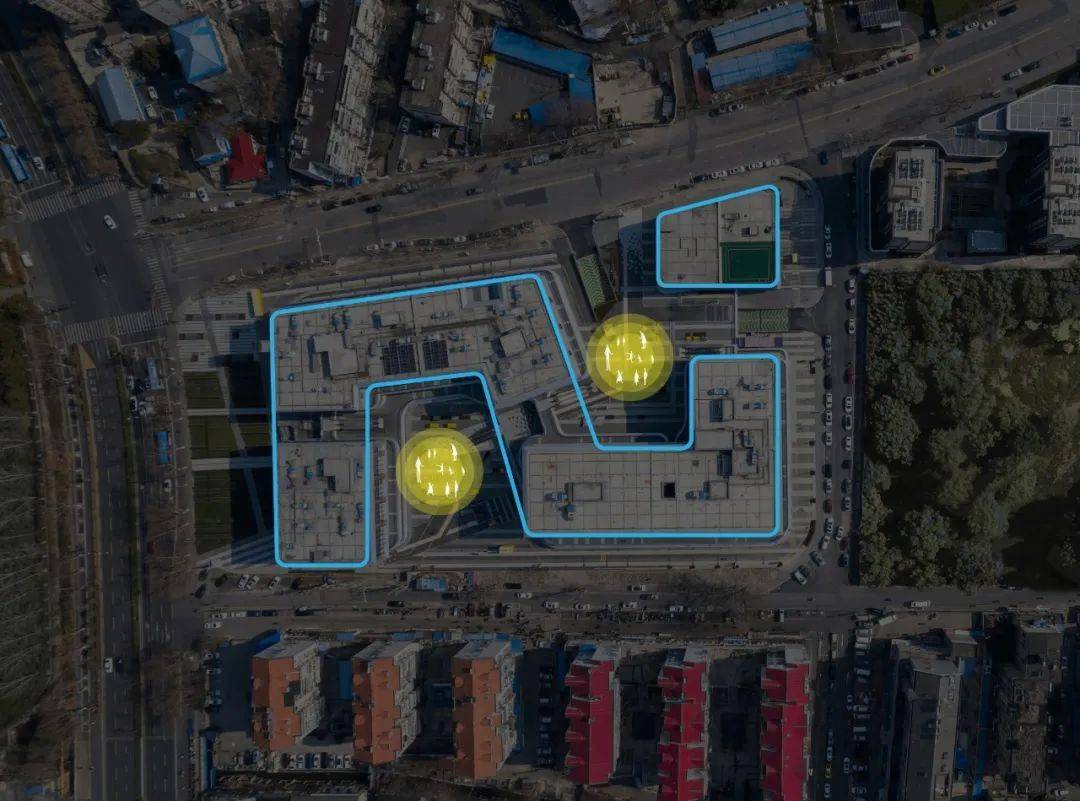
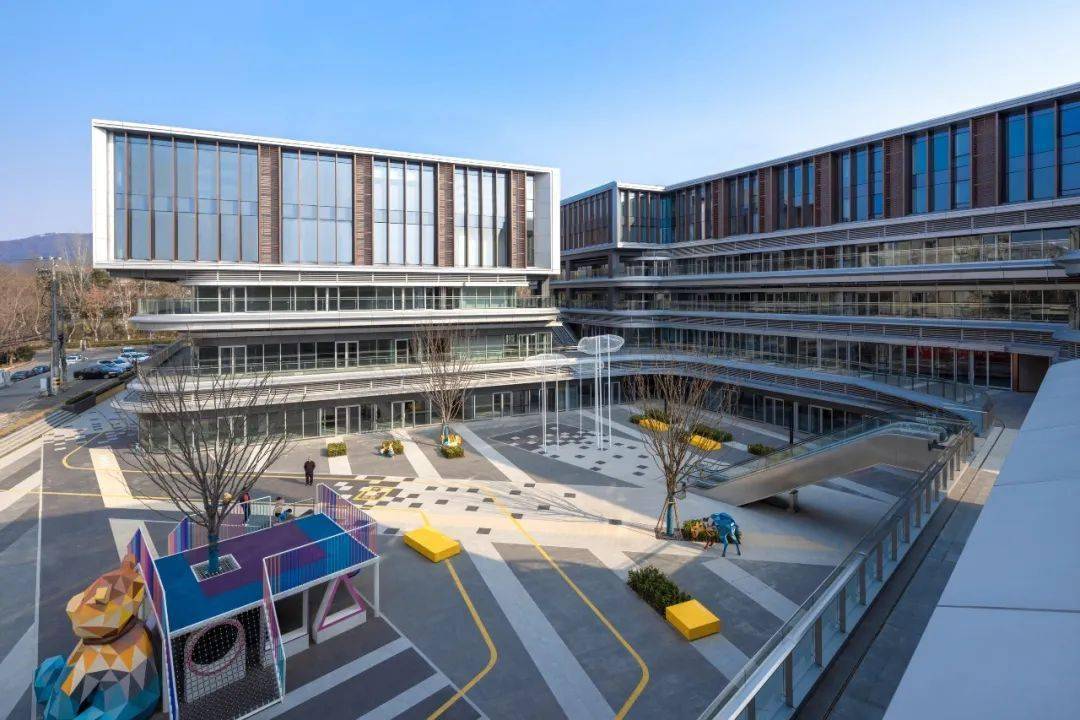
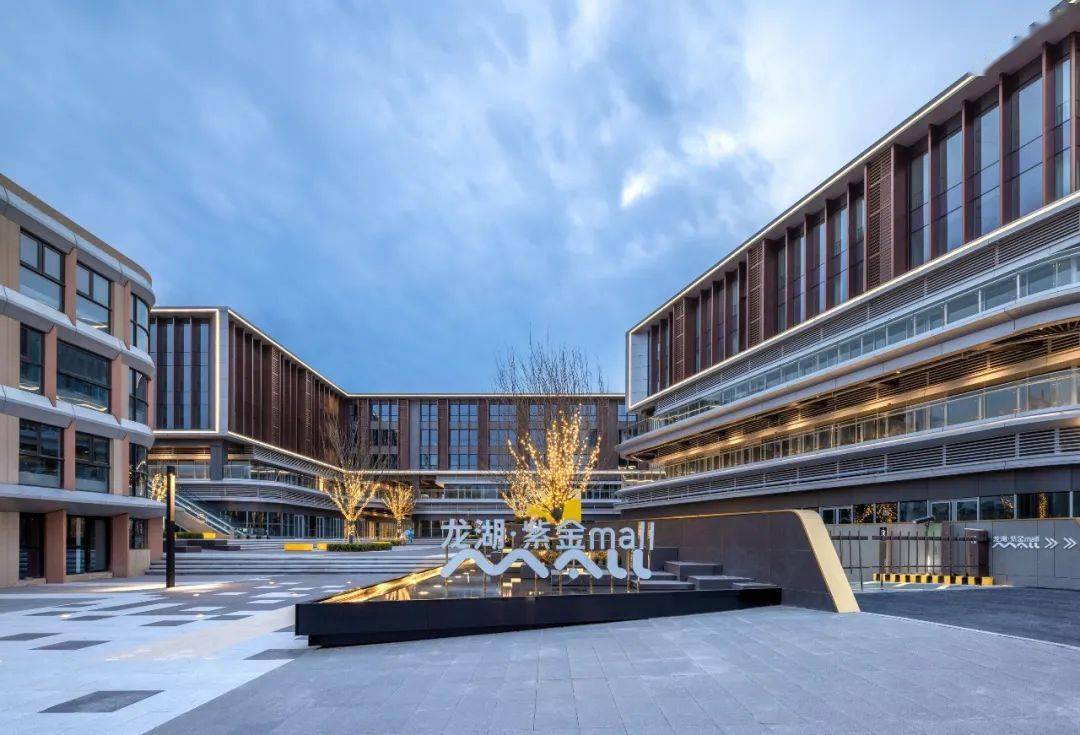
Two outward-facing civic plazas © Liu Songkai
Smart terrain use creates a double first-floor to overcome site height differences
The site has a significant height difference of over 4 meters between its northeast and southwest sides, posing a major design challenge. Managing the relationship between the environment and spatial functions, while addressing technical constraints from the uneven terrain, was the primary breakthrough.
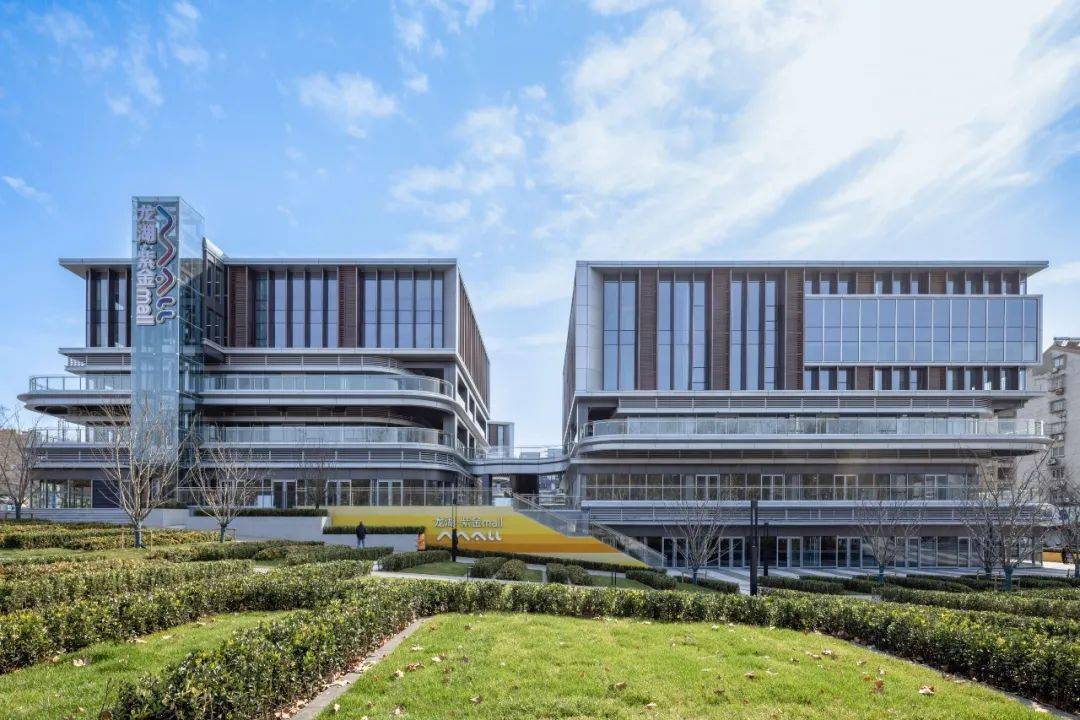
△ Double first-floor design © Liu Songkai
The design team turned this challenge into an advantage by creating a “double first-floor” layout, increasing commercial display areas and facilitating well-connected commercial spaces.
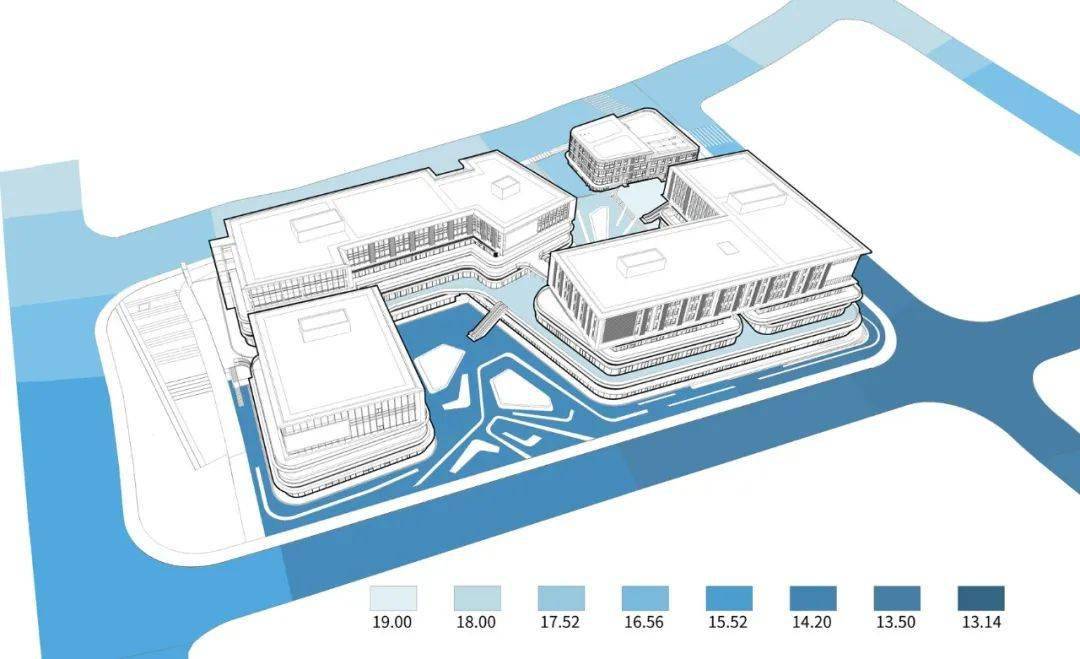
△ Double first-floor city interface
The commercial area near the subway station and Zijinshan Parent Child Plaza is set at the lower ground floor. The cultural-themed plaza on the first-floor plot’s southeast side is accessible via escalators or outdoor landscaped paths, dispersing and connecting pedestrian flow to guide and energize the first-floor commercial area, forming a vibrant commercial route.
The third and fourth floors consist of inner corridor-style commercial spaces mirroring the lower levels, further strengthening the plaza’s cohesion.
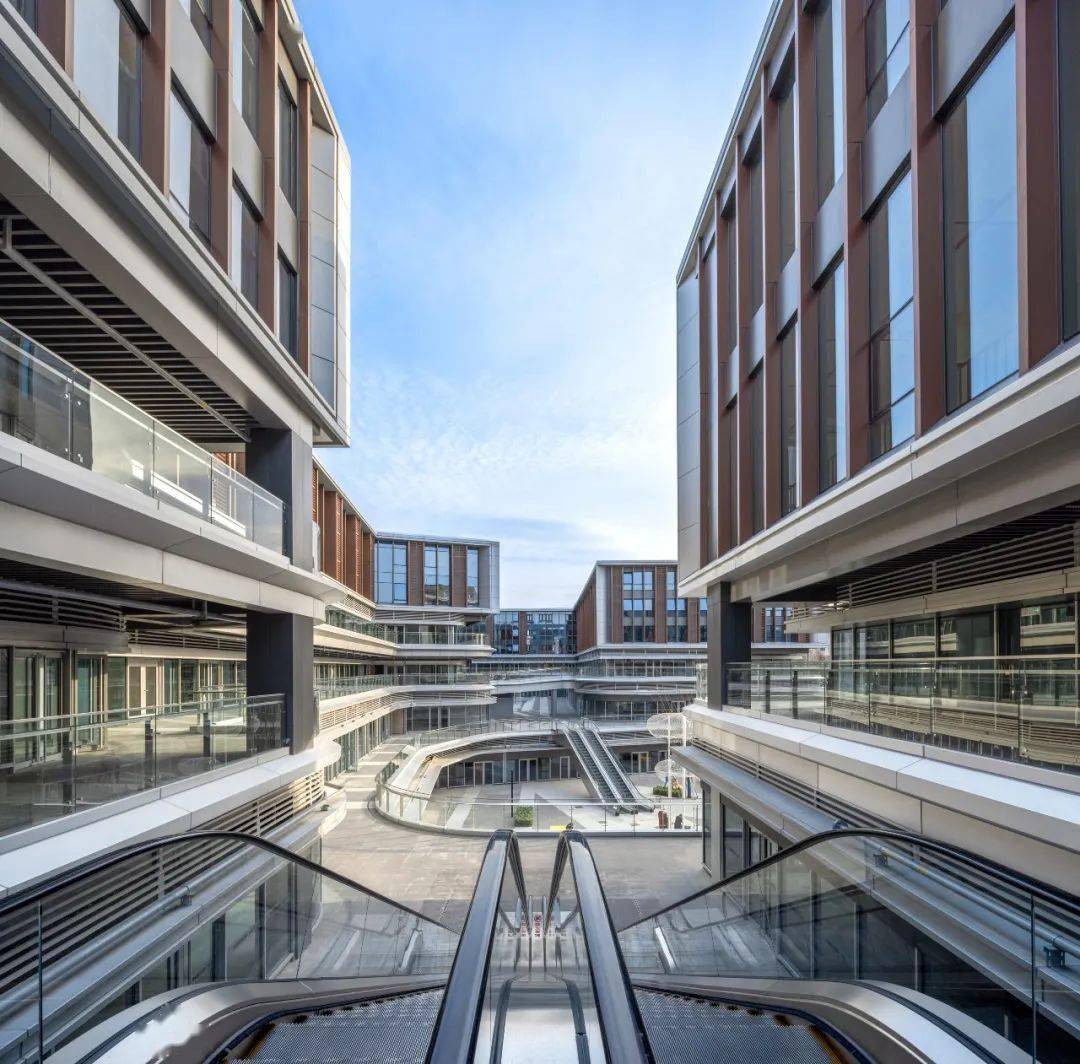
△ Well-connected commercial space © Liu Songkai
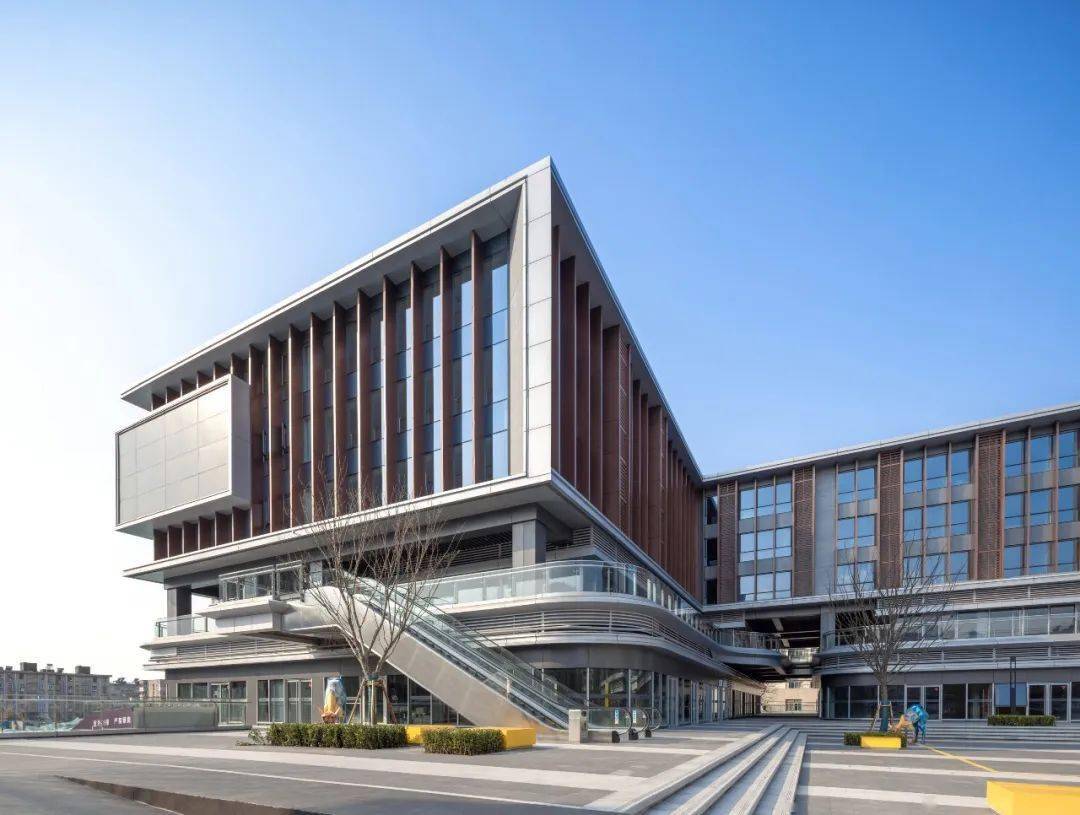
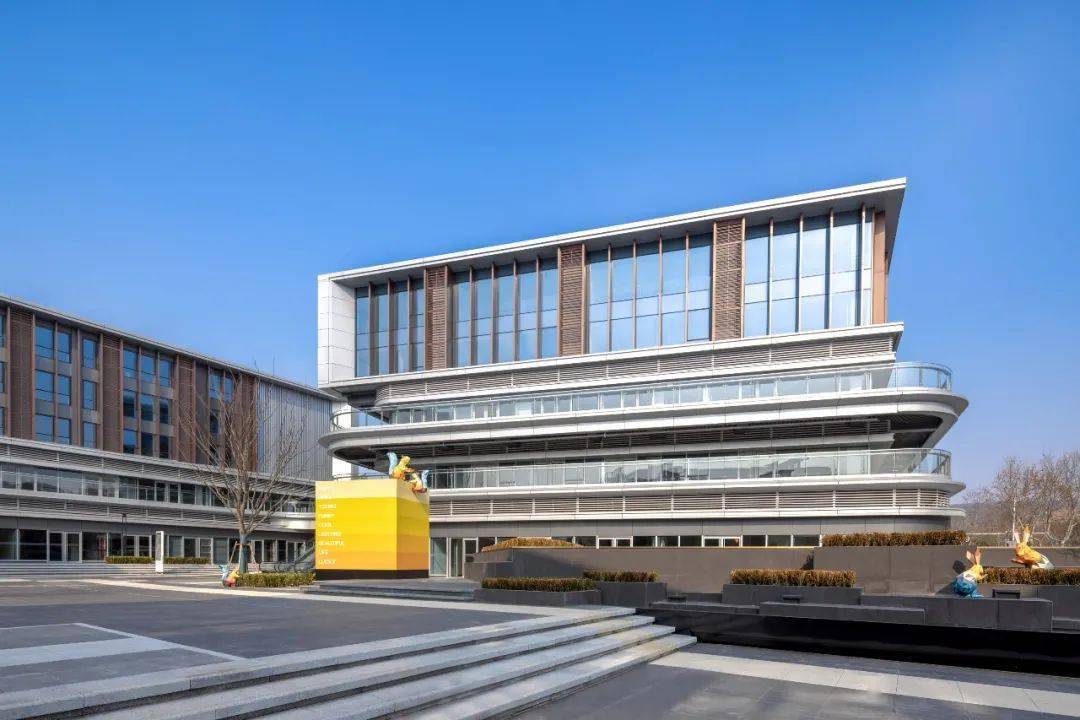
Regarding color and materials, the architect employed a segmented facade design to respond differently to urban interfaces at varying heights. The base features curved forms that combine a sense of enclosure with a fashionable appeal, drawing visitors in. The upper portions use modern right-angled facades with concealed glass curtain walls and external vertical elements to create rhythm.
Traditional elements are thoughtfully incorporated to echo the area’s heritage. The complex includes advertising spaces, LED installations, and color-changing lighting effects, making it a regional focal point.
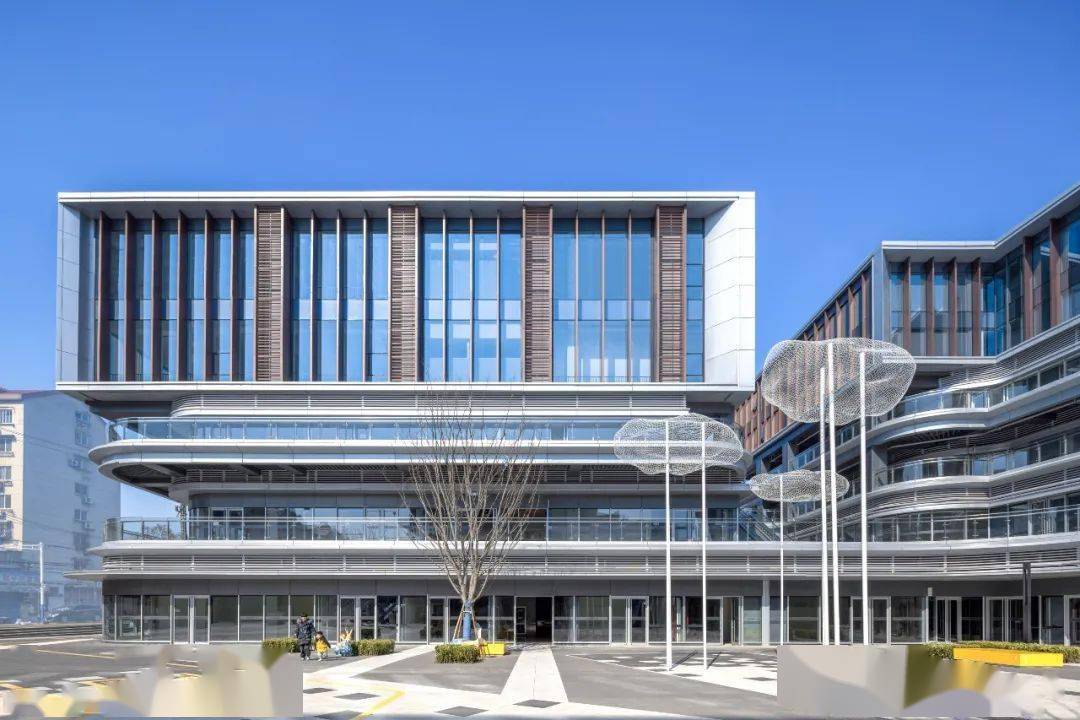
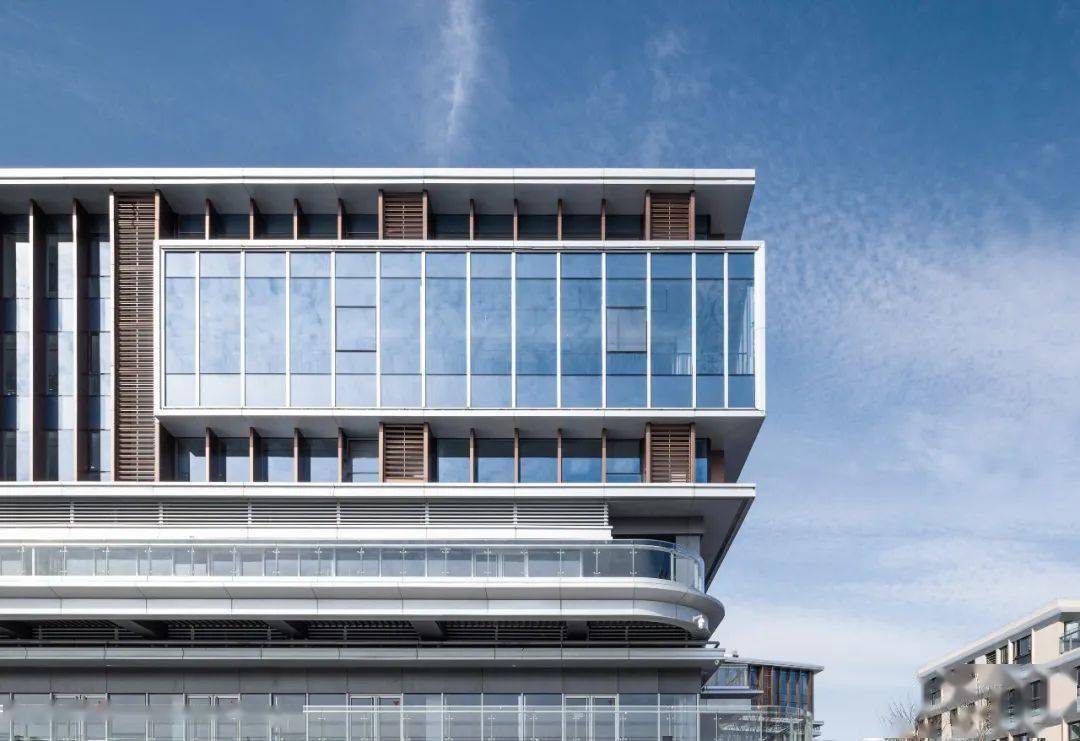
△ Segmented facade design © Liu Songkai
03 Mastering Community Quality
Attention to Detail Throughout the Entire Process
The story behind the beauty: invisible equipment and pipeline techniques
Given the project’s sales focus and use of split air conditioning, the architect dedicated significant effort to concealing mechanical and electrical equipment to preserve the building’s facade aesthetics.
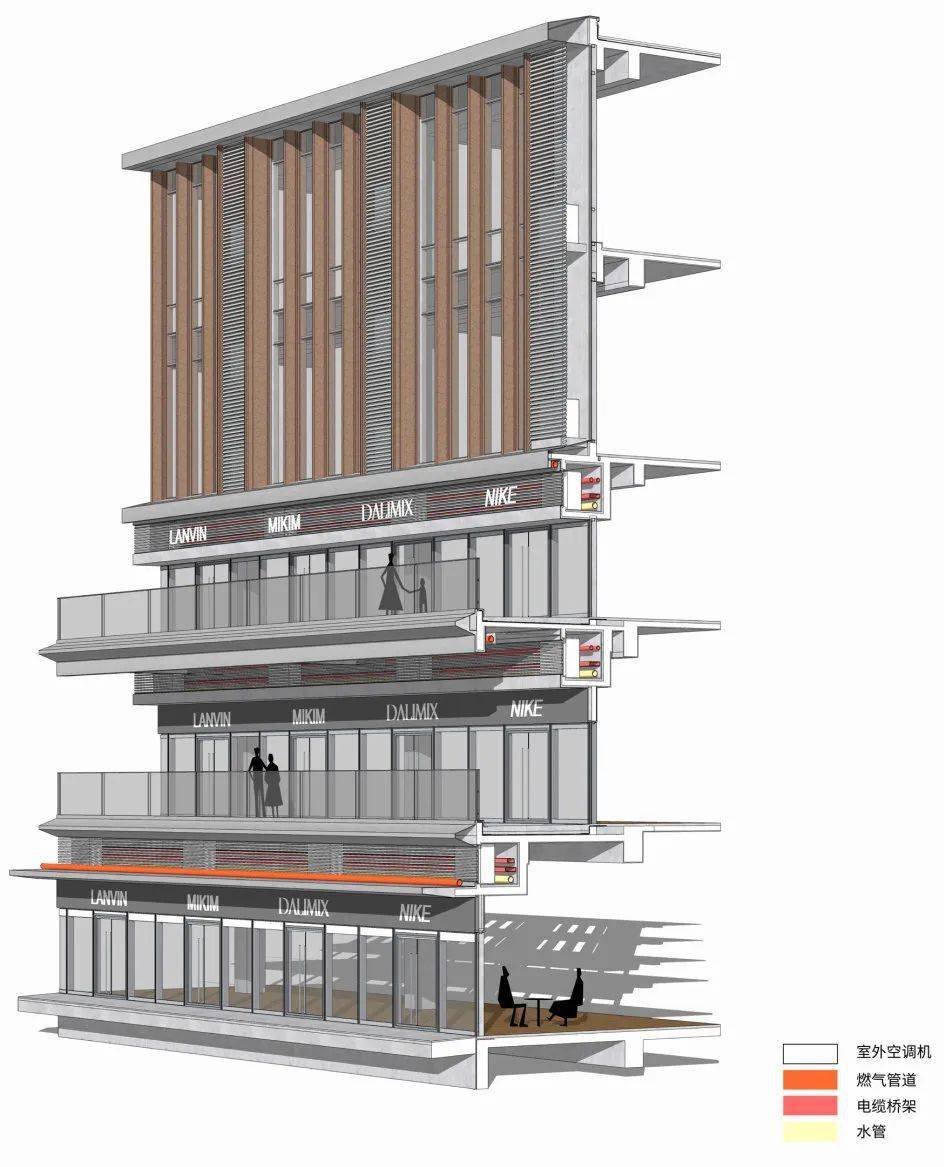
△ Facade shading schematic
The outdoor air conditioning units are housed in cavities above store signs, while electrical cables and water pipes are hidden within available spaces. Gas pipes that cannot be concealed are placed either above canopies or integrated into the design. Although policy constraints prevented hiding gas pipes within beams as planned, painting them the building’s color minimized visual impact.
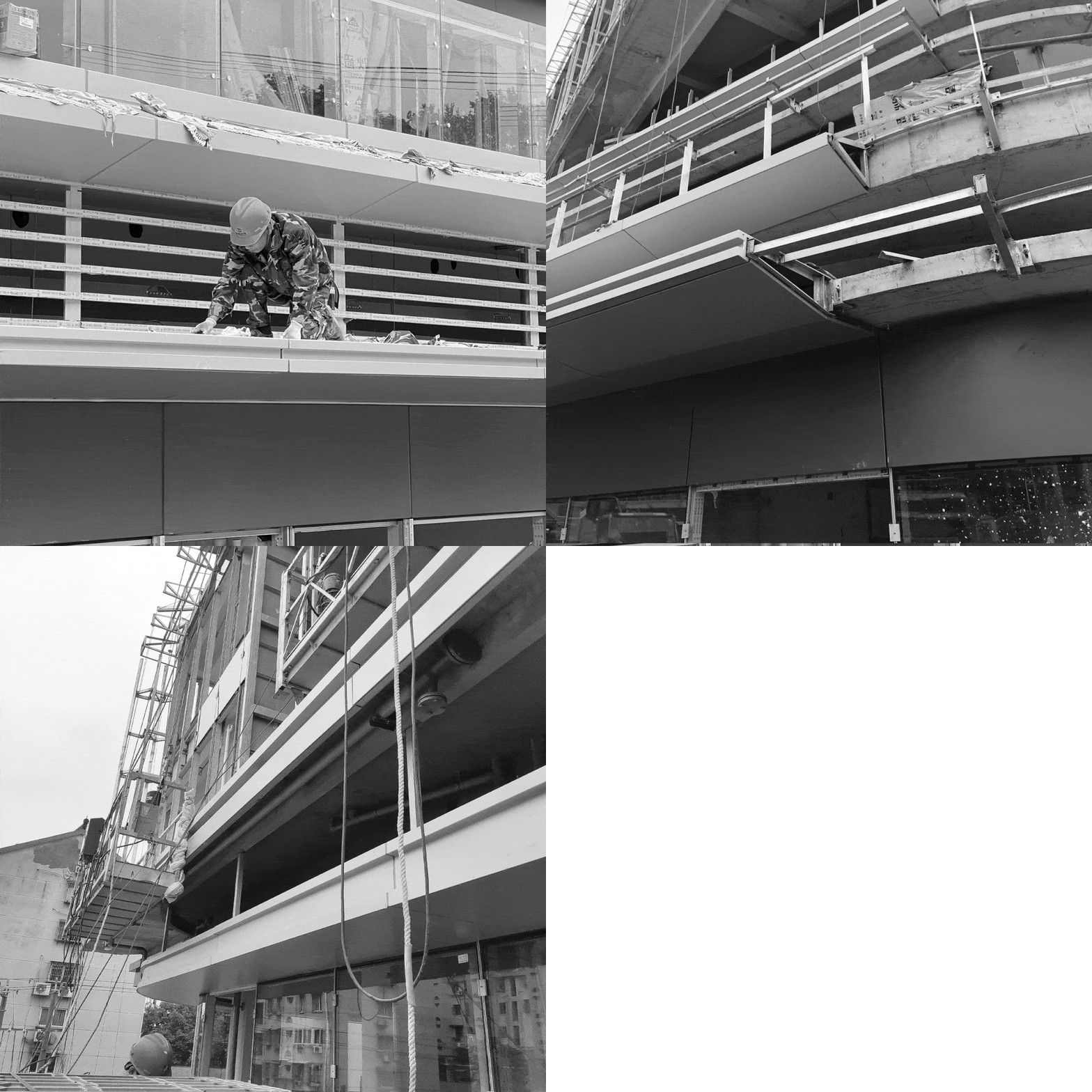
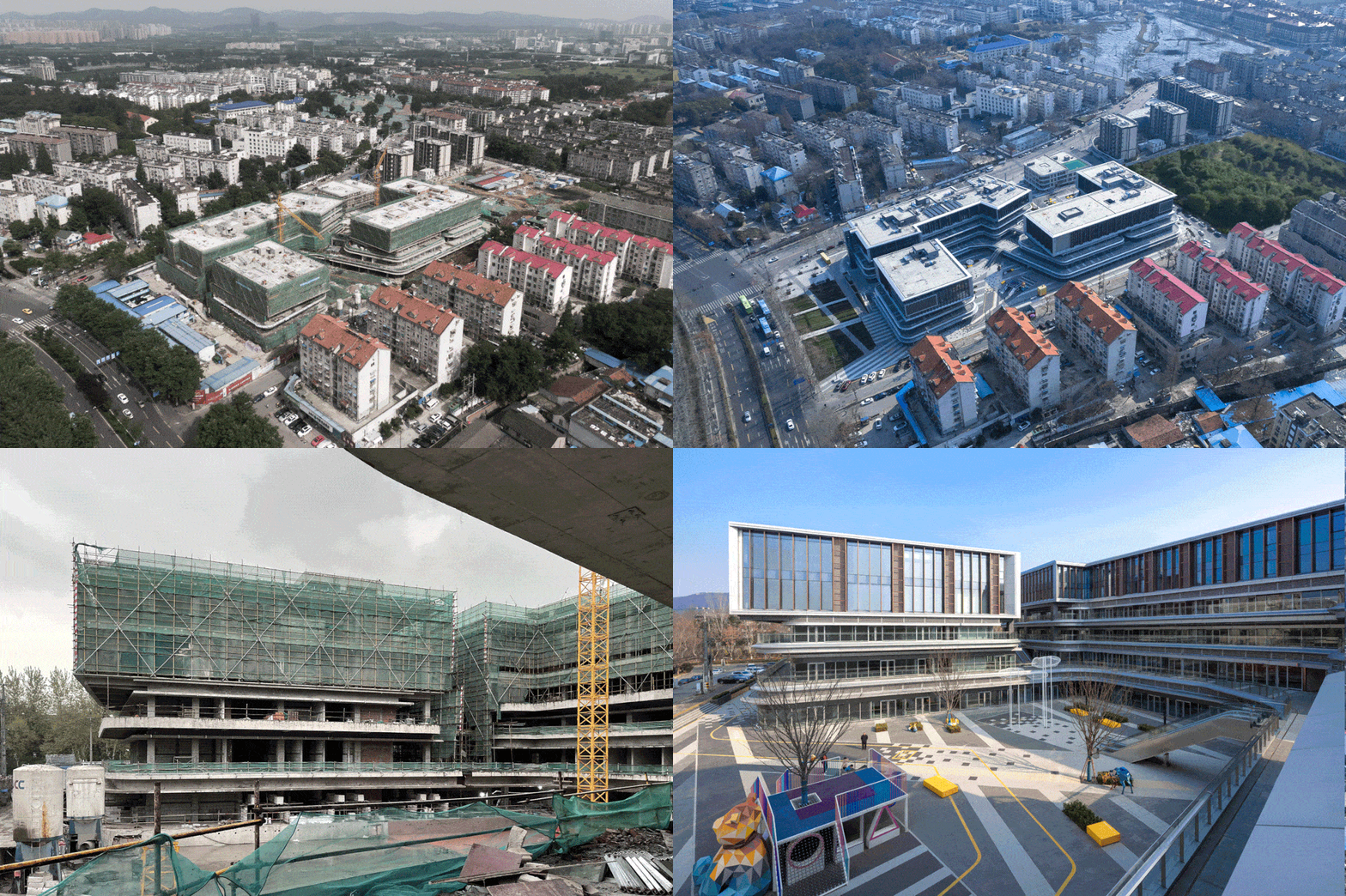
△ Partial construction process photos
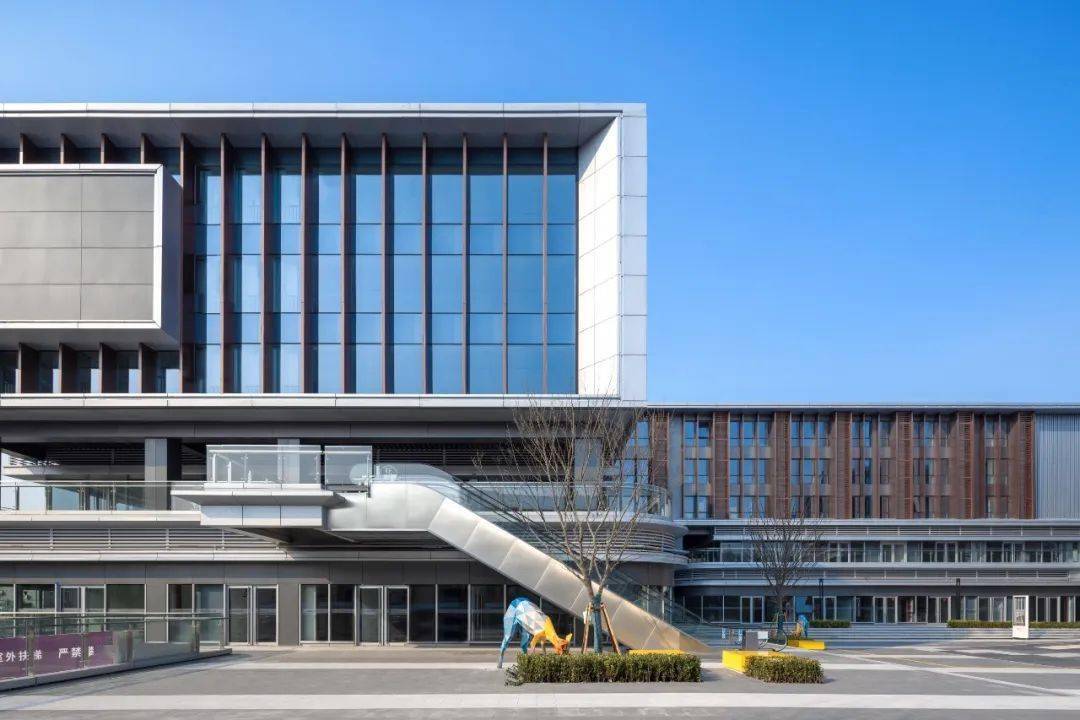
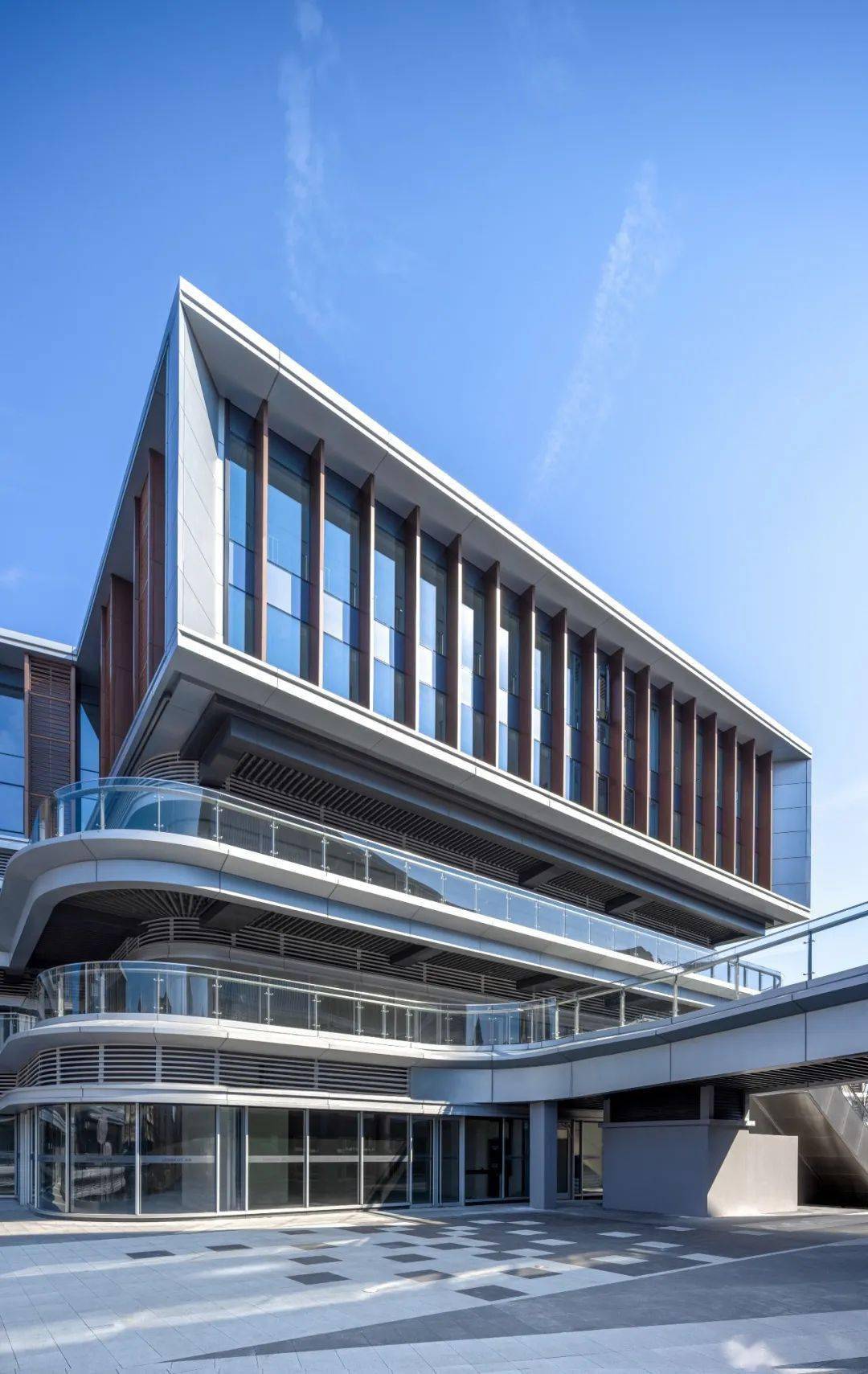
Concealing pipeline equipment ensures a clean and beautiful facade © Liu Songkai
Curtain Wall Closure: Solving the Challenge of Integrating Landscape and Architecture
Landscape is usually a project’s final highlight. Xiaolingwei’s notable height differences, especially at indoor-outdoor junctions, pose challenges. Without careful design, uneven gaps emerge between building materials and landscape features.
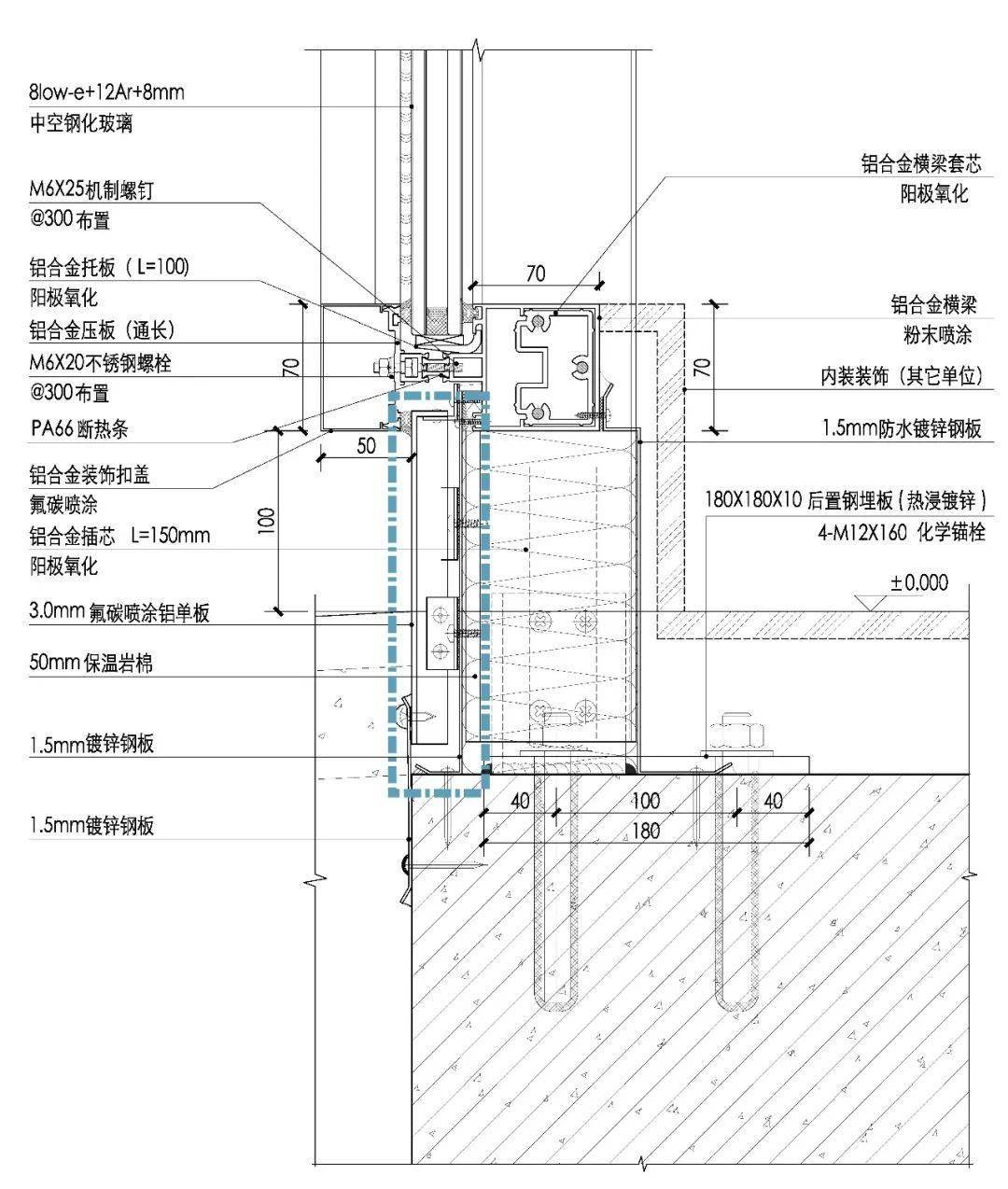
△ Curtain wall landscape transition node
The solution: closing the bottom of floor-to-ceiling glass curtain walls with raised aluminum profiles, reserving a visible aluminum plate that can be extended post-landscape completion. This approach simplifies landscape construction and prevents uneven gaps.
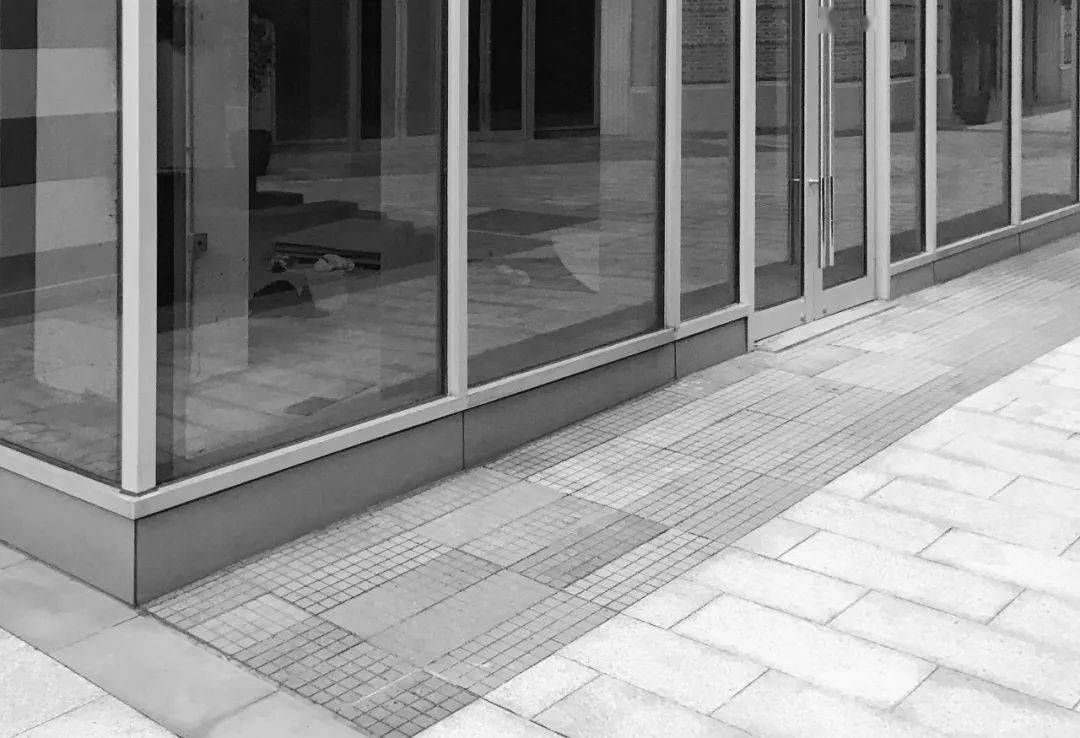
△ Seamless curtain wall and landscape transition
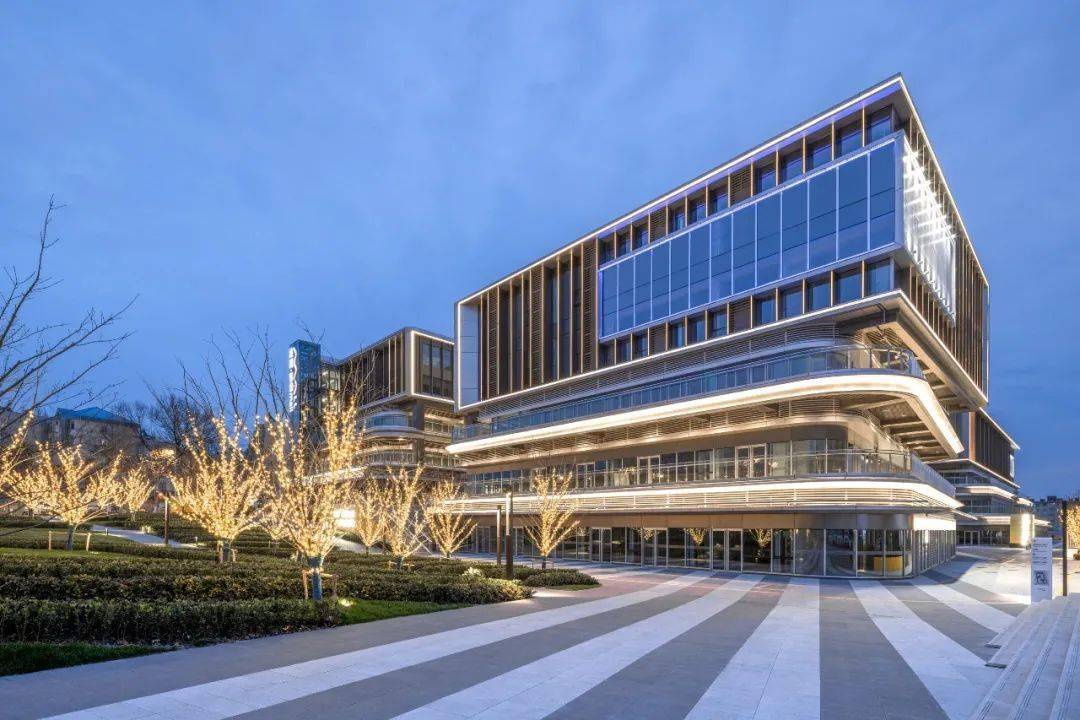
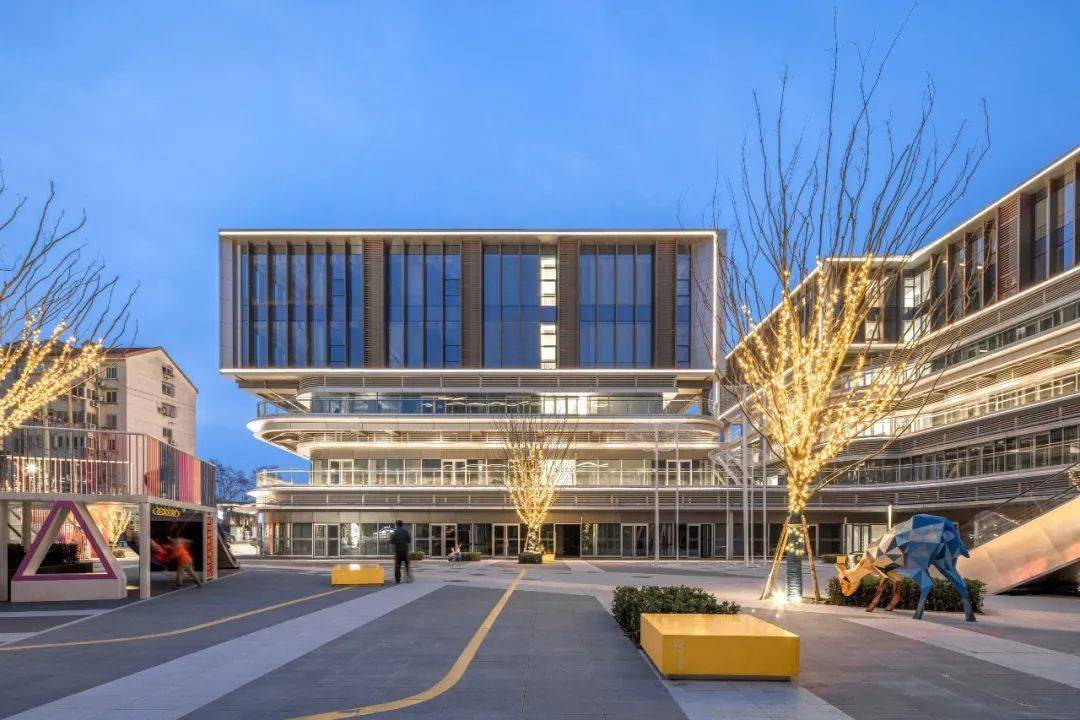
△ Perfect integration of landscape and architecture © Liu Songkai
Strict Craftsmanship and Detail Control
In a high-efficiency environment, project precision varies widely. Xiaolingwei uses numerous aluminum panels that require 9.5mm diameter self-tapping screws for assembly. Ideally, skilled construction maintains glue seams at 12mm after application.
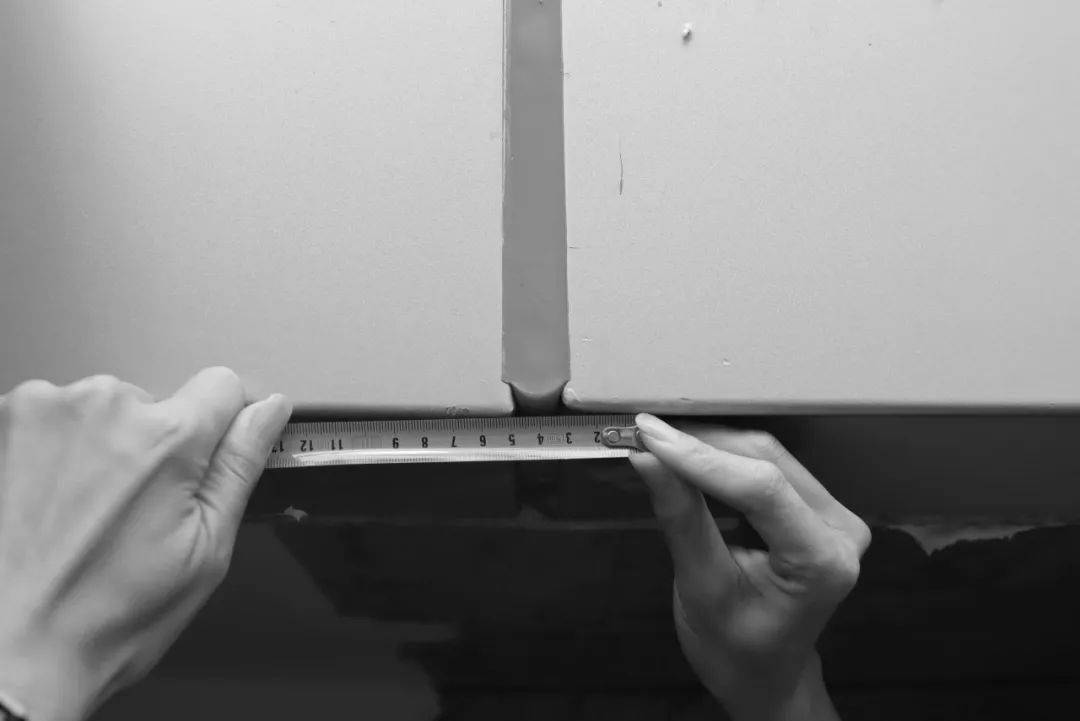
△ Measuring adhesive seams exceeding 12mm
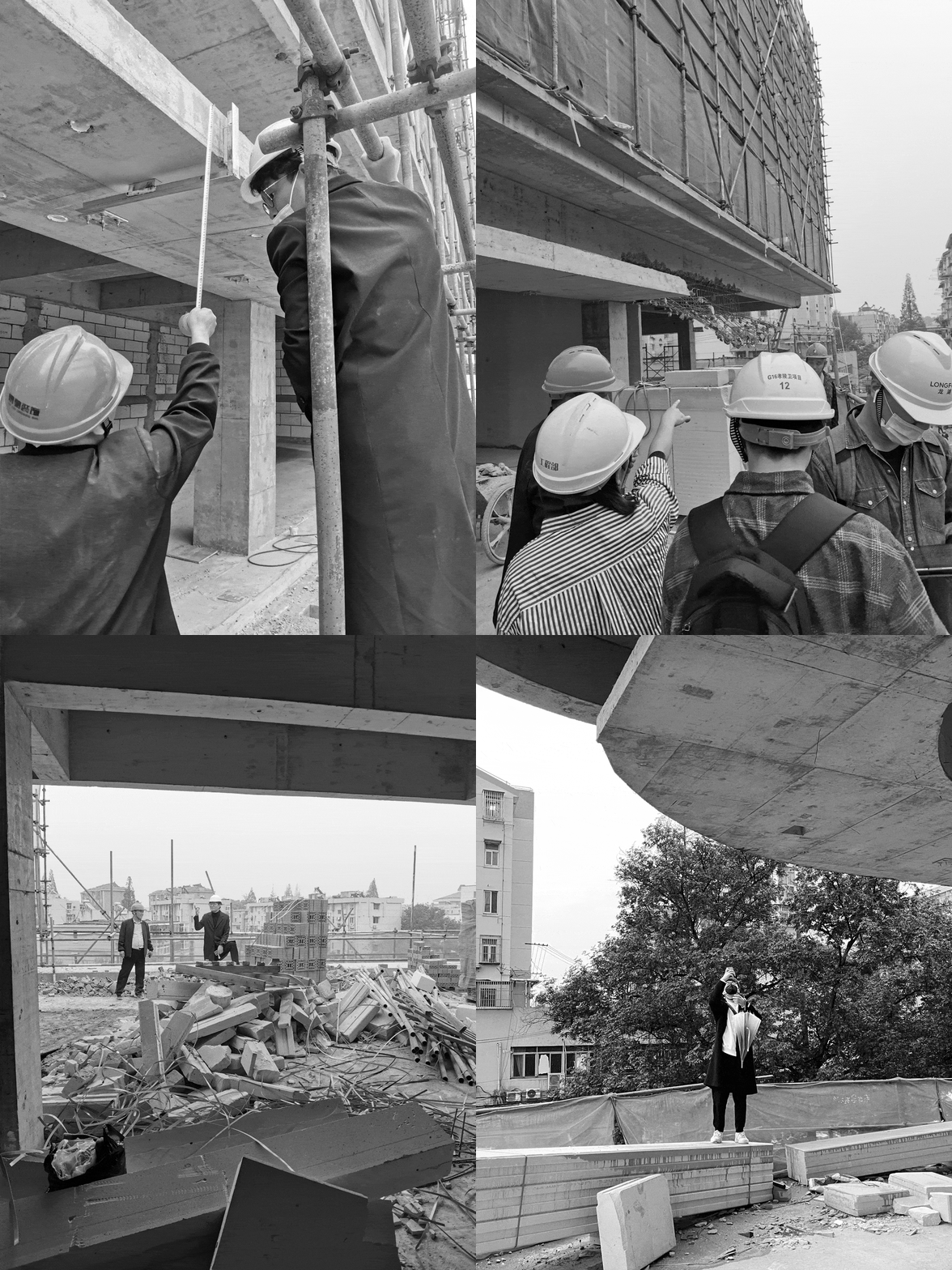
Architects conduct site inspections to control every construction detail
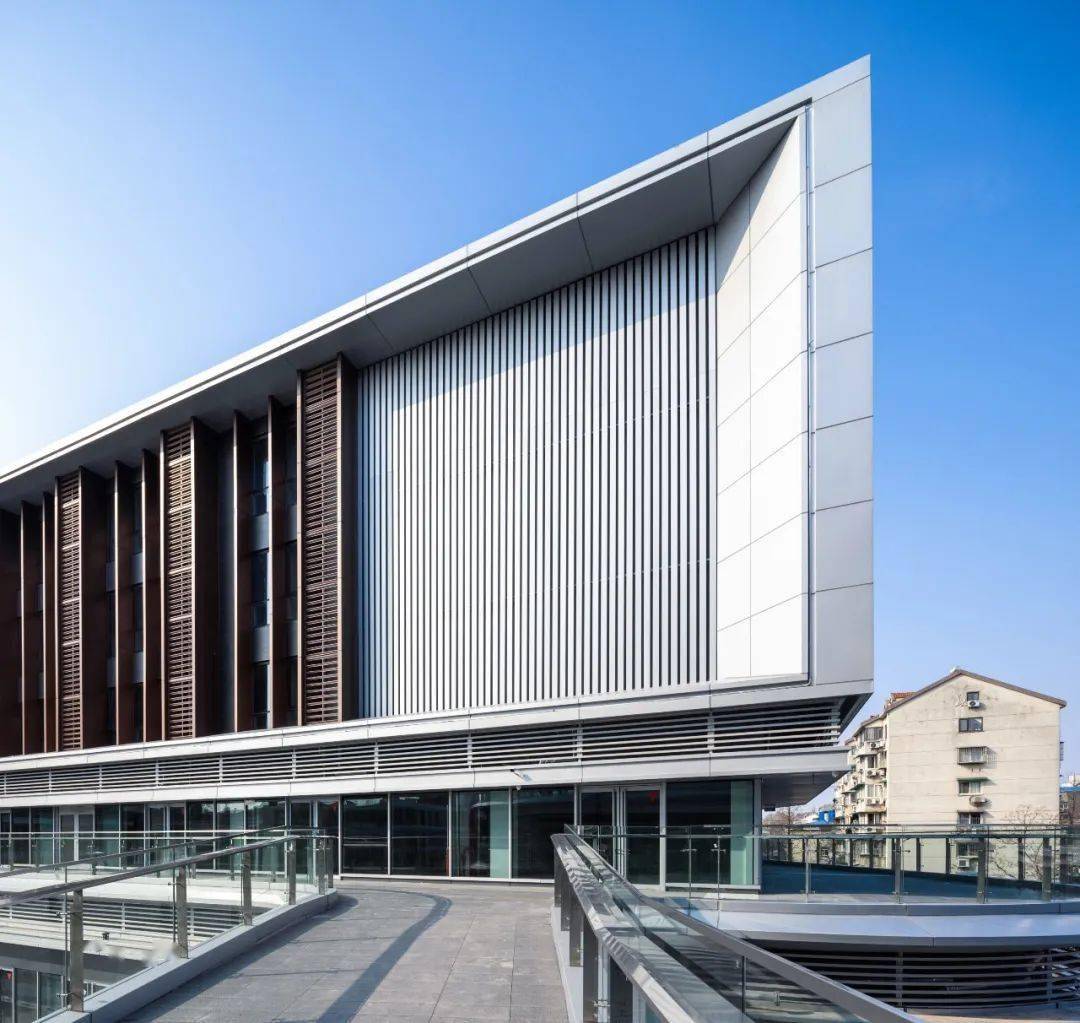
Strict control of aluminum panel appearance © Liu Songkai
In practice, factories often leave 15-20mm gaps during material cutting for convenience and tolerance. Gluing requires skilled workmanship; poor application can cause surface damage or misalignment.
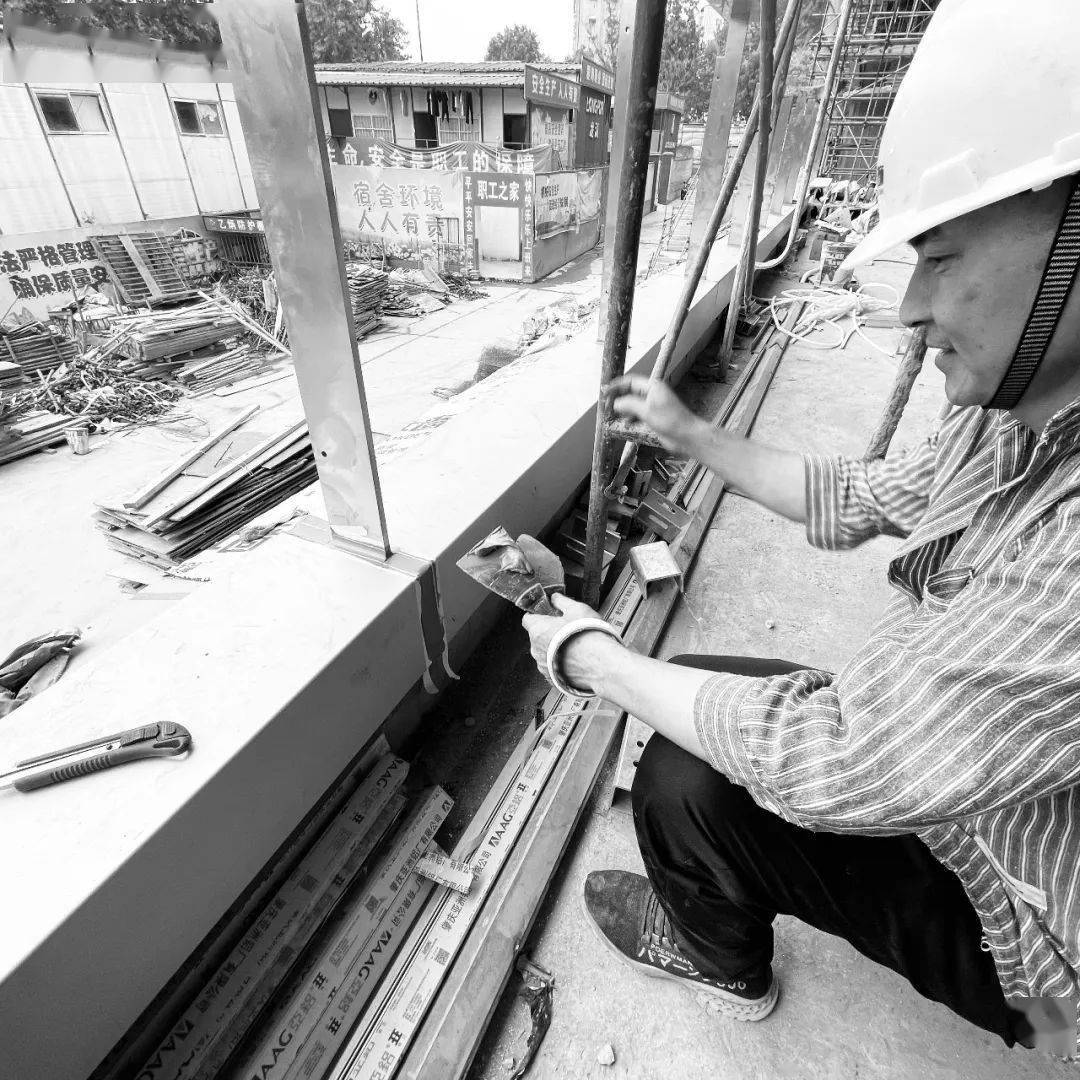
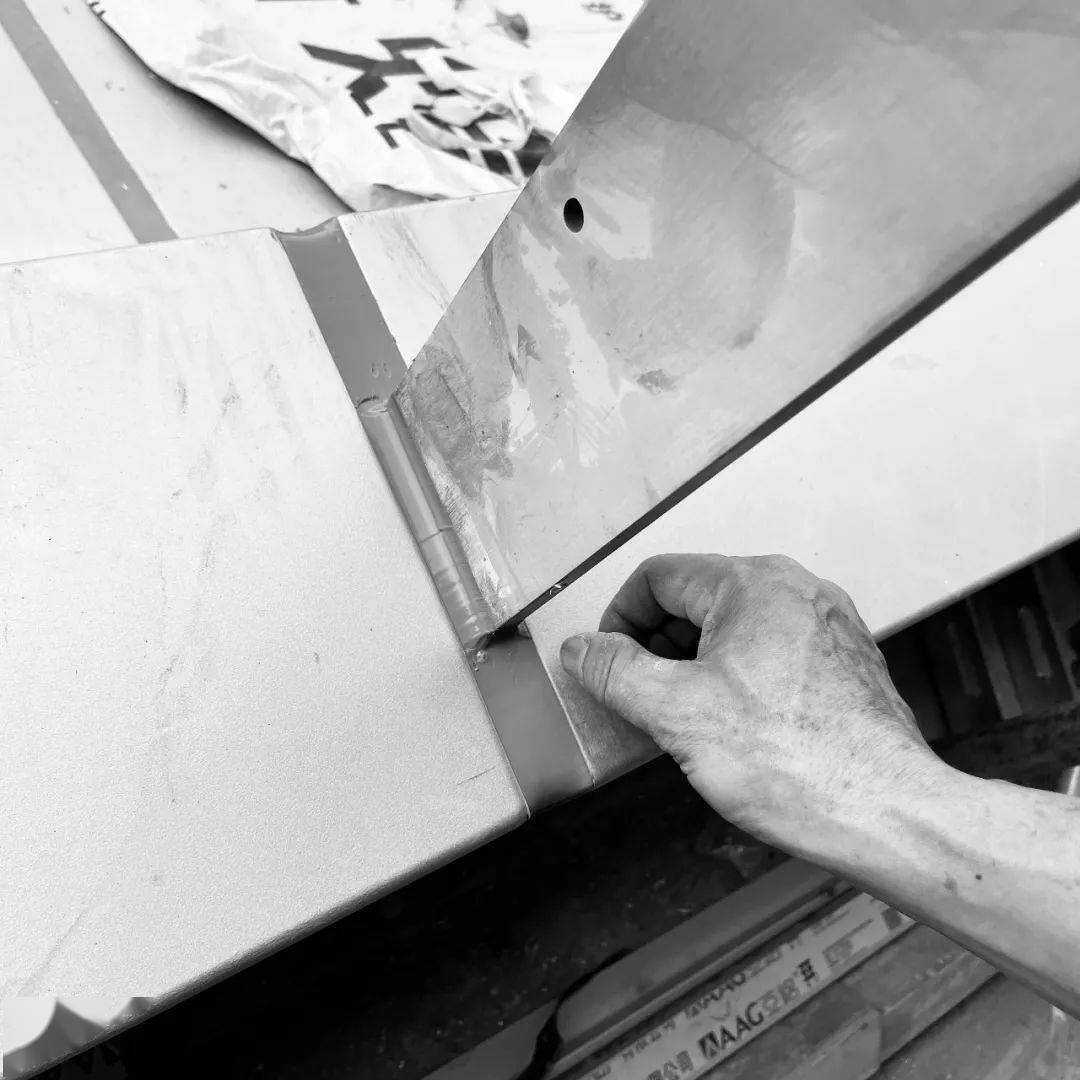
△ Glue application control
To prevent these issues, the architect performed multiple site visits and rigorously oversaw construction details. Ultimately, adhesive joints were controlled within 12mm, ensuring precise aluminum panel assembly.
△ Ensuring the facade’s aesthetic quality © Liu Songkai
As a rare new consumer landmark in Xiaolingwei near Nanjing’s Purple Mountain, the Longhu Purple Gold Mall focuses on enhancing living environments and the city’s image. Its unique inverted S-shaped design maximizes commercial value with low cost and high added value.
While creating high-quality spaces, the project prioritizes community and residents in every decision, actively fostering sustainable neighborhoods that people aspire to live in. This results in a high-quality, aesthetically pleasing ecological commercial community at residents’ doorsteps.
Nanjing Longhu Zijin Mall not only elevates overall quality of life but also strengthens residents’ identity and emotional connection to their community.
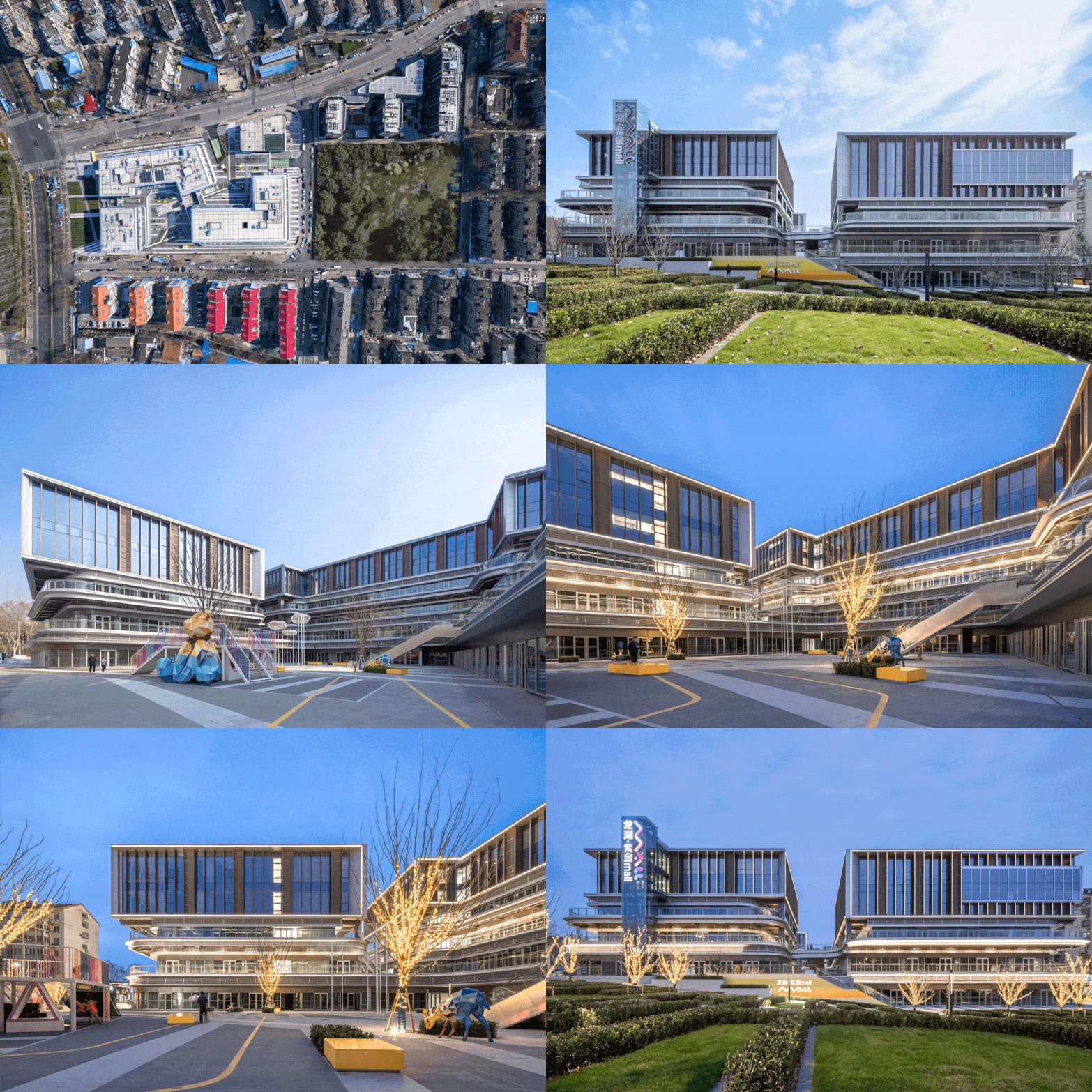
△ Completed real scene © Liu Songkai
Our design team has witnessed Xiaolingwei’s transformation over just two years. Guided by professional ethics and a life philosophy, they not only provide residents with optimal living solutions but also sustainable aesthetic improvements for the urban area. They believe the building’s positive impact will unlock further development opportunities for Xiaolingwei.
Project Information
Project Name: Original work by Nanjing Longhu Purple Gold
Project Type: Commercial complex + residential
Project Address: Xiaolingwei Street, Xuanwu District, Nanjing City
Site Area: Approximately 25,600 square meters
Floor Area: Approximately 81,000 square meters
Design Period: June 2019 – October 2019
Construction Period: October 2019 – January 2022
Construction Unit: Longfor Group Nanjing Company
Design Unit: Shanghai Sanyi Architectural Design Co., Ltd
Overall Project Leader: Lu Xiaogang
Business Design Team: Zhang Weiwei, Yu Xiaoxiao, Wang Shuo, Xiang Wenwei, Hu Zheyu, Li Yangyang, Wang Ying, Pan Mengyuan, Zhang Zhonghong
Residential Design Team: Wang Kai, Zhang Jinghu, Liu Shichang, Zhuang Qianqian, Cui Peng, Lin Ye, Wu Duanyuan, Wu Youxin
Cooperative Partners:
Detailed Design: Benchmark Fangzhong Architectural Design Co., Ltd
Landscape Design: MAXI Meixi Landscape
Curtain Wall Design: Beijing Gaobiao Times Engineering Consulting Co., Ltd
Interior Design: Shenzhen Dasen Design Co., Ltd
Construction Unit: Jiangsu Huawei Construction Co., Ltd
Photography: Liu Songkai












Must log in before commenting!
Sign Up