
This project focuses on the construction site layout for a factory located in Fujian. The overall complex includes dormitories, production plants, guard rooms, and other facilities, covering a total area of 9,916.28 m².
BIM-Based Construction Site Layout
The construction site layout plays a crucial role in mobilizing resources for effective construction management. Using BIM technology, the site’s elements—including structures, roads, material storage areas, processing zones, office and living spaces, fire safety measures, and green facilities—are strategically arranged according to project requirements and regulations.
In designing the layout, the existing site conditions are optimized to ensure smooth progress of construction activities. The plan aims to minimize land occupation, protect the construction area, and preserve the surrounding environment as much as possible.
(1) Application of BIM Technology in Construction Site Layout
BIM models enable virtual construction site planning through detailed 3D modeling. These models can be quickly created using BIM software component libraries or auxiliary BIM-based tools for site optimization and simulation.
The layout process for this project includes:
- Importing the overall site plan as a reference to model the site floor, existing roads, and surrounding buildings.
- Creating construction site fencing and gates, placing buildings according to the plan, and arranging temporary roads per regulations and drawings.
- Determining tower crane locations, followed by organizing material storage yards and processing areas.
- Allocating temporary living quarters for construction personnel and office spaces for management.
- Installing temporary water, electricity pipelines, and implementing fire prevention measures throughout the site.
The following image shows a 3D rendering of the construction site layout:
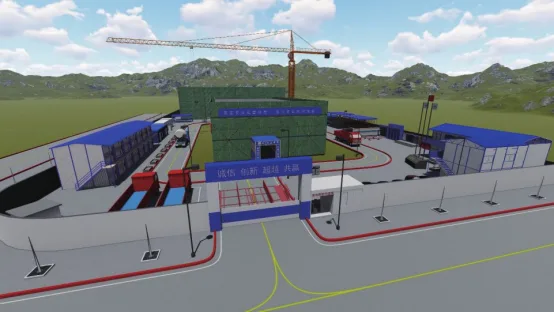
Figure 2: 3D Rendering of the Construction Site Layout for a Factory in Fujian
(2) Temporary Building Site Layout
Temporary facilities are essential to ensure smooth construction progress and meet related requirements. These include production and living buildings, processing machinery, material storage sites, office facilities, and other necessary on-site installations.
Typically, these facilities remain relatively fixed throughout the project. When arranging them:
- Group temporary facilities with similar functions together.
- Stagger facilities with different functions to avoid interference.
- Separate temporary office and living areas from construction zones to prevent operational conflicts.
- Define functional zones based on actual site conditions.
(3) Safety Measures and Green Construction Practices
Site planning should follow three core principles: efficient use of space, facilitation of construction, and ease of management. Zoning must address safety concerns such as flood control, fire prevention, and environmental protection.
To handle fire emergencies, temporary facilities—including building complexes and office areas—should be equipped with appropriate fire extinguishing devices. Proper drainage planning is also essential to prevent water accumulation on-site.
Green construction emphasizes scientific management and includes the following key practices:
- Dust control: Enclose work areas, regularly water the site to reduce dust, pave roads and living areas, and cover exposed soil.
- Noise control: Strategically separate noisy equipment from living and office spaces to minimize disturbance.
- Vehicle cleaning: Install washing pools and dust suppression systems at site entrances to clean vehicles and reduce environmental pollution.
- Waste management: Sort and stack construction waste properly, conduct regular cleanups, and recycle materials where possible.
The image below illustrates safety measures and green construction efforts in the site layout:
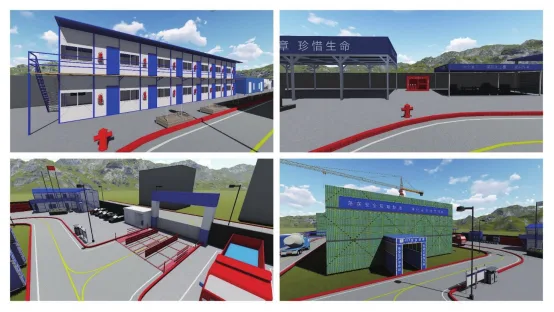
Figure 3: Safety Measures and Green Construction Practices in Construction Site Layout
Optimization and Management of Construction Site Layout
Construction site layout is a dynamic process that evolves as construction progresses. By integrating BIM technology with planning drawings and regulations, a virtual 3D model can be created to analyze material transportation, personnel access, heavy machinery zones, processing areas, and other hazardous zones.
This 3D information model enables the identification and mitigation of potential safety risks, ensuring construction proceeds smoothly and safely according to plan. The approach supports efficient, safe, and integrated management of construction information throughout the project lifecycle.
Source: “Brick and Tile,” Issue 4, 2022 (Total Issue 412)
Authors: Xu Jiarui, Miao Yibiao, Pan Qijie, Xie Xinyong (Fuzhou University of Commerce)
For educational and communication purposes only. If any infringement occurs, please contact us to request removal.
















Must log in before commenting!
Sign Up