
This article is sourced from the WeChat official account: CA Contemporary Architect Guo Wenbo and others.
The full text was published in the 6th issue of Contemporary Architecture in 2022, pages 45-48.

In recent years, the engineering construction industry has been focused on digitalization, AI-driven design, BIM, low-carbon initiatives, and command construction, all of which are hot topics in building technology. However, the industry faces challenges due to insufficient building informatization and a declining proportion of construction employment. This highlights the urgent need to advance building technology and information digitization. BIM technology development aligns with current construction industry trends.
This article explores BIM digital technology advantages within companies, conducting research on BIM design across various project stages and aspects. It examines how BIM technology promotes and enhances engineering construction projects during the design phase.
1. Project Overview
The Qianhai Longwan International Talent Apartment project is situated at the intersection of Menghai Avenue and Qianwan Second Road within the Qianhai Shenzhen Hong Kong Cooperation Zone, Shenzhen. Designed as a premium apartment complex for international high-end talents, the project covers a planned land area of 14,694.86 square meters with a total construction area of approximately 130,000 square meters.
The building comprises 50 stories above ground, spanning 96,000 square meters, and 34,000 square meters underground, reaching a height of 180 meters. Featuring a distinctive “twin towers” architectural form, the structure is assembled using capsule units. Given the project’s positioning, stringent requirements were set for implementing BIM and prefabricated building technology (see Figure 1).

Figure 1: Project rendering
2. Analysis of Key Challenges
1) Whole-process design BIM general contracting mode: The project employs a design general contracting management approach, requiring centralized BIM control across subcontractors during the design phase. This demands full coordination among various design teams for schemes and construction drawings, clear design interfaces, and coordination mechanisms. It also involves managing model data integration and BIM design outcomes, ensuring smooth implementation from both managerial and architectural perspectives.
2) BIM forward design and cost integration: By producing comprehensive professional forward design drawings, the project achieves design-cost integration. While foreign BIM software is mature and widely used, its localization for domestic projects remains insufficient. Challenges include incomplete policies, management frameworks, and legal standards in BIM forward design. Under the current 2D design system, this project pioneers a new systematic whole-process design approach through BIM, facing anticipated difficulties and uncertainties.
3) Prefabrication and steel structure: The project adopts prefabricated construction, meeting at least A-level requirements per the national standard “Evaluation Standards for Prefabricated Buildings,” with an assembly rate exceeding 70%. The interplay between architectural styling and assembly requirements significantly influences the structural form. Since concrete structures do not satisfy prefabrication needs and steel structures lack required stiffness, a hybrid structure was chosen to fulfill both structural and assembly criteria. Additionally, BIM technology is used to standardize the deepening design of prefabricated components in line with forward design requirements.
4) Unified domestic and international standards: The design involves Hong Kong Huayi Design Consultant (Shenzhen) Co., Ltd. (“Huayi Design”) and Foster+Partners. This collaboration bridges international BIM standards, including design habits, workflows, and drawing standards. Overseas teams follow British, American, and International Standards, while domestic teams adhere to National, Provincial, and Enterprise Standards. Harmonizing these differing standards throughout the project ensures efficient collaboration and seamless data exchange.
3. Pre-Project Planning
During the initial project planning, BIM management was emphasized with Huayi Design leading and collaborating with overseas units. Drawing on standards such as the United States National CAD Standard and parts 1 and 2 of Information Management Using Building Information Modelling, the team integrated these with national, provincial, and enterprise standards to unify the BIM standards for the project.
4. BIM Technology Application Highlights
4.1 BIM Bidding and Tendering
This project served as Shenzhen Housing and Construction Bureau’s first pilot for a BIM electronic bidding system and the first BIM bidding in Guangdong Province. The bidding process required project proposals to include BIM models alongside project plans and animations, marking a pioneering application of BIM in bidding and setting a precedent for future BIM bidding in Shenzhen.
4.2 Scheme Comparison and Selection
BIM technology enabled direct comparison of design options, including exterior facades and curtain walls. For roof design, BIM facilitated analysis of varying roof shapes and integration with roof window cleaning machines to validate design effectiveness (see Figure 2). Additionally, BIM software was used to evaluate and control project layout capsules and scrutinize design details.
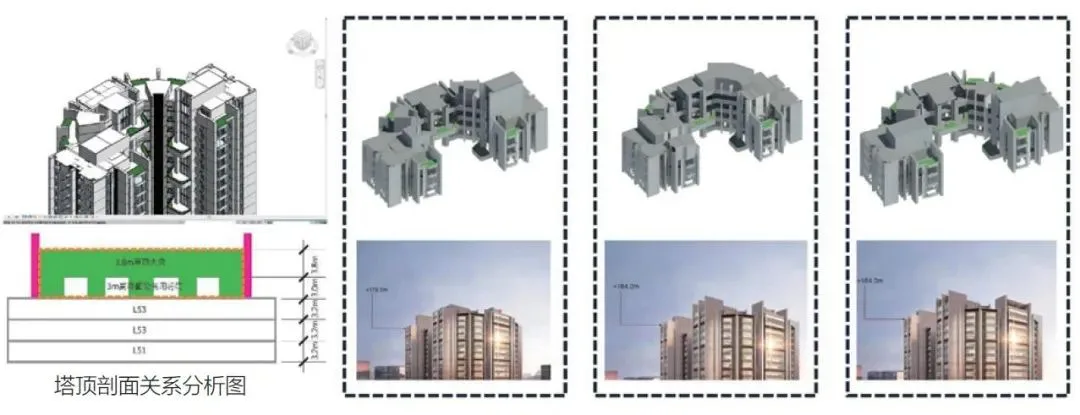
Figure 2: Comparison of two roof window cleaning machine schemes
4.3 BIM Forward Design
While BIM forward design has industry consensus, no strict definition currently exists in engineering construction. Generally, it involves using BIM software to create 3D design models that comply with national standards such as GB/T 51301-2018 and “Depth Regulations for Compilation of Building Engineering Design Documents (2016 Edition)” (Jianzhihan [2016] No. 247). The goal is to optimize projects through BIM’s visualization and collaboration advantages. However, achieving full BIM design depth within existing schedules and management systems is often impractical due to software, technical, managerial, and cooperative challenges—and even if achieved, costs escalate significantly.
Huayi Design categorizes forward design into three stages:
- Forward Design V1.0: Ensures consistency between legally binding design blueprints and BIM deliverables (“drawing-model consistency”).
- Forward Design V2.0: Emphasizes forward design by defining design interfaces. Main floor plans are created using BIM, supplemented by detailed 2D drawings. This approach optimizes project design while maintaining progress, known as the “Forward Design of the Main Body.”
- Forward Design V3.0: Encompasses full BIM output covering software, technology, management, legal affairs, construction, and industry environments, forming a closed-loop system called “full forward design.”
This project adopts the V2.0 mode, balancing quality and efficiency, currently the most common BIM forward design approach among capable design institutes.
As the first project in the Qianhai Shenzhen Hong Kong Cooperation Zone to specify forward design requirements, Huayi Design focuses on five key areas: technology cultivation, standard system, underlying resource library, control mechanism, and collaborative management. BIM design results are submitted at defined stages per Qianhai BIM delivery standards (see Figure 3).
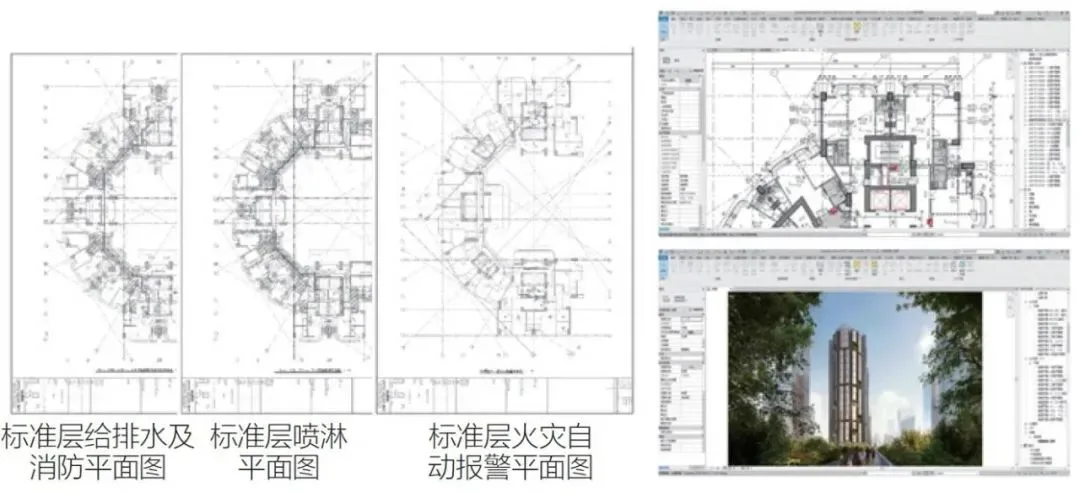
Figure 3: Forward design drawings
4.3.1 Technical Cultivation
Huayi Design’s technical cultivation operates on two levels:
- Training: Early in the project, a comprehensive “one-to-one” BIM training program delivers no fewer than 30 sessions totaling over 150 hours. Training includes modeling, drafting, templates, standards, and practical exercises, ensuring forward design progress.
- Technology System Development: Establishes a forward design technology system and implementation routes for BIM design across disciplines. Architectural work leverages Revit Short Sword with customized templates and component libraries aligned to drawing standards. Structural engineering integrates BIM and structural calculation models using software like YJK and PKPM. Mechanical and electrical disciplines focus on BIM-based floor plans and annotations, complemented by CAD for schematics, managing diverse legends for valves and equipment to meet drawing depth requirements.
4.3.2 Standard System
The project builds upon Huayi Design’s enterprise-level BIM standard system, establishing implementation plans and forward design technical standards (see Figure 4). This framework covers technical analysis, software/hardware resource allocation, application points, delivery requirements, and model/application standards, standardizing designers’ BIM workflows and ensuring project model and drawing quality.
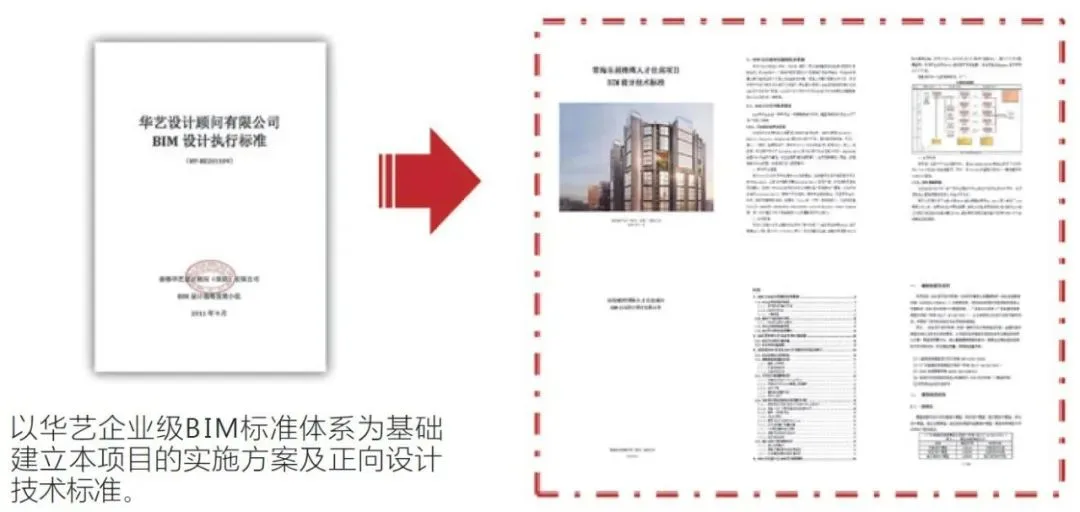
Figure 4: Project standards
4.3.3 Resource Library
The project leverages Huayi Design’s extensive BIM family libraries and template resources (see Figure 5) to address challenges related to components, design drawings, and graphical representation. This ensures BIM results align closely with drawing and review requirements, safeguarding design quality.
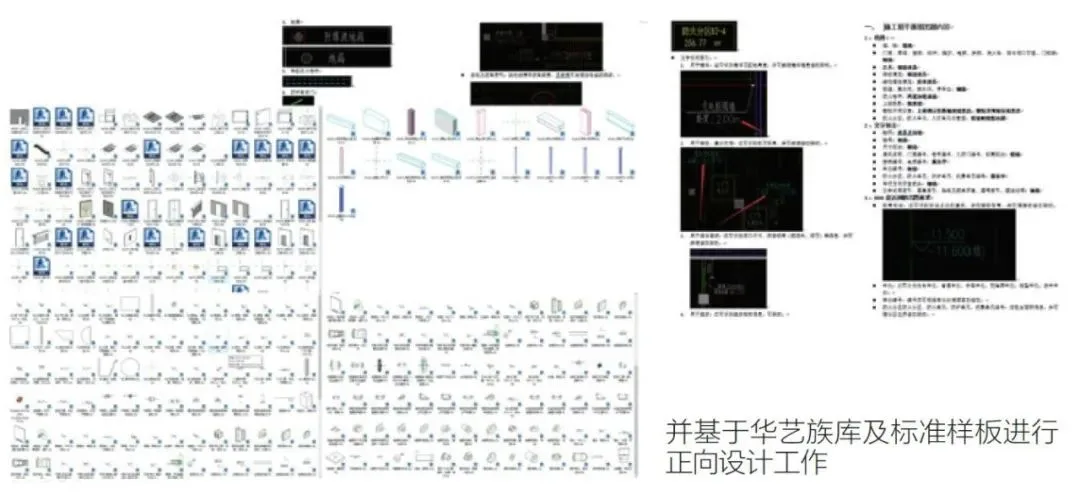
Figure 5: Huayi BIM templates and family libraries
4.3.4 Control Mechanism
A four-tier review system ensures model design quality, including system inspections, random sampling, third-party verification, and intelligent inspections. Additionally, a detailed project checklist verifies each BIM design item systematically.
4.3.5 Collaborative Management
The project centers on BIM general contracting platform management, combining internal platform oversight with external platform control. The external management uses Mantuo Cloud for BIM general contracting, while Huayi Design and Foster+Partners manage internal design control via Cloud Atlas and Kinship software. This enables document management, information exchange, and lightweight model reviews, effectively integrating BIM management across domestic and international teams throughout the design process.
Strong organization, management, training, technology, and hardware/software support underpin the successful execution of BIM design work.
4.4 Architectural Special Applications
1) During planning, extensive performance analyses simulate lighting and other factors to optimize layout and space. Daylighting simulations assess various unit locations, adjusting facade segmentation based on sun elevation angles (see Figure 6).
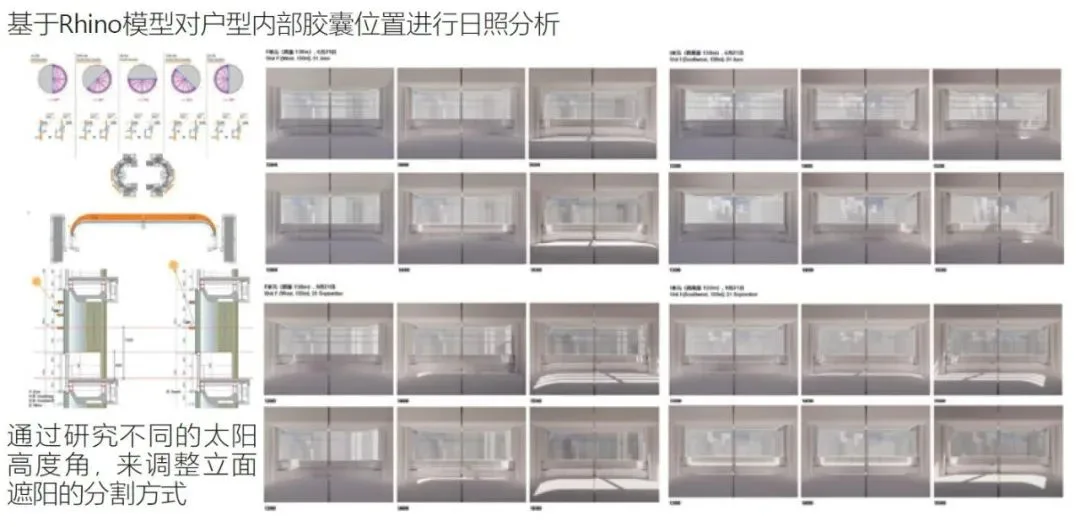
Figure 6: Lighting simulation of six-unit layout
2) For economic indicators and area calculations, the platform extracts area data from the model, classifies capacity and non-capacity areas, and provides statistical analysis to support project applications.
3) In early design stages, 3D printing technology complements BIM design for scheme comparison. This aids exterior design decisions, helping select the shape of corrugated panels and curtain wall capsules by analyzing spacing between different panel options (see Figure 7). This assists owners in material and component selection, facilitating informed decision-making.
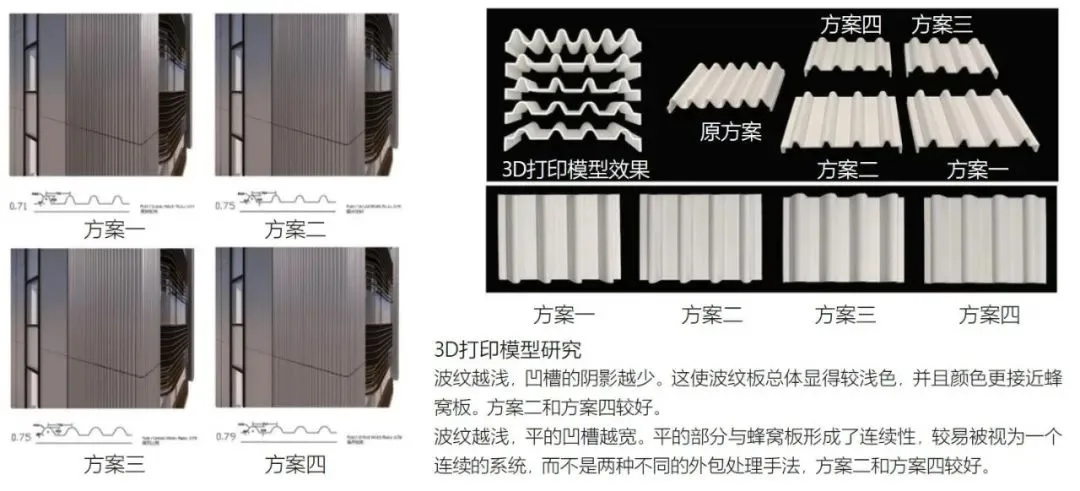
Figure 7: Comparison and selection of corrugated panel schemes for exterior facade
4) Models are fully utilized for cost integration through data extraction and quantity statistics. Standard modeling and BIM calculation interface analysis provide a basis for cost estimation. For example, in civil engineering, about 45% of quantities are calculable, while 55% are non-calculable.
4.5 Mechanical Special Applications
1) BIM expresses prefabricated design and deepens component details (see Figure 8), simulating installation of steel structures (columns, beams, trusses), modular curtain walls, ALC slabs, and light steel keel wall panels to guide construction (see Figure 9).
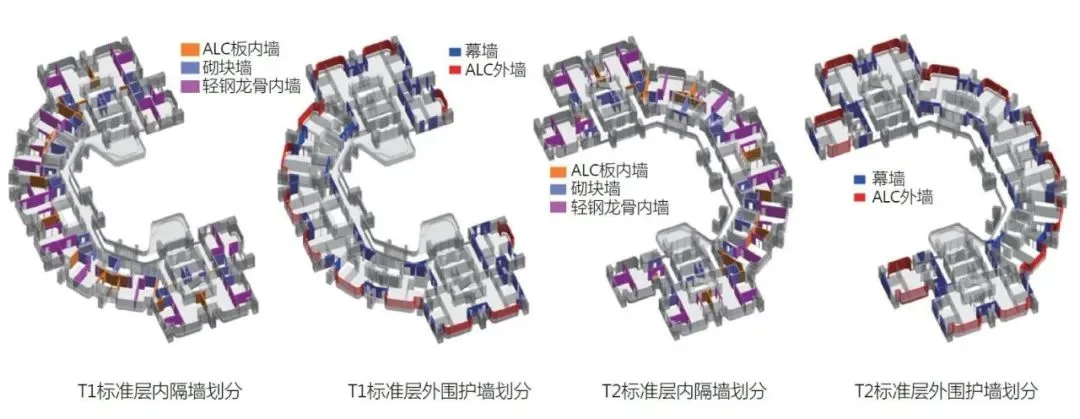
Figure 8: BIM prefabricated components
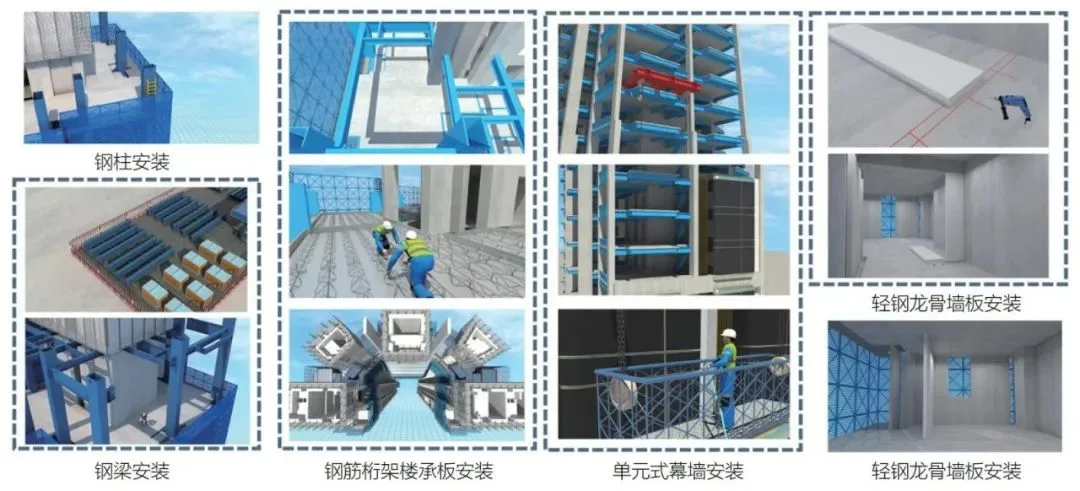
Figure 9: Prefabricated component simulation
2) Structural and computational models are interderived to meet calculation needs, with structural construction drawings completed within BIM software. In China, structural calculations require separate analysis models. BIM structural models are built and converted for calculations via software (see Figure 10), with flat method annotations added through technical plugins. Companies like Yingjianke and Guangxia are advancing integration of BIM modeling, structural calculation, and layout drawings.
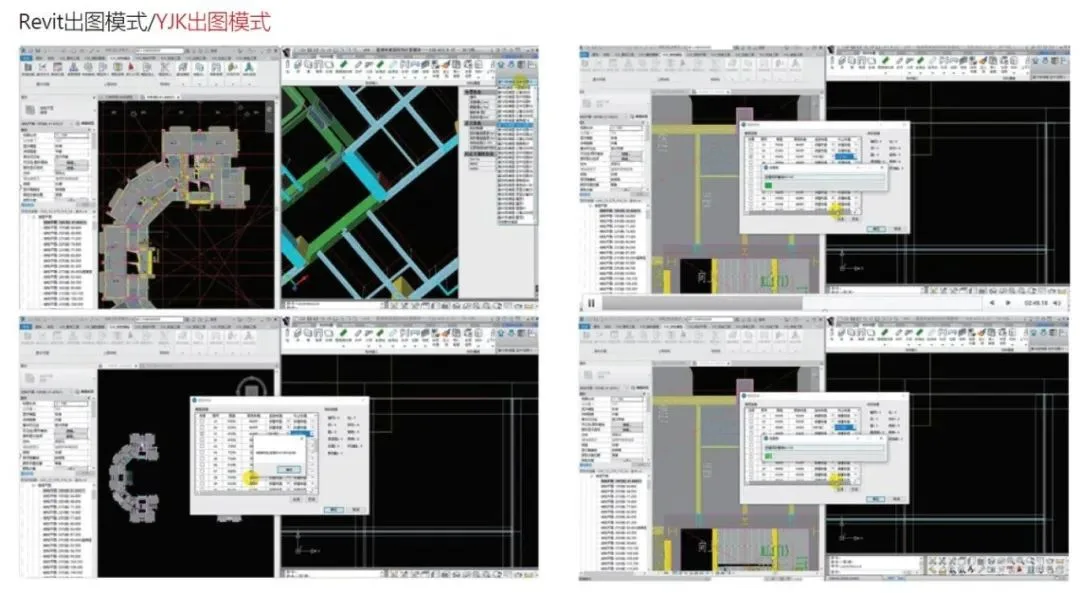
Figure 10: BIM structural model and calculation model data transfer
3) For wind tunnel testing, Revit models are exported in PRO/E format and imported into Autodesk Inventor to complete wind tunnel calculations (see Figure 11).
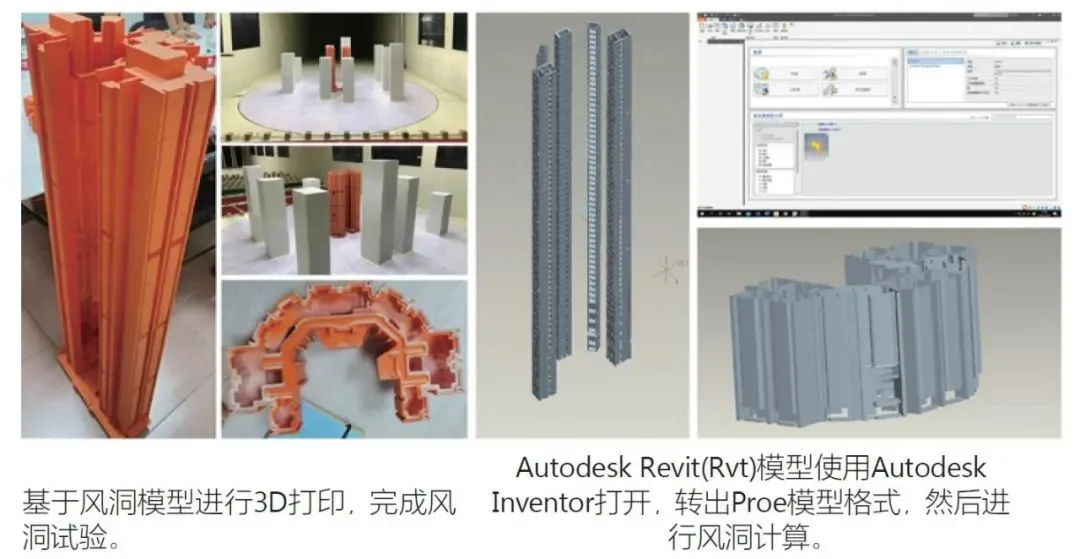
Figure 11: BIM model and wind tunnel model data transfer
4) For comprehensive pipeline design, the project analyzes complex areas such as outer corridors, refuge floors, and basements to ensure clear height requirements (see Figure 12). For example, refuge layer net height was raised to 4.1 meters to meet project needs.
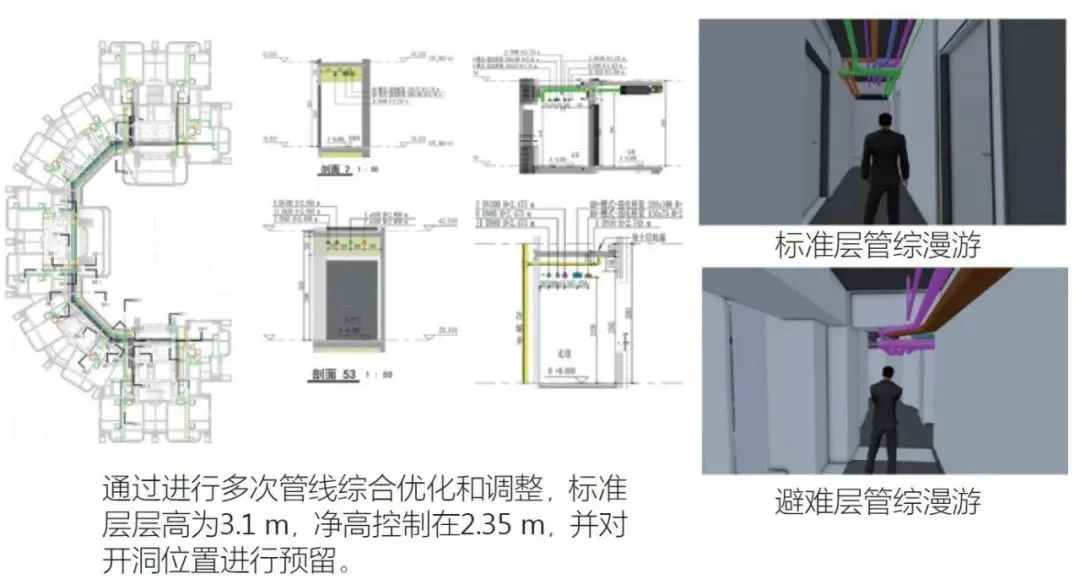
Figure 12: Project pipeline net height
5) Pipeline integration is a mature BIM application, segmented into design-phase integration and construction-phase refinement. Some question the value of design-phase BIM pipeline integration, citing insufficient depth for construction use. However, design-phase integration is crucial for rapid response to building adjustments and validating pipeline arrangements. Adjustments during design are easily implemented by modifying drawings. Construction-phase BIM deepening then builds upon the design phase’s framework, considering processes, schedules, material flow, and installation sequencing. This project follows this approach (see Figure 13), with construction BIM deepening aligned to design logic, avoiding major pipeline or building changes.
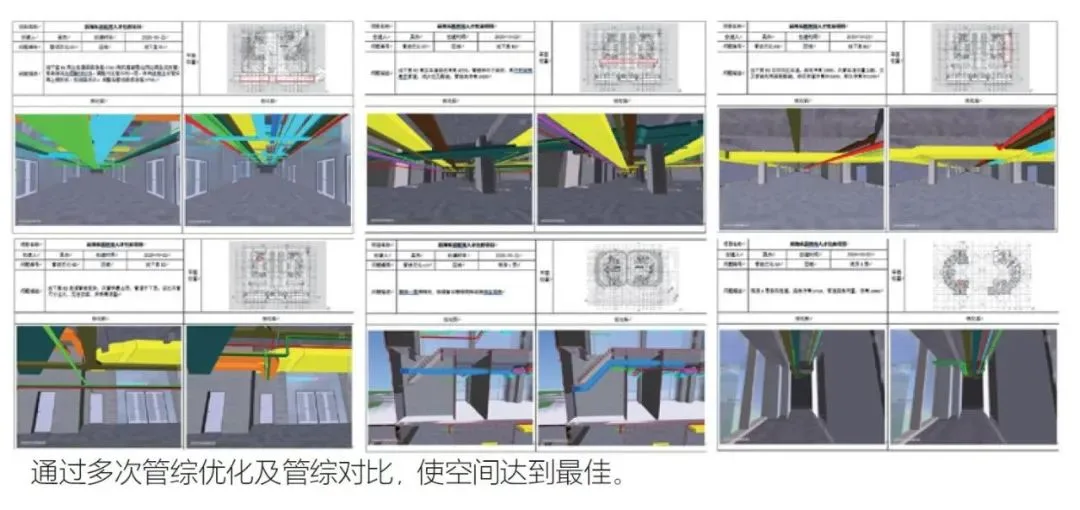
Figure 13: Comprehensive management optimization
6) Parametric design optimizes and adjusts local project elements. Using BIM software, parametric design drives modular curtain wall parameters and adjusts exterior curtain wall capsule sizes (see Figure 14). Dynamo-driven models and scripts modify curve parameters, facilitating editing and generating ramps.
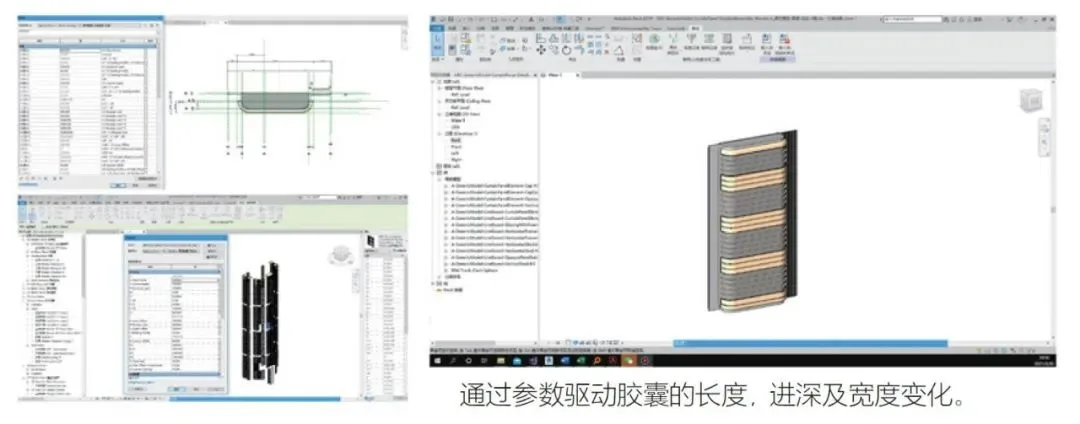
Figure 14: Parametric design of unit curtain wall
7) Integration of fine decoration design and construction represents a new focus in Huayi Design’s BIM development. In 2019, Huayi Design founded Shenzhen Huayi Decoration Technology Design Engineering Co., Ltd. (“Huayi Technology”) to unify design and construction workflows. Recognized as a “National High-tech Enterprise” and holding first-class decoration engineering contracting qualifications within two years, Huayi Technology advances BIM digital design for fine decoration (see Figure 15).
This initiative addresses issues like data fragmentation, workflow discontinuities, repetitive work, and industry informatization gaps. It enables full-process digital applications connecting design, cost, contracts, procurement, and engineering (see Figure 16), achieving comprehensive business integration. For this project, fine decoration models, designs, and component information were digitized, incorporating quantity calculations and resolving internal wiring challenges to ensure indoor layout quality.
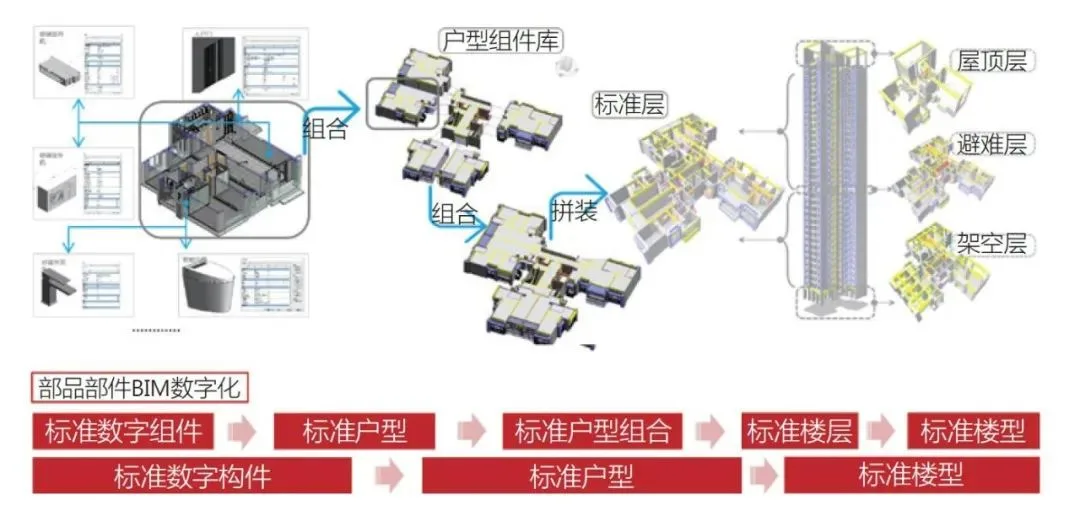
Figure 15: Fine Decoration BIM Product Logic
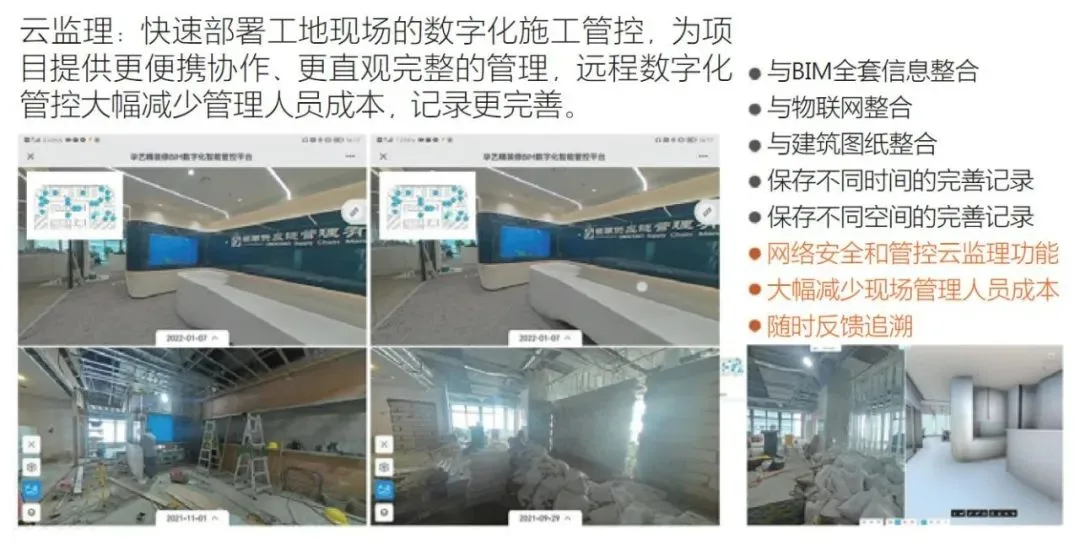
Figure 16: Fine Decoration BIM Construction Control Platform
5. Summary
Through the research and implementation of BIM digital design in the Qianhai Longwan International Talent Apartment project, it is evident that BIM technology development during the design stage requires further time and refinement. Current applications are often isolated, and achieving systematic integration demands ongoing research and technological breakthroughs in digital systems.
Compared to other industries, China’s engineering construction technology remains relatively underdeveloped. Moving forward, Huayi Design and Huayi Technology will continue advancing digital transformation, integrating emerging technologies into engineering applications, raising technical standards, and empowering the industry’s future through industrialization, digitization, intelligence, and low-carbon development.
















Must log in before commenting!
Sign Up