
BIM technology plays a crucial role throughout various stages of engineering projects, including:
1. Decision Stage: During the project decision-making phase, stakeholders can use BIM models to conduct preliminary feasibility analyses, estimate overall project investment, and enhance decision accuracy.
2. Bidding Stage: In Shanghai, BIM technology is now widely adopted in major projects during the bidding process. For bidders, BIM is not only used for project budgeting but also requires BIM engineers to hold certified BIM modeling qualifications. Additionally, BIM helps create detailed renderings for bidding documents, increasing the chances of winning contracts.
3. Design Phase: Early use of BIM in design allows simulation and analysis of project orientation, shape, structural form, and sustainability solutions, aiding designers in making informed decisions. Traditional designs often face conflicts between disciplines, which are difficult to resolve. BIM facilitates simultaneous design across architecture, structure, HVAC, and electrical systems, enabling space coordination and collision detection. Furthermore, BIM supports energy consumption analysis, reducing design revisions and allowing flexible parameter adjustments.
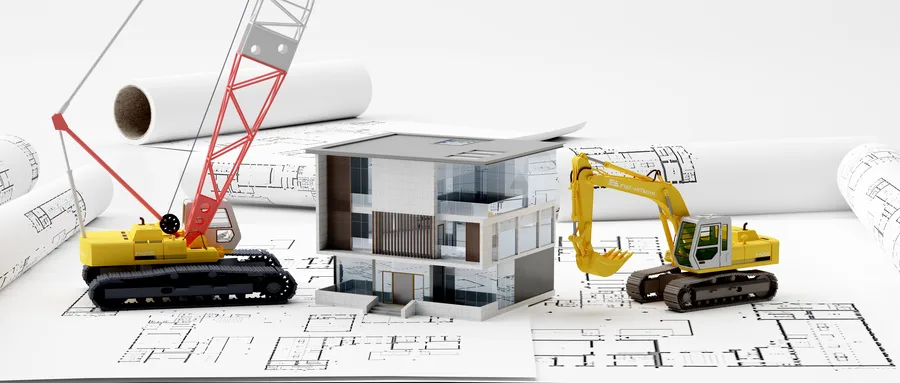
4. Construction Phase: BIM technology significantly enhances cost, quality, and schedule management during construction.
Cost Management: BIM enables comprehensive budget control from the early stages of construction and provides real-time monitoring during the later phases. This helps quickly identify and address deviations in costs and resource usage.
Quality Management: Leveraging BIM’s visualization capabilities, teams can locate and track quality issues or safety hazards. It also supports transportation tracking, equipment installation simulation, and material management.
Progress Management: BIM allows virtual simulation of the entire construction process, delivering realistic building information. It improves schedule control by dynamically allocating resources, establishing real-time monitoring, and preventing delays. This ultimately shortens construction timelines without compromising quality. For example, tools like Guanglian Da BIM5D simulate progress; construction site layout software optimizes site organization; and project planning software helps teams update schedules to boost efficiency, avoid budget overruns, and strengthen cost control.
5. Post-Operation and Maintenance: In the operation phase, BIM focuses on equipment maintenance and management. Traditional post-maintenance often suffers from high costs, data loss, and poor integration, especially in China. BIM addresses these issues by creating data-driven, automated maintenance systems. BIM completion models support sales brochures and property management, enabling remote information control. Additionally, BIM helps develop virtual systems for emergency preparedness, allowing simulations and analyses to improve response capabilities, minimize risks, enhance maintenance management, and protect stakeholder interests.
















Must log in before commenting!
Sign Up