
This article is from the WeChat official account: Star City Consulting

1. Project Overview
The Dongguan Citizen Service Center project is a renovation and upgrade of the original Dongguan International Convention and Exhibition Center. Located on Nancheng Street in Dongguan City, it is bordered by Science and Technology Avenue to the east, Hongfu Road to the south, and the Dongguan Convention and Exhibition Hotel to the north. The site covers 175,000 square meters with a total construction area of 71,000 square meters, as shown in Figure 1.
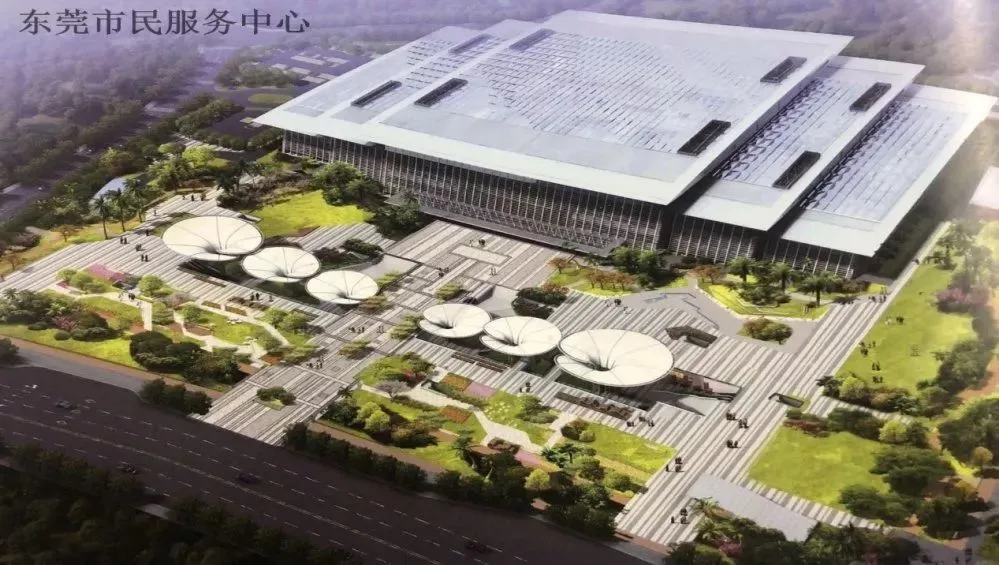
Figure 1: Aerial View of Dongguan Citizen Service Center Project
The building features a steel structure with a grid roof system and a glass curtain wall facade, resulting in a complex and varied architectural form. As a renovation project carried out concurrently with design and construction, it presents significant challenges in construction and management. Mechanical and electrical pipelines are intricate, requiring precise height control. Water, electricity, and heating pipelines must coexist within the same working area, leading to numerous coordination challenges and demanding high standards of project management.
Traditional methods relying on 2D drawings often result in design changes due to unreasonable planning and cross-disciplinary conflicts, causing considerable waste of manpower, time, and materials. To address these issues, the Dongguan Citizen Service Center project leverages BIM technology to optimize the entire process from design to construction, resolving potential problems before building begins, minimizing rework, and enhancing construction efficiency.
Key BIM applications in this project include creating comprehensive professional BIM models, assisting and optimizing design, improving management, digital visualization, and quantity takeoffs.
2. Comprehensive Professional BIM Model Creation
The project is based on the original Dongguan International Convention and Exhibition Center, completed in 2001. Given the long time span, only paper completion blueprints were available for BIM modeling. The model components are diverse, including grid structures, curtain walls, and membrane structures, as illustrated in Figure 2. Without electronic drawings, accurately locating building components and shaping the building in the BIM environment posed significant challenges.

Figure 2: Completion Drawing of Dongguan International Convention and Exhibition Center
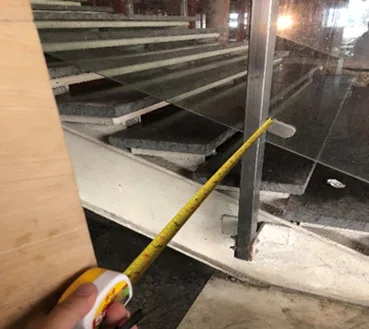
Figure 3: On-Site Measurement of Component Dimensions
BIM engineers first analyzed the drawings to understand the building’s overall shape and structure. Then, technicians conducted on-site measurements of component dimensions and positions. This data was integrated and used to refine the BIM model. Within just over ten days, a complete BIM model encompassing the building, structure, grid, and curtain wall was established, presenting an overall view of the original Dongguan International Convention and Exhibition Center, as seen in Figures 4-8.
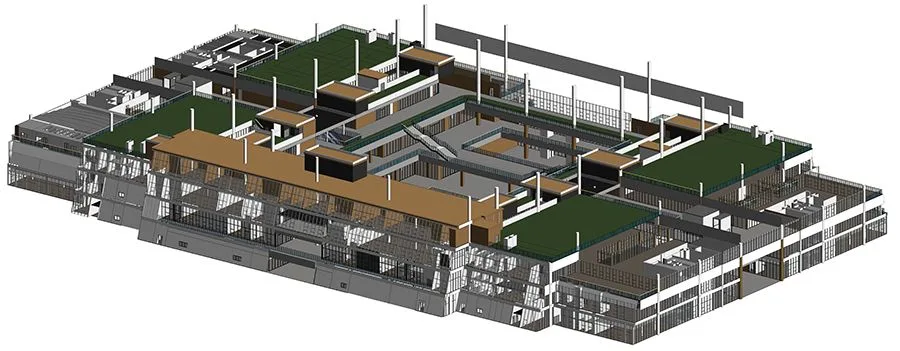
Figure 4: Building BIM Model
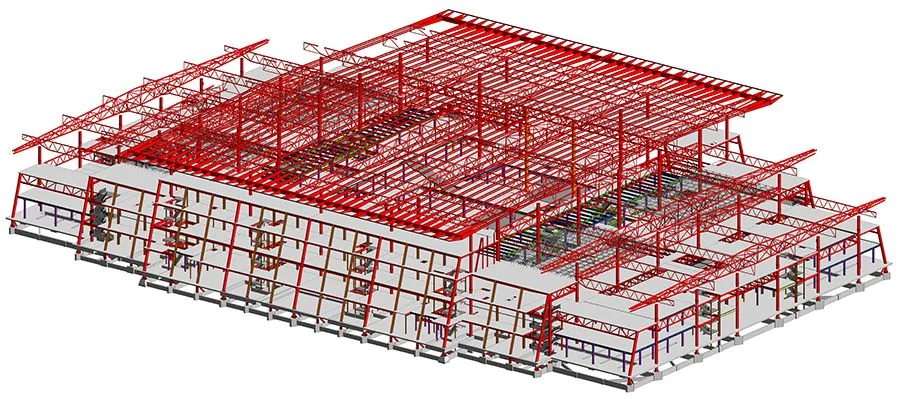
Figure 5: Structural BIM Model
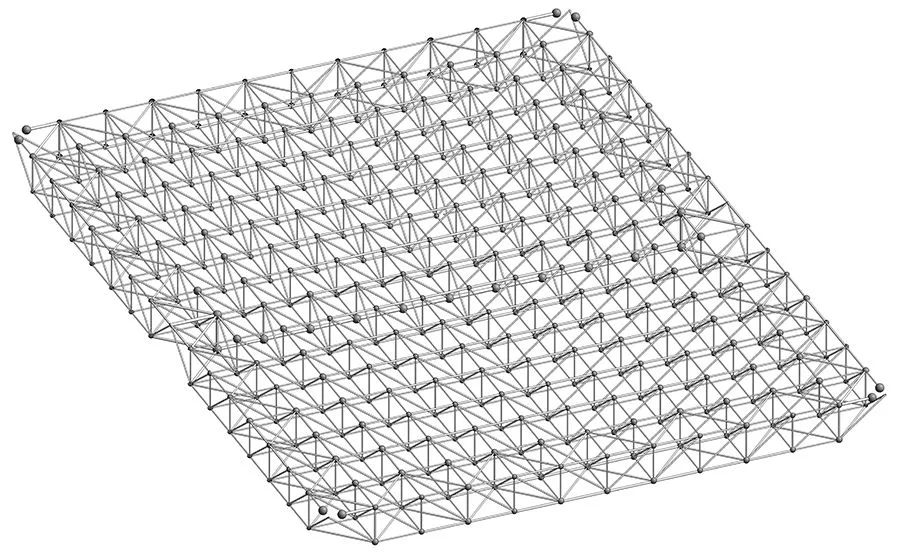
Figure 6: BIM Model of Grid Structure
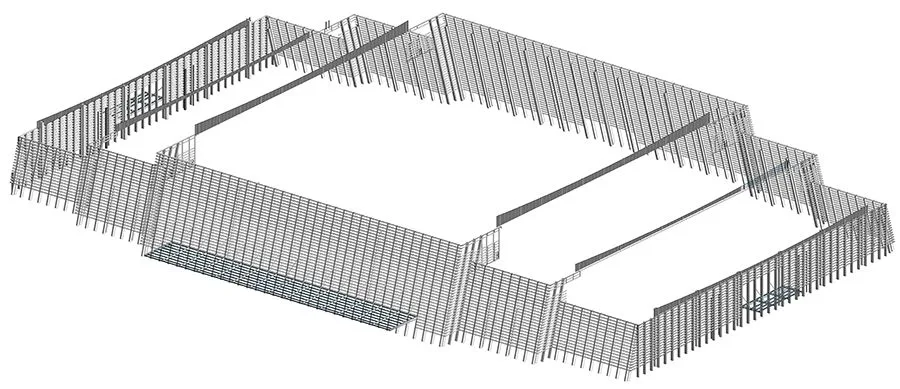
Figure 7: BIM Model of Curtain Wall
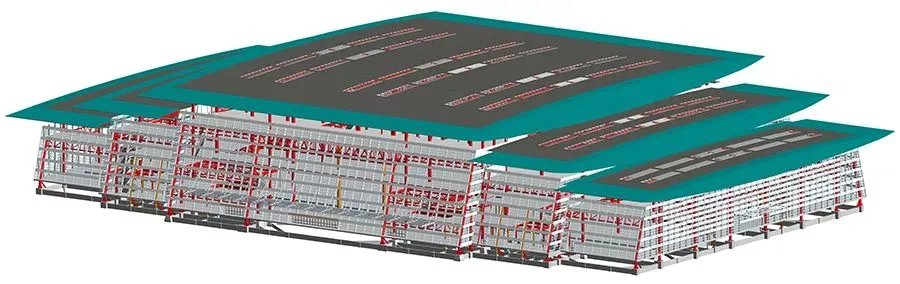
Figure 8: Comprehensive BIM Model
3. BIM Design Assistance and Optimization
3.1 BIM Design Assistance
Due to the project’s renovation nature and the loss of CAD electronic drawings over time, only paper drawings were available. With design and construction proceeding simultaneously, this posed significant challenges for designers.
During the planning and design phases, Xingcheng Consulting leveraged BIM’s visualization, coordination, and drafting capabilities to navigate and display the entire building. They produced building plans, elevations, and sections, which formed the basis for renovation design, as shown in Figures 9-11. This approach provided designers with comprehensive original building information, eliminating the need to sift through extensive paper drawings and saving considerable time and effort.
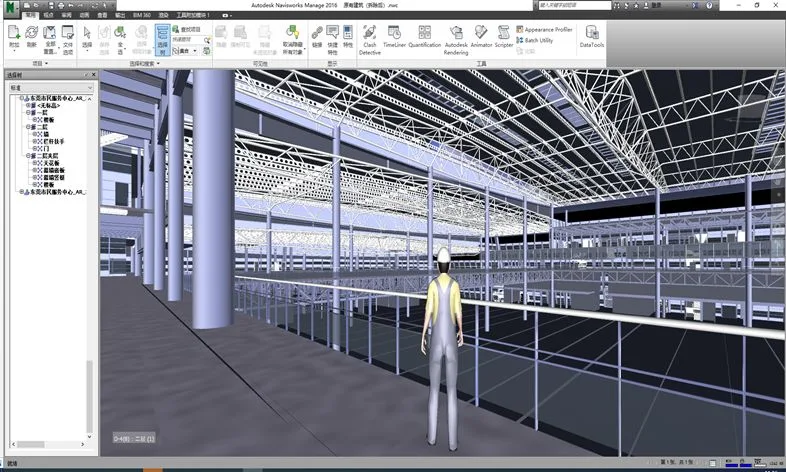
Figure 9: Architectural Space Roaming Analysis
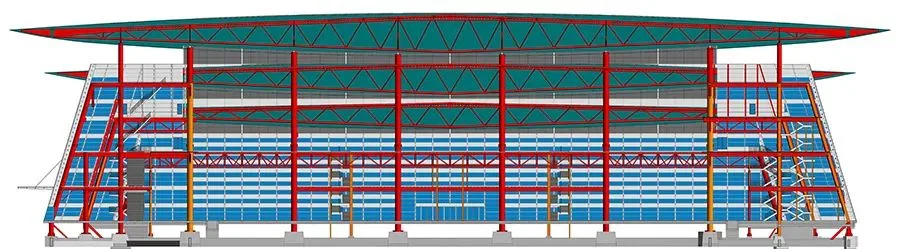
Figure 10: Architectural Section
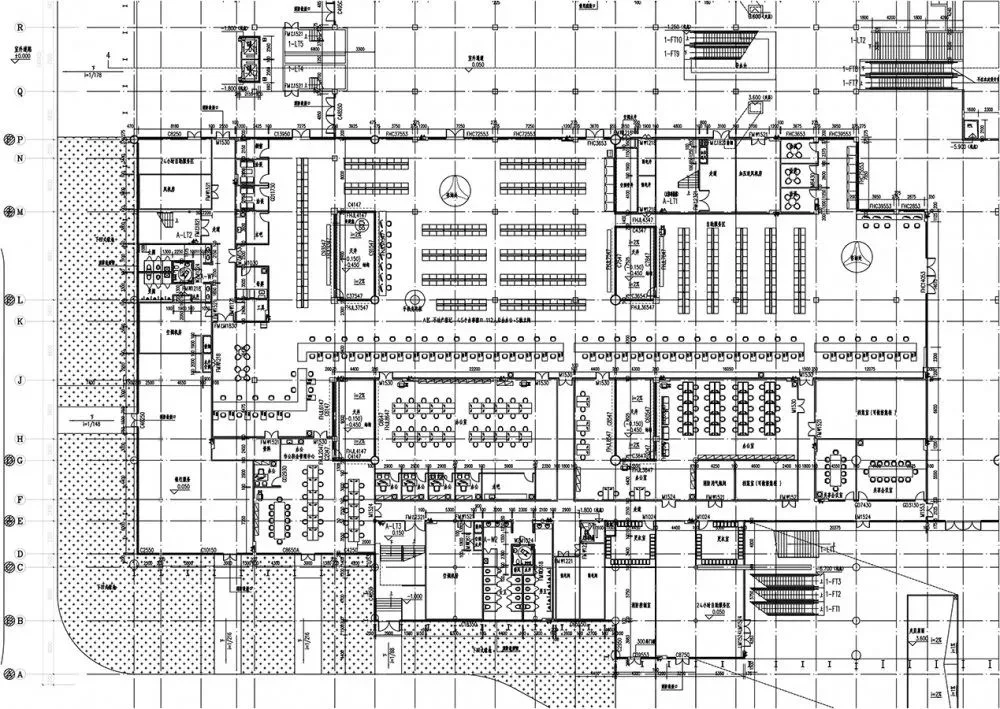
Figure 11: New Renovation Drawing
3.2 BIM Design Optimization
A BIM model was created based on the renovation design drawings and compared with the original building model. Collision detection and design reviews were conducted across architectural, structural, and mechanical and electrical disciplines to identify conflicts and inconsistencies early. Problem reports were generated with proposed solutions, and issues were tracked throughout the project to ensure construction accuracy, as shown in Figure 12.
BIM design optimization significantly enhances design accuracy, reduces later-stage design-related changes, shortens construction timelines, and saves substantial manpower and material costs.
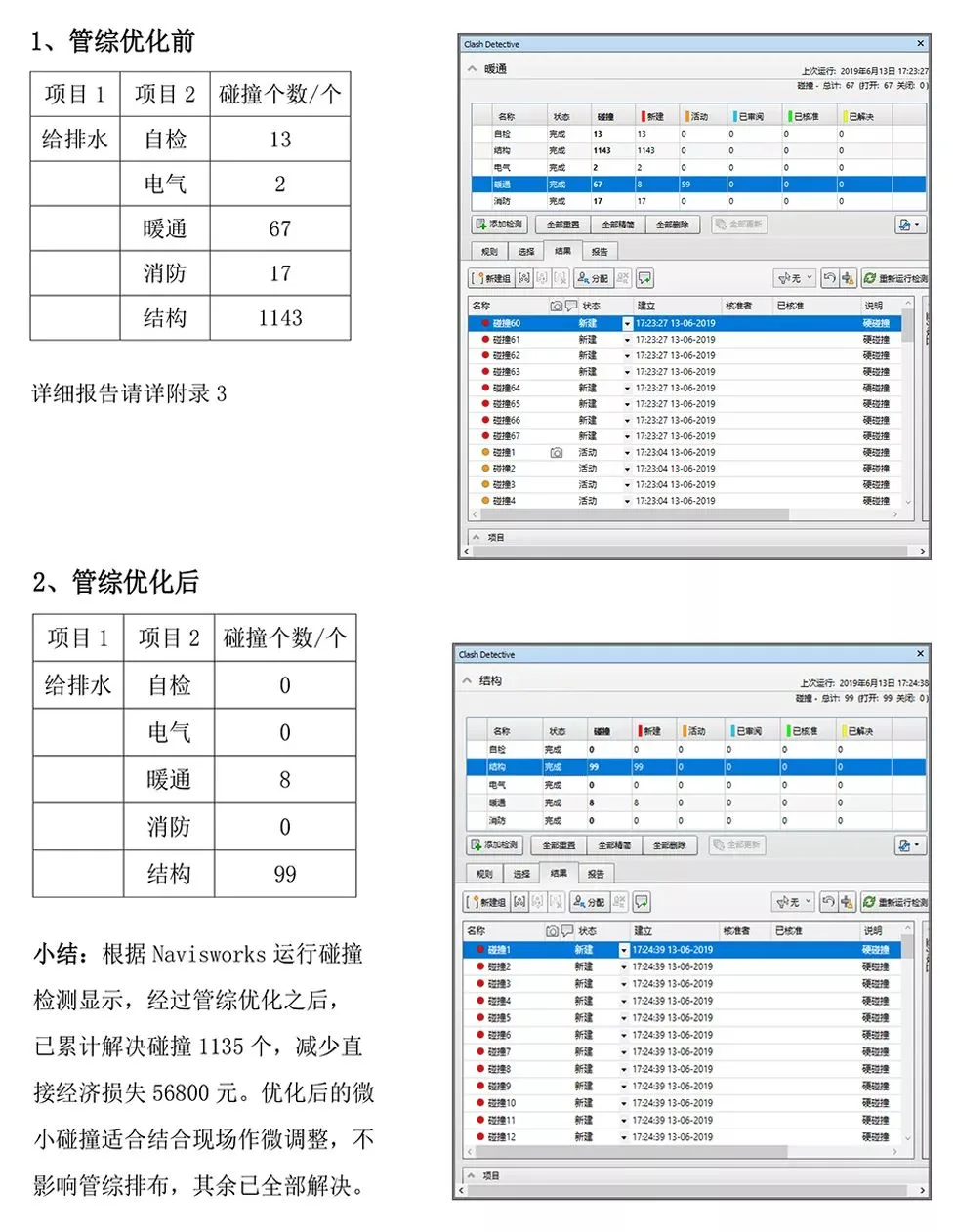
Figure 12: Collision Inspection Analysis for Water Supply and Drainage Systems
Navisworks collision detection identified 26,494 pipeline conflicts. After comprehensive optimization, 24,524 conflicts were resolved.
By exploiting BIM’s visualization and coordination strengths, design issues were detected early and addressed through detailed reports sent to designers, effectively minimizing change orders during construction and saving considerable resources, as shown in Figure 13.
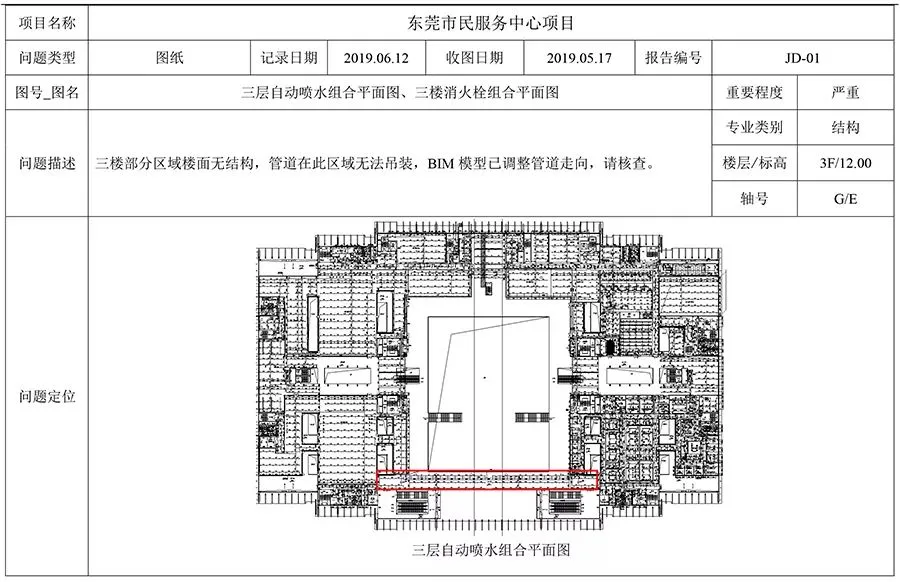
Figure 13: Fire Protection Report
4. BIM Management Optimization
The design data from architecture, structure, and mechanical and electrical disciplines were integrated into a unified BIM model. Collision checks and pipeline layout optimizations were conducted based on mechanical and electrical design standards, construction acceptance criteria, feasibility, clearance, and aesthetic requirements. Comprehensive pipeline layout plans, discipline-specific pipeline plans, node detail drawings, and 3D axonometric views were generated, as illustrated in Figures 14-17.
BIM technology enabled rational adjustment of pipeline layouts and avoidance strategies, achieving “zero collision” among pipelines. These comprehensive BIM pipeline designs facilitated drawing reviews, construction coordination, enhanced communication among project stakeholders, and ensured construction quality.
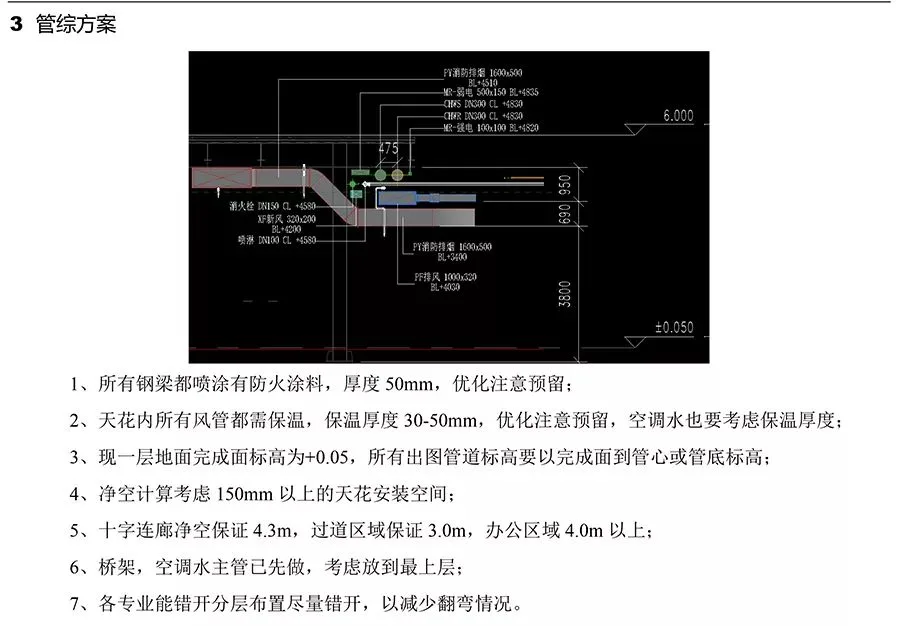
Figure 14: Management Integrated Optimization Plan Explanation
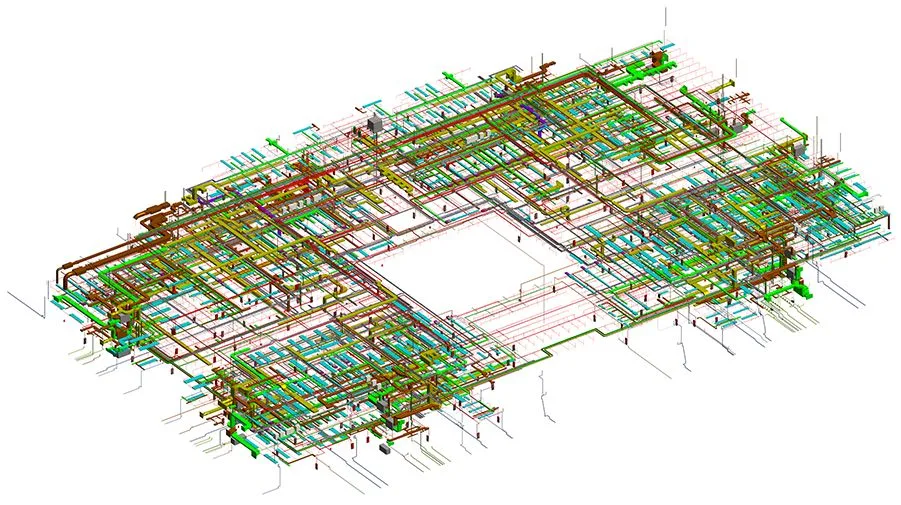
Figure 15: Integrated Management Optimization Model
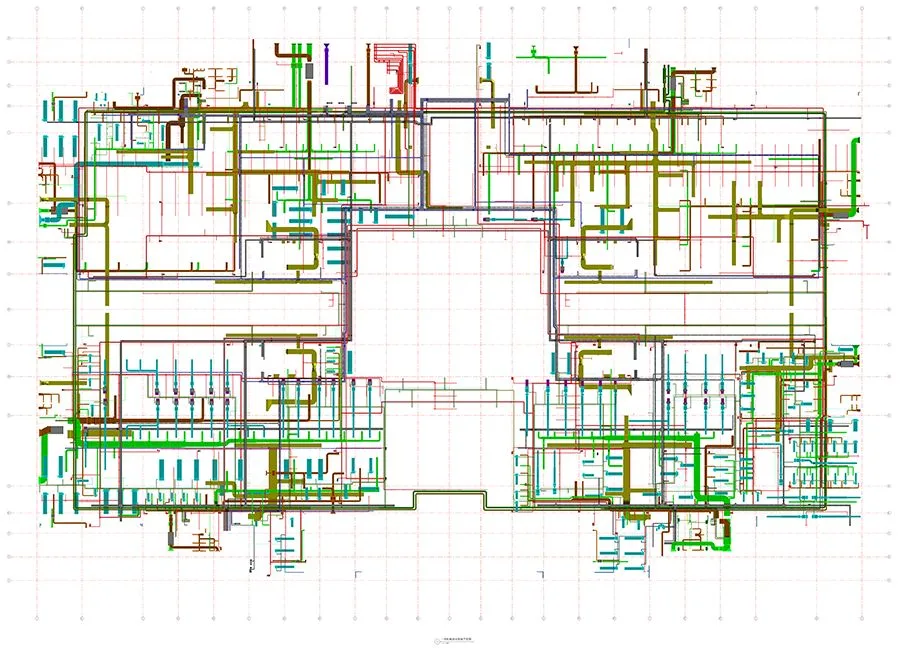
Figure 16: Second Floor Comprehensive Management System Plan
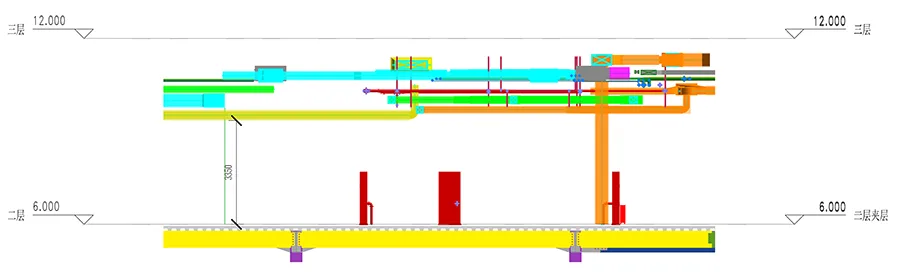
Figure 17: Node Detail Drawing
5. BIM Quantity Takeoff and Cost Estimation
Budget overruns are common during construction, often due to unreliable baseline data. The BIM model acts as a comprehensive database containing detailed information on building components, enabling rapid and accurate cost estimations for pre-construction budgeting.
Xingcheng Consulting applied BIM technology to quantify engineering quantities across architectural, structural, and mechanical and electrical disciplines, generating detailed bills of quantities. Additionally, Star Layer Technology, the parent company of Star City Consulting, developed an intelligent rebar quantity calculation software that automatically generates detailed steel reinforcement models based on the Revit model, producing precise quantity reports, as shown in Figures 18-22.
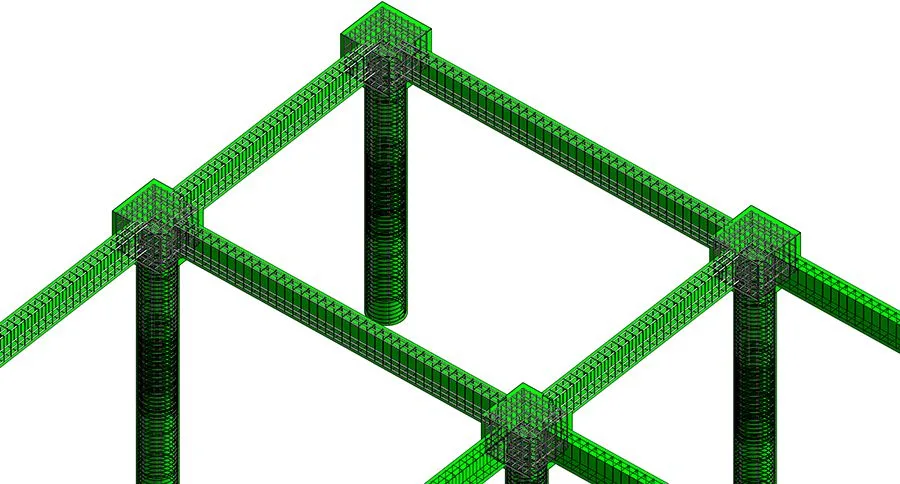
Figure 18: BIM Model Diagram of Foundation Steel Reinforcement
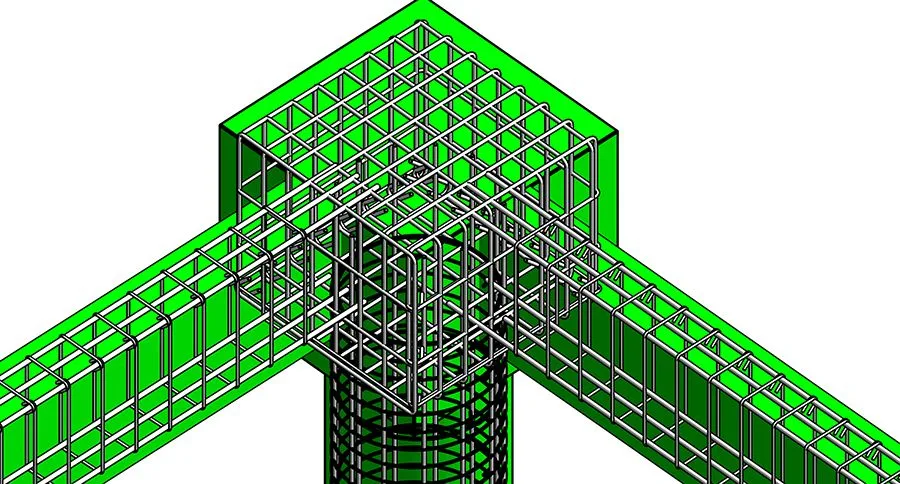
Figure 19: Enlarged Steel Bar Model Diagram
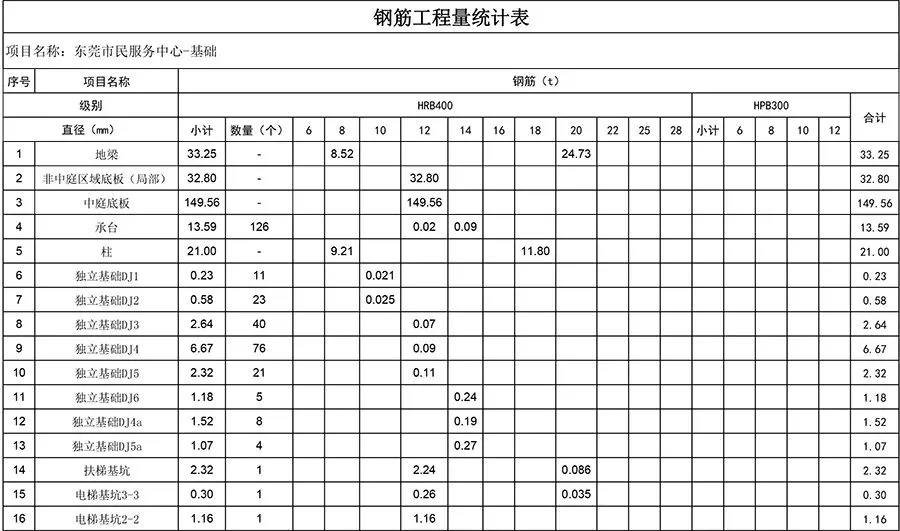
Figure 20: Quantity Statistics Table for Basic Reinforcement Engineering
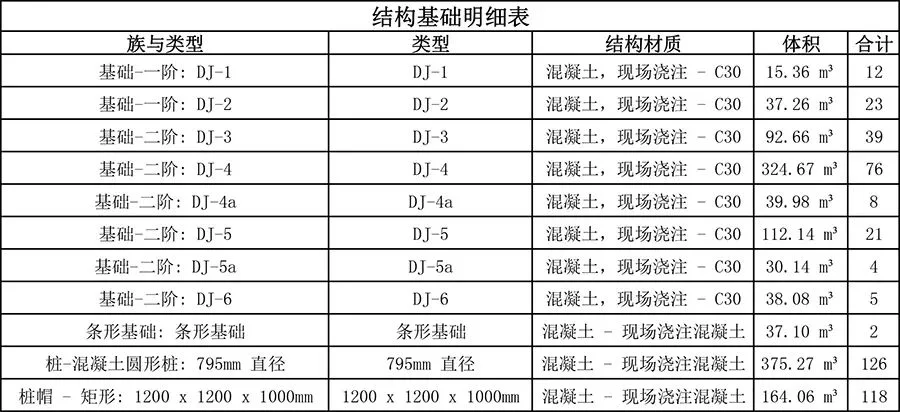
Figure 21: Detailed Structural Foundation List
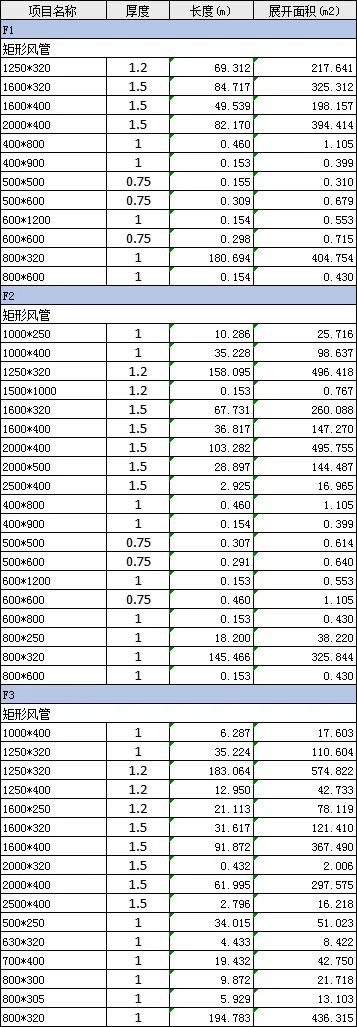
Figure 22: Detailed Air Duct List
By automating quantity takeoffs through BIM, management staff are freed from tedious manual calculations, allowing them to focus more on effective project management, thereby improving efficiency and quality.
6. BIM Digital Visualization
Using BIM’s visualization capabilities, a walkthrough path was created according to the owner’s requirements. The overall and key decorative features are vividly presented through video animations, providing the owner with an intuitive understanding of the project’s layout and design effects, as shown in Figure 23.

Figure 23: BIM Indoor Rendering
To ensure the VI guidance system design meets scientific, rational, and practical standards, Star City Consulting integrated the VI guidance system within the BIM model. They incorporated various data and created VI guidance roaming animations based on the building’s actual layout, simulating citizens navigating point-to-point routes using signage, as demonstrated in Animation 1.
7. BIM On-Site Construction Support
To ensure smooth BIM implementation, Xingcheng Consulting deployed professional BIM engineers on-site to coordinate and assist construction activities. These engineers continuously updated the BIM model based on actual site conditions and design changes, maintaining consistency between the model and the construction process, as shown in Figures 24-25.
During construction, the contractor followed the optimized management plan and BIM-based mechanical and electrical management model provided, significantly reducing pipeline collisions typical in traditional methods. This approach received unanimous approval from both the owner and the construction team.
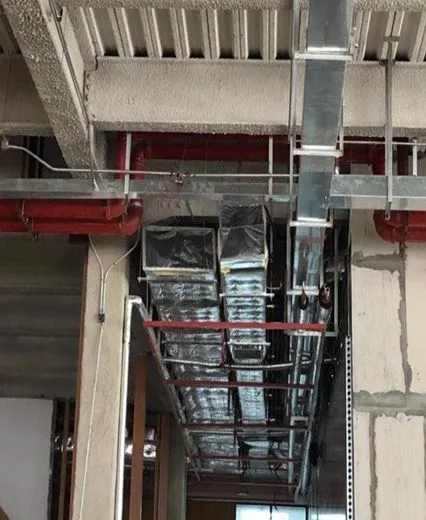
Figure 24: On-site Mechanical and Electrical Installation
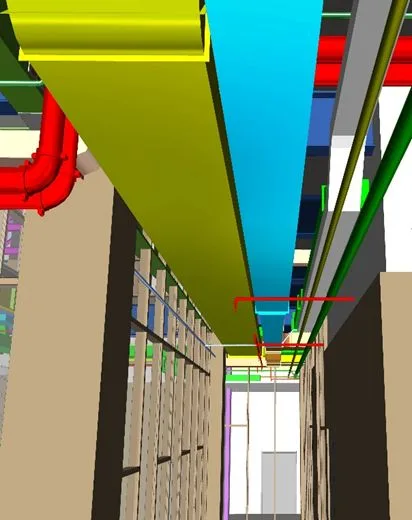
Figure 25: BIM Mechanical and Electrical Development Model
8. Summary
The use of BIM technology in the Dongguan Citizen Service Center project represents a successful renovation case by Xingcheng Consulting. This project addressed traditional construction challenges such as rework, visual construction coordination, quantity takeoffs, and optimized electromechanical pipeline layouts. It effectively reduced rework, enhanced construction efficiency, simplified project management, and saved significant time and material costs.
BIM technology is an essential tool for building digitization and a vital means to improve construction project efficiency. It integrates various construction engineering factors into a unified information flow, coordinating design, construction, and cost management processes. This reduces project management complexity and optimizes resource utilization. The continued advancement of BIM technology promises substantial transformation in the construction industry.
















Must log in before commenting!
Sign Up