
This article is from the WeChat official account: Star City Consulting.

1. Project Overview
The Longtou Port project is situated in Longqiao Street, Fuling District, Chongqing, approximately 17 kilometers from Fuling’s city center. Positioned as a key comprehensive logistics hub in the upper Yangtze River region, Longtou Port serves as a distribution center for the Yangtze and Wu Rivers, a bonded port, and a multimodal transportation base within the Yangtze River Economic Belt (see Figures 1-2).
It currently stands as the westernmost port on the upper Yangtze accessible by ships up to 5,000 tons and fleets up to 10,000 tons. The project boasts a total investment exceeding 10 billion yuan, planning the construction of 20 berths accommodating 5,000-ton vessels, designed to handle an annual throughput of 30 million tons. The development will proceed in five phases and will feature a railway collection and distribution center, enabling intermodal transport of iron, steel, and rail cargo.
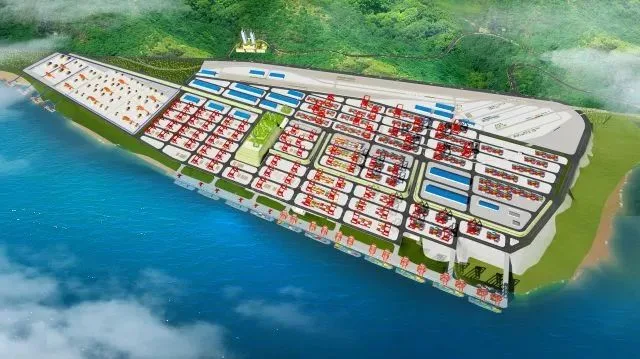
Figure 1: Overall view of Longtou Port
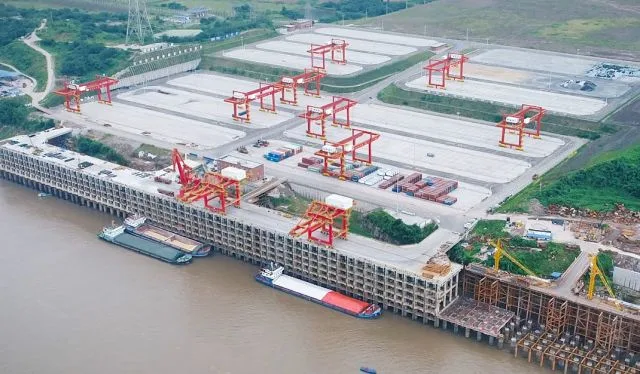
Figure 2: Partial on-site view of Longtou Port
2. BIM Technology Implementation Plan
The comprehensive application of Building Information Modeling (BIM) in the Longtou Port project marks a significant advancement in large-scale water transportation engineering in China. This is particularly notable for a vertical hub-type port with substantial water level variations in the Three Gorges Reservoir area. Given the project’s large scale, multi-disciplinary collaboration, and complex model structure, it serves as a pioneering practical example.
The project encompasses eight key BIM application points:
1) Standardized BIM Process Design and Modeling to Accelerate BIM Development in Transportation
At the project’s onset, standardized implementation documents (shown in Figures 3-4) were developed to enable unified, centralized storage and structured management of components. A full professional BIM model with a Level of Development (LOD) 300 was created based on these standards. Non-geometric information such as materials and manufacturer details were embedded into model components, and a template library was built to standardize BIM workflows and promote BIM adoption in the transportation sector.
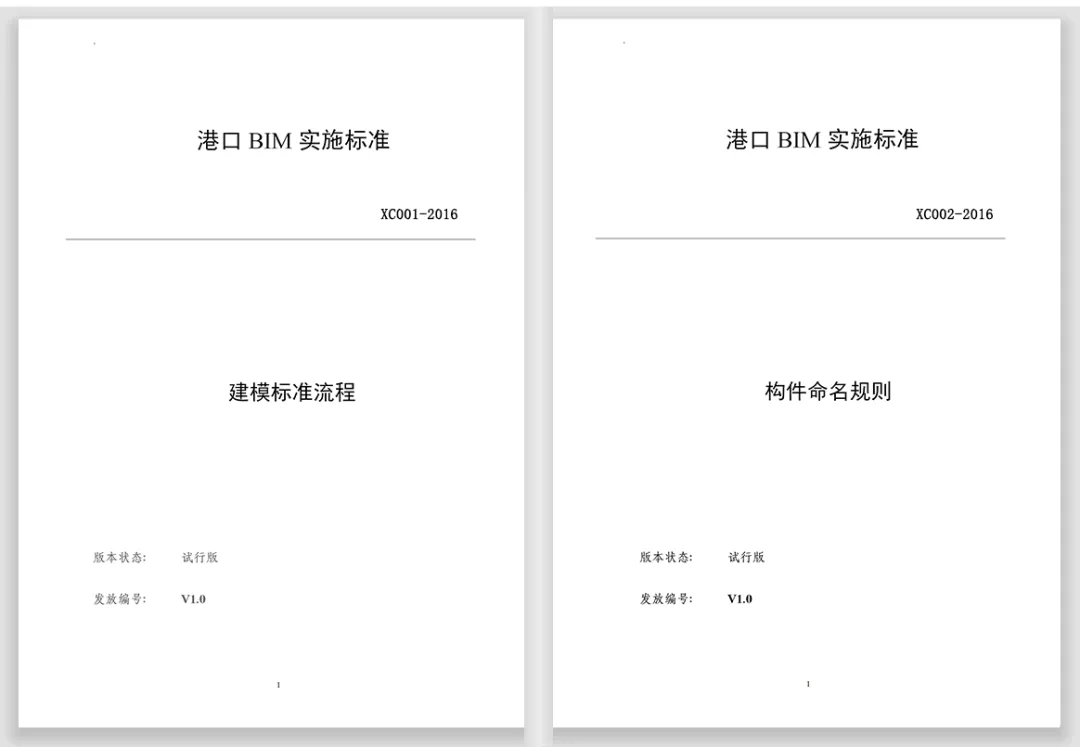
Figure 3: Port BIM Implementation Standards
The project structure is organized into three levels: individual projects, unit projects, and sub-projects (see Figure 4). The project lead verifies model compliance with design drawings, checks for modeling errors or omissions, and ensures component naming accuracy. This clarifies project responsibilities, assigns tasks, and guarantees model accuracy and usability. Precise component naming enhances professionalism and ease of locating BIM models.
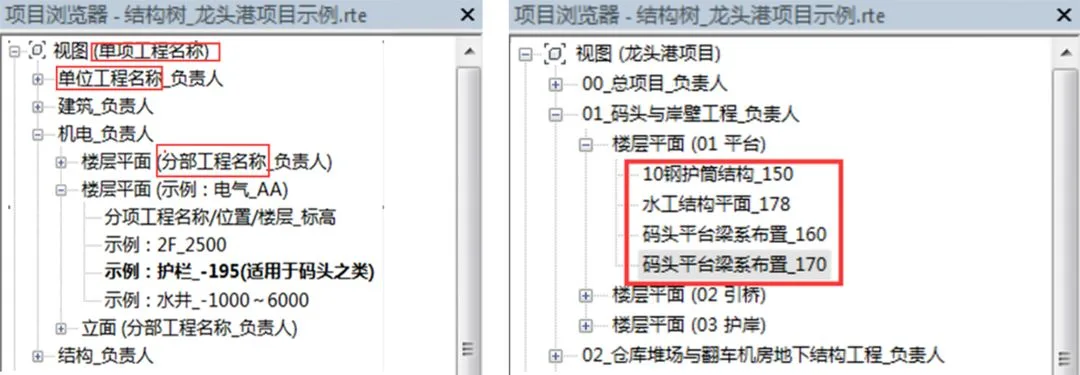
Figure 4: Project Level Classification
2) Collaborative BIM Design to Enhance Multidisciplinary Efficiency
Given the project’s vast area and multiple stakeholders, a collaborative workflow was employed. Engineers across disciplines worked on the same platform, linking their BIM models to a central file. Updates to each professional model were synchronized in real-time, facilitating immediate sharing of information. This approach reduced communication costs and enhanced overall work efficiency.
3) BIM Visualization for Scheme Comparison and Spatial Planning
During the design phase, BIM models were used to rapidly create renderings, 3D videos, and walkthroughs (Figures 5-6). Real-time adjustments allowed designers to visually compare and refine schemes, supporting decision-making by providing an intuitive, visual environment to optimize design outcomes.
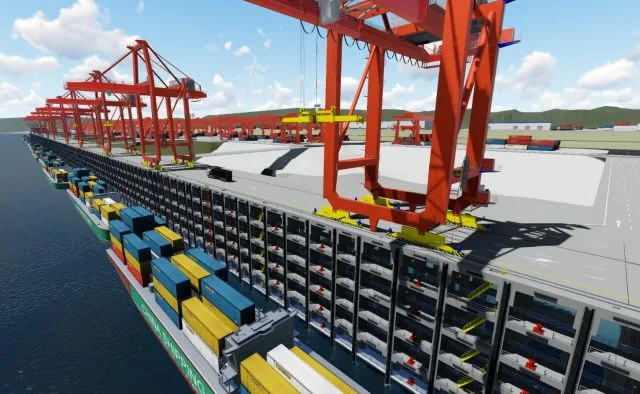
Figure 5: Port Platform Visualization
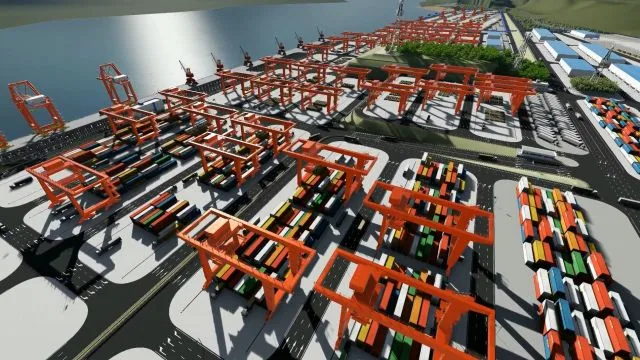
Figure 6: Phase II Port Visualization
4) BIM Intelligent Automation to Accelerate Site Design
Site design involved defining intersection units, paving units, and slope templates within the BIM model (Figures 7-8). These elements were then used to automate site elevation design and quantity calculations. Adjustments to control lines in the overall plan triggered real-time model updates, significantly improving site design efficiency.
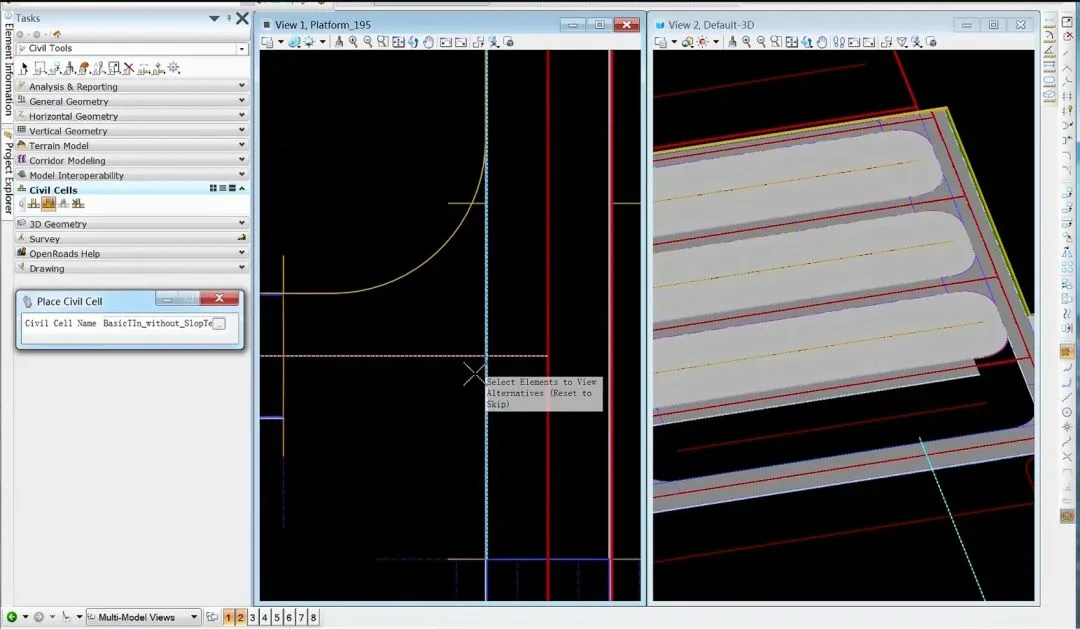
Figure 7: Site Design
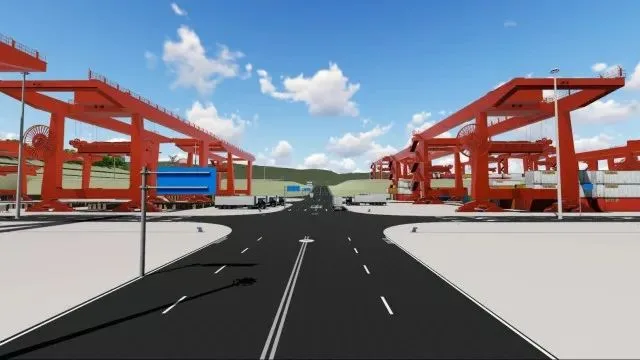
Figure 8: Site Design
5) BIM-Based Design Evaluation to Detect and Resolve Issues
Engineers used BIM models to review design drawings, identifying errors, omissions, and clashes. Each issue was located, labeled, and compiled into a design evaluation report (Figure 9), which was promptly shared with project and design teams. Corrections were made before construction commenced, reducing risks of delays, improving quality, saving costs, and minimizing designer workload related to design changes.
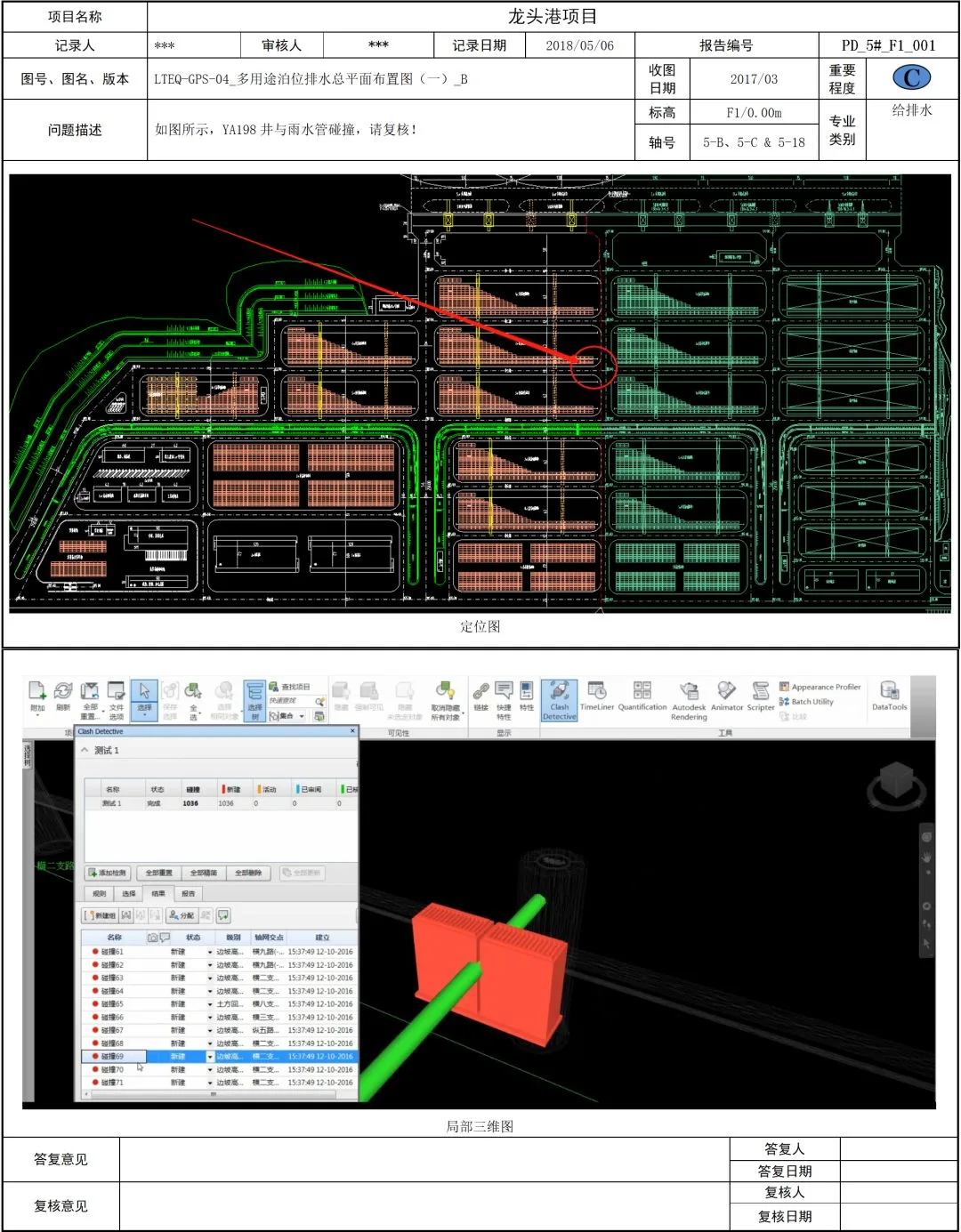
Figure 9: Design Evaluation Report
6) BIM Energy Analysis to Support Design Feasibility
Non-geometric data such as fire resistance, heat transfer coefficients, pricing, procurement details, weight, and stress parameters were added to BIM components to create an energy analysis model (Figure 10). This enabled designers to analyze building energy loss, optimize designs, improve efficiency, and promote green building principles.
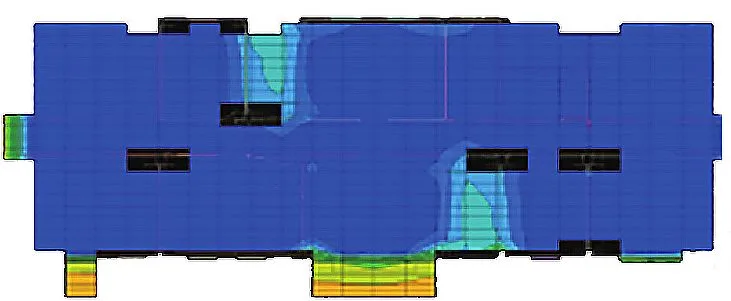
Figure 10: Indoor Heat Analysis
7) BIM Drawing Deepening to Assist in Documentation
Customized drawing templates facilitated quick generation of 2D drawings from 3D BIM models (Figure 11), aiding the design of specific structures. Dynamic synchronization ensured that all related drawings updated automatically with any component changes, significantly accelerating drawing production.
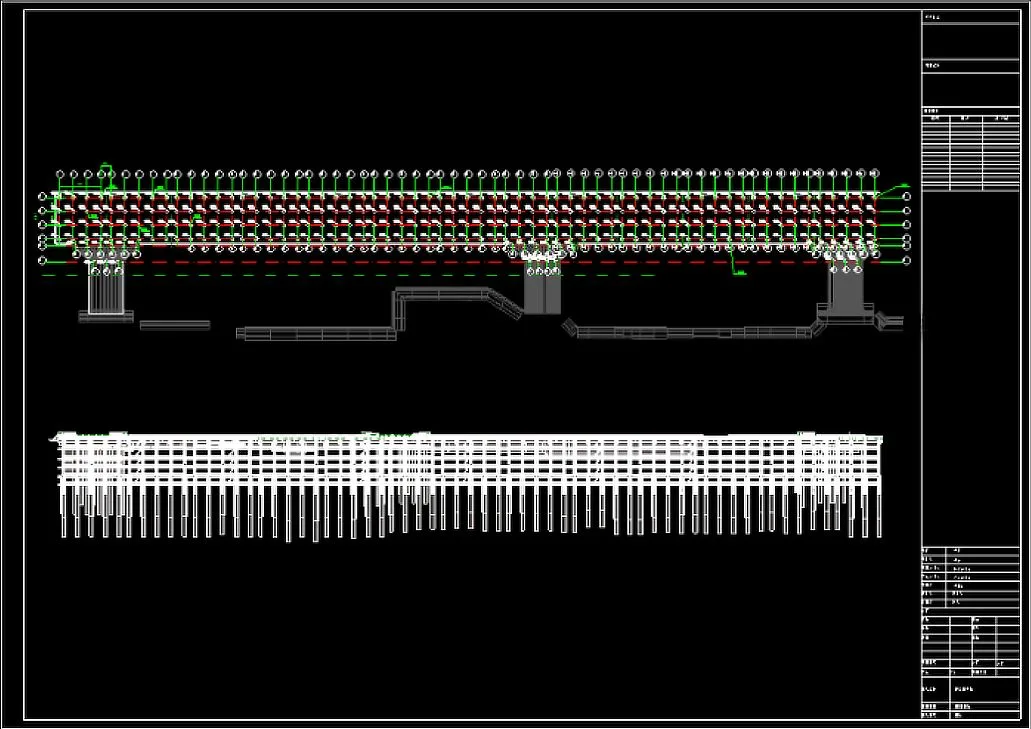
Figure 11: Hydraulic Platform Diagram
8) BIM-Based Quantity Calculation to Support Cost Control and Budgeting
BIM models were used to calculate engineering quantities across various schemes, providing detailed material consumption for sub-projects. This enabled rapid identification of the most efficient plan through comparative analyses and generated detailed quantity lists (Figure 12). The approach also allowed dynamic cost control by linking plans to bills of quantities, supporting informed decision-making.
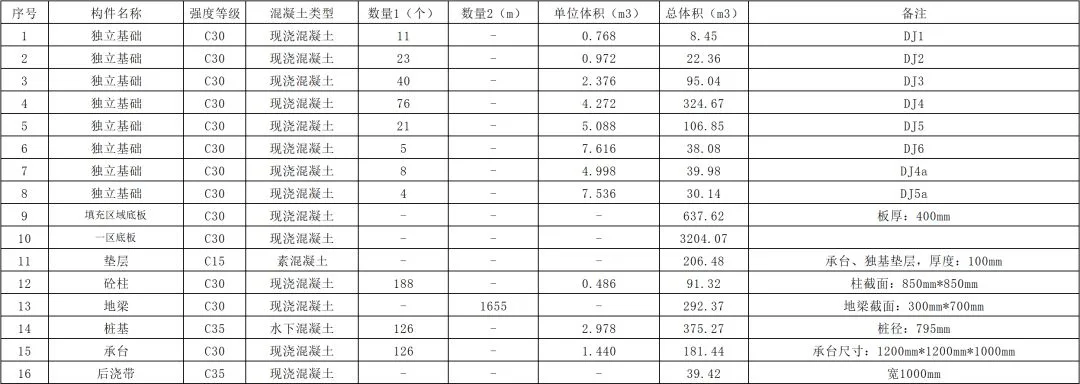
Figure 12: Bill of Quantities
3. Awards and Honors
The Chongqing Longtou Port project leveraged BIM’s technological strengths—including visualization, parameterization, collaboration, refinement, and control—to deliver innovative design solutions. It accumulated extensive successful experience and developed a collaborative, standardized design process tailored to large and complex water transportation engineering projects. The project distinguished itself in Chongqing’s inaugural Building Information Modeling (BIM) application competition, winning the first prize for comprehensive municipal BIM application.
















Must log in before commenting!
Sign Up