
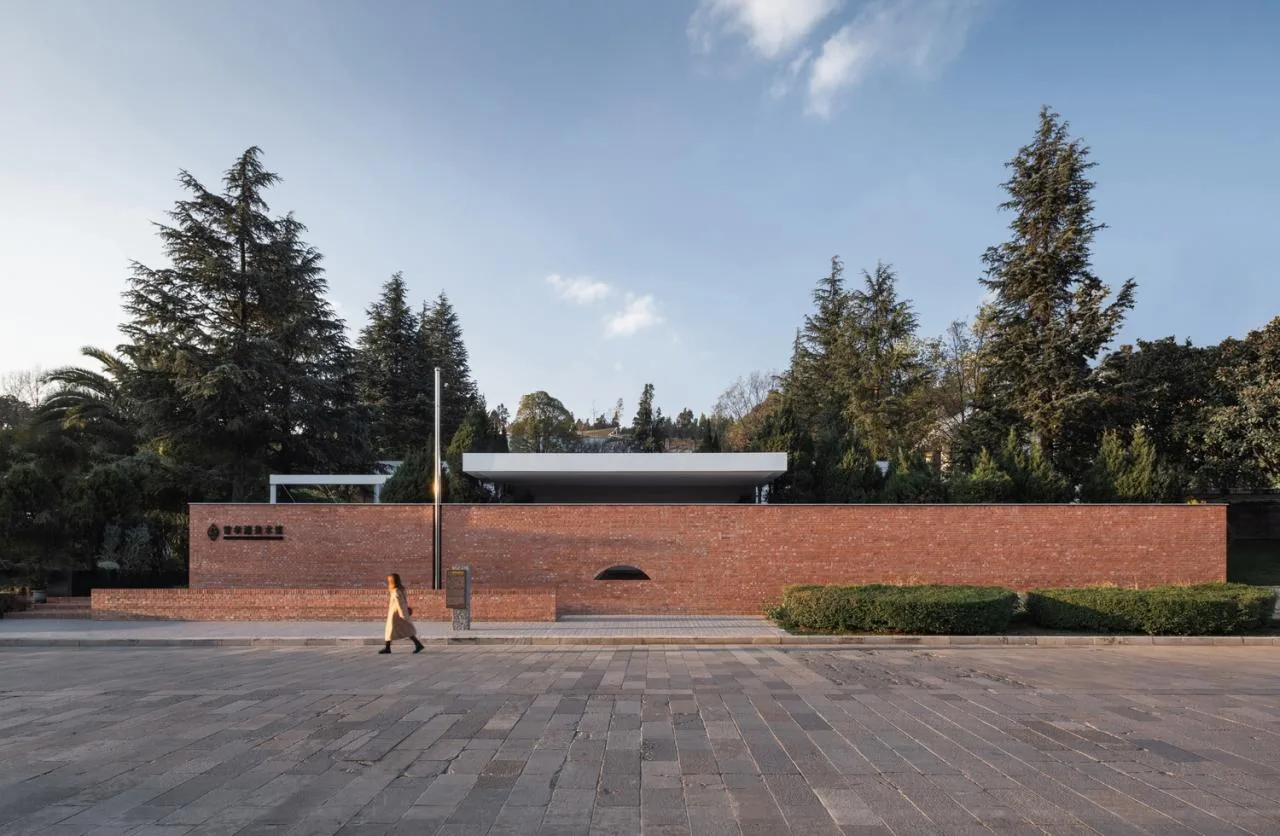
In 1999, Kunming, famously known as the “Spring City,” hosted the World Horticultural Expo under the theme “Human and Nature – Towards the 21st Century.” This event left a lasting impact on Kunming’s urban development and Yunnan’s tourism industry, becoming a cherished memory for the city’s residents. Fast forward 22 years, Kunming once again took center stage by hosting the 15th Conference of the Parties to the United Nations Convention on Biological Diversity (COP15).
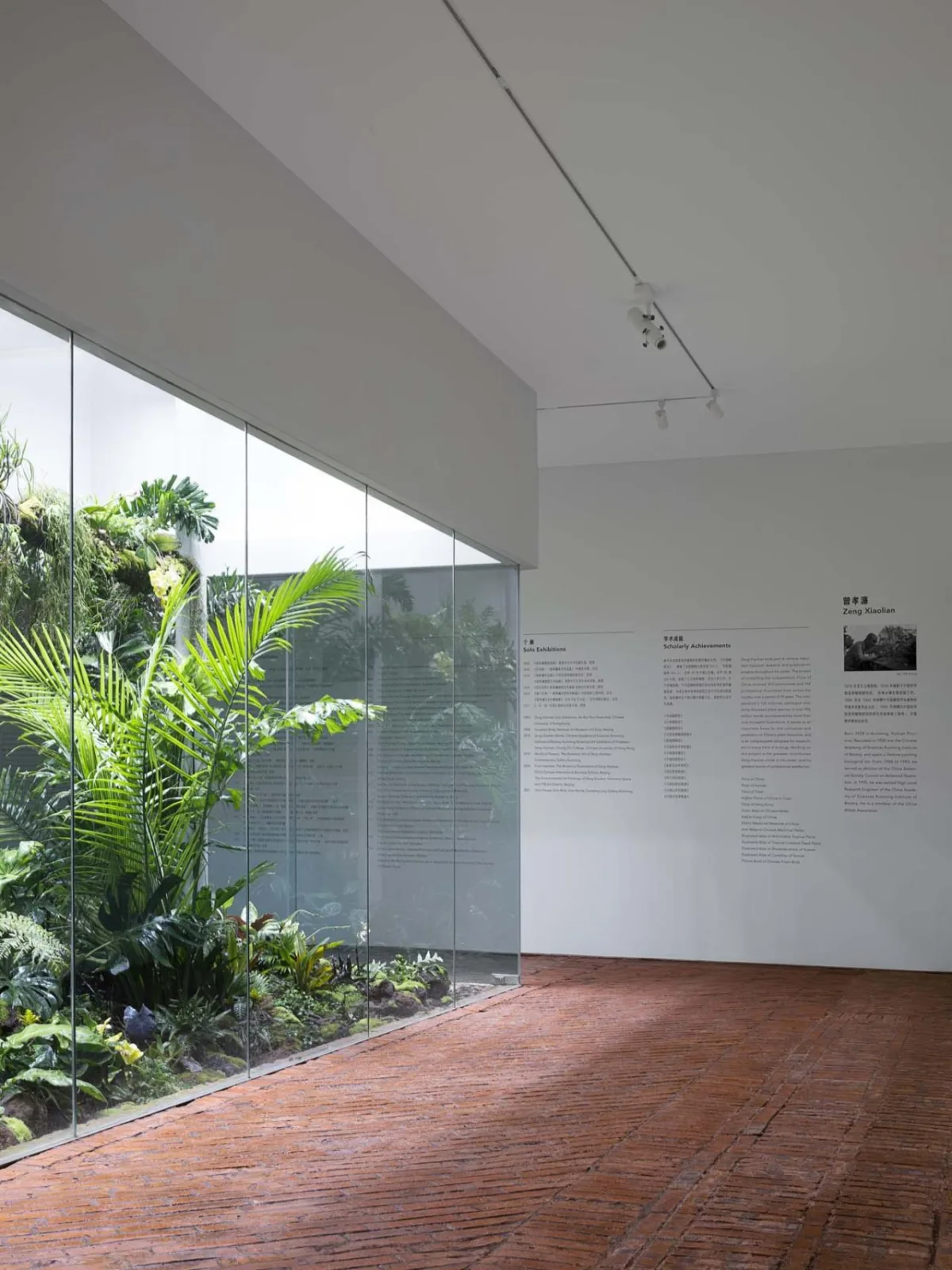
Seizing this opportunity, Kunming World Expo Park collaborated with Zeng Xiaolian, a botanical artist from the Kunming Institute of Botany at the Chinese Academy of Sciences, along with the Kunming Museum of Contemporary Art. Together, they transformed vacant spaces within the park through artistic revitalization, establishing a small art museum dedicated to exhibiting paintings of flora and fauna.
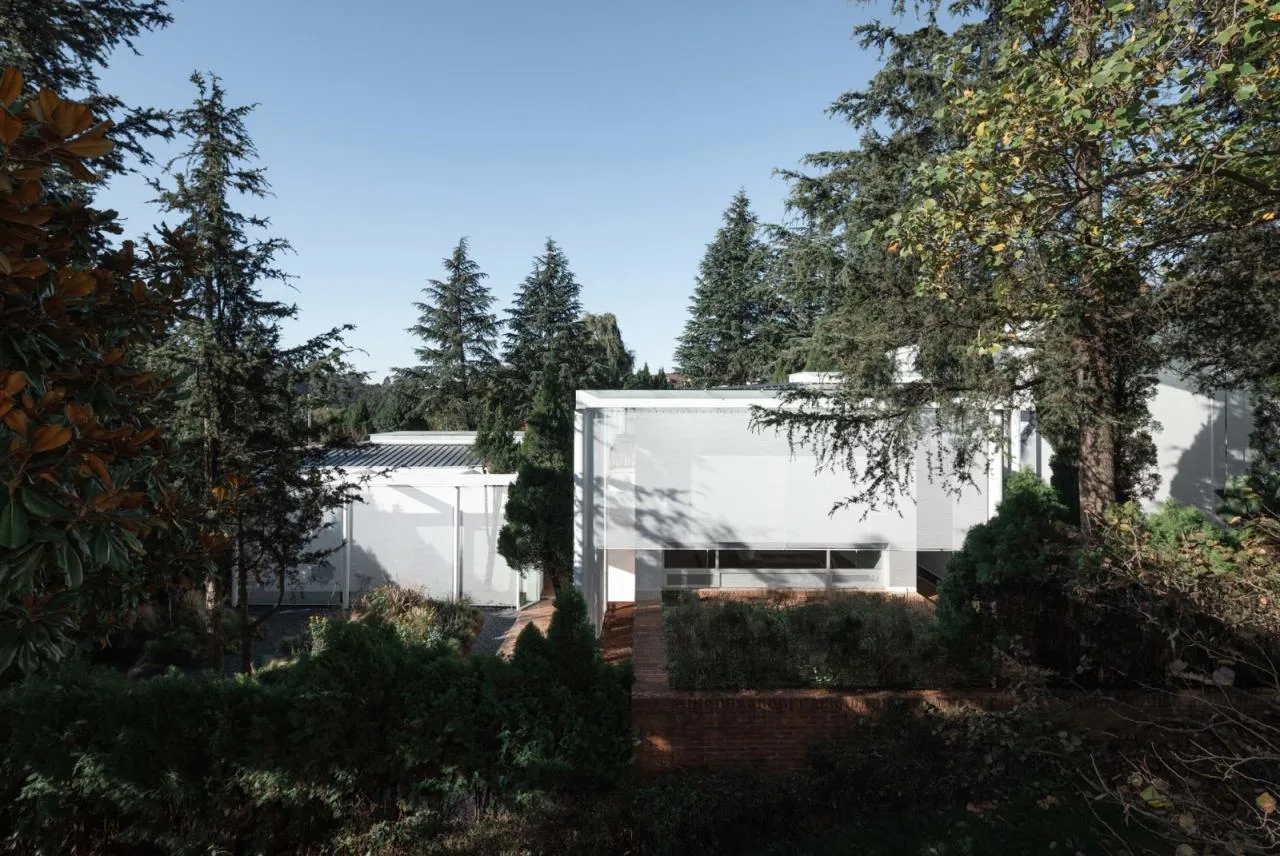
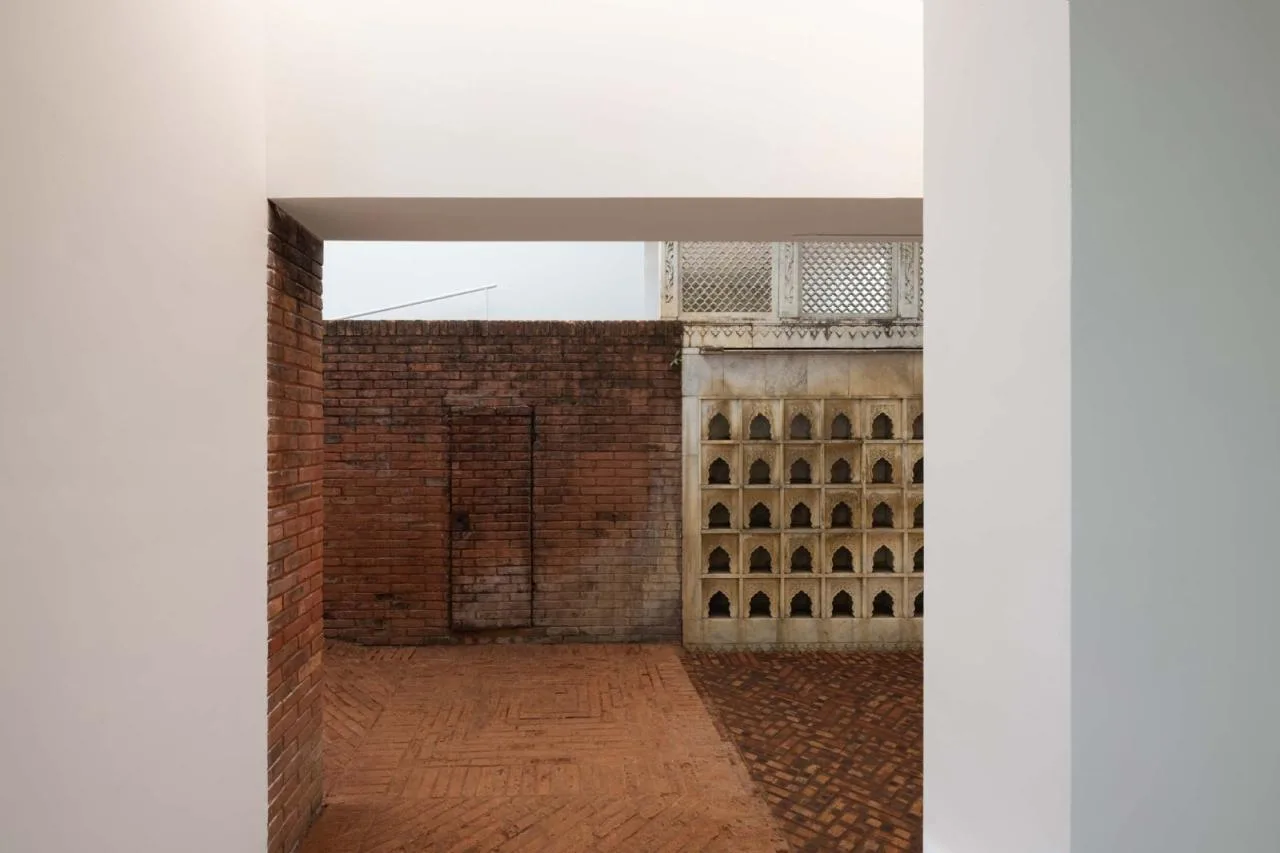
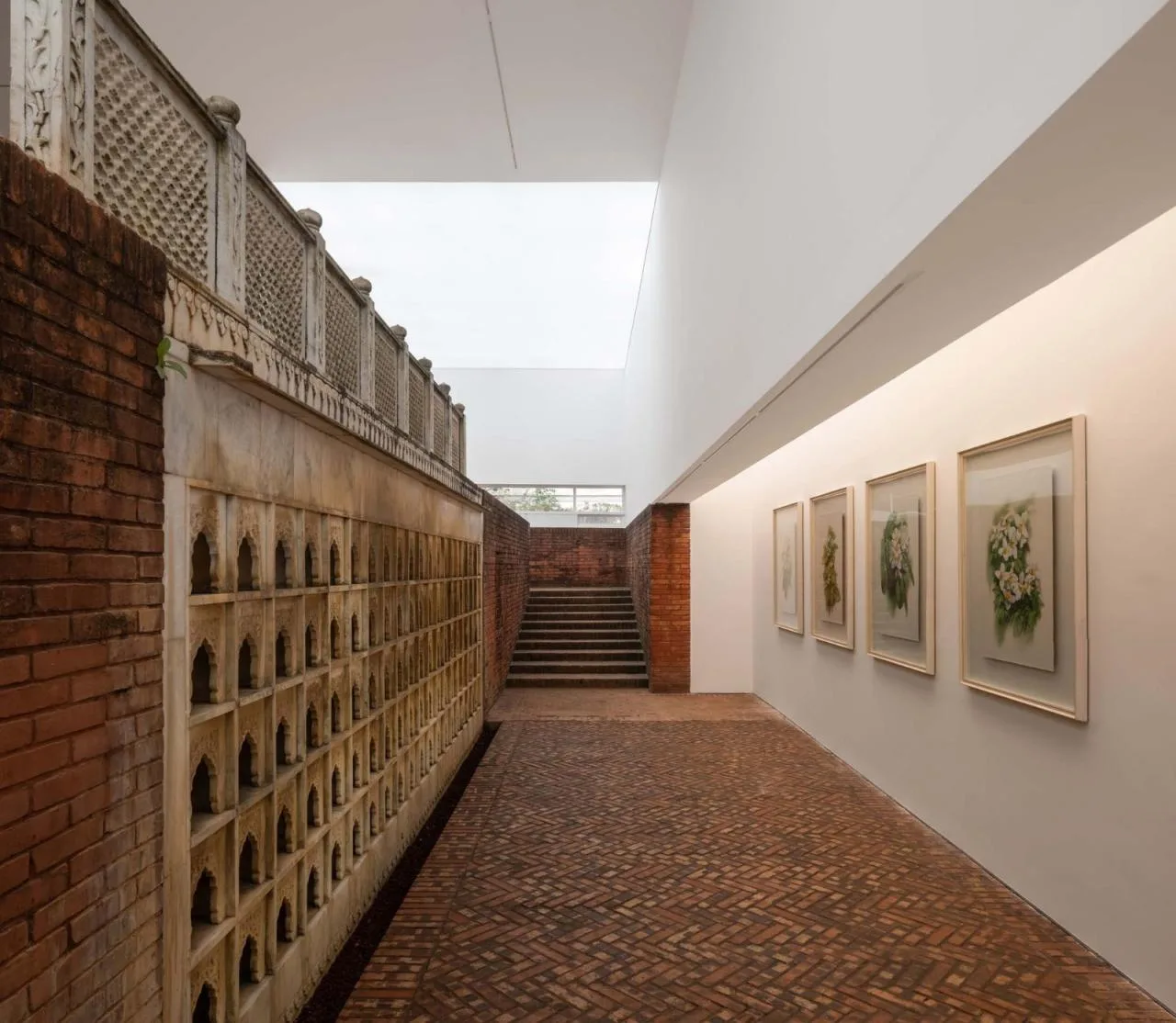
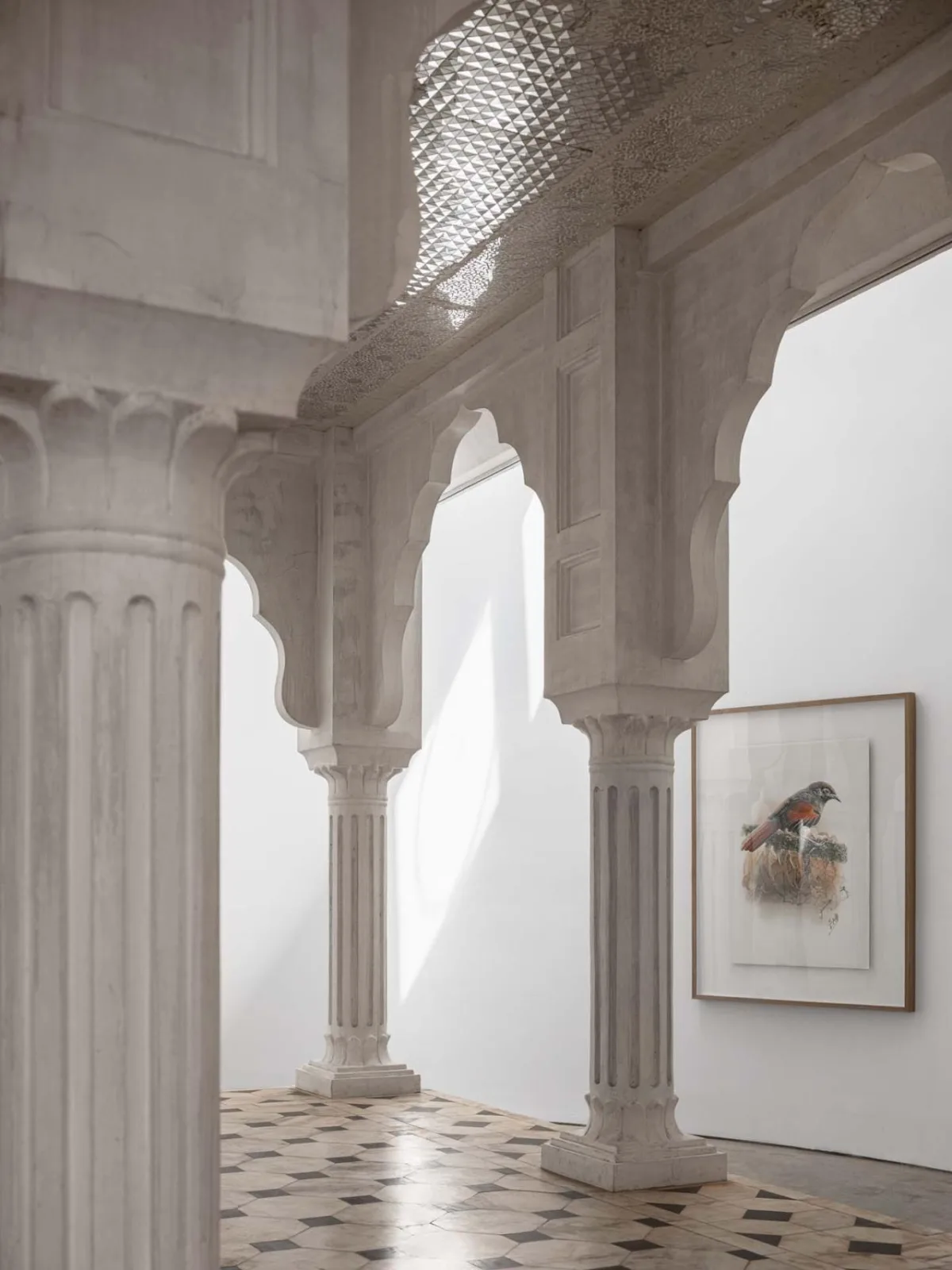
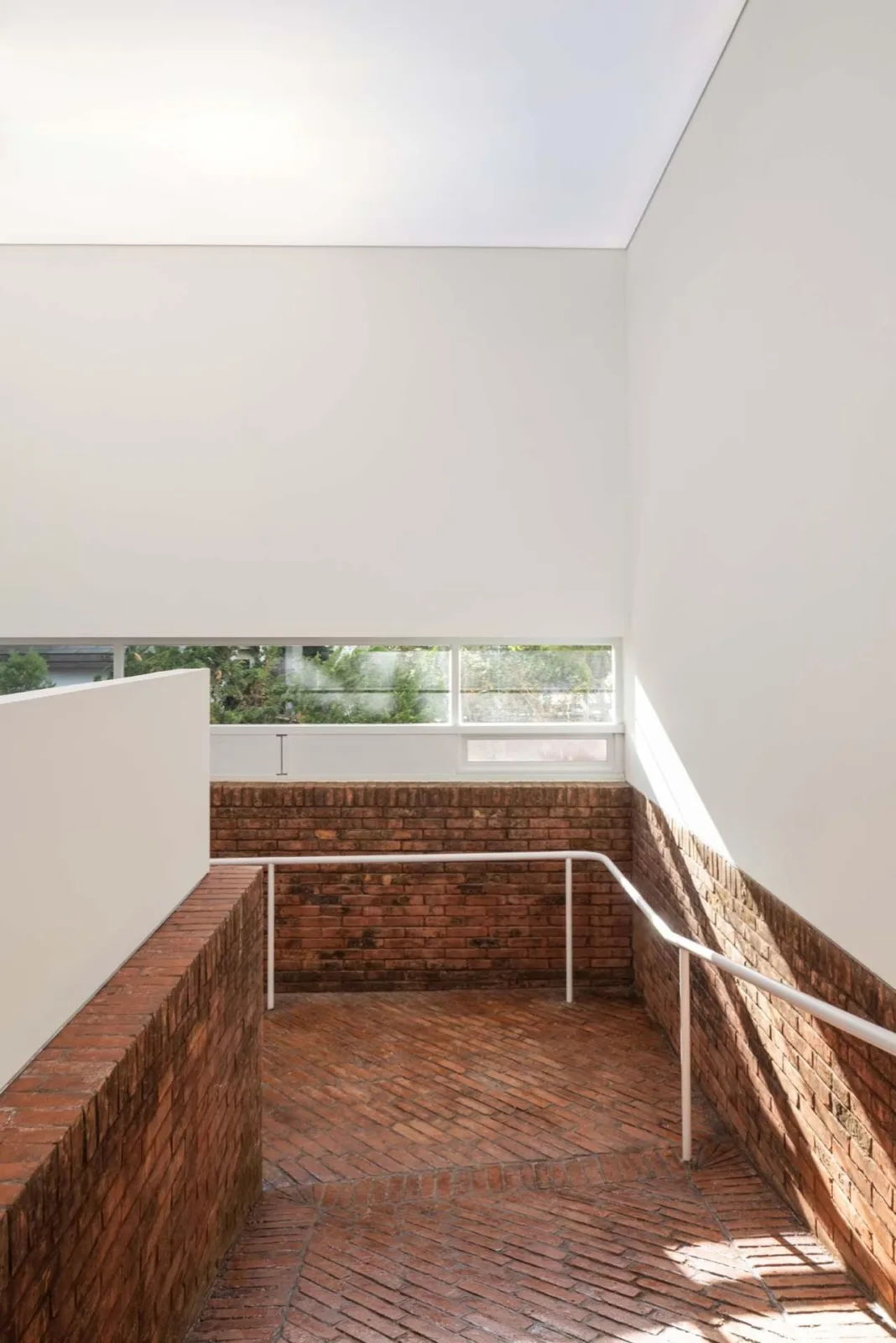
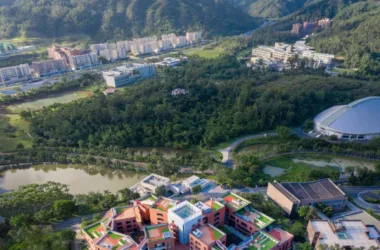
The project site is located on the north side of Friendship Road within the World Expo Park, in the area formerly occupied by the Pakistan and Vietnam Gardens in the international outdoor exhibition zone. The design approach began by carefully considering how to engage with the site’s pre-existing features. Unlike typical exhibition buildings that often stand apart from their surroundings, the Pakistan and Vietnam Gardens provide a vivid experience through their aged elements: mottled red brick pathways, cracked marble surfaces, sunlight casting sharp colonnade shadows, and the gentle movement of tree shadows layered over time. These natural effects have created a rich historical memory embedded in the site.
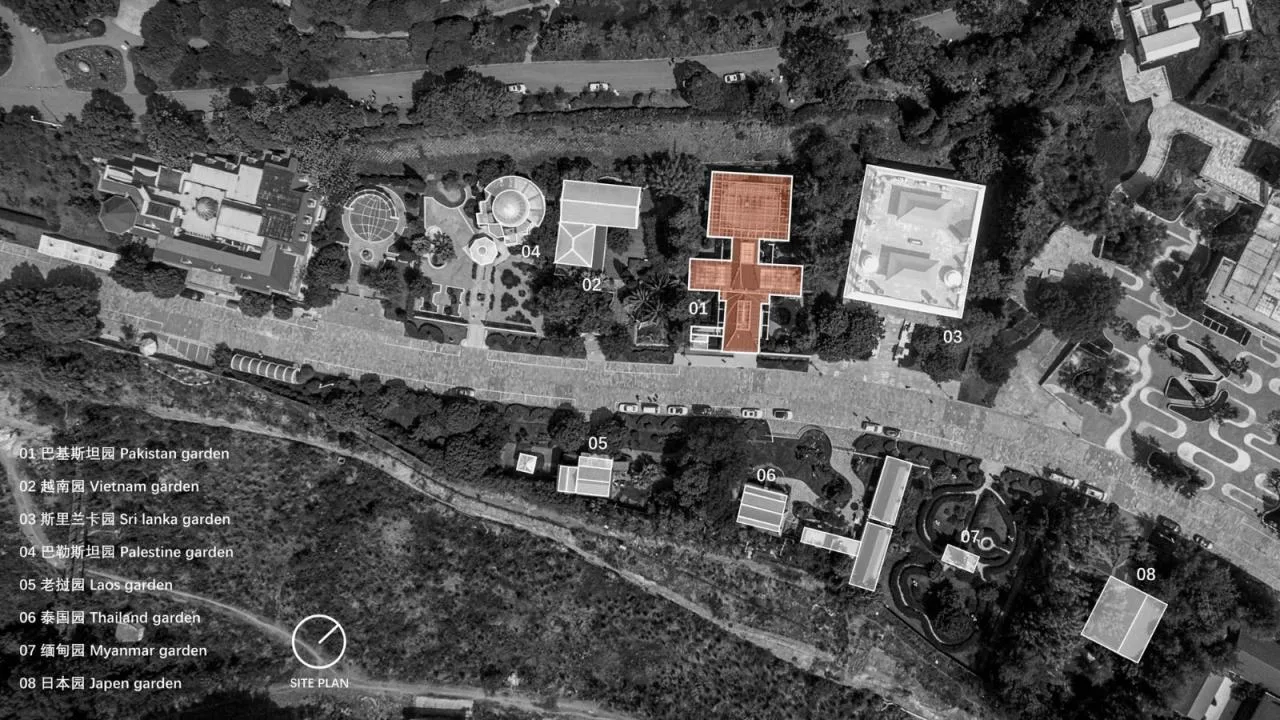
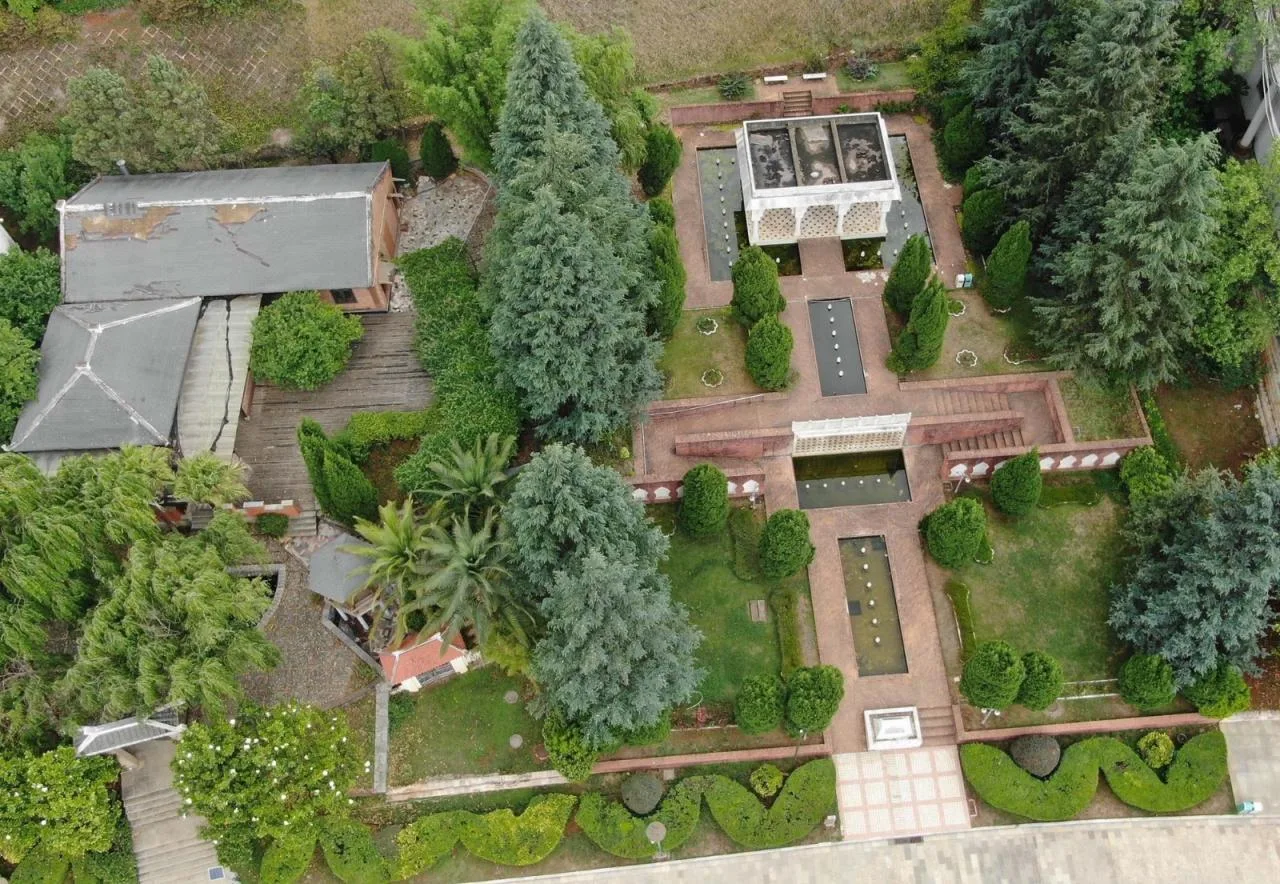
We regard the site’s existing features as a “new heritage” to be preserved and continued. The previous elements serve as historical clues that remain visible and interpretable, rather than erased. New architectural layers are carefully overlaid, like writing new chapters on tracing paper, allowing old and new to coexist without conflict. This approach connects past and present while respecting their boundaries. The steel structure was chosen to meet the demands of rapid construction and to minimize disruption to the existing environment.
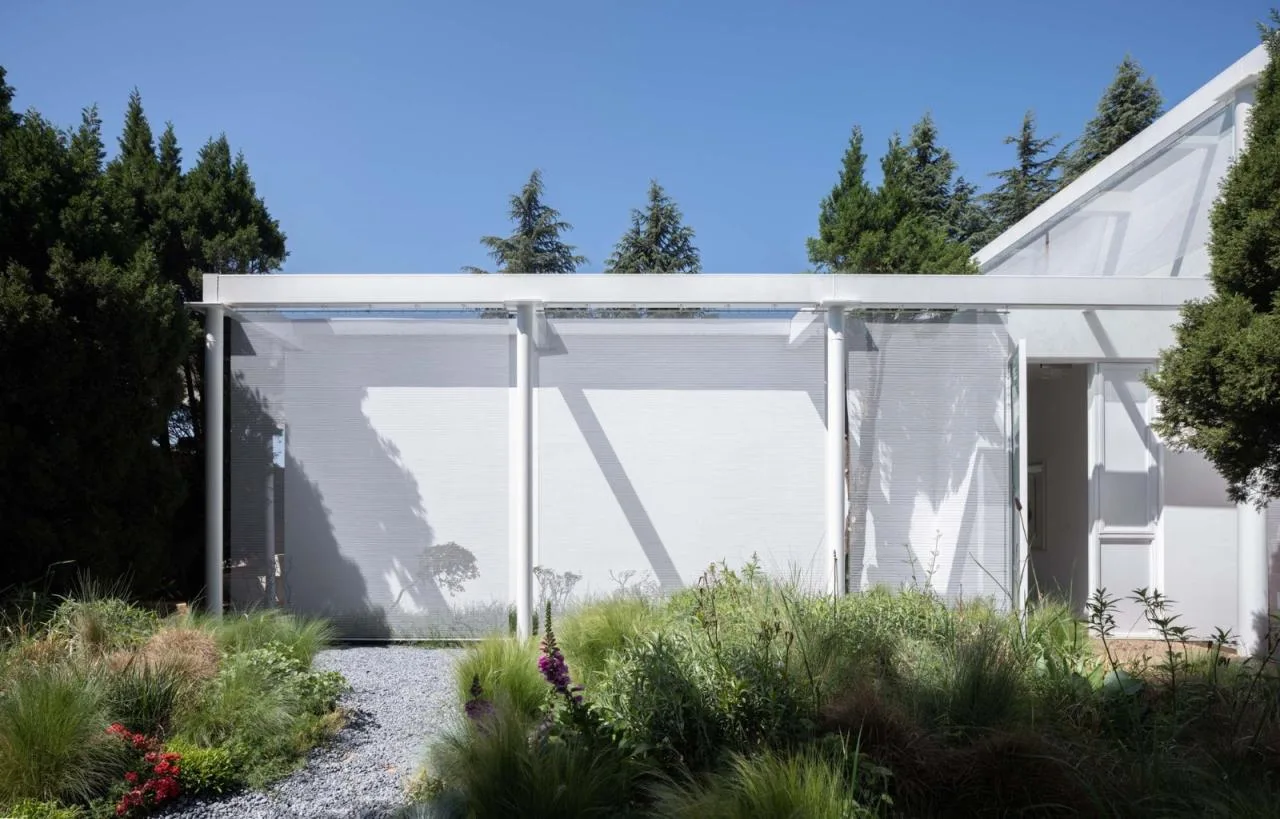
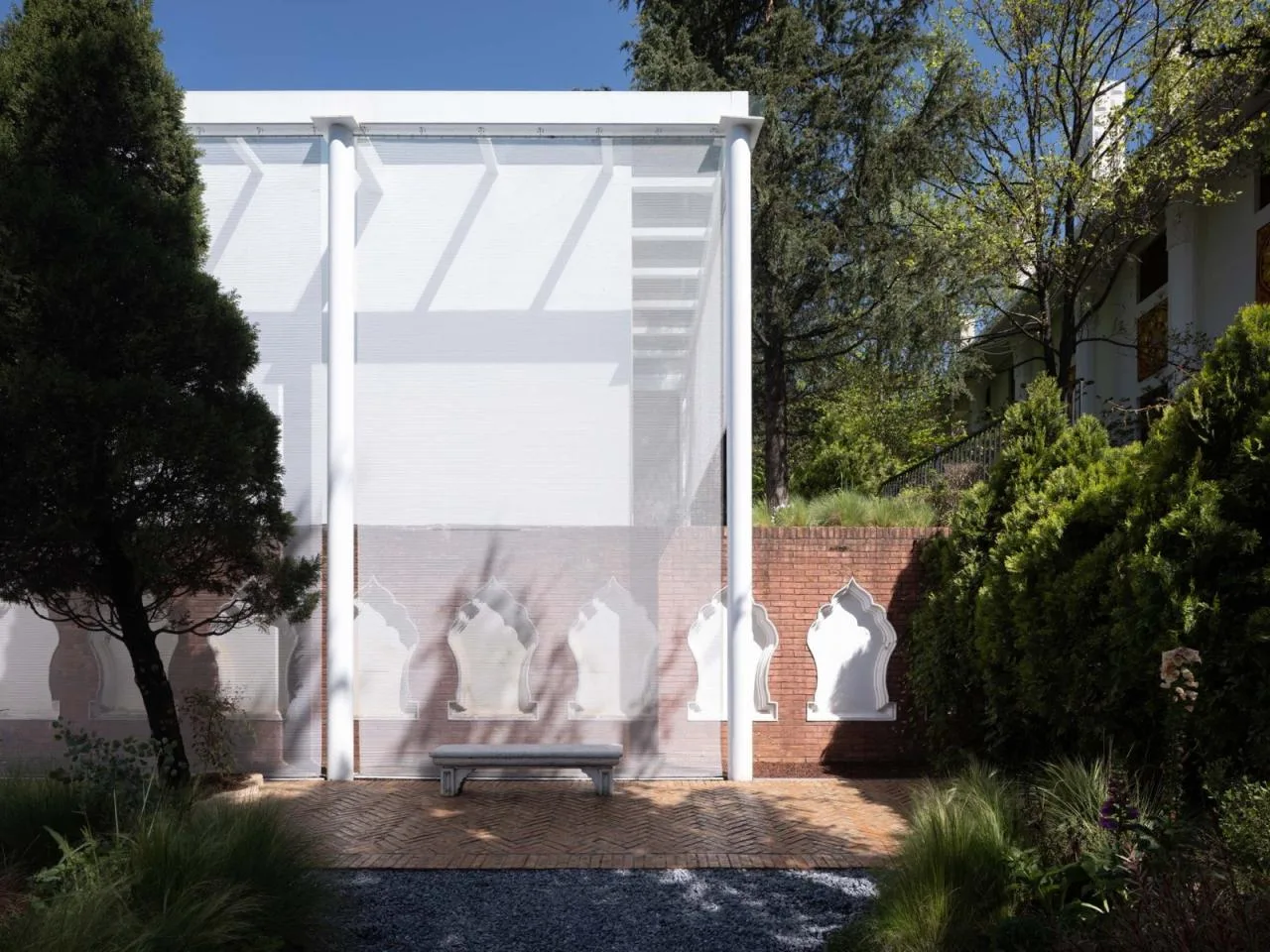
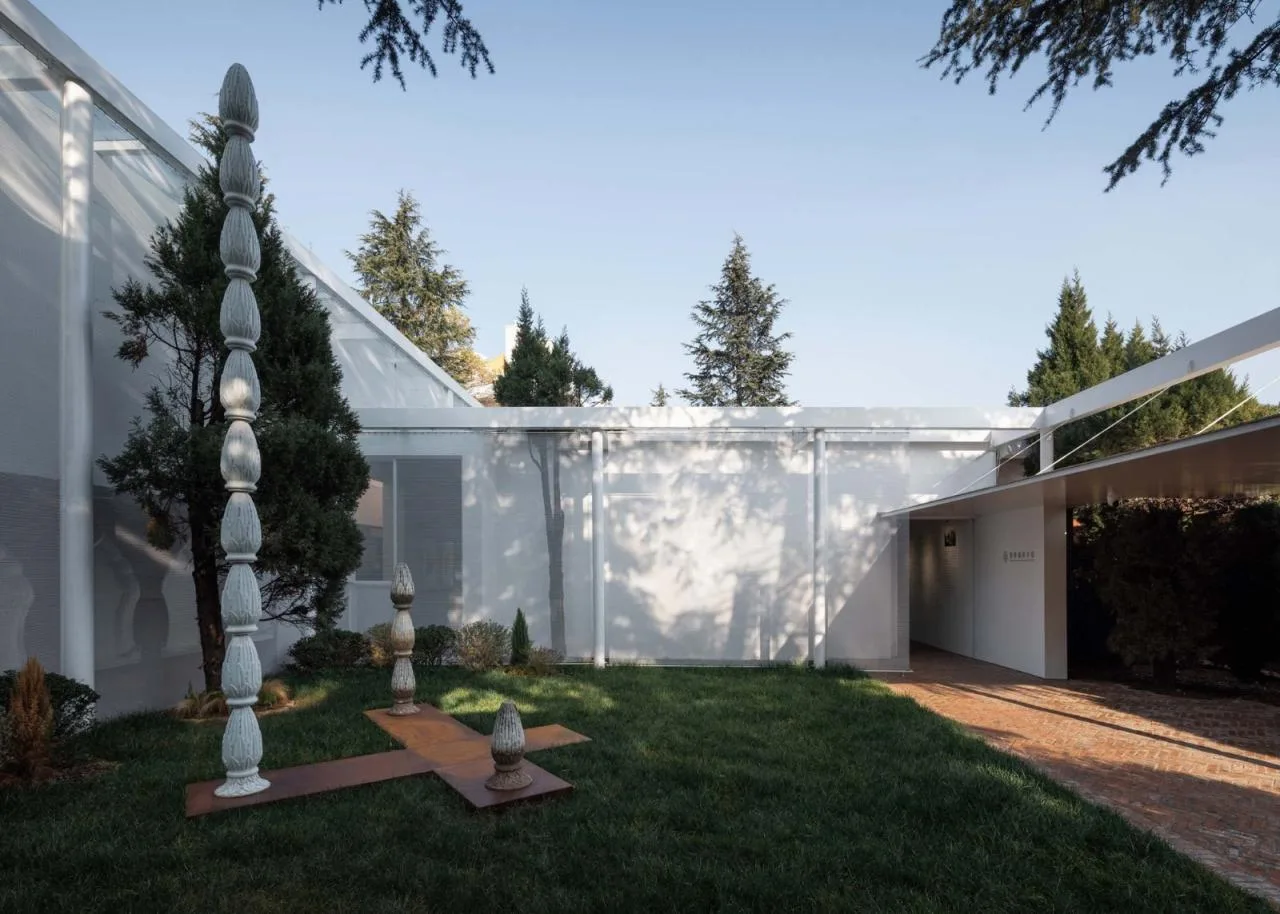
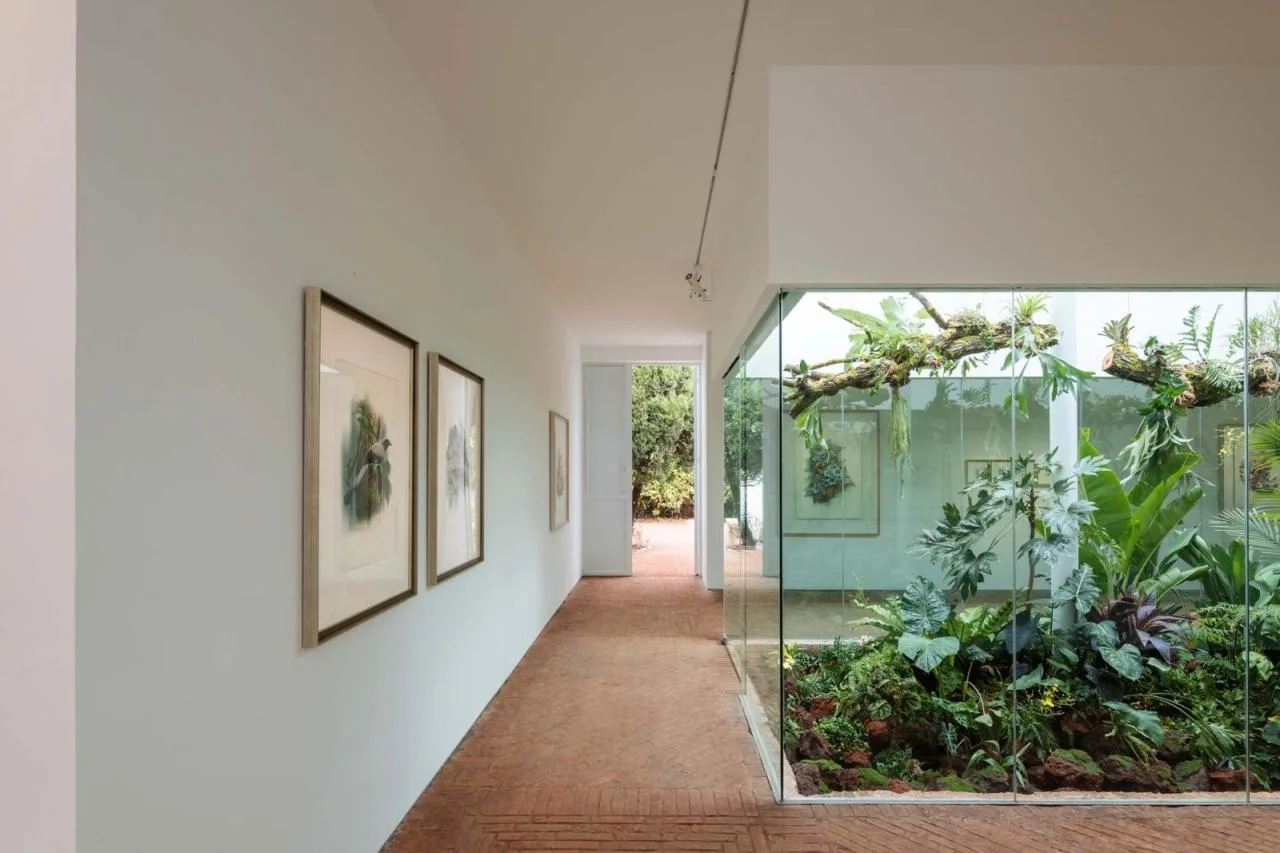
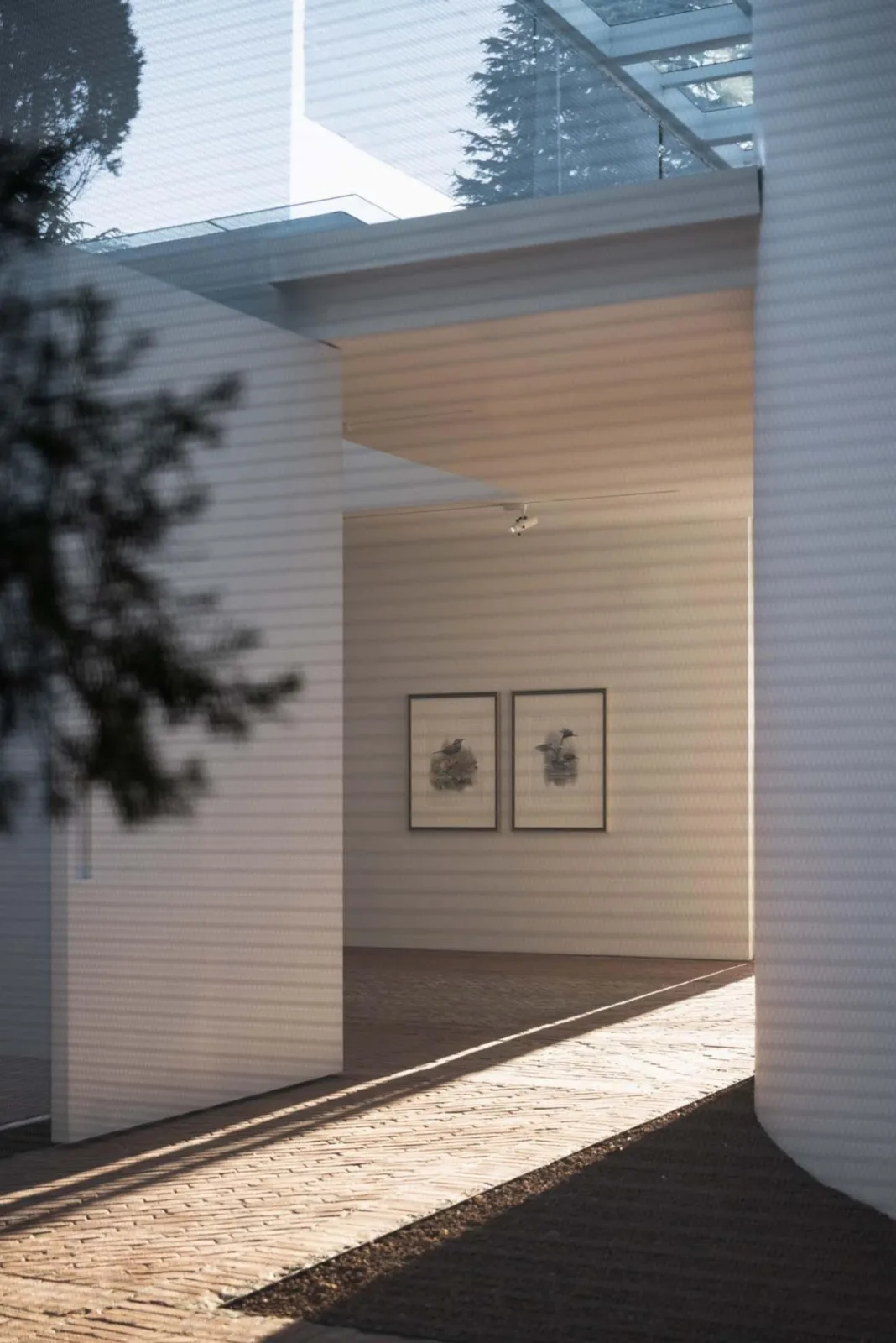
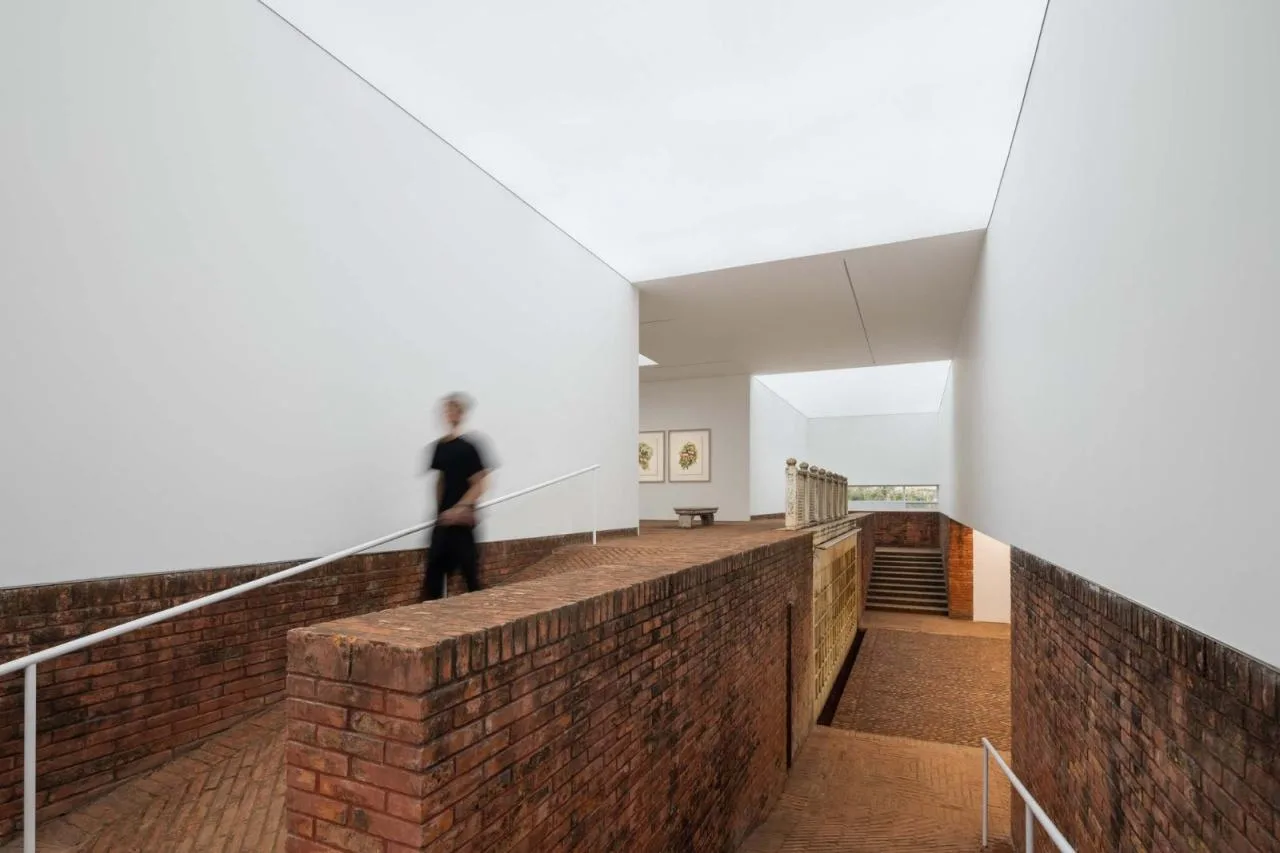
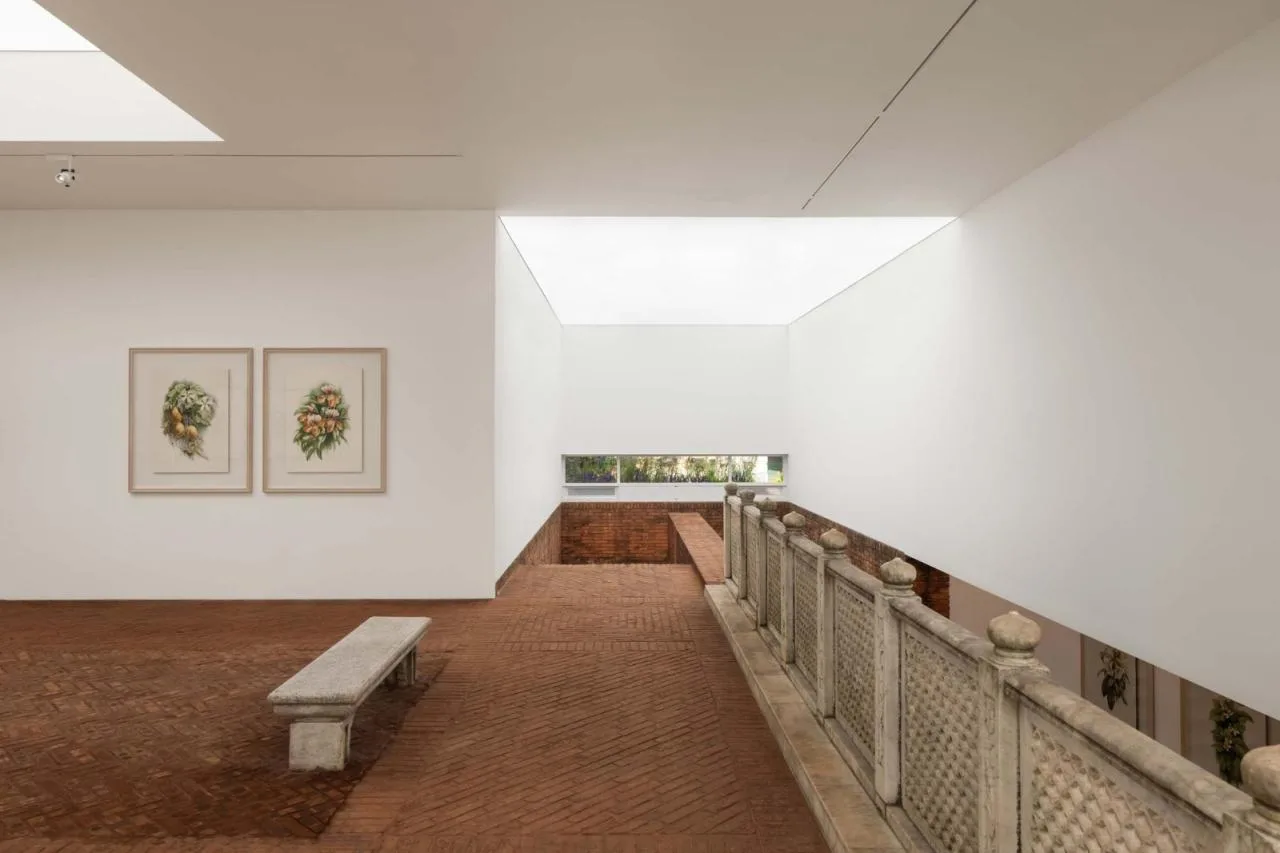
The final design preserved every tree on site and fully retained original features such as the Pakistani-style pavilion, inscriptions, marble railings, niches, and stone benches, integrating them into the art museum. Indoors, red bricks used as flooring were extended outdoors to maintain continuity. Moderately open viewing frames facing the courtyard between paintings blur the boundaries between interior and exterior spaces, allowing visitors to move seamlessly through indoor, outdoor, and semi-outdoor areas as they explore the artwork.
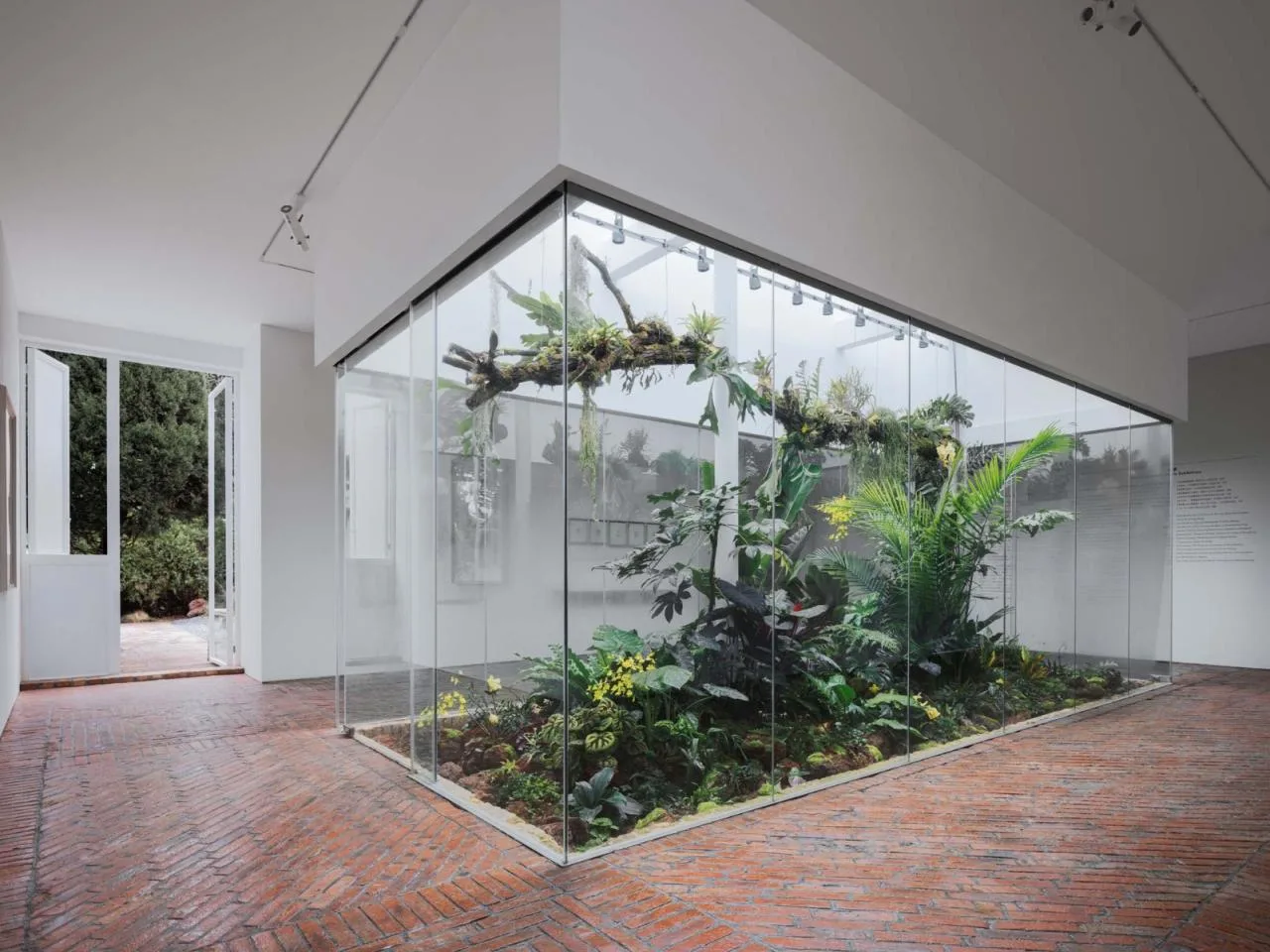
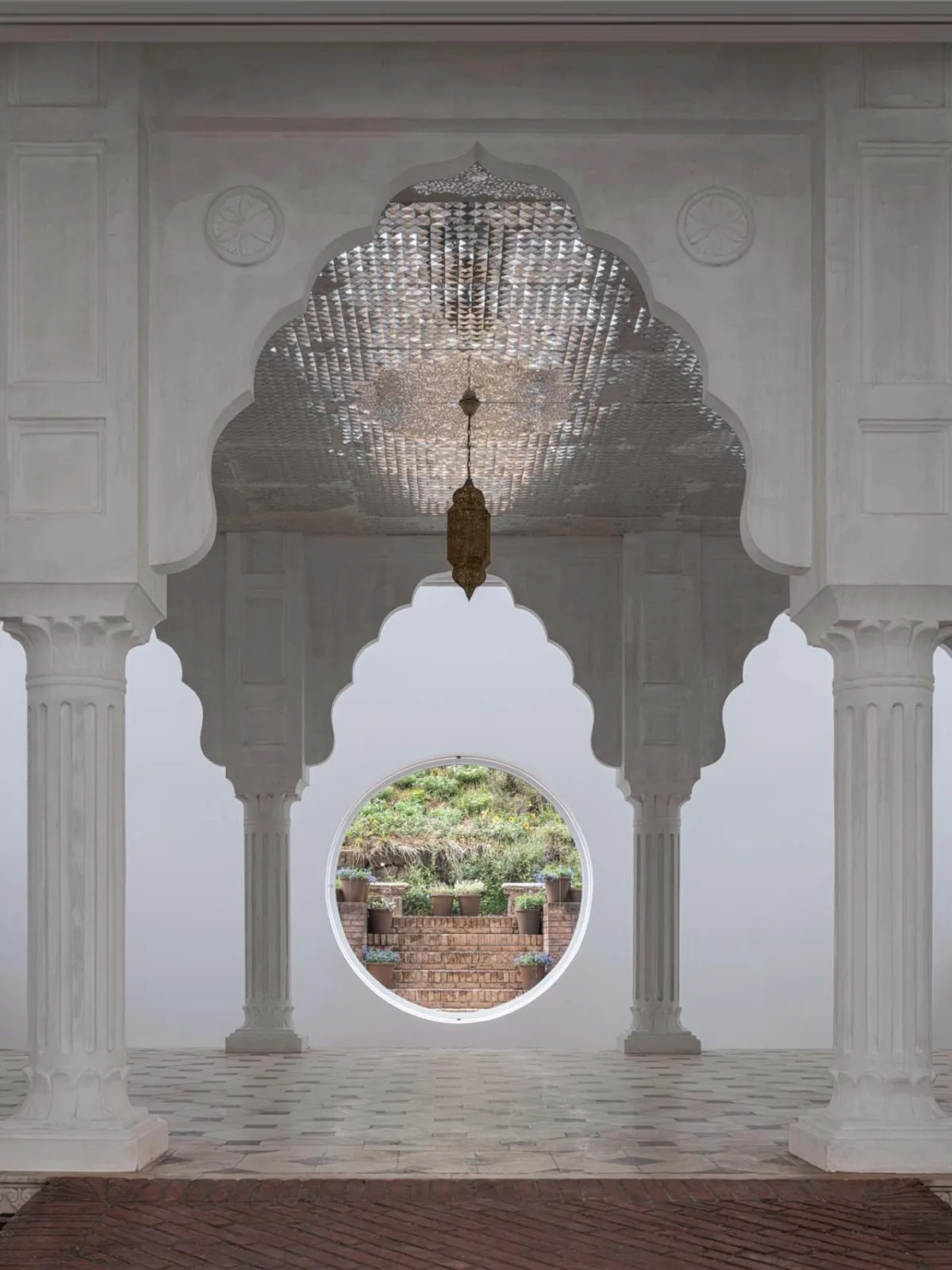
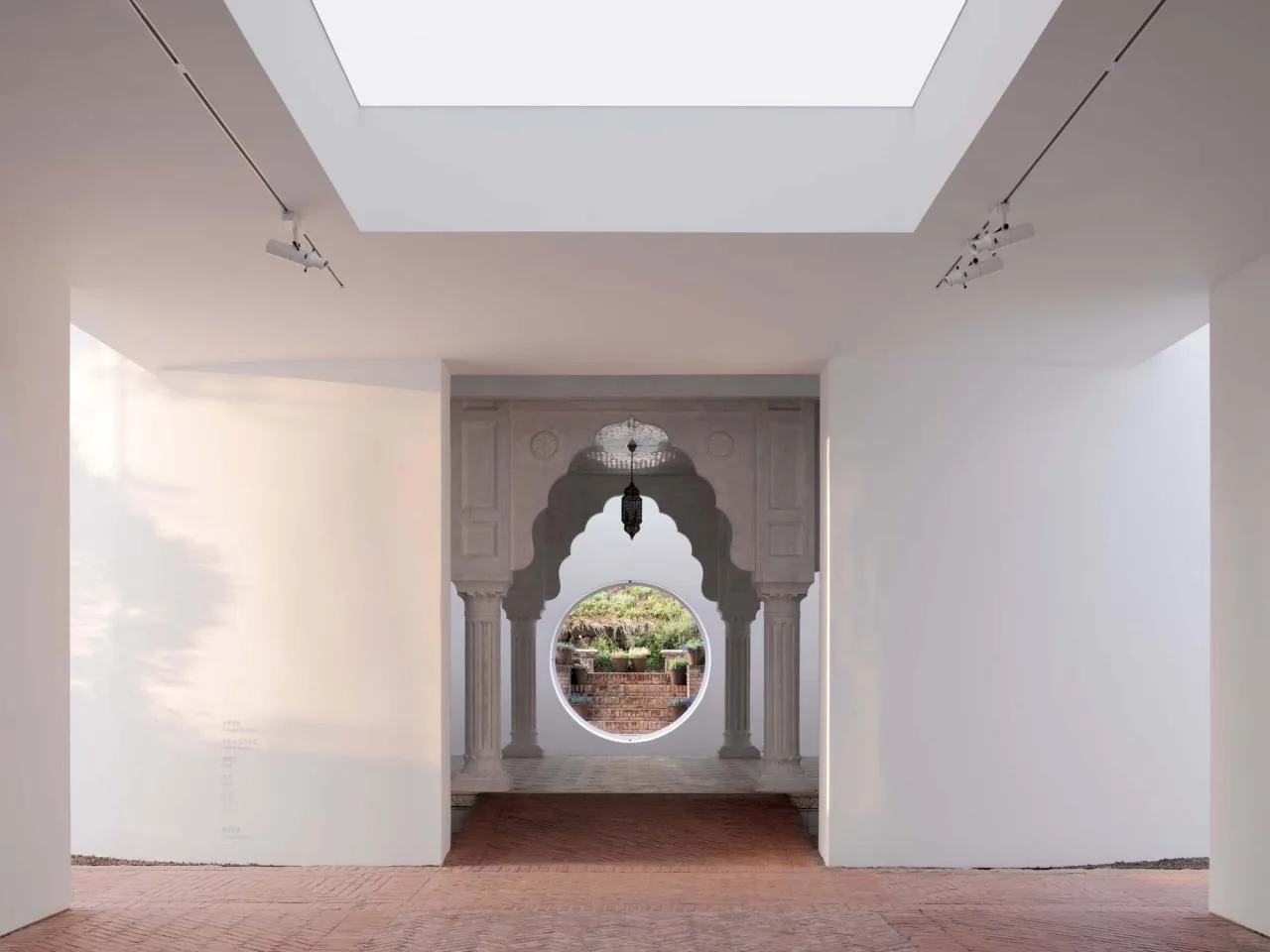
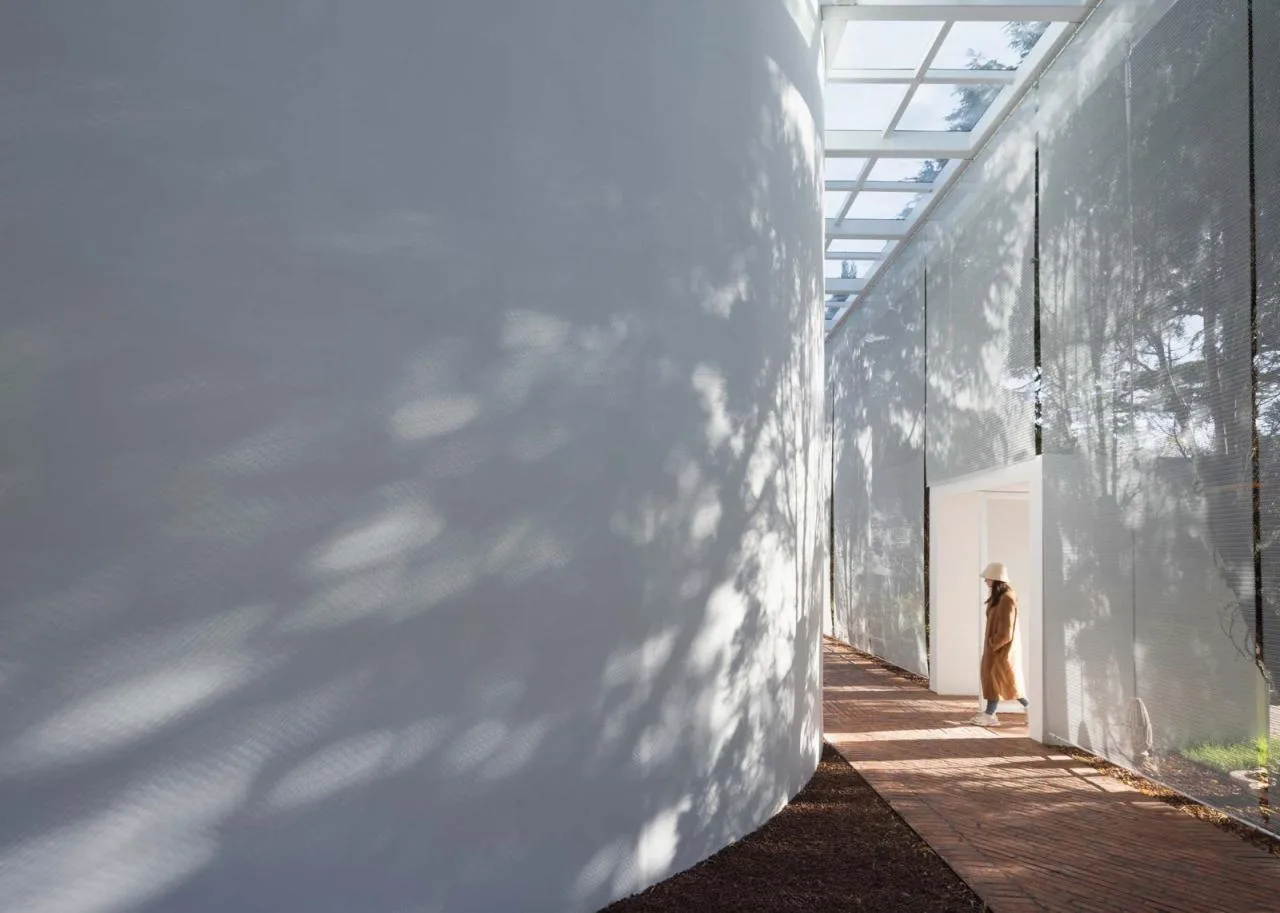
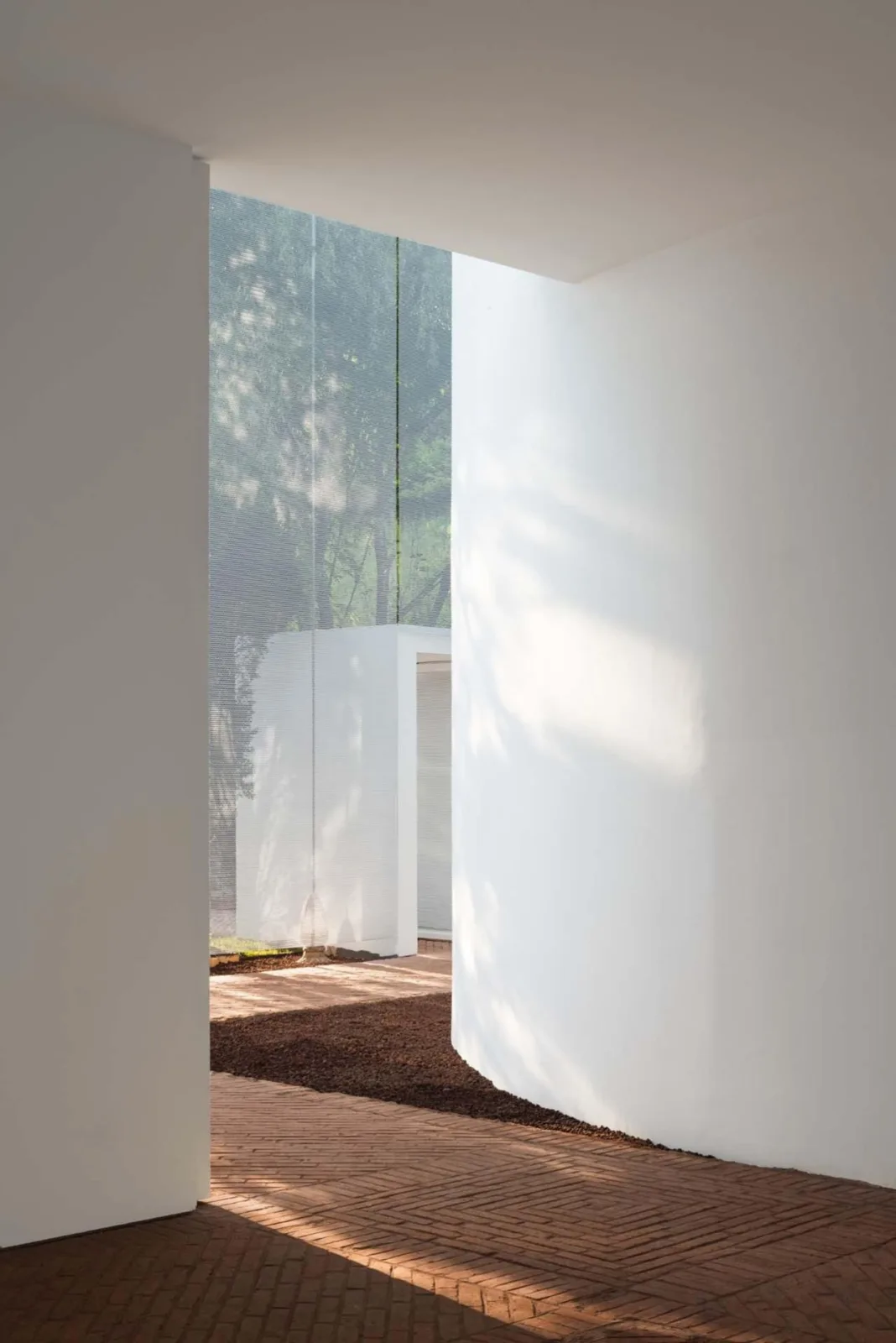
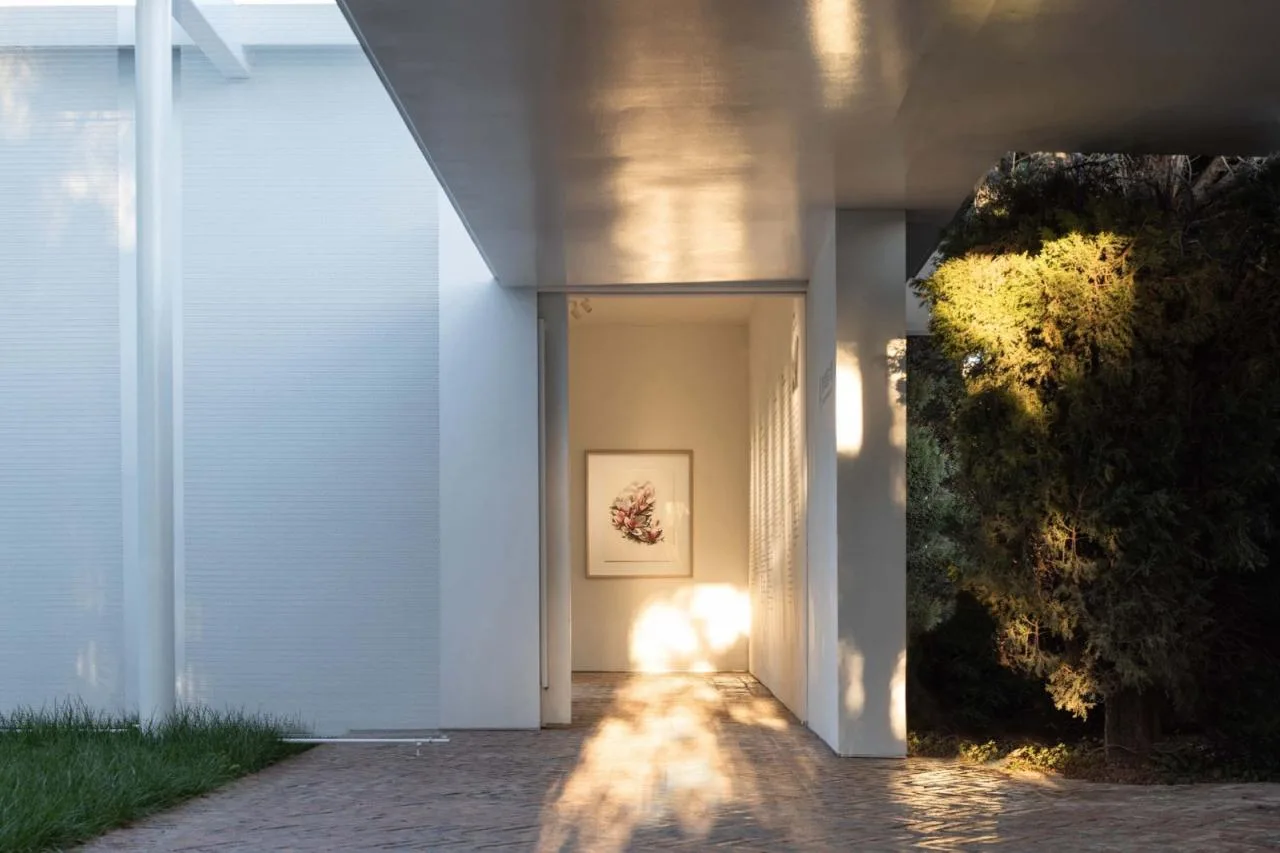
Unlike traditional walls anchored to the ground, the art museum’s walls are suspended from steel structural beams. These lightweight exhibition walls weave and curve to create a dynamic interior and exterior space. Artworks hang on these walls, which are themselves suspended parallel to the site’s structure. This interplay between the white museum walls and the red brick Pakistani garden achieves a harmonious coexistence, truly embodying the concept of an art museum within a garden.
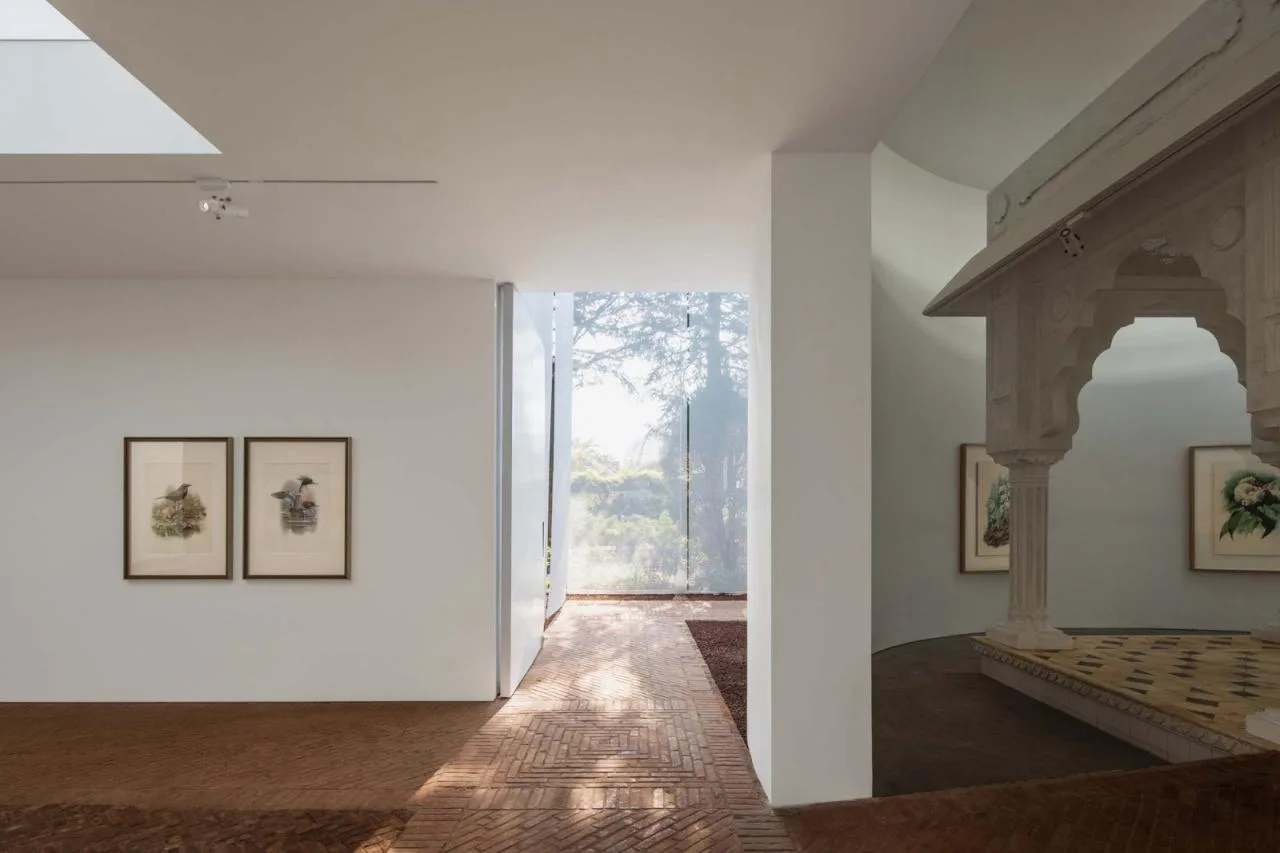
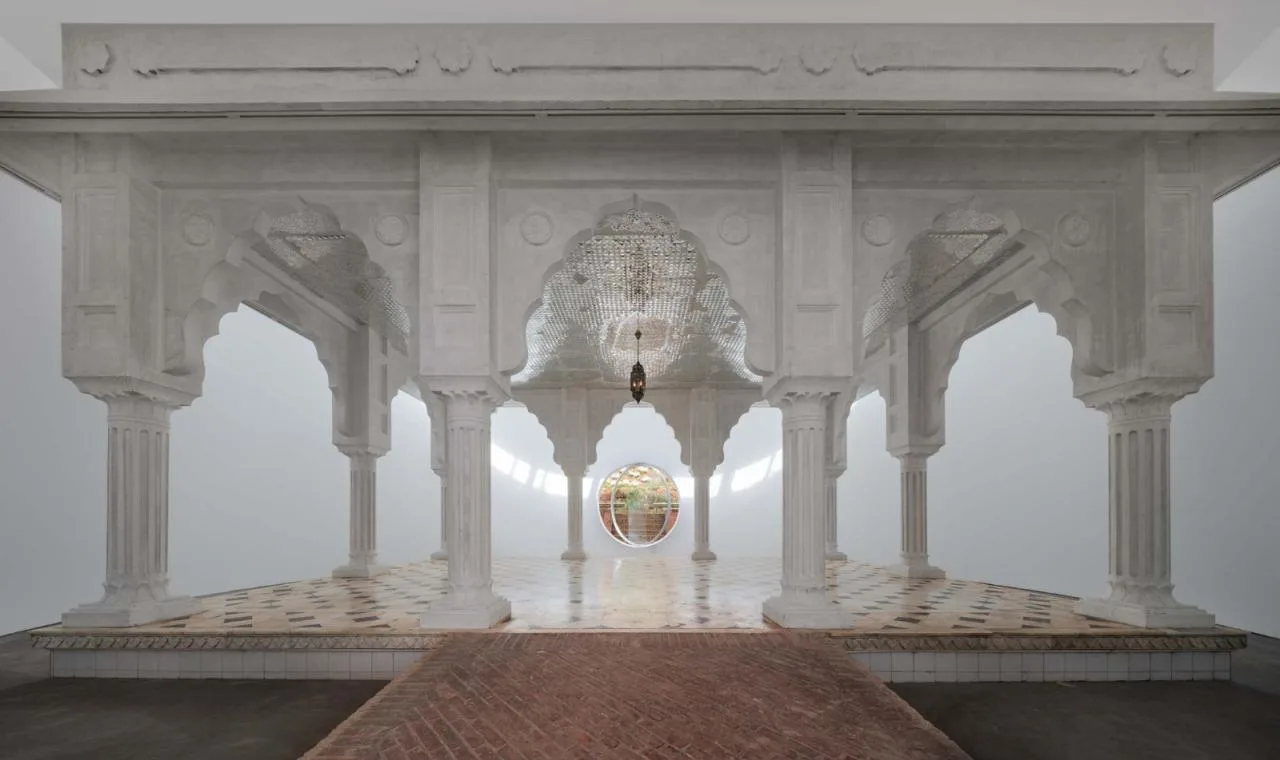
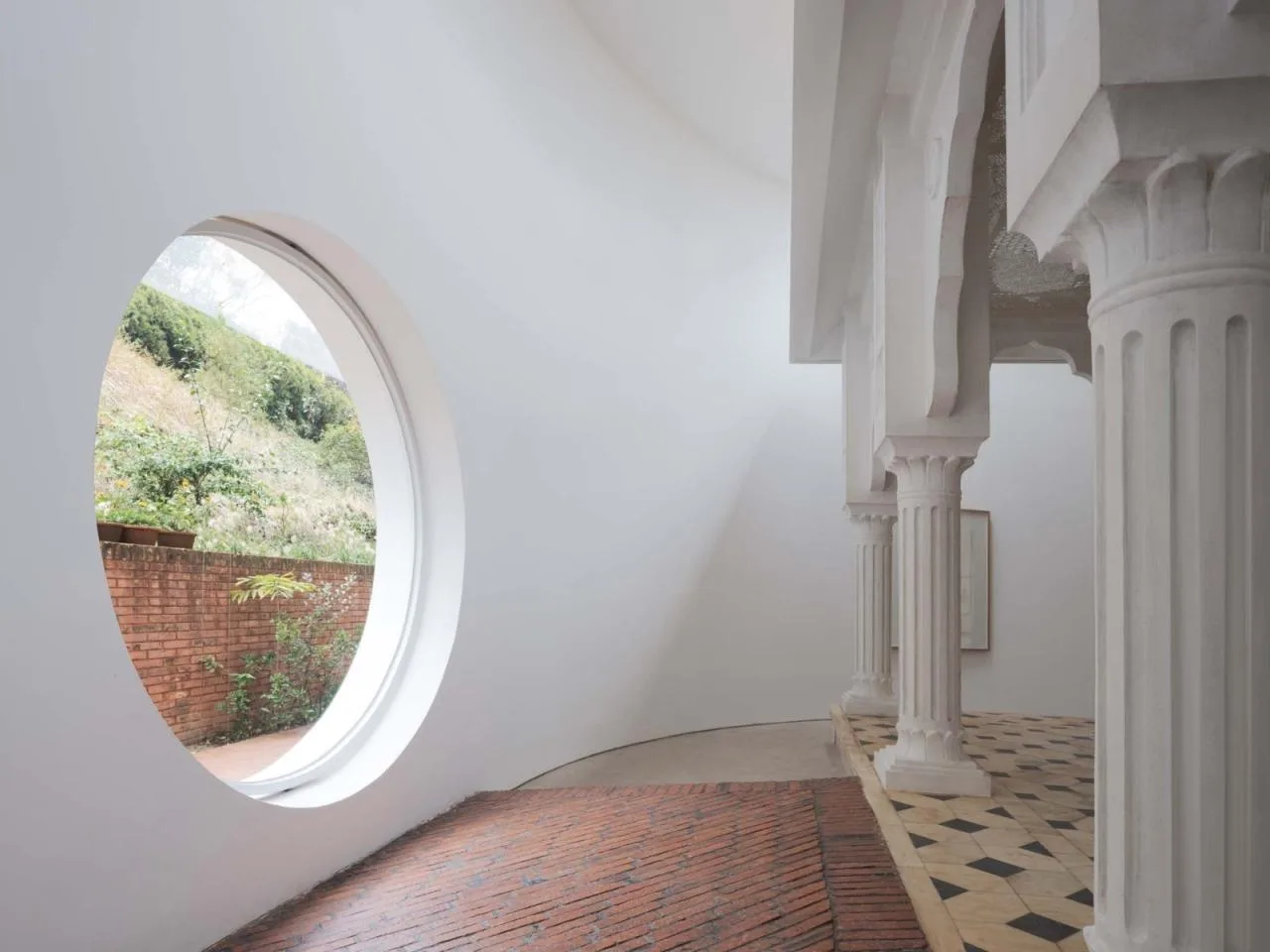
The art museum, enclosed by these suspended walls, appears as a floating entity. However, its outer layer features metal mesh curtains that blur its edges. This new facade abstracts and filters the natural environment, creating a layered relationship between existing vegetation and the new landscape design. Visitors can even enter the space between the two layers of this “skin.” Tree shadows project onto the walls through the mesh grid, breaking down into pixelated tones of deep and light gray, making it difficult to distinguish leaves from branches. This dynamic medium captures sunlight, trees, wind, and time, resulting in a unique painting that belongs exclusively to this site.
Project Information
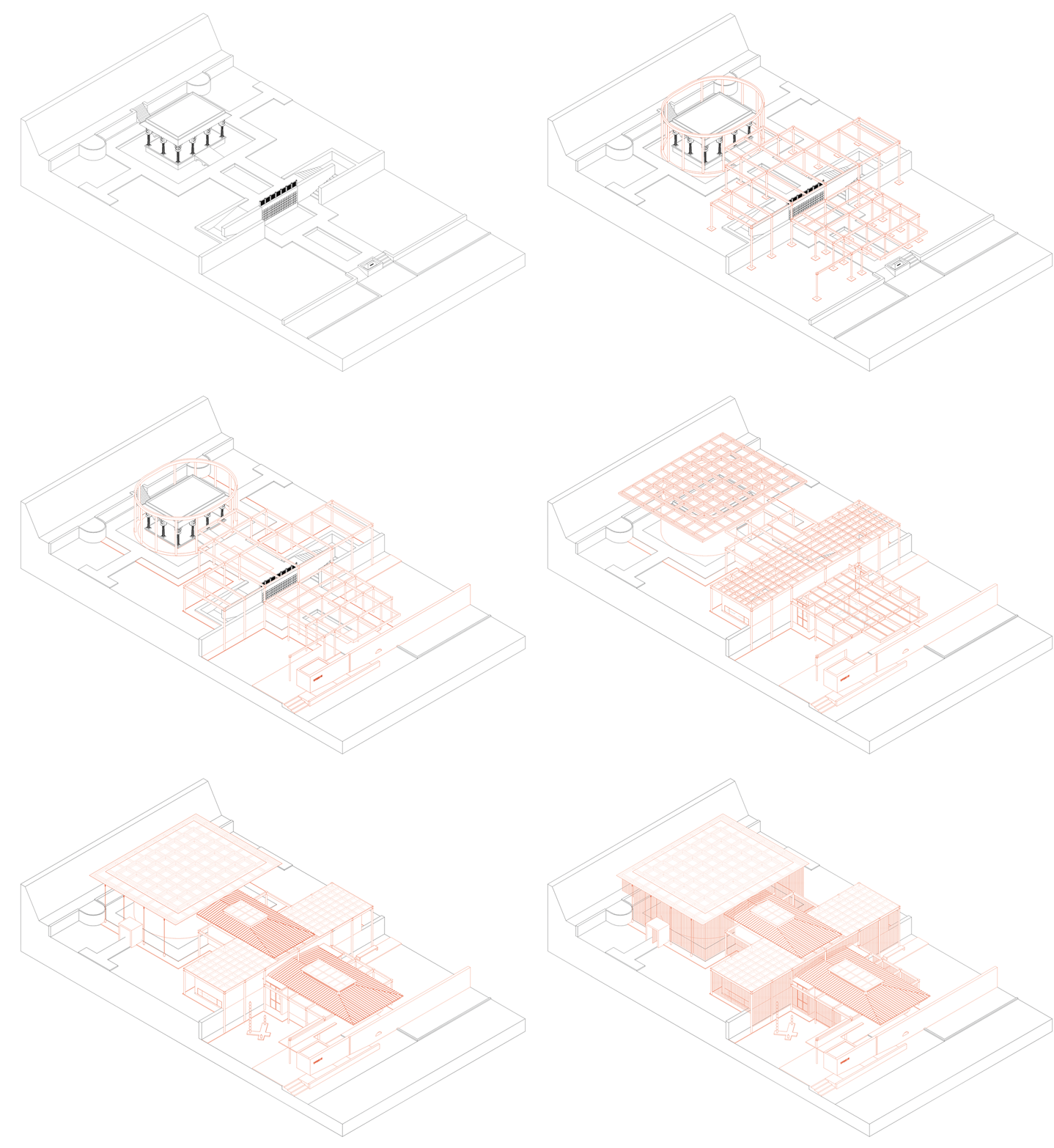
△ Scheme generation diagram
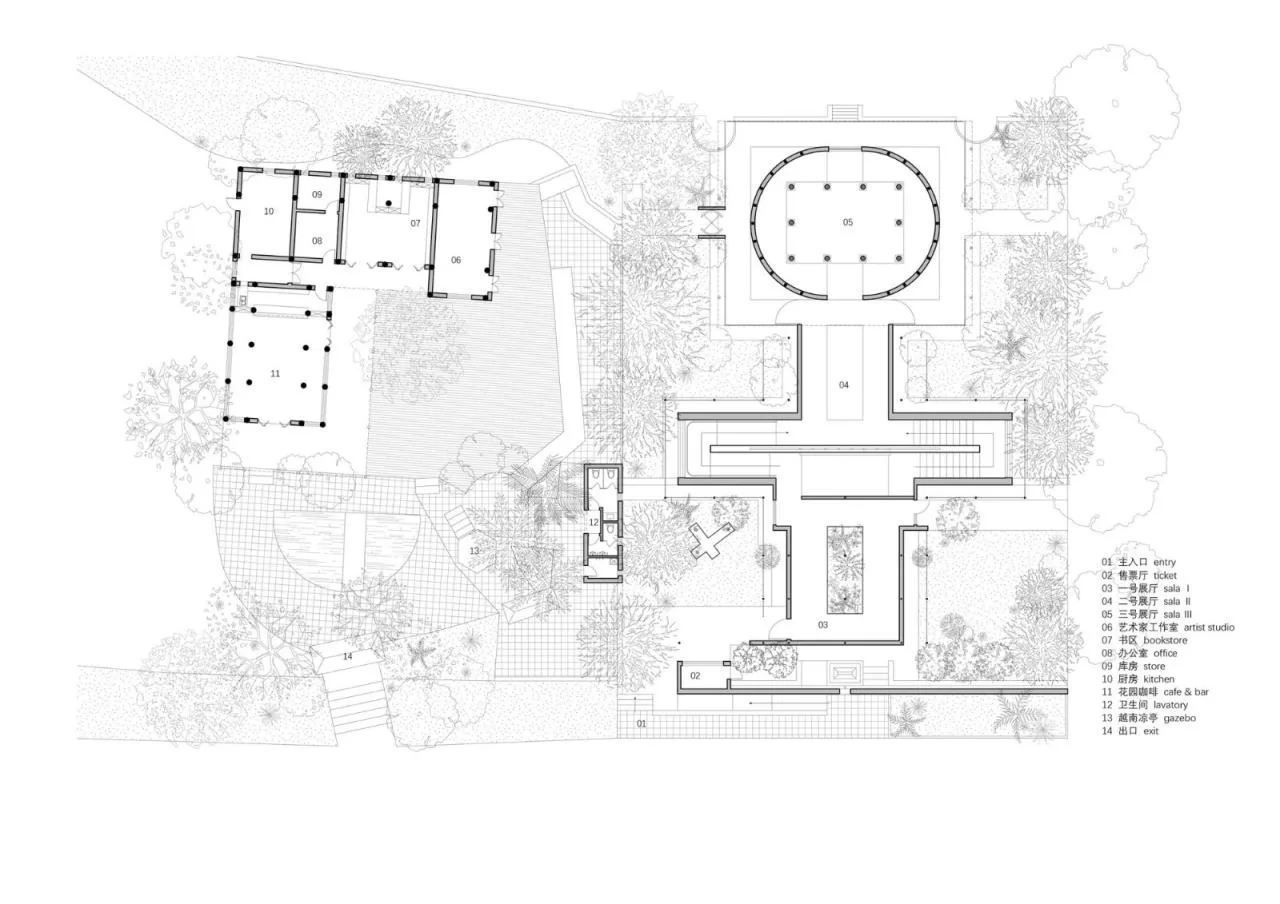
△ Plan view
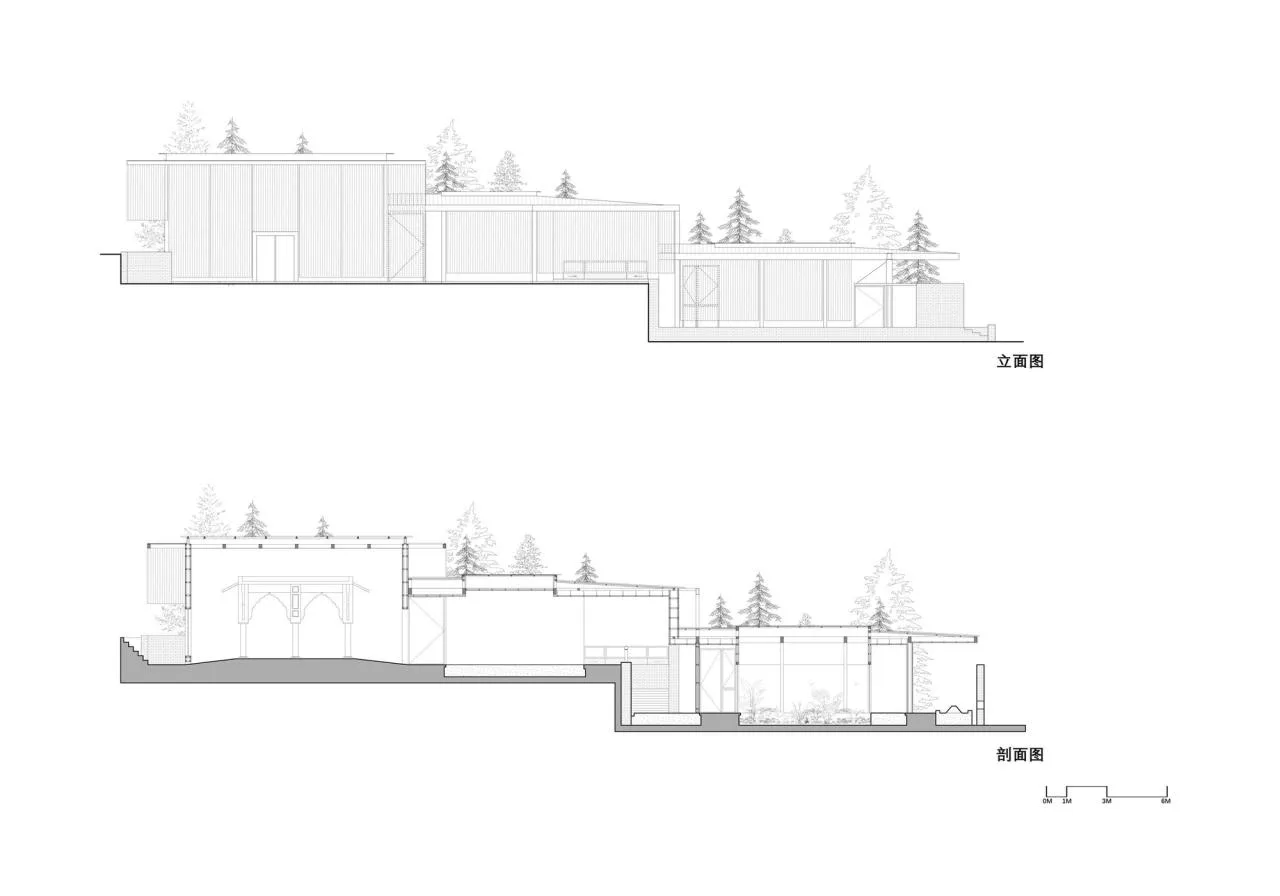
△ Facade and section drawings
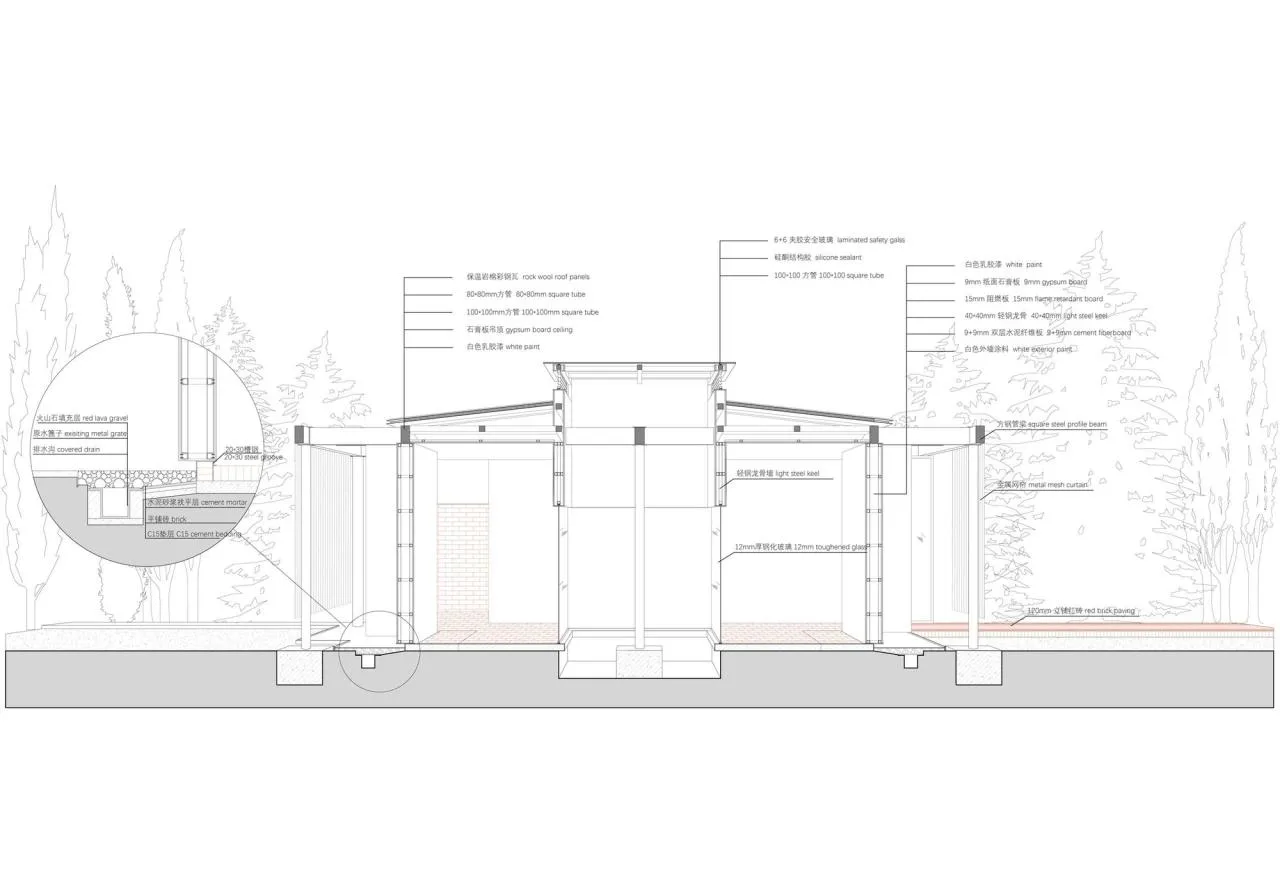
△ Sectional perspective
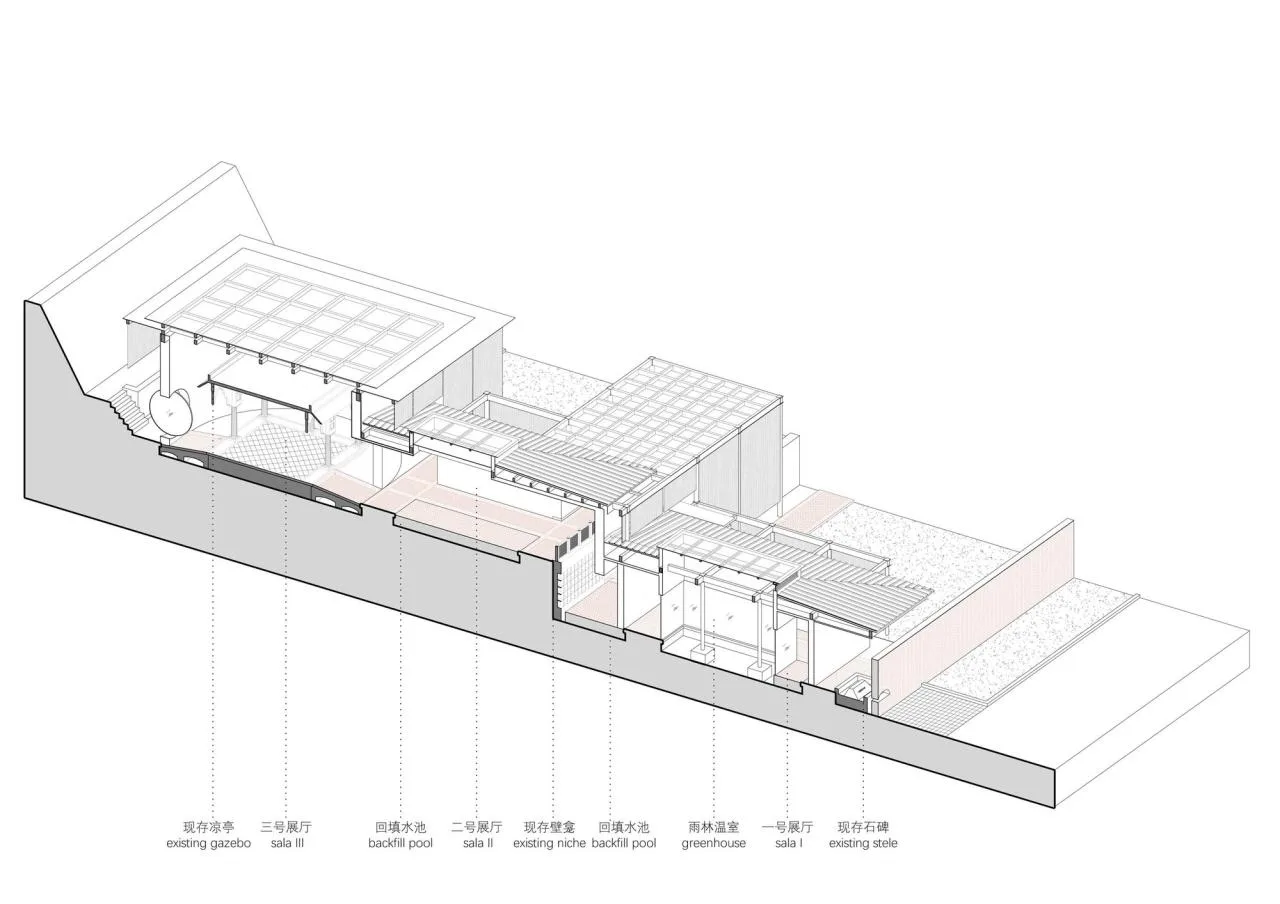
△ Sectional perspective
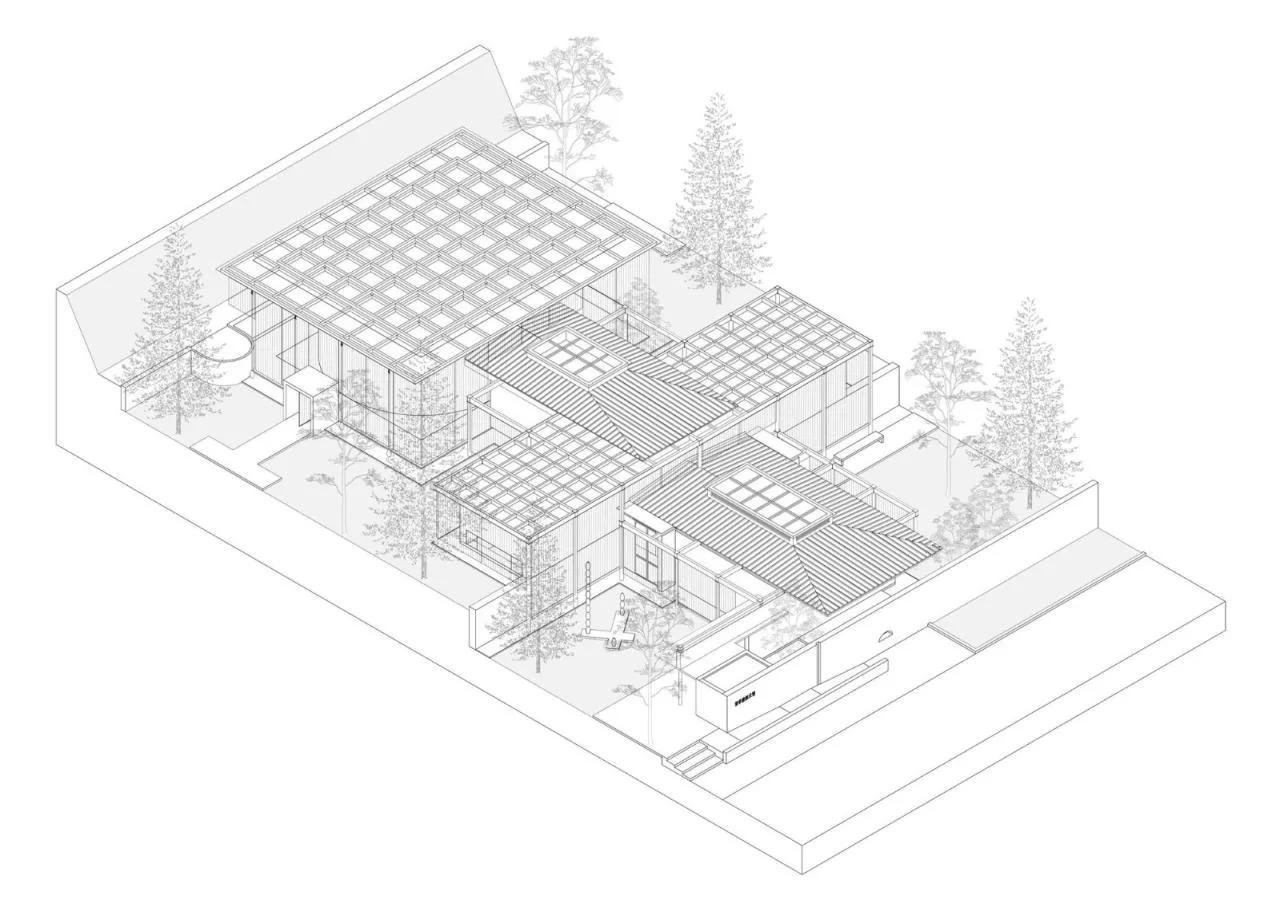
△ Axonometric diagram
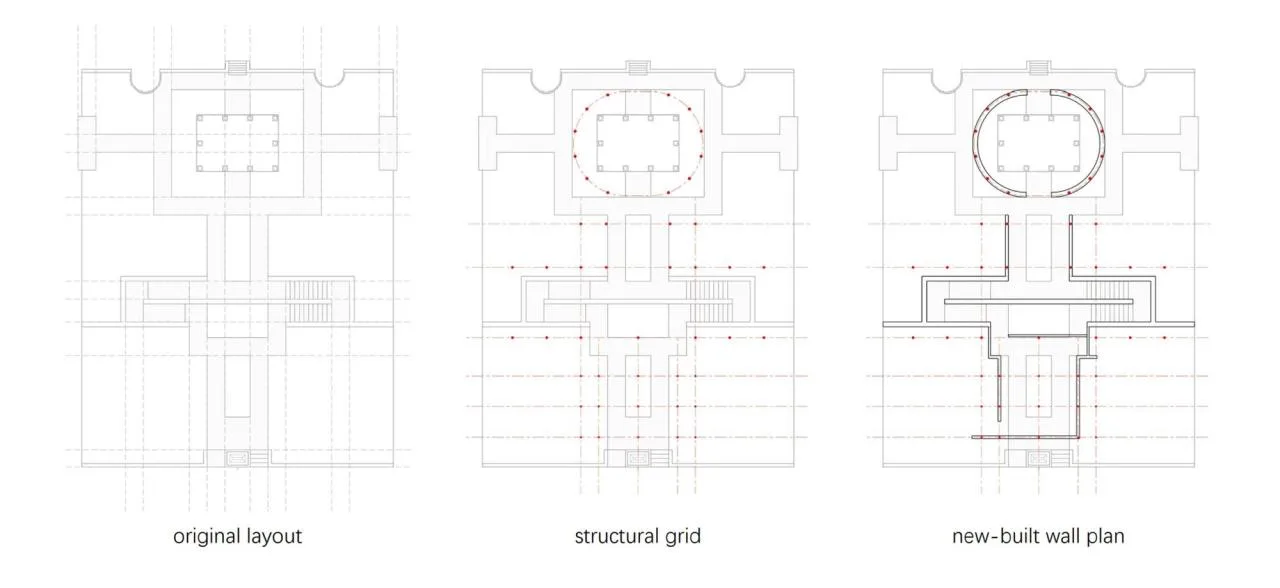
△ Column grid diagram
Project Details
Architectural Design: Zhuxiang Architectural Design Studio
Area: 661 m²
Year: 2021
Photographers: Ce Wang, Ono Studio
Principal Architect: Yang Xiong
Design Team: Nie Rongqing, Yang Mengya, Pu Han, Zhang Ling
Structural Consultant: Li Zhenyu
Client: OCT (Yunnan), Zeng Xiaolian Museum of Art
Landscape Design: Shiji
Construction Drawing Coordination: Kunming Xinzheng Dongyang Architectural Engineering Design Co., Ltd.
Location: Kunming, China















Must log in before commenting!
Sign Up