
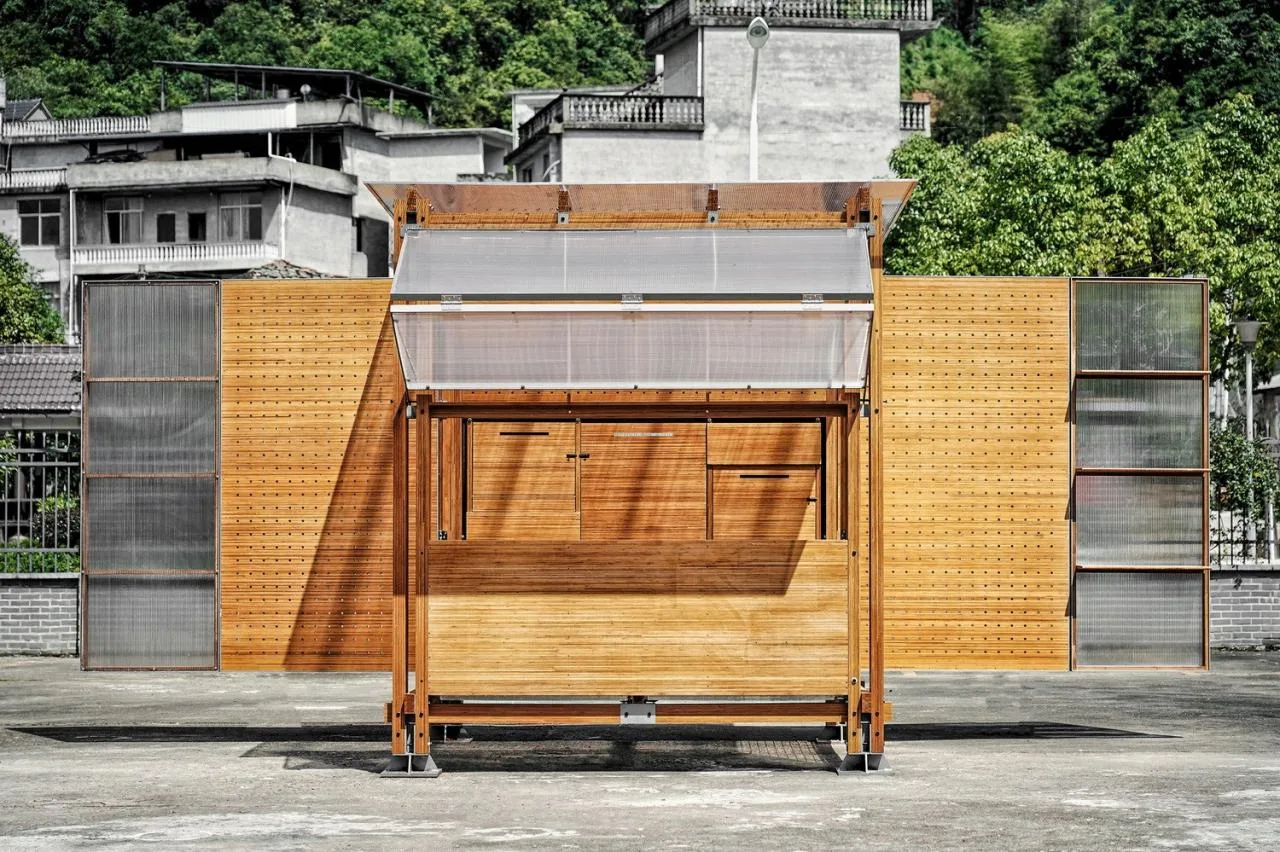
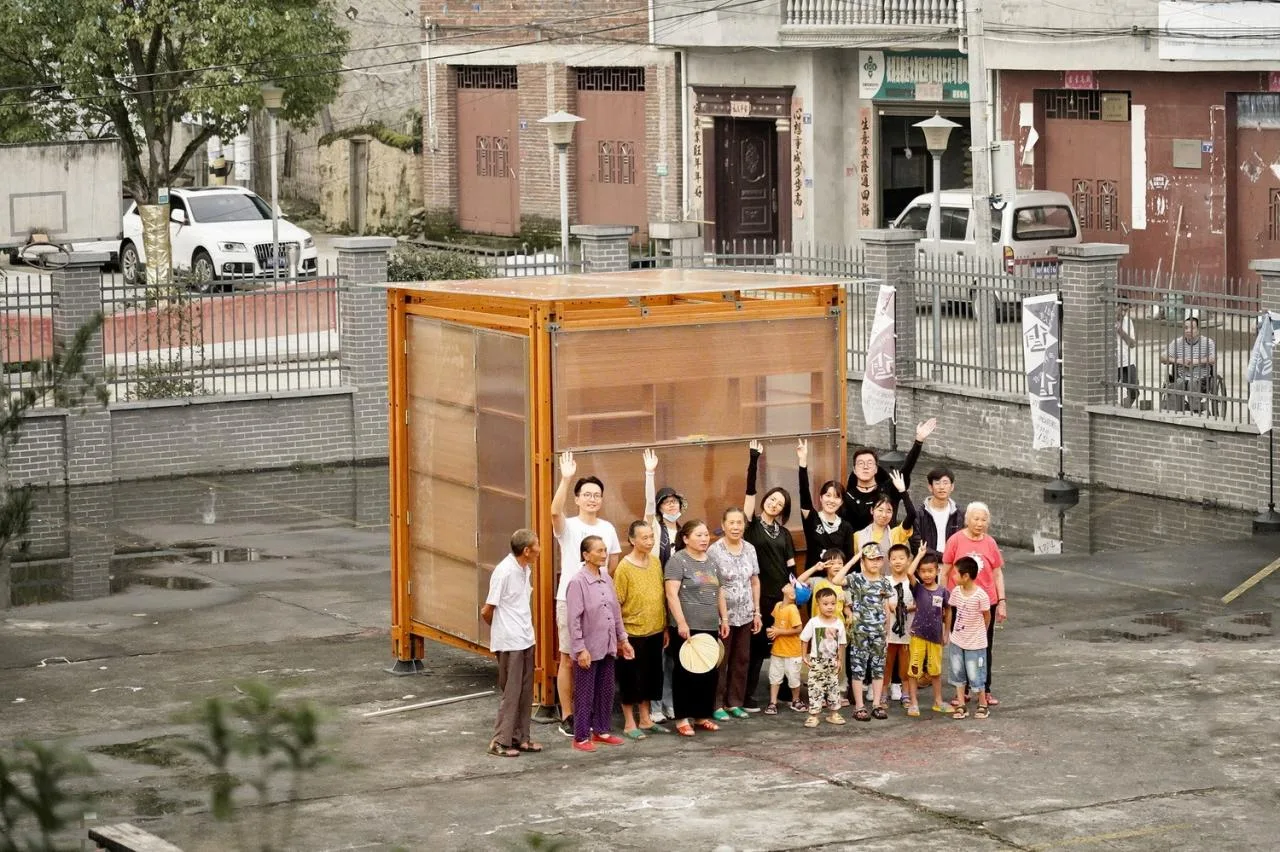
The mobile workspace was completed in the summer of 2021. It is a prefabricated, multifunctional space designed by the architectural team of the Songxi Branch of the Nanda Jiancheng Rural Revitalization Work Camp. The project was built collaboratively by the team, factory specialists, and local villagers during the Songxi Printmaking Summer Camp in Nanping City, Fujian Province. This marks the first complete architectural work designed, produced, and constructed on-site by students since the sixth phase of the Nanda Jiancheng Rural Revitalization Work Camp, representing a fresh starting point.
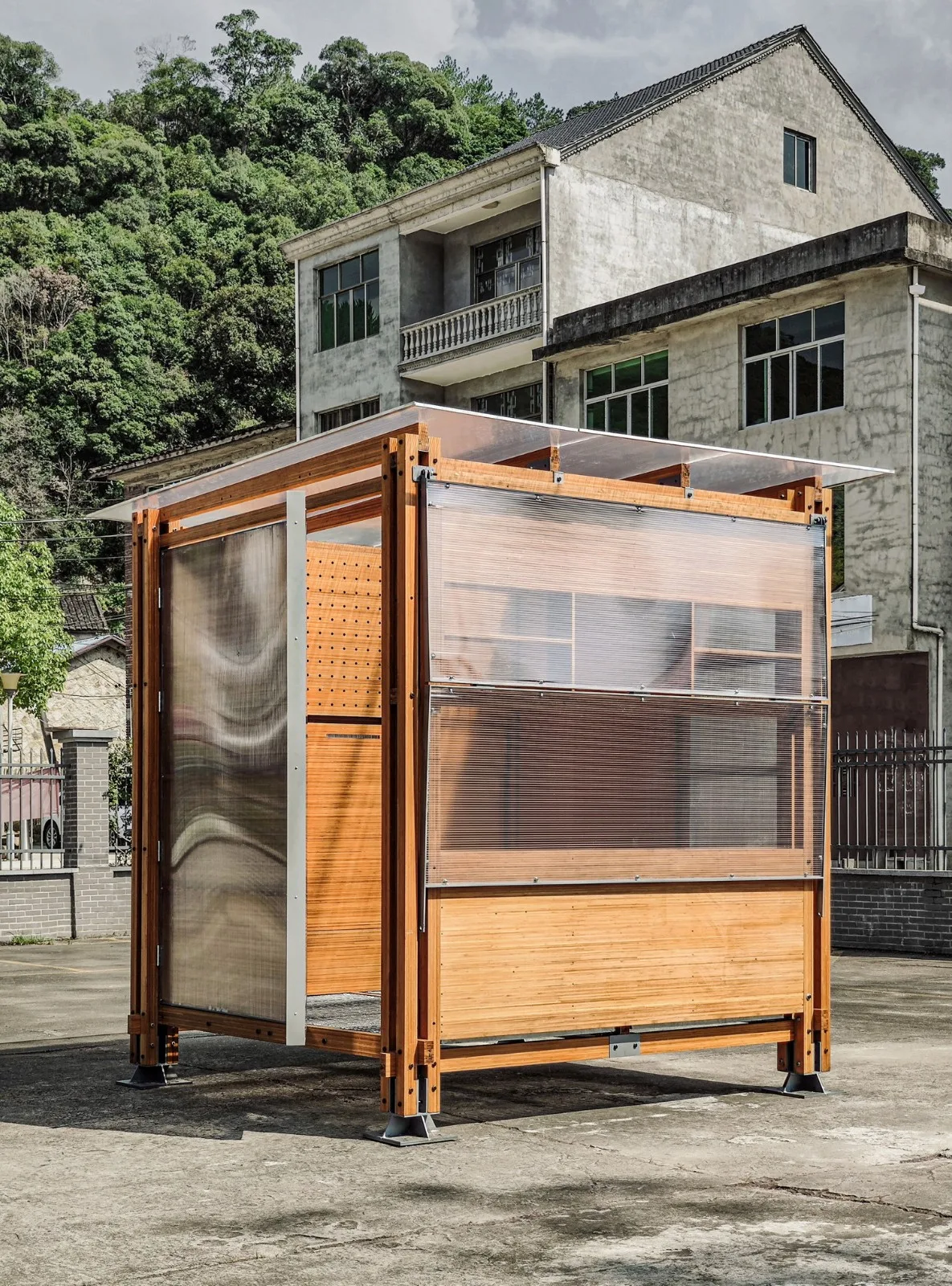
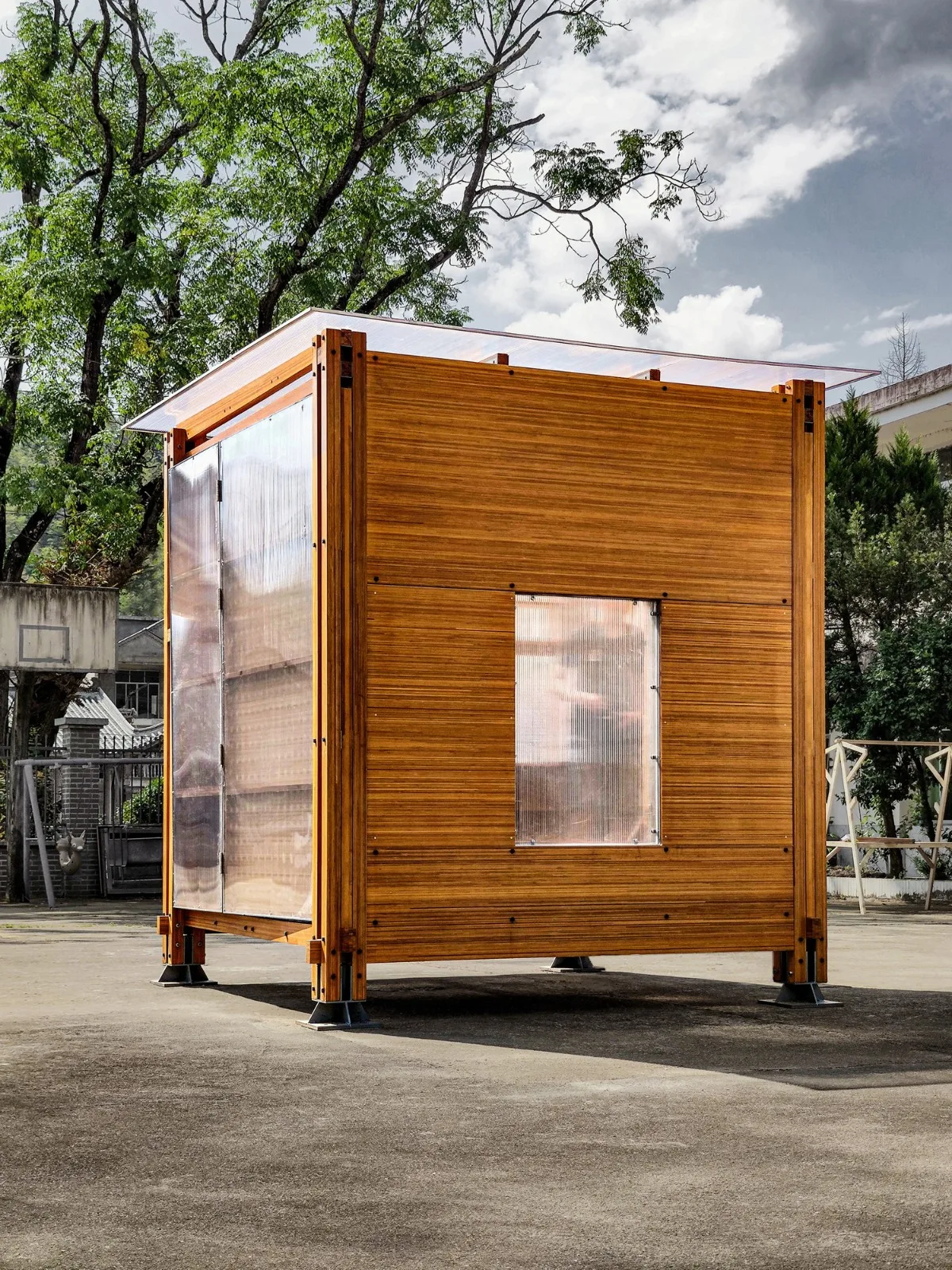
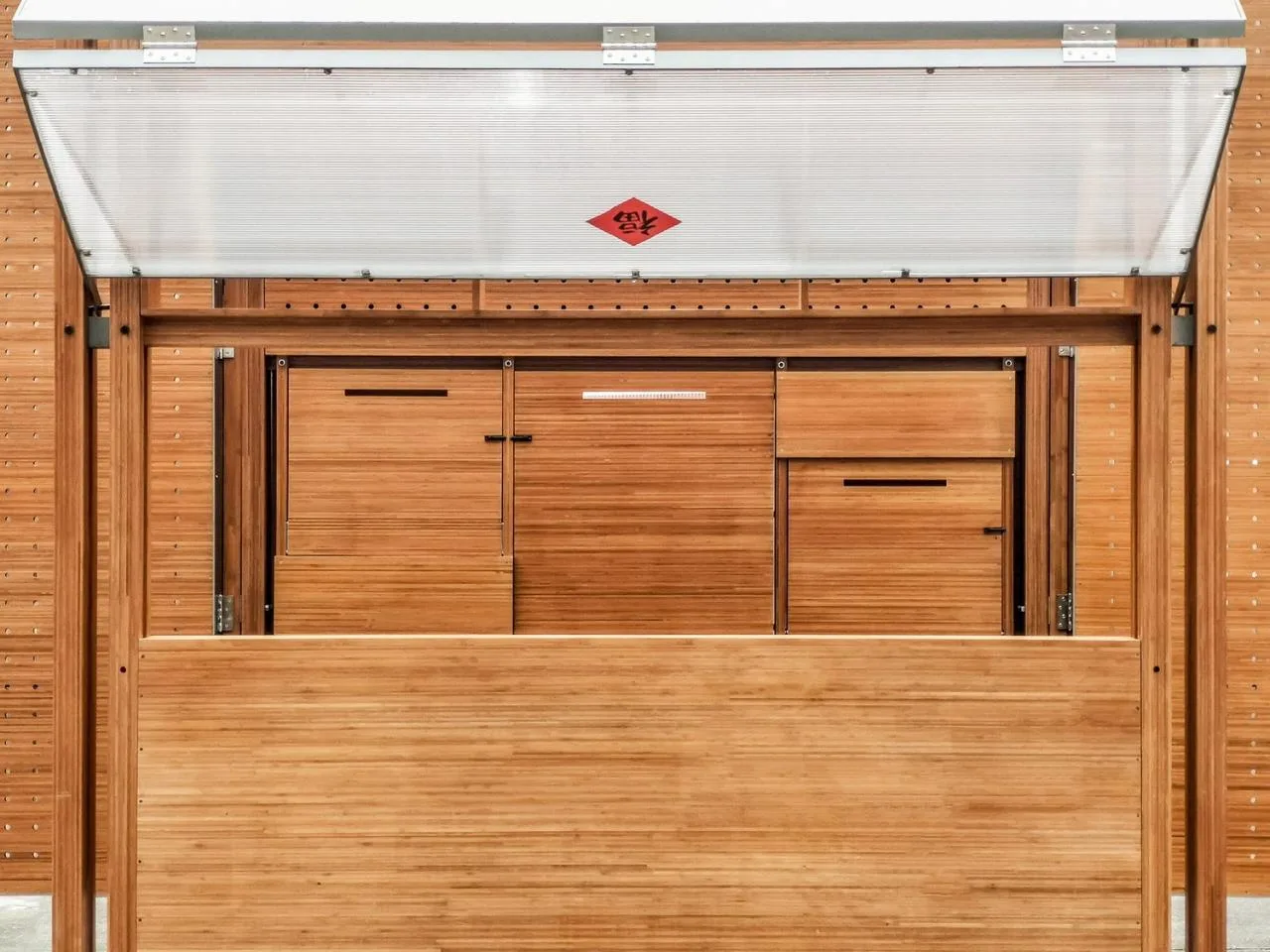
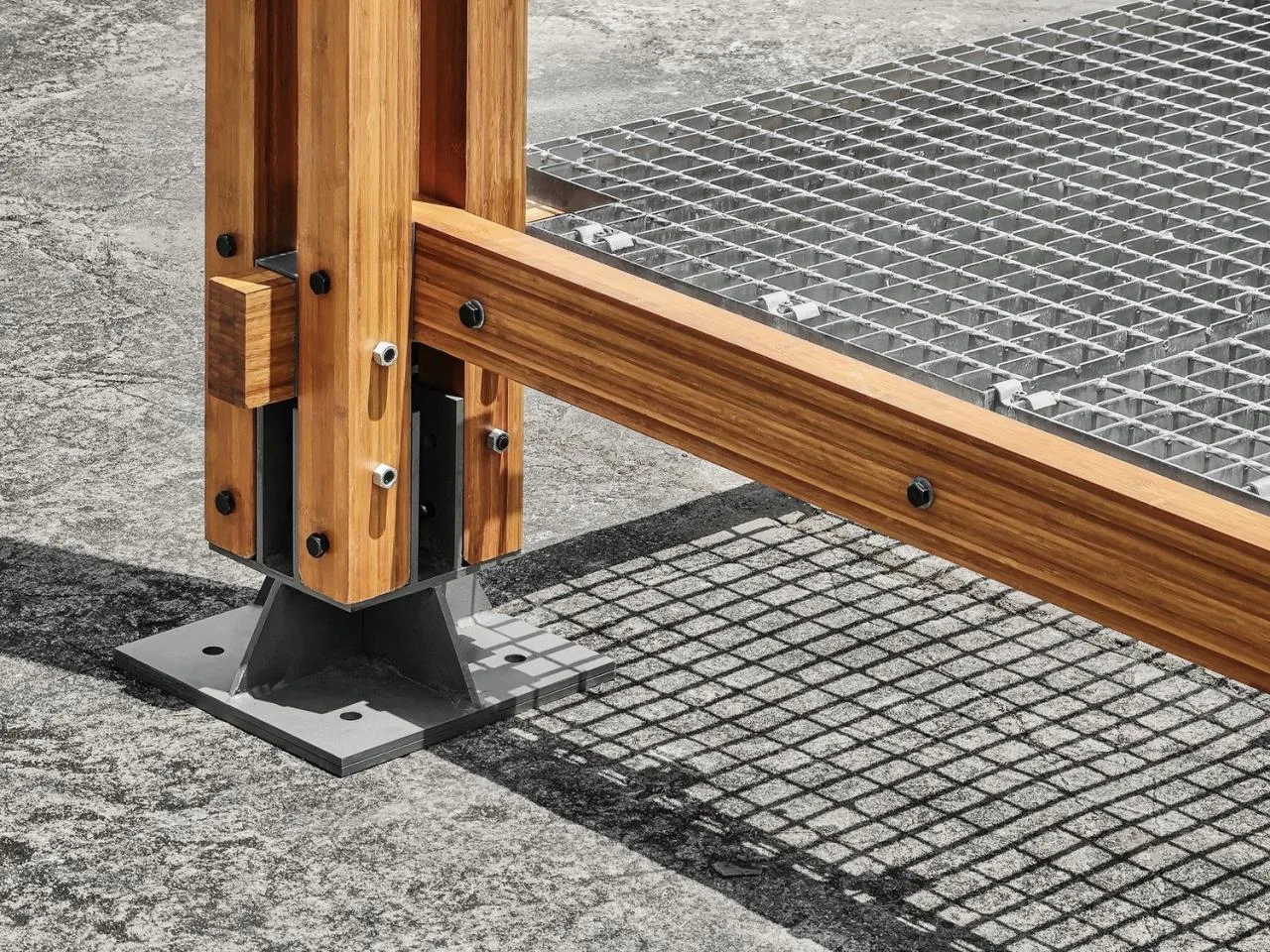
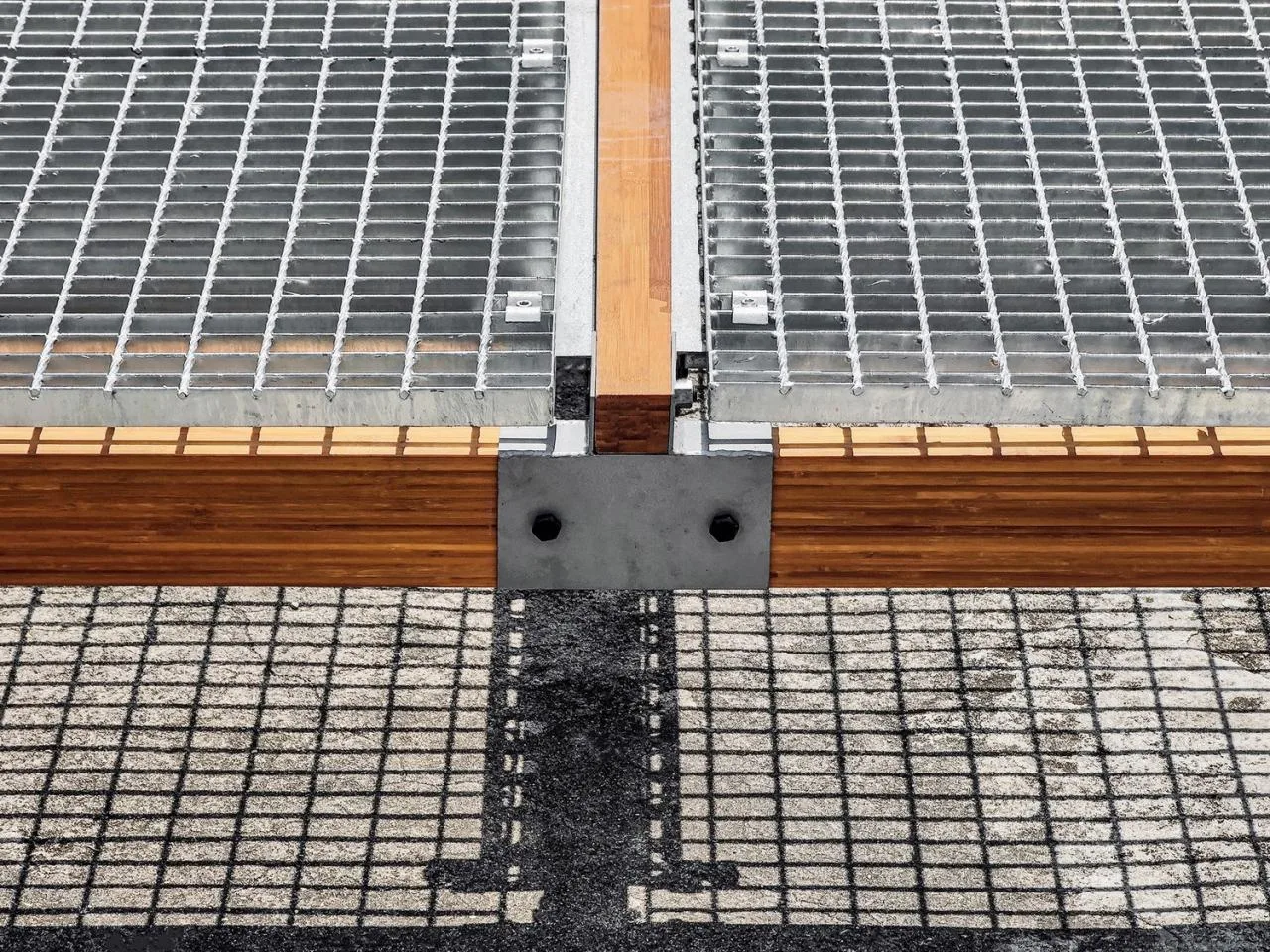
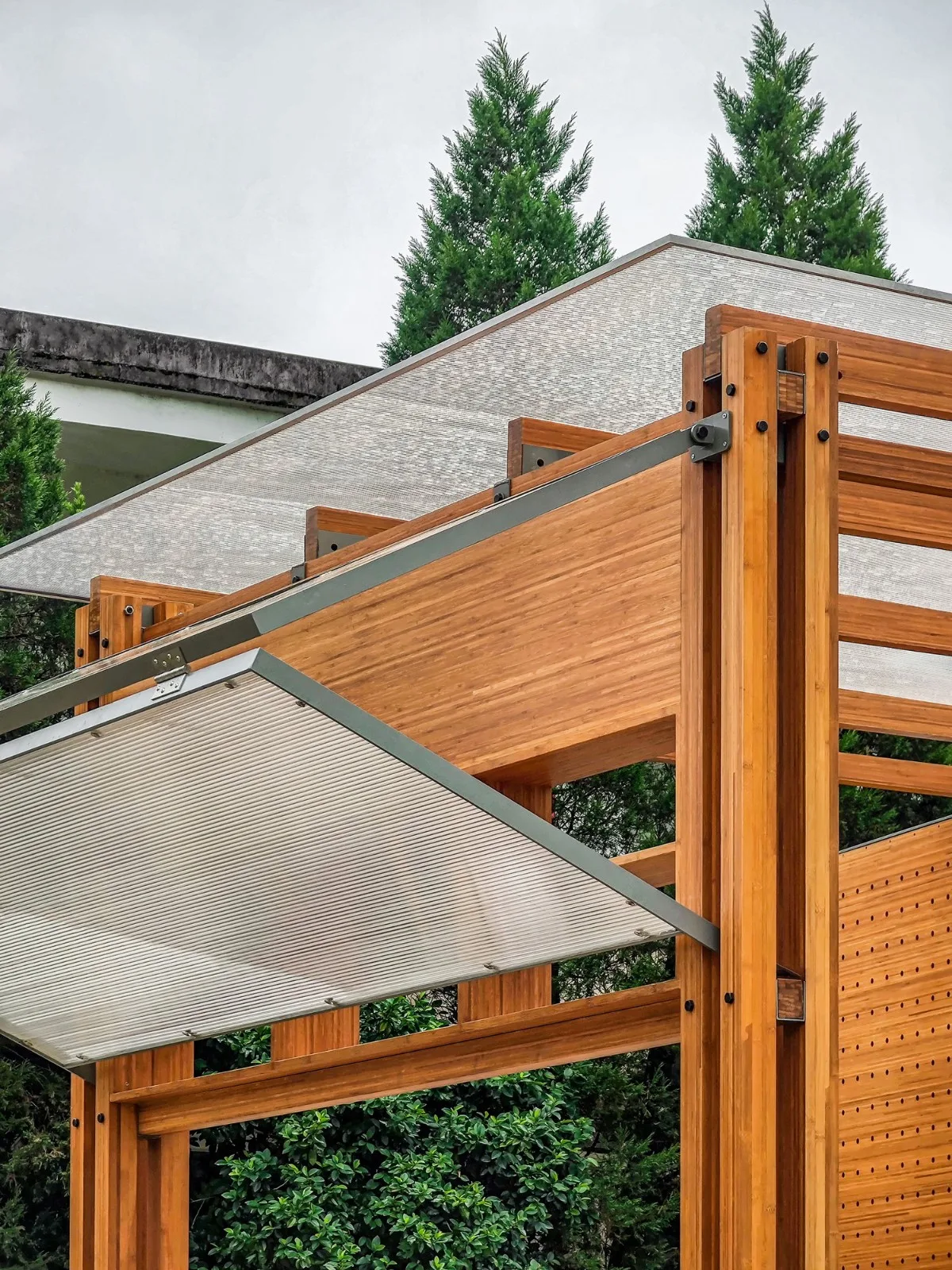
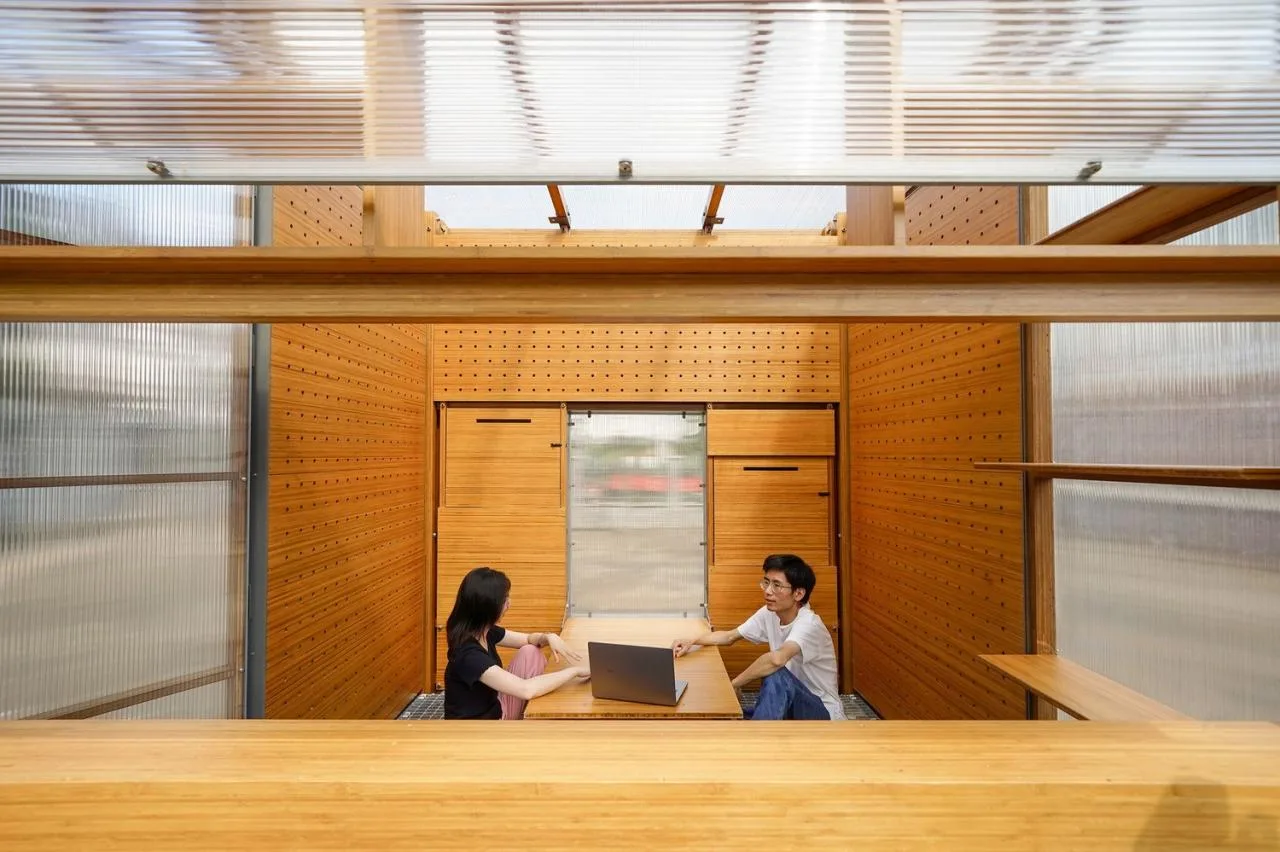
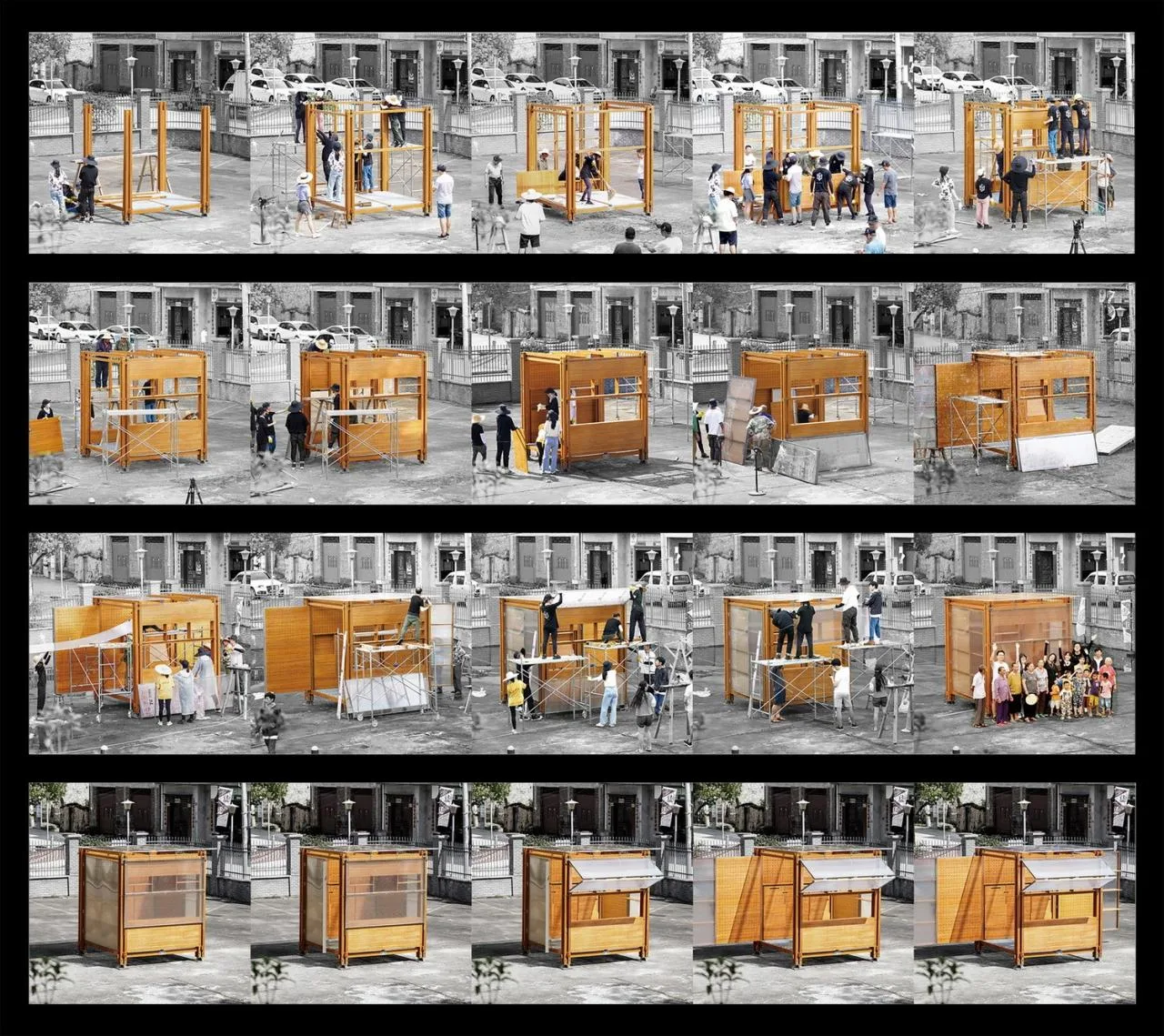
The main structure of the work cabin is constructed from industrialized bamboo composite materials, which combine weather resistance with ecological sustainability. The design follows a logical “main frame + wall” structure. Bamboo components—including columns, beams, and keels—are prefabricated in the factory with pre-drilled holes. They are then assembled on-site using corresponding steel components and bolts. The entire assembly process is straightforward and requires minimal skills, needing only basic tools like wrenches. This simplicity allows untrained villagers and even architecture students to participate actively in the construction.
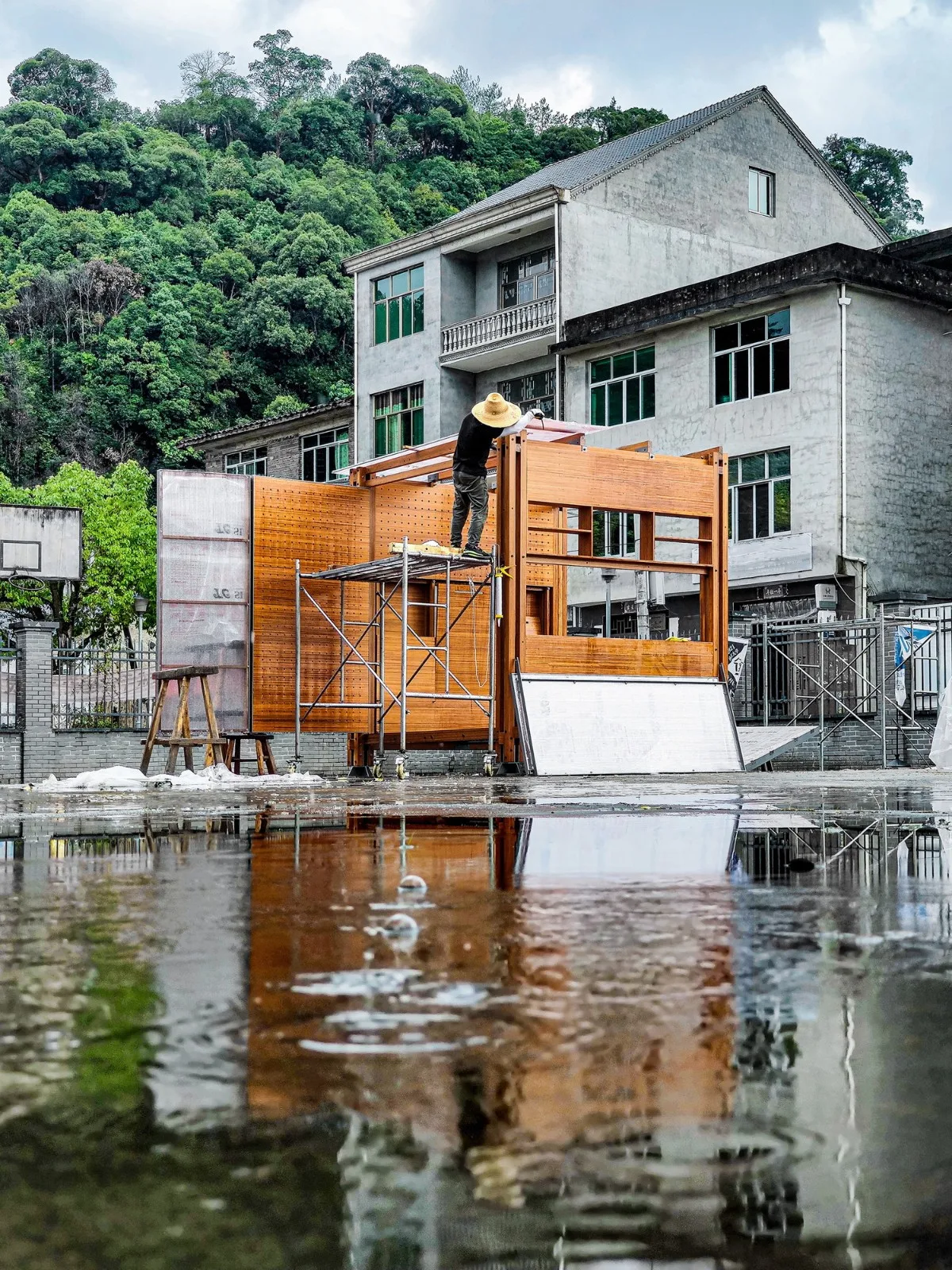
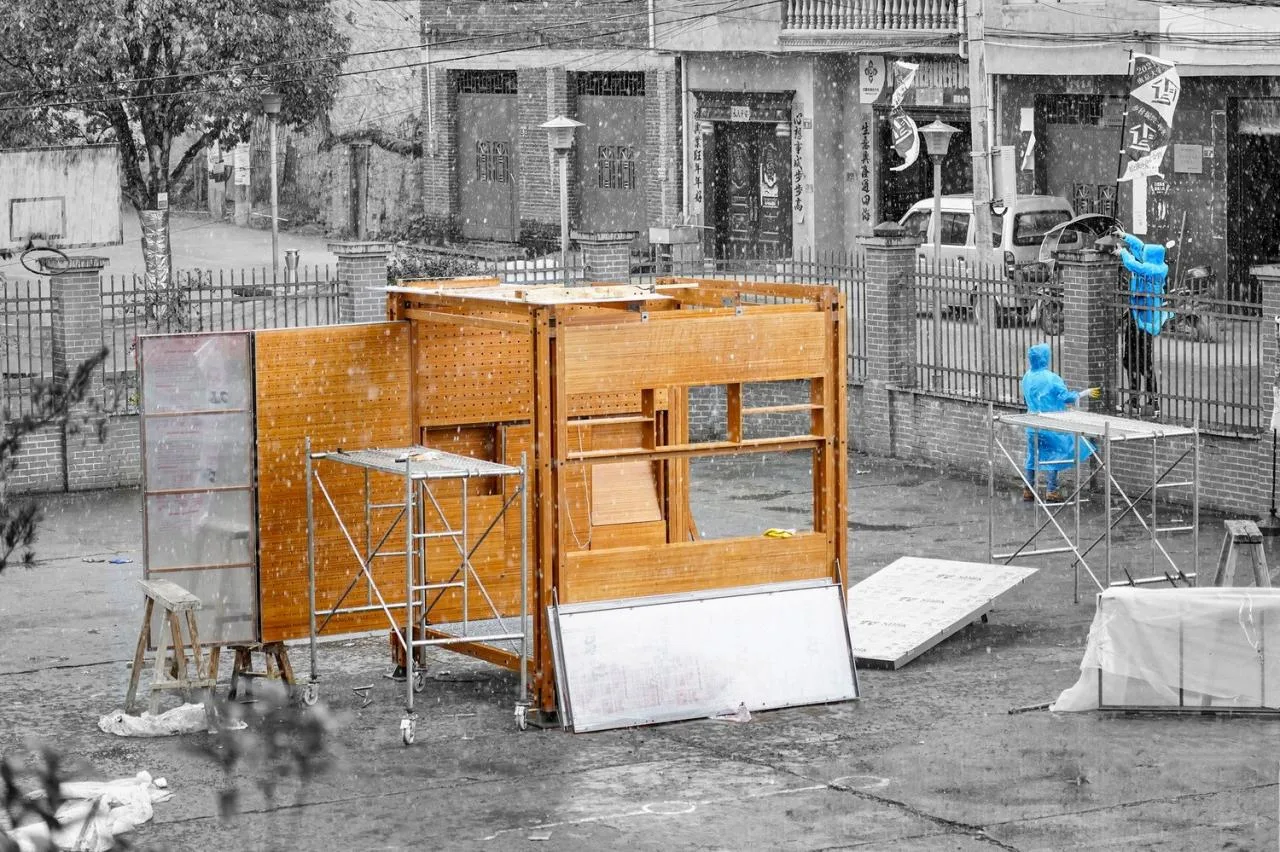
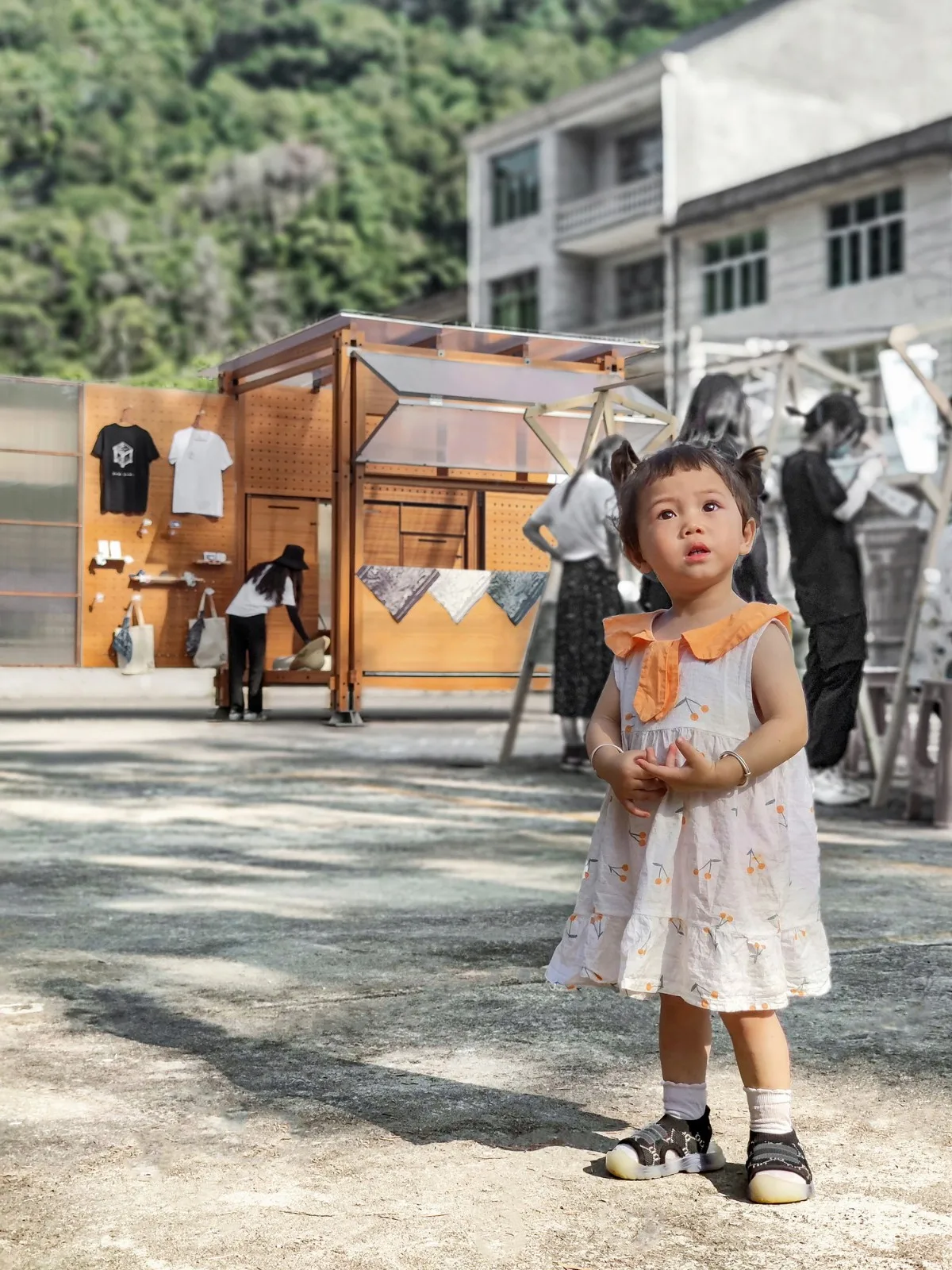
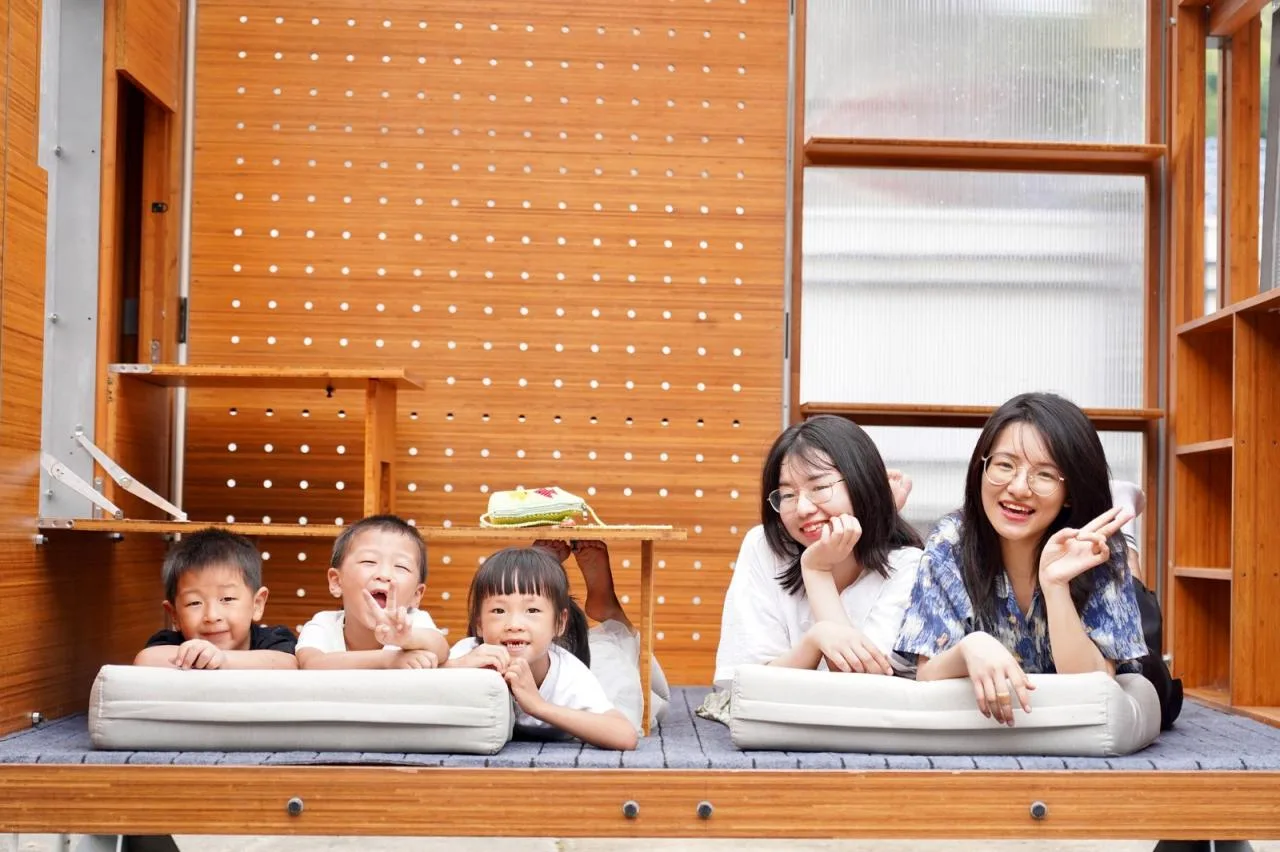
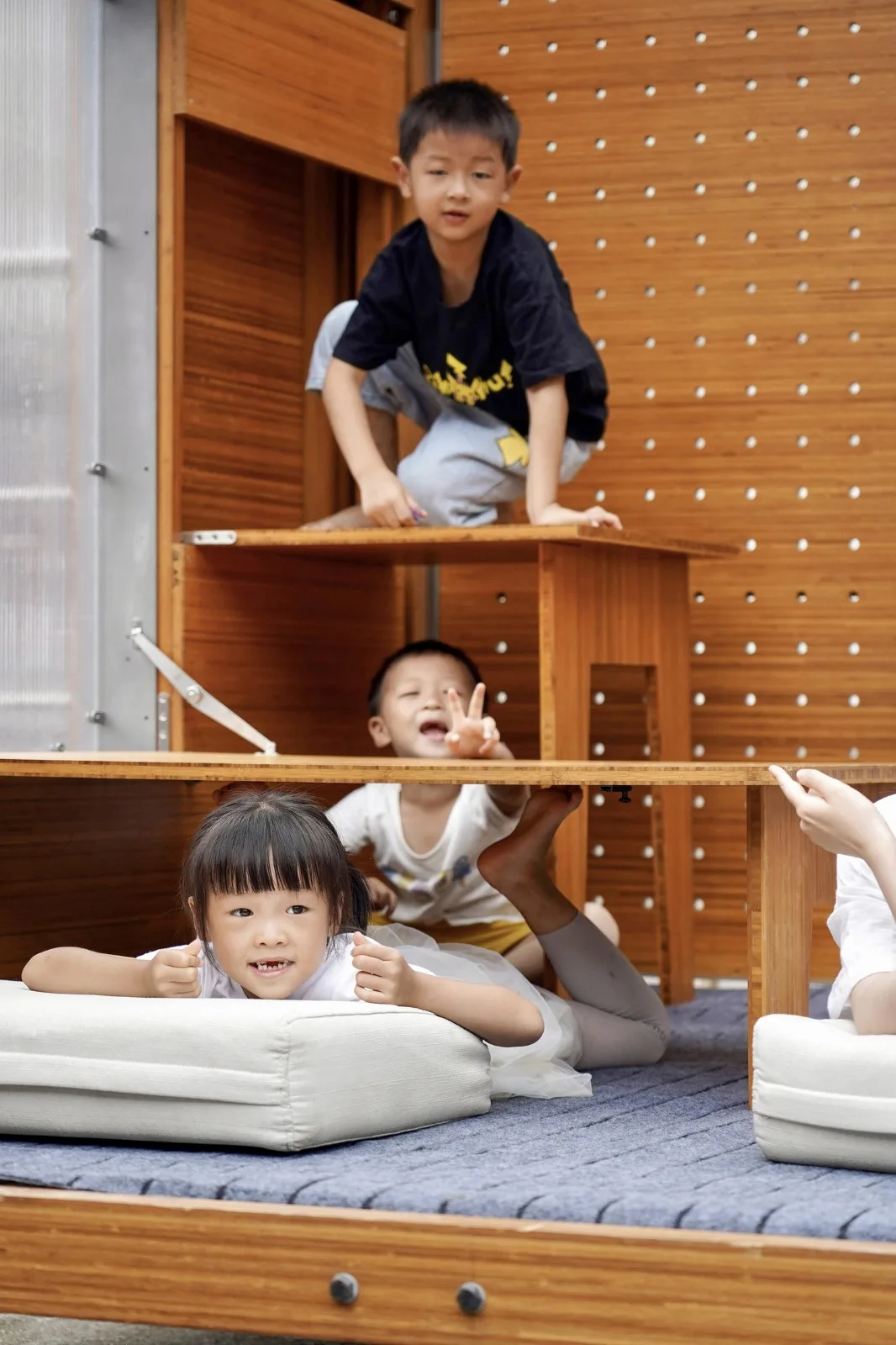
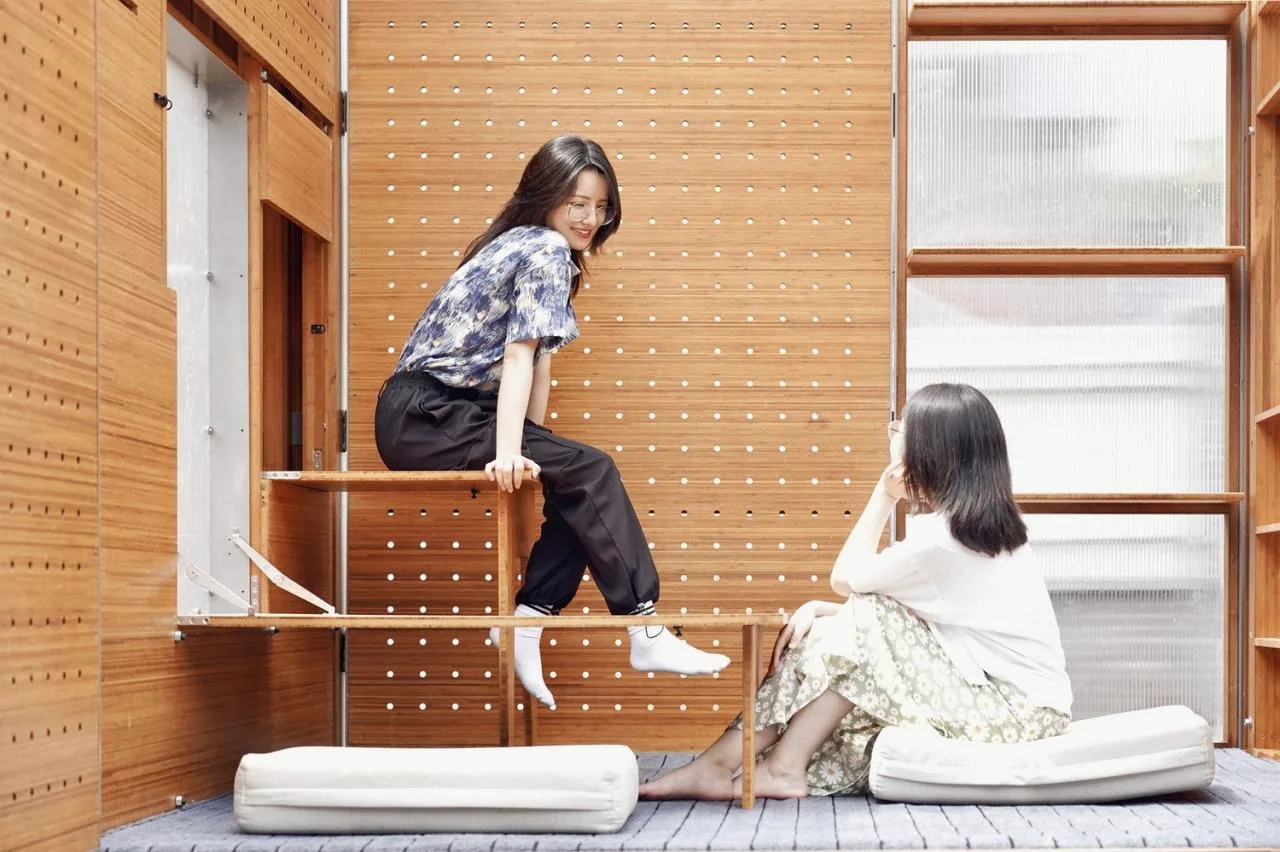
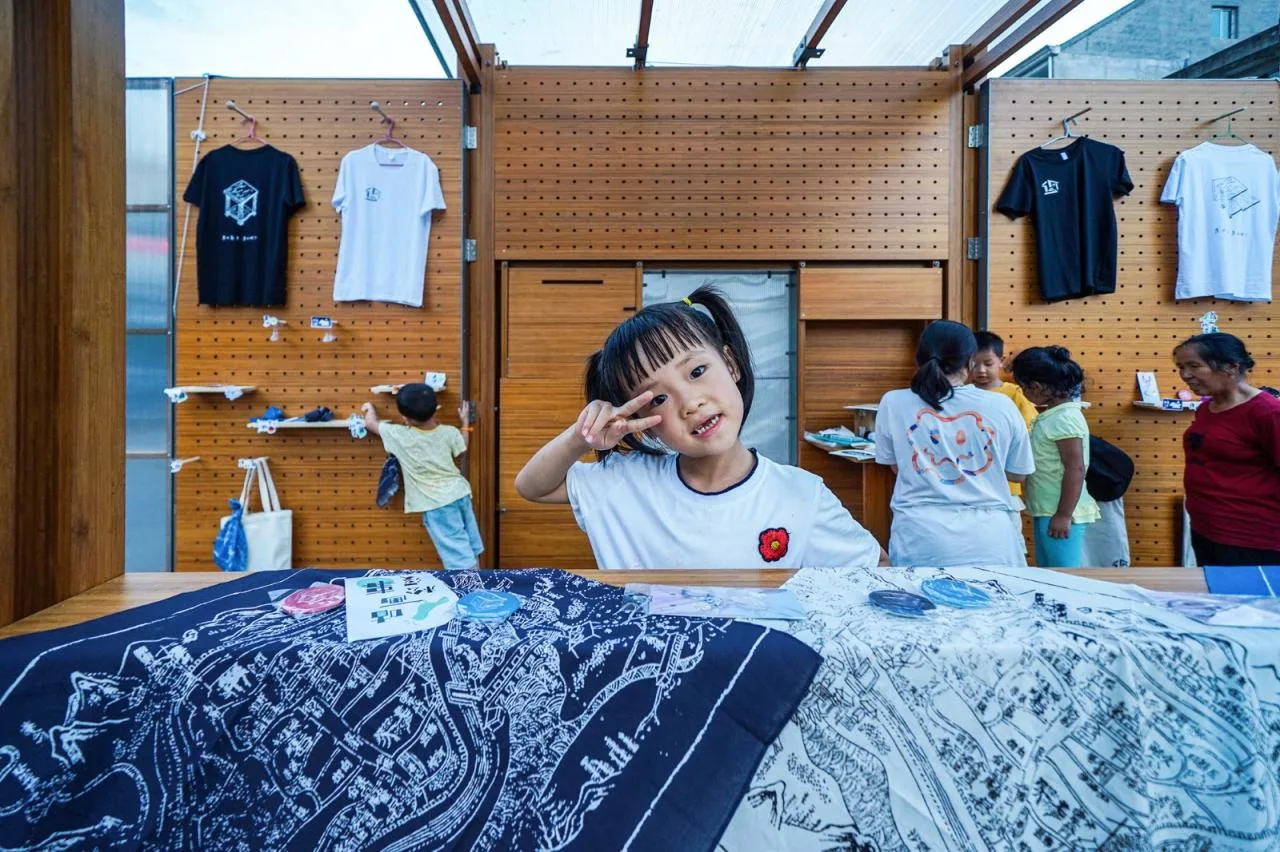
Designed to adapt to various uncertainties typical of rural environments—including spatial constraints, diverse user groups, and changing functional needs—the workspace customization follows a user-centered approach. While maintaining the main frame structure, different types of functional walls are offered. These walls are made primarily from polycarbonate and bamboo boards, and vary in mobility—ranging from fixed, semi-open, to fully foldable. The walls incorporate features such as doors, windows, exhibition stands, storage cabinets, and folding furniture. Users can combine these elements flexibly according to their specific needs to create the final configuration.
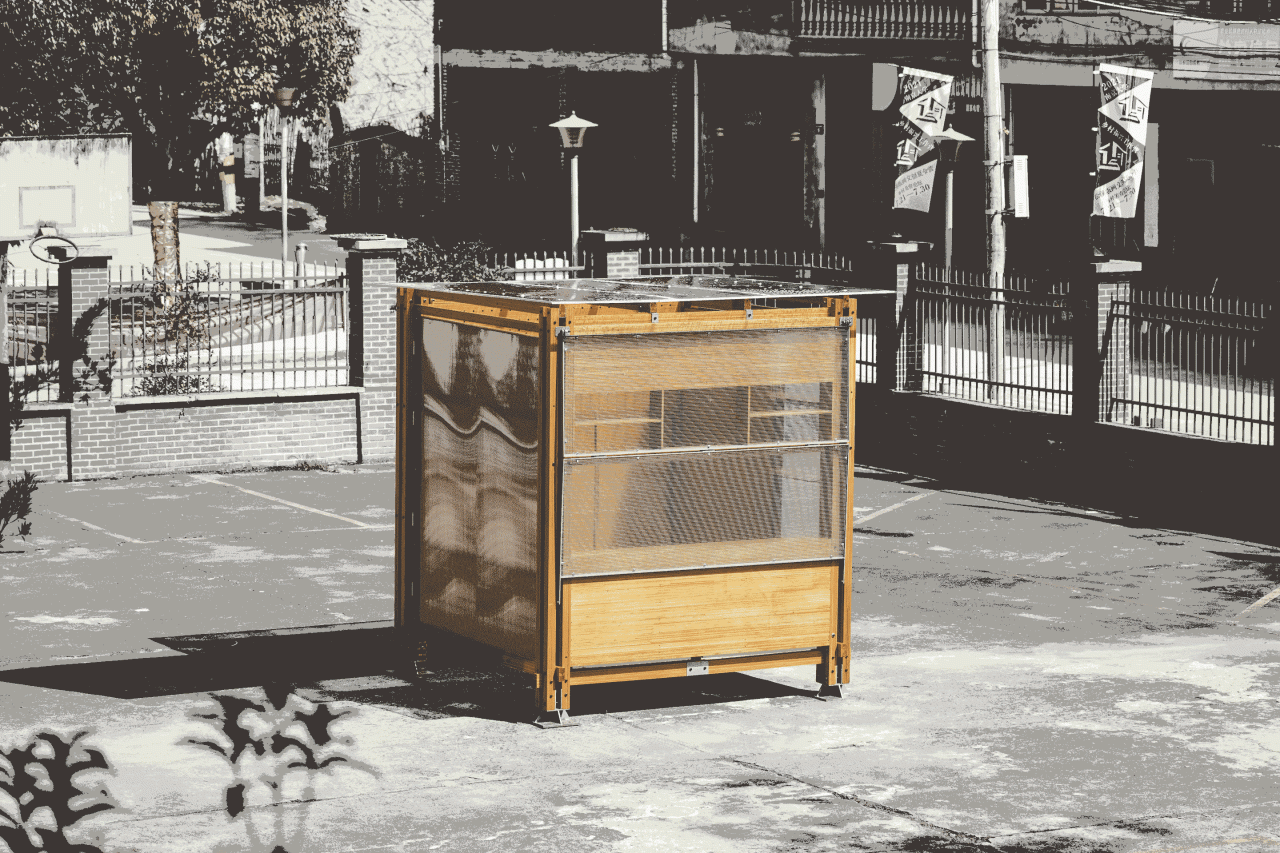
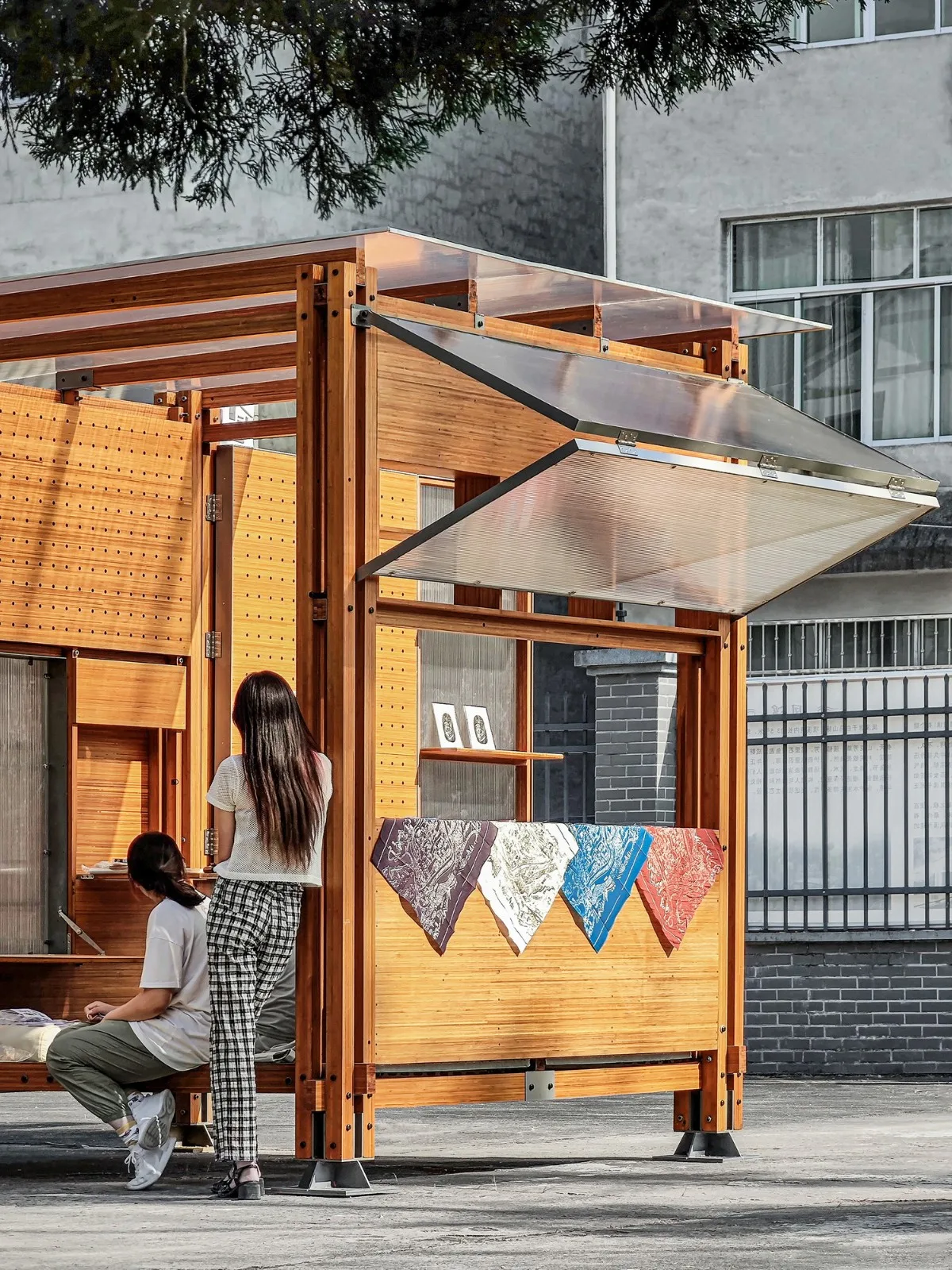
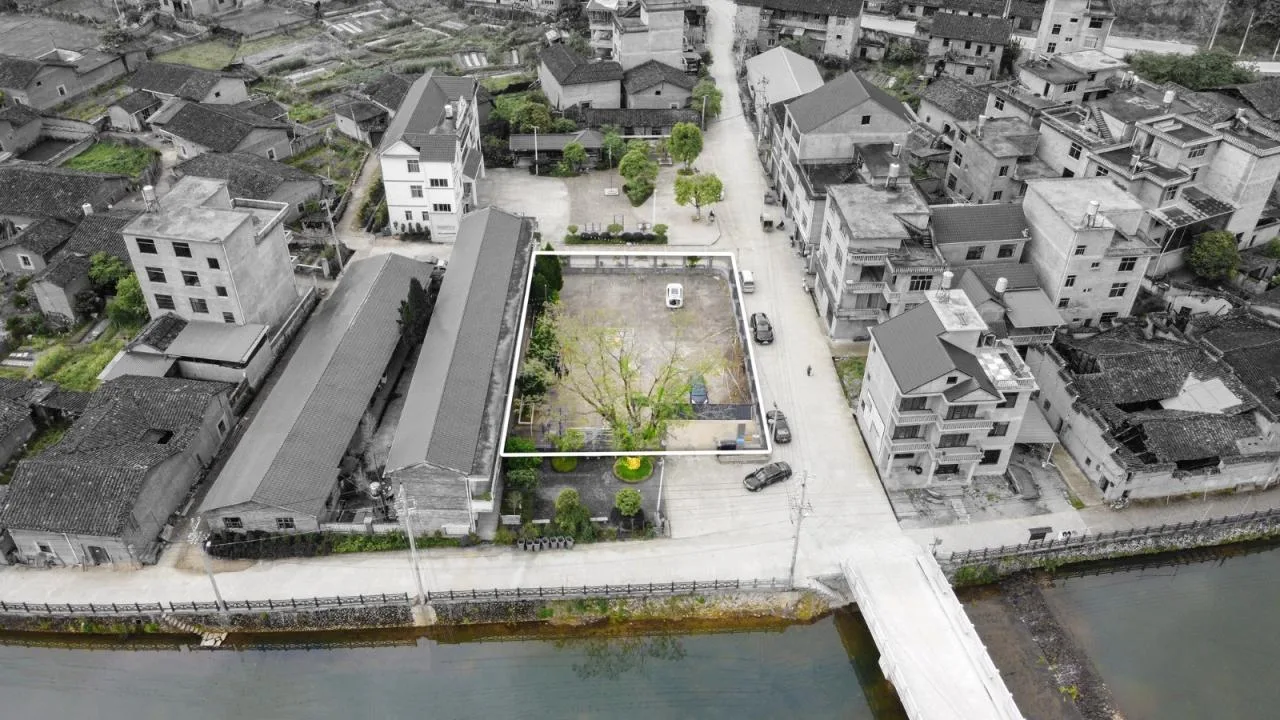
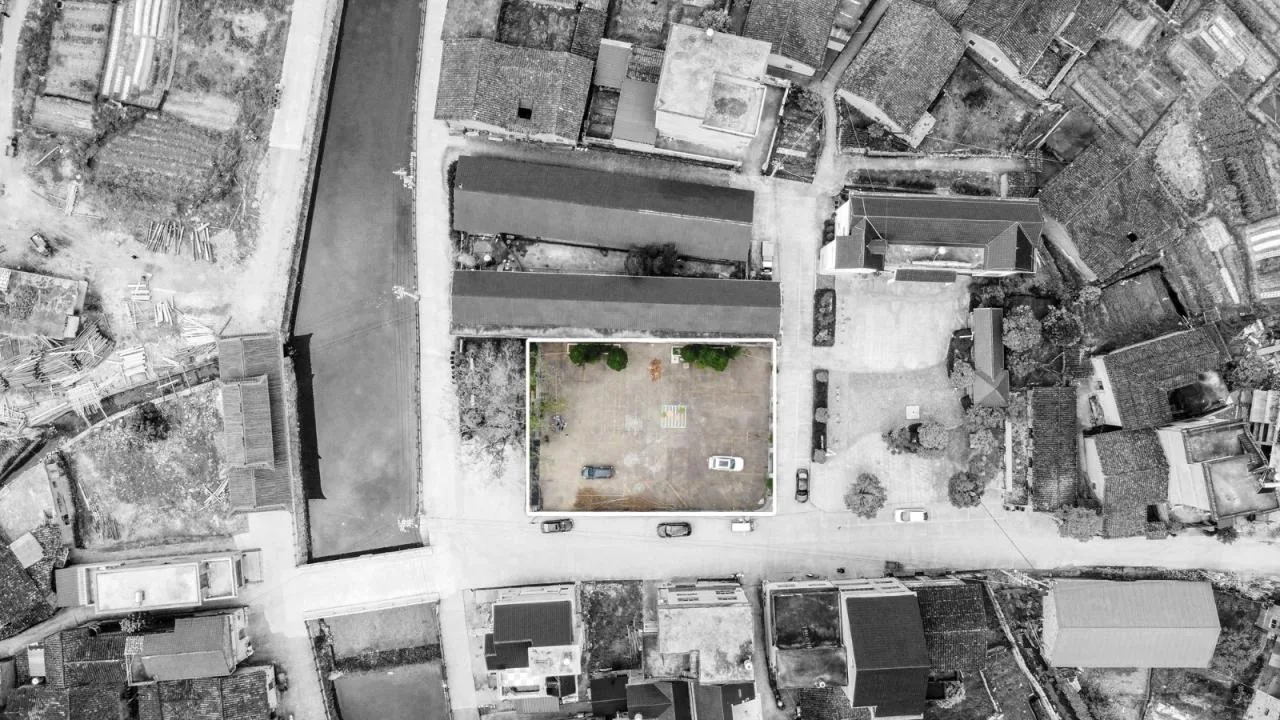
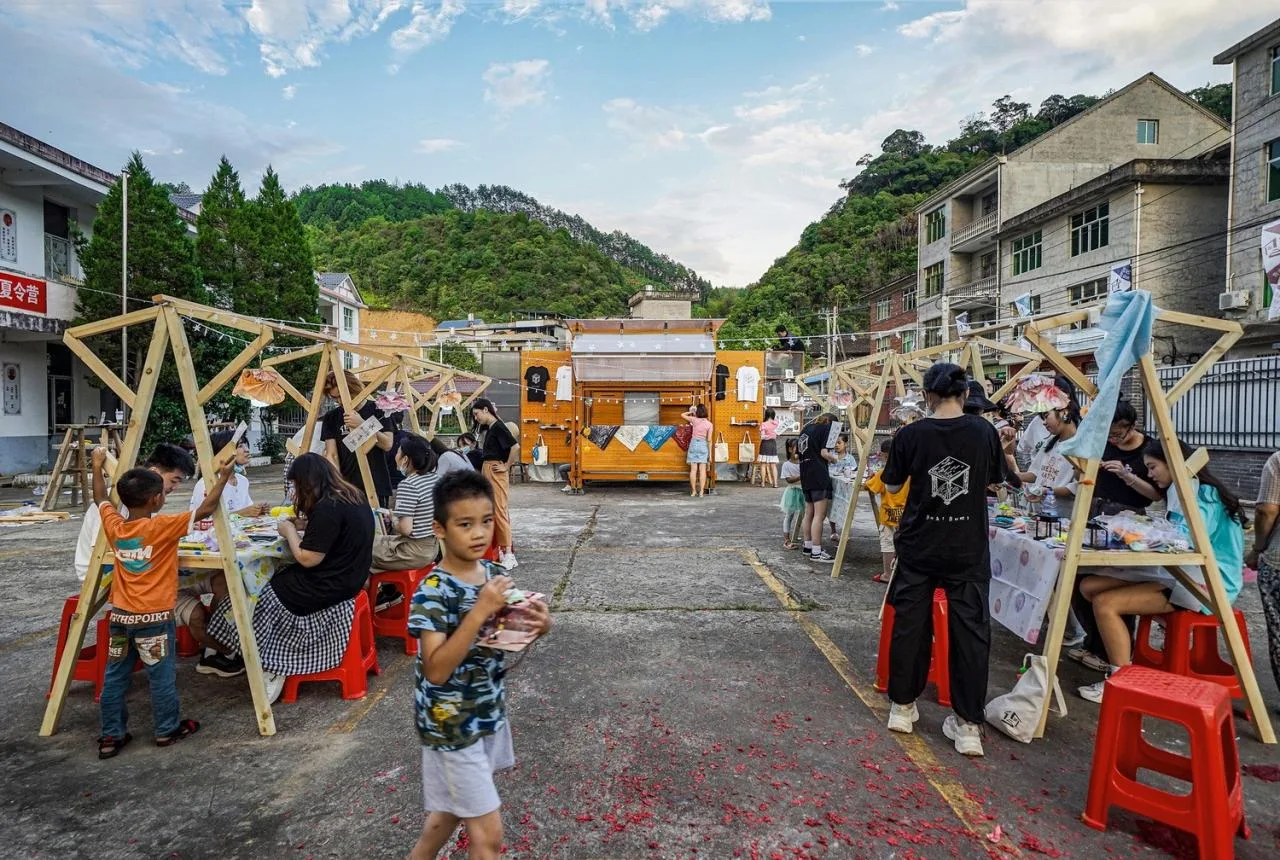
This workshop was established in an abandoned primary school in Xiangxi Village, Songxi County. Besides offering a resting place for villagers and a play area for children, it also serves as a cultural hub for promoting art and heritage. The space hosts temple fairs related to Songxi printmaking and supports various activities such as exhibitions, sales, workshops, and film screenings. The final setup includes one “sales wall,” one “experience wall,” and two “display walls.” As the first work cabin constructed, its main function is to act as a container for printmaking art and creative cultural activities at the abandoned school. In the future, similar cabins may appear in other villages, inspiring new waves of community engagement.
Project Drawings
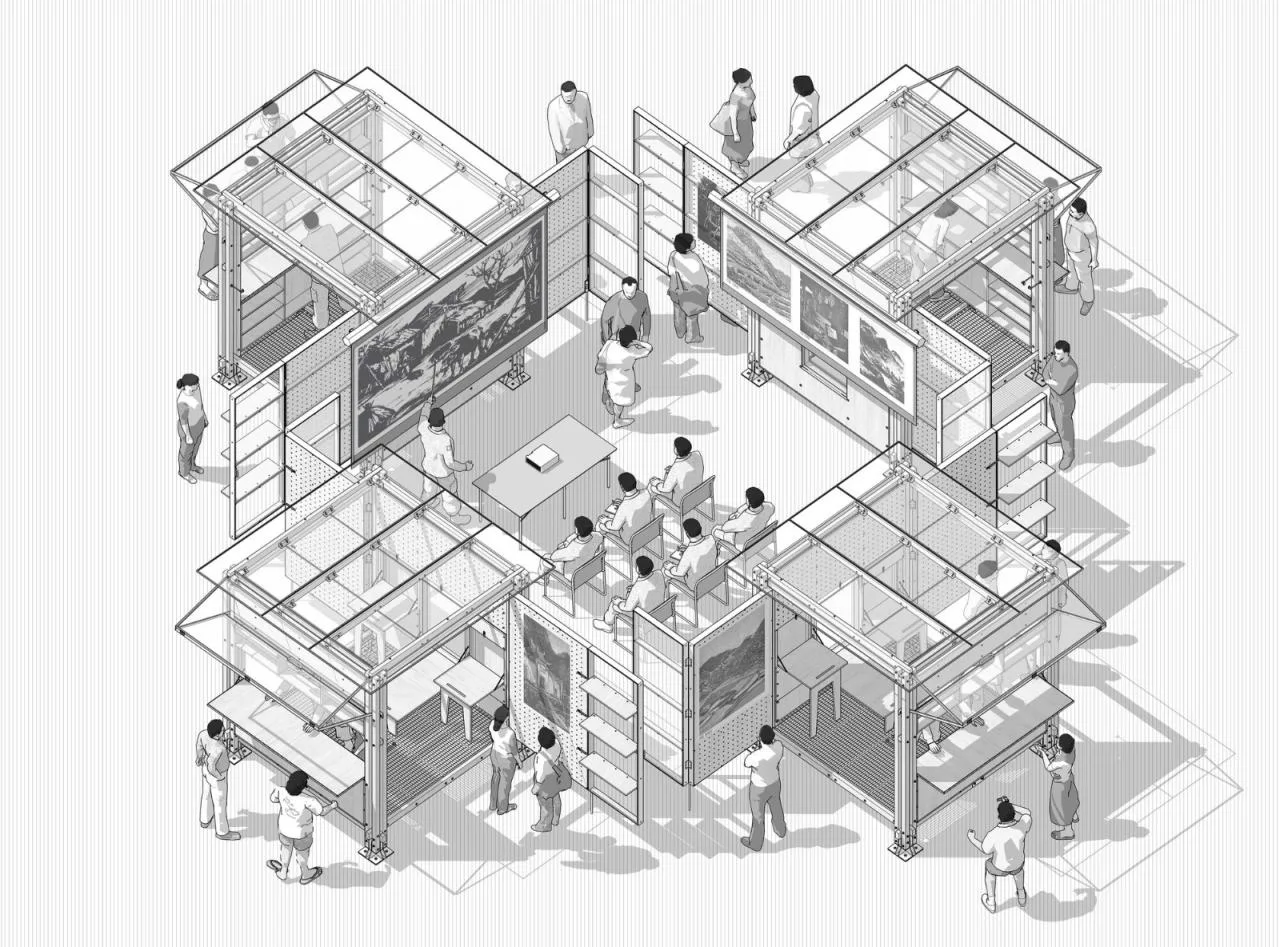
△ Perspective View
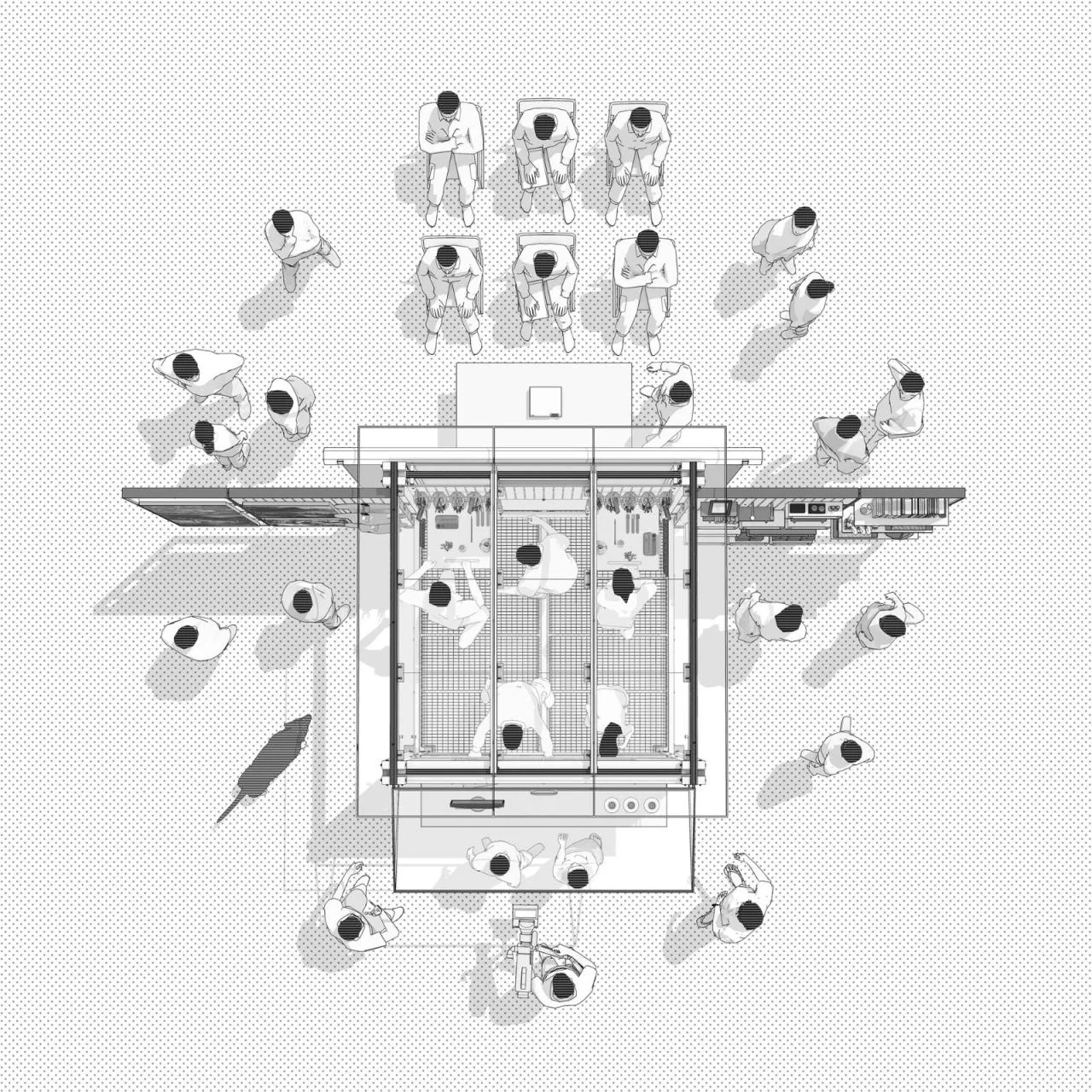
△ Top View
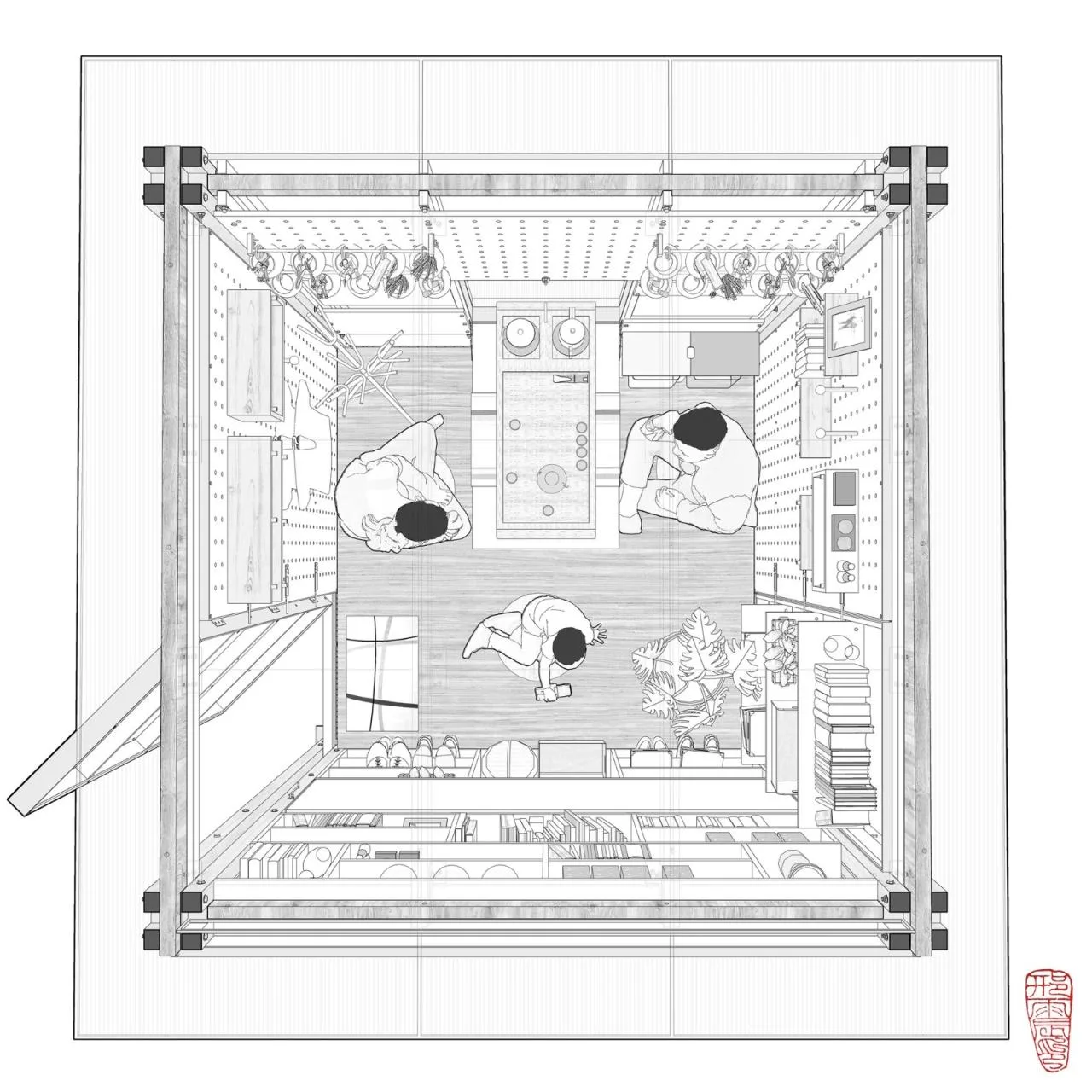
△ Internal Top View
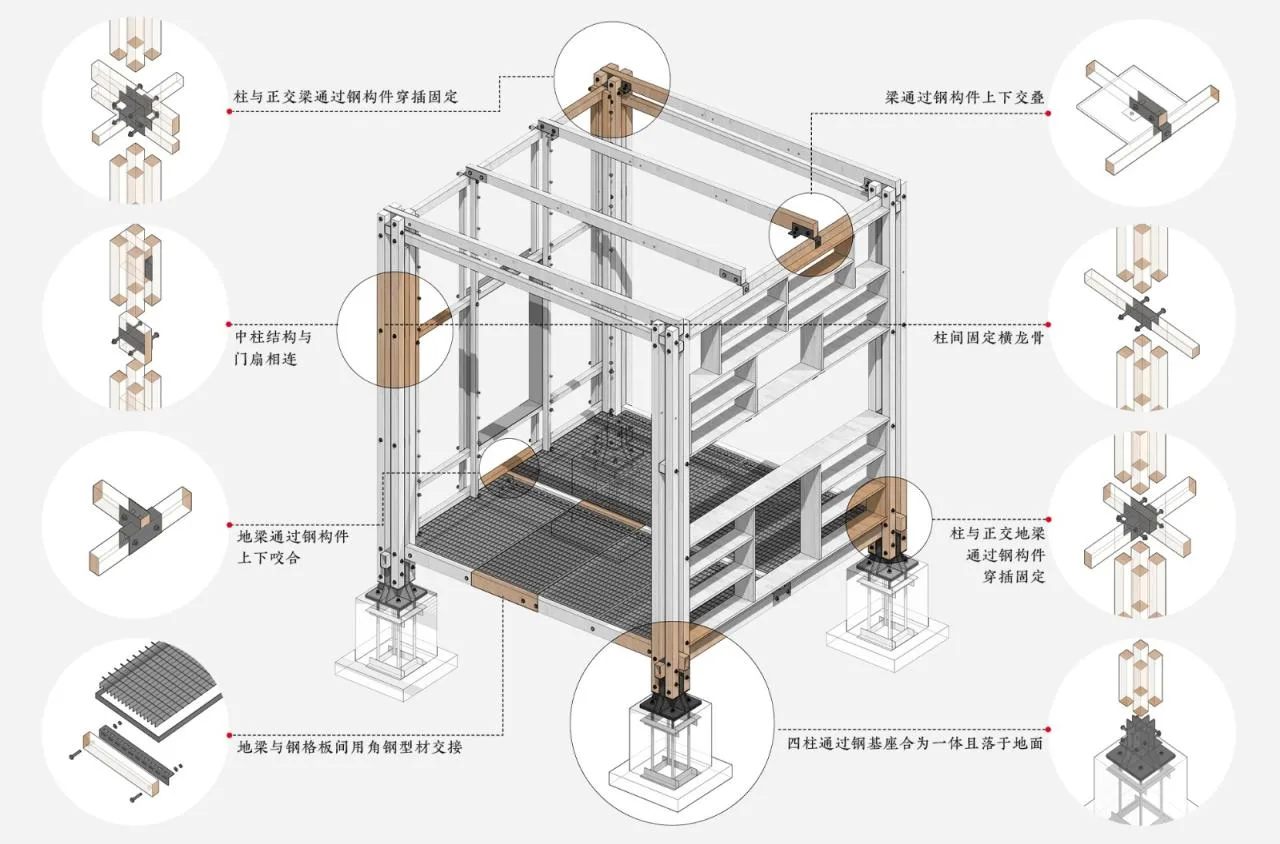
△ Structural Diagram
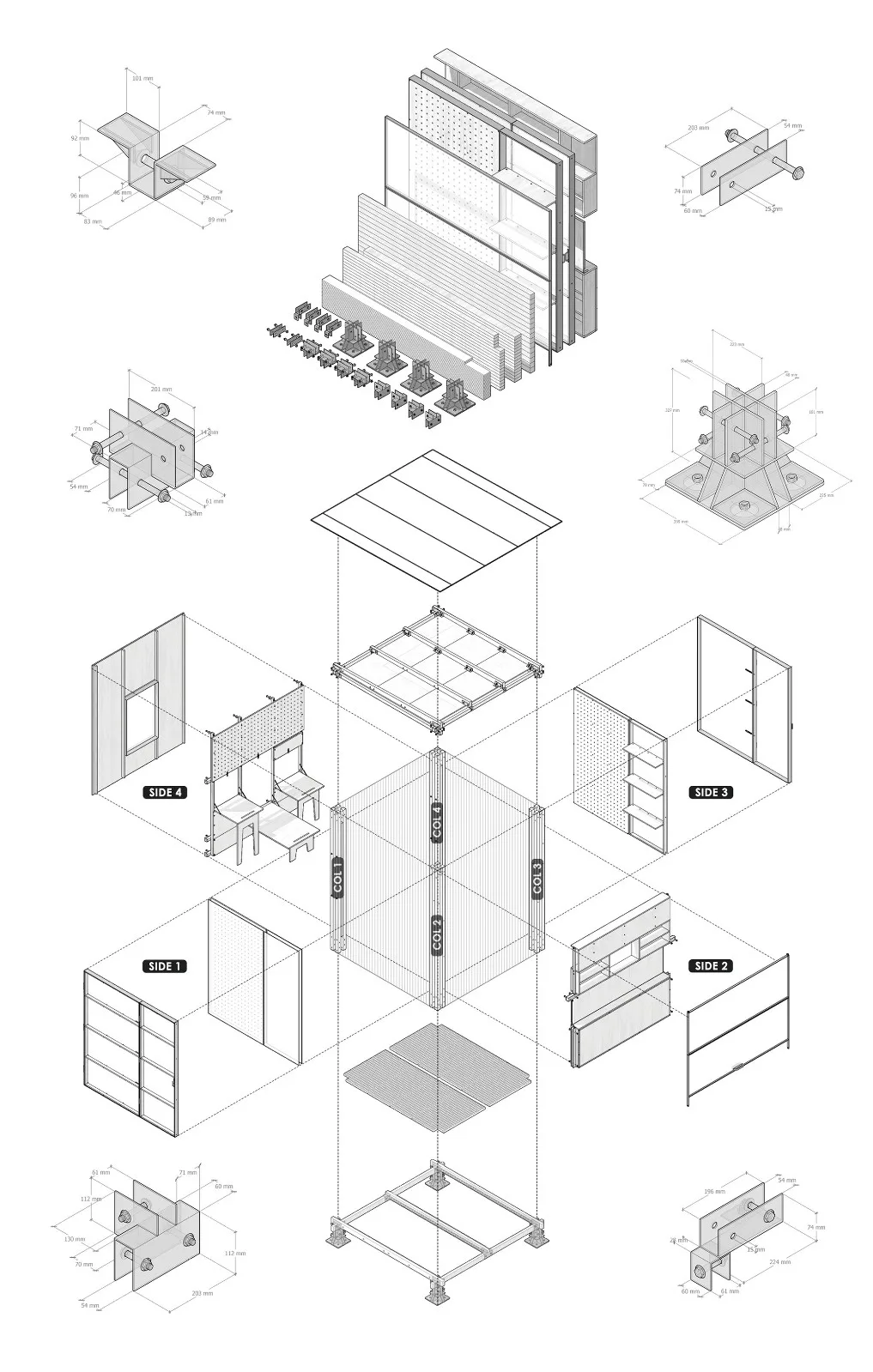
△ Exploded View
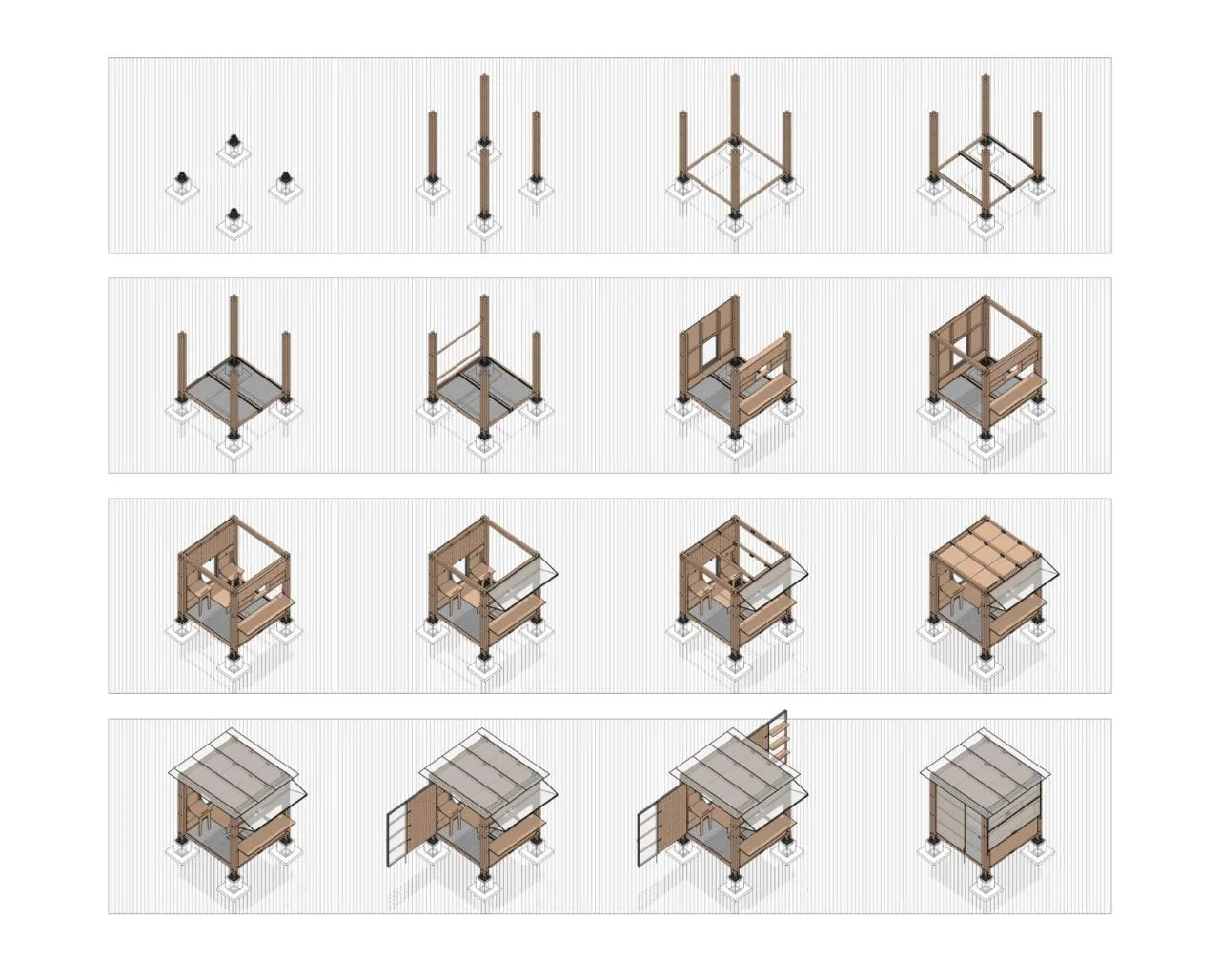
△ Generated Graph
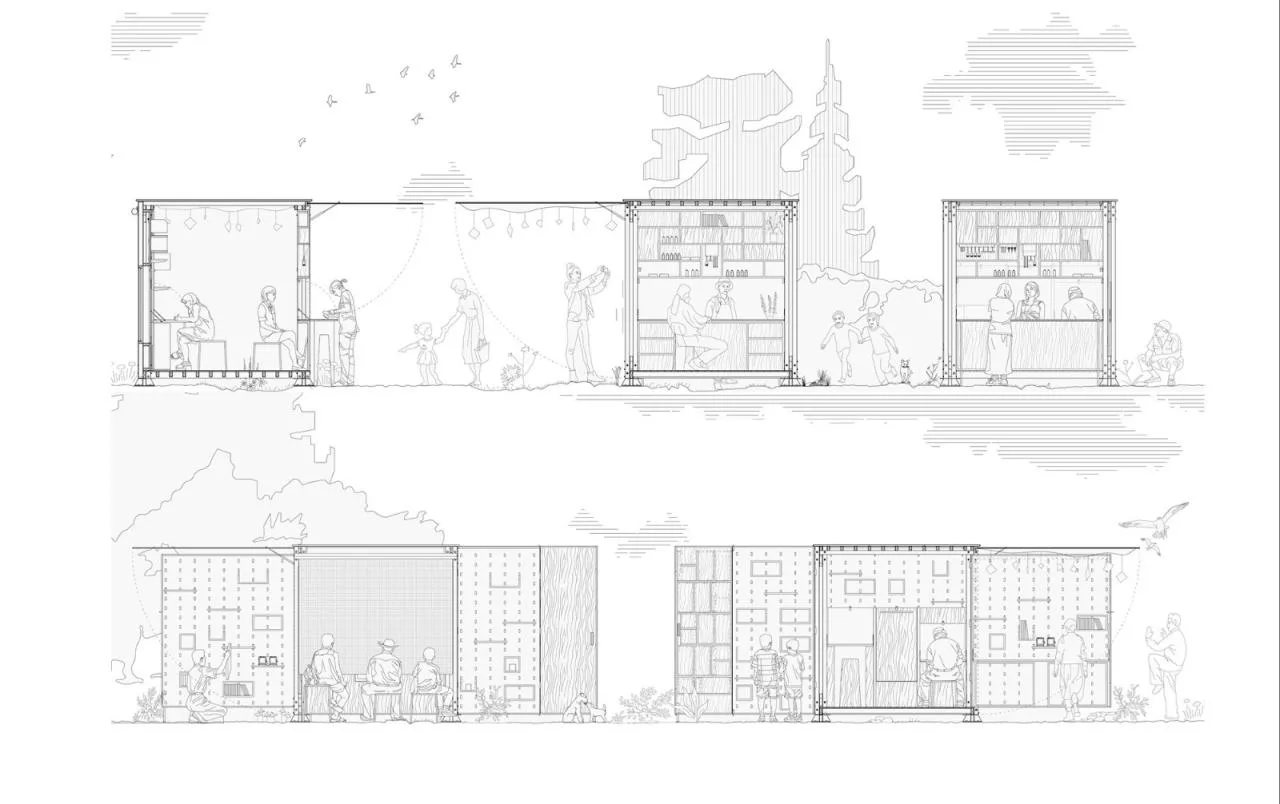
△ Elevation Diagram
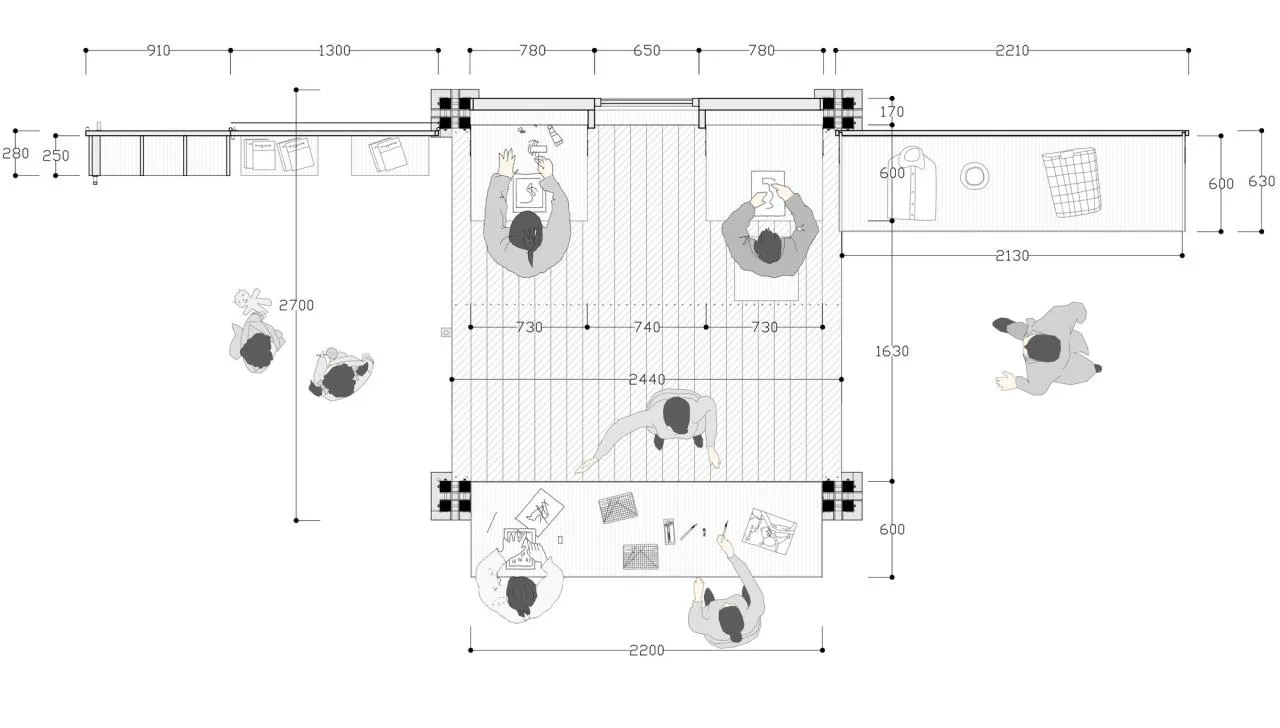
△ Dimensional Diagram
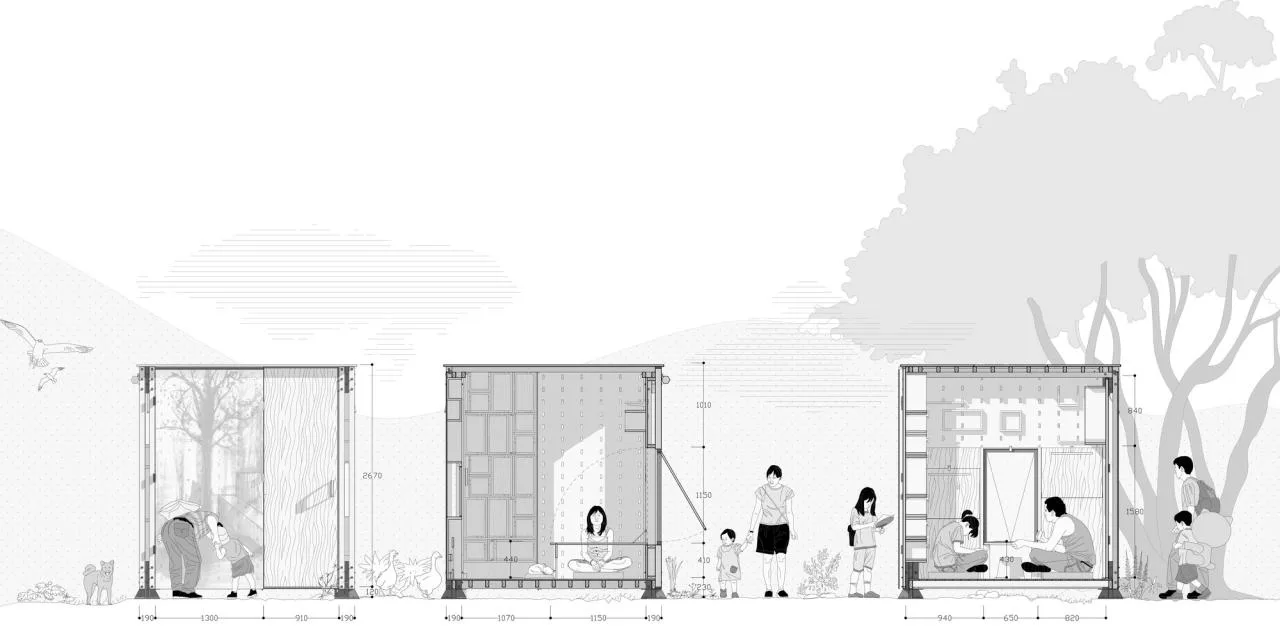
△ Dimensional Diagram
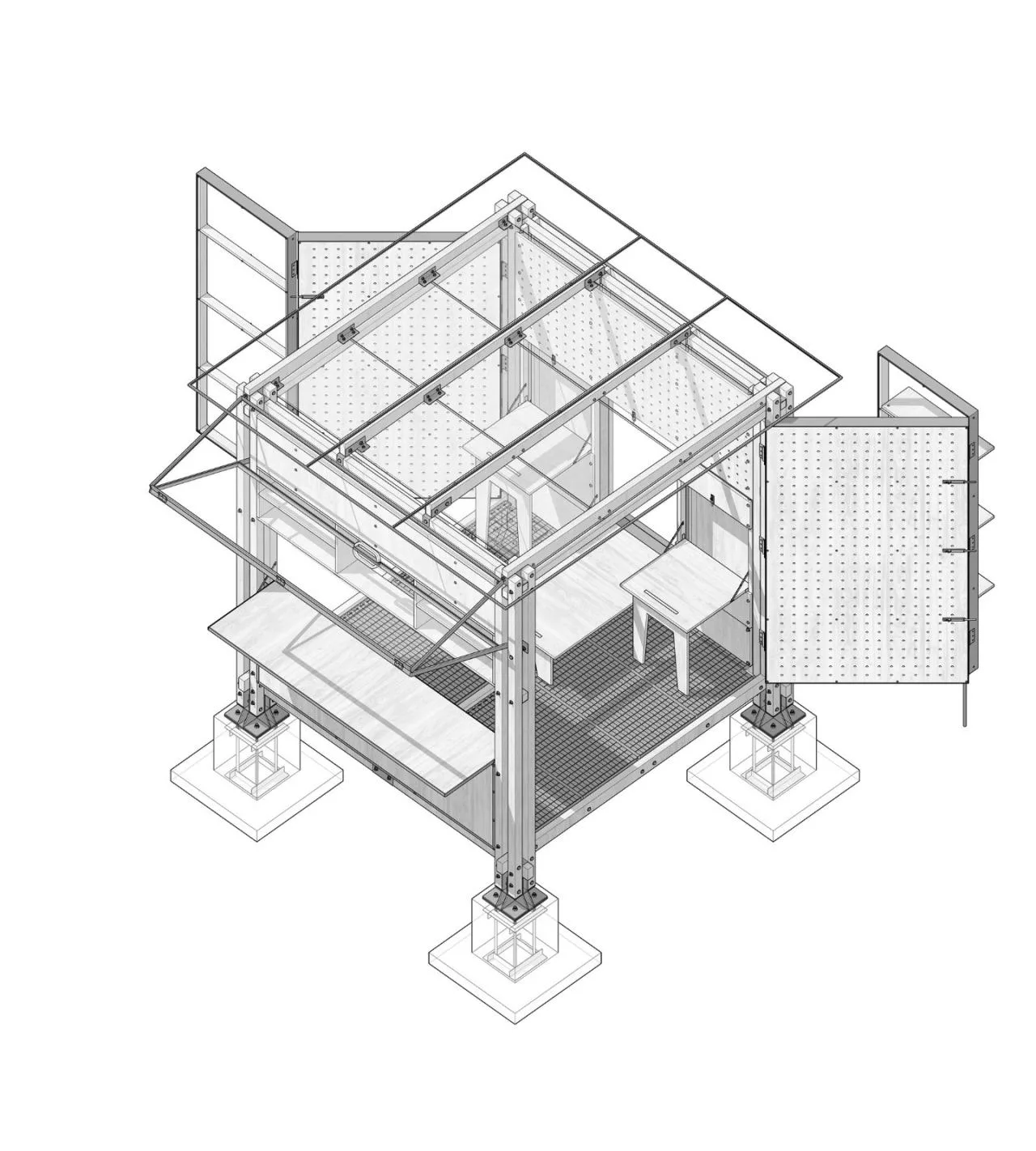
△ Axonometric Diagram
Project Information
Architectural Design: School of Architecture and Urban Planning, Nanjing University
Area: 6 m²
Project Year: 2021
Photographer: Ziye Huang
Lead Architect: Xing Yuchen
Design Team: Xing Yuchen, Chen Yujing, Li Zhouhan, Chen Luxi, Yang Yibin, Hua Jiahe
Construction Team: Zhang Min, Xing Yuchen, Chen Yujing, Li Zhouhan, Chen Luxi, Yang Yibin, Huang Ziye
Partner: Ganzhou Sentai Bamboo and Wood Co., Ltd
Location: Nanping, China













Must log in before commenting!
Sign Up