
Autodesk Revit software offers structural engineers and designers powerful tools for precise design and efficient construction of building structures. Built to support Building Information Modeling (BIM), Revit enables users to create intelligent models that simulate and analyze projects in detail. This approach helps predict performance before construction and enhances the accuracy of design documentation by utilizing unique coordinates and matching data within intelligent models.
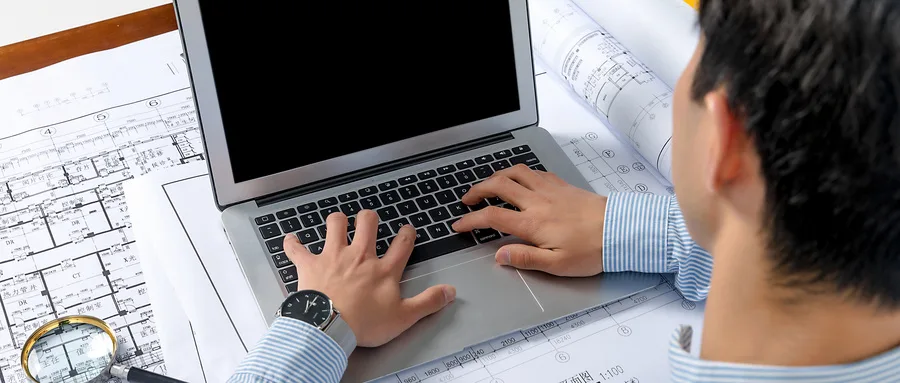
Autodesk Revit Architecture’s comprehensive and innovative conceptual design capabilities offer user-friendly tools for free-form modeling, parametric design, and model analysis. Designers can freely create surface models and verify their feasibility through these advanced features. Built-in tools allow for clear presentation of surface shape results to stakeholders, facilitating the transition to detailed solid modeling. As design methods evolve towards greater intelligence, Revit’s flexibility and accuracy unify the entire design process—from conceptual modeling to construction documentation—within an intuitive environment that ensures information integrity.
Project template files are crucial in the design workflow, providing standardized settings that simplify the design process and significantly boost efficiency while adhering to design standards. Templates represent the initial state of a project, and each version of Revit comes with default templates. Designers can also develop custom templates that include all necessary families, settings (such as units, fill styles, line types, line weights, and view scales), and geometry. New projects created from these templates inherit these elements, making them ideal for specialized tasks. Templates are system files that typically evolve over time based on accumulated design experience.
The Revit Family Library serves as a categorized repository for numerous Revit families, which function as components with distinct properties and parameters. Industry organizations often develop their own family libraries as projects advance, allowing them to reuse and adapt these components for future tasks. This capability enhances productivity by enabling users to modify family parameters to suit specific project requirements. The quality of a family resource library reflects an organization’s core competitive advantage and represents a significant knowledge asset.
Parametric components offer an open graphical system that encourages creative design thinking by enabling the creation of complex shapes and the clear expression of design intent. Using parametric components, users can build both intricate and basic elements without the need for programming or coding, making the process faster and more accessible. Additionally, any modifications within the building information model automatically update all related content. Revit consolidates all model data in a single location, ensuring that changes propagate efficiently throughout the entire building information model.













Must log in before commenting!
Sign Up