
BIM, or Building Information Modeling, is increasingly discussed in the industry today. But what exactly does BIM technology entail?
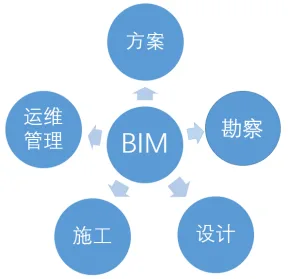
BIM represents the integration of construction engineering with computer information technology. It employs three-dimensional digital techniques to convert construction projects into detailed engineering data models. These models digitally represent the specific conditions and functional characteristics of engineering projects. By consolidating diverse project data into BIM models, information is transmitted and shared throughout the entire project lifecycle—including planning, surveying, design, construction, and operational management (see Figure 1). This enables all project participants to easily access and understand the comprehensive information embodied in a building. As a result, BIM provides a collaborative platform that enhances information sharing, improves productivity, reduces costs, and shortens construction timelines.
At the heart of BIM technology are digital 3D simulation models. Utilizing digital information technology, a dedicated project information database is created. This database includes not only the basic 3D geometric data but also extensive non-geometric information such as materials, weight, cost, and construction progress of building components. This comprehensive 3D model significantly enhances information integration within construction projects, providing a solid platform for stakeholders to exchange and share engineering information effectively.
















Must log in before commenting!
Sign Up