
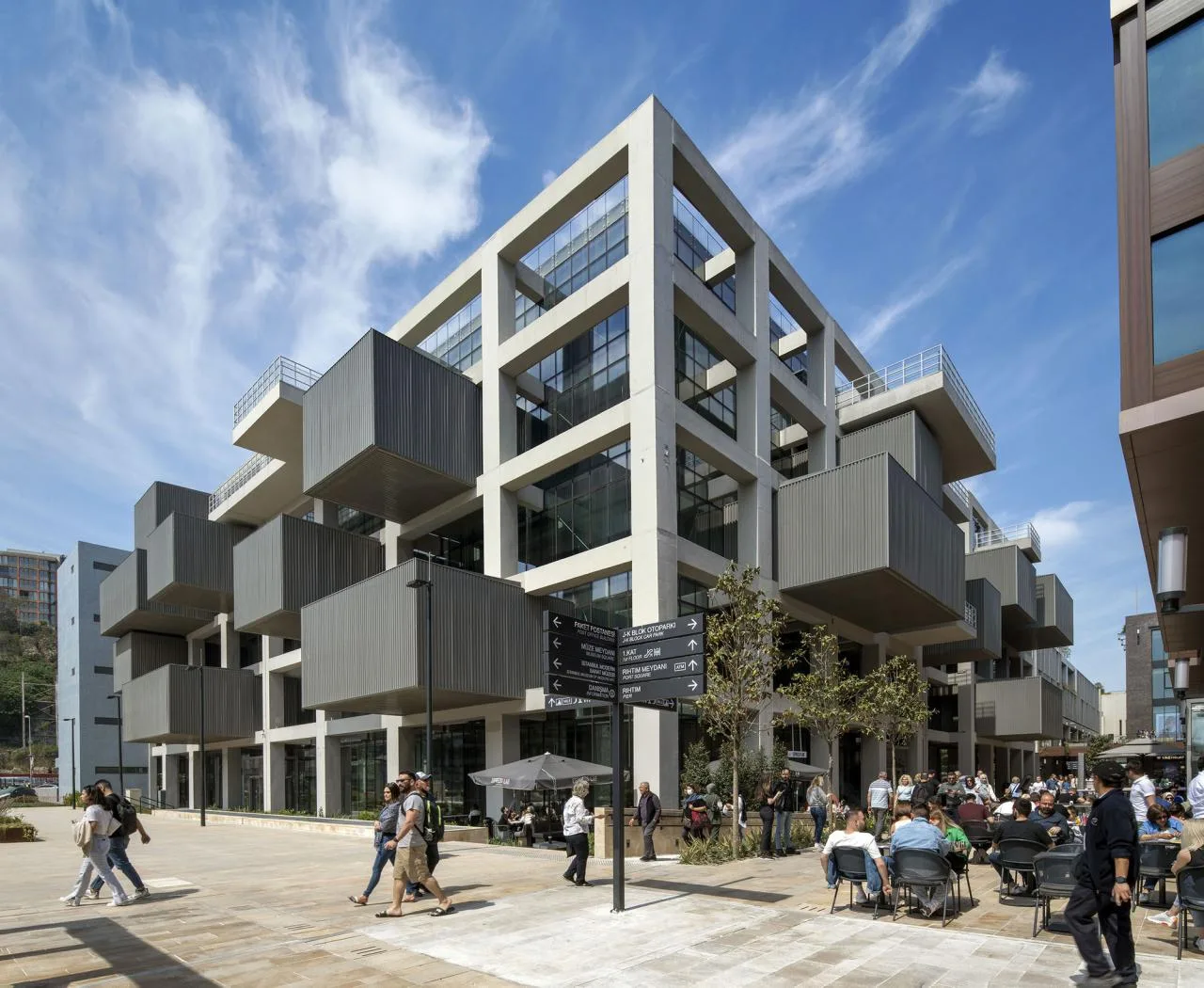
In 2009, the Karaoke Port No. 5 transit port was assigned to Mimar Sinan University of Fine Arts. The university transformed this site into the Istanbul Museum of Painting and Sculpture, establishing a clear public function for the area. Prior to this transformation, despite its central location in the city, the site lacked social engagement or cultural significance.
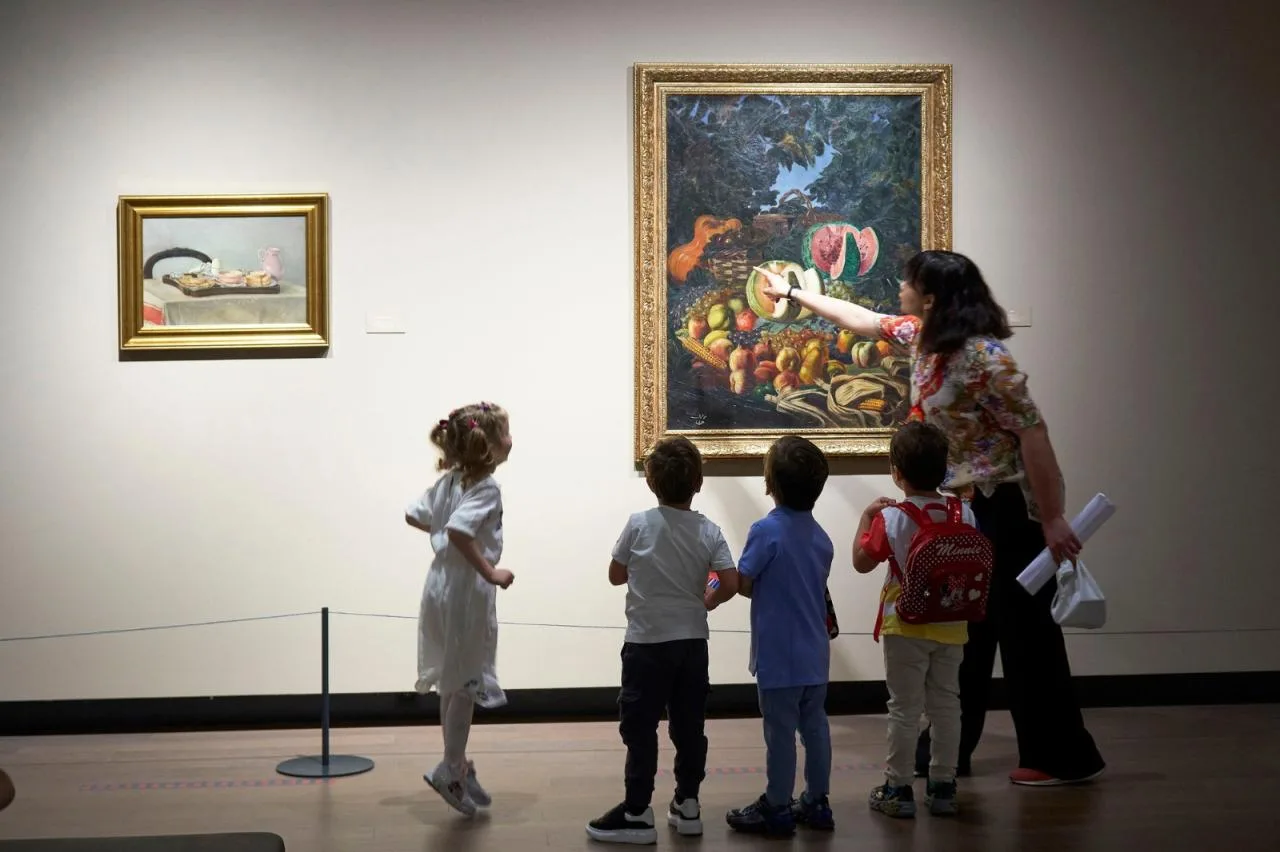
The project’s goal was to create an original, high-quality museum to house thousands of valuable artworks, including significant paintings spanning from the late Ottoman Empire to modern Türkiye.
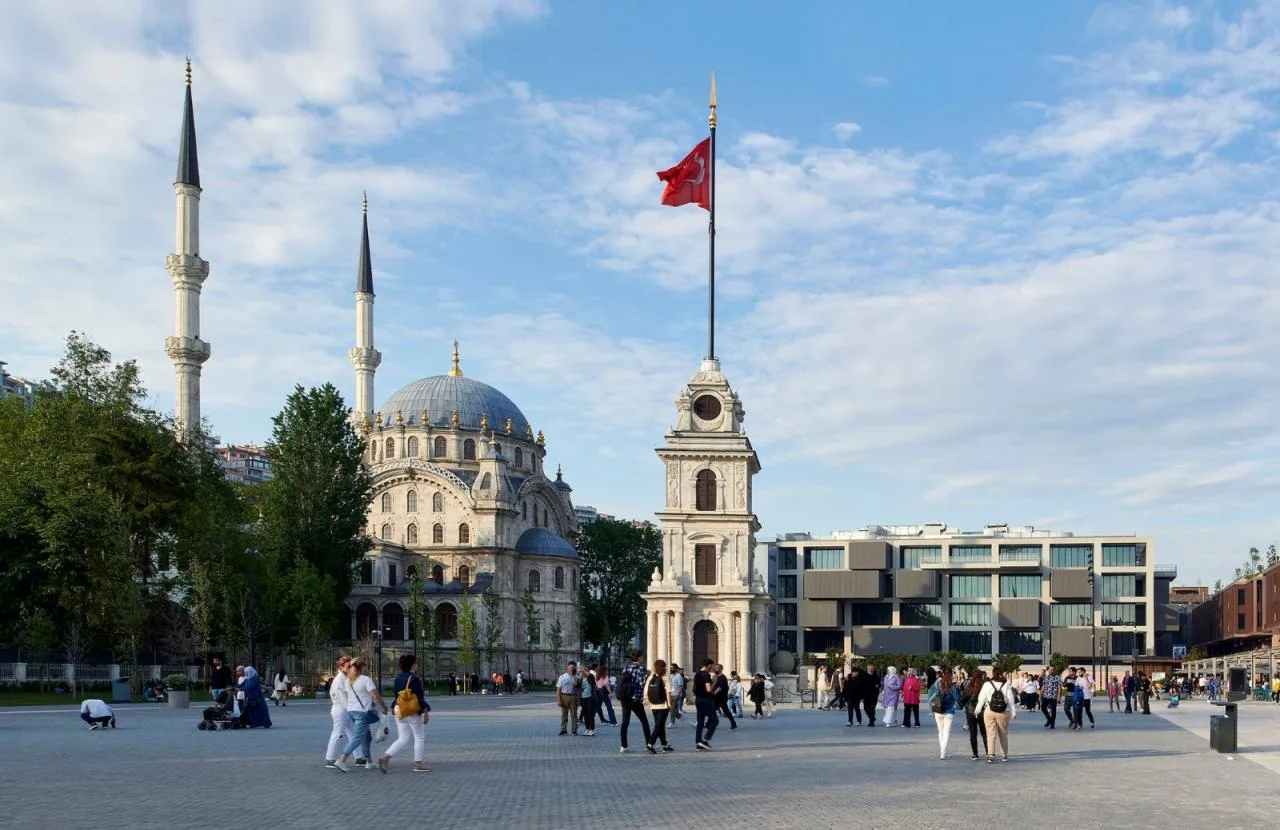
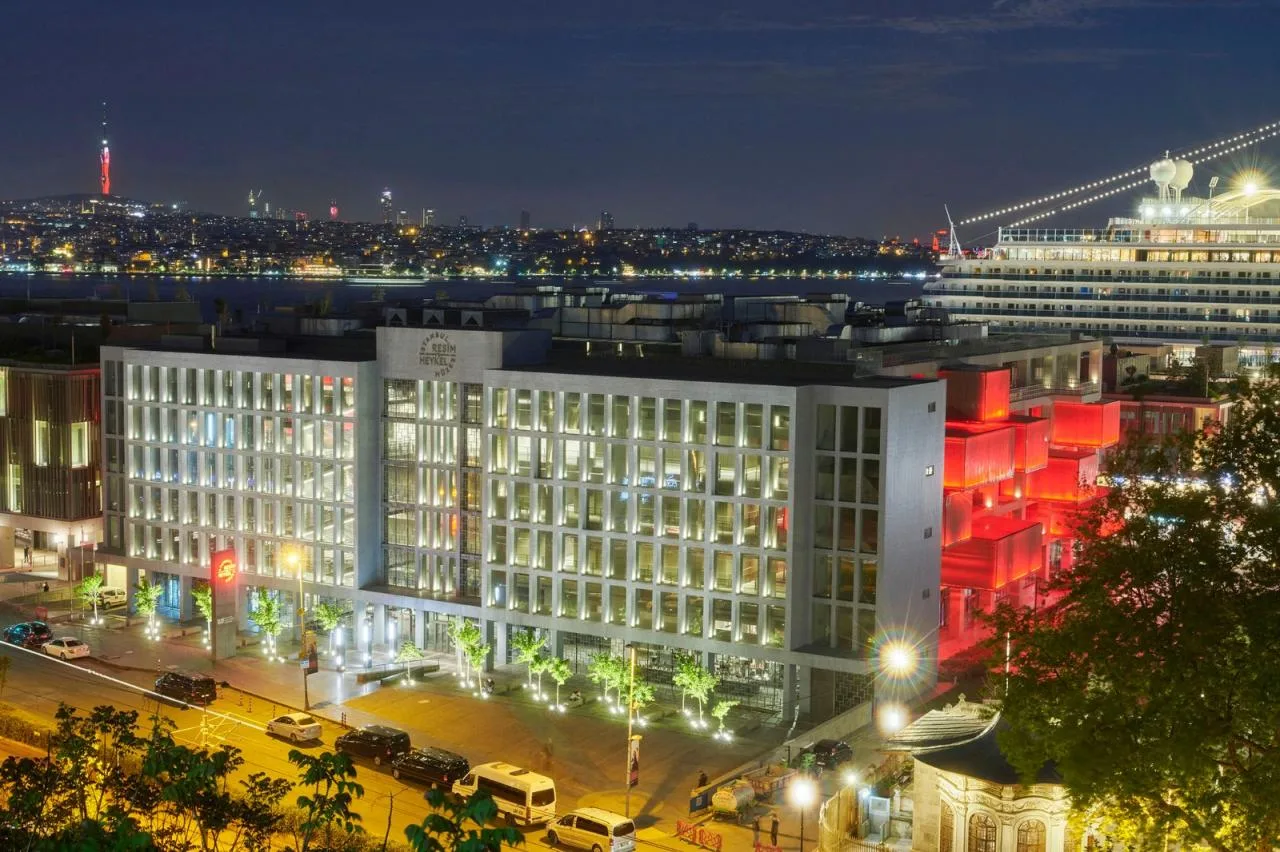
Emre Arolat Architects, the firm commissioned for this project, began by thoroughly studying the region’s physical and social history. Since the late 1950s, the transit port and office buildings have held a prominent place in the city’s visual memory, standing out in an area originally defined by its port and industrial character.
Historically, this region has been distinct from other parts of Istanbul. Recognizing this, the architects prioritized preserving the buildings’ unique scale and structural features. Notably, the linear repetition of horizontal geometric shapes in the reinforced concrete frame of the transit buildings was a key design element they aimed to maintain.
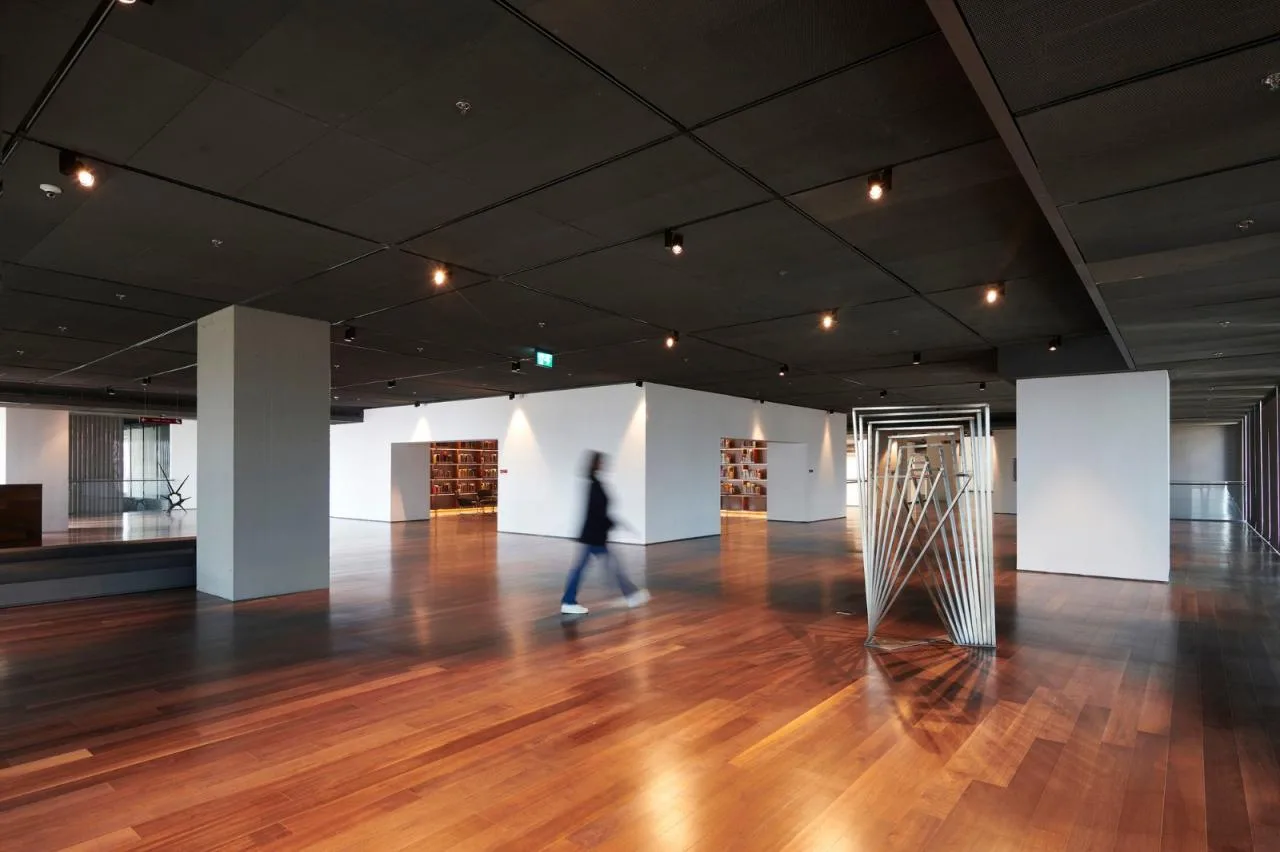
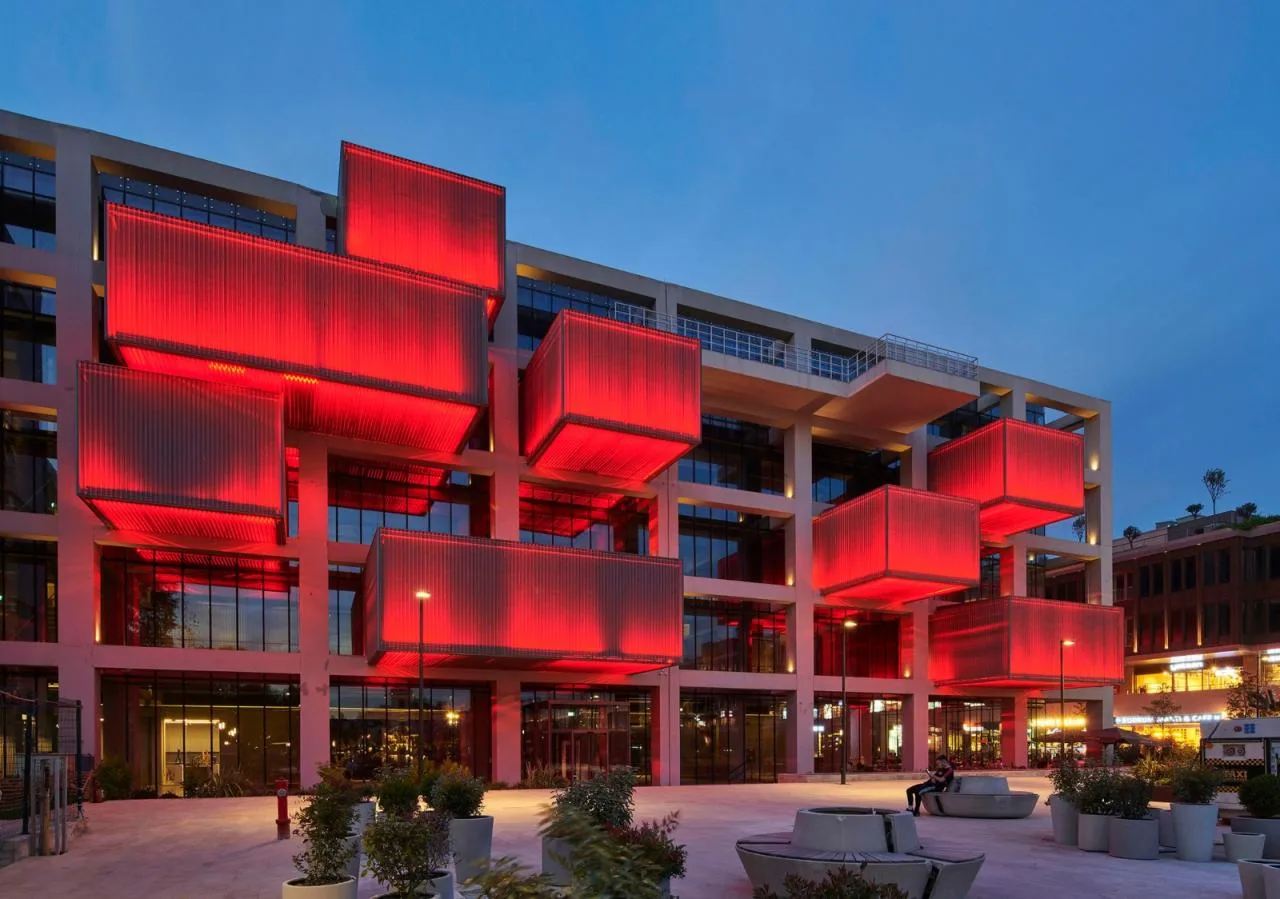
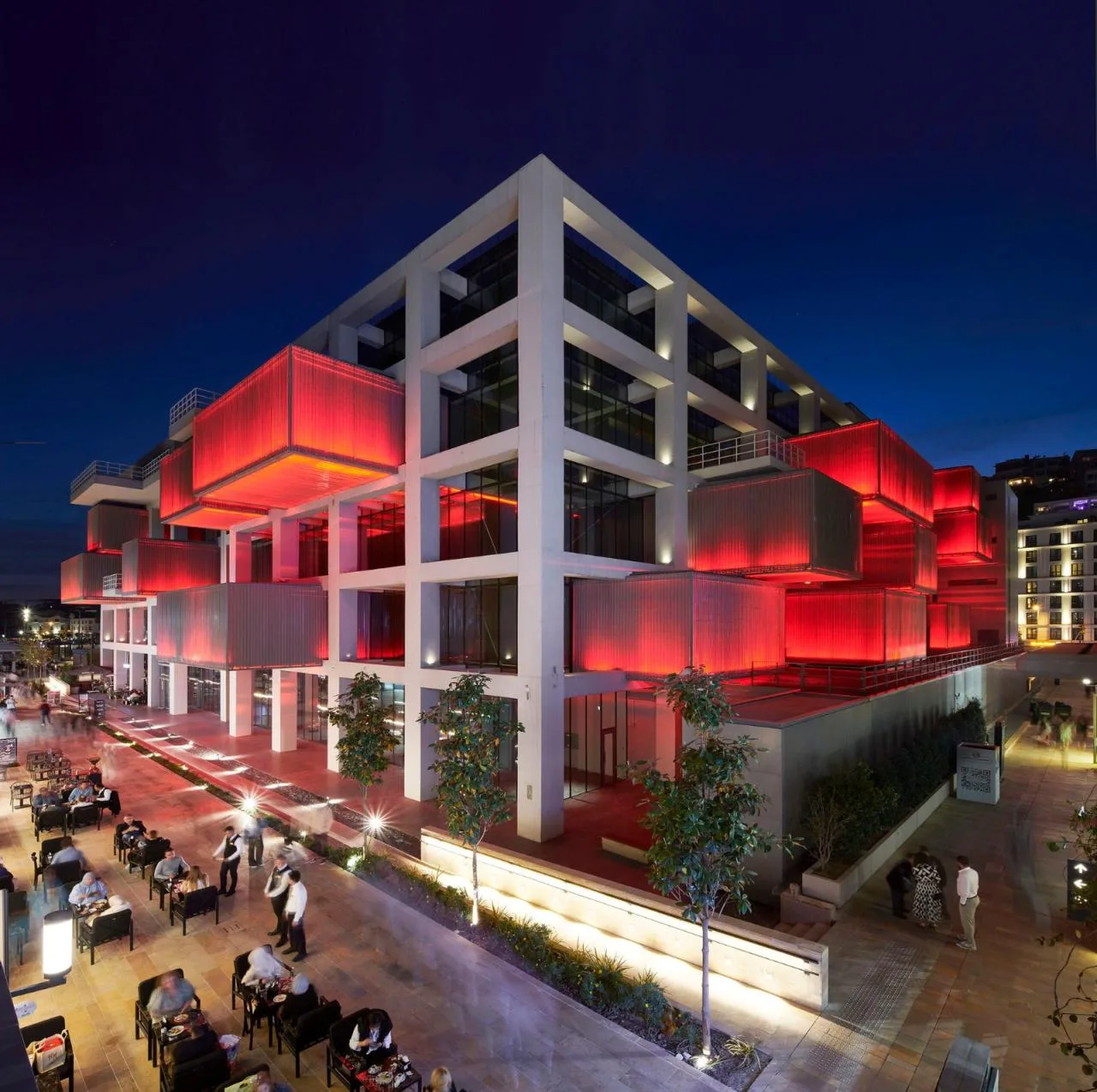
Consequently, the design features a three-dimensional grid structure that houses the new museum galleries. This approach preserves much of the original reinforced concrete load-bearing framework while allowing for the removal of interior walls and floors.
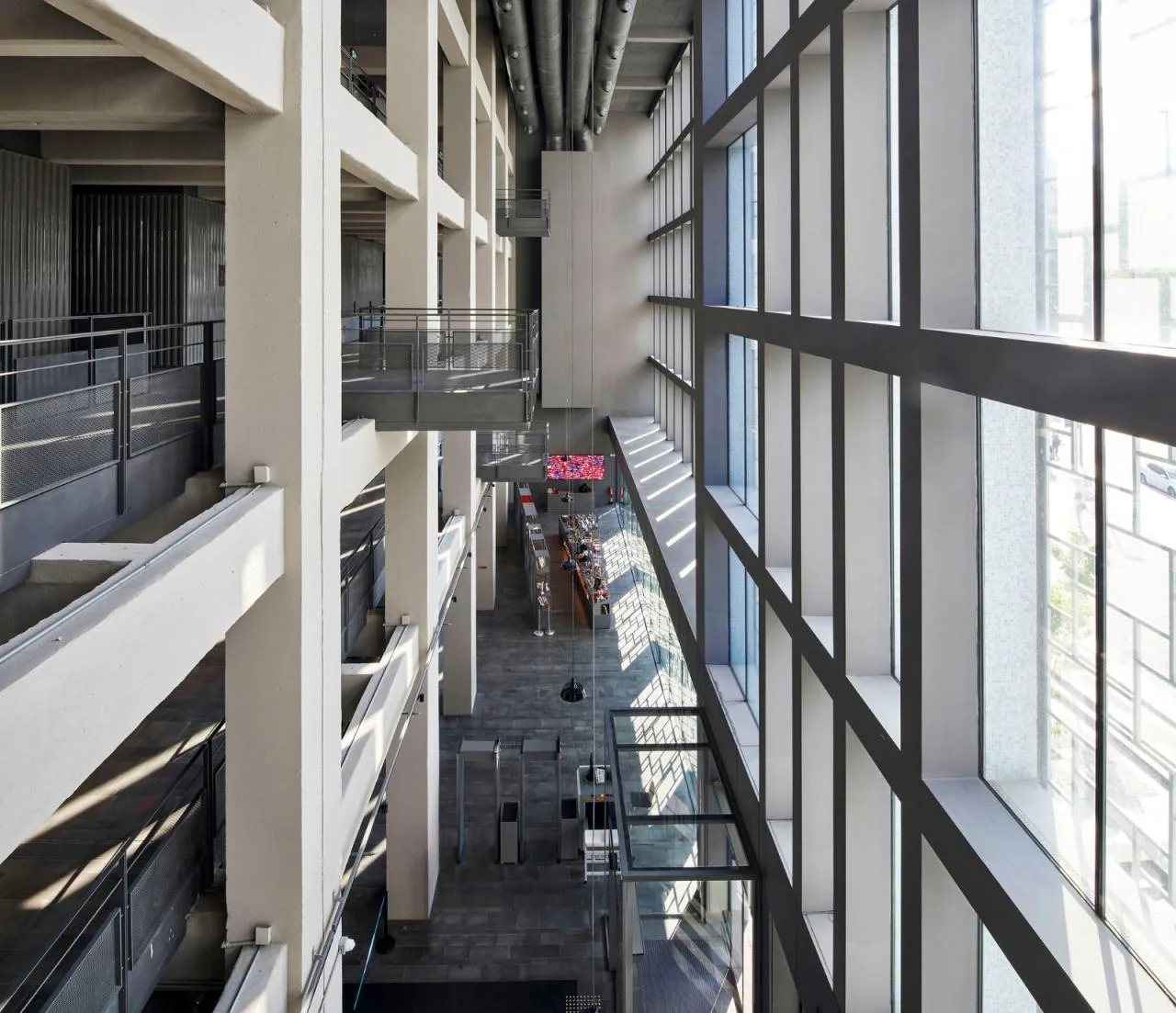
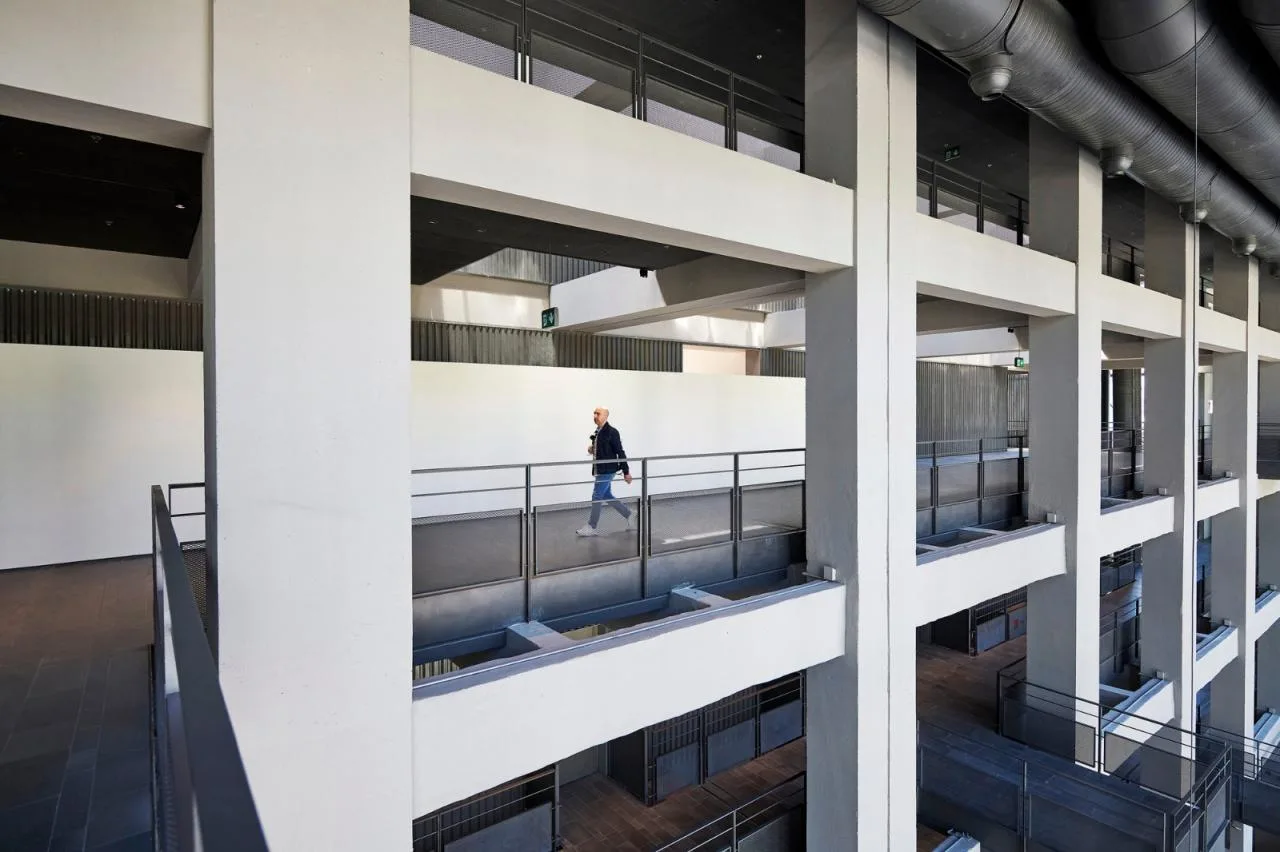
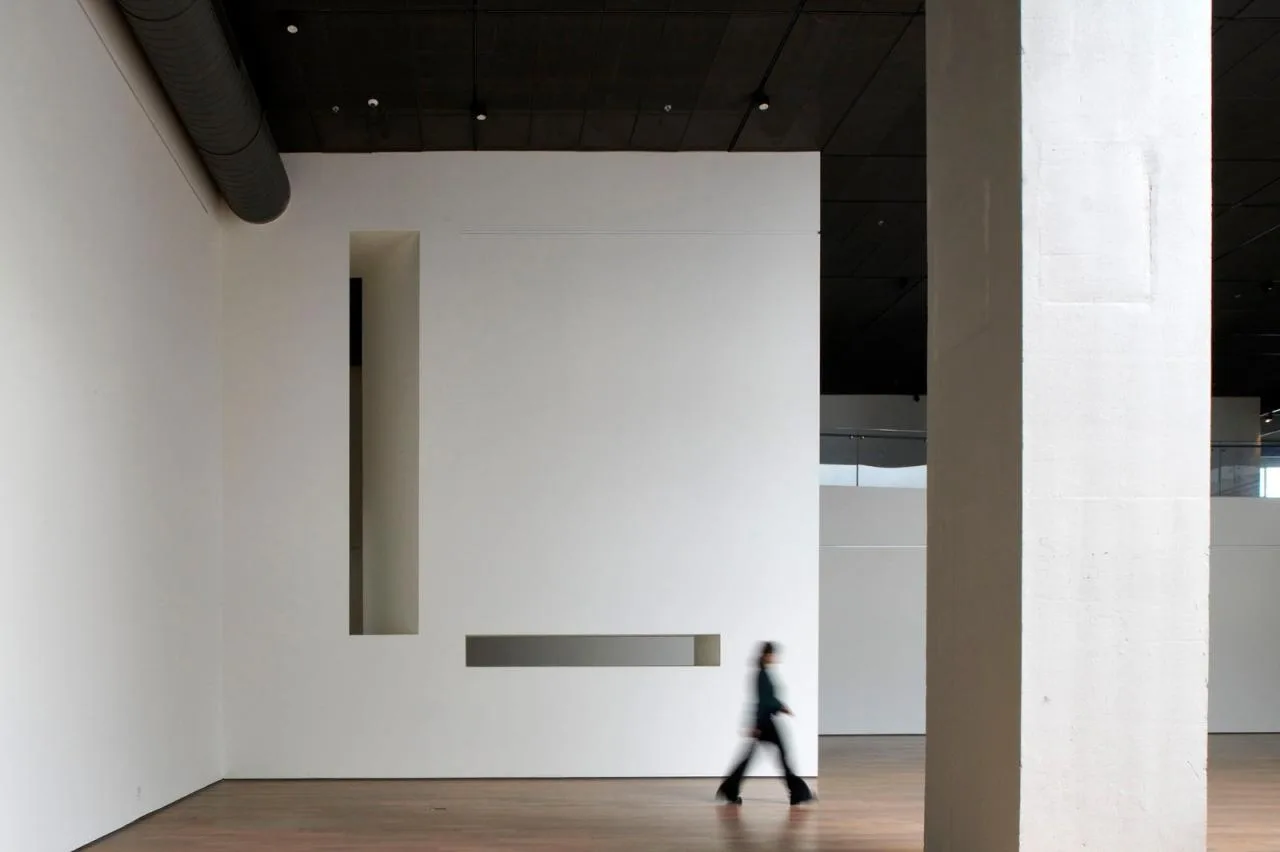
Regarding the museum’s exhibition spaces, the architects anticipated that curatorial methods would evolve over time. Exhibited works are expected to be reorganized based on thematic changes, requiring flexible use of space. The design therefore supports various scenarios to accommodate shifting exhibition themes.
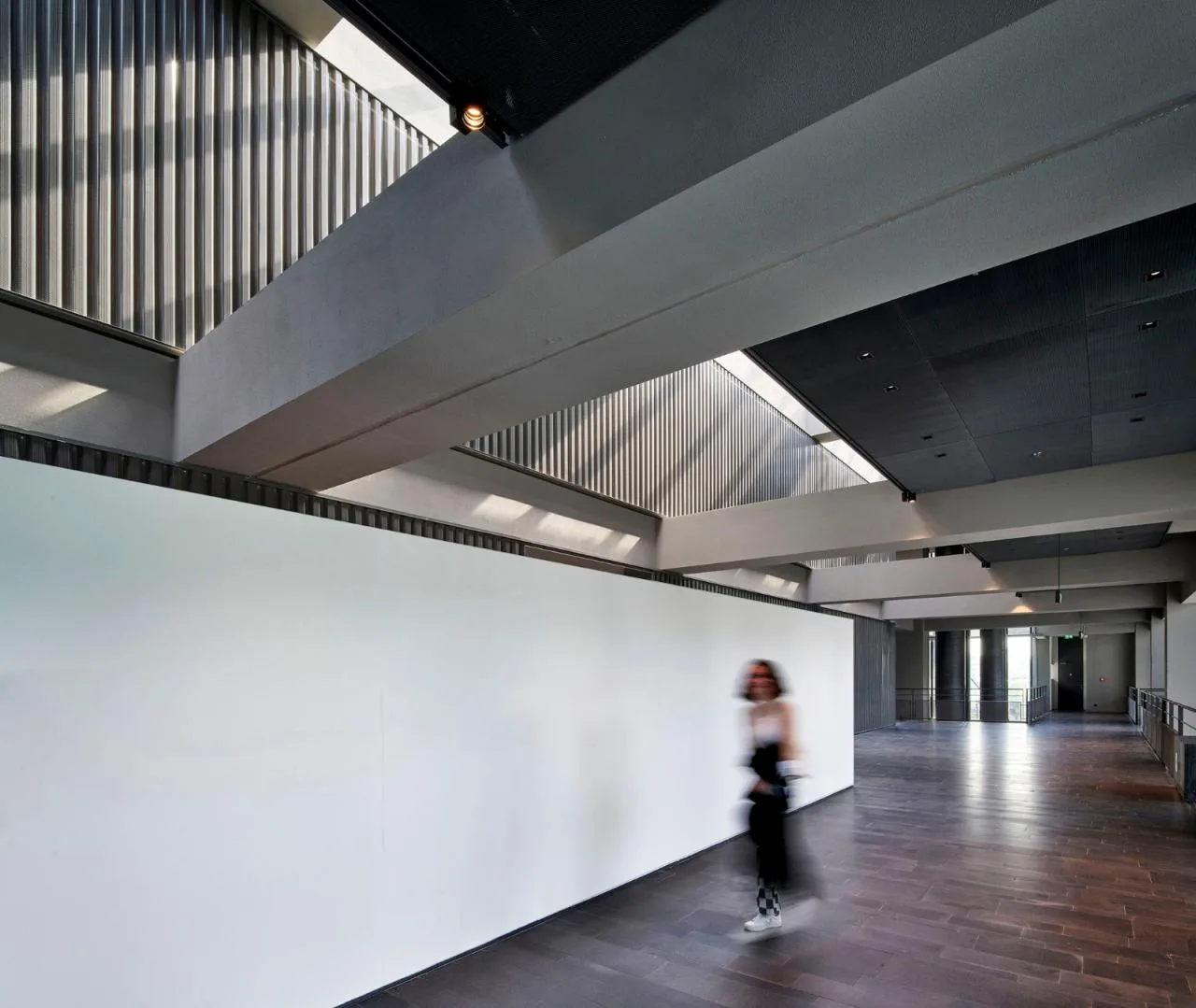
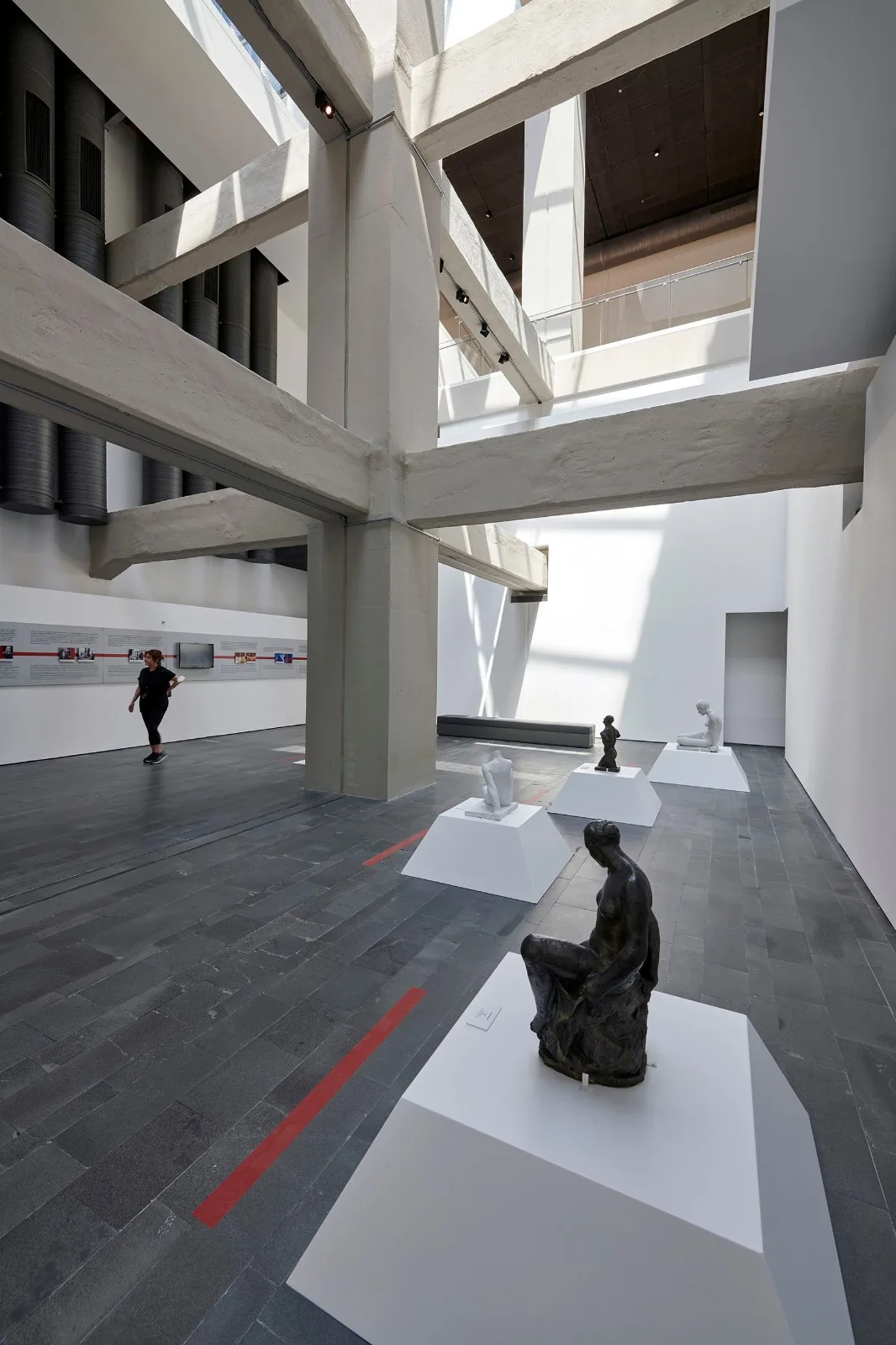
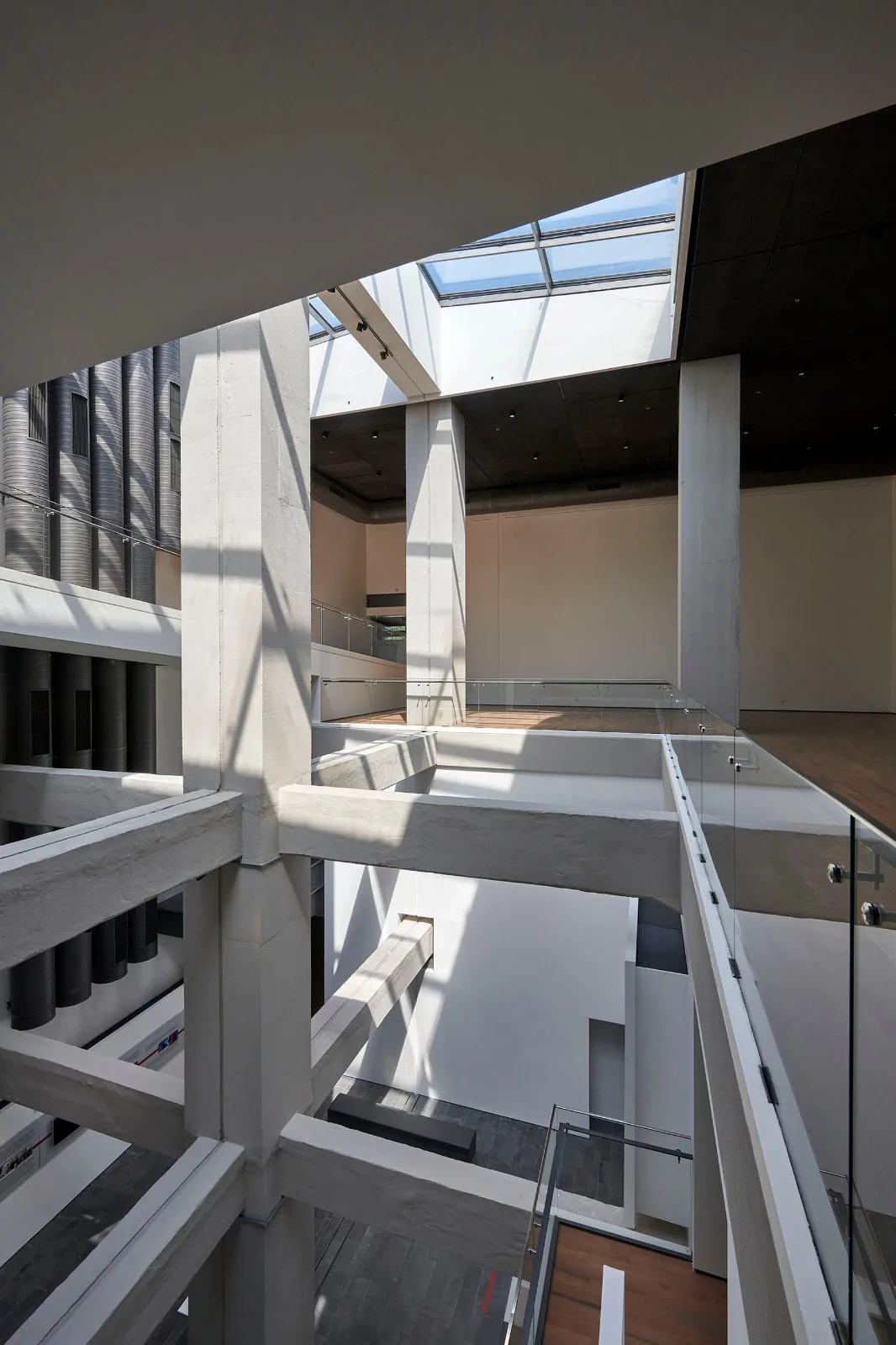
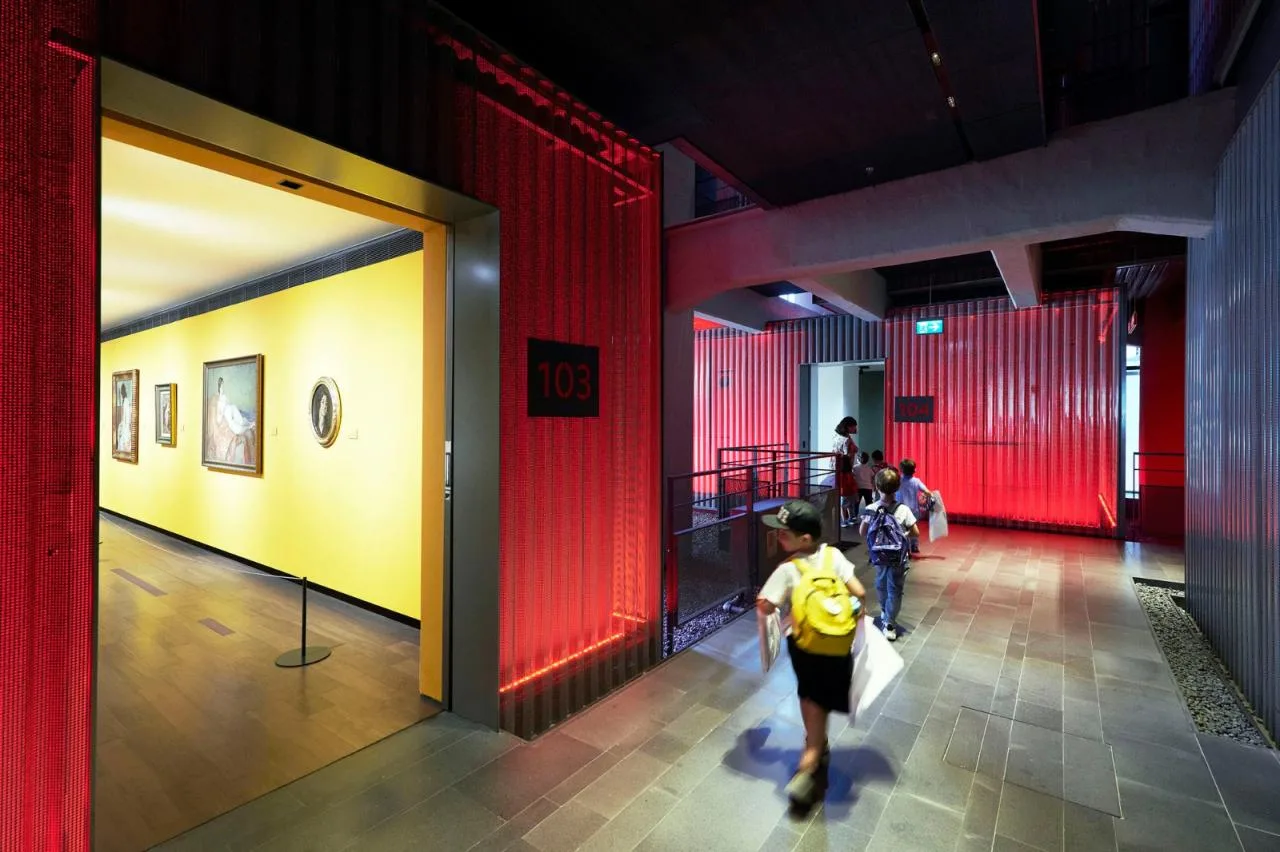
Instead of using a conventional glass frame system to protect the artworks from external elements, the architect revived an original structural industry system from the past for the transparent facade design. The galleries are arranged in a partially intersecting yet partially separated manner. All are connected via newly built corridors and bridges.
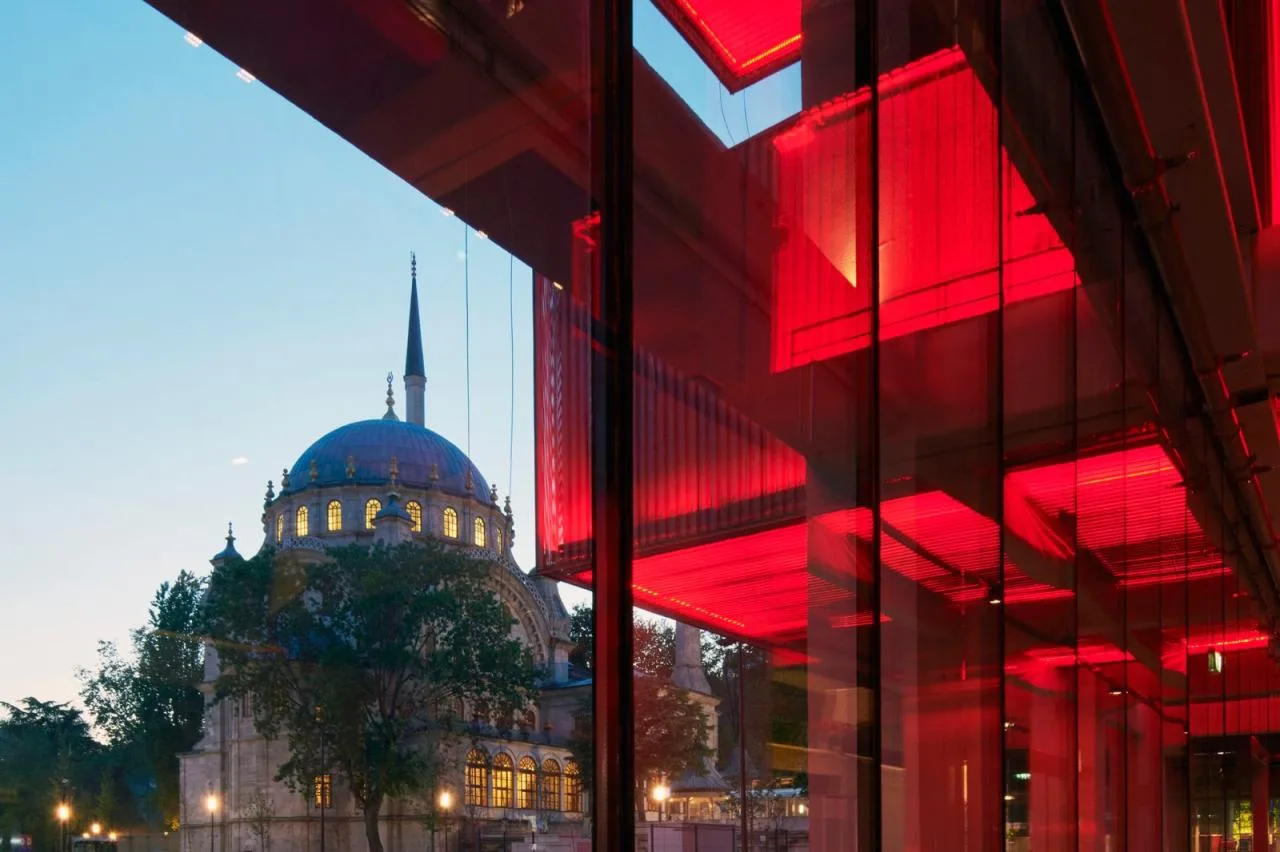
This layout creates dynamic interfaces between galleries, offering unexpected perspectives that foster an intimate and pure connection between viewers and art. It also enhances the relationship between the galleries and the surrounding cityscape.
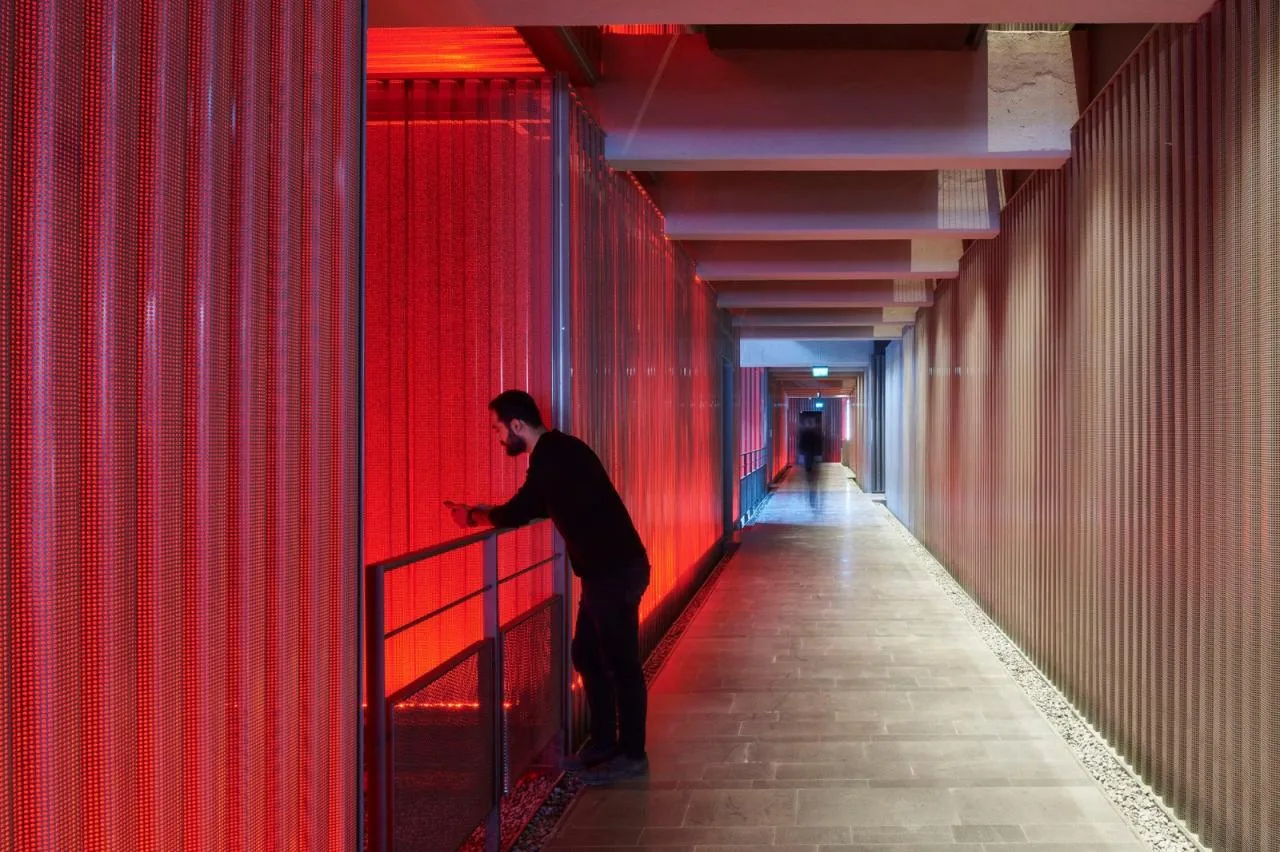
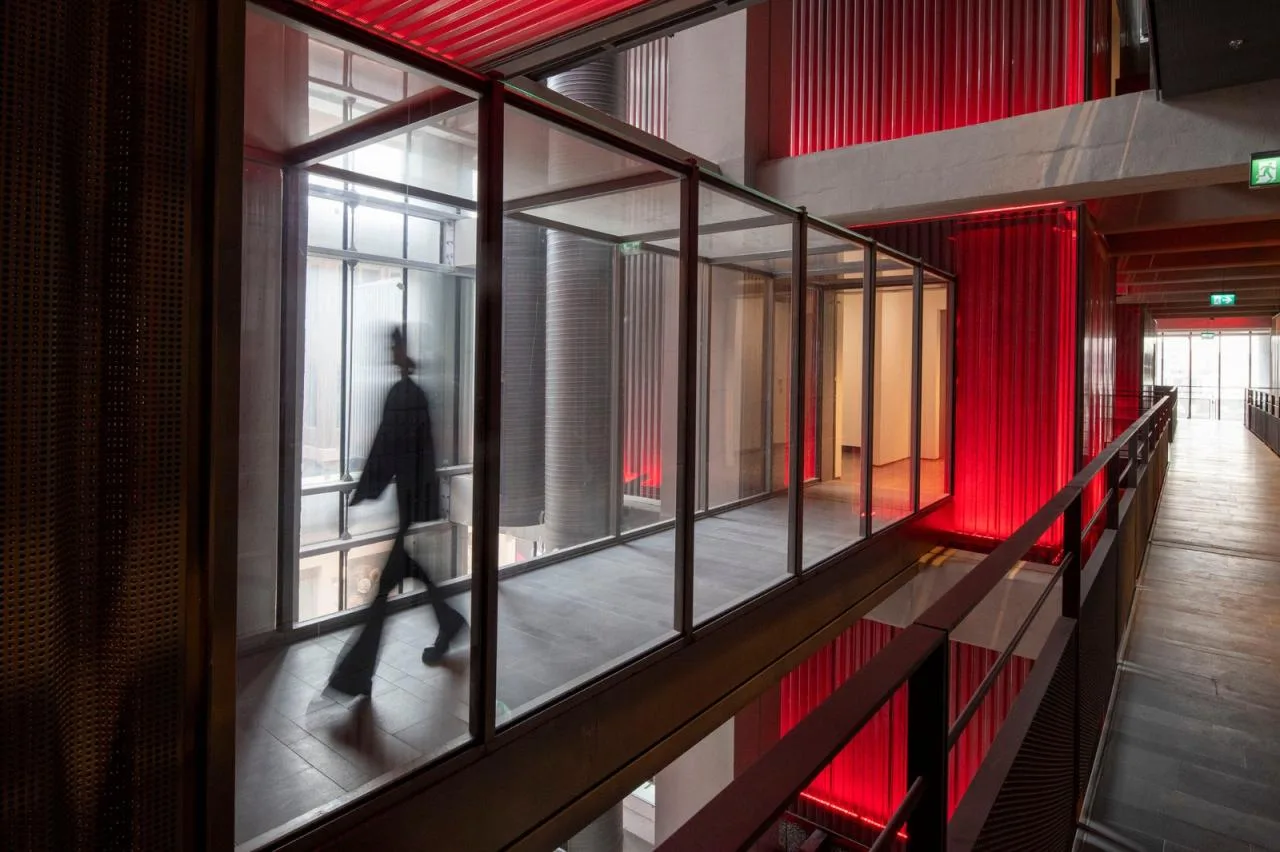
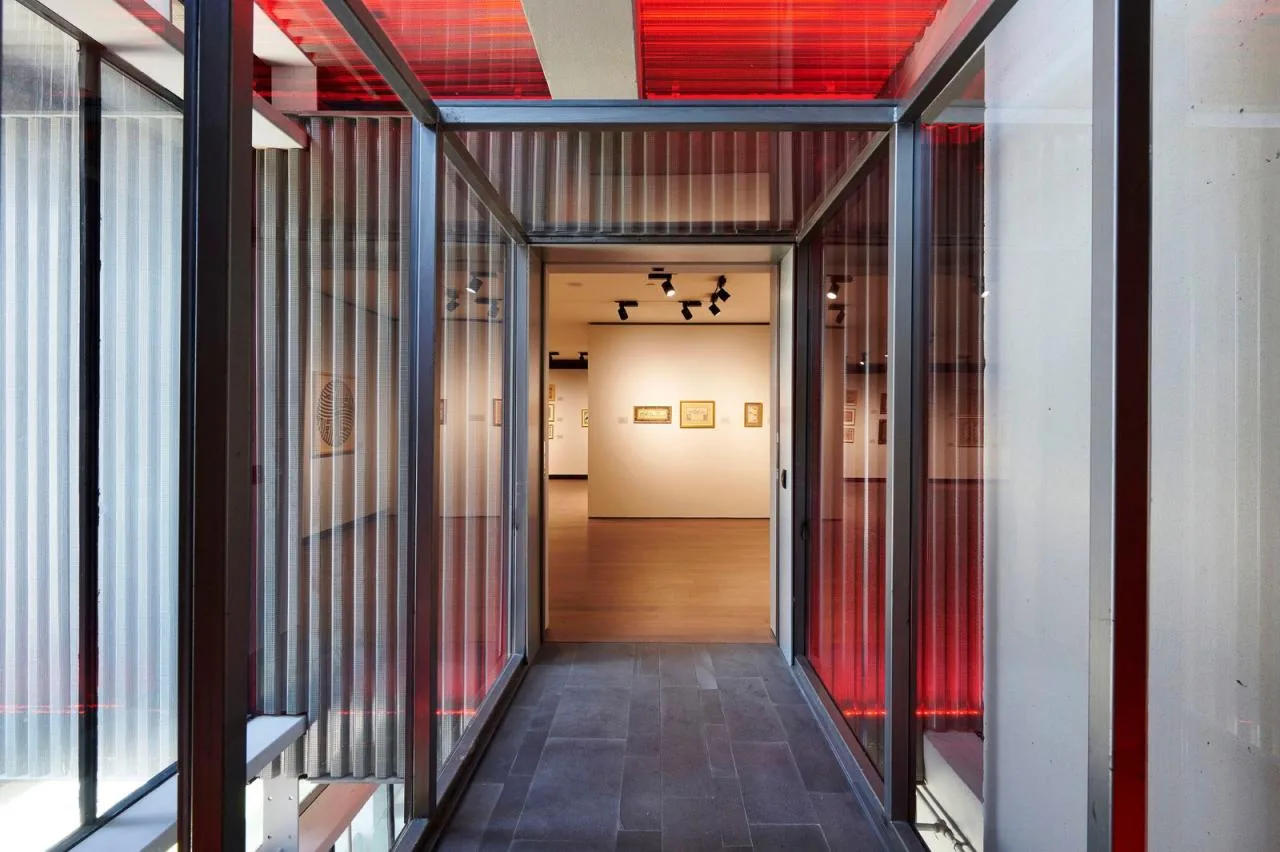
The narrow office building adjacent to the transit structure along Meclis-i Mebusan Avenue had significant structural weaknesses, particularly in its original exterior walls. The architect plans to reconstruct this building, maintaining the memory and sensory qualities of the original.
The three-dimensional space created here enhances the entrance and lobby areas with studios and public functions. Additionally, effective strategies were employed to maximize visual and physical connections between this building, surrounding structures, and adjacent open spaces on the ground level.
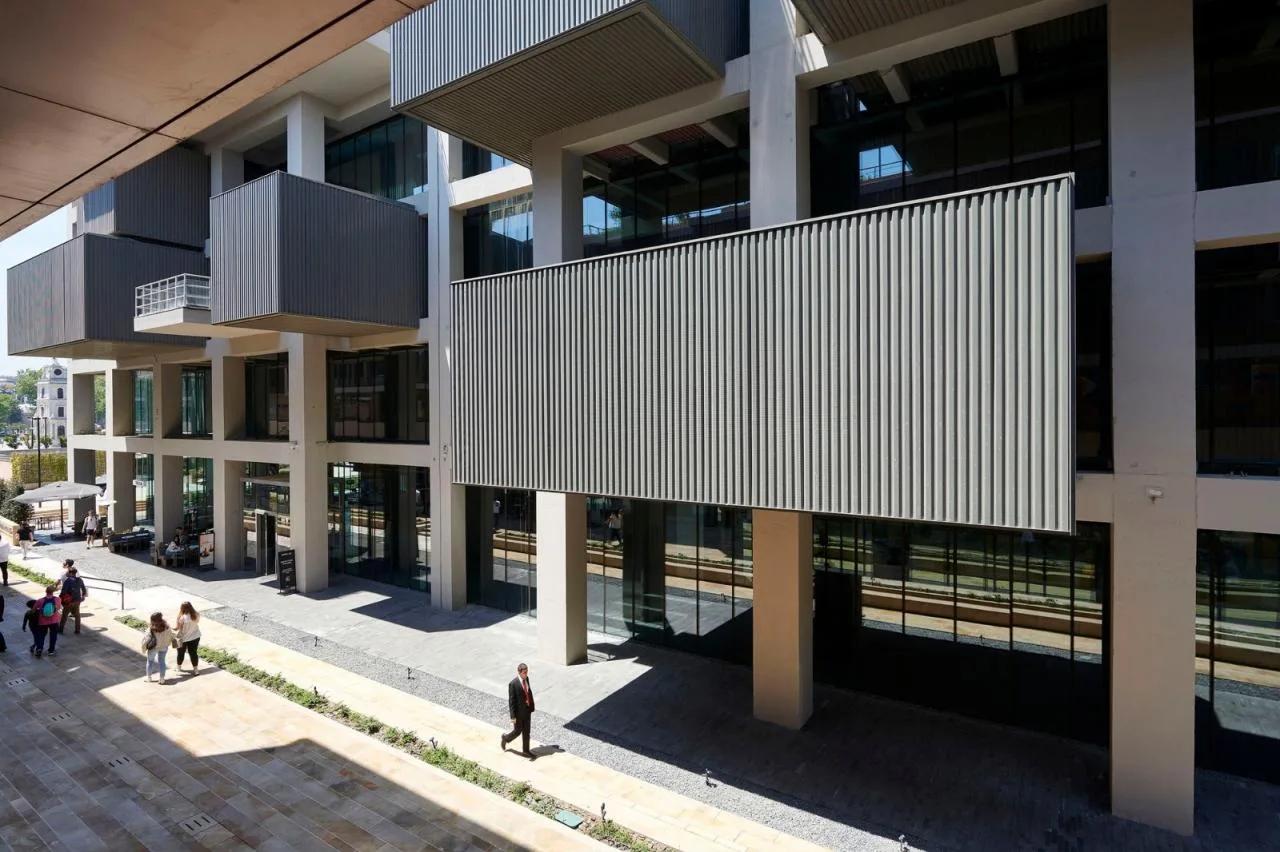
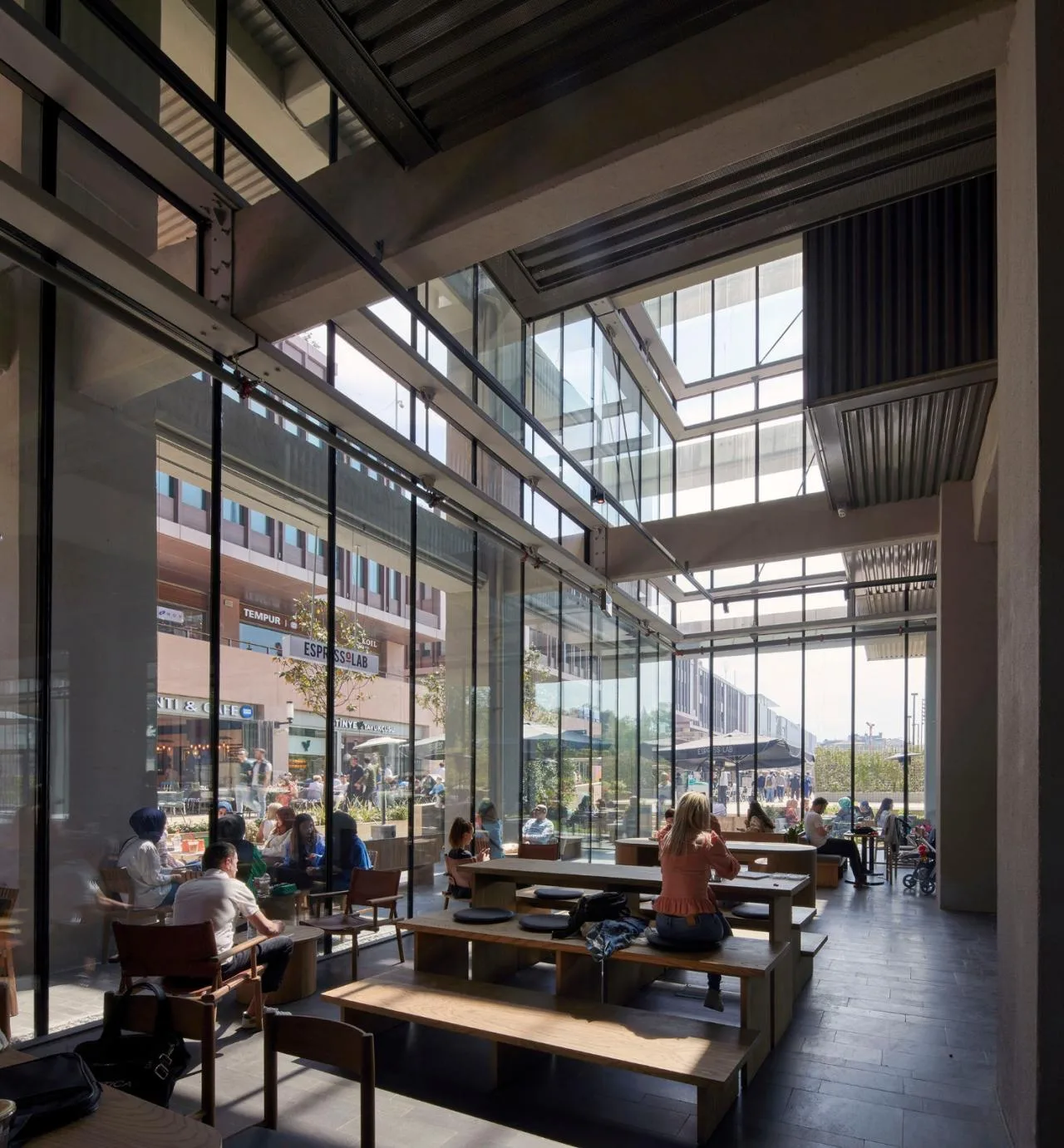
The architect envisions that these structural interventions will contribute to establishing a fresh, authentic, and vibrant cultural hub within Istanbul’s urban landscape at the Mimar Sinan Art University Painting and Sculpture Museum.
Project Drawings
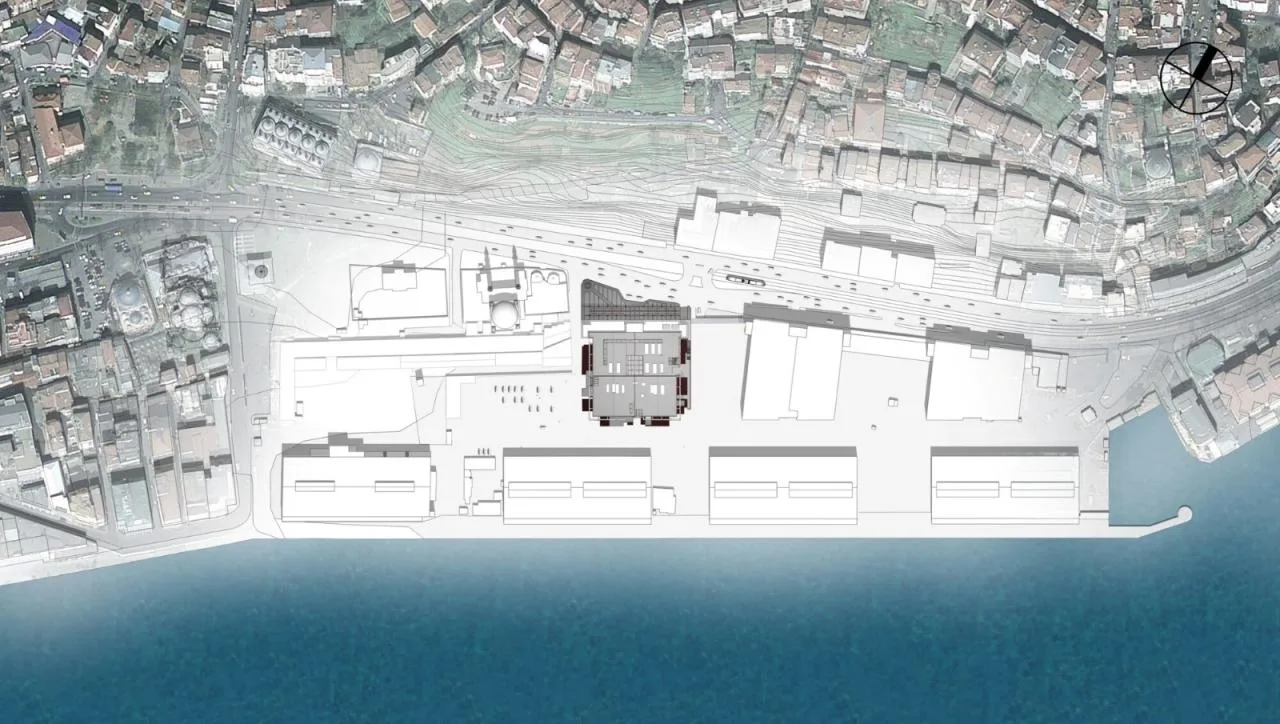
△ Base schematic diagram
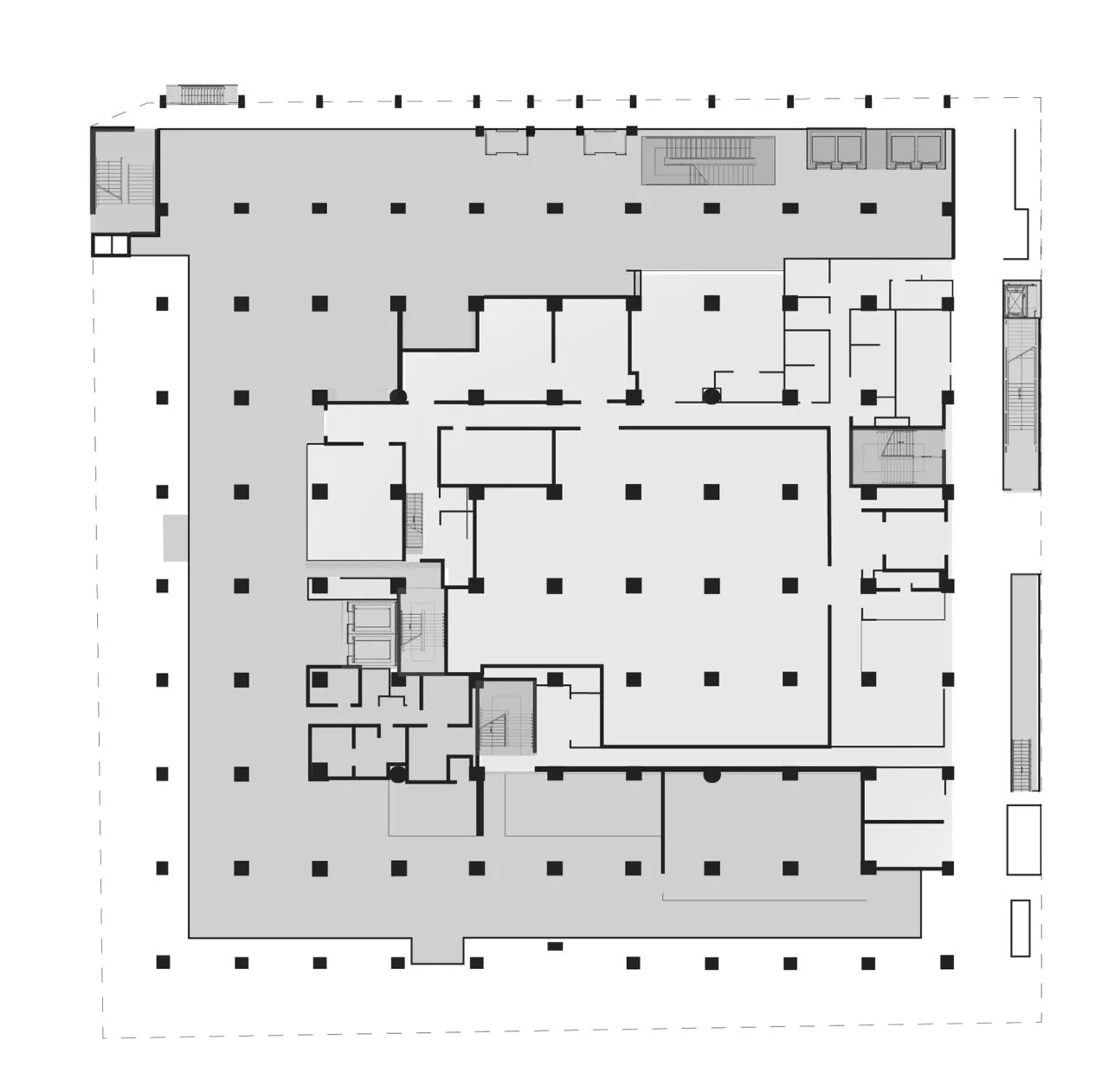
First floor plan
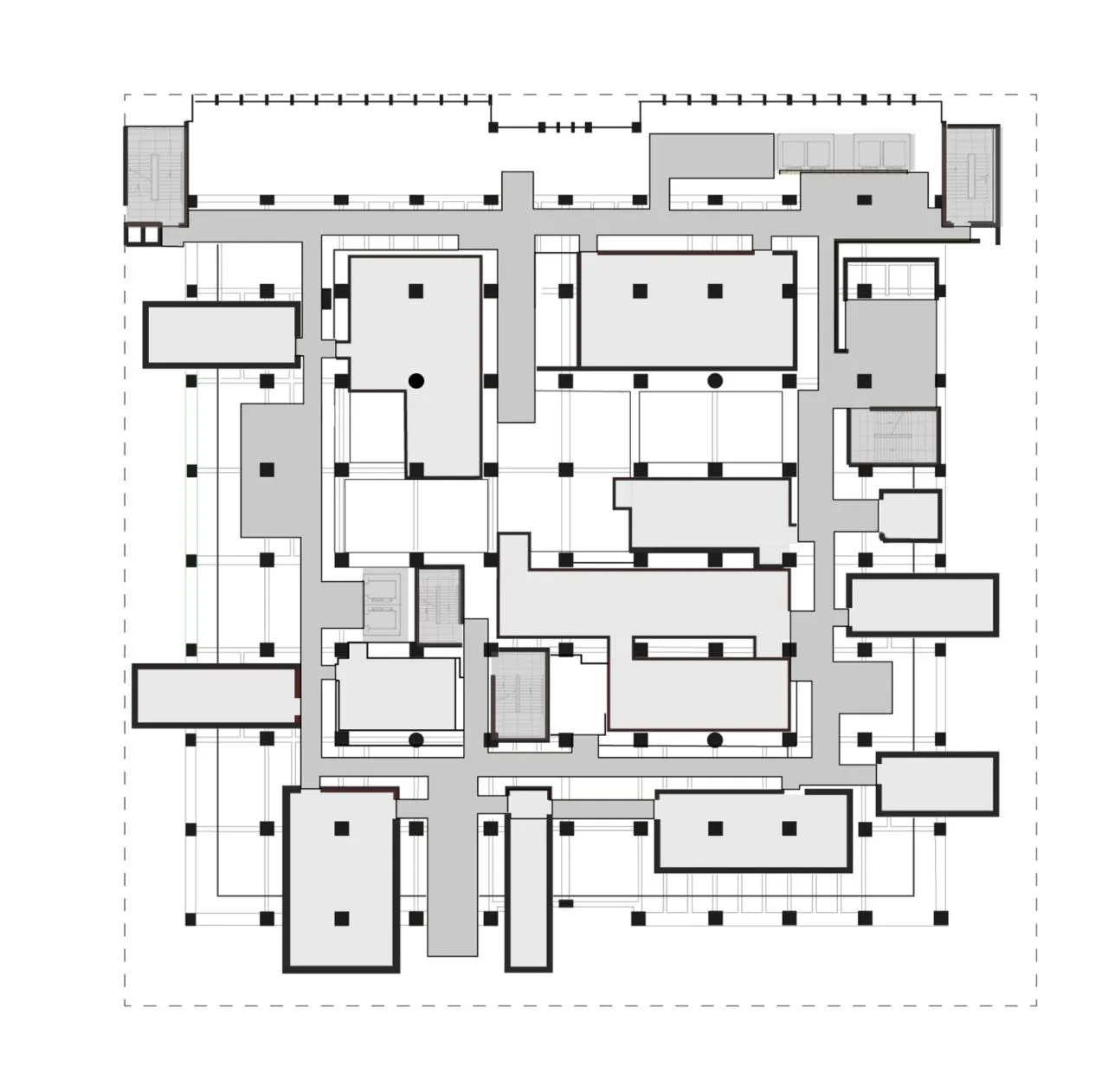
△ Second floor plan
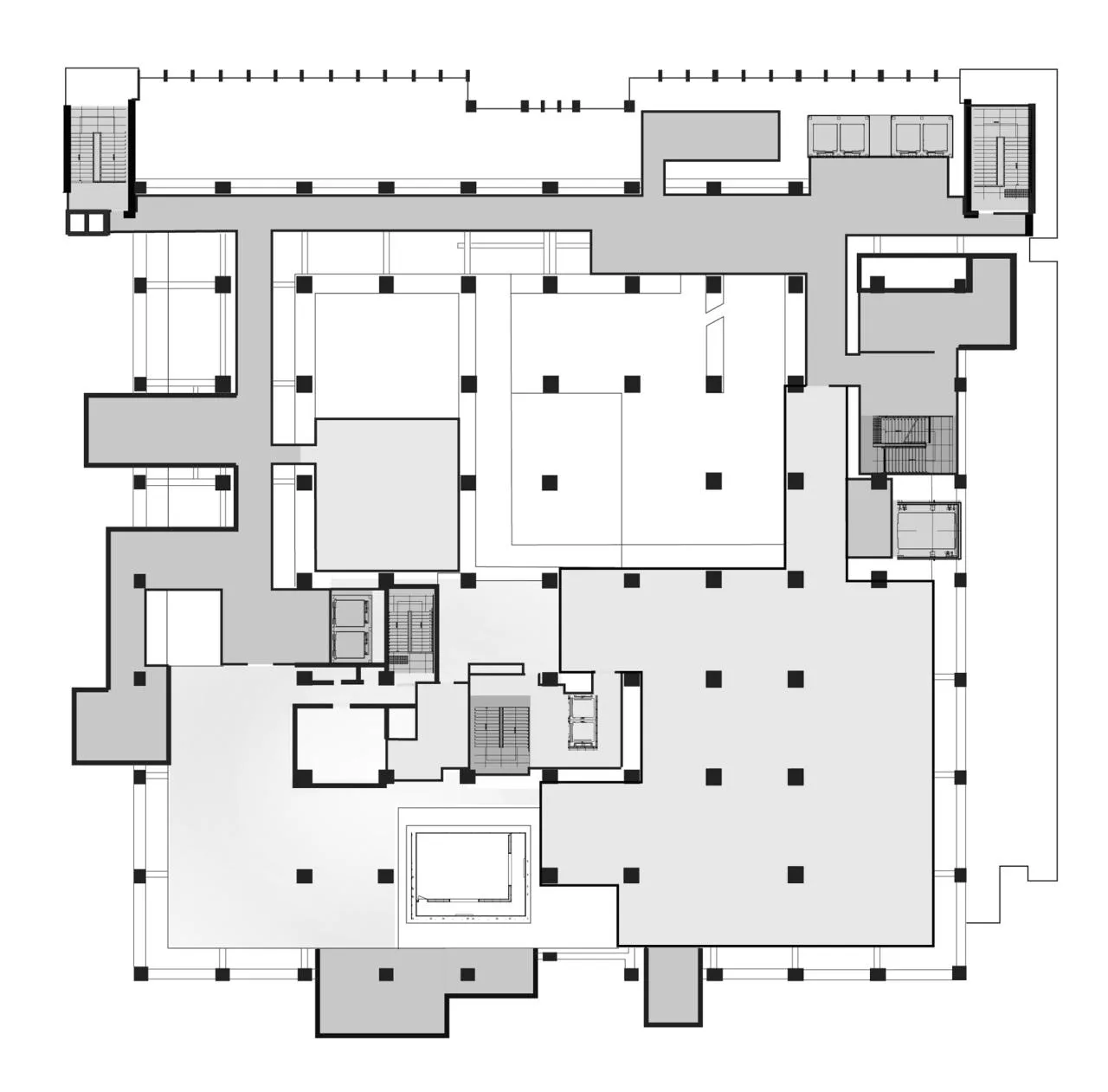
△ Fourth floor plan
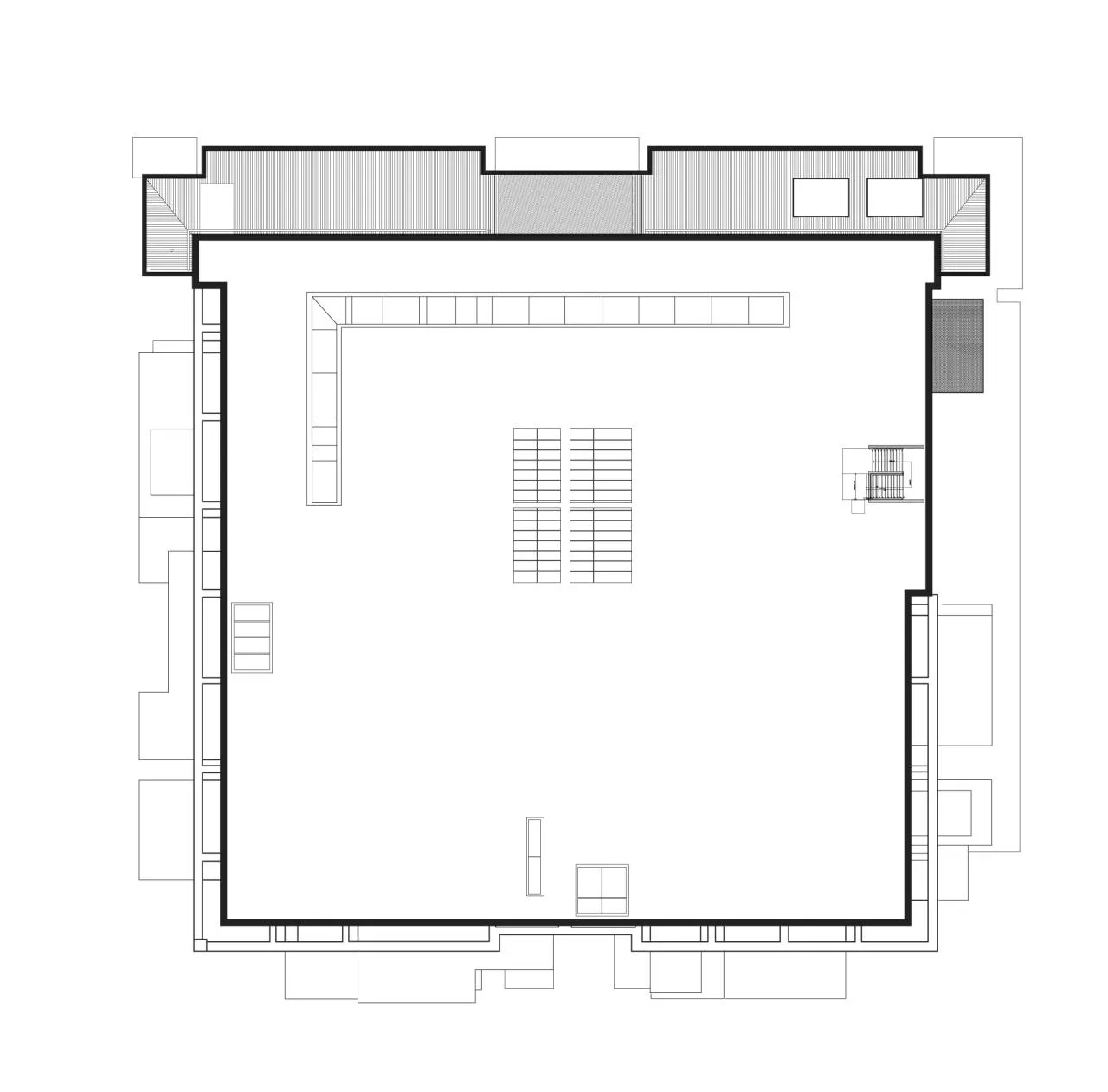
△ Roof plan
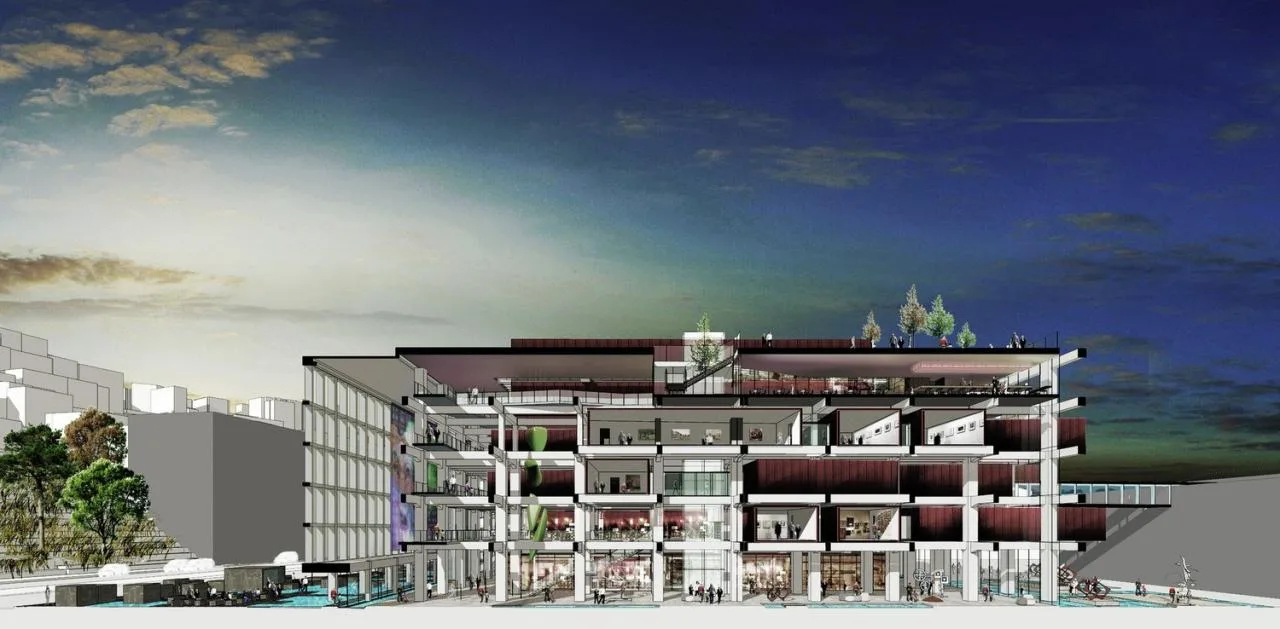
△ Sectional perspective
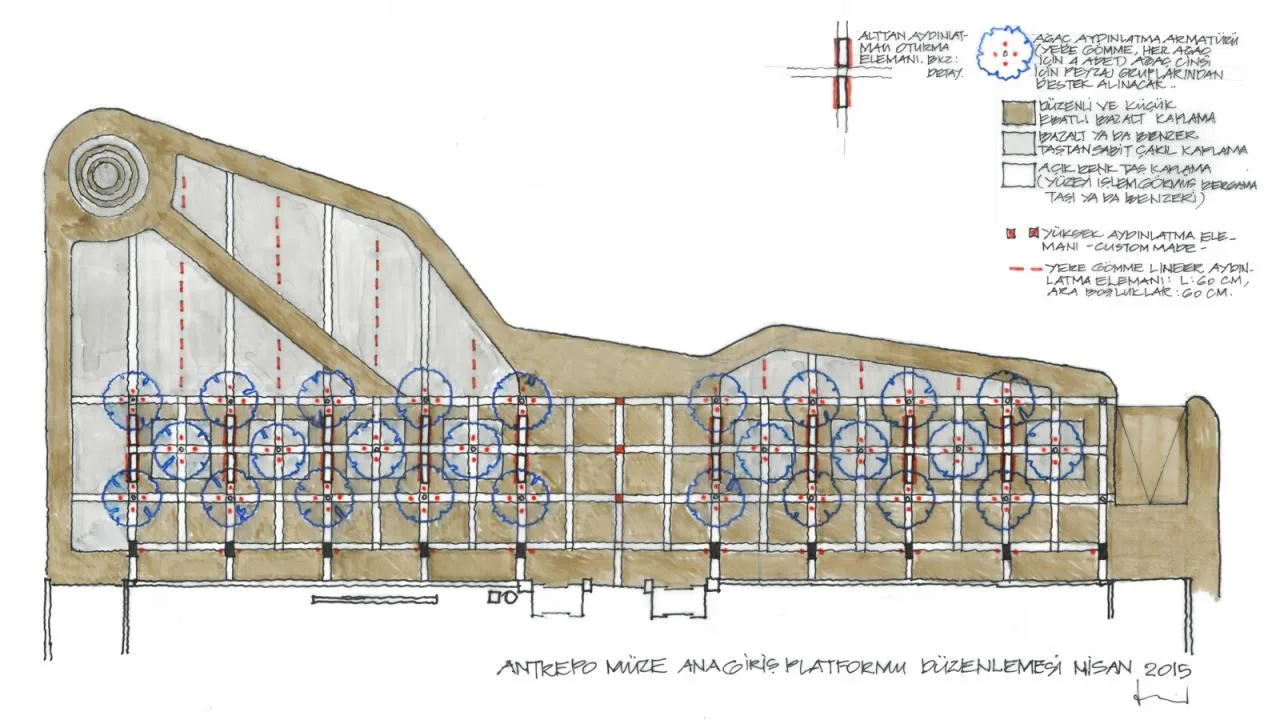
△ Hand-drawn analysis diagram
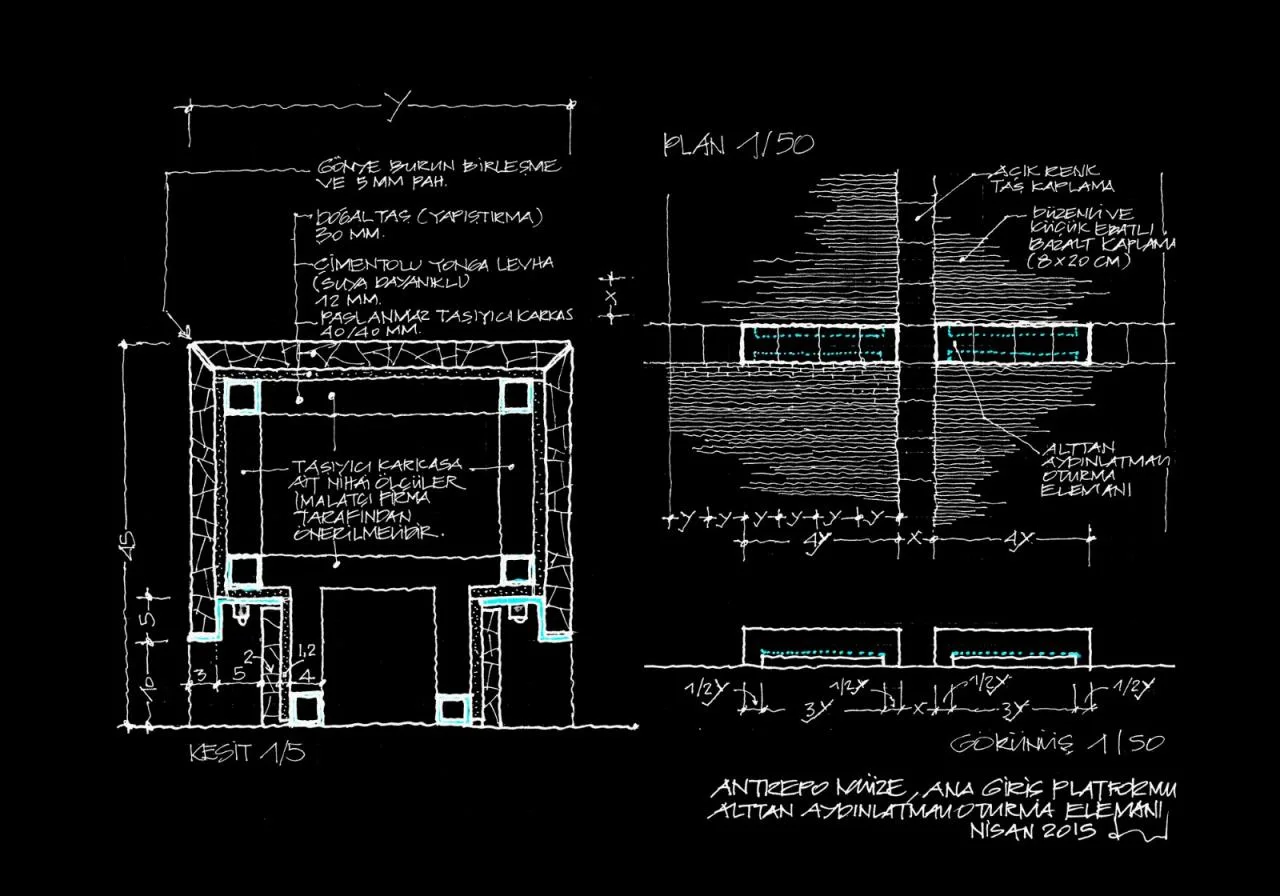
△ Hand-drawn analysis diagram
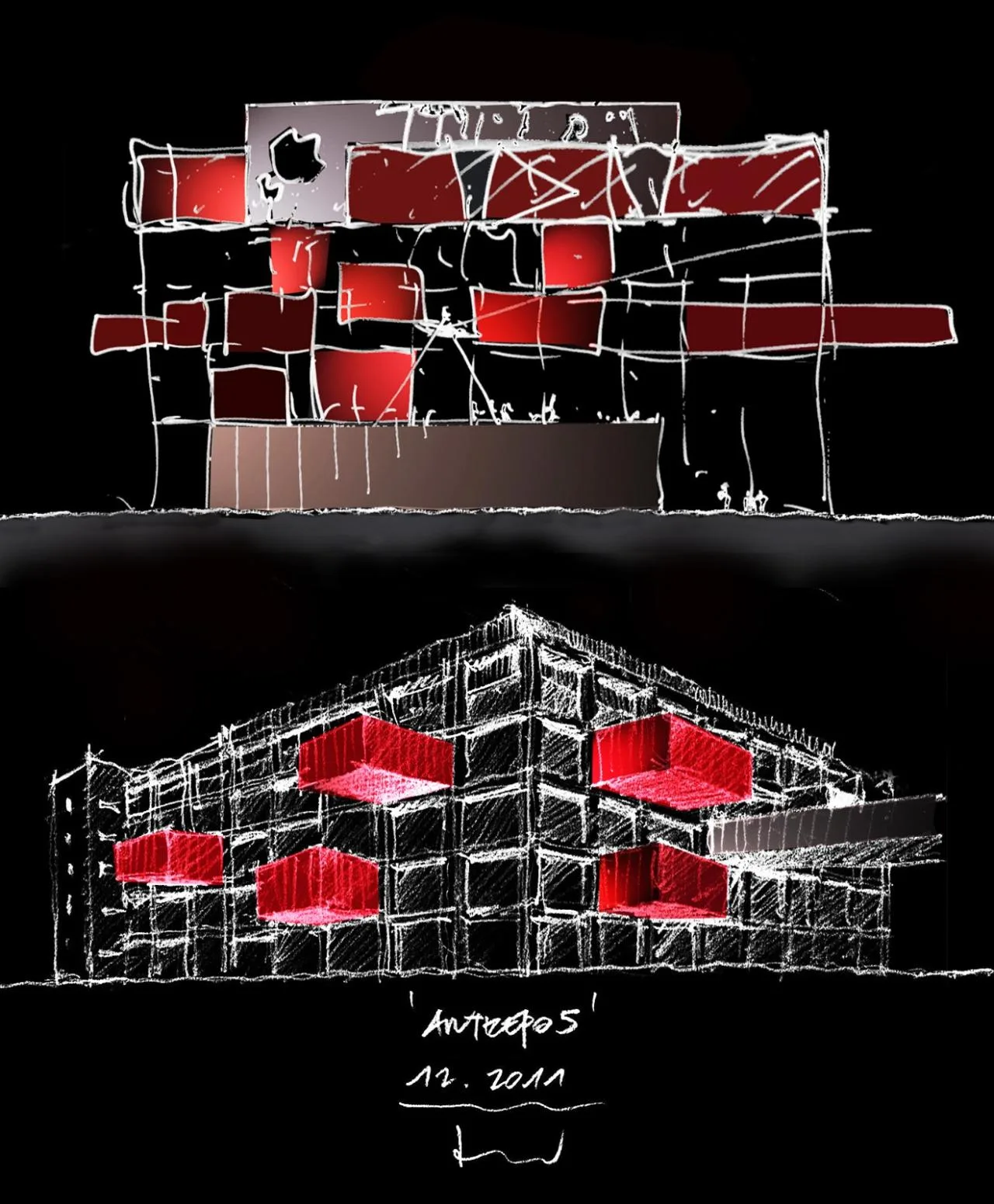
△ Hand-drawn perspective view
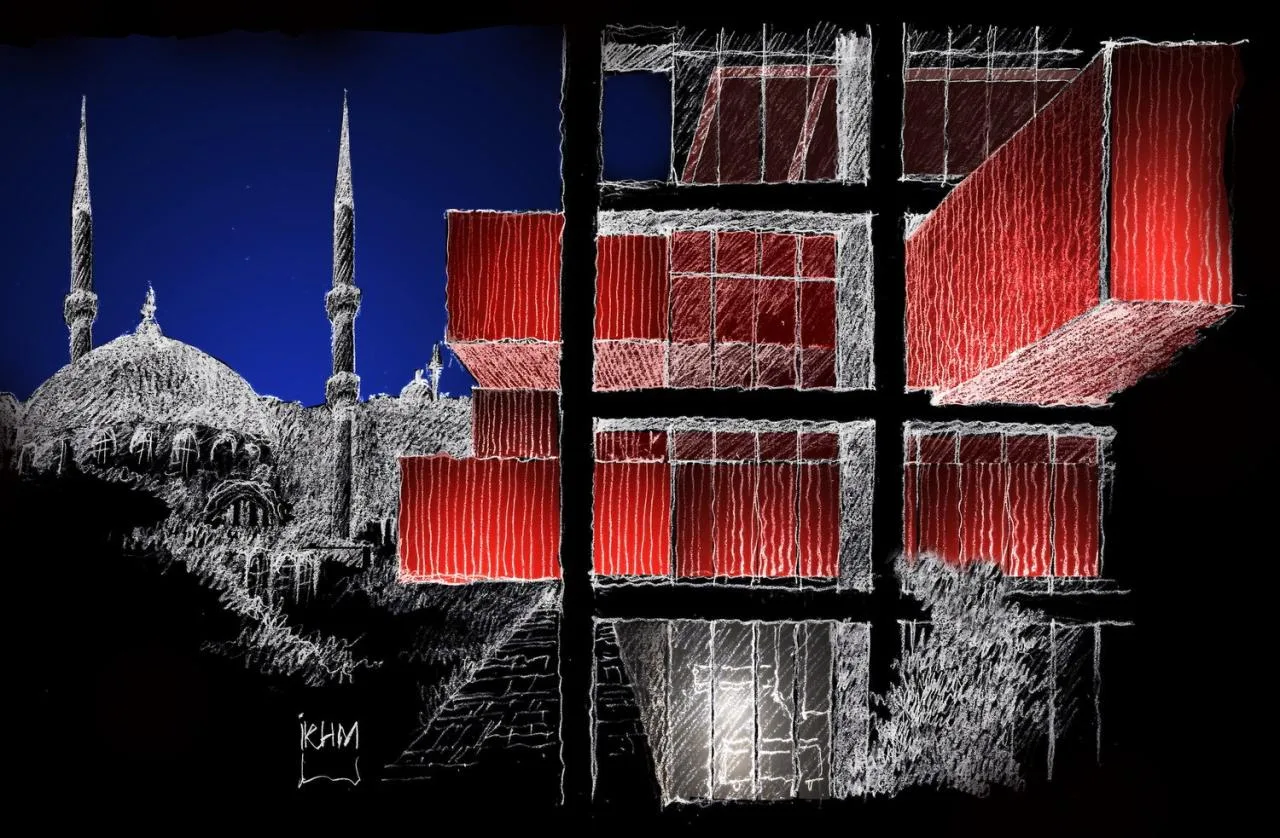
△ Hand-drawn perspective view
Project Information
Architectural Design: EAA – Emre Arolat Architecture
Area: 2,008,720,087.0 square meters
Project Year: 2022
Photographer: Thomas Mayer
Manufacturers: Abb Electrification, Jotun, Kasso














Must log in before commenting!
Sign Up