
Four Seasons Minfu, a brand that originated in Beijing, now carries greater responsibility as it expands beyond the capital. The designer has amplified and showcased Beijing’s rich culture—already deeply embedded in the brand’s DNA—while reinforcing and elevating the brand’s status.
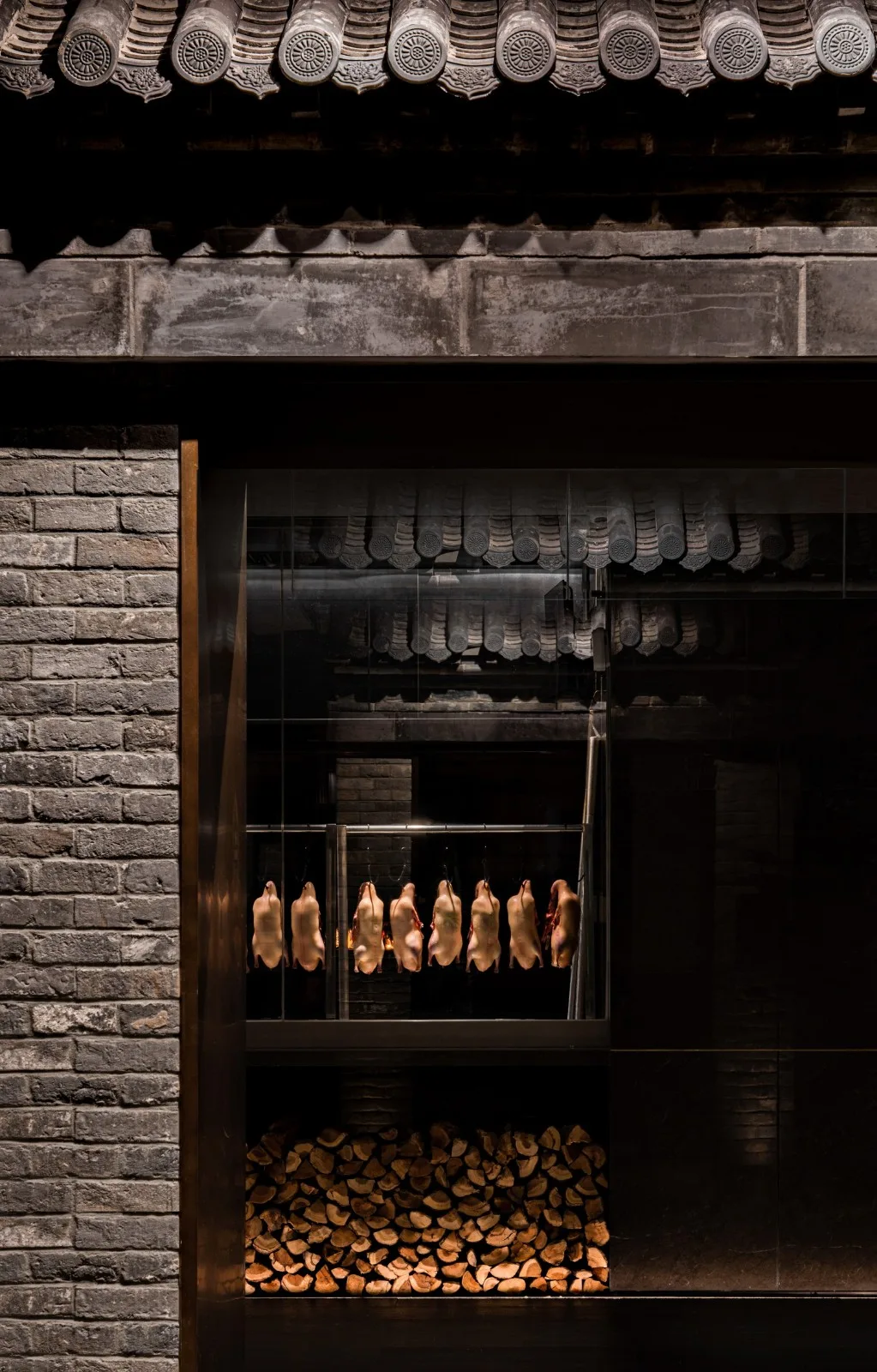
In early 2022, after 15 years of establishment in Beijing, Four Seasons Minfu finally expanded to Shanghai, opening a new location on Wusong Road along the Bund. From the very start, the restaurant attracted a large number of customers. Social media was abuzz with reports of two to three hour waiting times—a common experience for diners. The many positive post-meal reviews, stating “It’s worth the wait,” further bolstered confidence in the new venue.
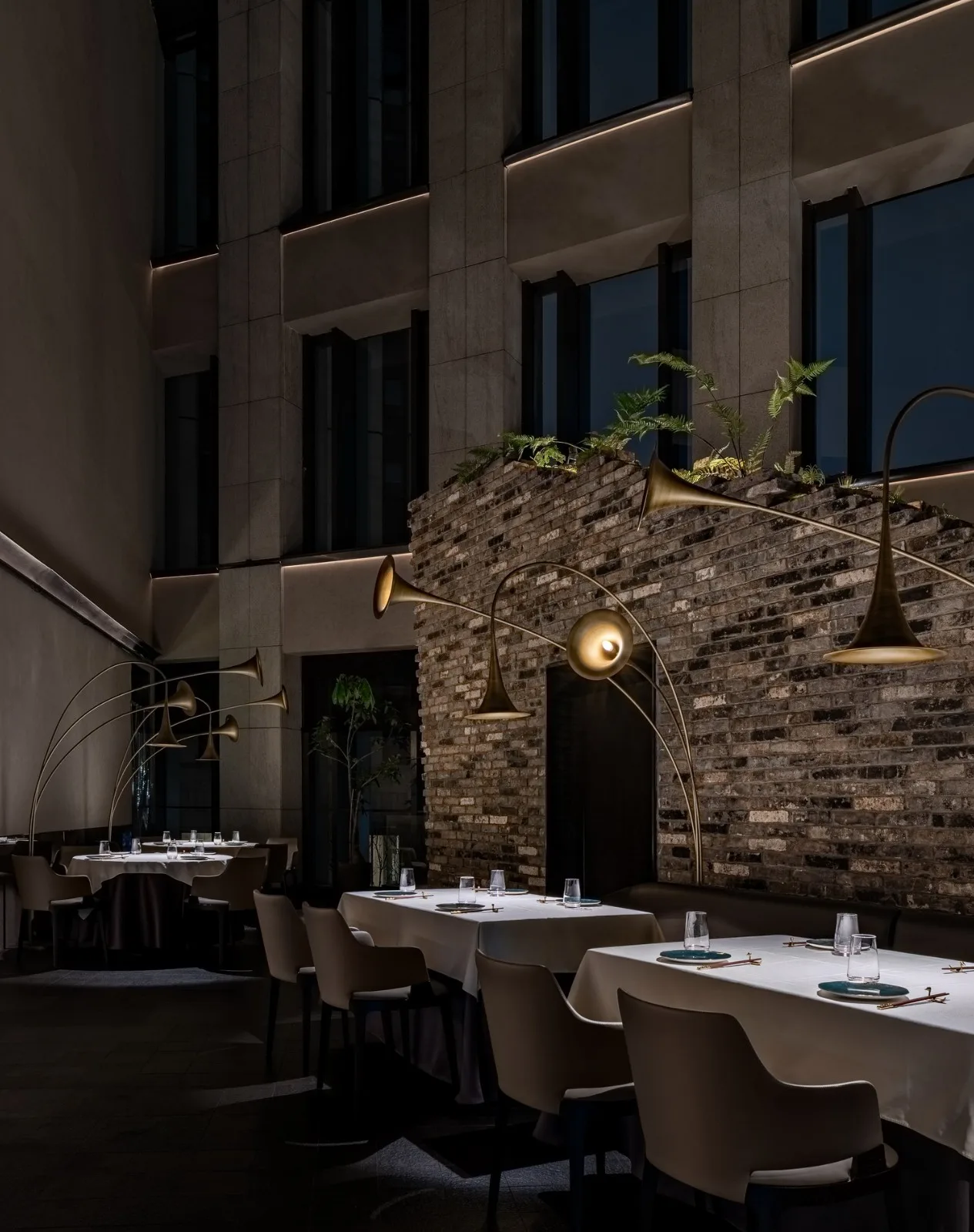
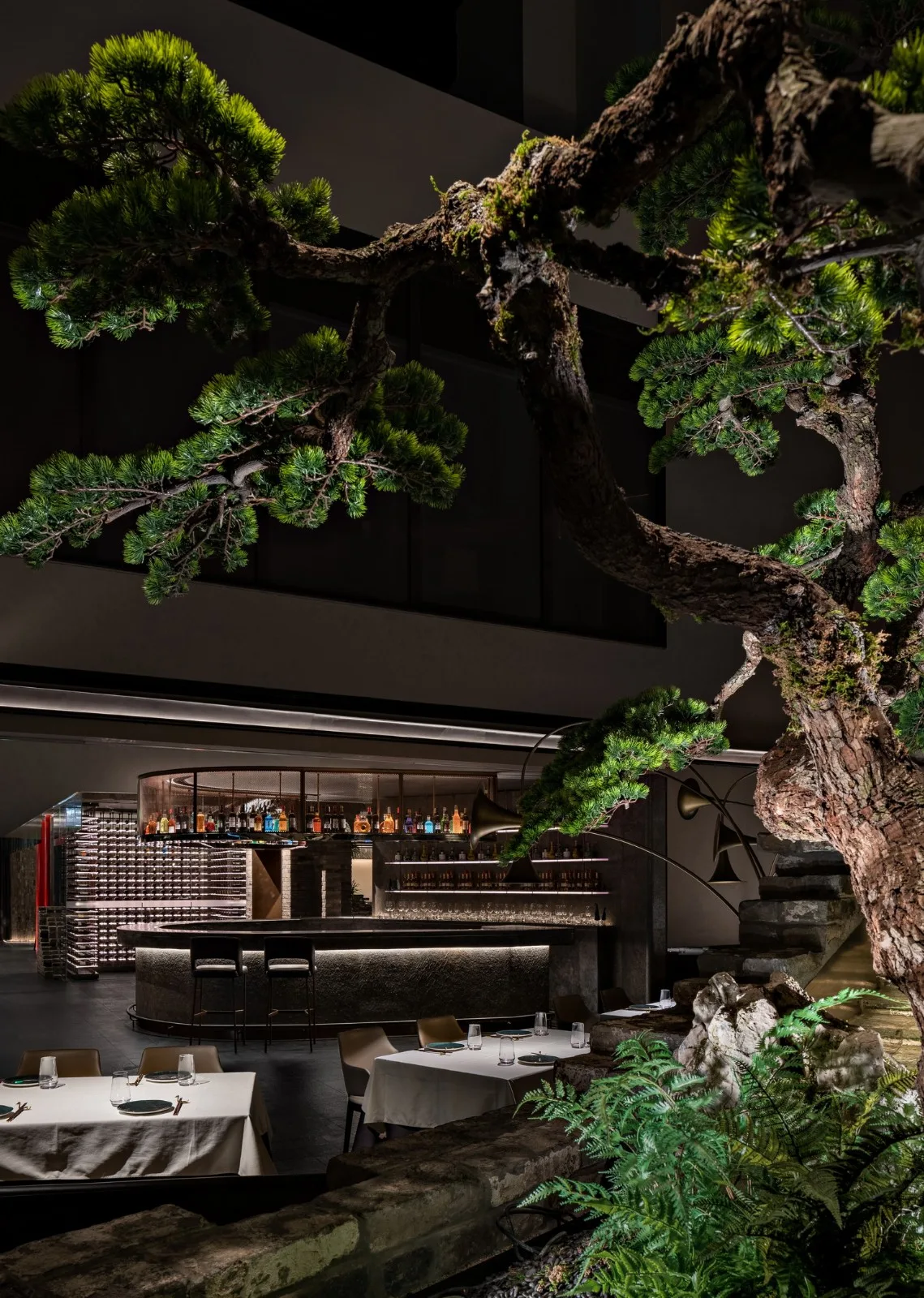
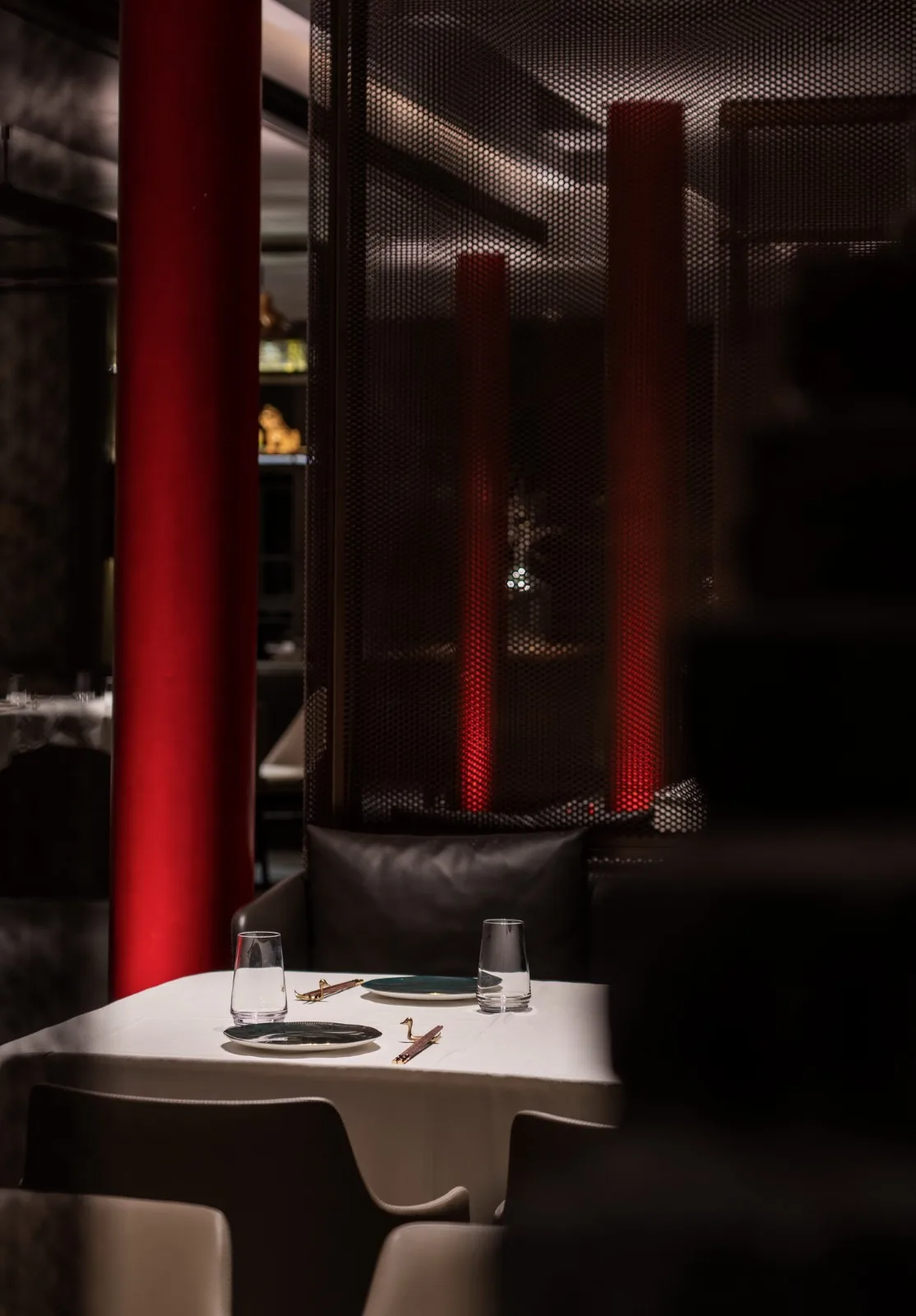
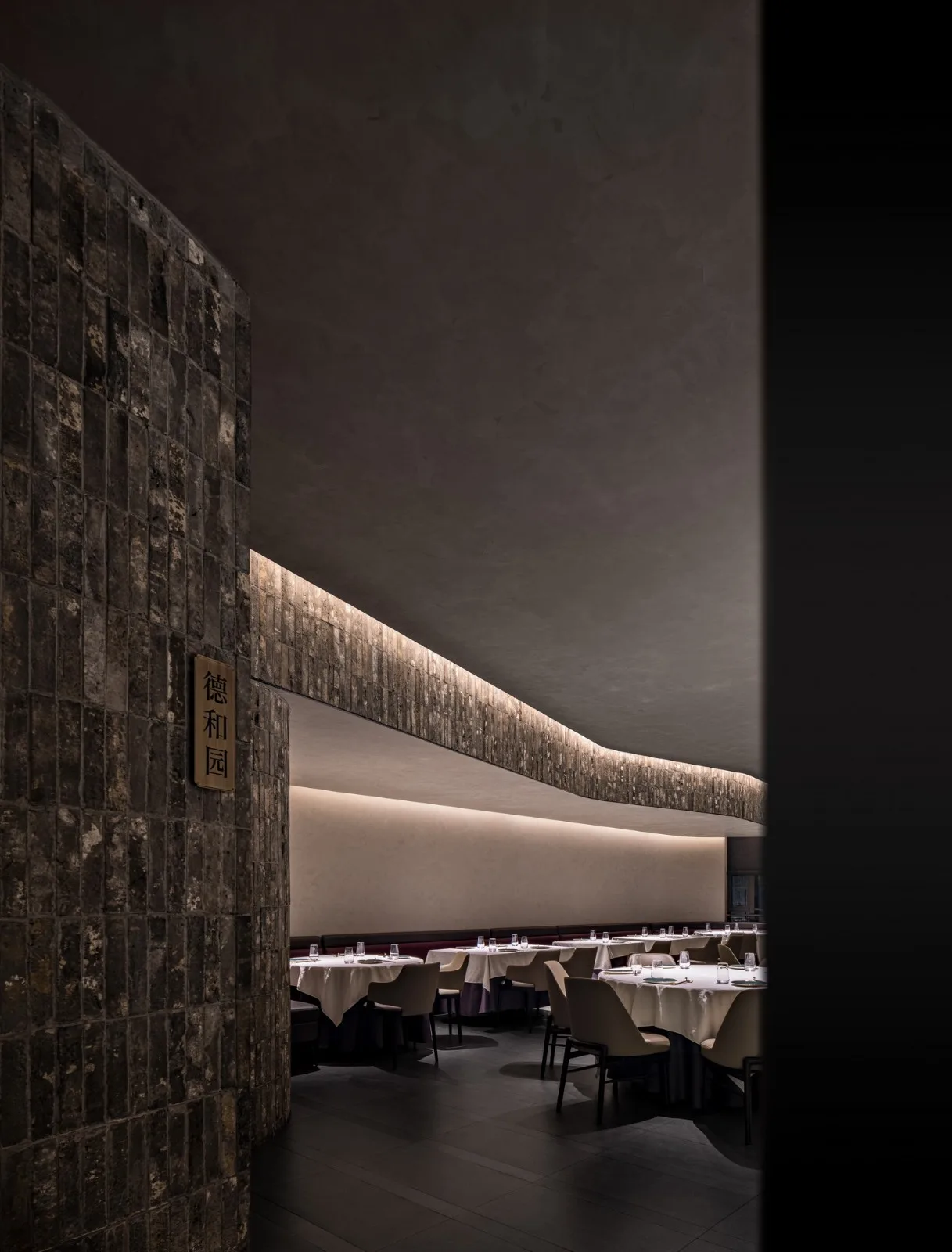
Inside and outside, IN.X designer Wu Wei has crafted a memorable dining environment for Four Seasons Minfu. The design boldly conveys the brand’s essence, intertwined with the grandeur and majesty of Beijing’s cultural backdrop. This spatial narrative reflects the designer’s focused vision.
01 From the Urban Landscape to Nature
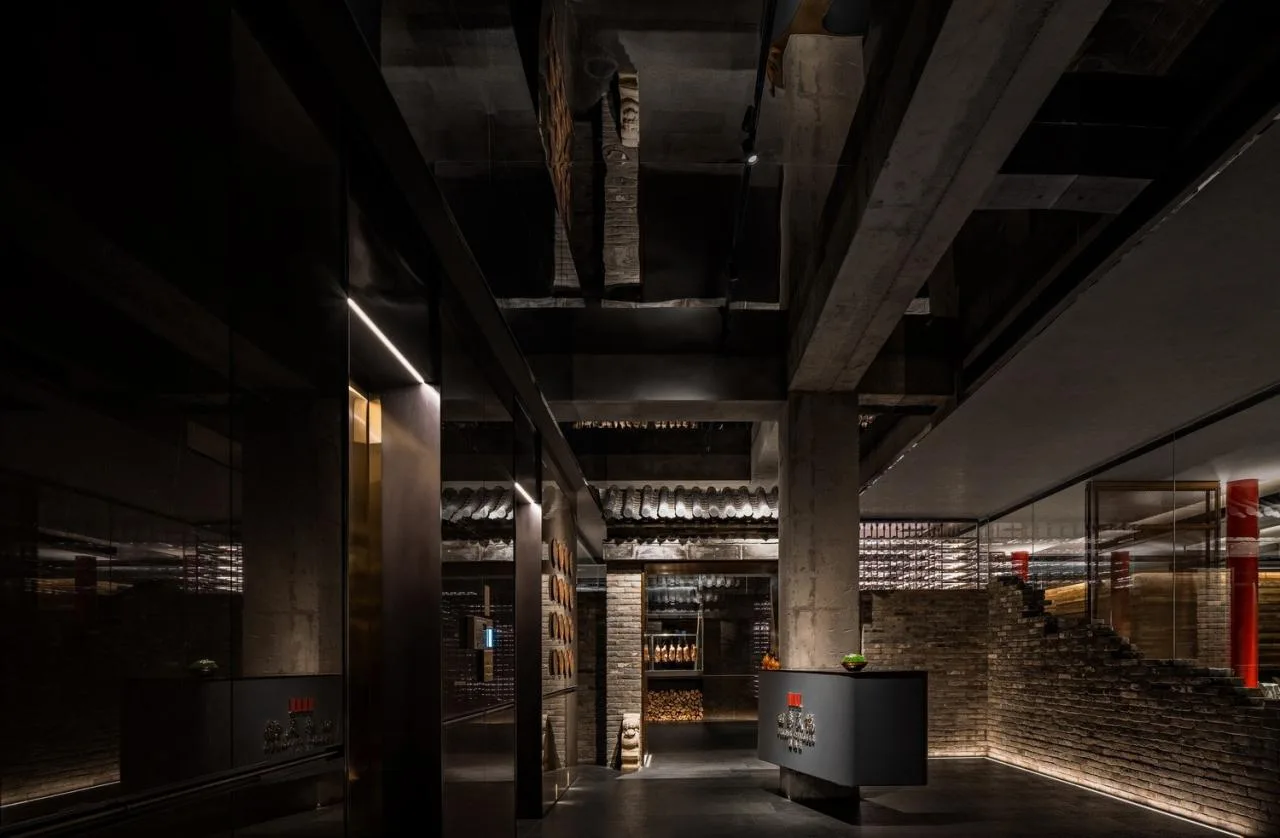
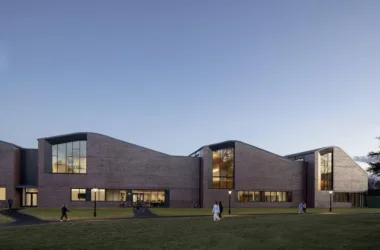
While the Beijing location emphasizes the sharpness of its brand identity through spatial symbolism, the Shanghai store is more outward-facing. The layered eaves, green bricks, jade-like pine trees, and majestic vermilion columns set a noble tone. A fragment of the Great Wall ruins has been installed in the scattered area. Despite its weathered state, the wall still holds its spirit, as if time’s relentless flow has suddenly paused. This cultural relic is uniquely placed amid the bustling Bund district of Shanghai.
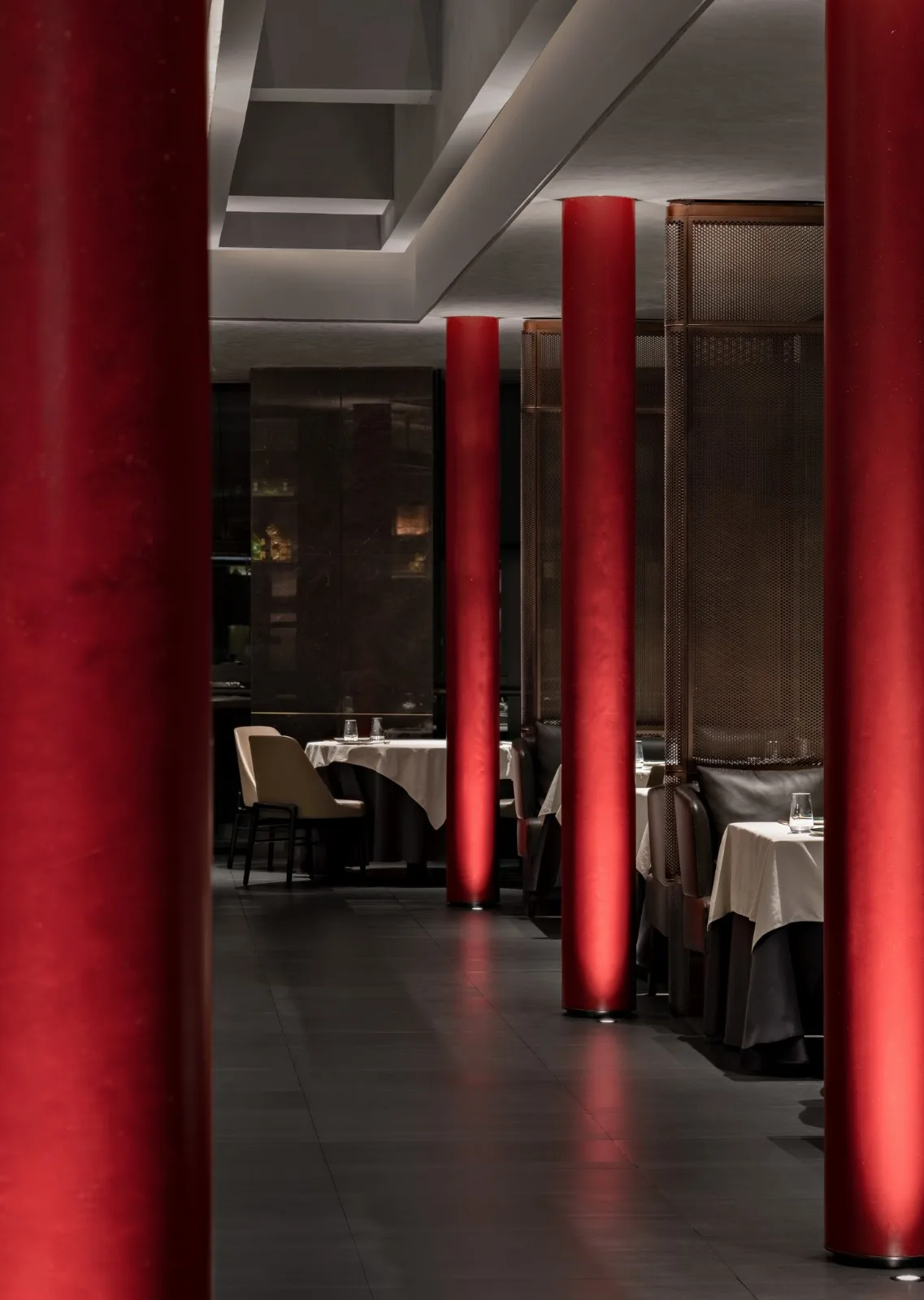
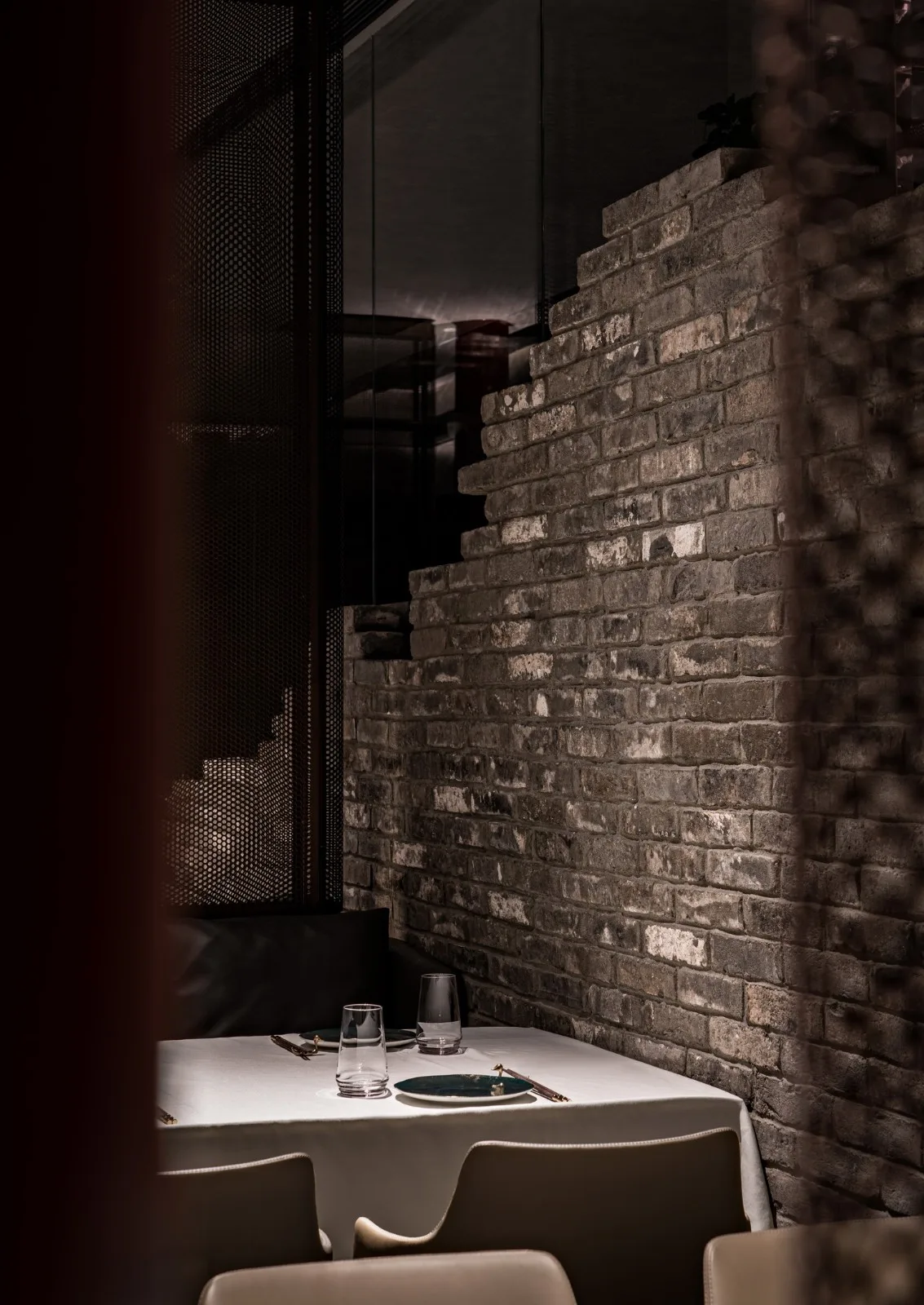
Rather than adopting Beijing’s urban vibe, the design embraces a splendid and simple atmosphere—royal officials strolling along palace walls, common folk bustling through blue brick courtyards, the autumn wind sweeping across the Great Wall and Yanshan Mountains, and lush greenery flourishing year after year. With just a few masterstrokes, the designer reveals the spatial tension and spirit of the place, giving the new space an irreplaceable backbone.
02 A Long Scroll of Space, Old Meets New
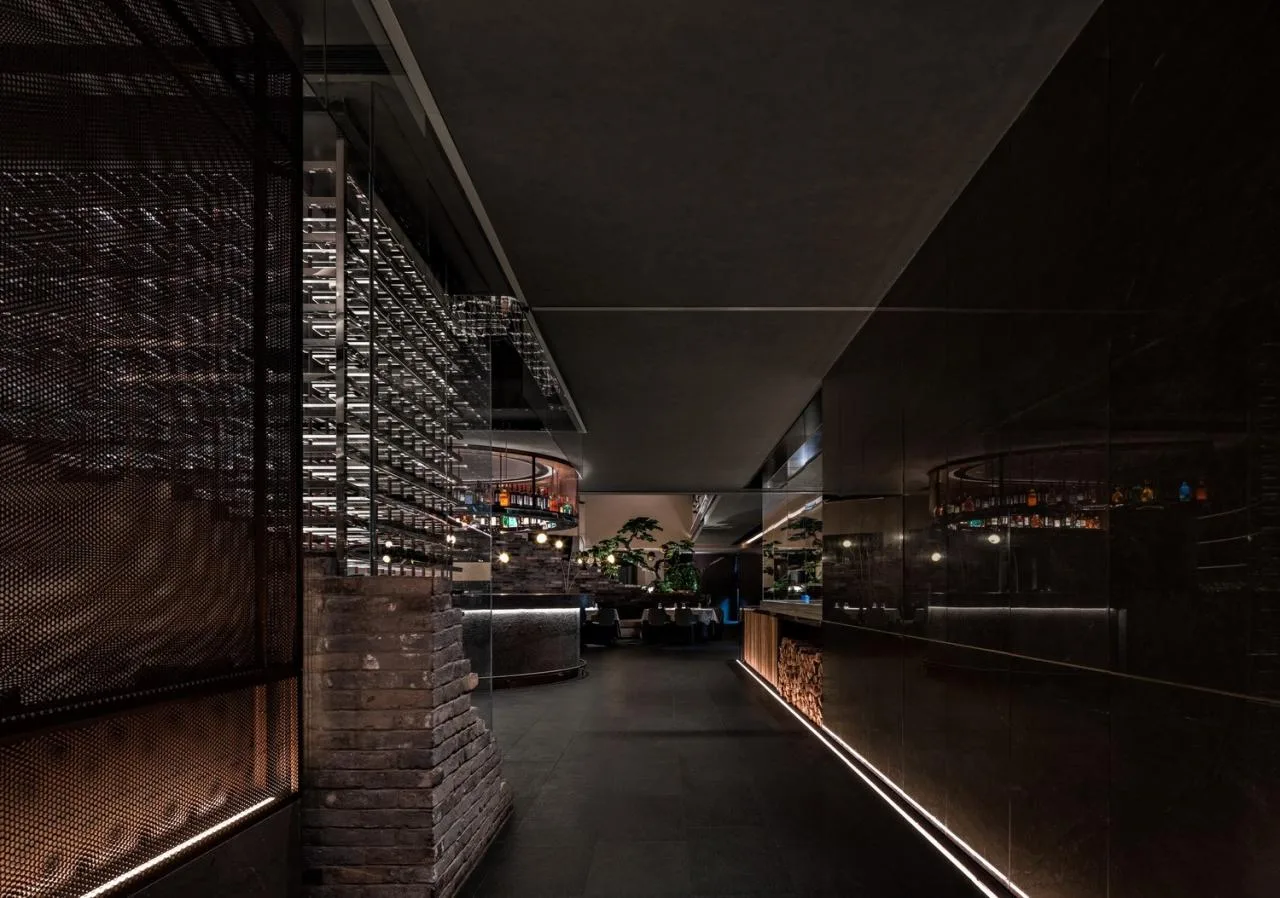
The interior spans 1,180 square meters in an irregular “D” shape. Along one straight wall, private rooms and the main kitchen are arranged, while equipment rooms and storage occupy the sharp-angled sections. The scattered dining and landscape areas are enclosed by a curved exterior wall, forming a large parabolic facade. This unconventional structure allows ample natural light and views, enriching the interior with emotional depth.
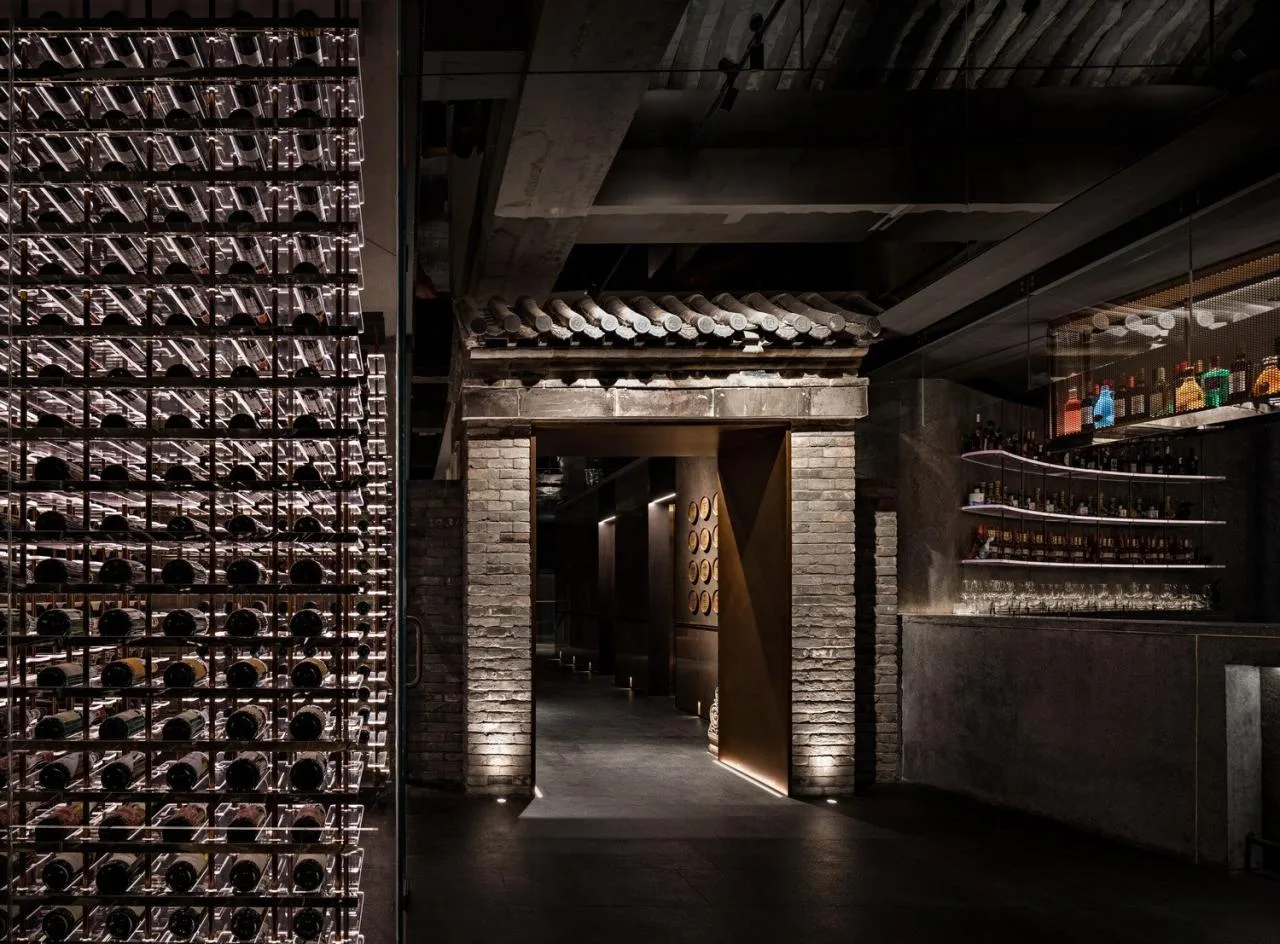
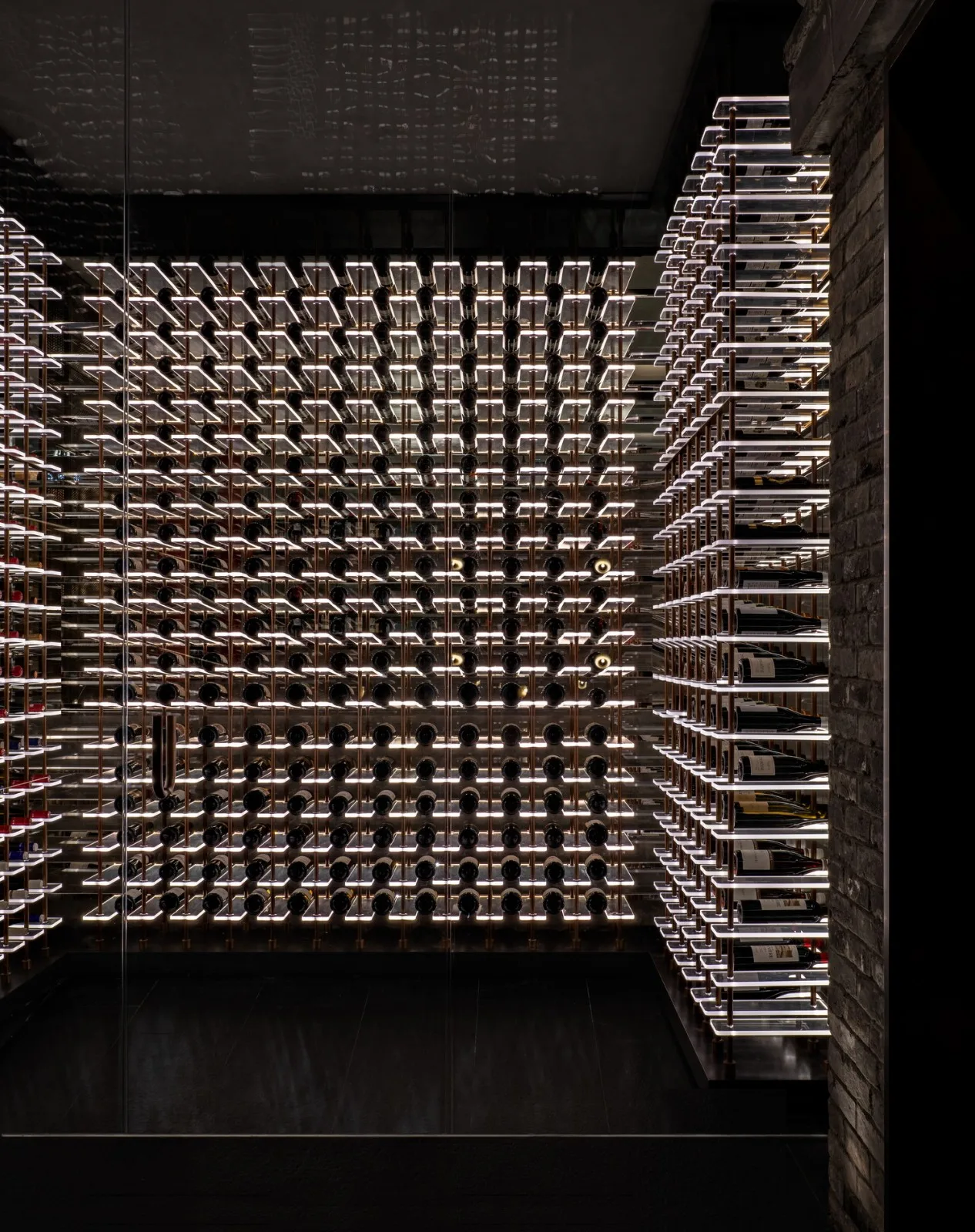
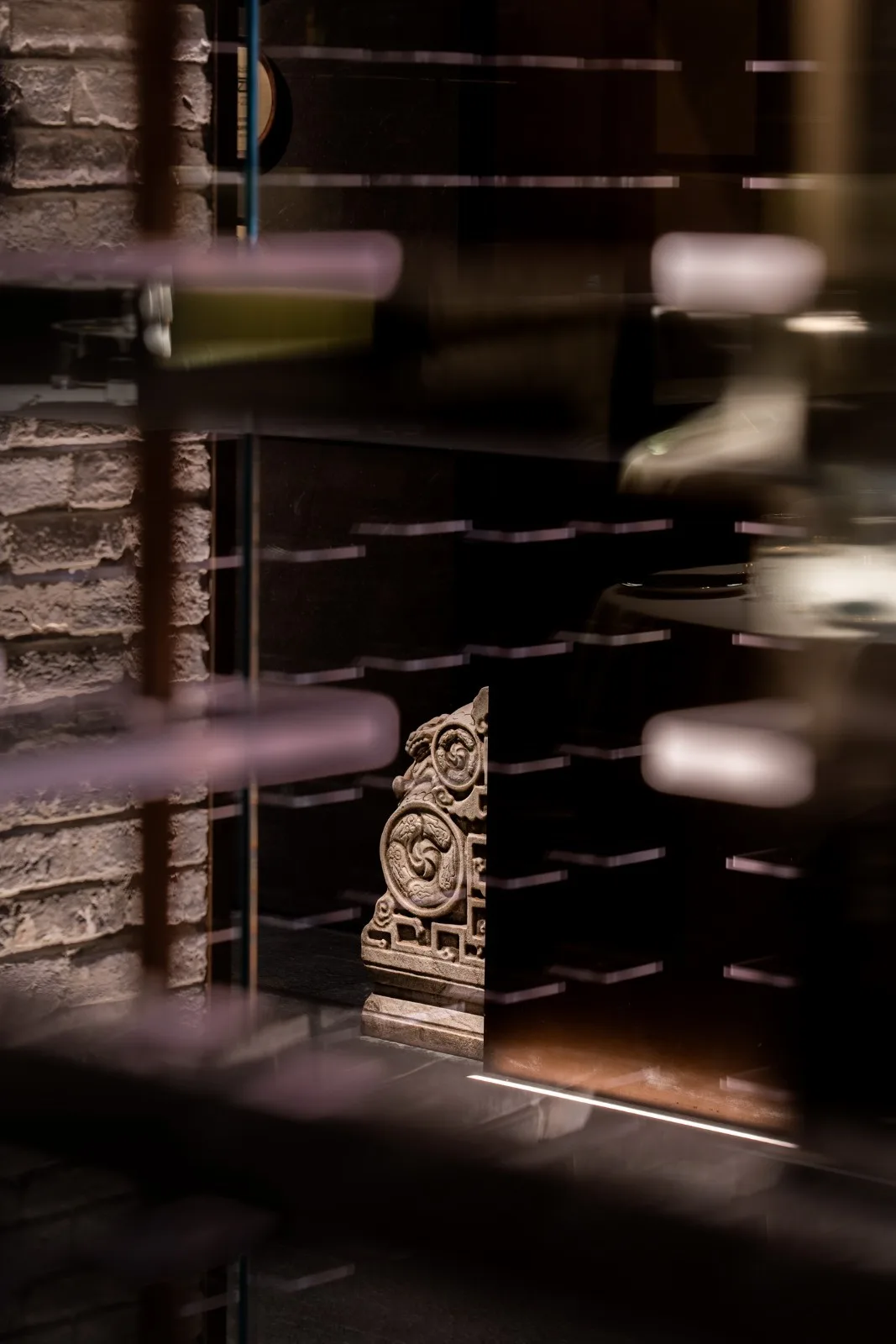
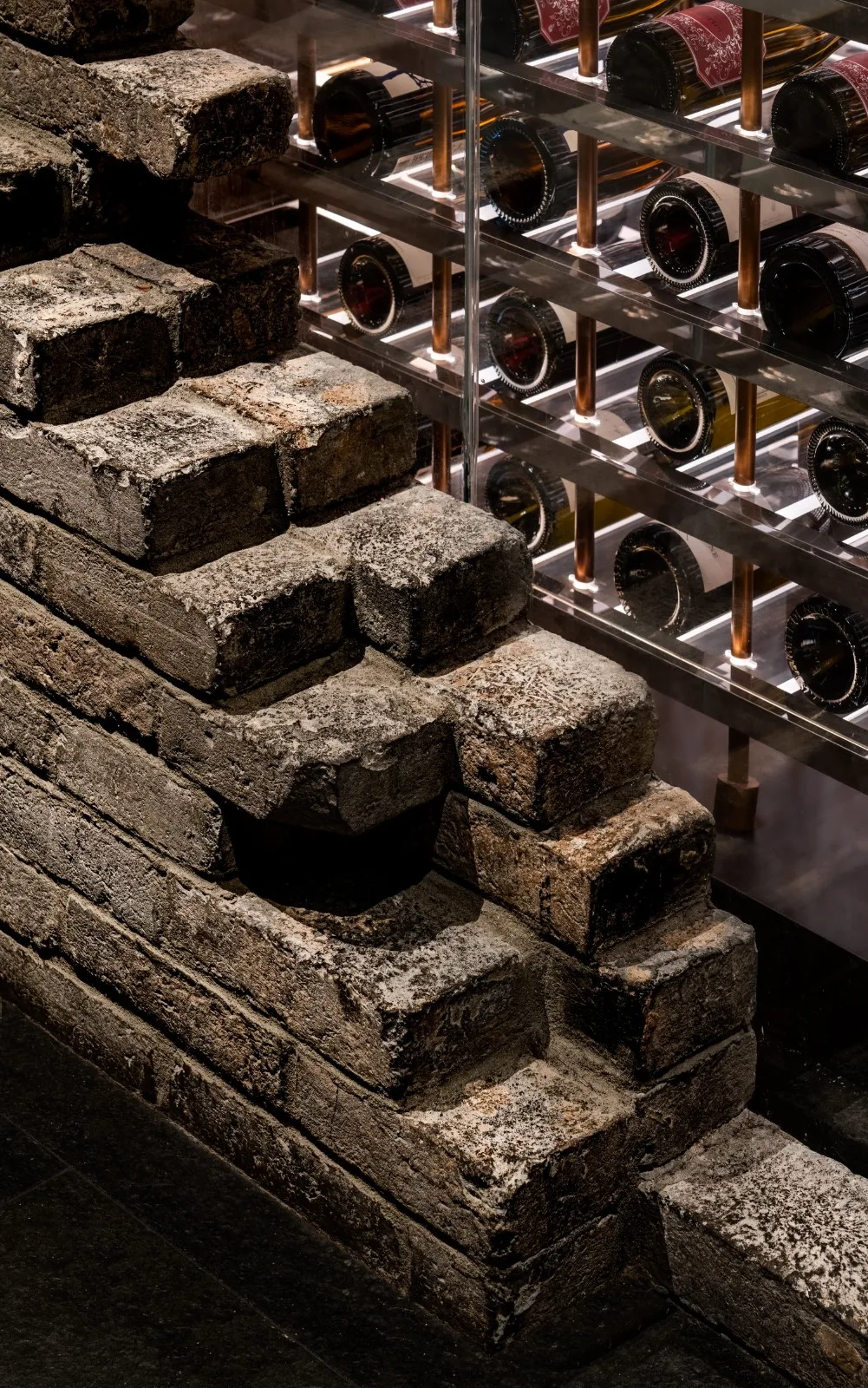
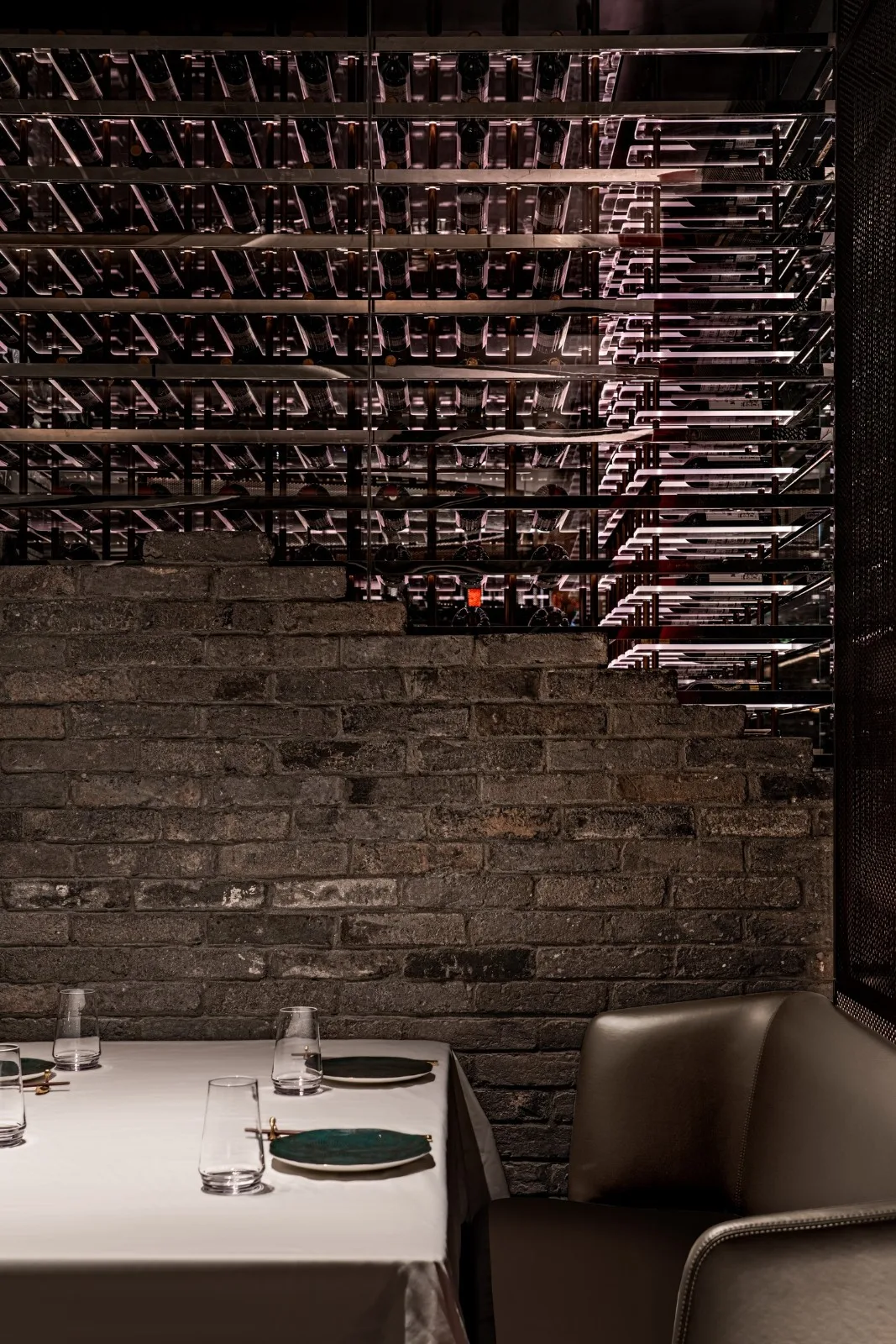
Upon entering from the waiting area, guests pass through a green brick and gray tile portico reminiscent of a traditional Beijing residence. The open wine cellar, with glass on three sides, and the sunken U-shaped bar counters on both left and right sides create a dynamic atmosphere. The mottled walls, constructed from aged bricks and stones, contrast with modern materials like metal and acrylic, producing an intriguing interplay of eras and textures.
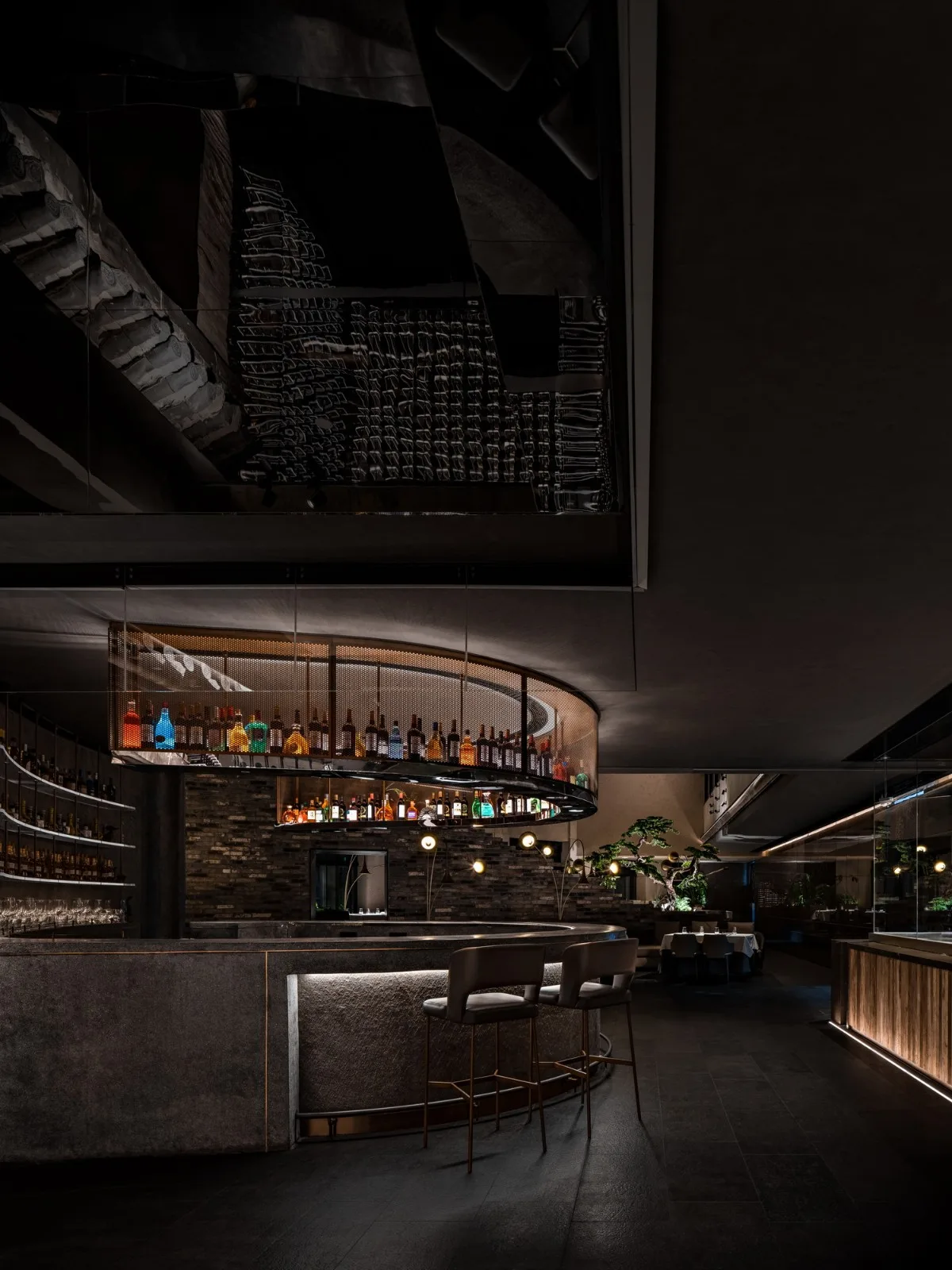
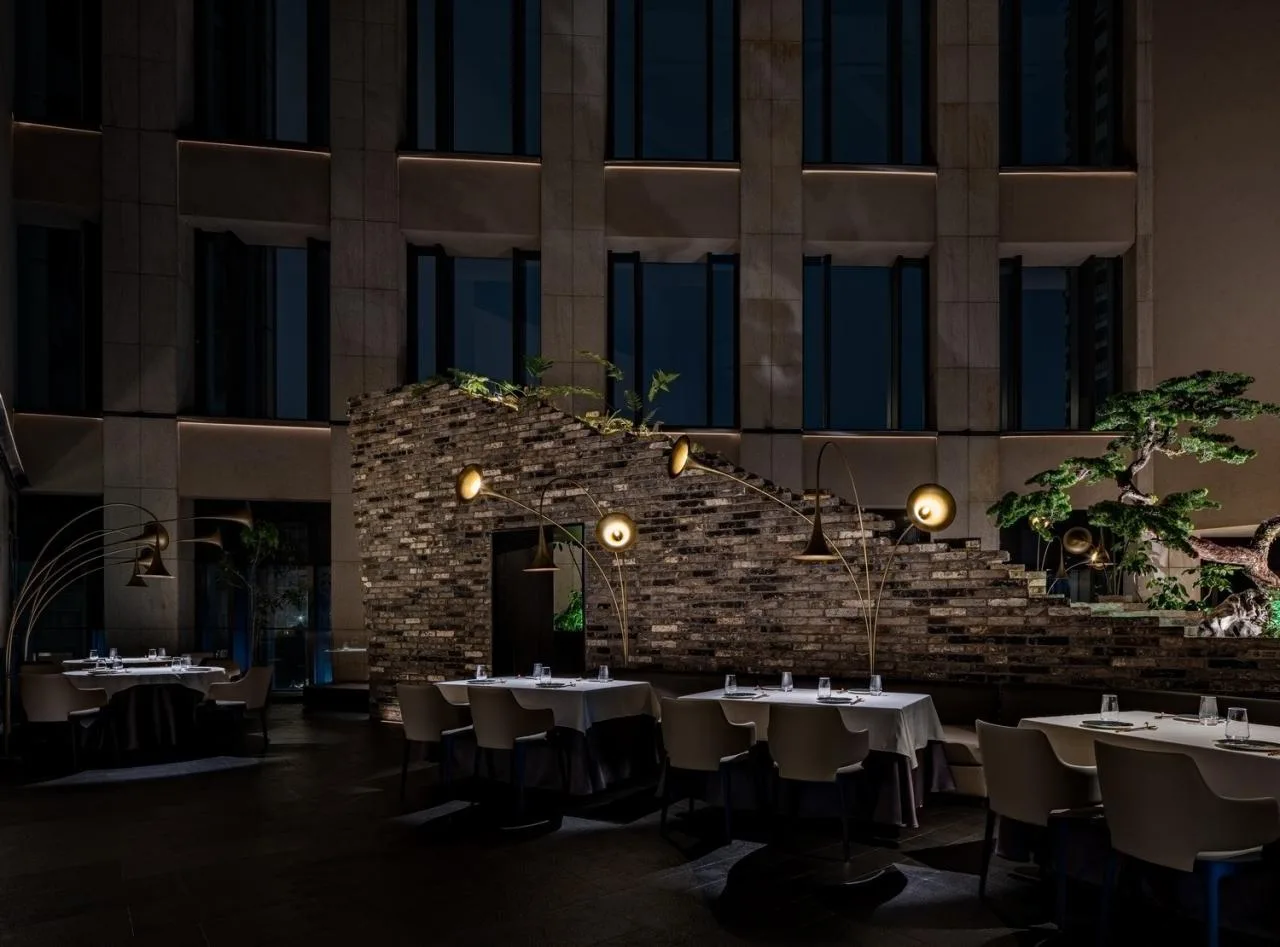
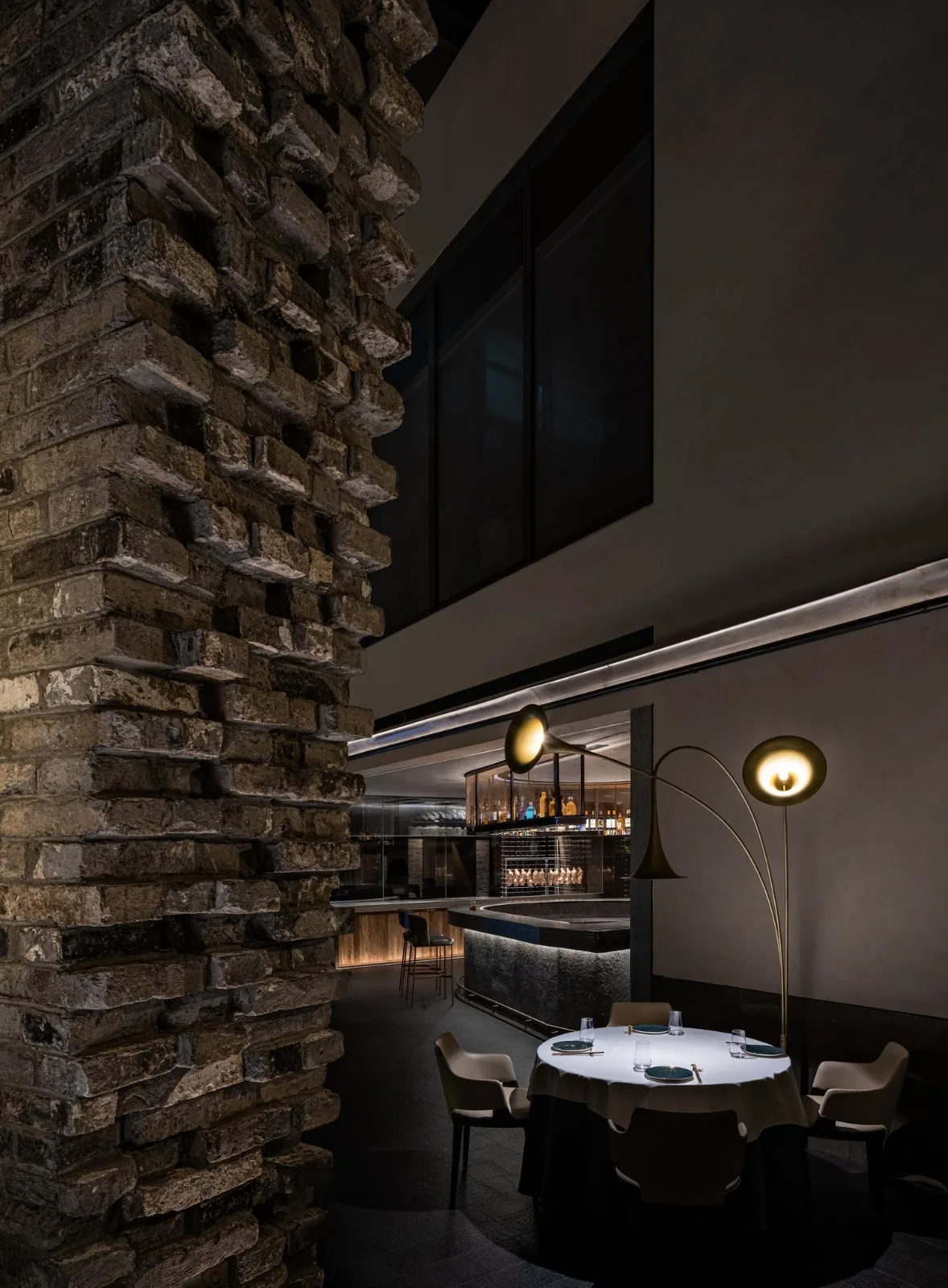
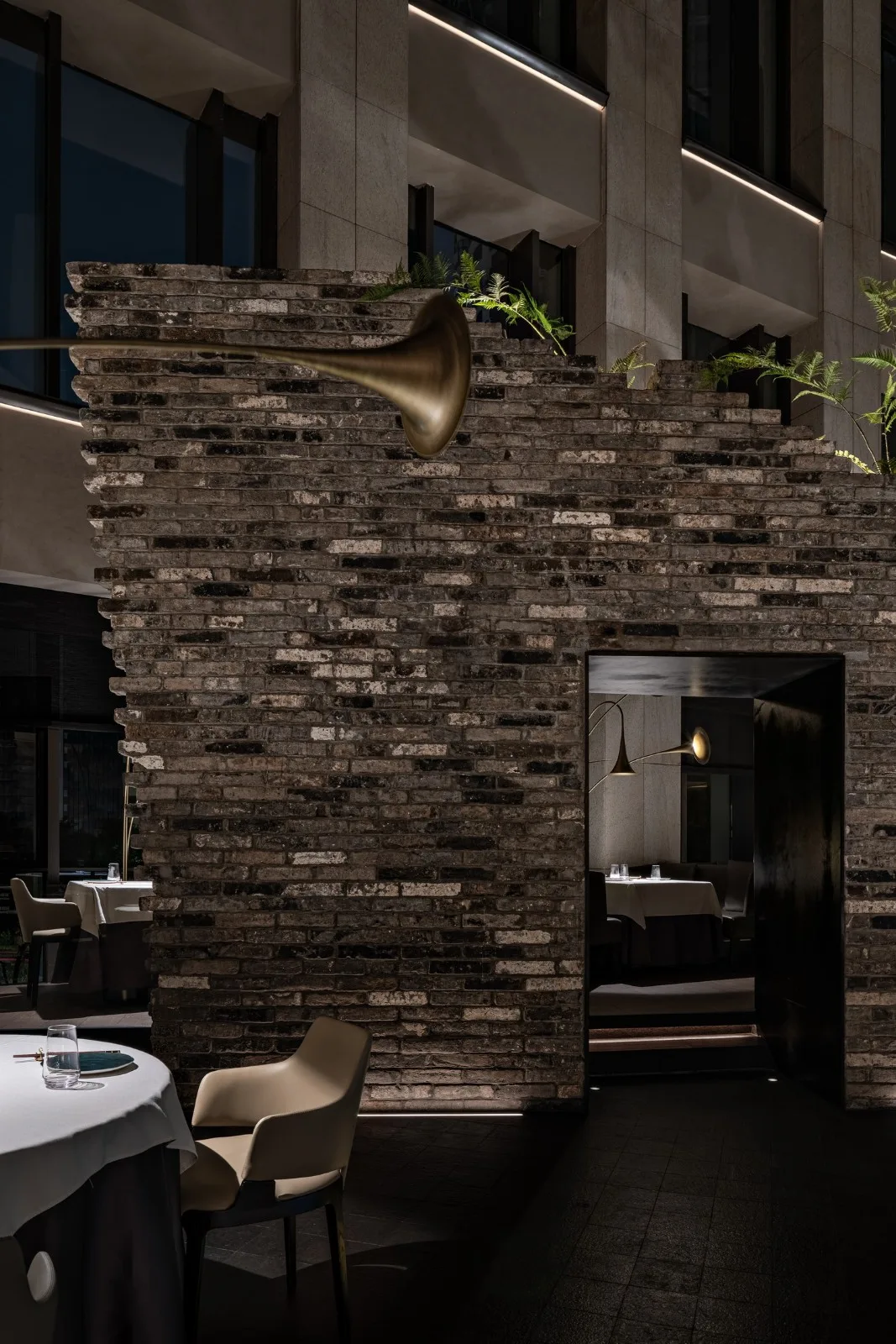
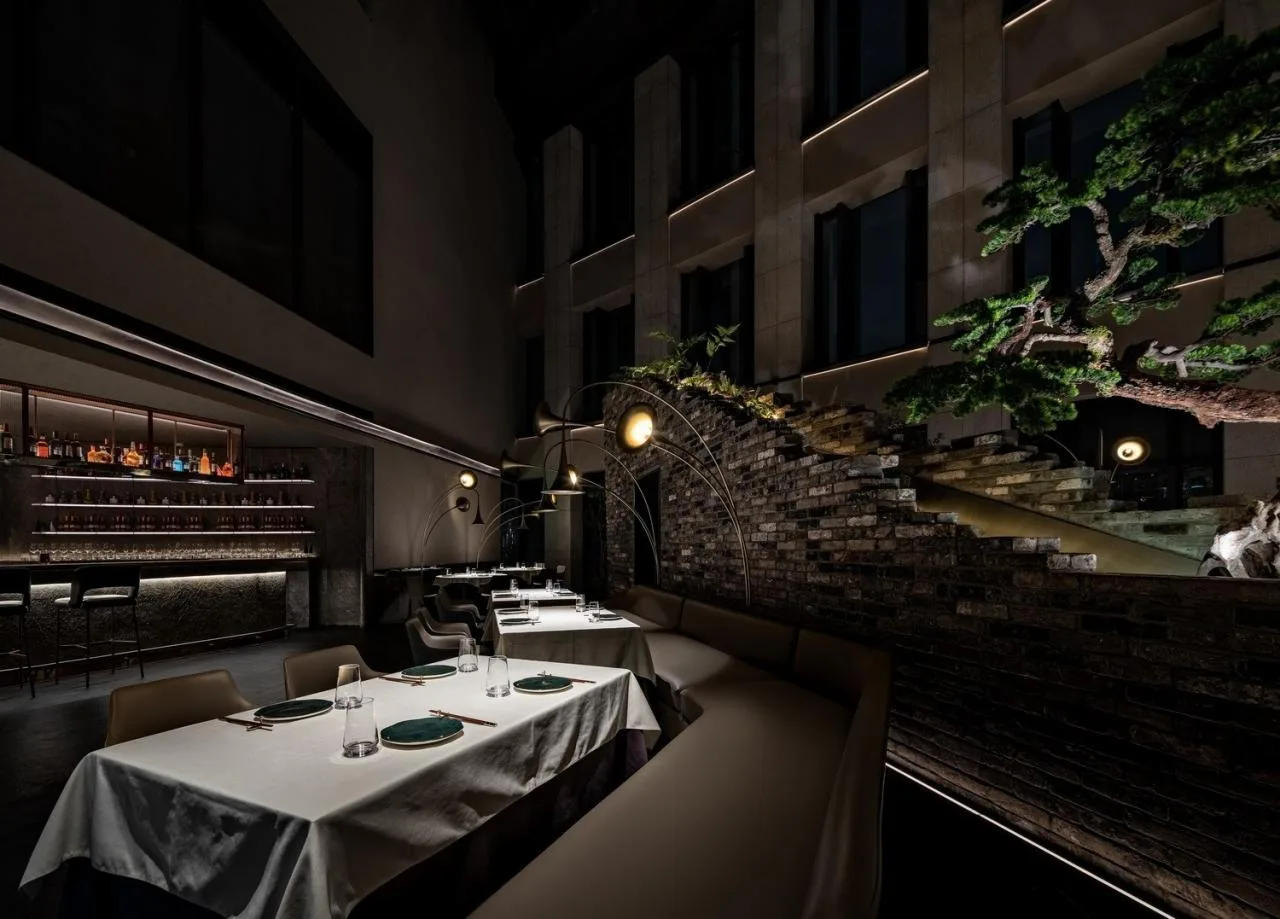
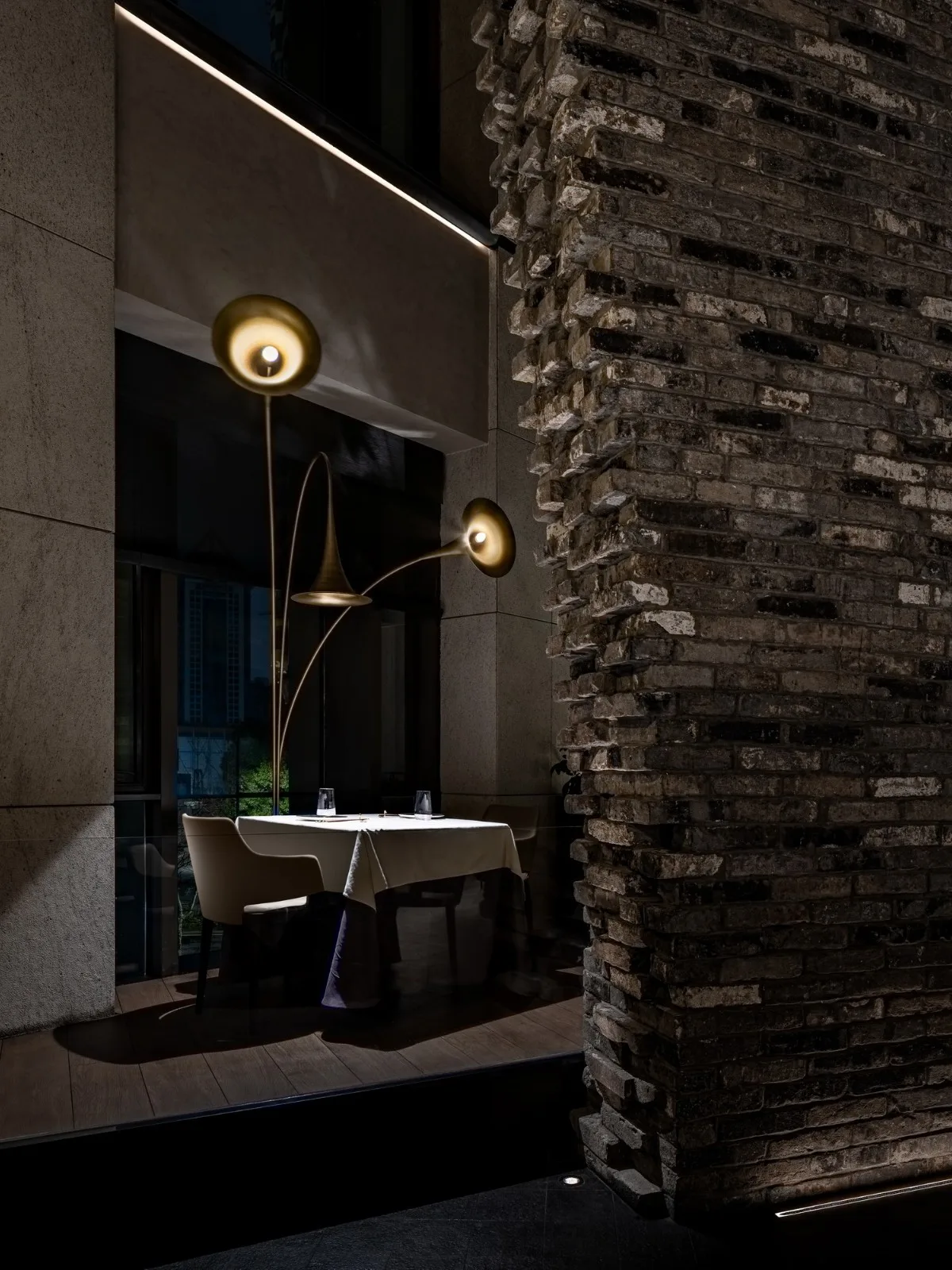
Just as one becomes immersed in this alluring modern setting, flickering lights at the bar hint at the shape of a Great Wall segment in the background. Moving into a more open space, a grand scene unfolds—a high roof extends over a green-gray open area, while a large landscape combining city walls and plants divides the window-facing space into two parts with a door for easy passage. The scattered seating areas enjoy both privacy and scenic views.
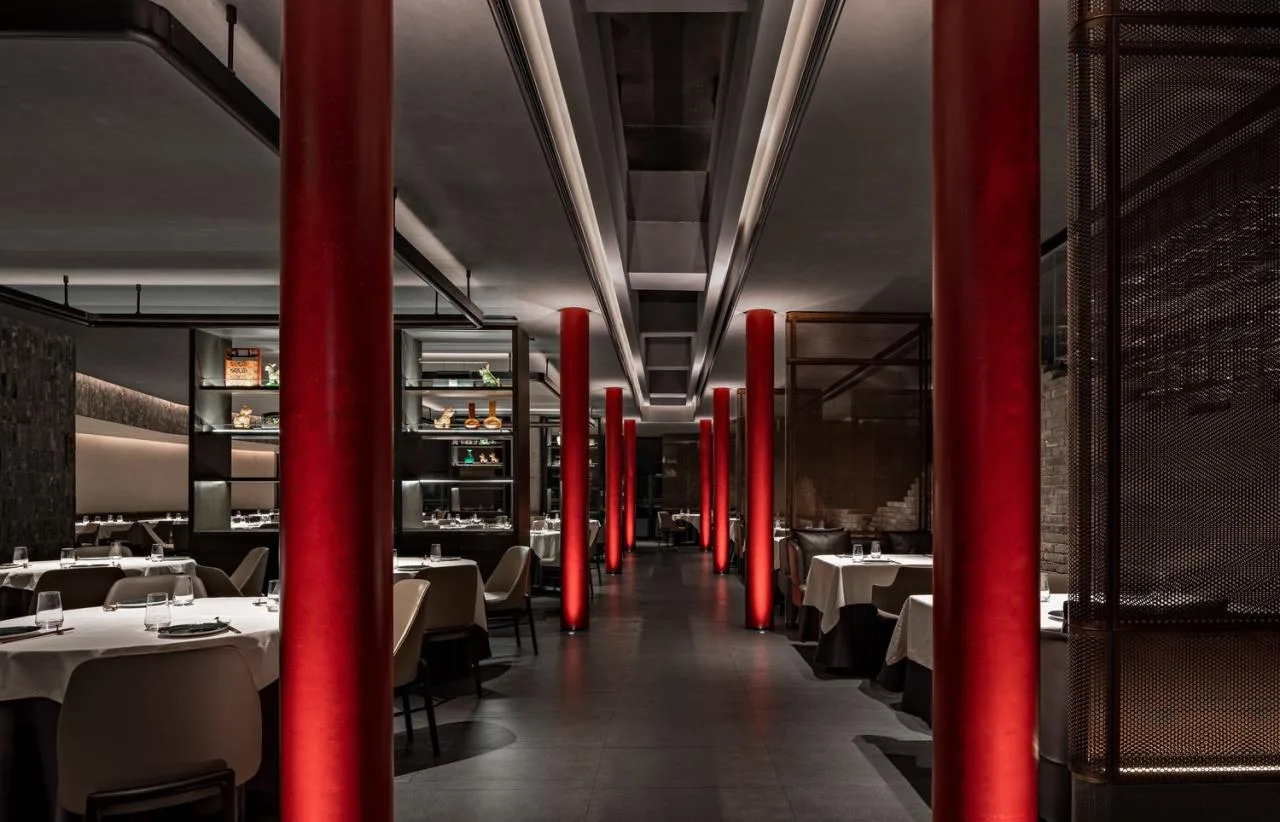
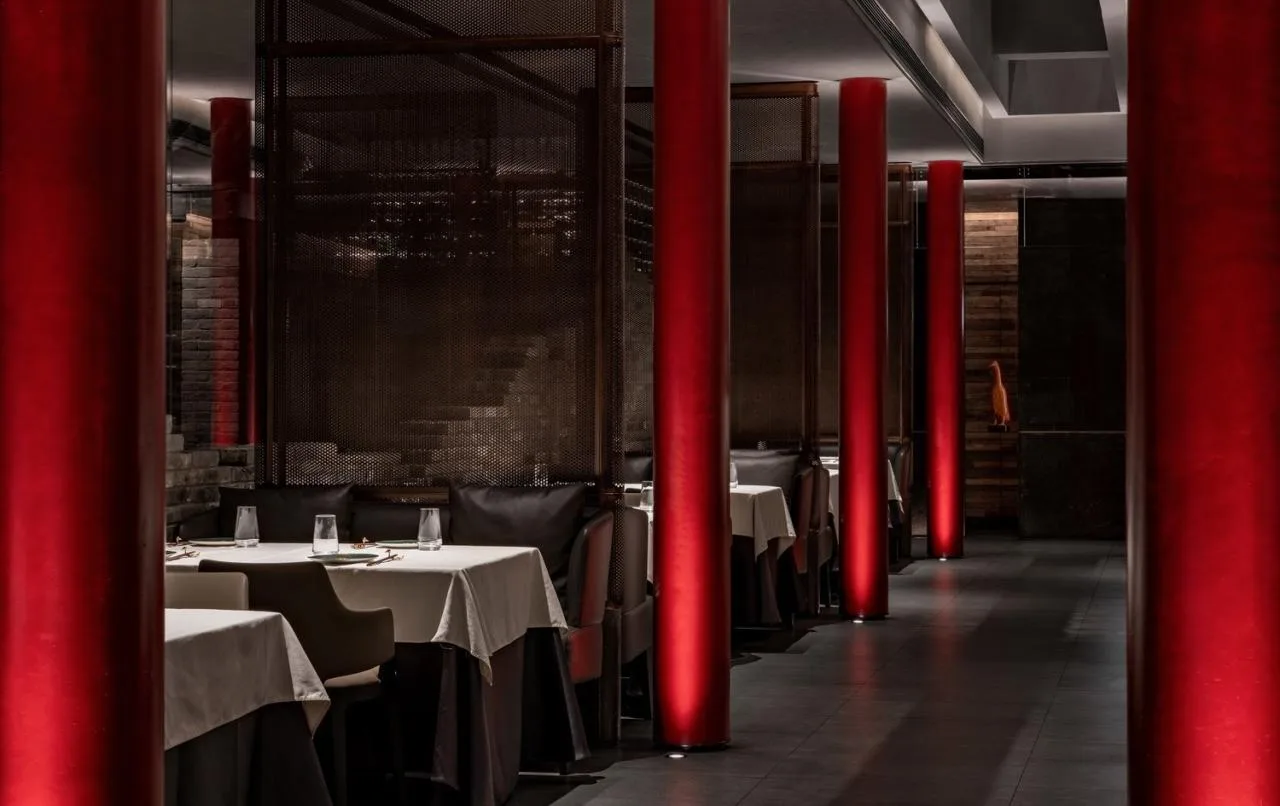
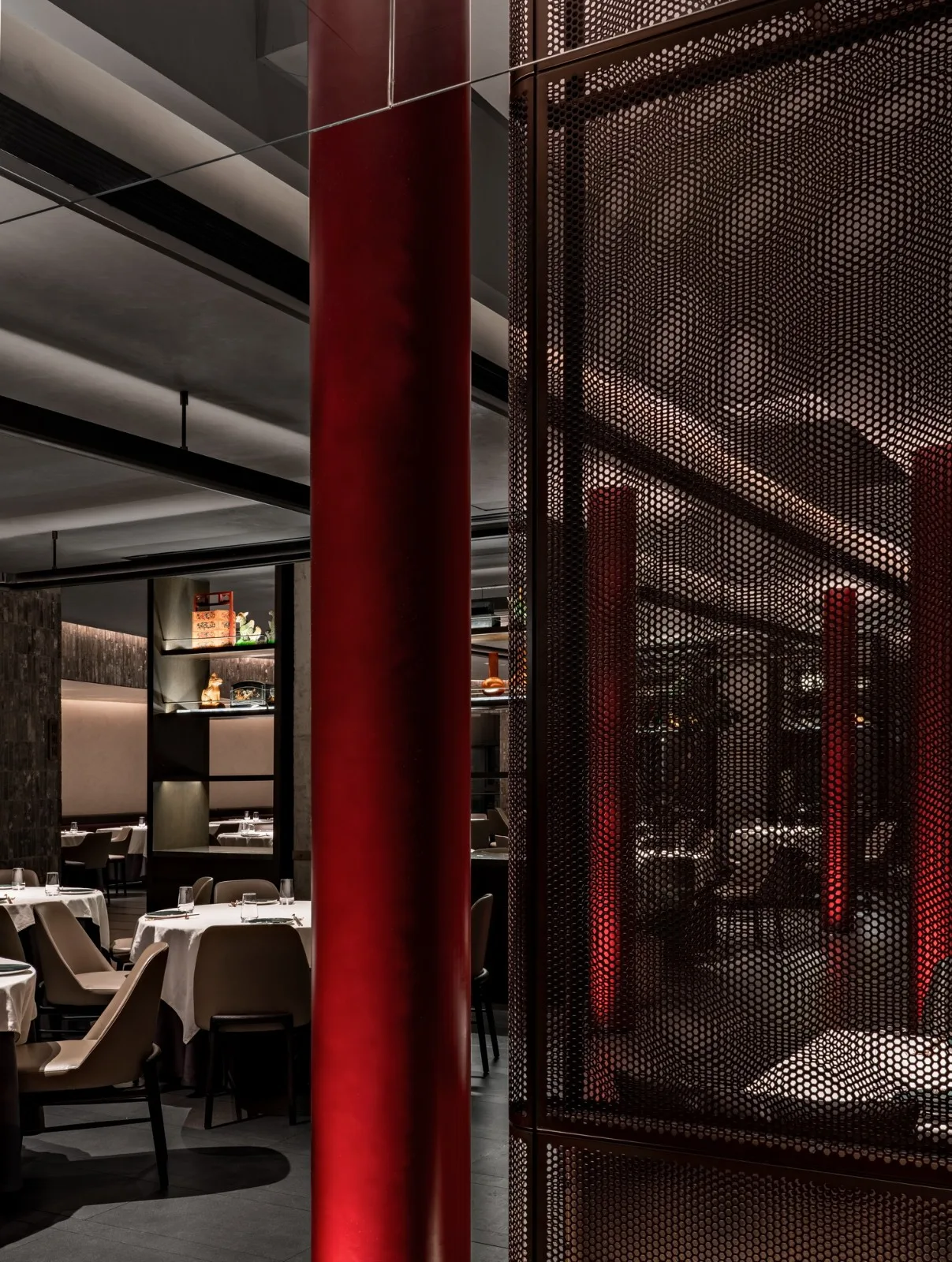
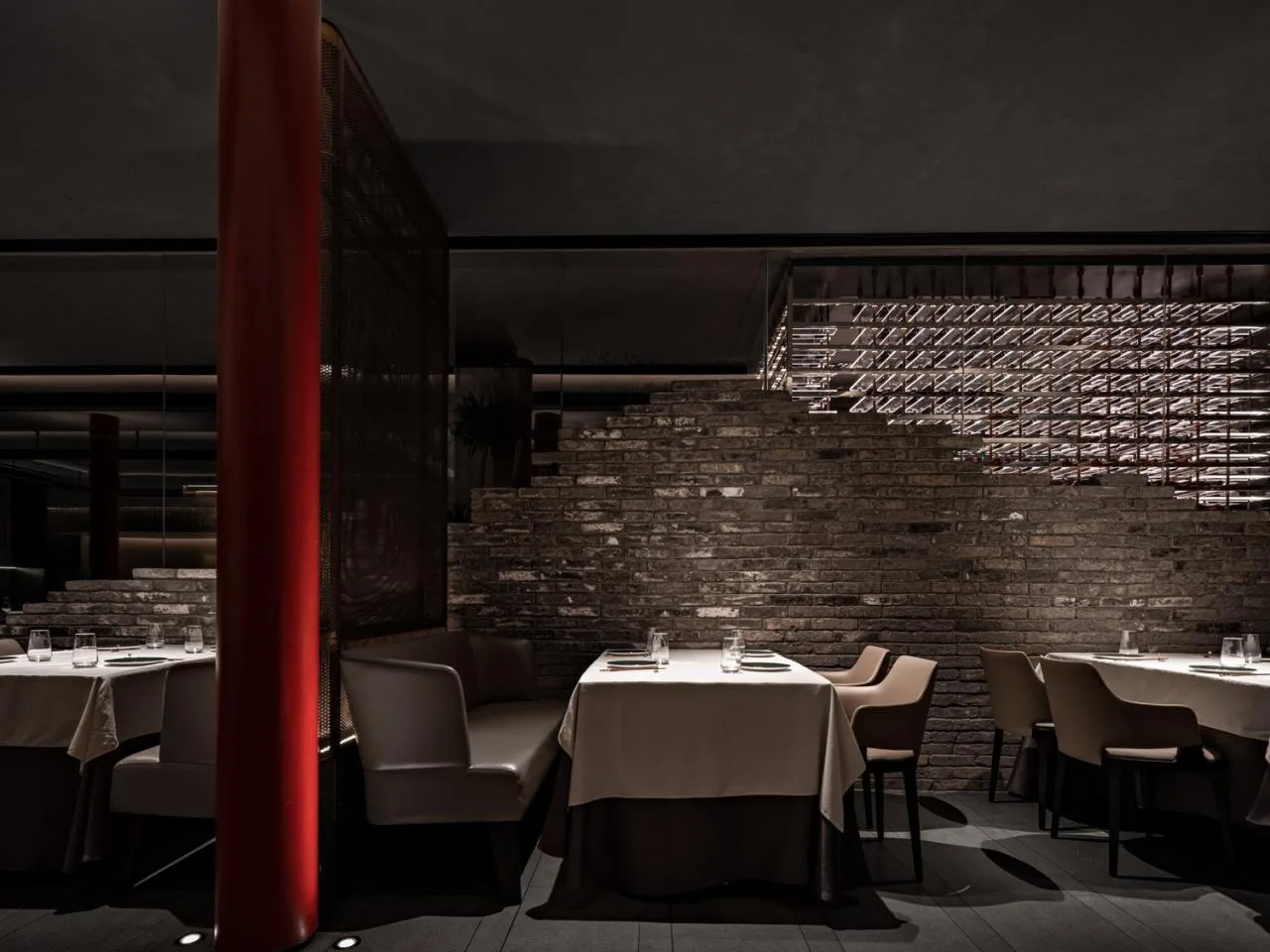
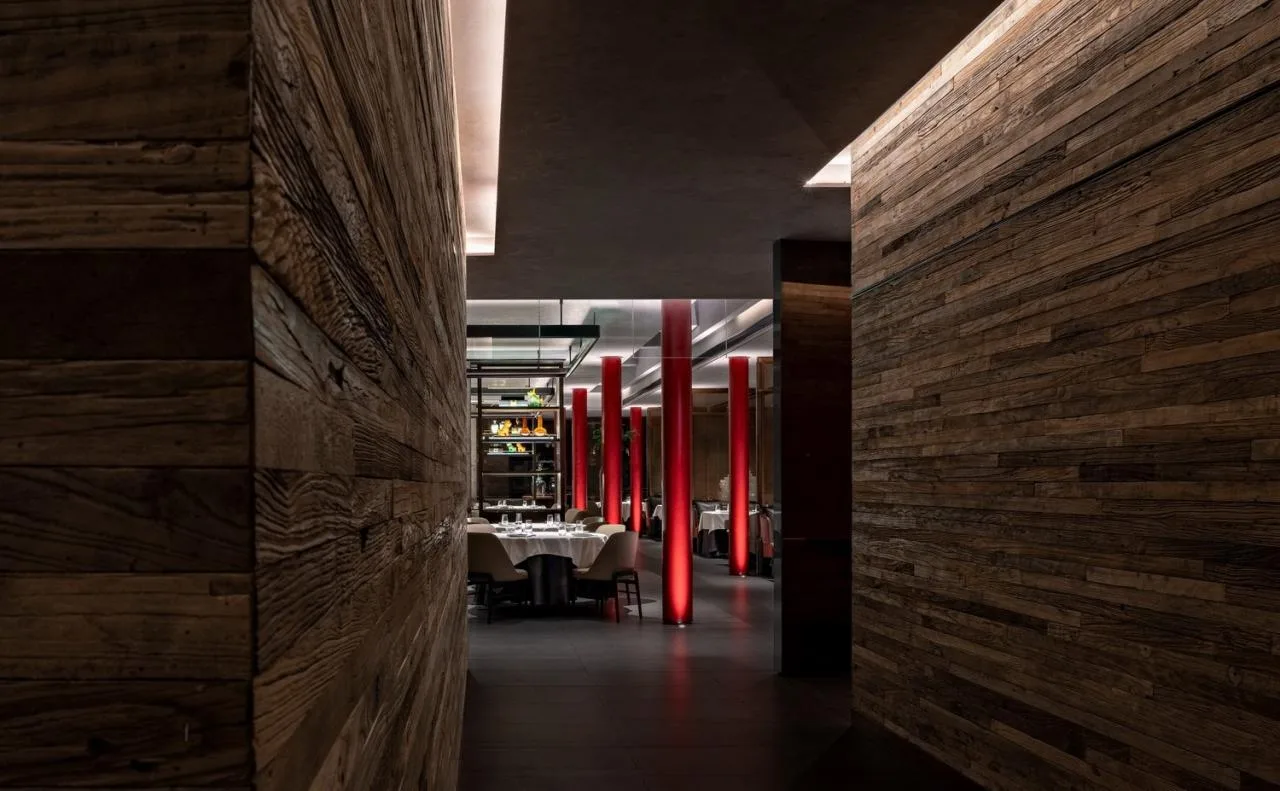
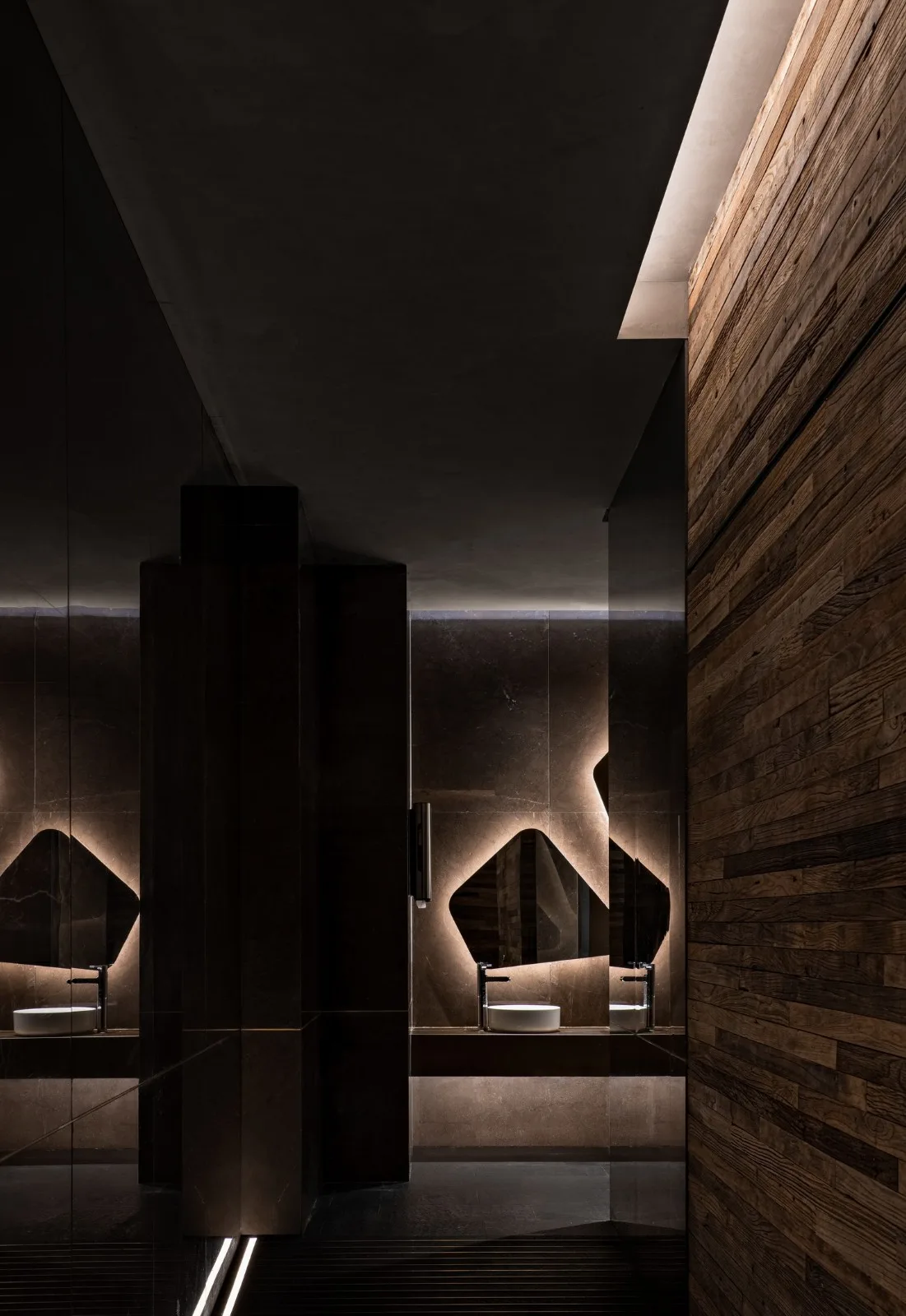
On the north side of the main entrance, the booth and round table arrangements create a clear sense of order. Vermilion columns punctuate the otherwise understated space, while continuous metal mesh partitions guide visitors inward. The experience unfolds with a ceremonial progression. Brick and stone walls resonate here, illuminated by the wine cellar’s warm glow. Opposite, a rustic wooden wall transitions smoothly into another functional area through subtle material changes.
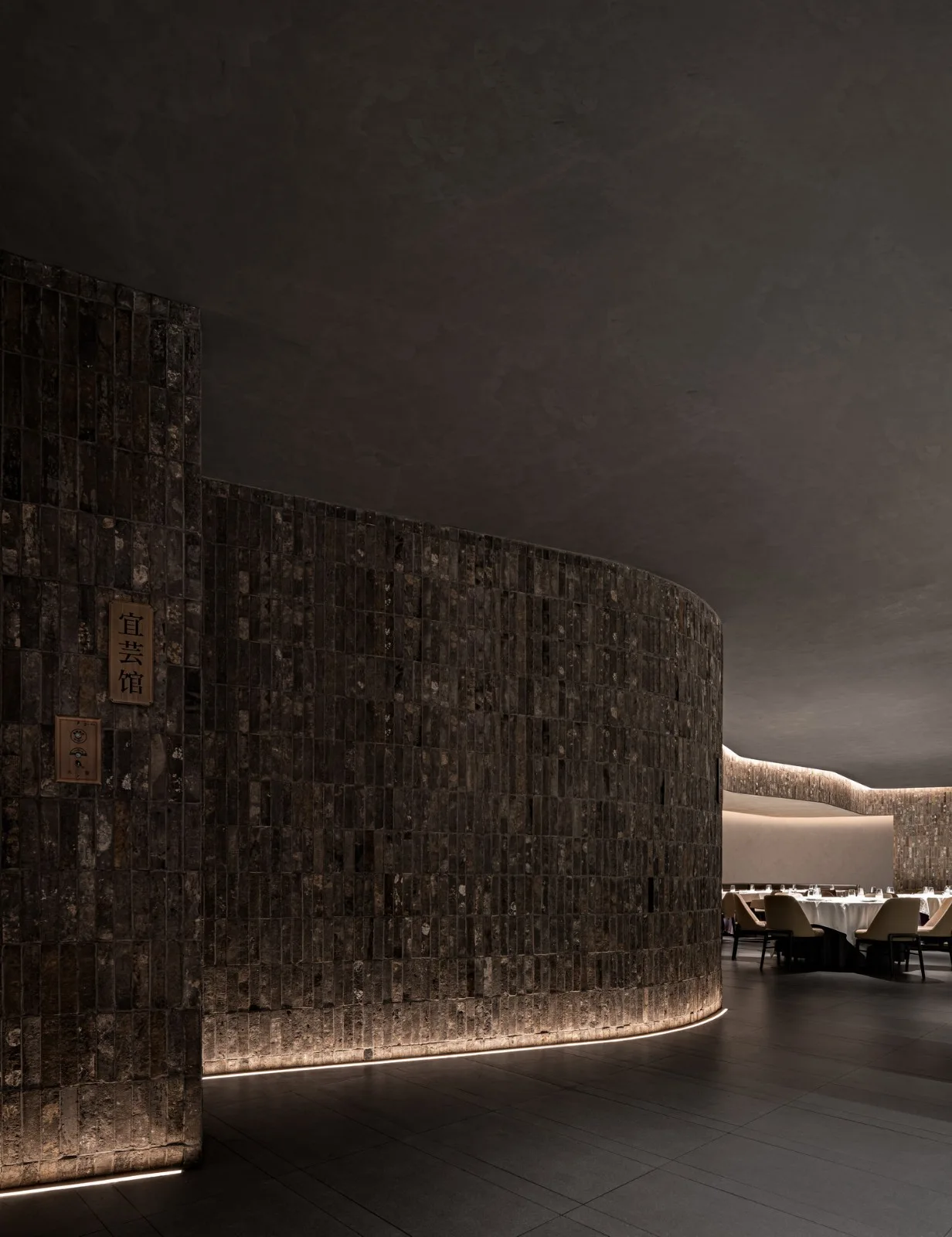
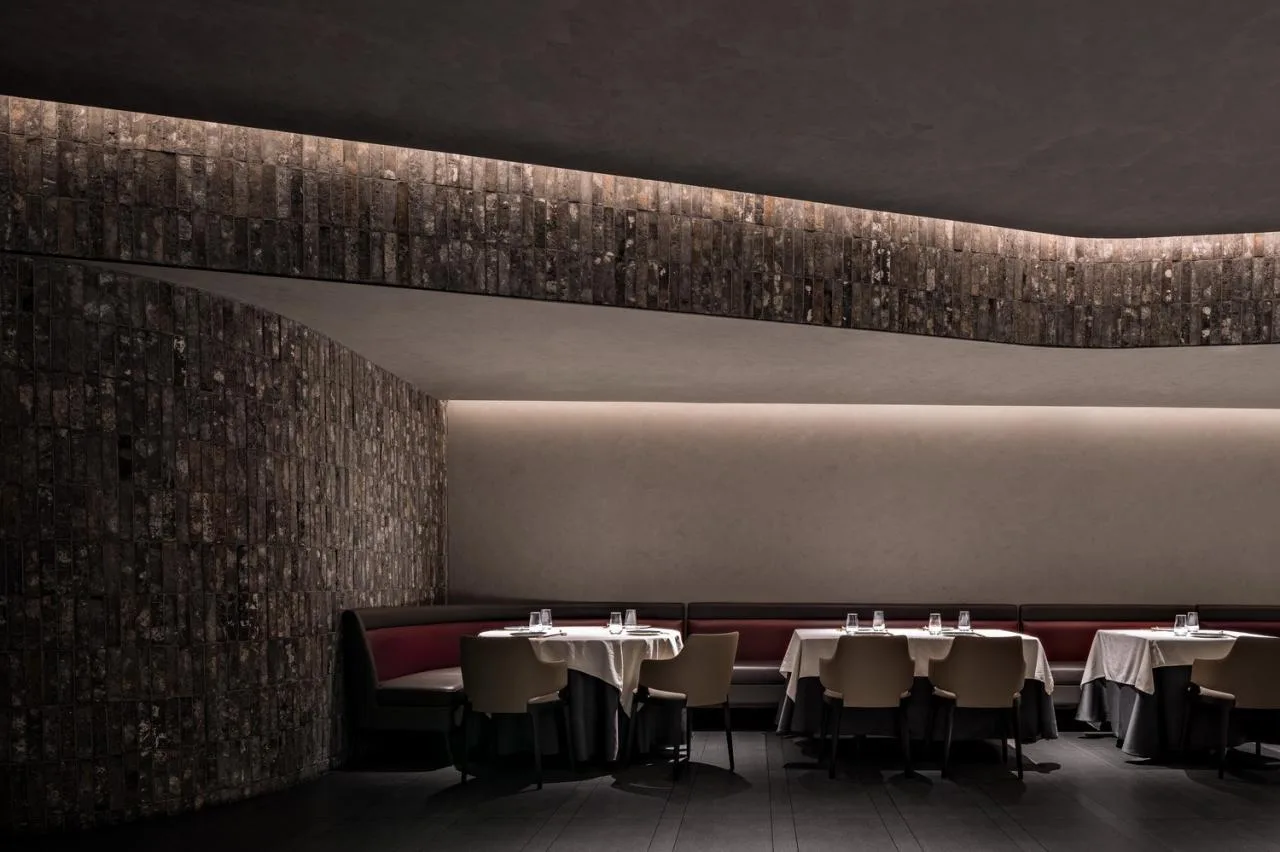
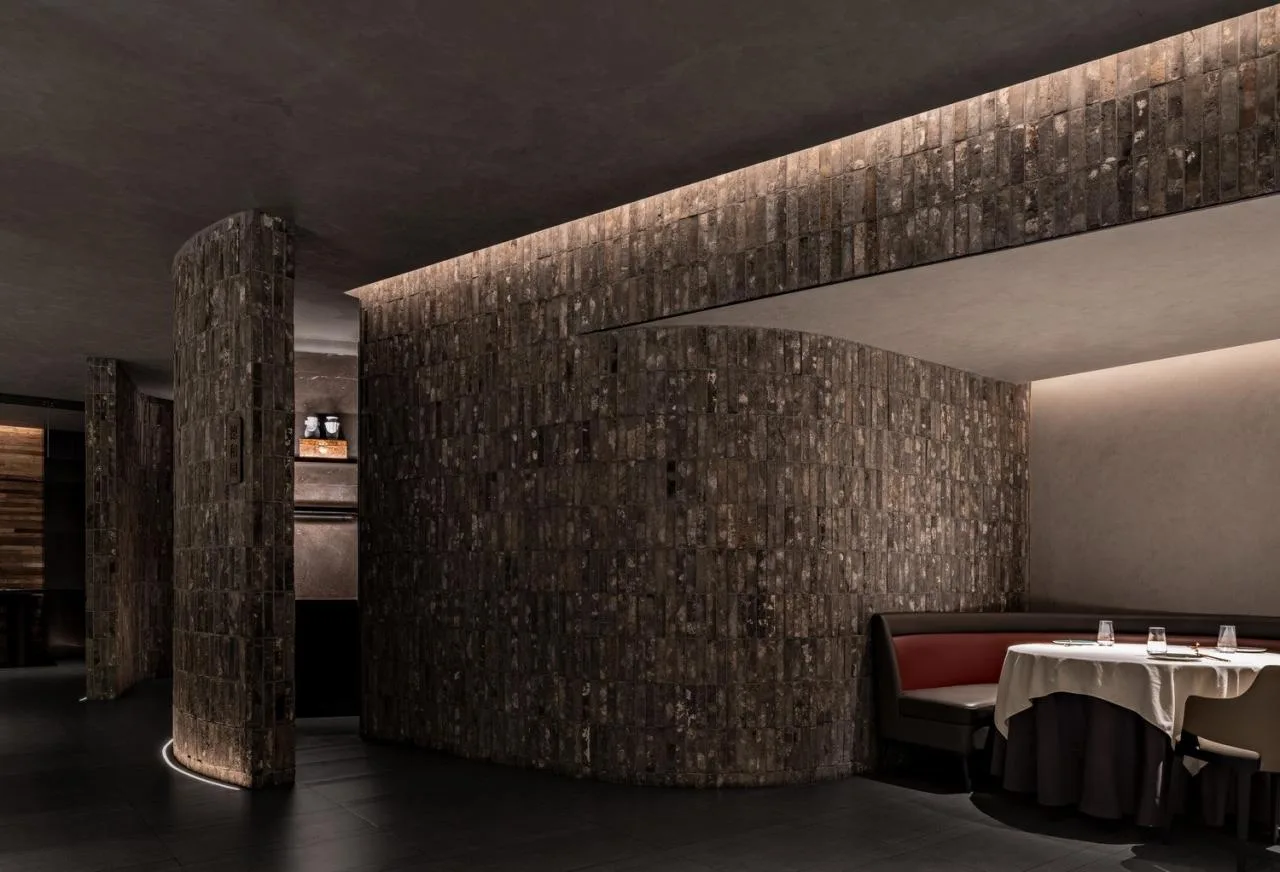
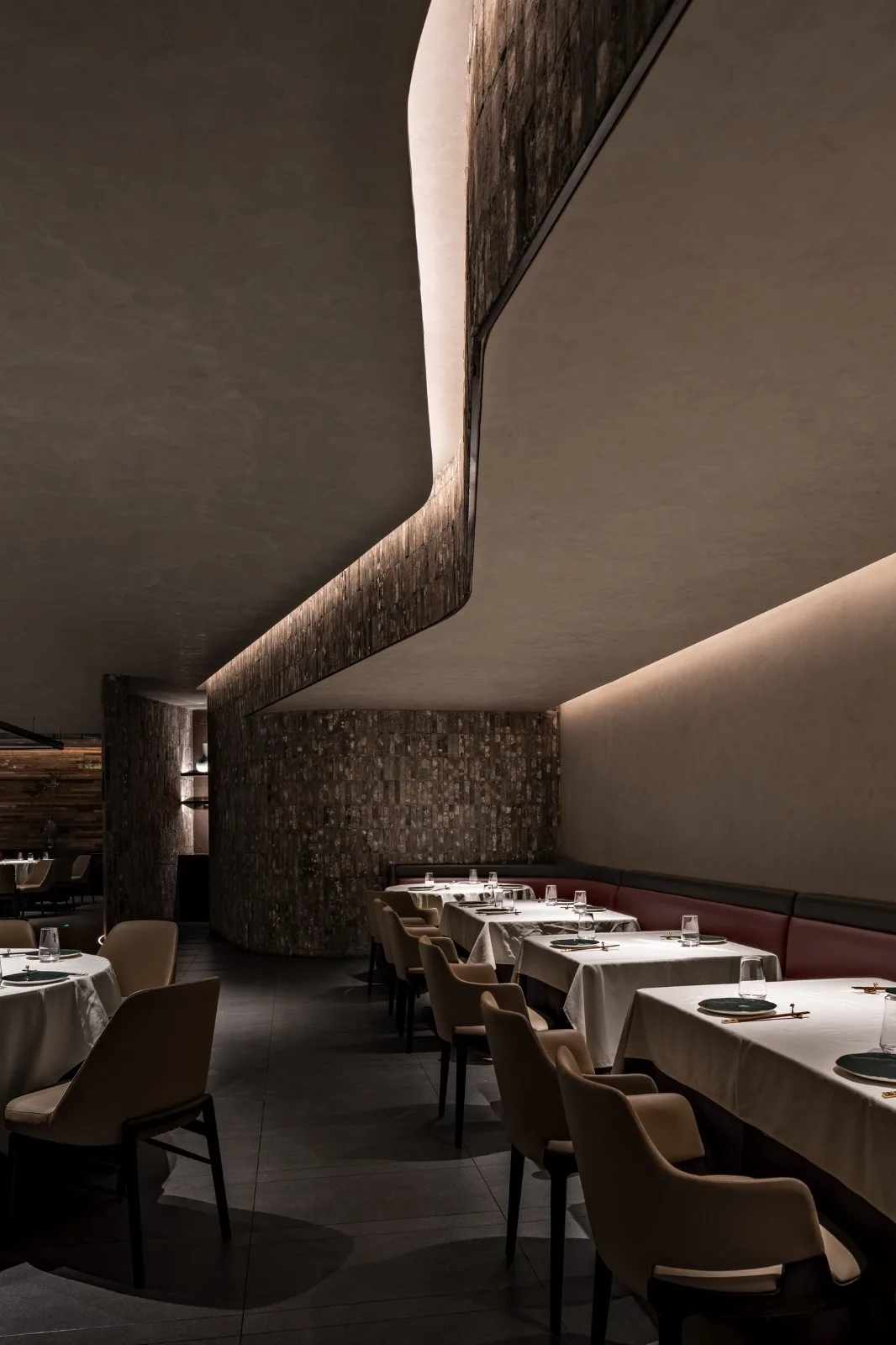
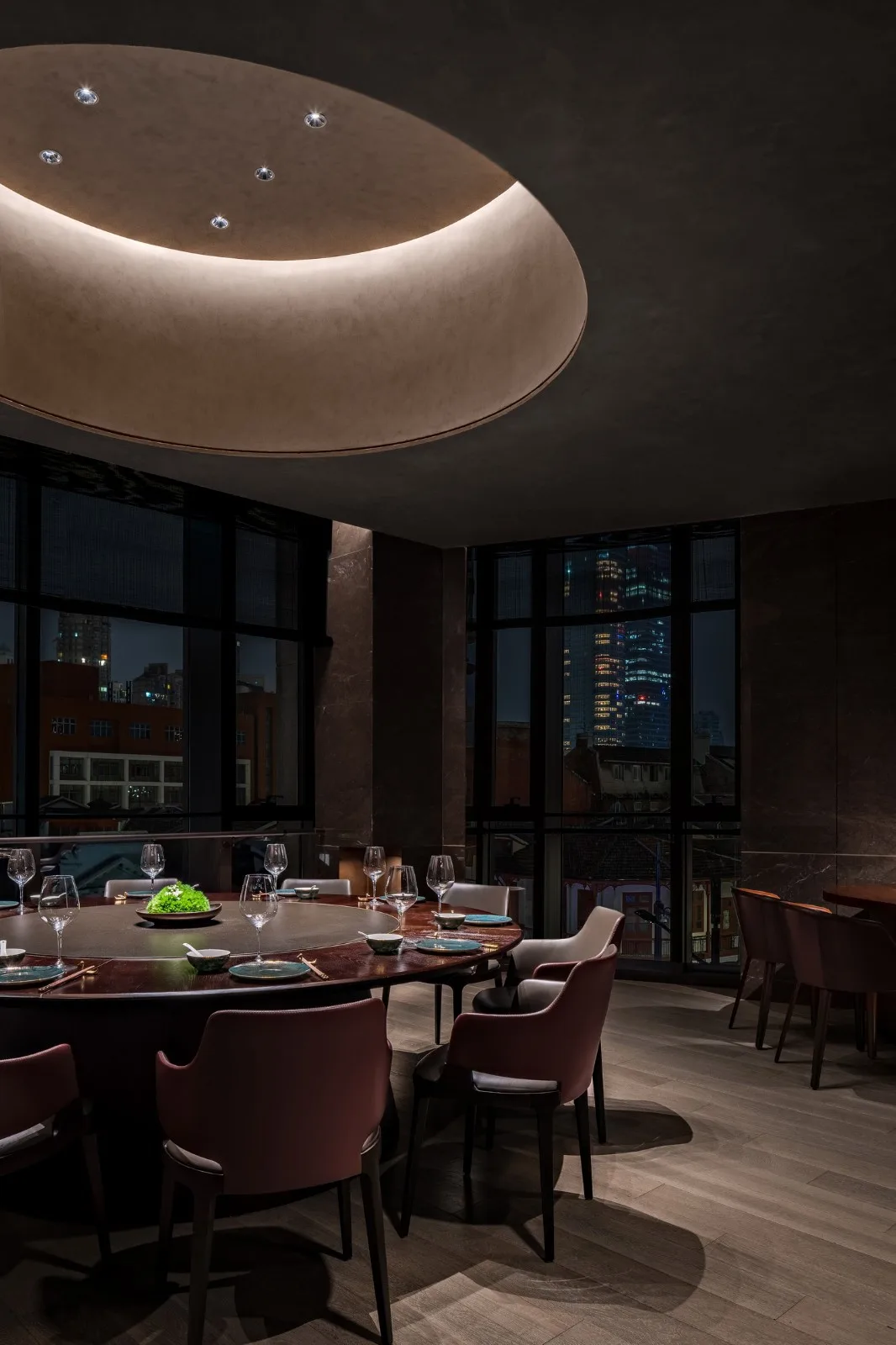
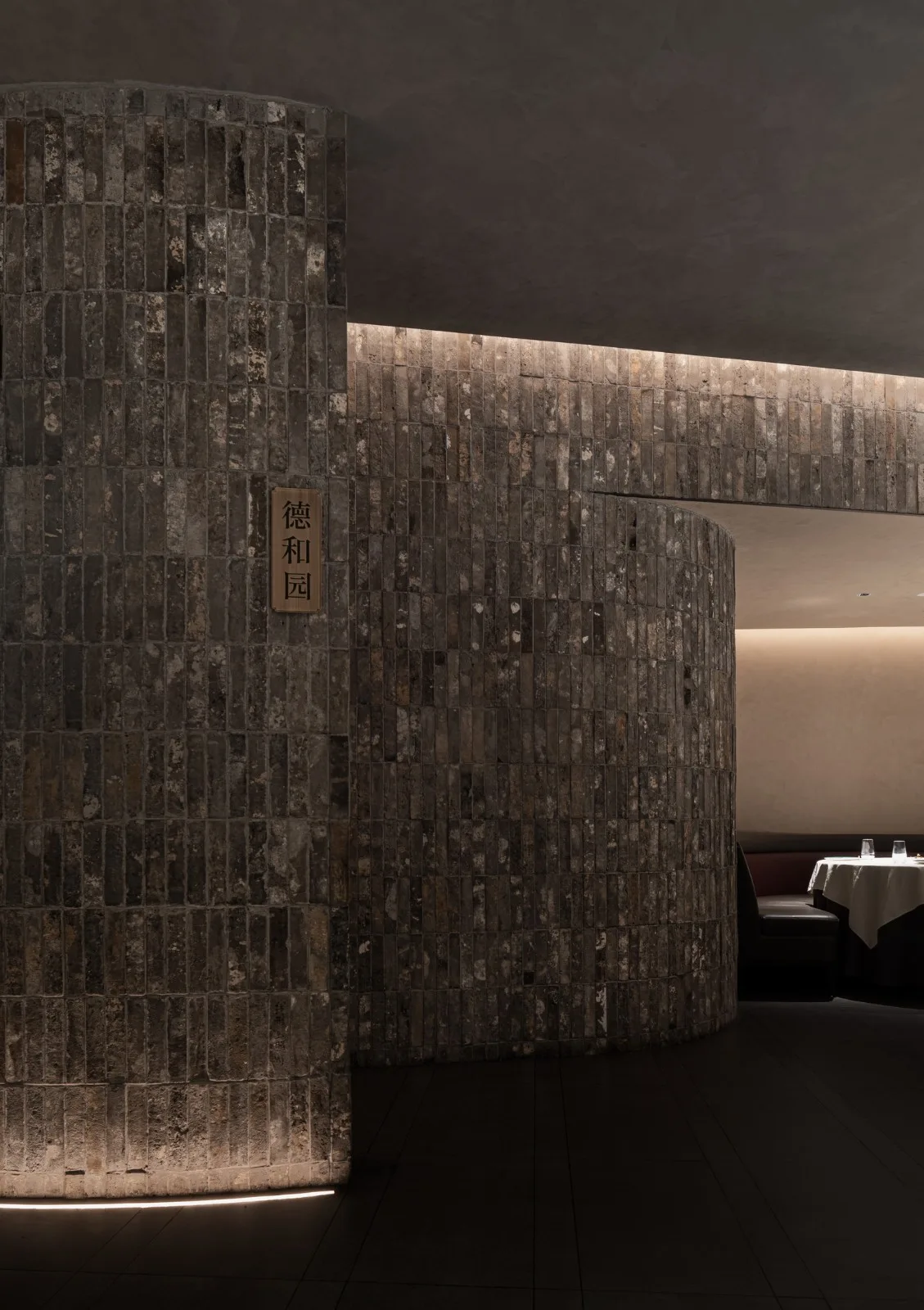
At the northernmost part of the space, rough brick strips cover the entire wall and extend to the ceiling. The wall structure twists and turns, with booth seating nestled within concave sections. A rotating door leads to the VIP private room, where the architectural language reaches its peak. Here, the dining tables, ambient lighting, and cultural elements blend harmoniously, leaving behind a tranquil yet grand “big background.”
03 Strategy First, Design Later
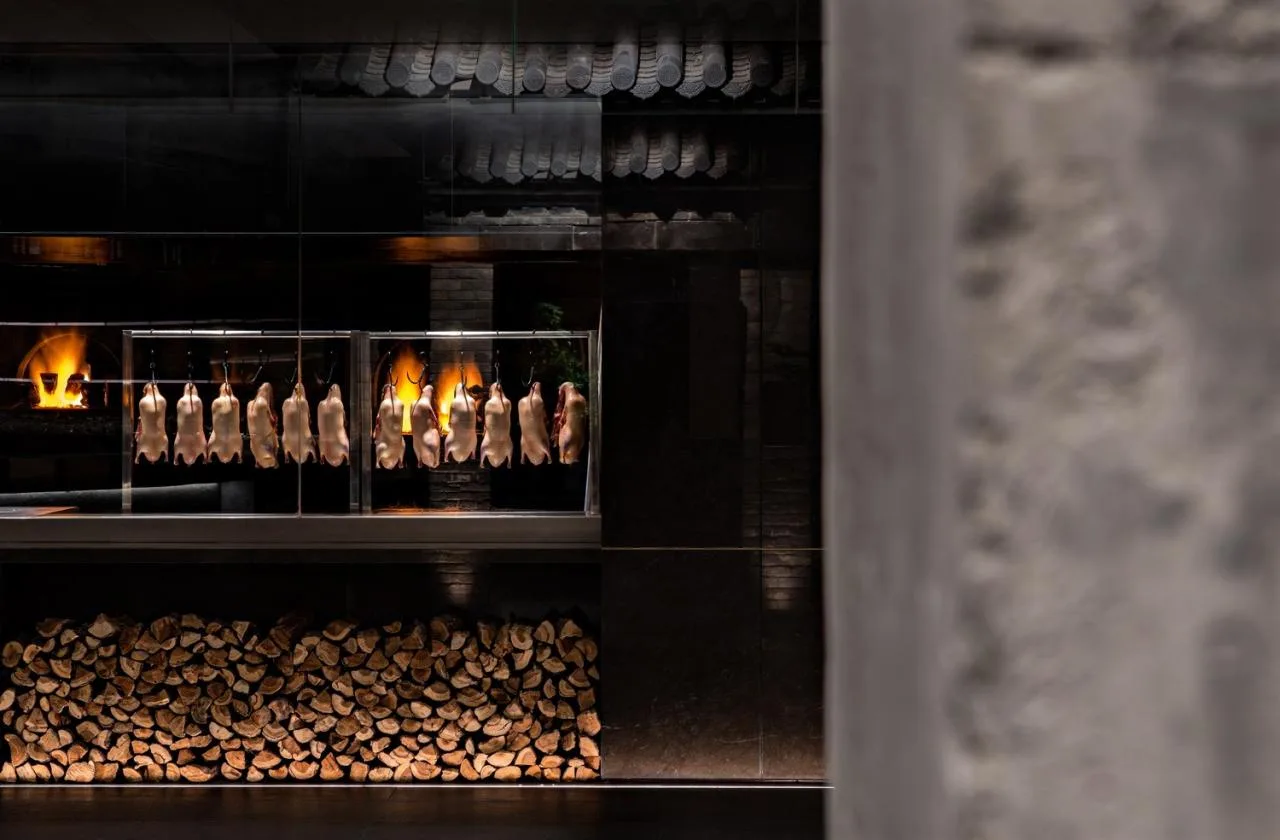
As a leading representative of Beijing cuisine, Four Seasons Minfu has already secured a strong position in the mature Beijing market. For both the brand and its loyal customers, its identity is deeply rooted, making a “surprising” space a winning strategy. However, in Shanghai—where the brand is new despite its reputation—it must make a clear and decisive impression.
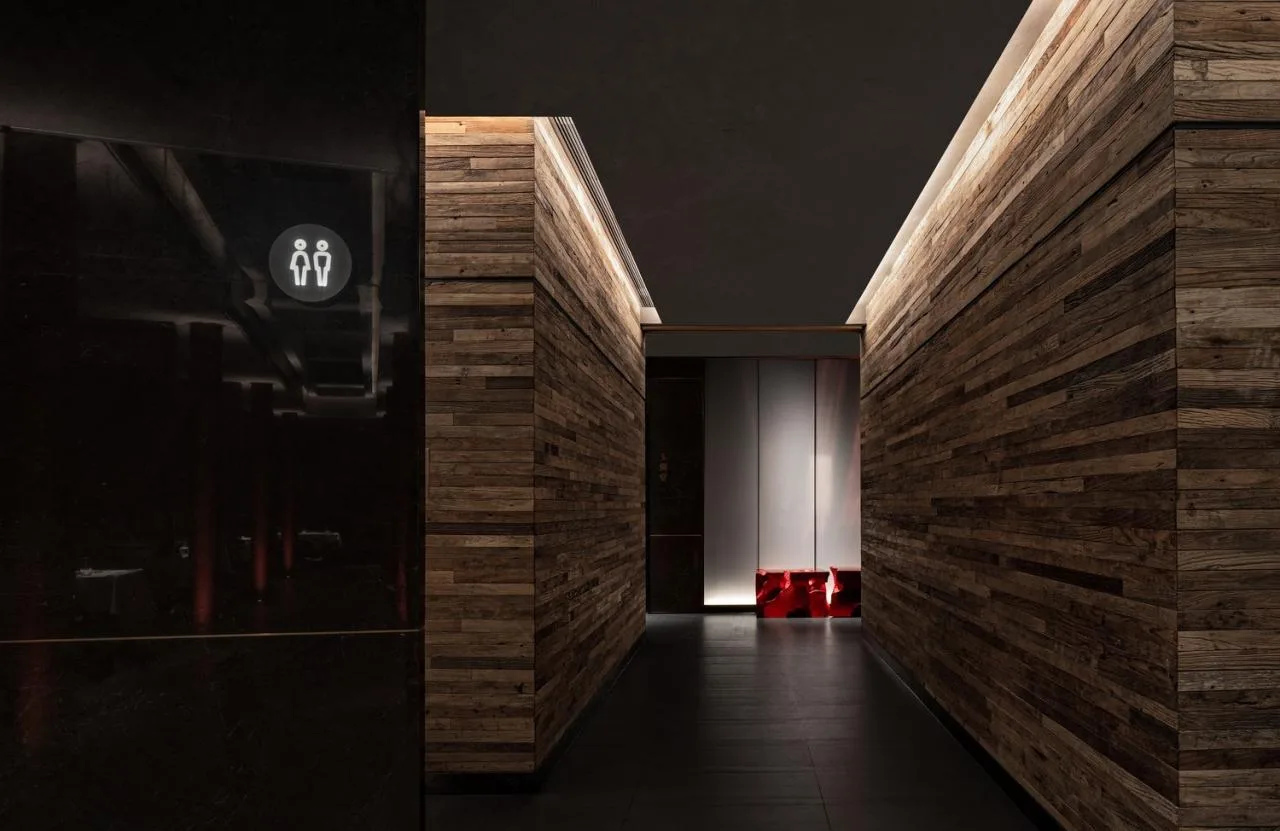
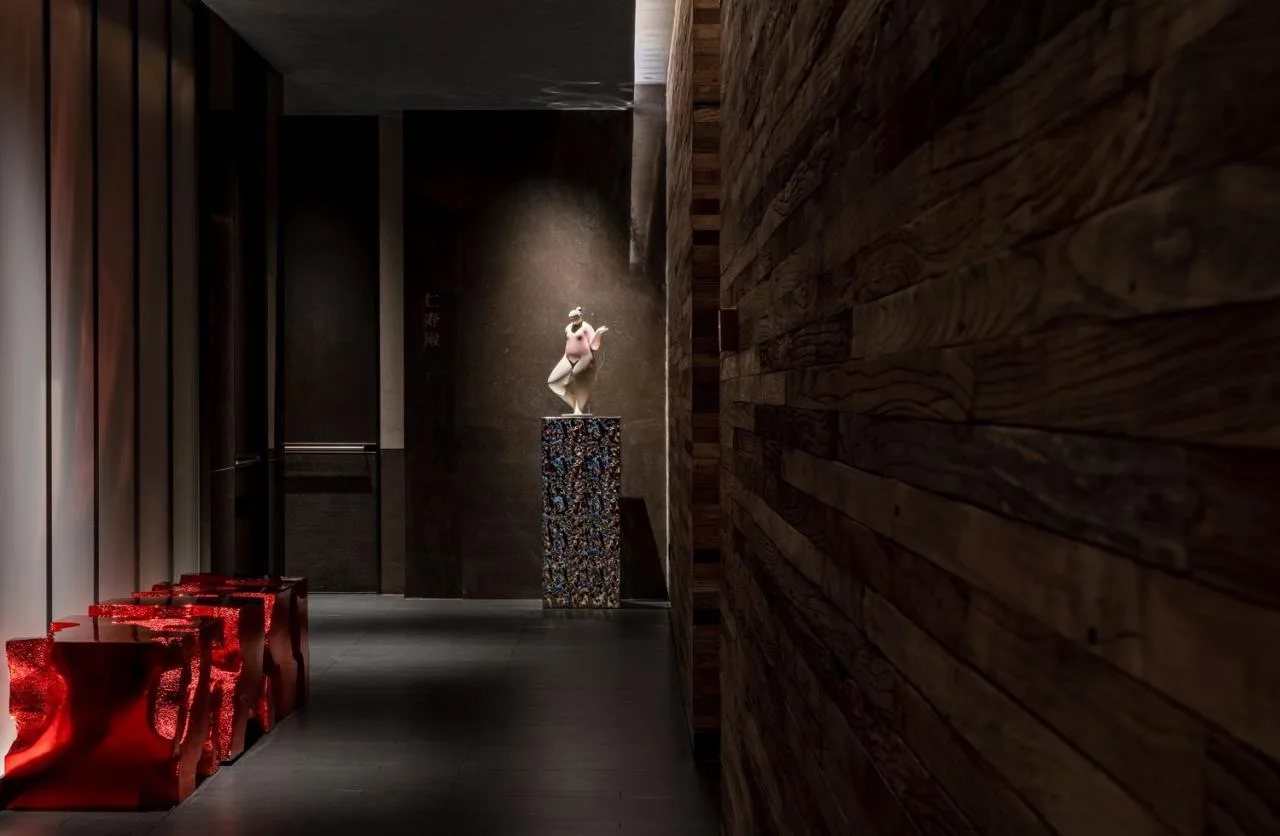
Designer Wu Weizheng has extracted and amplified Beijing’s cultural essence embedded in the brand, refining and enriching Four Seasons Minfu’s identity with the charm of the city. This “freezing” of the first Shanghai store has won over customers immediately while further solidifying the brand’s position. IN.X’s strategic interior and exterior design continuously elevates the spatial experience, strengthening diners’ brand awareness and loyalty, and offering solid support for the brand’s transformation and growth.
Project Drawings
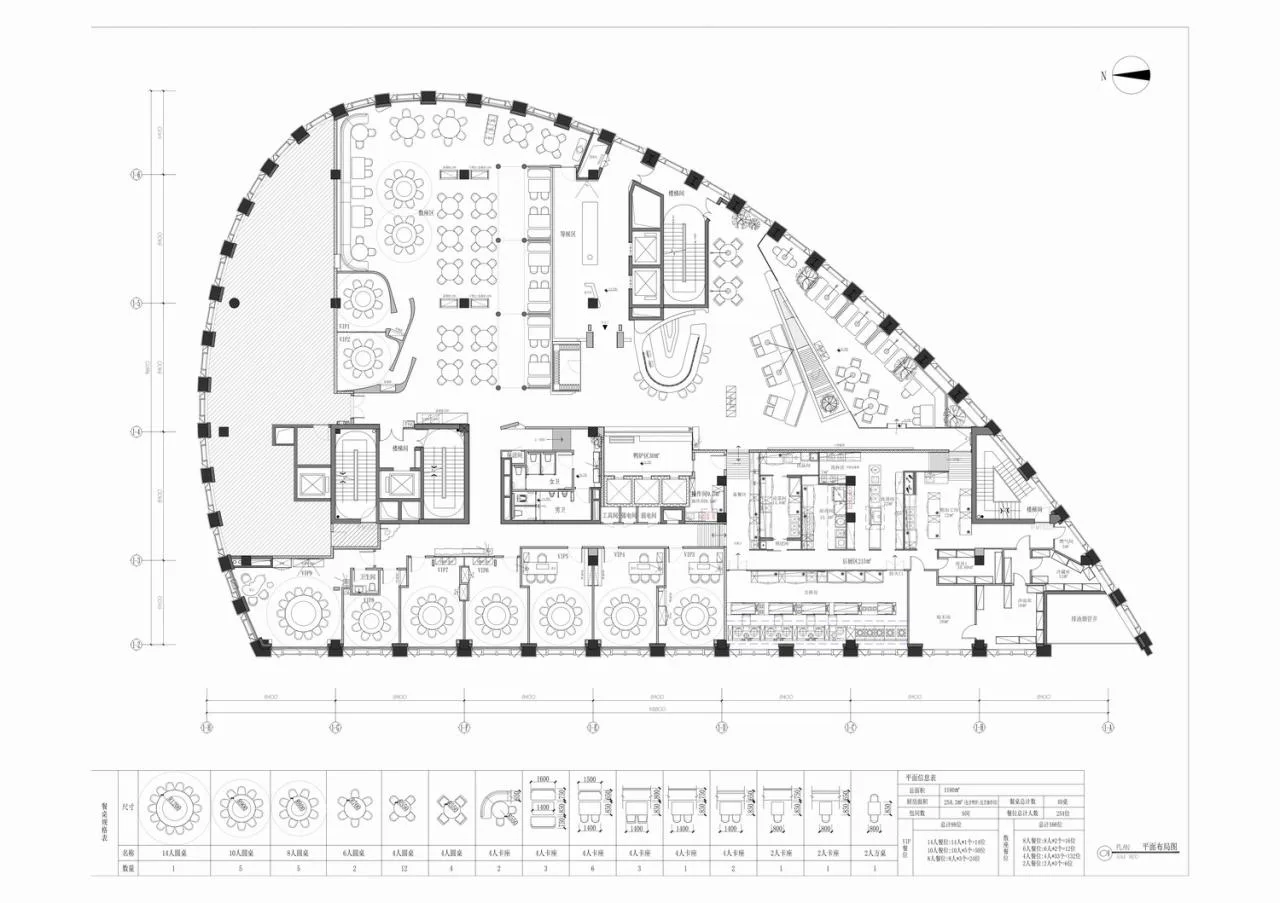
△ Plan view
Project Information
Project name: Four Seasons Minfu Garden Bridge on the Bund, Shanghai
Location: Shanghai, China
Area: 1,180 square meters
Interior Design: IN.X Interior and Exterior Design
Lead Designer: Wu Wei
Design Team: Jia Qifeng, Jia Chenjuan, Liu Chenyang
Furnishings: Jin Shengxu, Ying Zhegang, Song Jiangli
Photography: Zheng Yan
Project Planning: Brand Strategy Agency
Copywriting & Planning: NARJELING















Must log in before commenting!
Sign Up