
The three-dimensional multifunctional model created using BIM technology offers a significant advancement over traditional CAD design drawings. Unlike CAD’s flat graphics, BIM provides a 3D perspective model that can be viewed from multiple angles and levels, as illustrated below. This model allows for comprehensive calibration of the design scheme, integrating the construction process and project schedule to produce an ordered 4D dynamic construction simulation.
During the early stages of a project, BIM helps reduce design blind spots and errors by enabling thorough review from different perspectives. From the construction viewpoint, virtual construction planning can be done in advance to prevent conflicts and ensure smooth deployment. Importantly, BIM encourages the involvement of all project stakeholders from the outset, transforming the traditional timeline of participation throughout the project lifecycle and enhancing the overall project management experience.
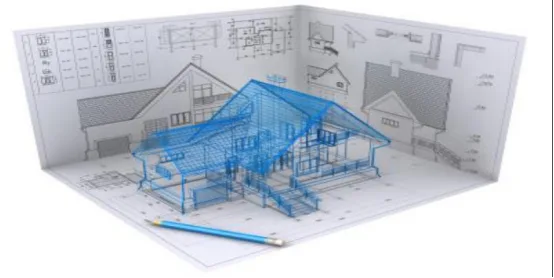
BIM technology leverages computer systems to parameterize all aspects of the construction process. The model includes both main structural components—such as walls, beams, columns, and slabs—and decorative elements like doors, windows, furniture, and exterior finishes, all represented graphically. These models can be designed and virtually constructed as needed, allowing for early identification of potential issues.
This virtual construction process aids investors in making well-informed decisions that maximize benefits. It supports design improvements, reduces costly changes, optimizes construction management, and enables intelligent operations management later in the project lifecycle. Ultimately, the primary goal for most stakeholders adopting BIM technology is to address problems early and deliver optimal, forward-looking solutions.
















Must log in before commenting!
Sign Up