
At the end of 2018, Hezao Society was commissioned by the Chongqing Laoba Art Museum to design a contemporary art installation by renowned French artist Christian Poltanski. This piece is part of the museum’s collection on Xiannv Mountain in Wulong, Chongqing. The artwork captures human heartbeats, giving the museum its name: the “Heartbeat Museum”.
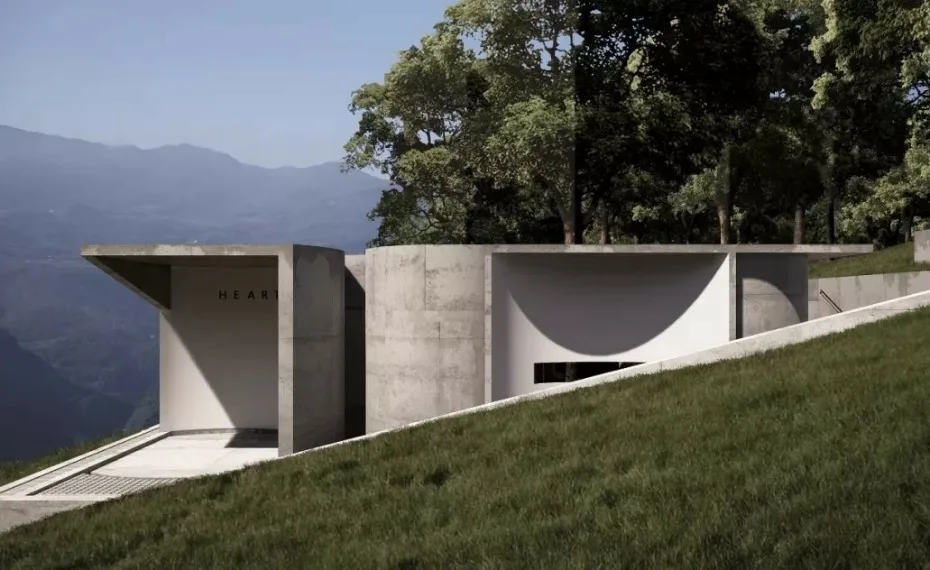
△ Heartbeat Museum © Chongqing Lazy Dam Art Museum
About Christian Poltanski and the ‘Heartbeat Archive’
“Death is not the end of life; forgetting is.” The heartbeat, a proof of life, deserves to be recorded, preserved, amplified, and shared with loved ones.
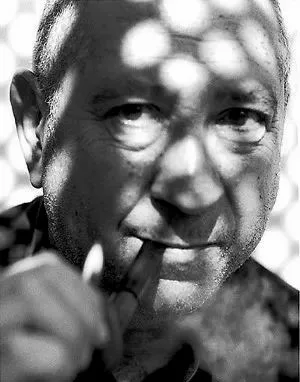
△ © network
Christian Poltanski was born in Paris in 1944, near the end of World War II. A celebrated French sculptor, photographer, painter, and filmmaker, his works are deeply influenced by themes of slaughter, disappointment, fate, and memory — reflections of his Jewish heritage and the impact of war.
Poltanski’s childhood was marked by the shadow of war: born on the twelfth day after Paris was liberated from German occupation, his father had hidden in their basement for months to avoid persecution. This early experience shaped Poltanski’s lifelong artistic exploration of life and existence.
Since 2008, Poltanski has traveled the world collecting human heartbeats, building a vast heartbeat archive. To date, his collection includes recordings from 120,000 individuals, all preserved on Japan’s Seto Inland Sea island.
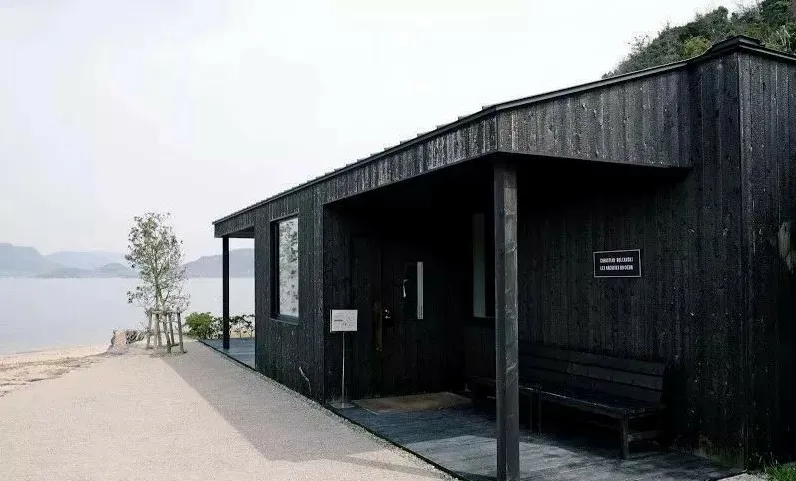
△ Heartbeat Archive on Setouchi Island © Lazy Dam Art Museum
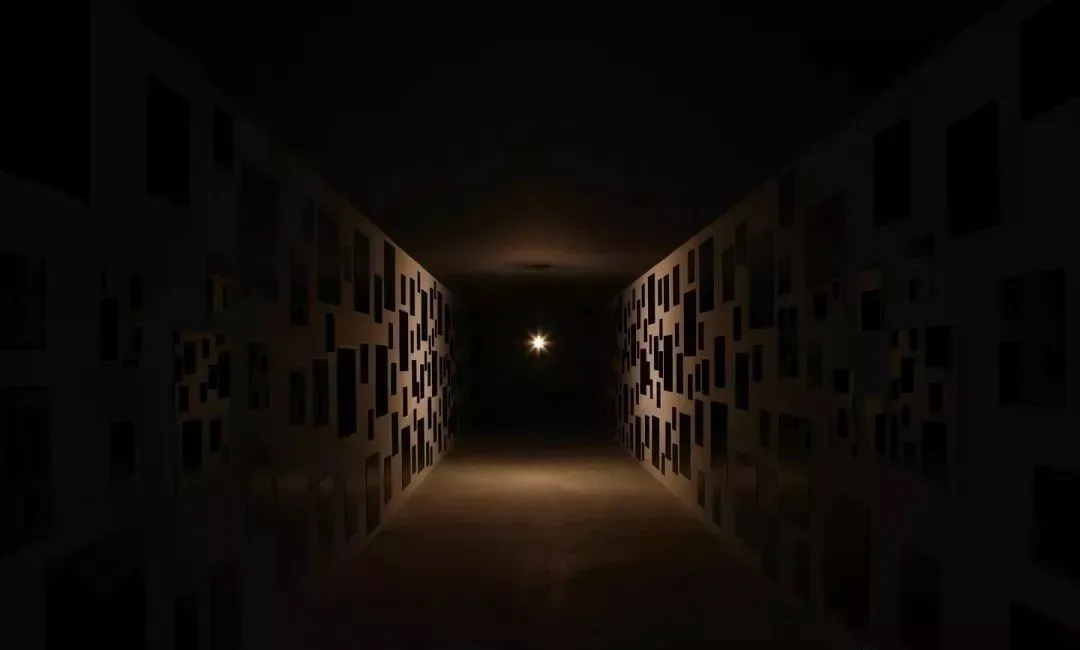
“Ventricular” device at the Setouchi Heartbeat Archive © Lazy Dam Art Museum
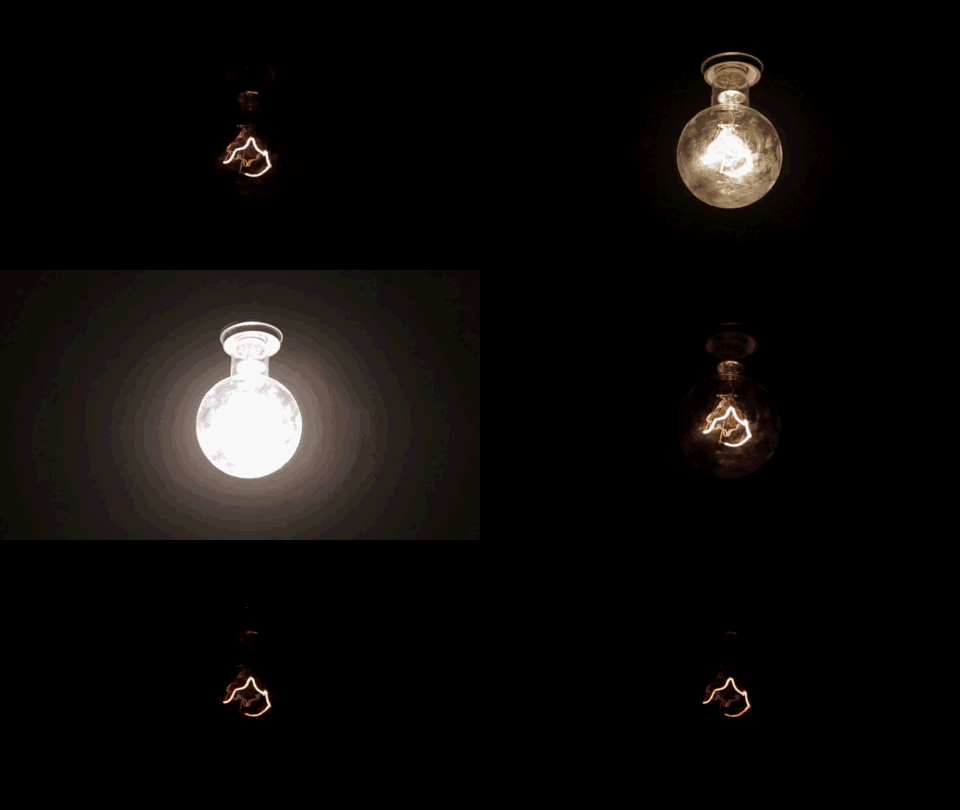
△ Local device: a flashing light inside the ventricle synchronized with heartbeat sounds © Lazy Dam Art Museum
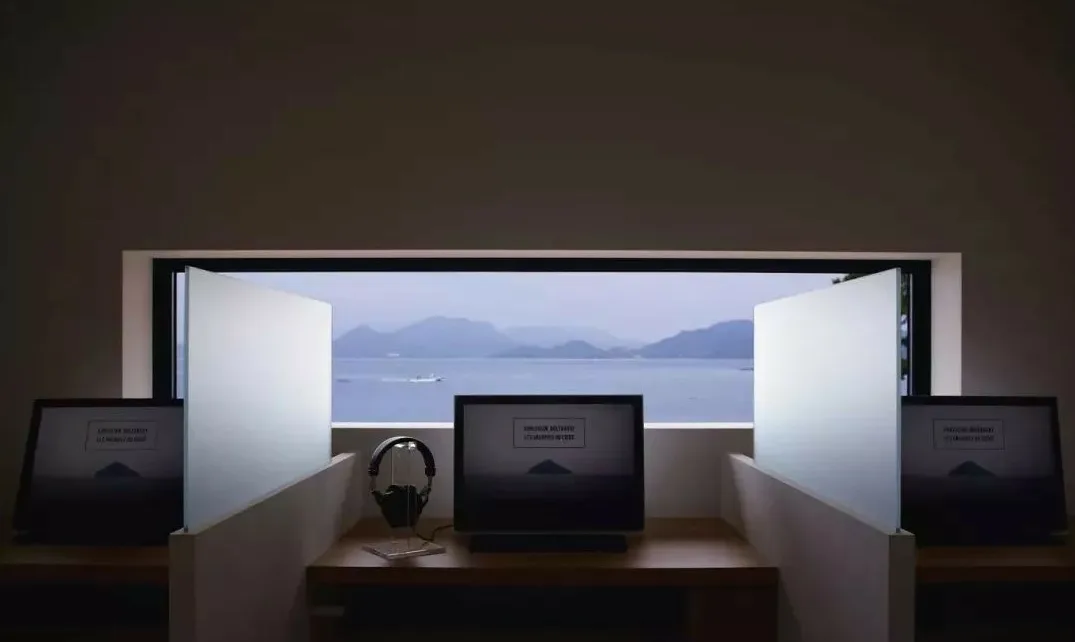
Search Area at Setouchi Heartbeat Archive © Setouchi Heartbeat Archive

△ Visitors record their own heartbeats at the Setouchi Heartbeat Archive © Setouchi Heartbeat Archive
After completing the Heartbeat Archive in Japan, Poltanski was invited eight years later by Chongqing’s Lazy Dam Art Museum to establish the Heartbeat Museum in Wulong, Chongqing, China, to continue collecting heartbeats from people around the world.
The Heartbeat Museum by Hezao Society
The Heartbeat Museum in Wulong is a continuation of the Setouchi Heartbeat Archive, designed with deep respect for the artist’s vision. While maintaining key functional and exhibition elements, the project introduces new creative highlights.
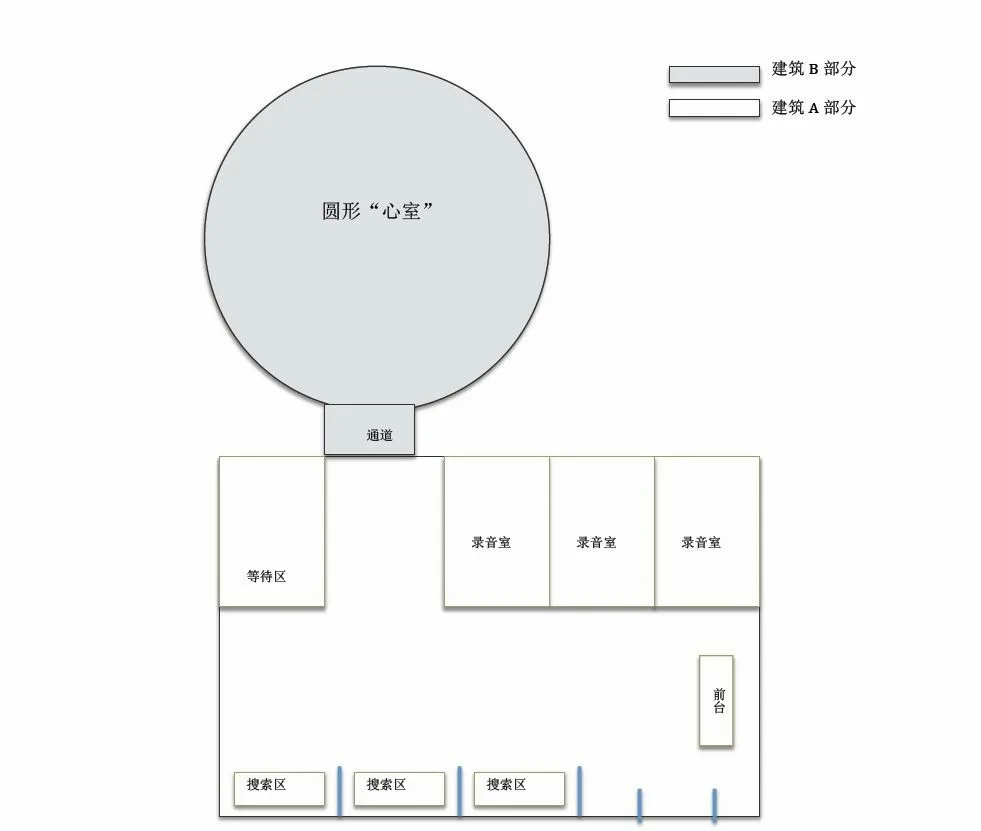
△ Functional exhibition plan provided by the artist to architects © Cooperative Society
The exhibition layout, inspired by the Setouchi archive, transforms the “ventricle” installation into a circular form, creating a space that is both blurred and angular, as envisioned by the artist.
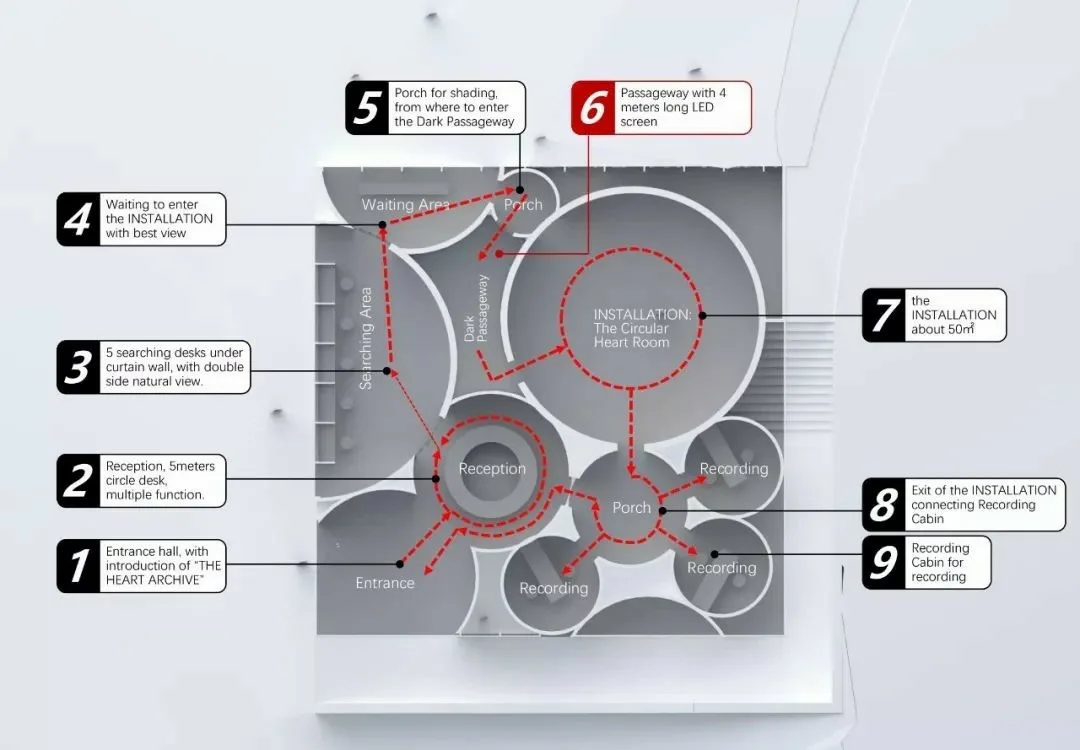
△ Graphic design of the Heartbeat Museum by the Cooperative Society © Cooperative Society
The architectural plan preserves the exhibition functions of the Setouchi archive while introducing new geometric relationships to reorganize visitor flow, offering a more engaging experience.

The architectural concept interprets the Heartbeat Museum as a square slice cut from the ripples of time and space caused by a heartbeat. © Cooperative Society
Mirroring the hidden nature of the Setouchi Heartbeat Archive nestled in a seaside forest, the Heartbeat Museum is designed to be “hidden” within the mountain canyon. The structure is partially sunk into the mountainside to blend seamlessly with the landscape.

Site selection for Heartbeat Museum © Cooperative Society
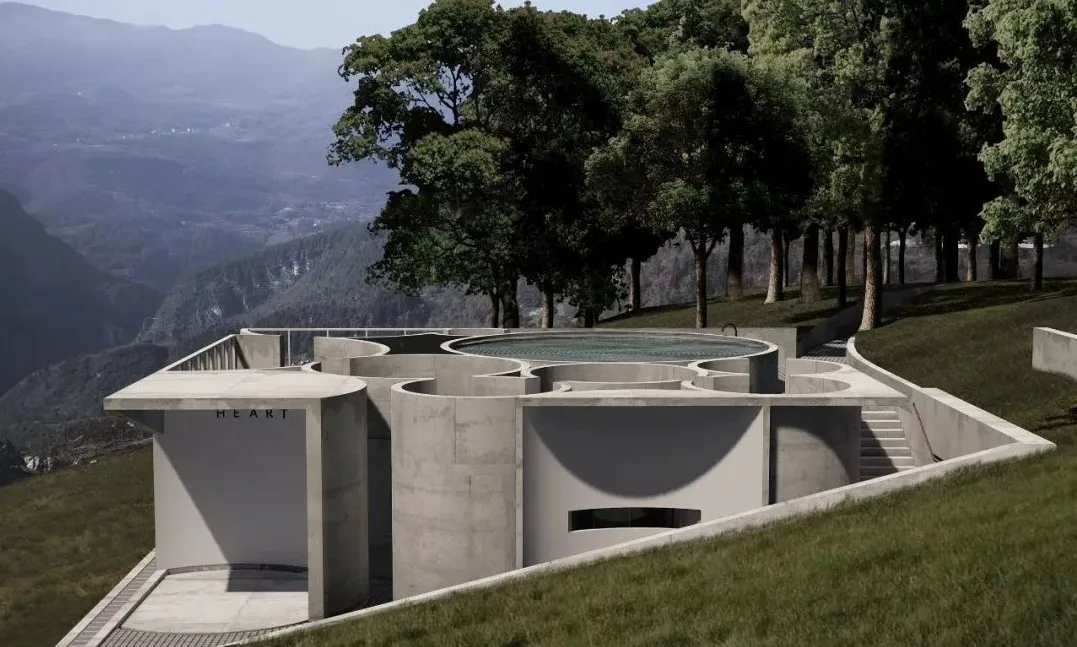
The building is embedded into the mountain, accessible only via a winding forest road that leads visitors to the Heartbeat Museum.
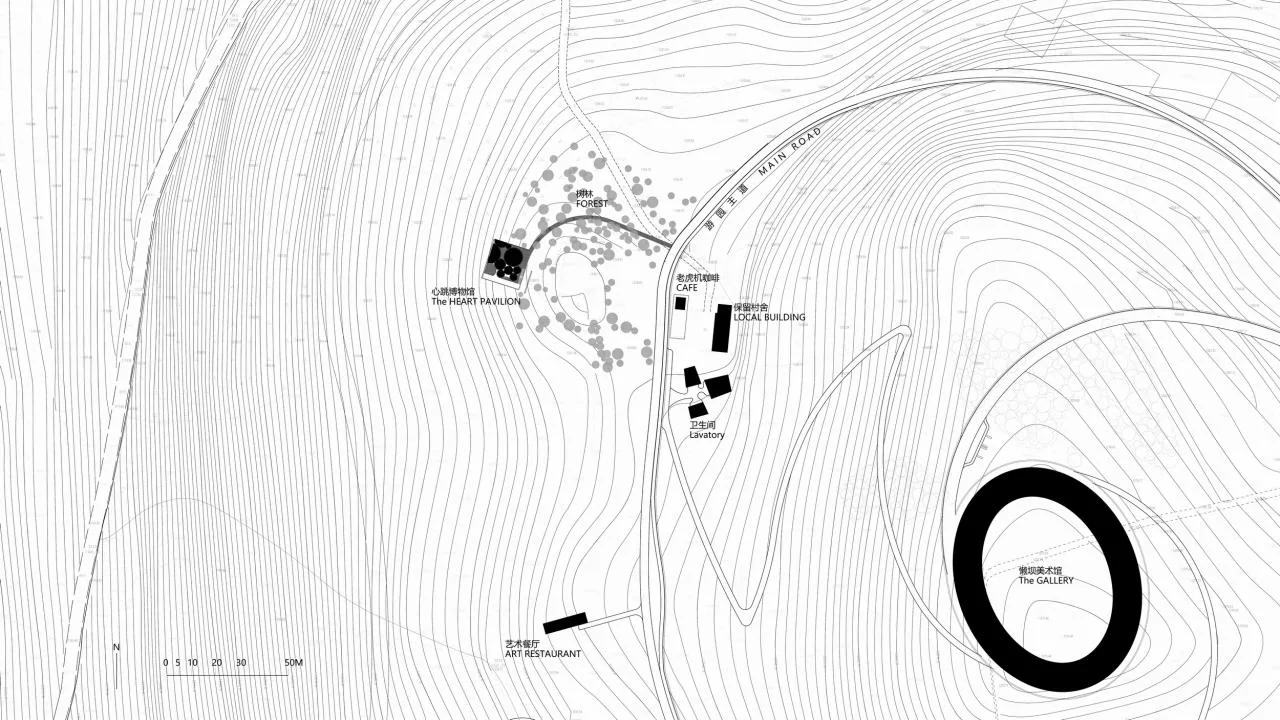
△ General layout © Cooperative Society
A winding road guides visitors through the forest, with synchronized heartbeat sounds emanating from the woods on both sides, setting the tone for the experience.
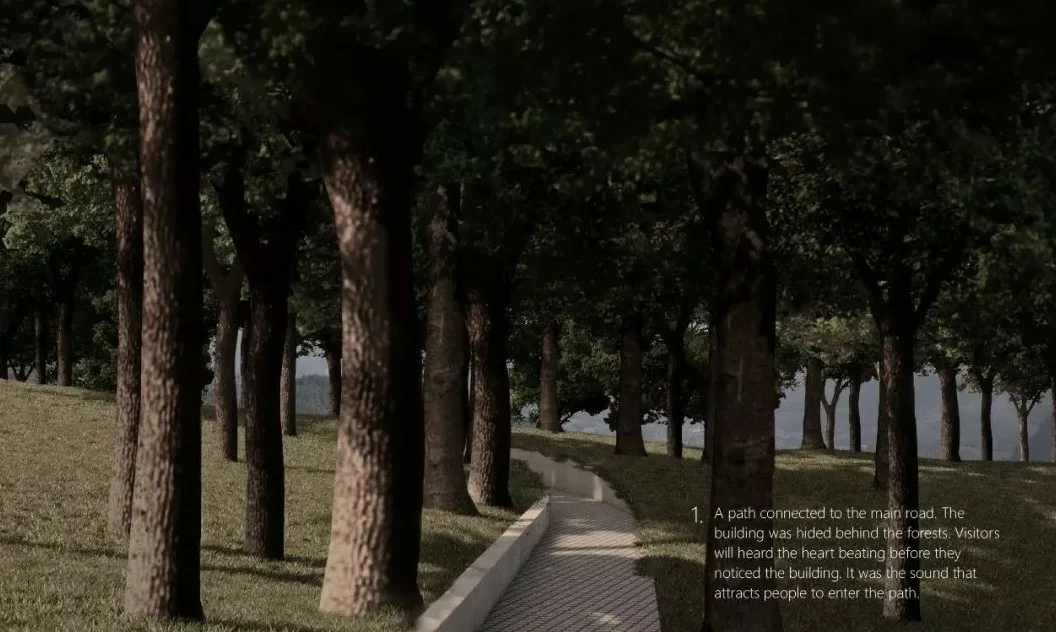
The path from the main road to the Heartbeat Museum is obscured by trees, with the building sunken into the mountain. Visitors first hear heartbeat sounds deep in the forest, then follow them toward the museum. This ritualistic journey gradually heightens the senses and shifts focus from the building’s exterior to the immersive experience, encouraging visitors to abandon preconceived visual notions.
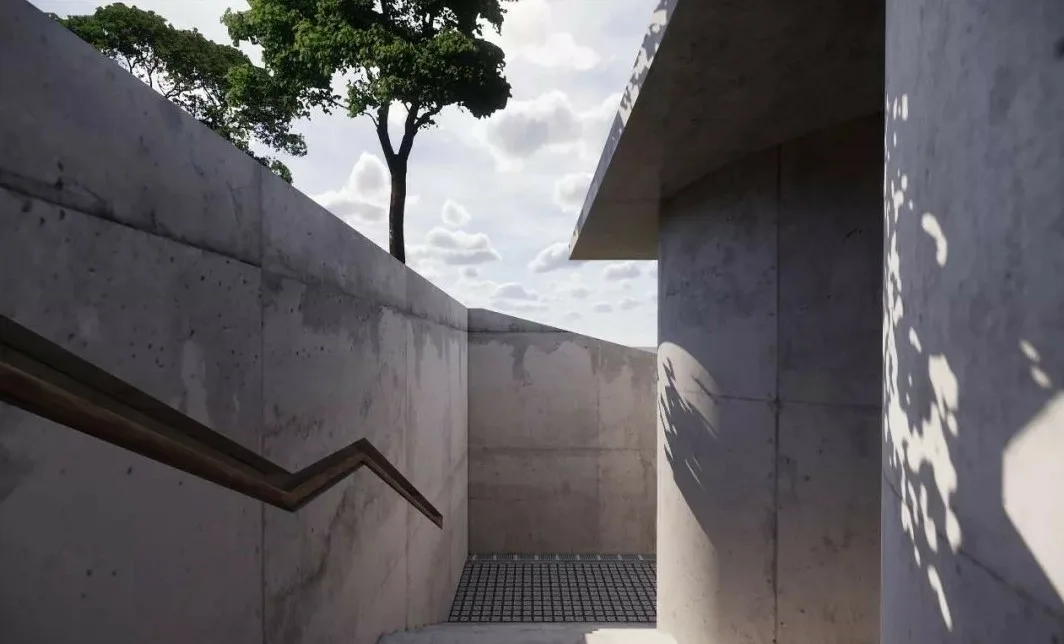
Visitors descend into the mountain through a staircase and building accessed via the forest path.
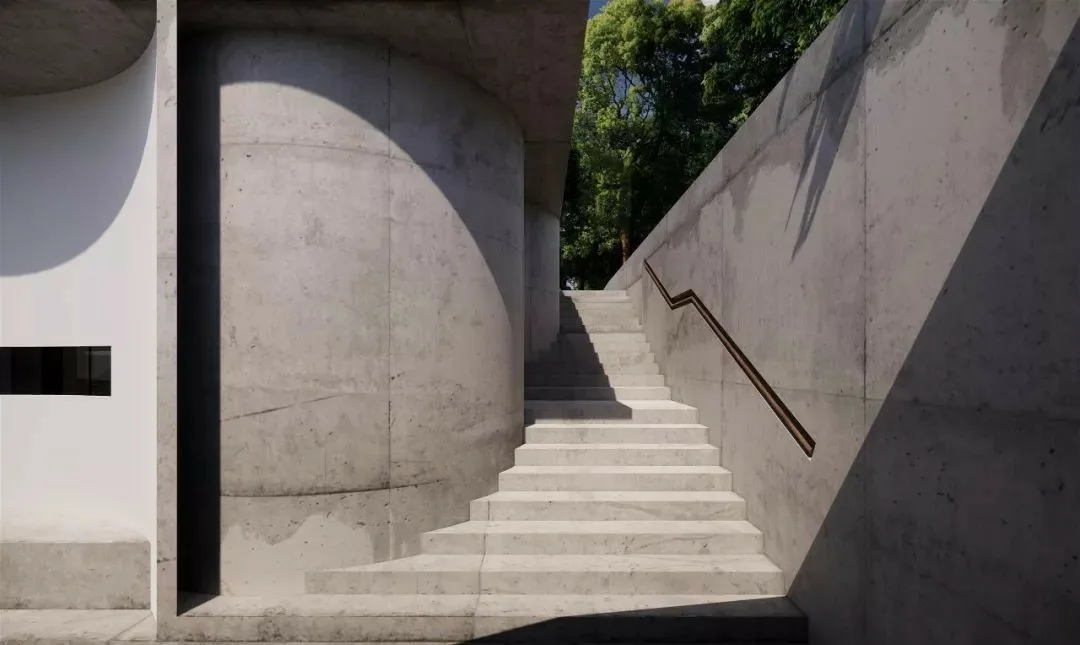
The stairs leading into the mountain are accompanied by wooden handrails integrated into the mountain’s boundary.
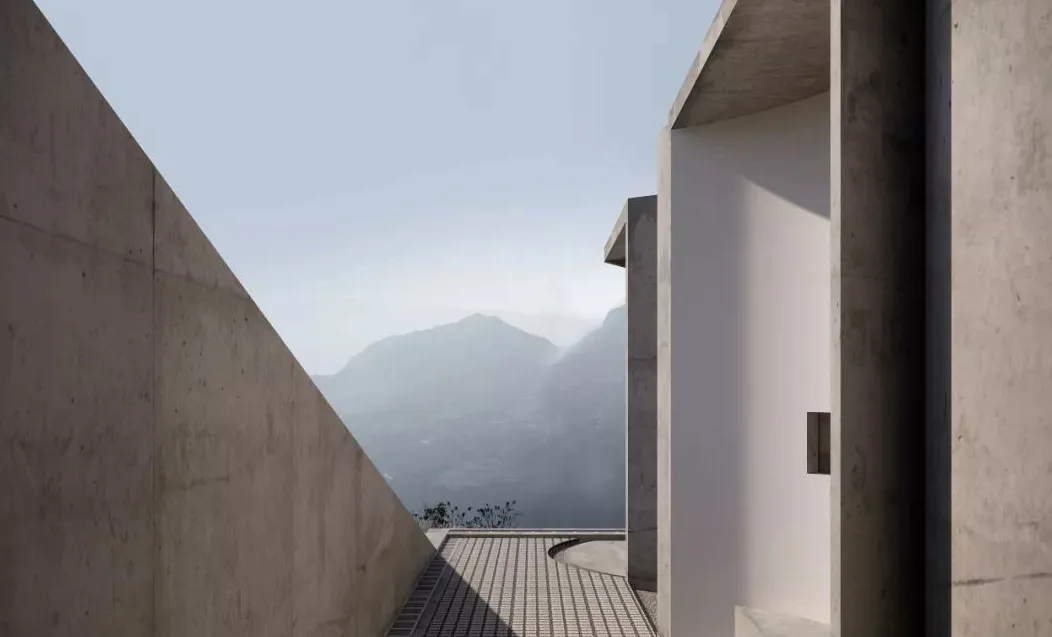
Rounding a corner of the building reveals a distant canyon carved by the mountain and structure. The entrance to the Heartbeat Museum lies at the end of the path.
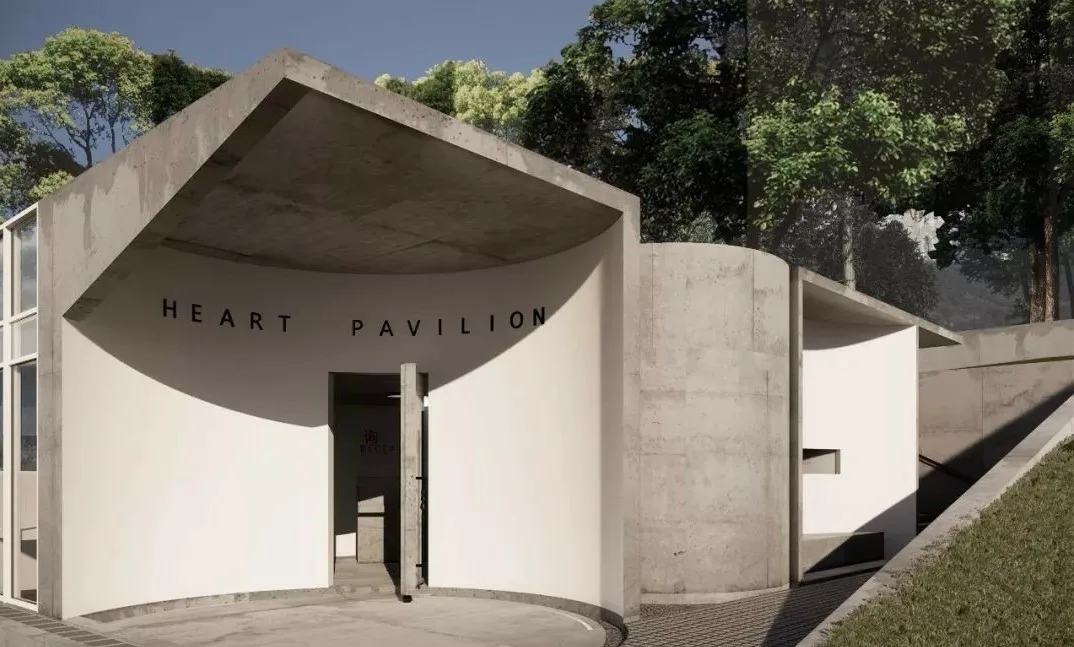
At the entrance, a thick concrete stone door symbolizes the artist’s contemplation of life and death.
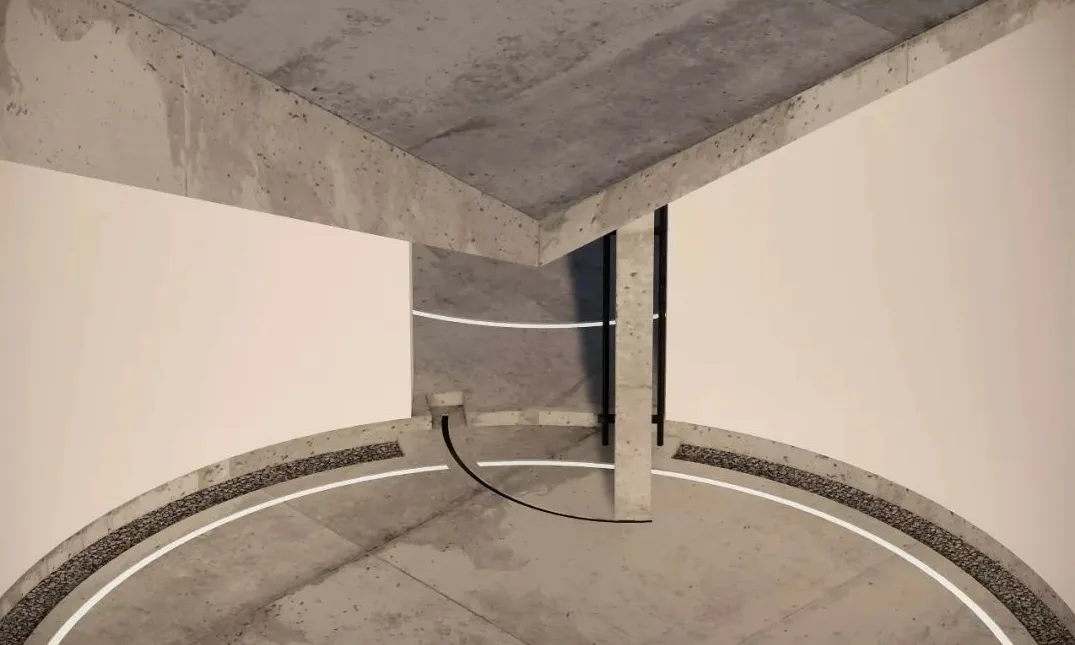
Concrete door construction details © Cooperative Society
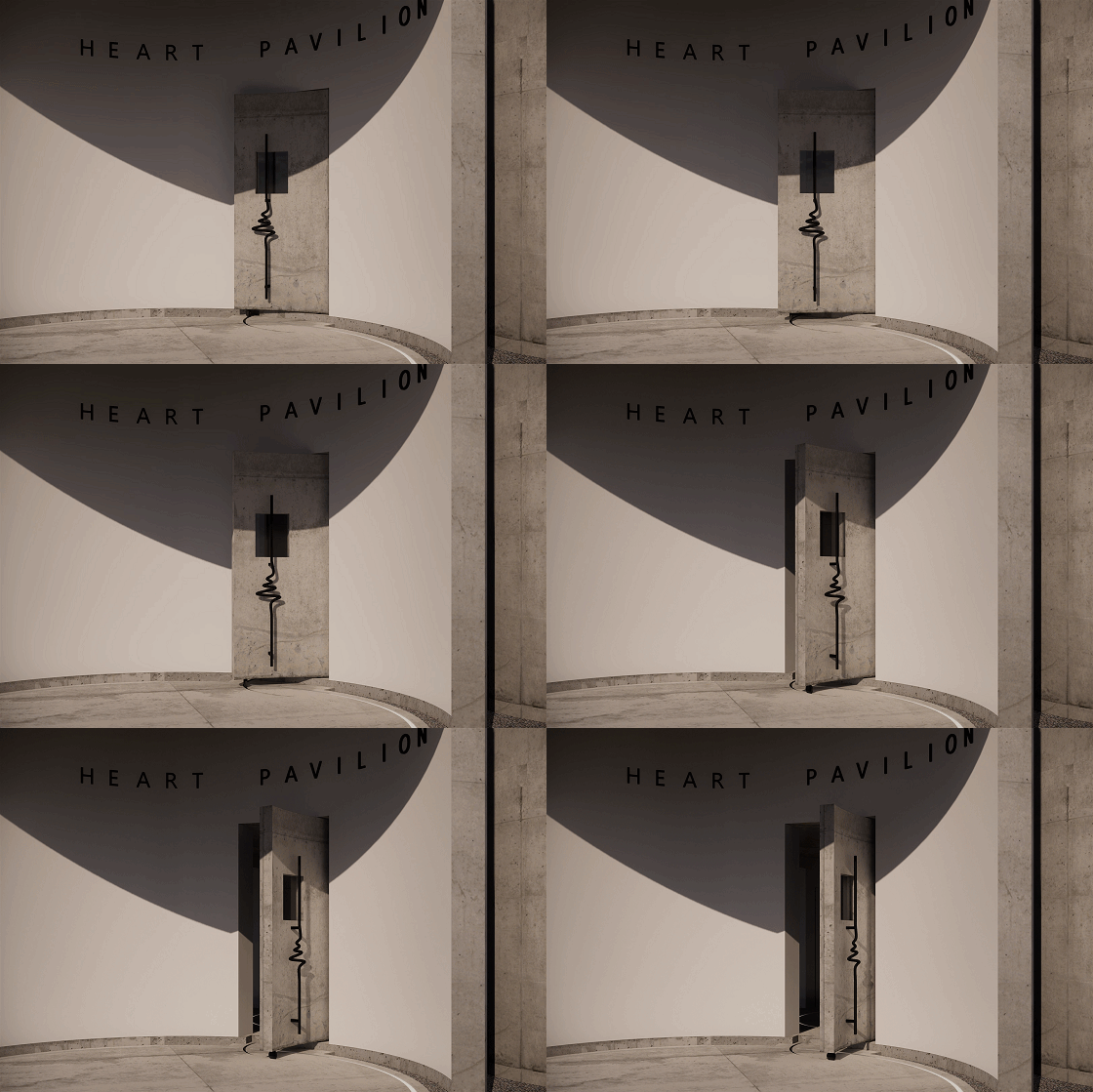
Opening the Stone Gate © Cooperative Society
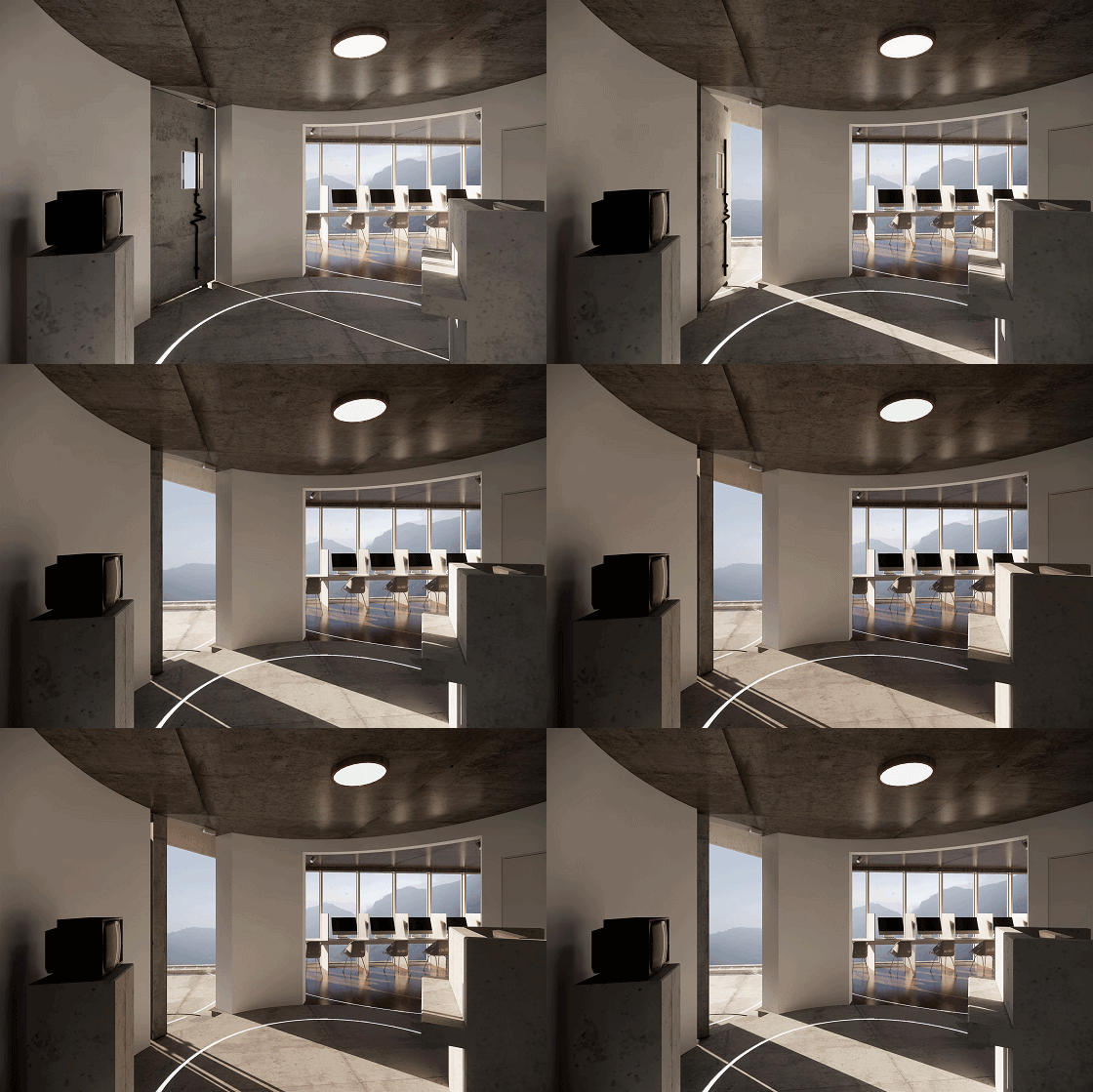
△ © Cooperative Society
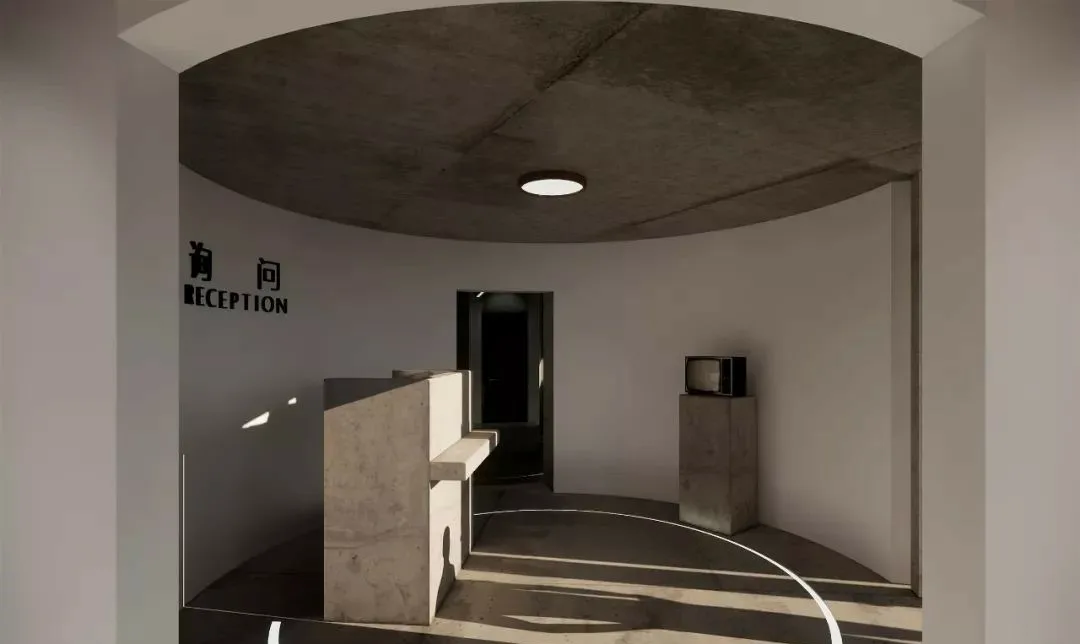
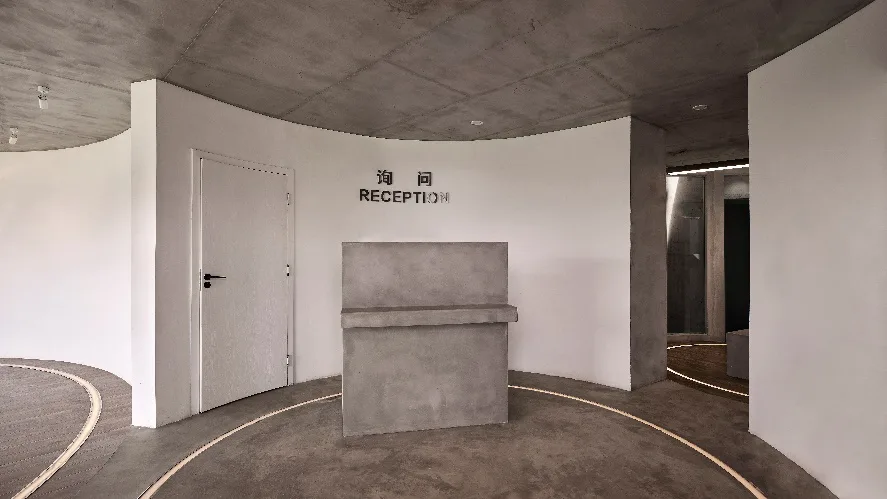
Inside, visitors enter the reception area of the Heartbeat Museum. The reception and document desks are constructed from concrete. A small door leads to the recording waiting area.
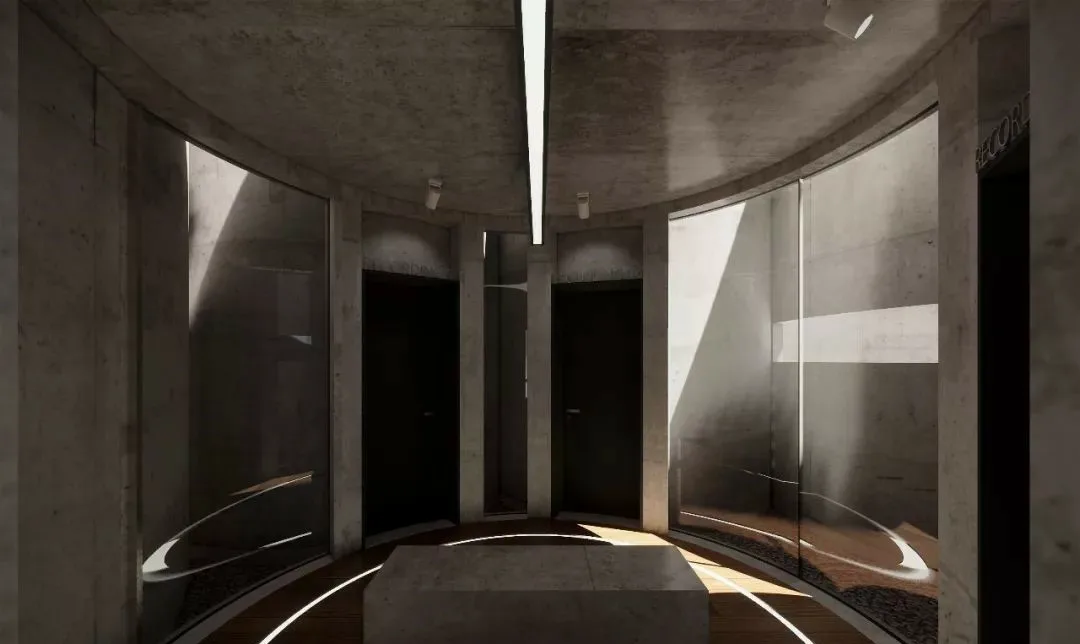
△ Recording waiting area
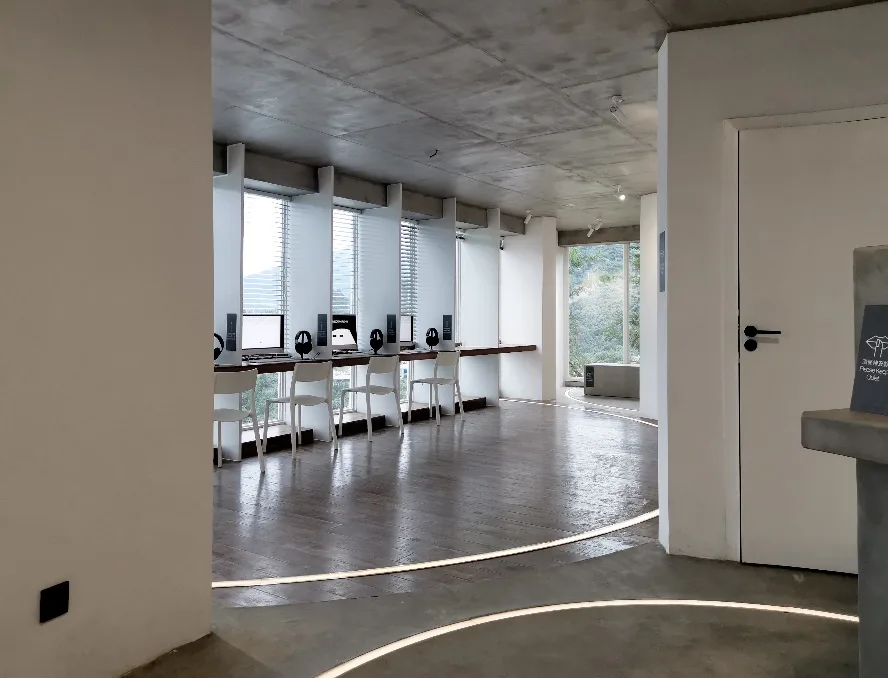
The recording waiting area blurs the boundary between inside and outside, illuminated by shifting light patterns that reveal the building’s circular design.
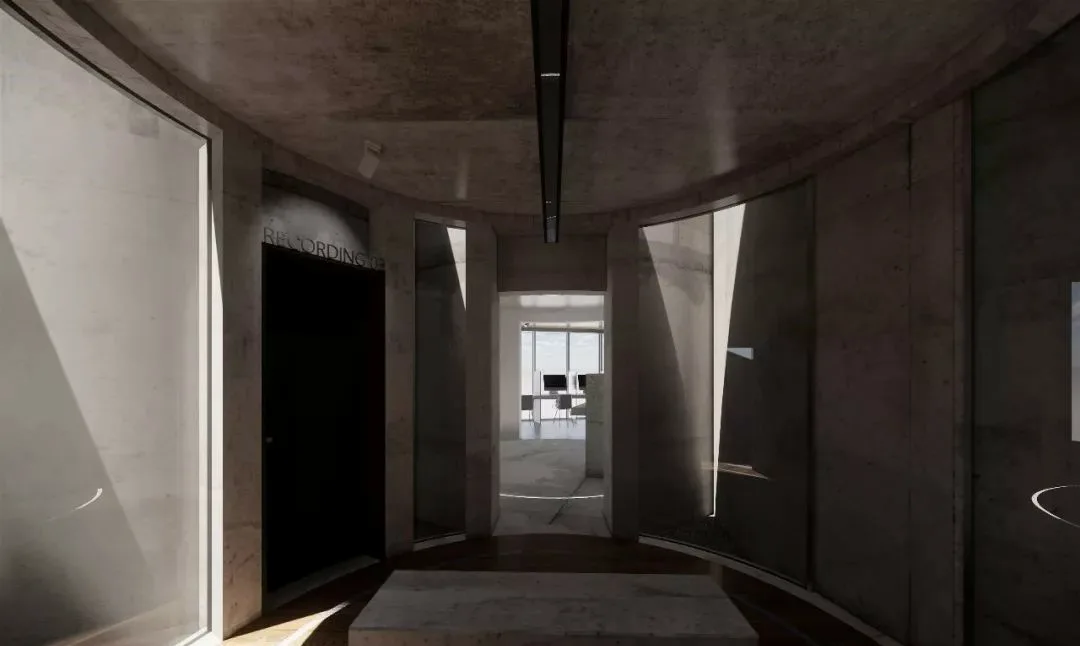
△ Recording waiting area © Cooperative Society
This area connects to three recording studios where visitors record and permanently archive their heartbeats.
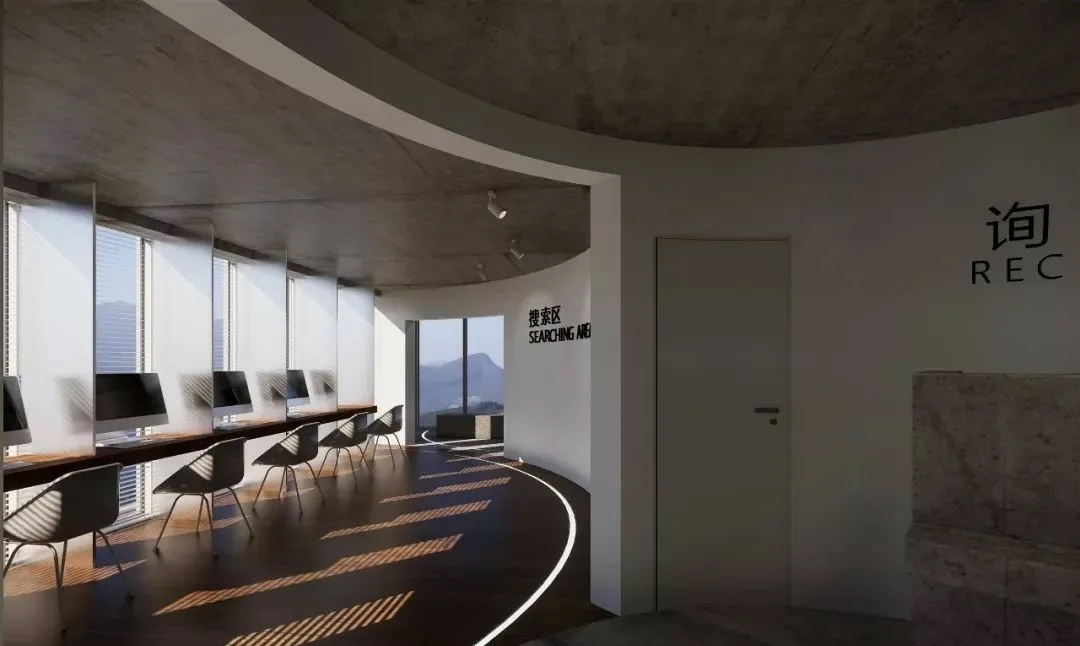
△ © Cooperative Society
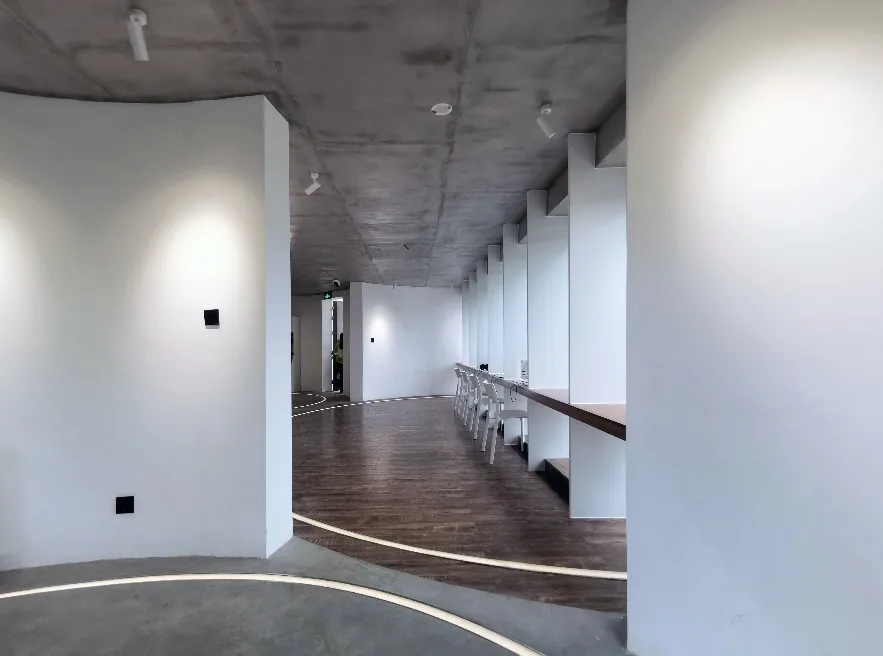
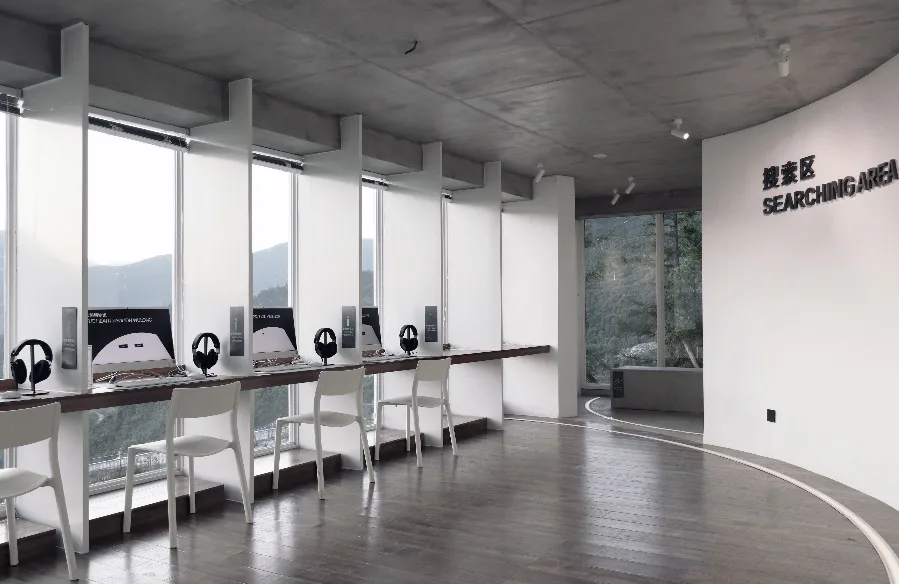
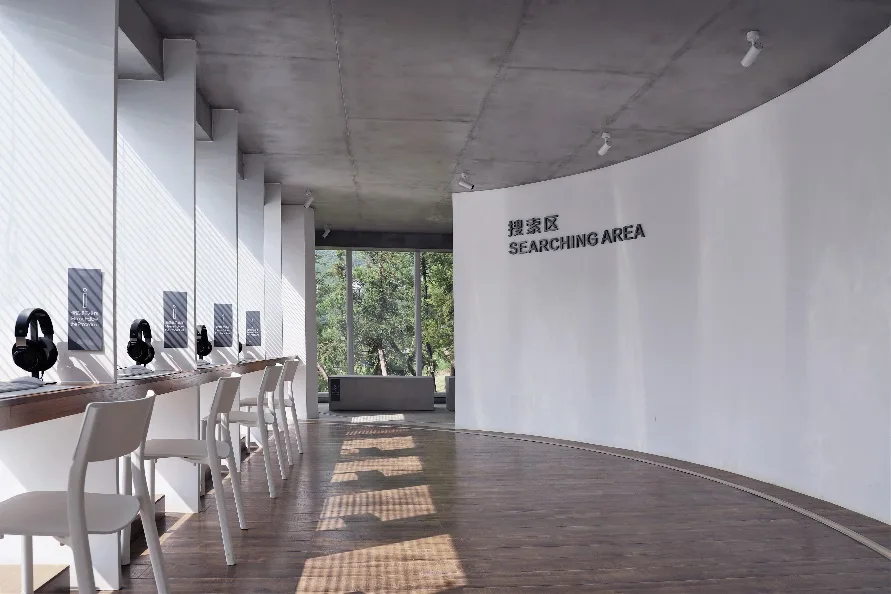
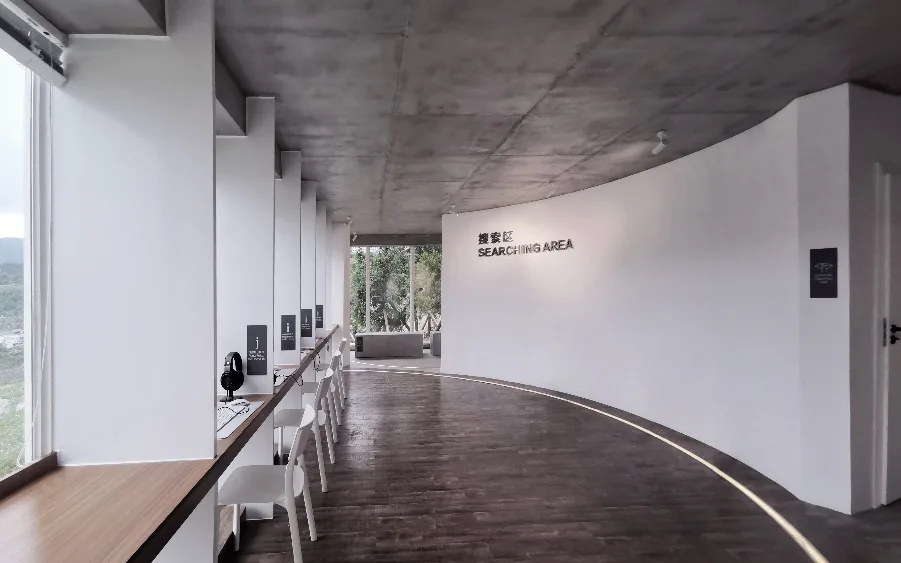
The opposite side of the reception connects to the search area, the most scenic room in the museum, overlooking the canyon.
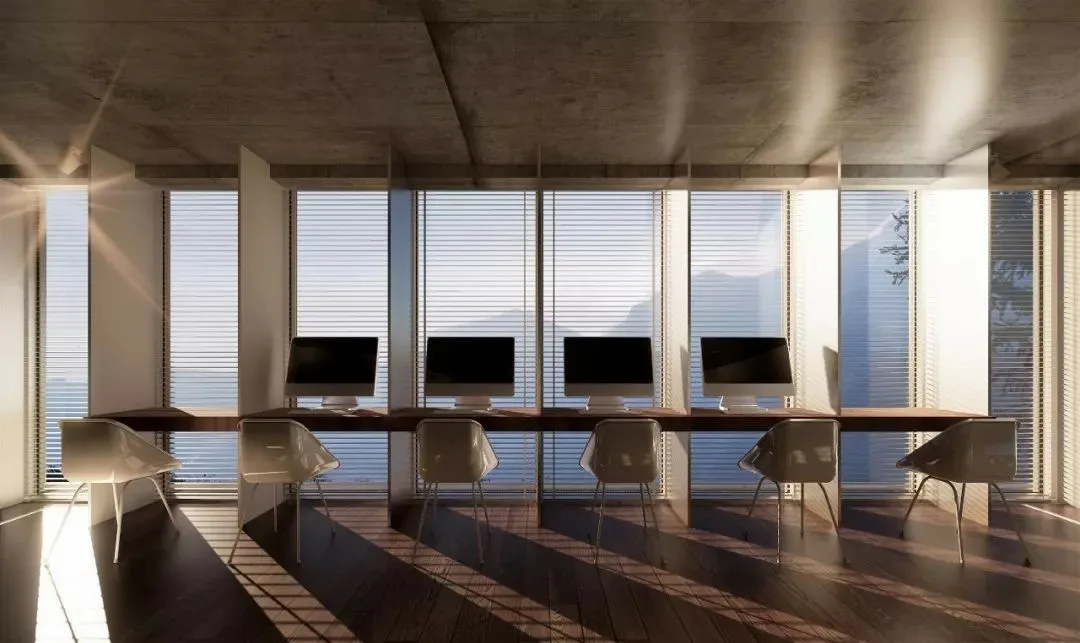
△ Search Area © Cooperative Society
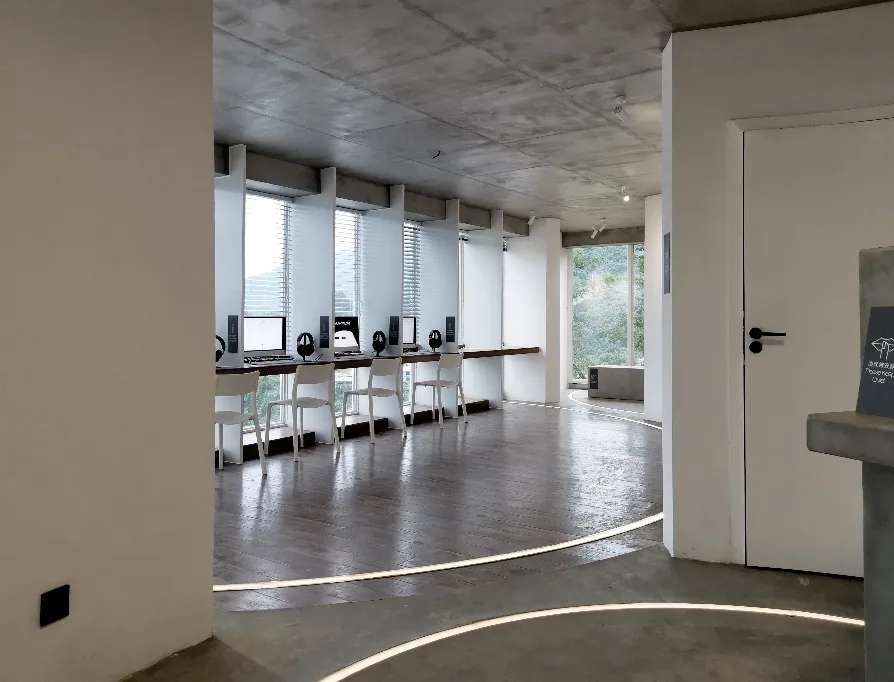
Visitors can access the search area to explore all heartbeat data stored in the archive, including their own. They then send the selected heart rate data to the “ventricle” device to listen and experience it.
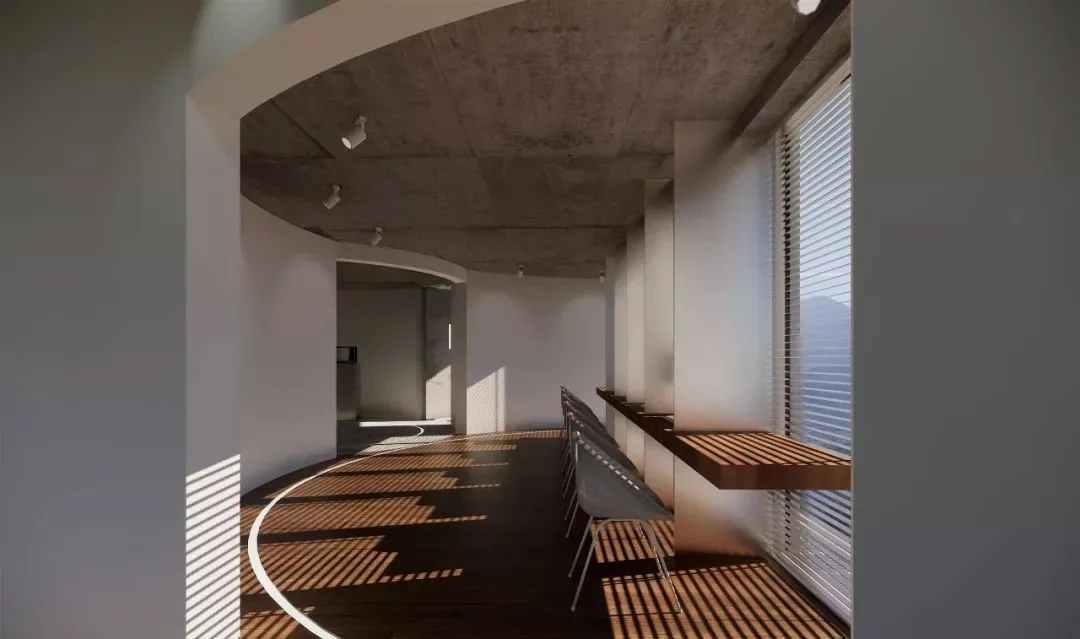
View of the search area from the waiting room © Cooperative Society
The waiting area faces the canyon, the museum’s most breathtaking view. This intimate space controls visitor flow into the ventricle, passing through a specially designed light-proof room before entering the heart of the museum: the artist’s installation known as the “ventricle.”
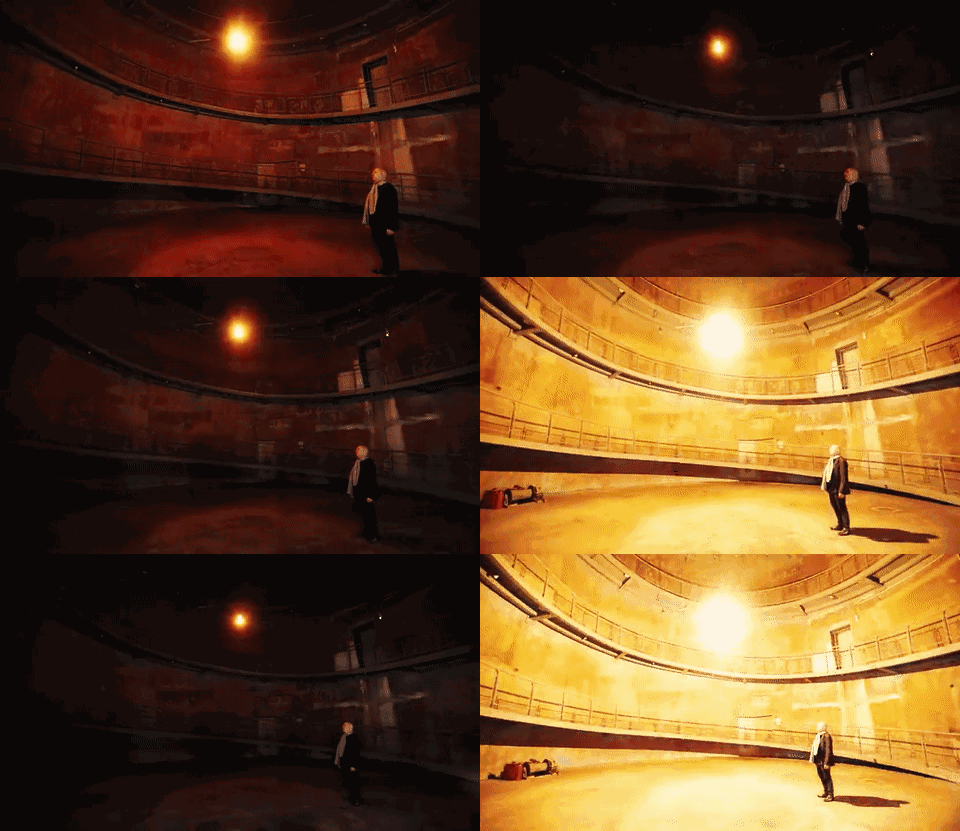
Shanghai Museum of Contemporary Art: Poltanski inside the Heart Chamber playing his own heartbeat © Shanghai Museum of Contemporary Art
The ventricle is a circular chamber with a flashing incandescent lamp suspended in its center. The light’s flashing frequency matches the heartbeat sound played simultaneously. The image above shows Poltanski’s heartbeat device at the Shanghai Museum of Contemporary Art.
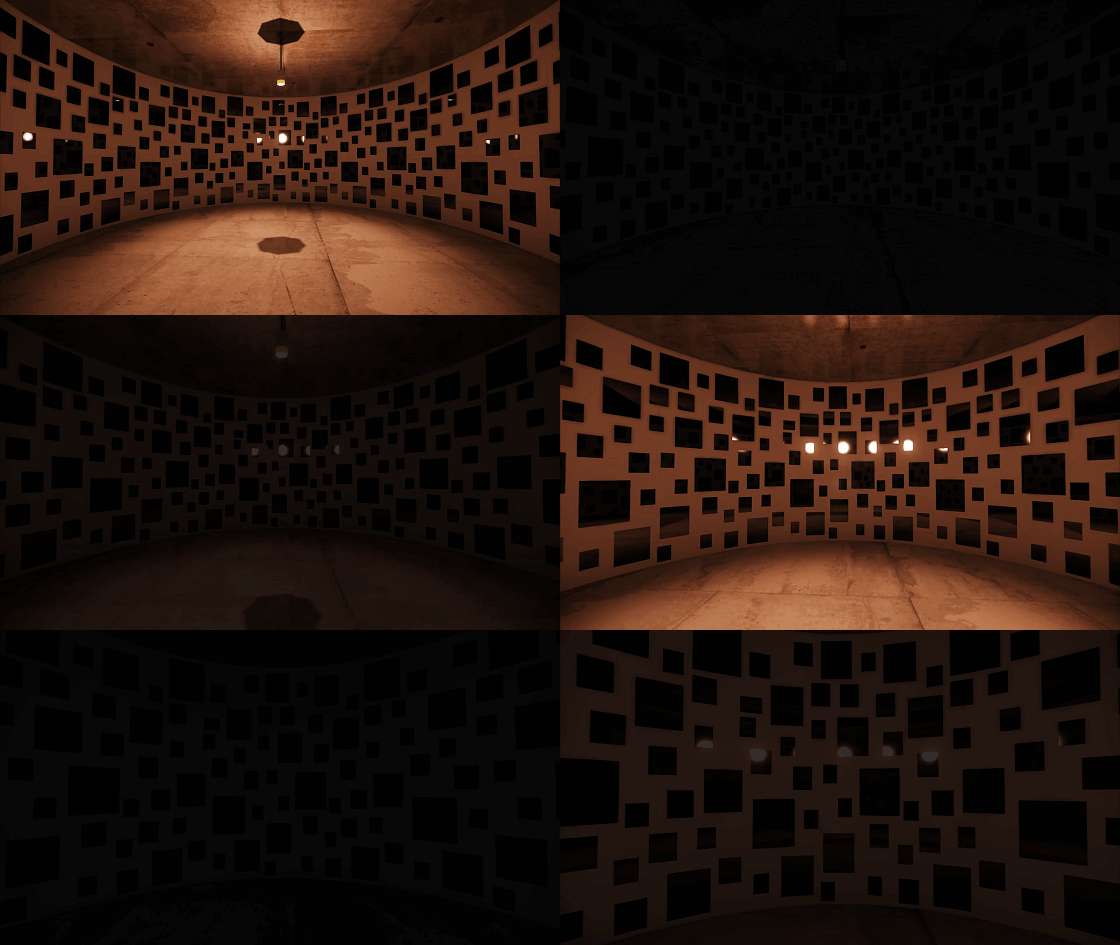
The ventricle in the Heartbeat Museum © Cooperative Society
The ventricle is a fully immersive installation, lined with black mirrored acrylic panels embedded into the walls. These surfaces reflect the flashing lamp, allowing visitors to see countless reflections of themselves pulsing at their heartbeat’s rhythm. Accompanied by amplified heartbeat sounds, the space and body resonate together, creating a powerful and contemplative experience.
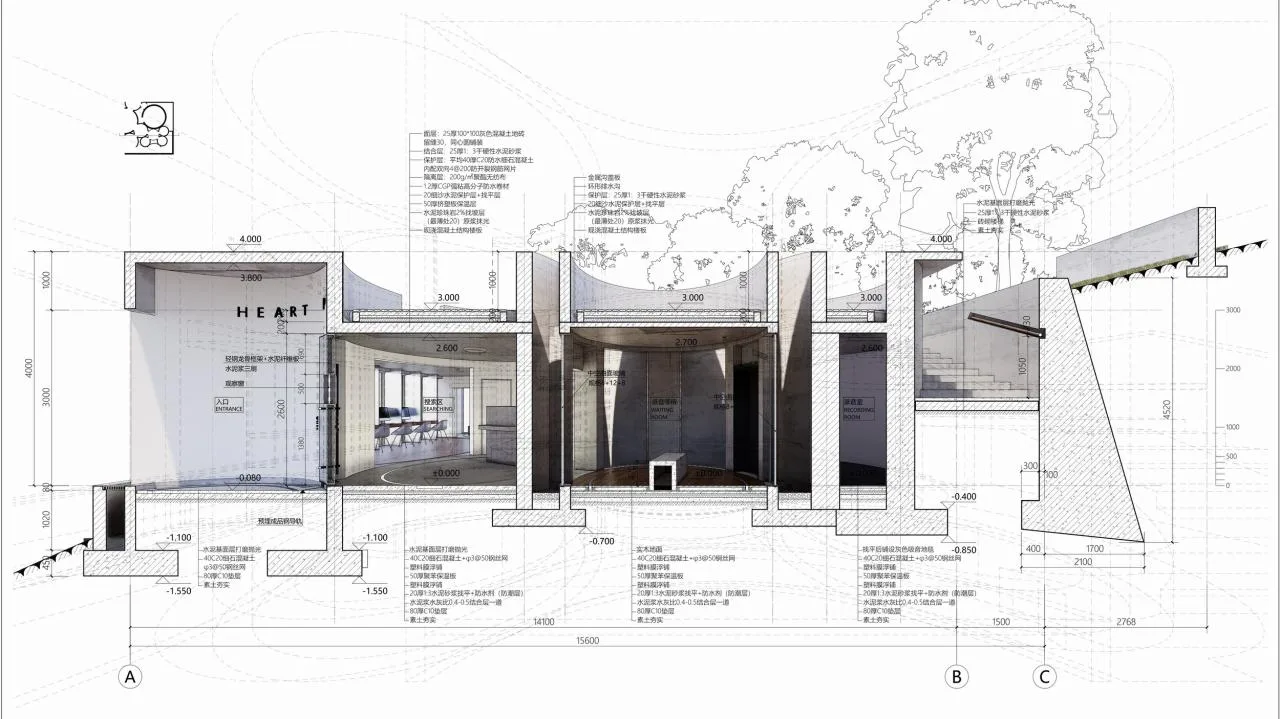
△ Profile 01
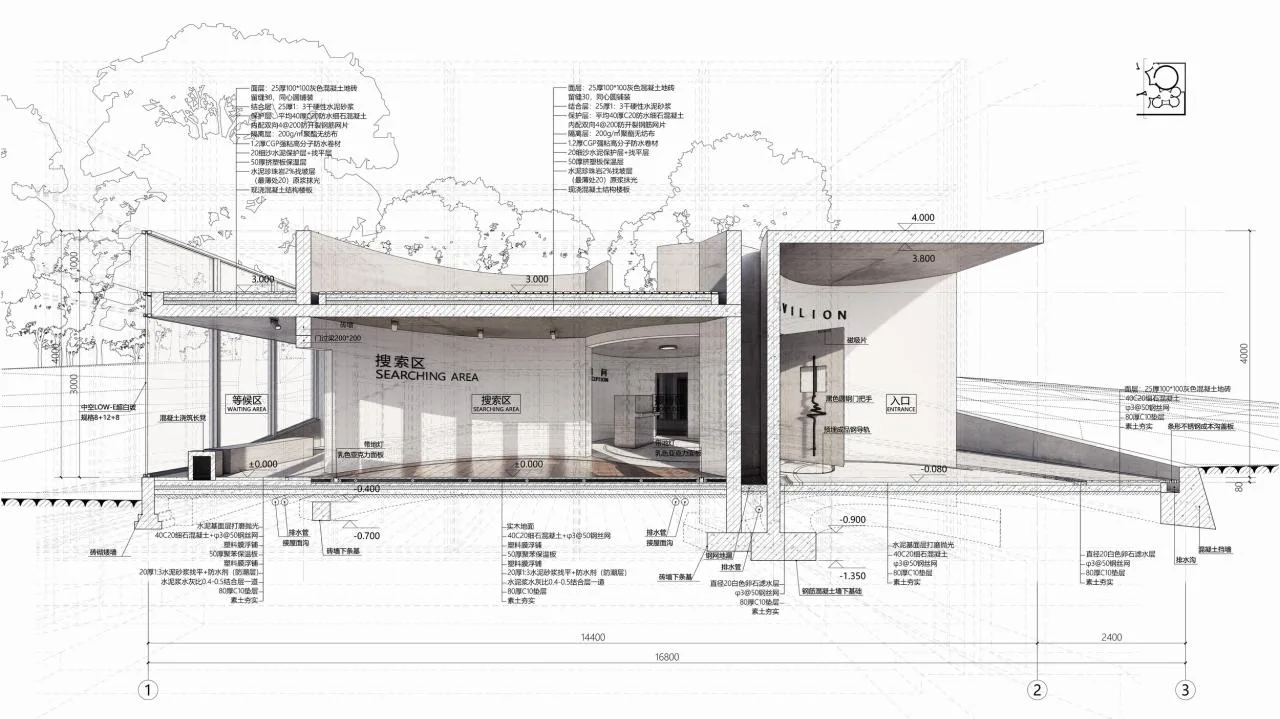
△ Profile 02
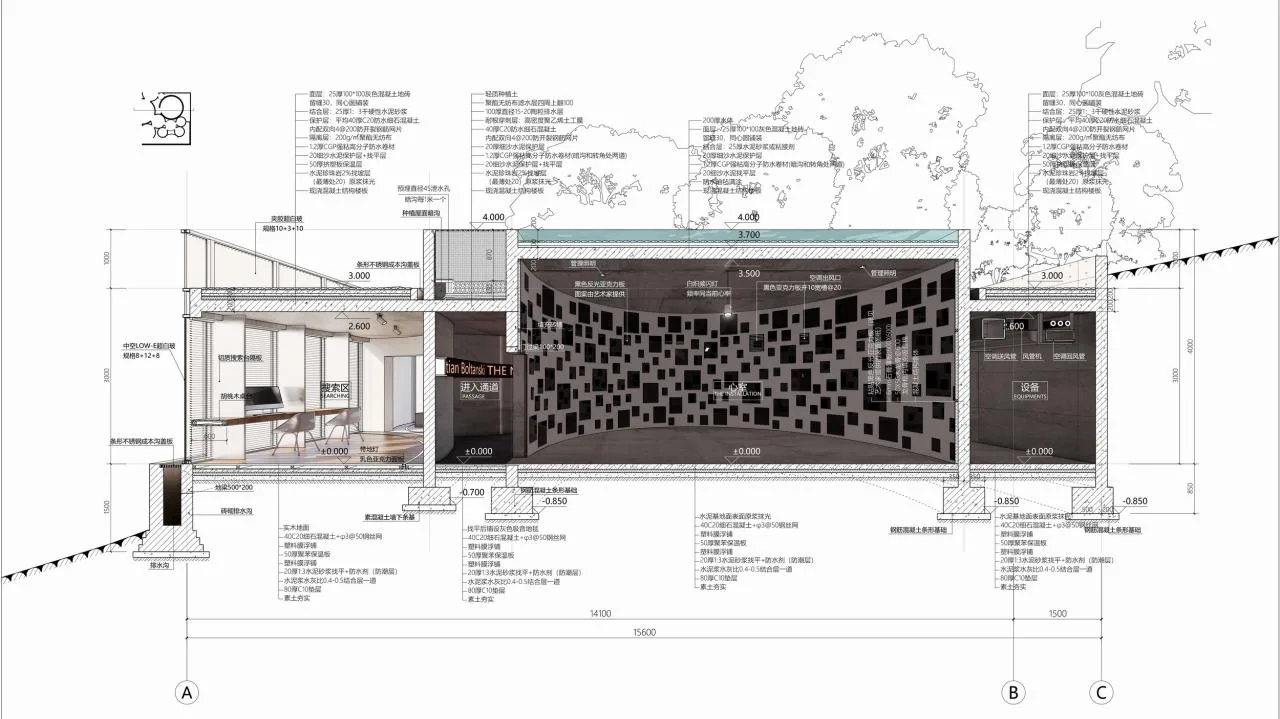
△ Profile 03
Construction and Opening
Construction of the Heartbeat Museum began in April 2019. This project marked the first undertaken by the Cooperative Society in that year.
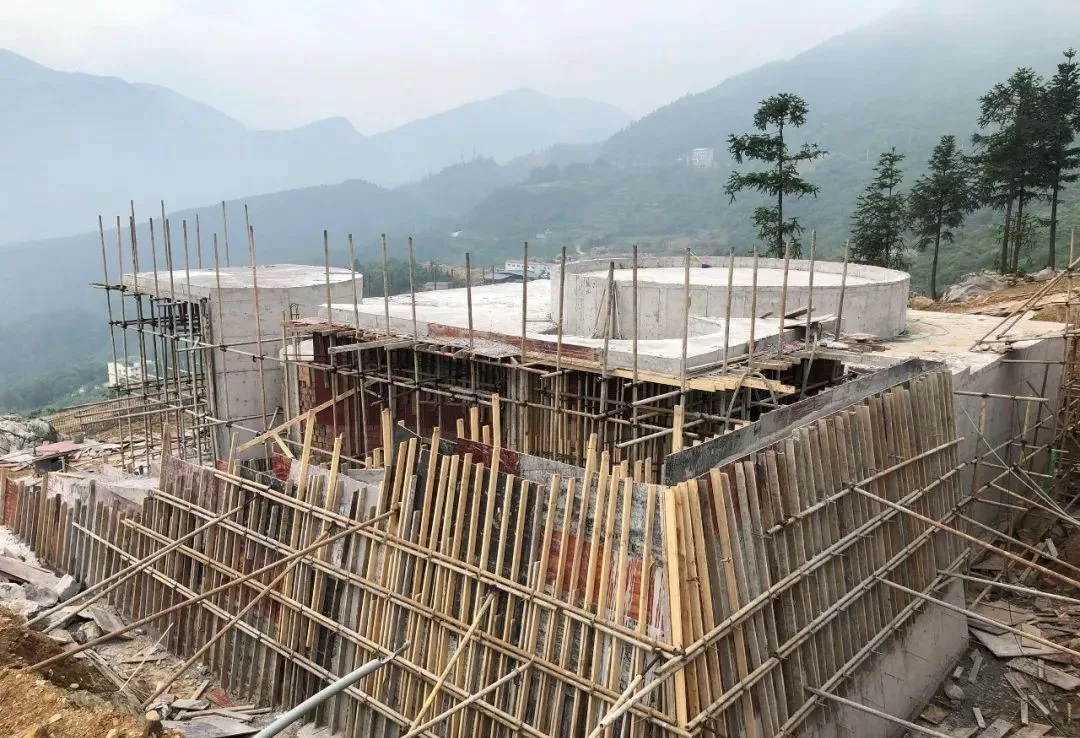
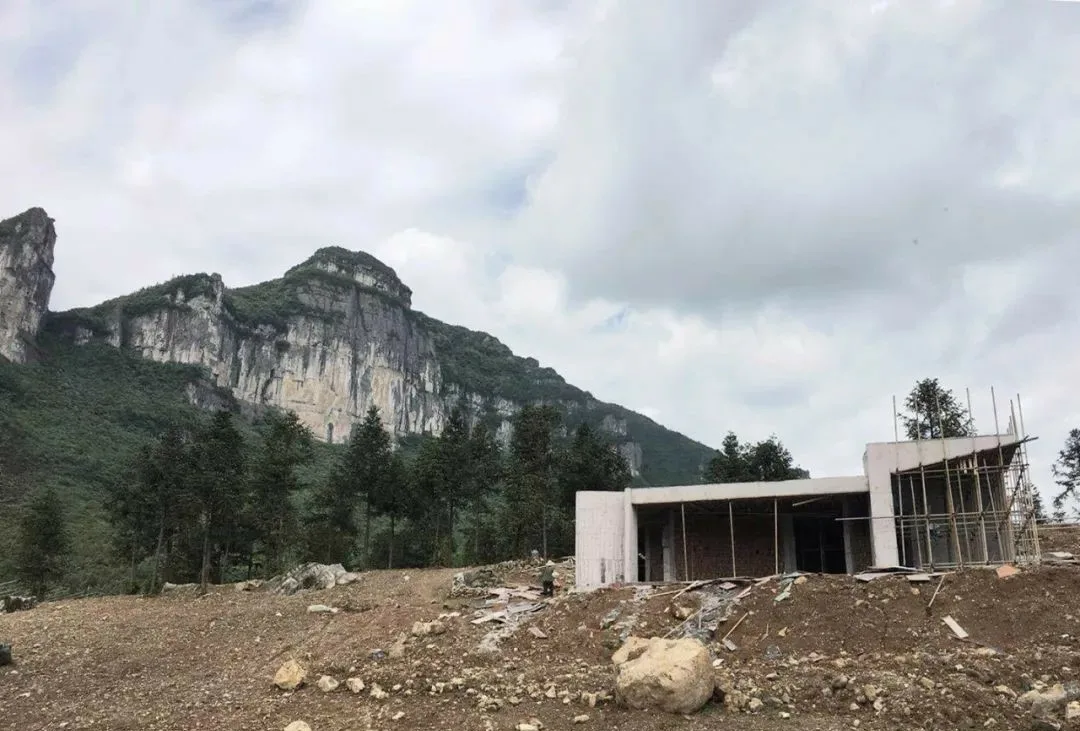
Heartbeat Museum under construction © Lazy Dam Art Museum (May 2019)
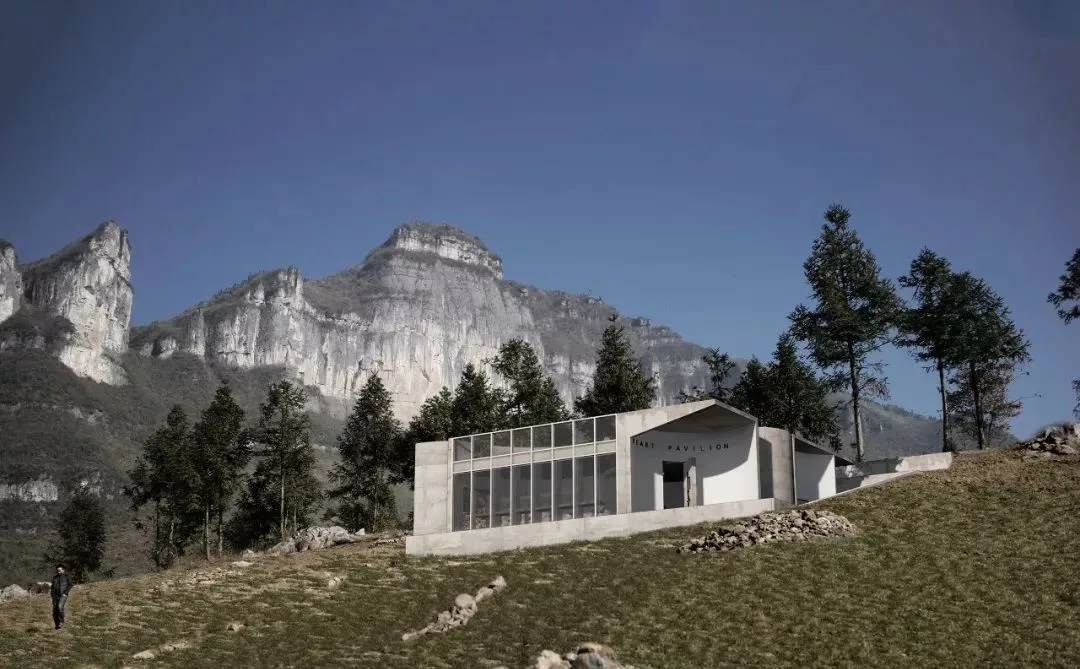
△ Heartbeat Museum alongside Fairy Mountain and Shangyan © Lazy Dam Art Museum
By June 2019, the main construction was complete. The museum officially opened on August 3, 2019, coinciding with the launch of the Lazy Dam International Land Art Festival.
“Death is not the end of life; forgetting is.” The heartbeat that proves life will be recorded, preserved, amplified, and listened to by loved ones. The Heartbeat Museum invites everyone to participate in this timeless journey within the infinite flow of time.
We hope you appreciate this intimate and meaningful space.
Outdoor Views:
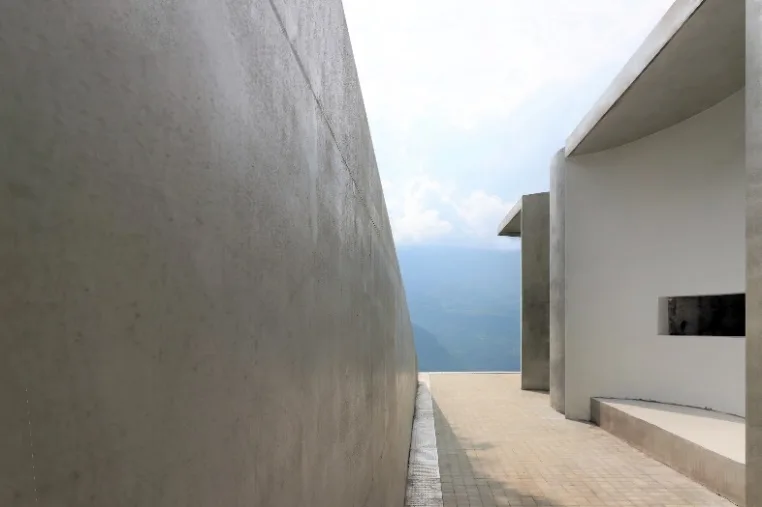
△ © Cooperative Society
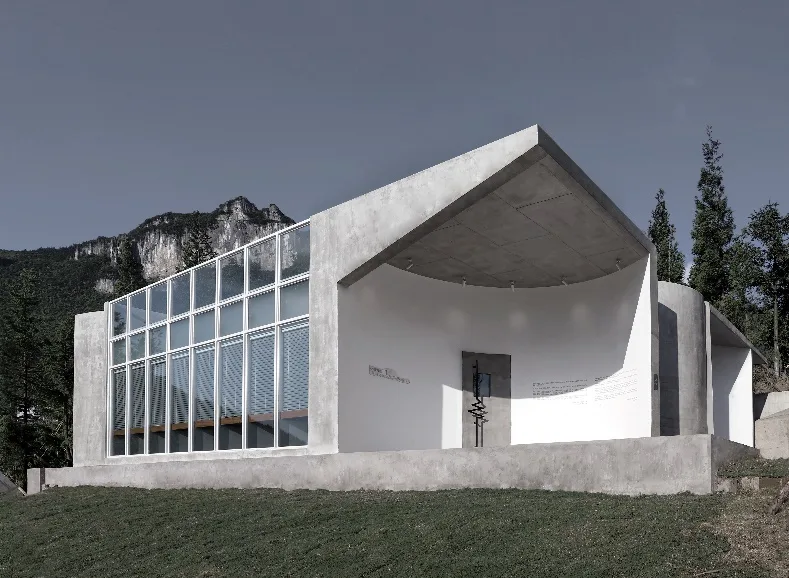
△ © Yao Yuan
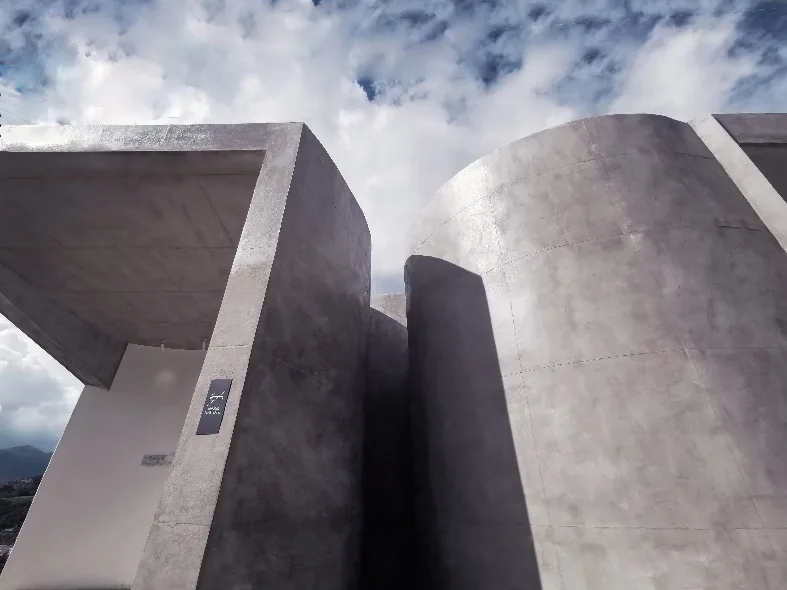
△ © Cooperative Society
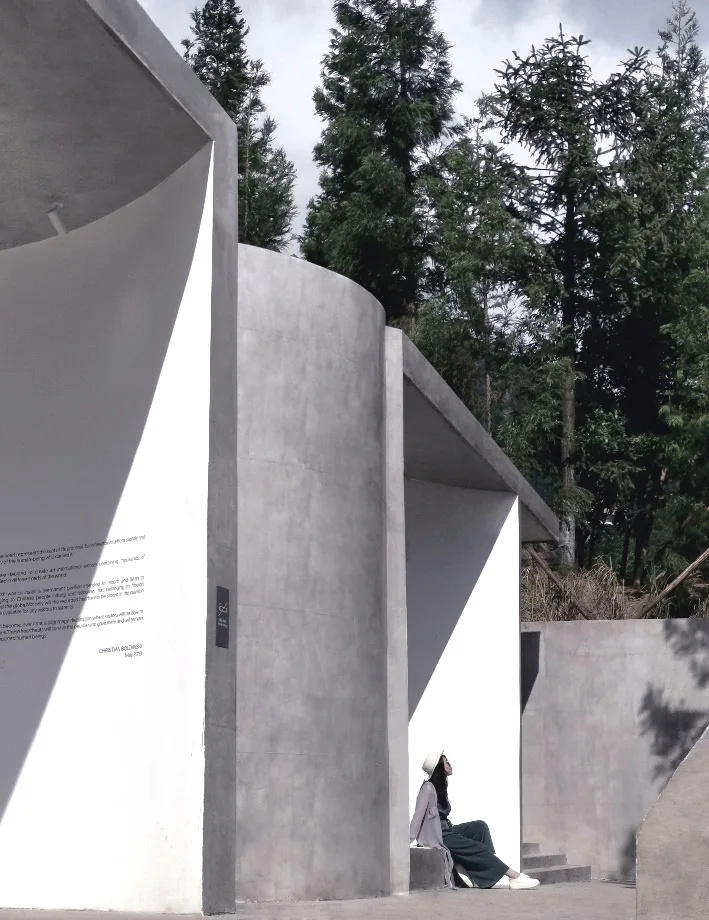
△ © Cooperative Society
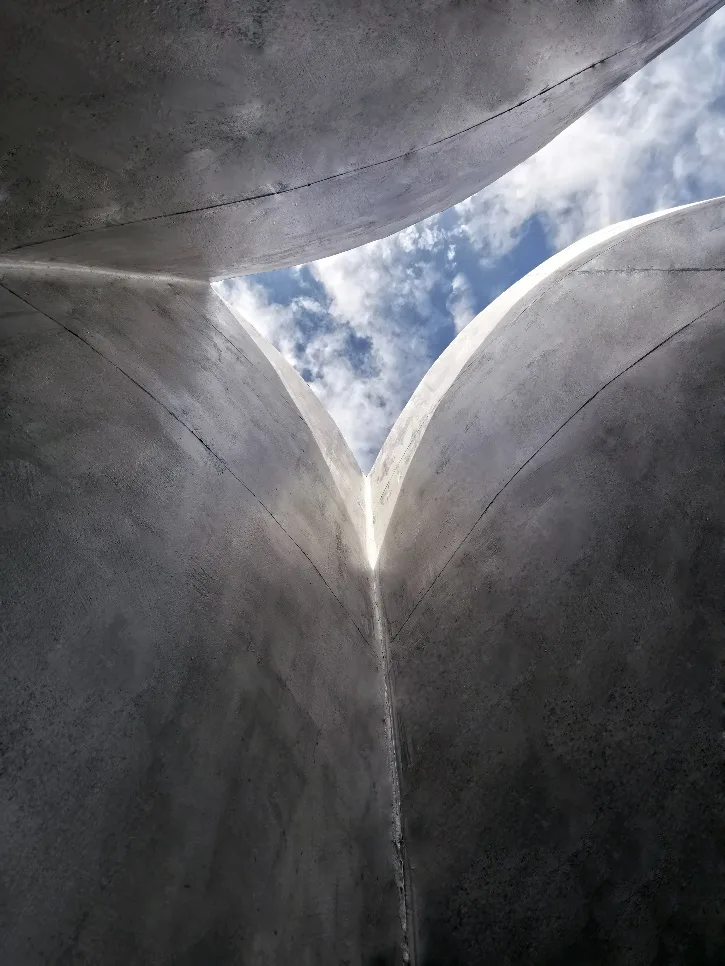
△ © Cooperative Society
Indoor Views:
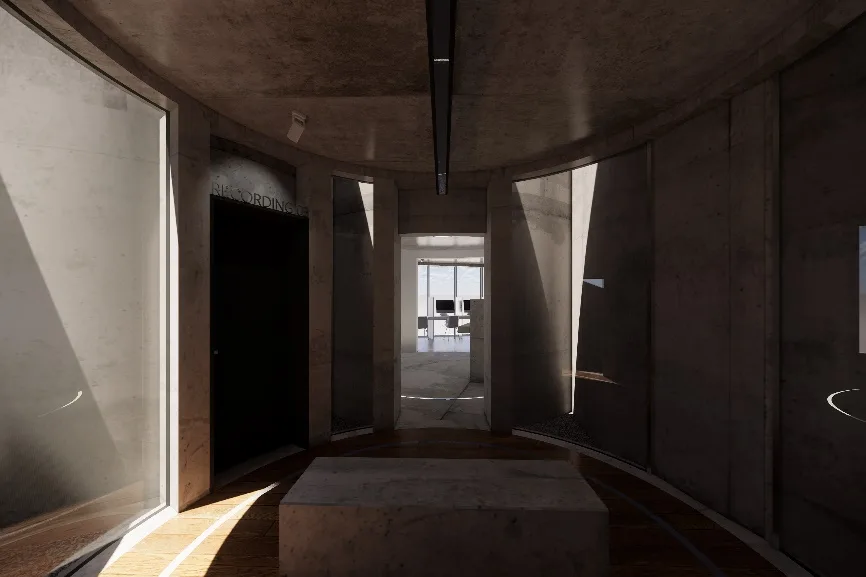
△ © Cooperative Society
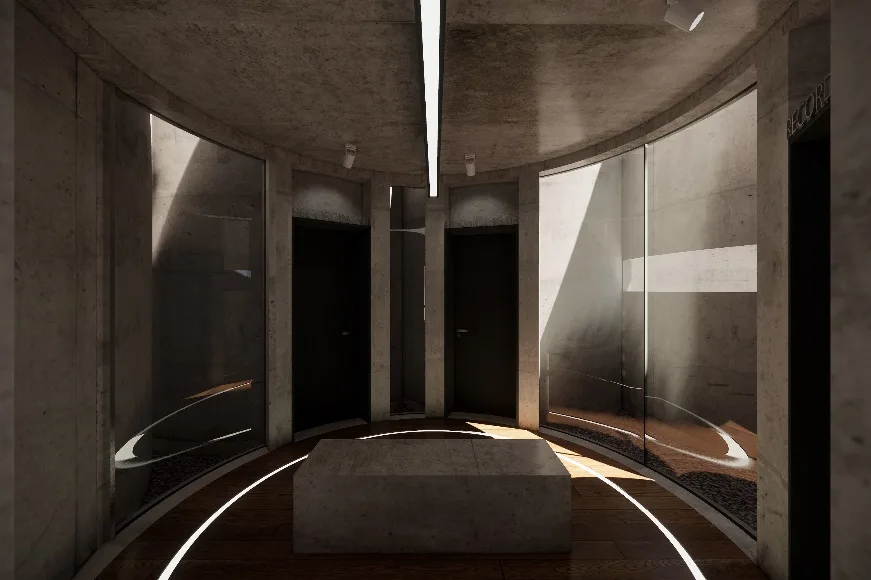
△ © Cooperative Society
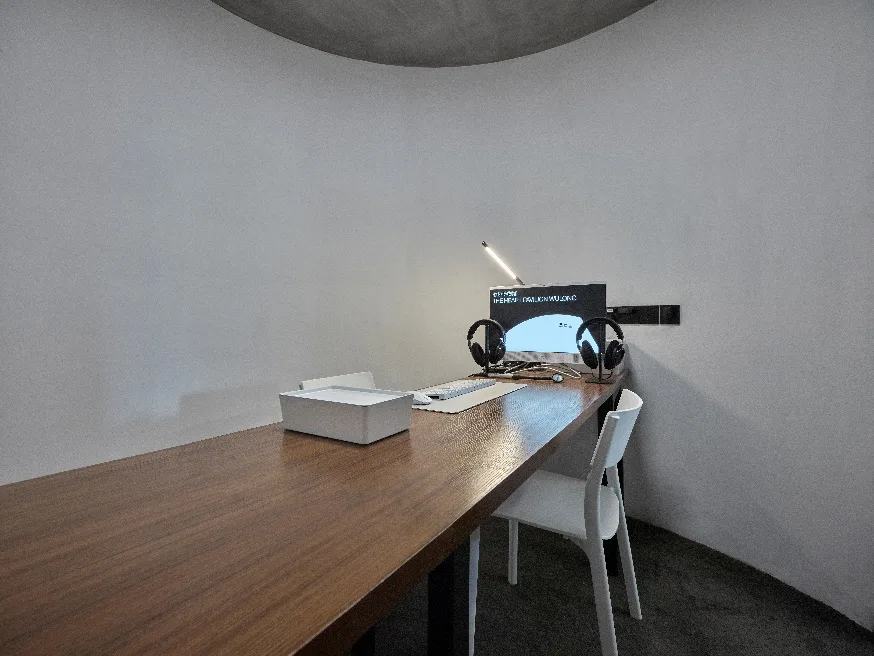
△ © Cooperative Society
△ © Cooperative Society
△ © Cooperative Society
△ © Cooperative Society
△ © Cooperative Society
△ © Cooperative Society
△ © Xie Shuangjun
△ © Cooperative Society
Project Information
Project Name: Heartbeat Museum
Designer: HeZaoShe Architectural Design Firm
Design Period: December 2018 – May 2019
Construction Period: June 2019
Lead Architect: Xu Lang
Project Manager/Architect: Xu Lang
Architectural Design Team: Xu Lang, Chen Dongxu, Qin Xiaoyan
Project Location: Xiannv Mountain, Wulong District, Chongqing
Building Area: 195 square meters
Structural Engineer: Ran Jintao
Client: Chongqing Lazy Dam Art Museum
Project Type: Cultural Architecture
















Must log in before commenting!
Sign Up