
The BIM series software has introduced a mass modeling method in Revit, similar to SketchUp, to assist designers in meeting the modeling needs of the conceptual design stage. This feature provides a highly targeted conceptual mass function.
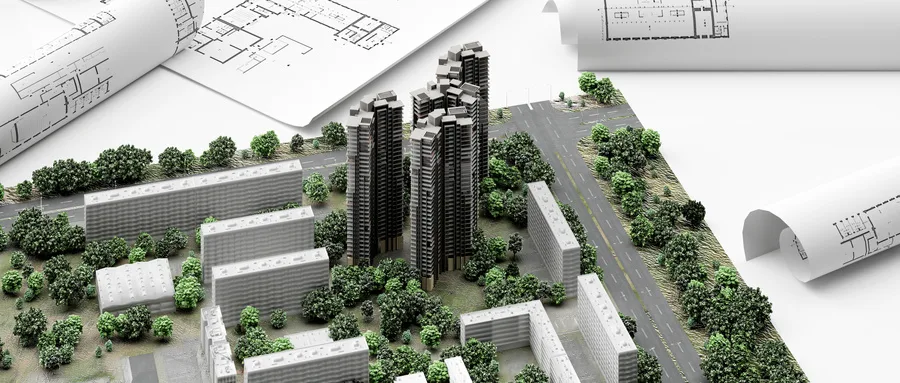
Unlike traditional Revit component-based modeling, this specialized modeling module allows designers to use more diverse modeling and editing techniques. It enables them to express conceptual ideas directly and quickly during the design process, addressing the need for complex forms. By combining BIM models with conceptual volumes, it bridges the early BIM forward design phase with the later detailed design stage.
In Revit, the concept of volume exists within an independent modeling environment but can also be created directly within a project, known as an “in-built volume.” Conceptual masses created in Revit are a unique family type that lacks architectural properties and does not belong to any specific component category. This flexible modeling approach supports conventional modeling requirements, including surface and free-form shape modeling. After building the conceptual volume, the model remains parametrically adjustable, allowing designers to repeatedly modify and optimize it as the plan evolves.
Once the project’s volume model is complete, designers refine it further according to project requirements, site limitations, and standards. As the model develops, designers can use the conceptual volume to facilitate discussions and communication with clients. By meeting design goals, reducing construction costs, integrating well with the surrounding environment, improving building utilization, easing construction challenges, and enhancing sustainability, designers can offer multiple preliminary design prototypes for client selection.
Traditionally, changes during the conceptual phase required rebuilding 2D sketches, increasing early workload and reducing efficiency. However, with BIM forward design, the parametric adjustability of Revit-based volume models allows designers to efficiently revise and optimize original plans during the discussion phase.
After finalizing the conceptual plan, BIM technology’s strengths in visualization, performance analysis, and other areas become even more valuable. This enables project plans to be presented, communicated, and decided upon more quickly and intuitively. By componentizing the volume model, the conceptual design can be rapidly transformed into a detailed, implementable plan.
















Must log in before commenting!
Sign Up