
During the initial phase of BIM forward design, designers must gather and analyze data related to the external conditions and objective circumstances of the project. This includes natural factors such as the terrain, landforms, vegetation, and climate of the construction site. Additionally, new building requirements derived from urban planning—like building setback lines, land use boundaries, plot ratio controls, and density regulations—must be considered. The artificial environment surrounding the site, including transportation networks, water supply, drainage systems, power grids, and communication infrastructure, also plays a critical role. The early design stage decisively influences the overall direction of the project, impacting future construction costs, timelines, and the complexity of interdisciplinary coordination.
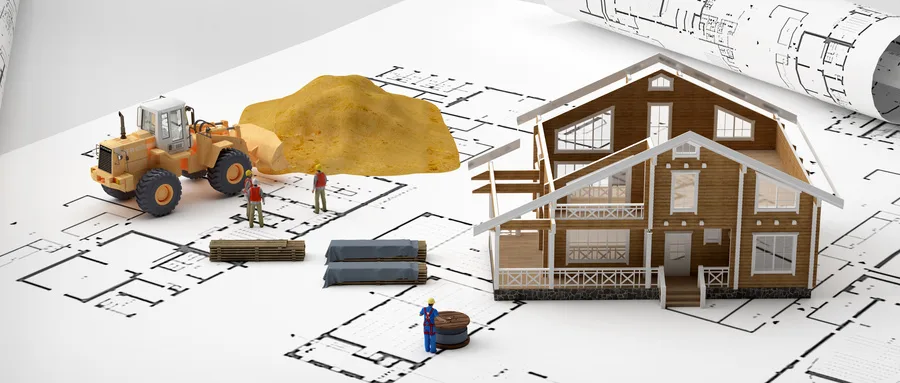
Traditionally, the early design phase heavily relied on the prior project experience of senior designers and the knowledge base of the design team. In contrast, BIM forward design emphasizes intuitive simulations and directional guidance from the outset. At this stage, the project plan remains a rough concept with endless possibilities for modification. As the design team presents their proposals, frequent changes to the project plan occur. Designers must rapidly create various schematic models to keep pace with these changes, using simulation tools to analyze and process different design options. Because the initial project data is often incomplete, BIM simulation software performs rough analyses based on available indicators, providing valuable directional insights.
At the start of the project design, the site and its surrounding environment are the primary considerations guiding design decisions. Therefore, the accuracy and level of detail in representing the construction site significantly influence the design’s future direction. The initial design should harmonize with the environment, conforming to the terrain and landforms, preserving existing vegetation, and adhering to sustainable development principles. Unlike traditional 2D site representations used in early design stages, BIM facilitates a three-dimensional model of the site conditions. This 3D visualization gives designers a clearer and more intuitive understanding of the project’s relationship with its environment, offering strong support for subsequent design decisions. Consequently, the early stage of BIM forward design focuses heavily on creating detailed 3D site models and effectively expressing their information.
















Must log in before commenting!
Sign Up