
In today’s fast-evolving design industry, there is no unified standard for using BIM technology during the construction drawing phase at the industry level. Major design firms’ BIM teams are adopting diverse approaches to applying BIM technology, resulting in significant variations in both the scope and depth of its use. Overall, BIM technology encompasses the following key applications during the construction drawing design stage:
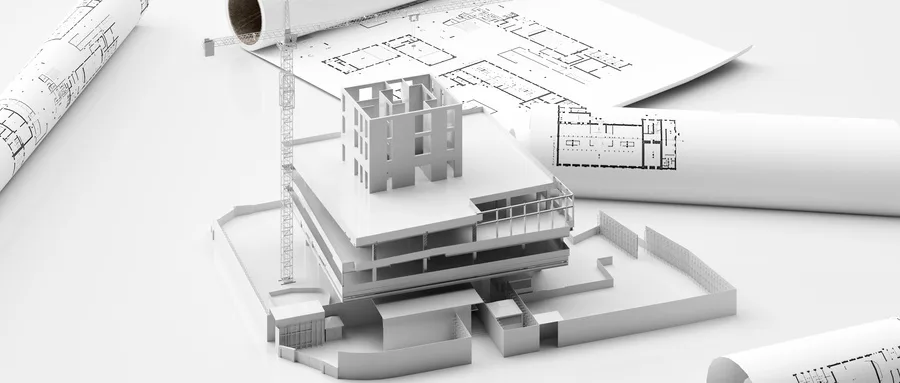
(1) Design Visualization. The BIM information model integrates comprehensive data on a project’s physical components, performance, and functionality. Visualization allows designers to directly extract essential details such as geometry, materials, lighting, and perspectives from BIM models. Additionally, the design process for visualization models and BIM models is closely synchronized from start to finish, with real-time updates ensuring consistency between visualization and design.
(2) Model Linking and Clash Detection. Using software like Revit, designers can link models from different disciplines and employ clash detection functions to perform quality control by identifying conflicts between components. In pipeline coordination, clash detection provides early warnings of potential conflicts, enabling designers to collaborate effectively with clients and BIM consultants. This proactive approach helps eliminate many conflicts before construction begins, maximizing efficiency and minimizing unnecessary resource use.
(3) Collaborative Professional Model on a Workspace Platform. The Revit workspace saves all project changes made by team members on a central server via a shared network folder. It also provides real-time updates on modifications to all participants, allowing everyone to stay informed throughout the design process. Before collaboration begins, the project leader sets up the workspace by specifying the shared storage location and assigning permissions. This collaborative platform enables seamless communication and access to project information across various disciplines, significantly improving design efficiency within the organization.
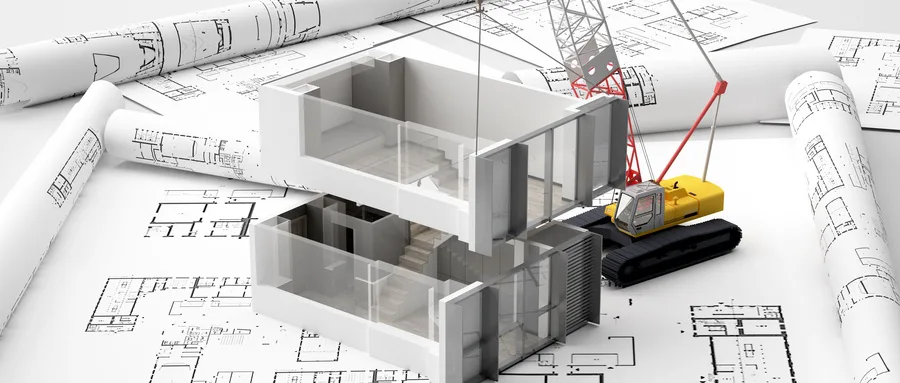
(4) Design Optimization. BIM technology combined with third-party simulation tools, such as green building and evacuation simulations, allows digital modeling in a virtual environment. These simulations provide performance analysis feedback that helps improve the building’s design efficiency, functionality, and cost-effectiveness.
(5) Delivery of BIM Construction Drawing Files (Models). BIM design results can be delivered as traditional 2D drawings alone or alongside BIM models, depending on the contractual requirements. Although there are still challenges regarding application scope and associated risks, delivering BIM models is increasingly becoming a key trend shaping the future of the construction industry.
(6) Secondary Deepening Design of Construction Drawings. BIM technology facilitates the enhancement and refinement of bidding or original construction drawings (or BIM models) during project execution. This process produces construction drawings that are ready for on-site implementation, boosting construction site productivity and reducing cost overruns and delays caused by coordination issues.
(7) Auxiliary Quantity Takeoff Lists. BIM information models support cost estimation by enabling detailed quantity takeoffs. BIM software’s tabulation functions allow users to filter, summarize, organize, and present model components based on various attributes. These data are then linked with cost information to assist in generating accurate quantity and cost calculation lists for auxiliary engineering components.
















Must log in before commenting!
Sign Up