
The main advantage of 3D design lies in its intuitive models, which enhance understanding and collaboration among various professionals, including designers, owners, construction teams, and property managers. This shared clarity improves overall enterprise design efficiency and simplifies later modifications, construction coordination, and reduces conflicts significantly.
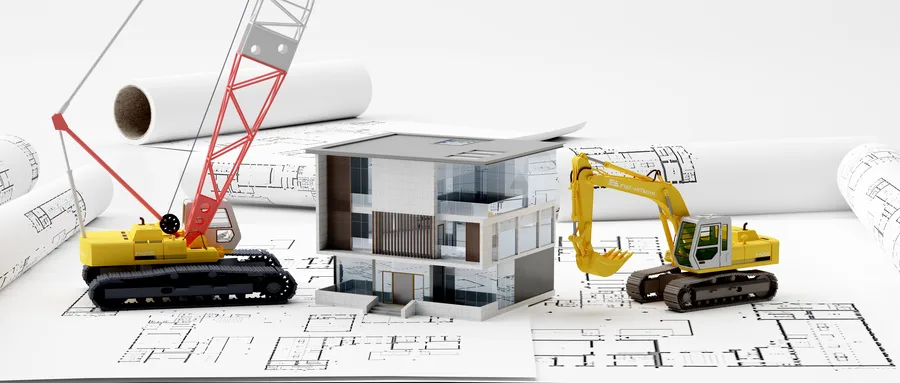
There are four key characteristics of BIM forward design:
1. Unleashing Creativity and Boosting Productivity: Traditional 2D design tools often limit designers’ creativity and productivity, as much of their time is spent on drafting and correcting drawings instead of focusing on design innovation and spatial optimization. BIM forward design frees designers from these repetitive tasks by shifting energy from drafting to architectural design itself, thereby enhancing overall creativity and efficiency.
Compared to abstract 2D drawings, BIM’s 3D models allow owners and stakeholders to communicate design outcomes more effectively and promptly, improving communication while reducing associated costs.
2. Early Detection and Resolution of Design Issues: In traditional workflows, iteration cycles occur whenever project data is updated, which can be time-consuming. BIM forward design completes these updates through synchronized 3D models, making the process faster and simpler. This synchronization enables easier and quicker communication among different disciplines, as all professional information is embedded within the model.
This comprehensive integration exposes design issues early, minimizing rework later and enhancing design quality. Moreover, problem detection extends beyond design to include explicit safety and quality risks during construction, as well as implicit risks like potential failures during operation. By proactively identifying risks in time and space, effective measures can be implemented to improve overall project safety and quality management.
3. Real-Time Coordination and Synchronization: BIM inherently supports collaborative workflows with shorter iteration cycles and full visibility of design issues. For example, in structural design, engineers can easily coordinate with mechanical and electrical models to plan beam layouts and reserve space for pipelines. Mechanical and electrical teams can reference civil layouts instantly to optimize their routing.
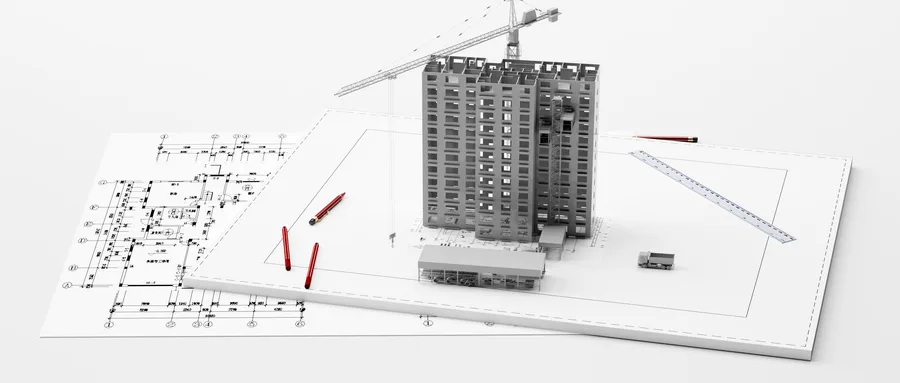
Traditional CAD collaboration is often one-directional due to geographic and technological barriers. Typically, design teams send compressed drawing packages to construction teams, who then pass them on to the construction site without real-time updates. BIM technology, supported by WAN platforms, enables cross-regional collaboration where all disciplines can access, annotate, and modify synchronized models in real time.
This approach breaks down communication barriers between professions, achieving seamless real-time collaboration. Unlike 2D designs that may suffer from deviations during scheme and construction drawing verifications, BIM’s intuitive, visual, and WYSIWYG capabilities help owners realize integrated design goals more effectively.
4. Comprehensive and Deep Information Retention: Extracting detailed components such as doors, windows, or equipment parameters from traditional 2D designs is challenging due to limited data recording methods. In contrast, BIM software uses a family library system where each component is built and saved individually. This makes filtering and extracting useful information quick and easy.
Furthermore, BIM allows for continuous addition of relevant data throughout different project stages, creating a rich and complete information repository that traditional 2D designs cannot match.
















Must log in before commenting!
Sign Up