
The current BIM technology design process still follows the traditional “2D-3D-2D” workflow. However, BIM is mainly utilized during the “3D” phase, with limited application throughout the entire process. Its use is often brief, and the potential for BIM to support the full lifecycle of a project remains underdeveloped. In many cases, BIM serves primarily as a modeling tool, with collision detection in collaborative software like “REVIT” being one of the most common functions employed.
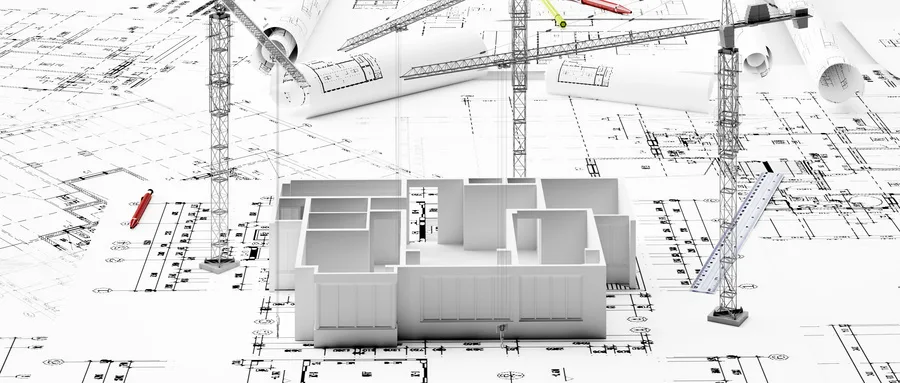
This collision detection function primarily enhances efficiency when exporting 2D construction drawings in later stages, which only scratches the surface of BIM’s capabilities. Given the current evolution within the construction industry, it is crucial for designers and industry leaders to shift their mindset towards a “3D-to-2D” workflow. This approach begins with the proactive use of BIM, where designers first develop and communicate their ideas through detailed 3D models enriched with relevant information. Subsequently, 2D drawings are generated from these 3D models for use in construction and related processes.
The aim of forward BIM design is to provide a comprehensive 3D information platform that enables designers to clearly and intuitively express their concepts. This moves away from the inefficient traditional cycle of creating 3D models, converting them to 2D drawings during design, and then reconstructing 3D models for actual construction. By leveraging the parameterization capabilities of computers, much of the manual work involved in drawing and revising can be automated, allowing designers to focus purely on architectural creativity. Once this shift to a “3D-to-2D” mindset is fully embraced, BIM can truly evolve into a holistic “3D” development platform supporting all project stages.
















Must log in before commenting!
Sign Up