
On-site investigations into the BIM technology research and development efforts of most design firms reveal that the predominant design approach used today is the “pseudo BIM” method.
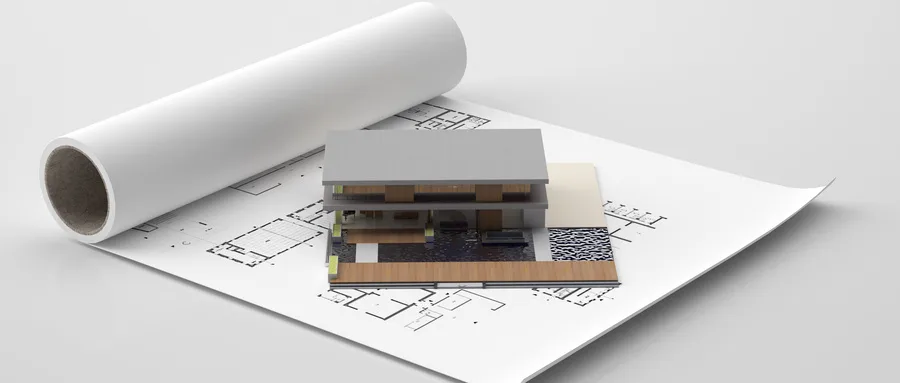
Pseudo BIM, also called BIM flipping design, describes a workflow where a design team completes the construction drawing phase of a project using 2D CAD drawings. These drawings are then handed off to BIM team modelers, who convert the 2D plans into 3D BIM models. The scope and technical details added during this conversion depend on construction guidance or the model’s promotional use to the client. This approach is commonly referred to as “BIM reverse design,” in contrast to the BIM forward design process.
BIM models generated through reverse design are often used to supplement and expand on 2D construction drawings and to check for clashes during implementation. However, reverse engineering workflows struggle to keep up with traditional design processes. This is largely due to frequent drawing changes and the prevalence of “three sided” projects involving simultaneous investigation, design, and construction within traditional CAD workflows. As a result, when these processes coexist and depend on one another, BIM models created through reverse design tend to diverge slightly from the original CAD 2D drawings, making it difficult to maintain consistent standards.
From the standpoint of national standards and regulations, only 2D design formats currently hold legal validity, while BIM models do not possess this official status. Because BIM models often cannot be fully aligned with construction drawings, they frequently fail to qualify as deliverables for subsequent workflows, diminishing their value for detailed development and information transfer. In contrast, BIM forward design avoids the limitations associated with reverse design and offers a solution that aligns better with the objective realities of the design and construction process.
















Must log in before commenting!
Sign Up