
BIM technology offers five clear advantages over traditional design methods, which can be understood through the lenses of visibility, collaboration, simulation, optimization, and drawing capabilities:
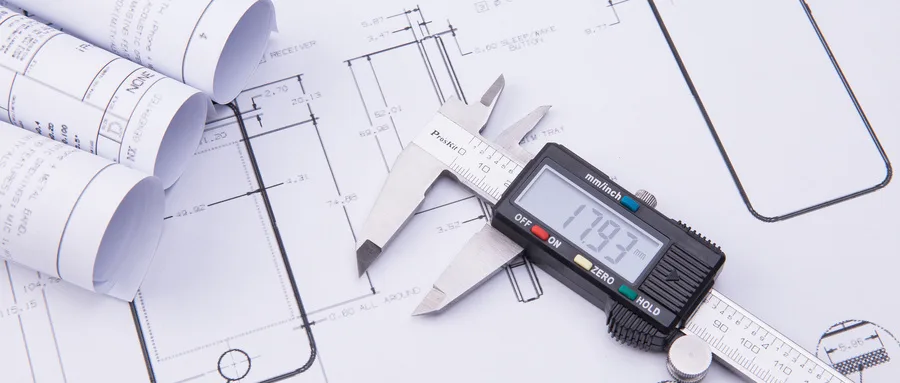
1. Visibility: Traditional design primarily relies on CAD as the main tool, producing mainly 2D drawings composed of points, lines, and surfaces to convey architectural information. This approach provides limited and often cumbersome information that requires significant expertise to interpret.
In contrast, BIM delivers an intuitive 3D information model covering the entire project lifecycle—from design and manufacturing to management—making communication and decision-making easier for all project stakeholders.
2. Collaboration and Full-Professional Operation & Maintenance: In traditional design, any changes to CAD drawings require redrawing the affected plans and manually adjusting related drawings. BIM technology offers a building information sharing platform that enables effective collaborative control when discrepancies arise among different professional plans.
This reduces unnecessary changes and manual corrections, saves both labor and resources, lowers costs, enhances efficiency across various stages, and ultimately boosts enterprise benefits. BIM is thus a comprehensive, professional method for operation and maintenance throughout the project lifecycle.
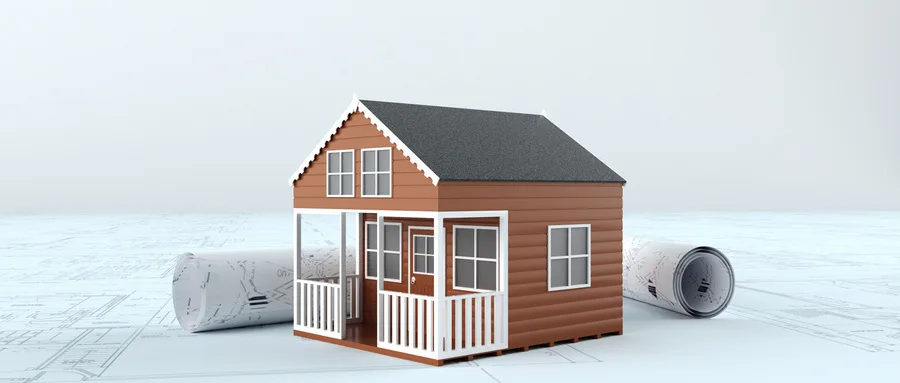
3. Diverse Simulation: BIM supports a variety of simulations needed during the design process, including 3D building model visualization, energy consumption, emergency evacuation routes, lighting, thermal transmission, and more.
It also offers 4D simulation for project scheduling and 5D simulation for cost control, as well as simulations of emergency scenarios like personnel evacuation during earthquakes or fire incidents. Traditional CAD technology lacks built-in simulation capabilities and requires additional plugins, making the process complex and less integrated.
Typically, with traditional CAD, energy efficiency or green building simulations are only conducted separately upon client request, resulting in longer project timelines and questionable simulation accuracy.
4. Optimization: BIM-generated building components contain rich data, supported by a powerful family library system and various optimization tools that streamline project refinement.
In contrast, CAD’s technical limitations mean designers must manually optimize each project individually—a time-consuming and inefficient task.
5. Drawing Capability: Once architectural design is complete using BIM software, construction drawings rich in building component information can be automatically generated after collision detection and optimization processes.
Conversely, in traditional workflows, multiple professional designers must hold coordination meetings to review and approve designs before manually drafting construction drawings that meet construction requirements, making the process more cumbersome and slower.
















Must log in before commenting!
Sign Up