
Project Background
The project is situated on the east side of Baota Road in Lishui District, Nanjing City, along the northern bank of the Yigan River—one of the headwaters of the Qinhuai River. This location boasts a picturesque natural environment visible from afar. Future plans envision the entire surrounding area as a cultural and tourism hub characteristic of Nanjing. As the inaugural project within this planned exhibition zone, it not only serves to showcase regional planning but also fulfills requirements for the future transformation of community functions.
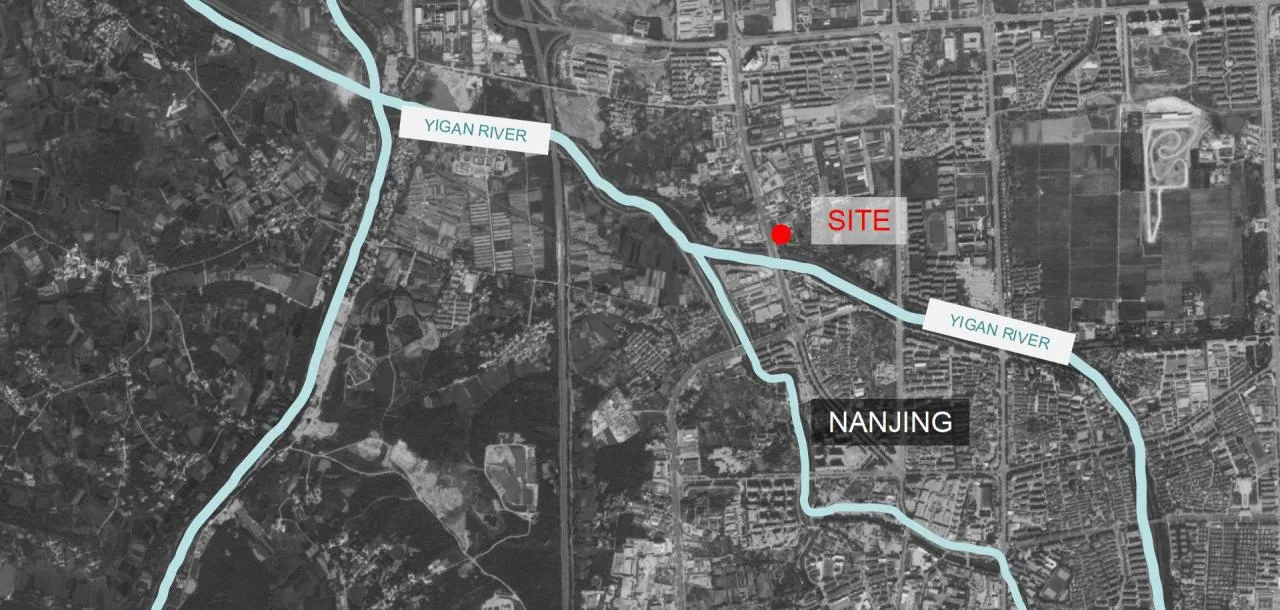
© Location Map
Original Design Intent
At the project’s outset, facing an open space, we reflected on the needs of Lishui’s residents—whether it was the Jinling Lantern Festival beneath the Yongshou Temple Pagoda or multi-generational families basking in courtyard sunlight. The design draws inspiration from a deep affection for the nourishing dry river and the winding city streets and alleys. Through spatial interpretation, the new urban construction aims to recreate the living memories of Lishui’s people while expressing our vision for the city’s future urban space.
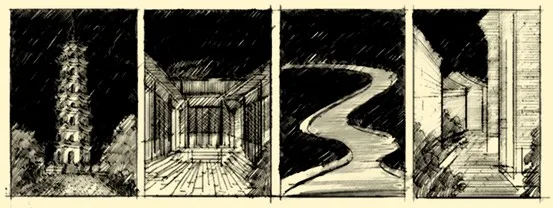
© City Impressions
Conceptual Interpretation
Still Life as Scenery
Everyday objects are meticulously designed and arranged by the creators to form specific spatial structures centered on still life. This composition’s beauty presents a miniature landscape, inviting viewers to appreciate the scene as a whole.
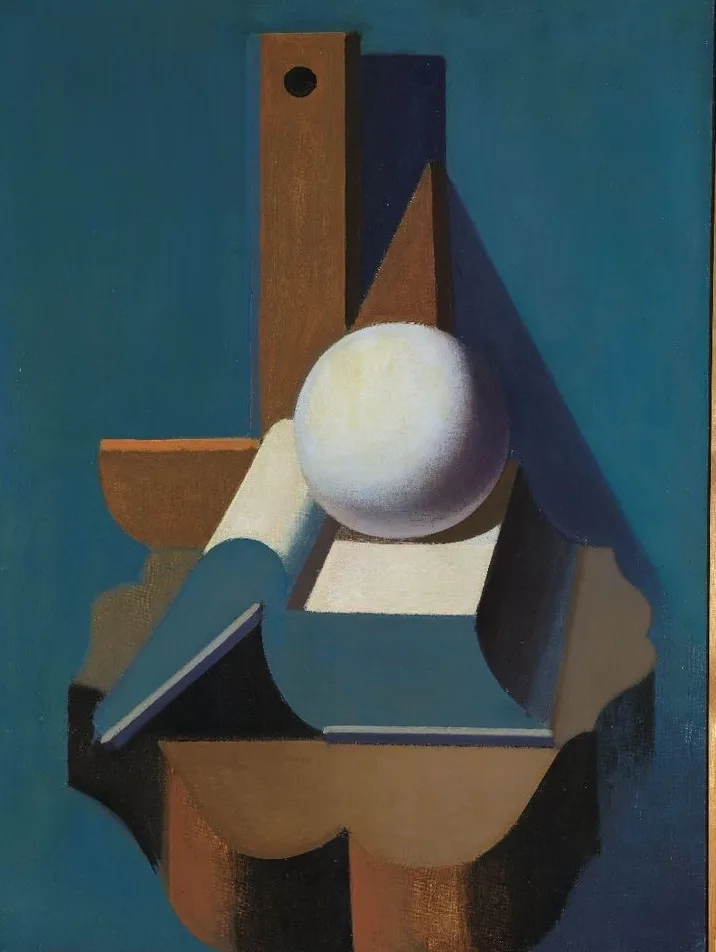
© Scenery and Scenery ©️ Vilhelm Lundstrom
Enlarged Scenery
By shifting from a detached, global viewpoint to a localized perspective, still life is magnified to become an environmental scenery. The spaces formed between these enlarged still life objects create tunnels through which people can journey and experience the landscape.
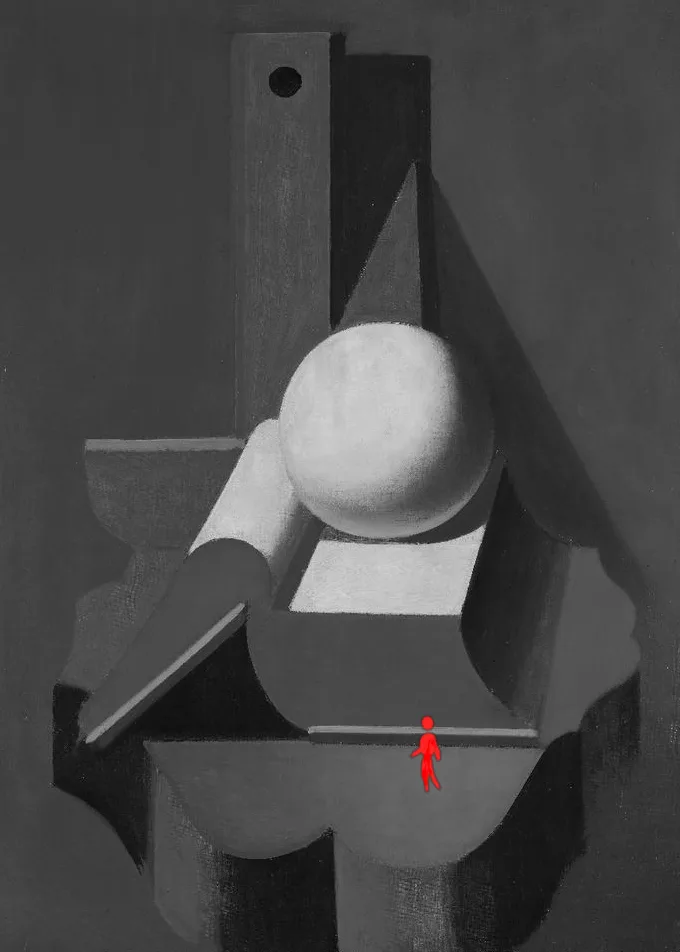
© Objectified still life creates participatory space
The architectural design incorporates the concept of still life geometry, the most concise structural language to describe a city’s spatial form. Approached from a local perspective and transcended globally, it abstracts key elements such as Yongshou Temple Pagoda, Heyuan, Yigan Canal, and Jiangnan’s streets and alleys into enlarged still life forms. These spatial combinations generate a layered semantic landscape where familiar elements are reimagined in unfamiliar ways, evoking memories and associations.
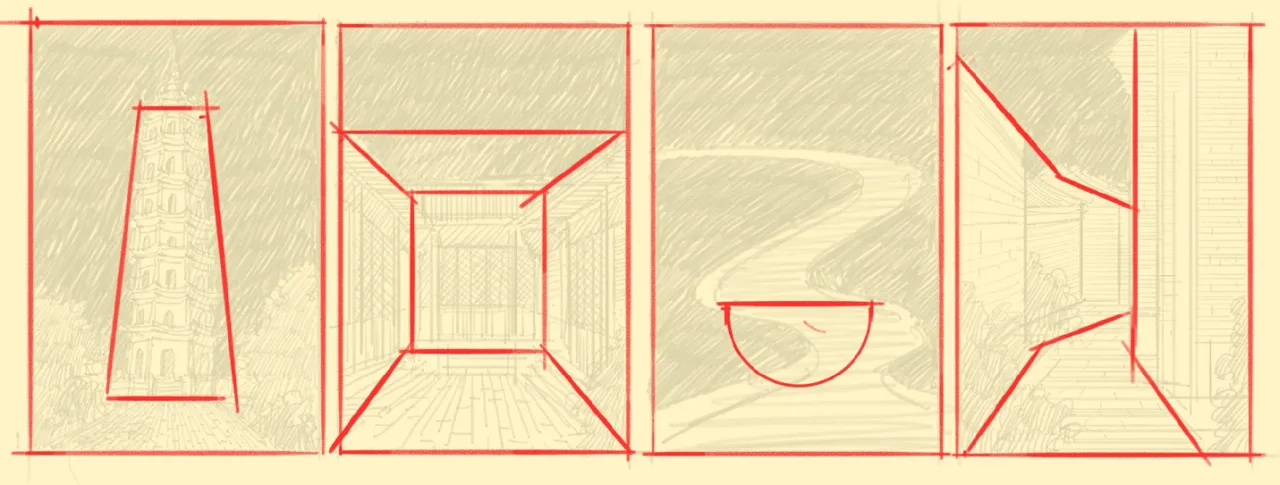
© Prototype Extraction
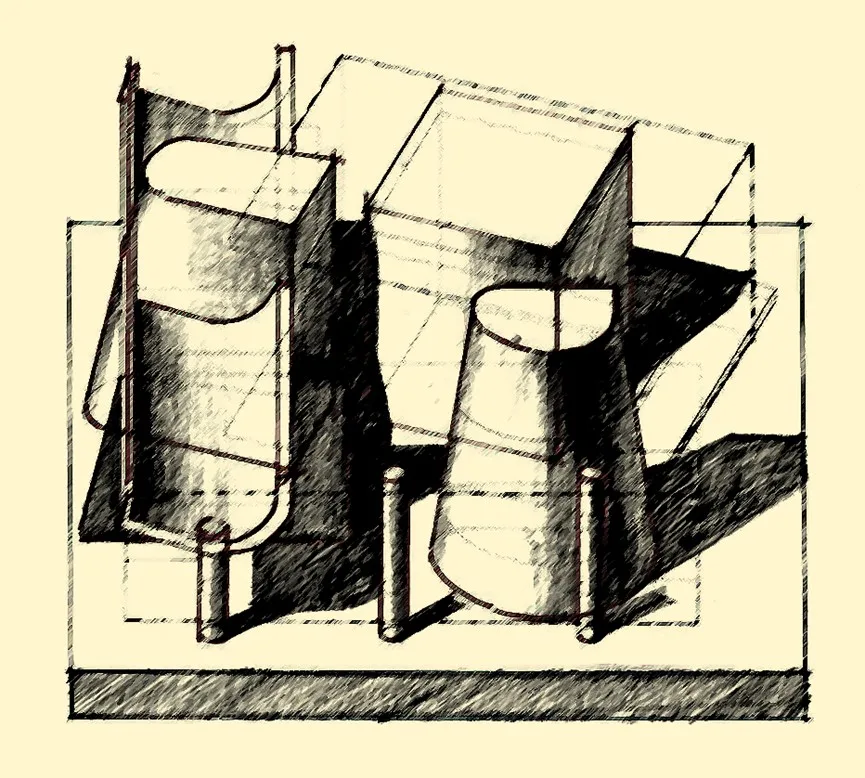
© Shizuoli Architecture
Still Life and Space
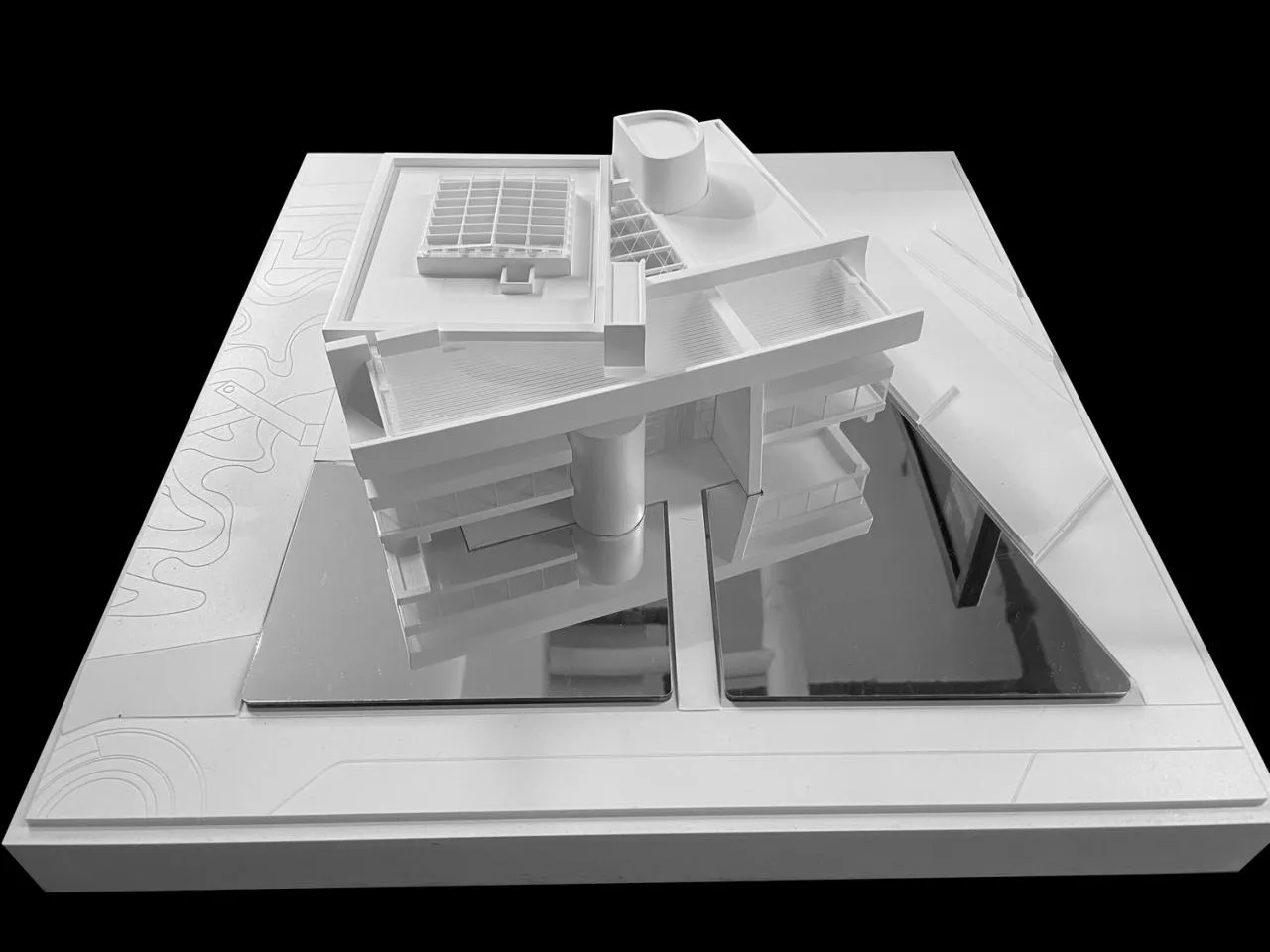
The introduction of static geometry generates spatial forms. If space is viewed as a uniform grid, then large geometric static objects act like wedges inserted into this grid. These shapes compress and modify the grid’s density, causing the spatial flow to change. The static object’s boundaries clearly define spatial directions on a planar grid, while spatial expansion and contraction are articulated in three-dimensional interfaces.
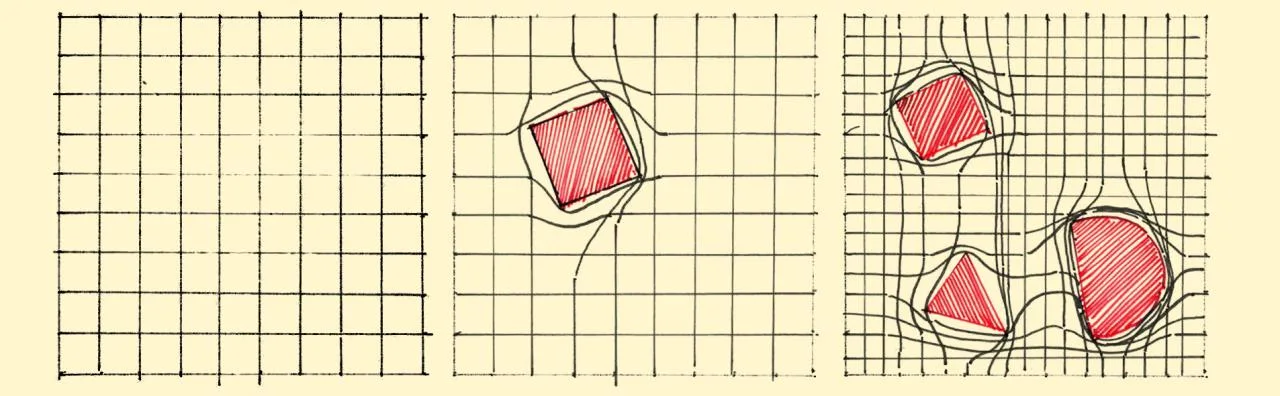
© The body mediates the effect of homogeneous space on spatial fluidity
The Journey of Space
Spatial flow creates an environment that can be navigated both inside and outside the building. The design connects static three-dimensional objects by extending and undulating flow lines, enabling movement throughout the building that encourages interaction with the architectural spaces.
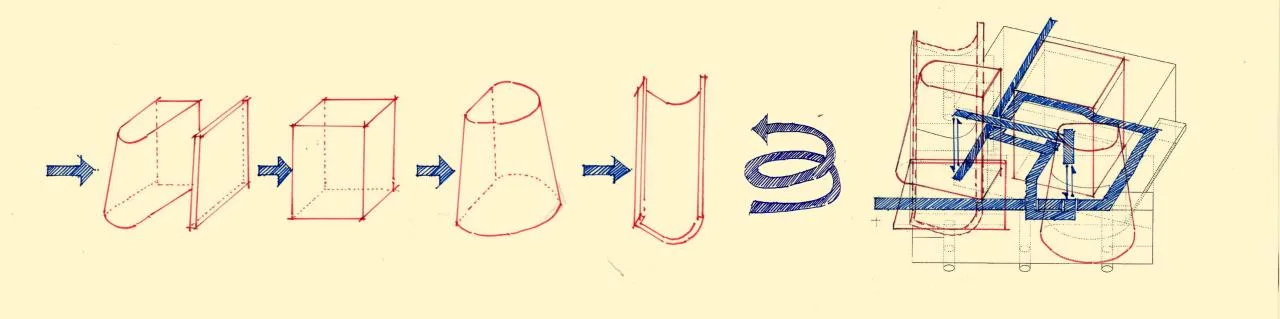
© The connecting path weaves together independent spaces
During spatial exploration, identical architectural elements appear and overlap from various perspectives, creating a phenomenological transparency akin to walking through a Cubist painting. The deconstruction and recombination of intersecting lines and overlapping geometric forms break spatial boundaries, bringing a dynamic interplay of surprise, light, and shadow. Unlike traditional architectural spatial forms, the Creative Exhibition Center expresses contemporary abstract art aesthetics through geometric superposition.
Renderings
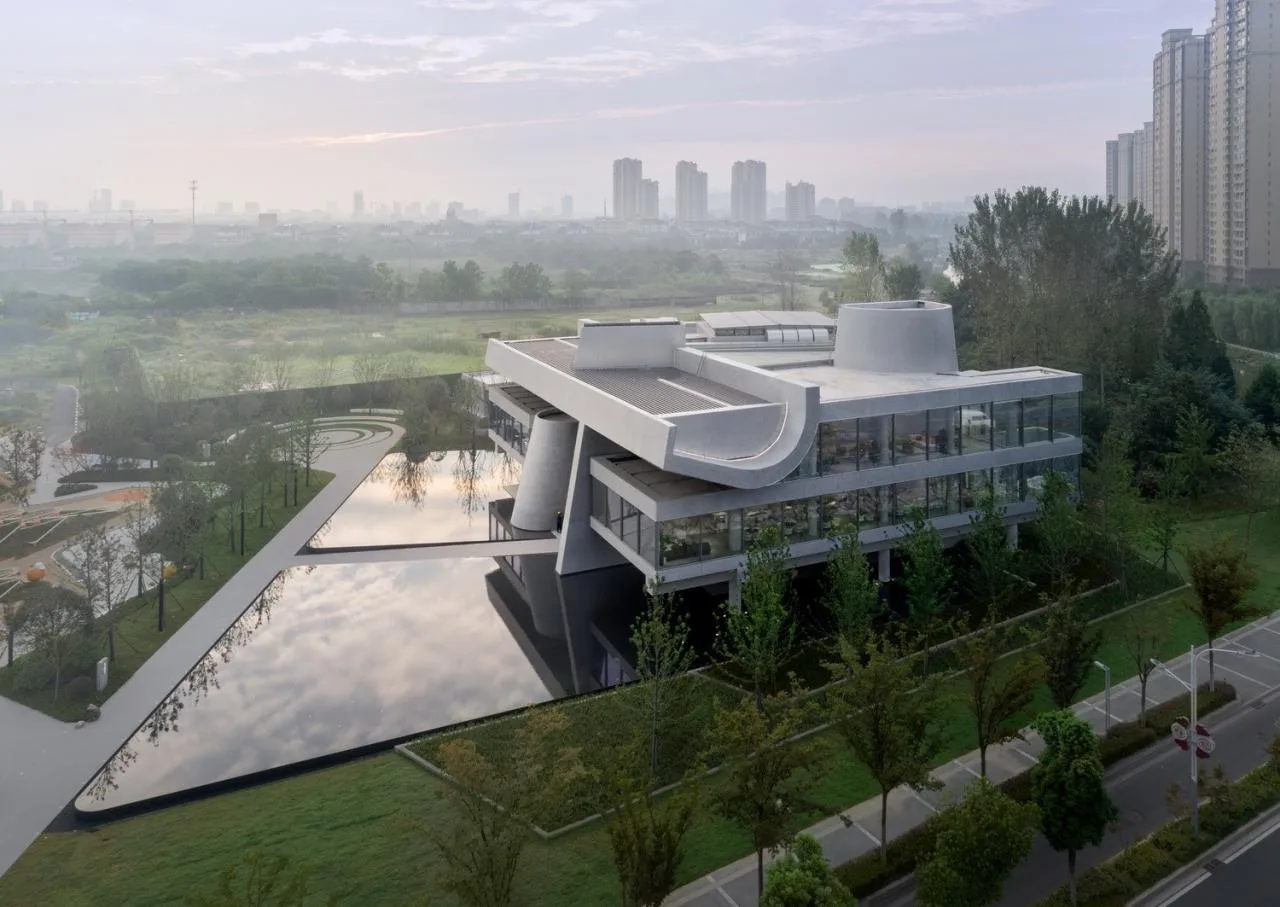
© Bird’s-eye View
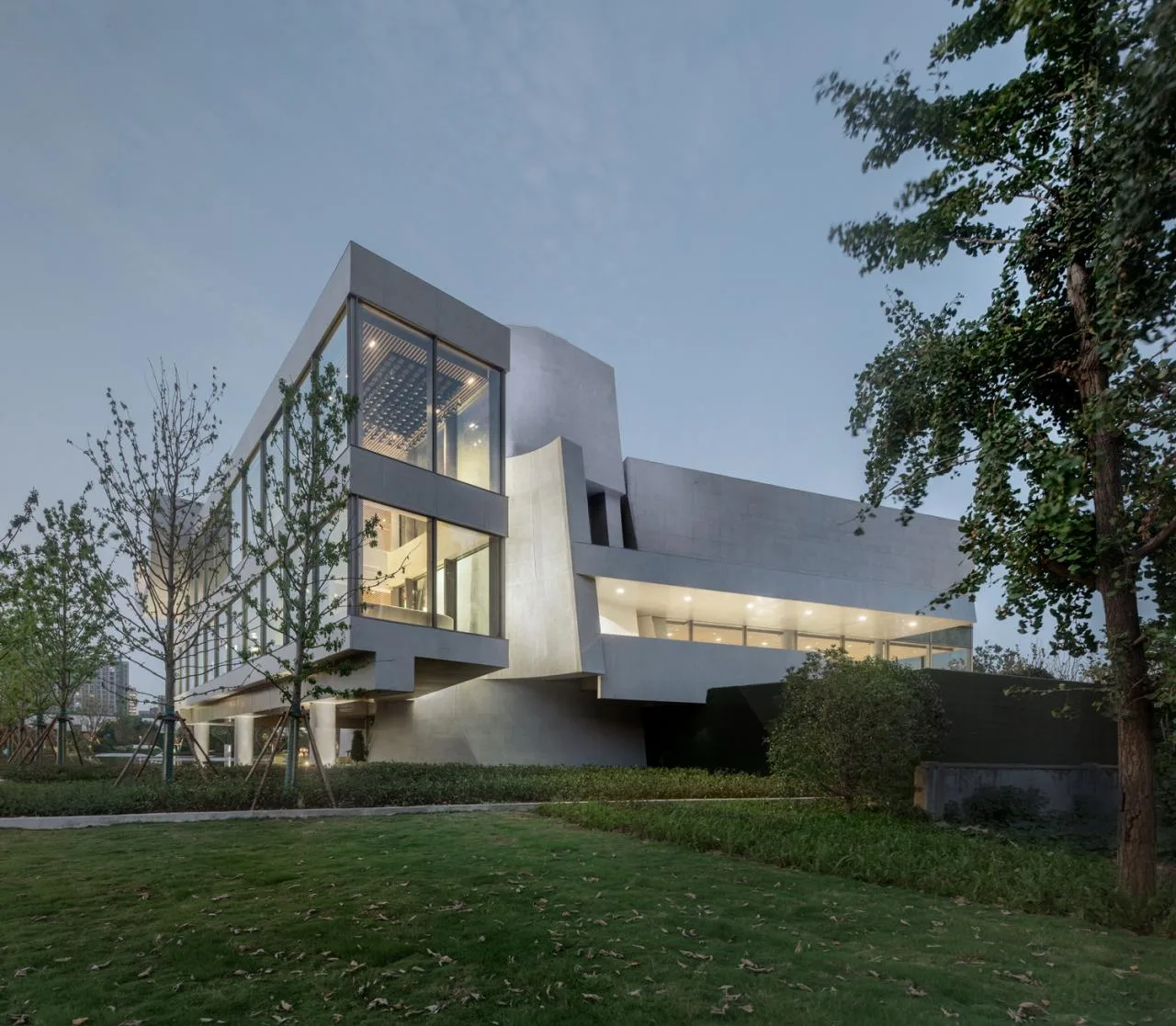
© Street View Perspective
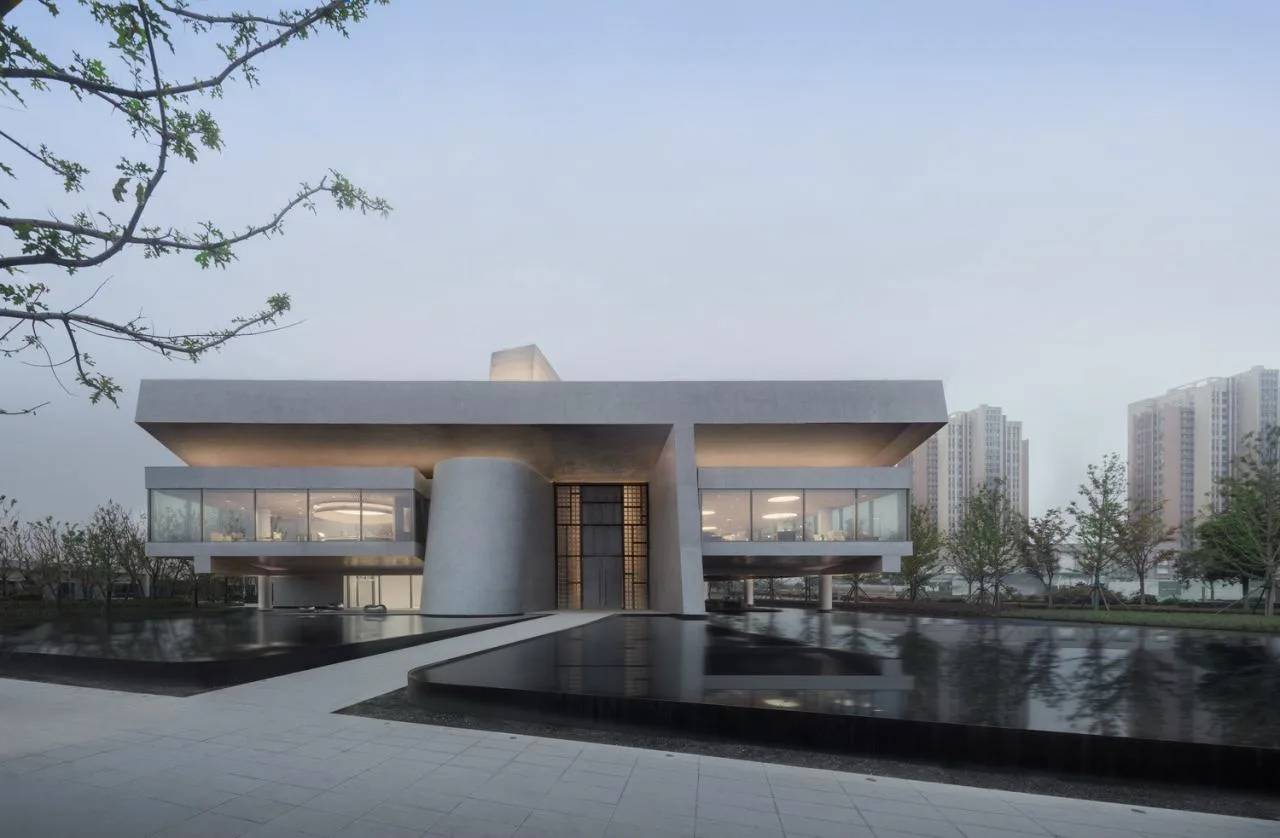
© Realistic Front View
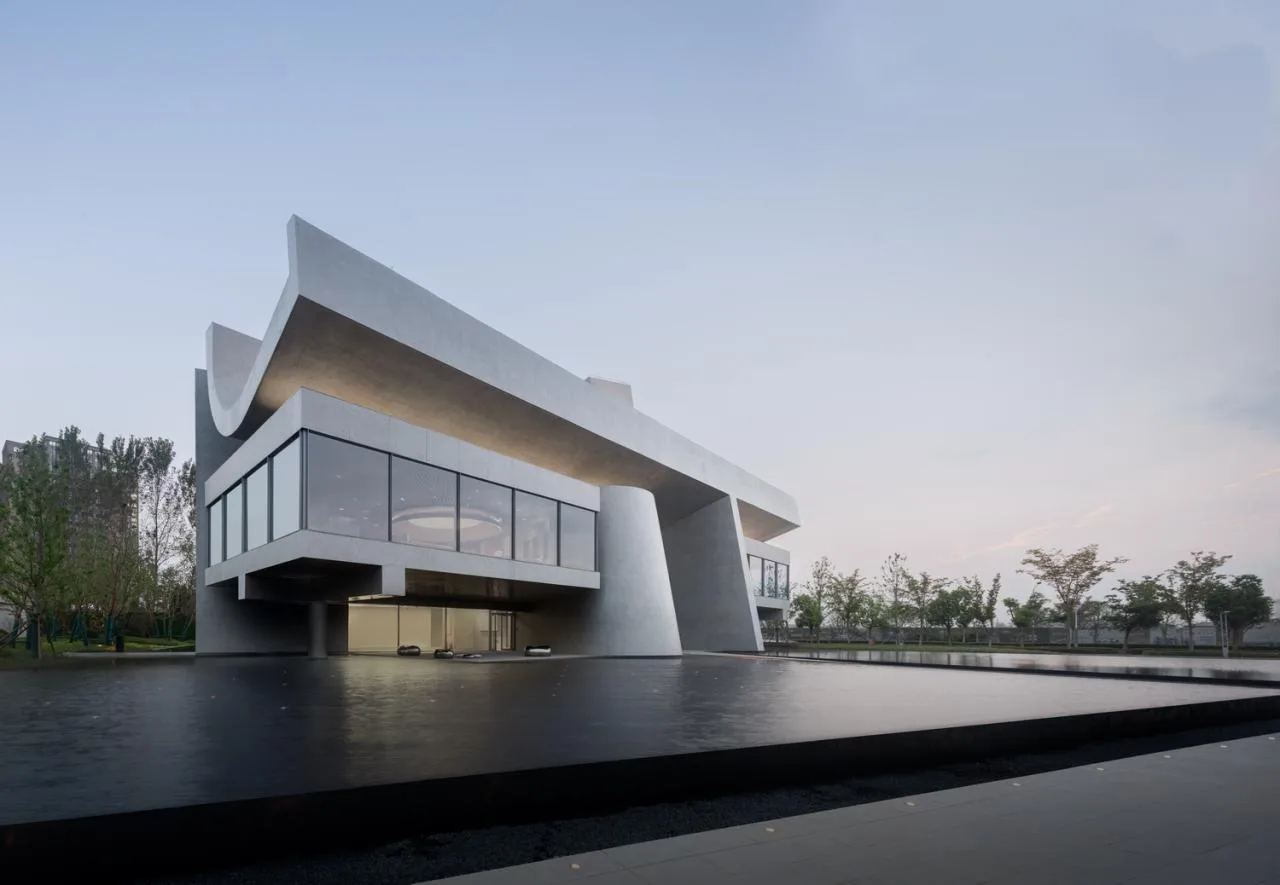
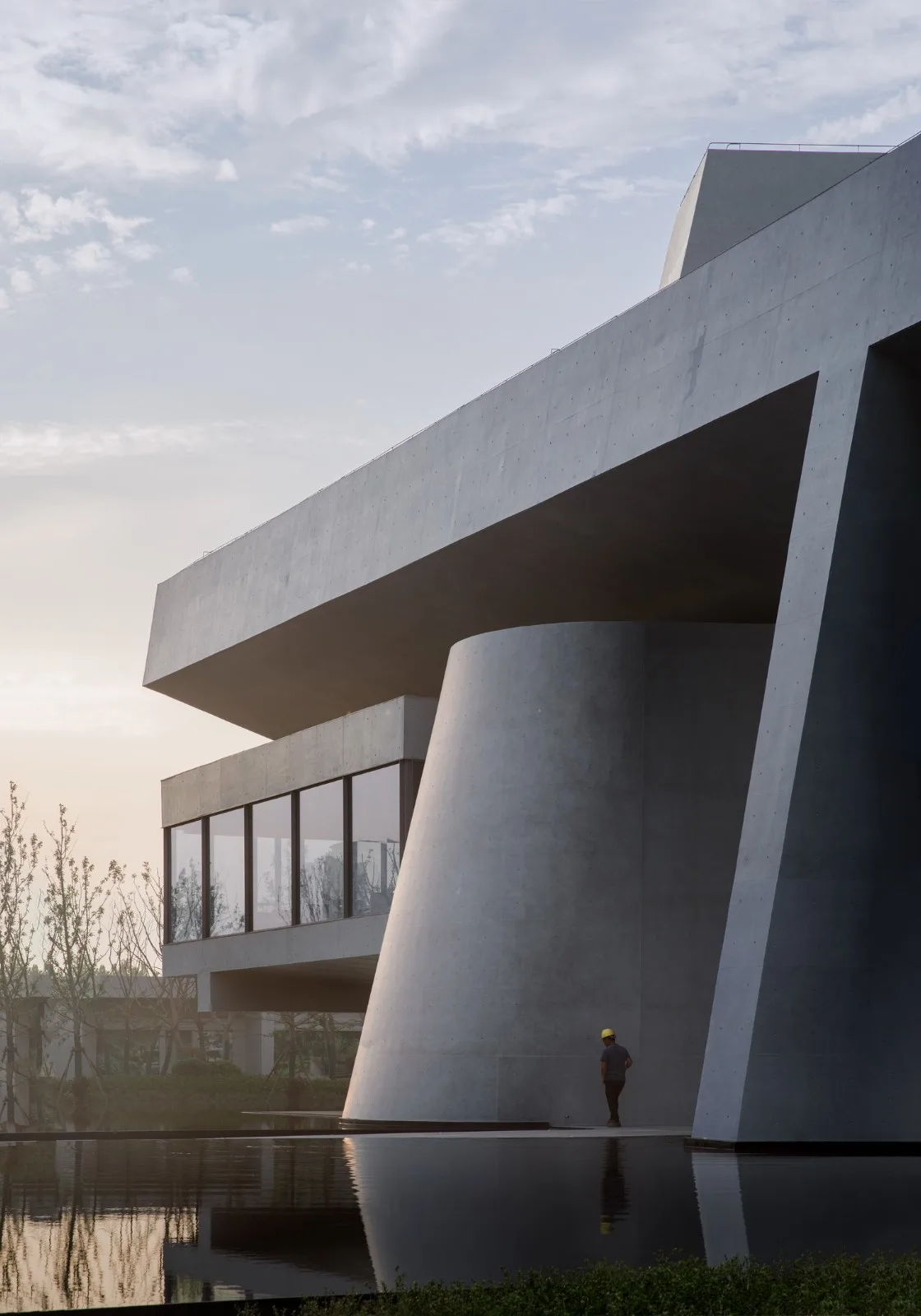
© Wide Field Entrance
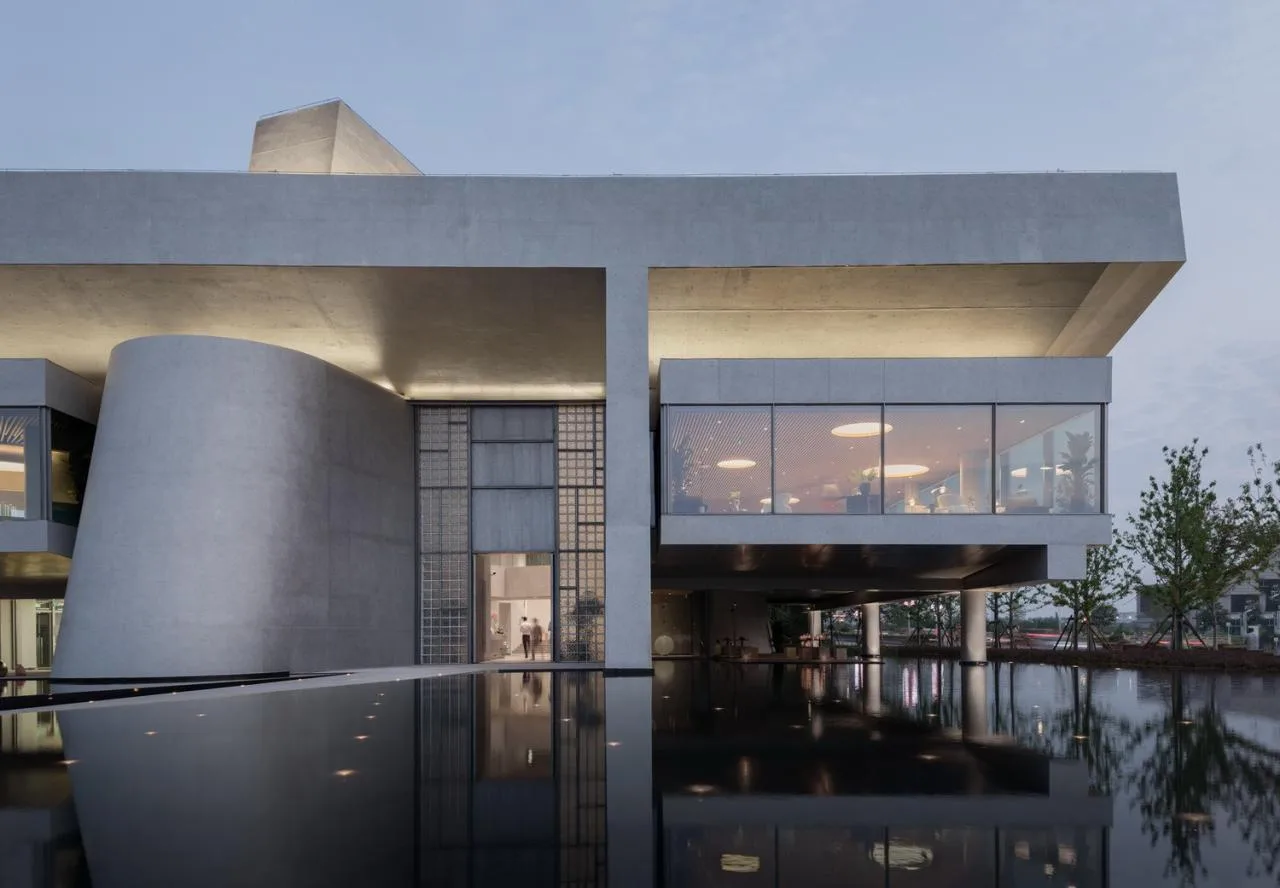
© Night View of the East Water Channel
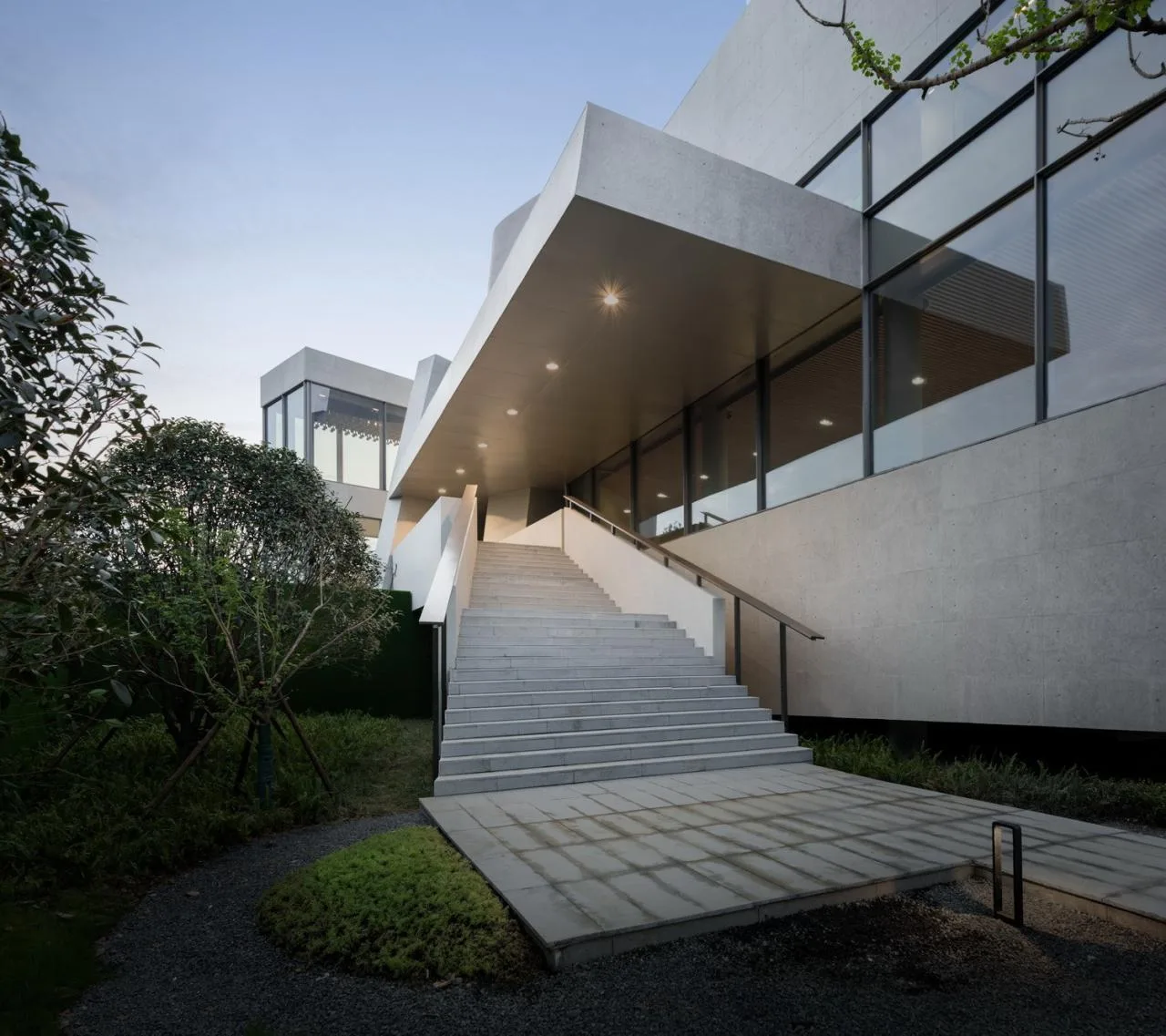
© South Entrance Staircase
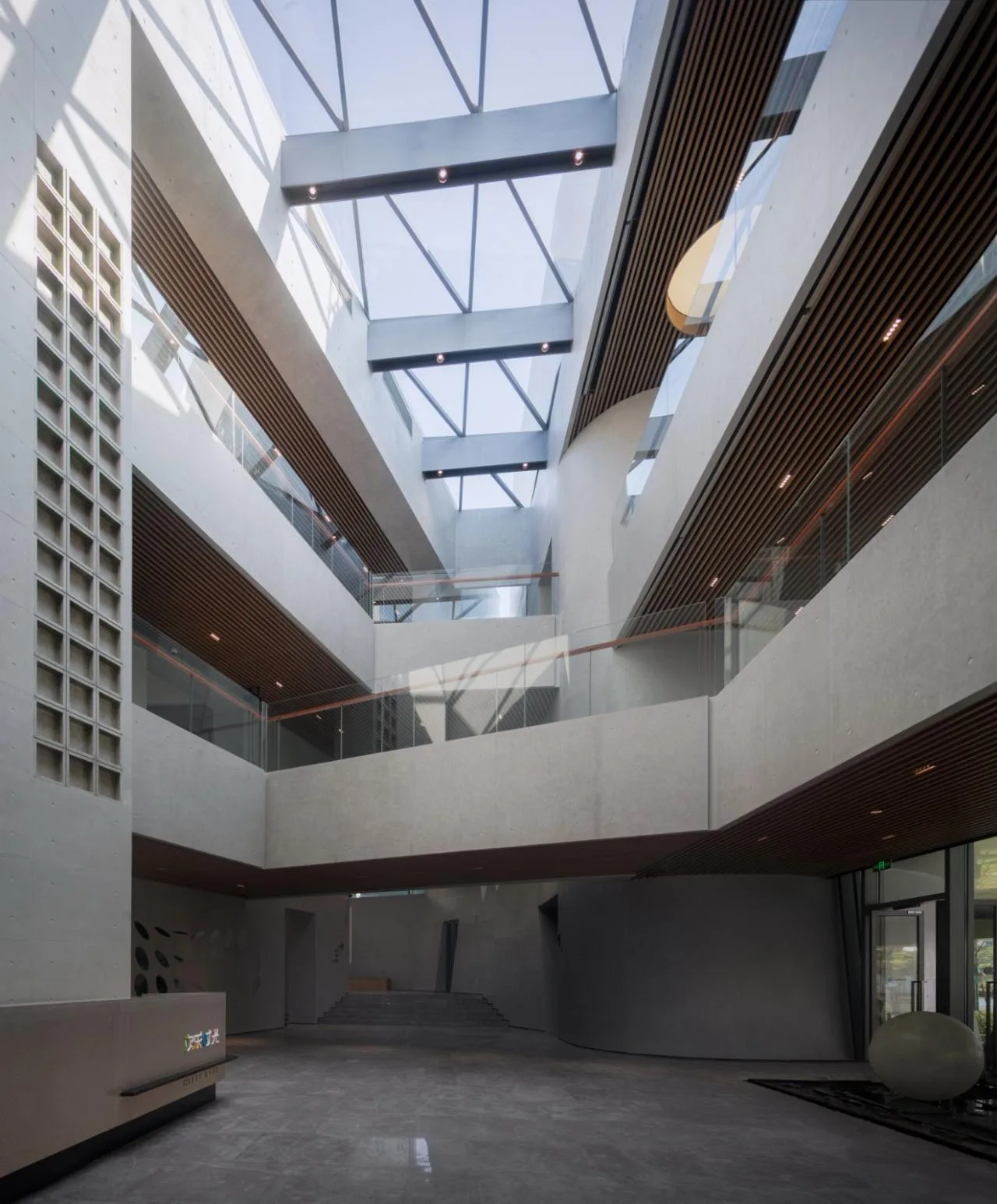
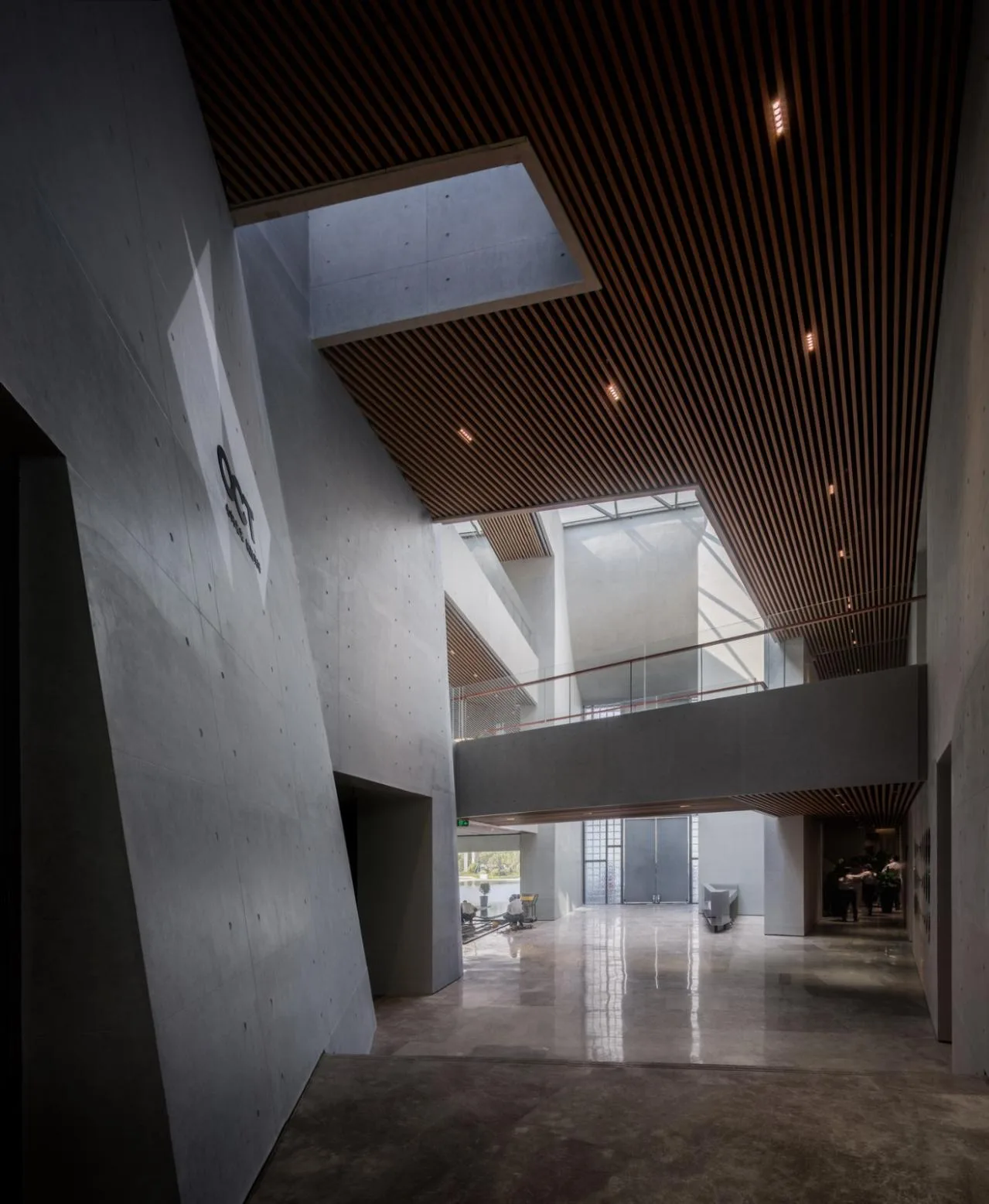
© Indoor Hall
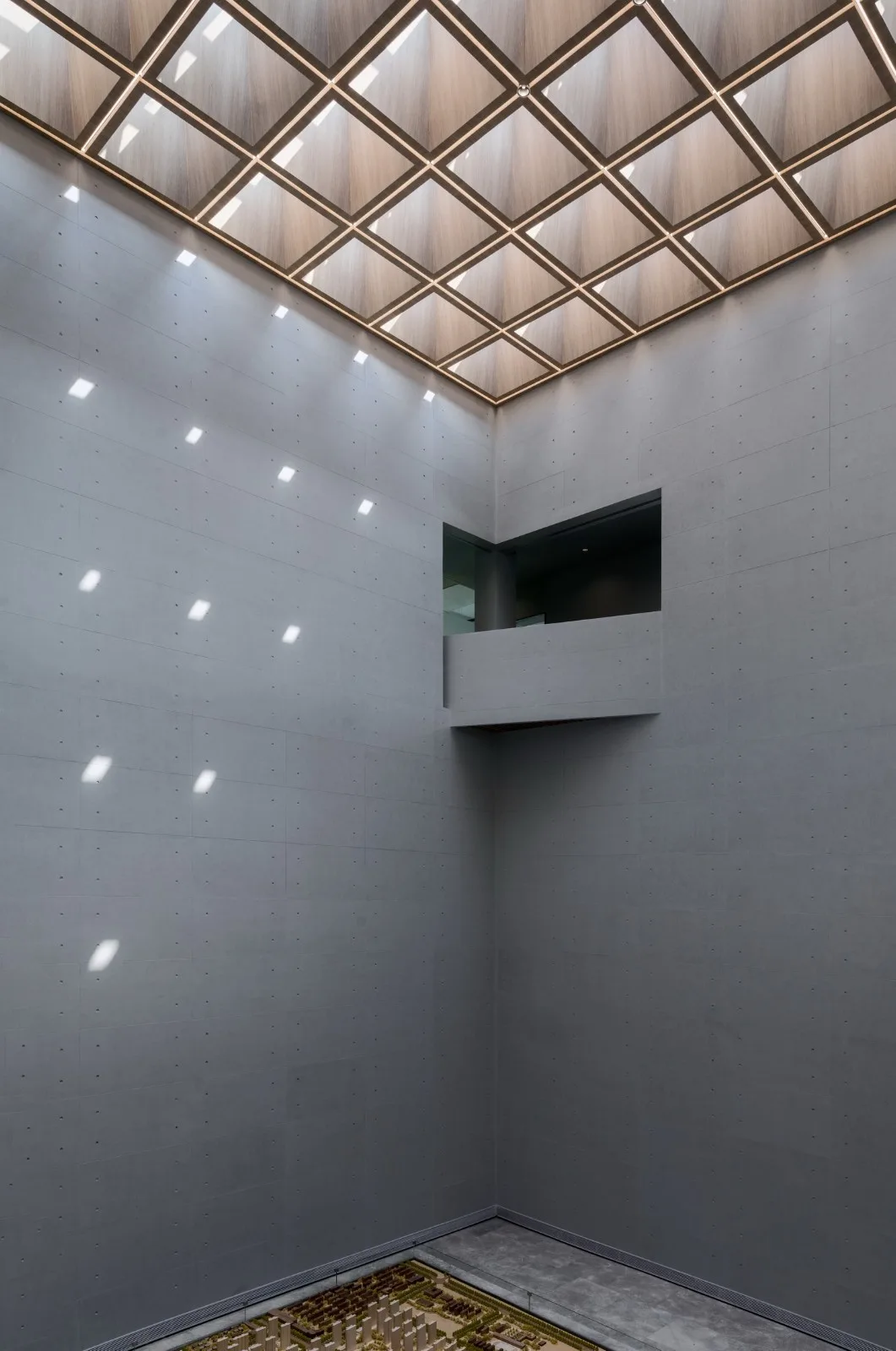
© Indoor Divine Space
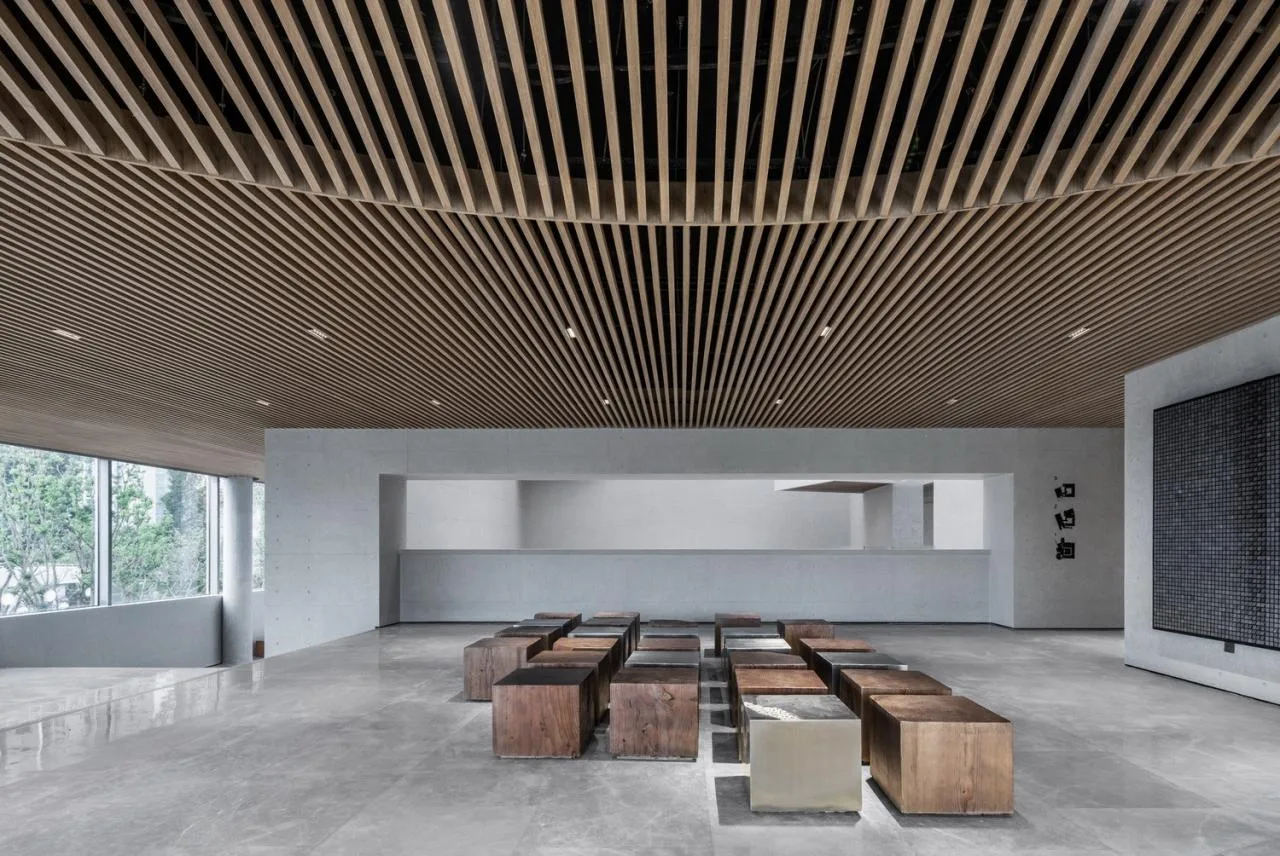
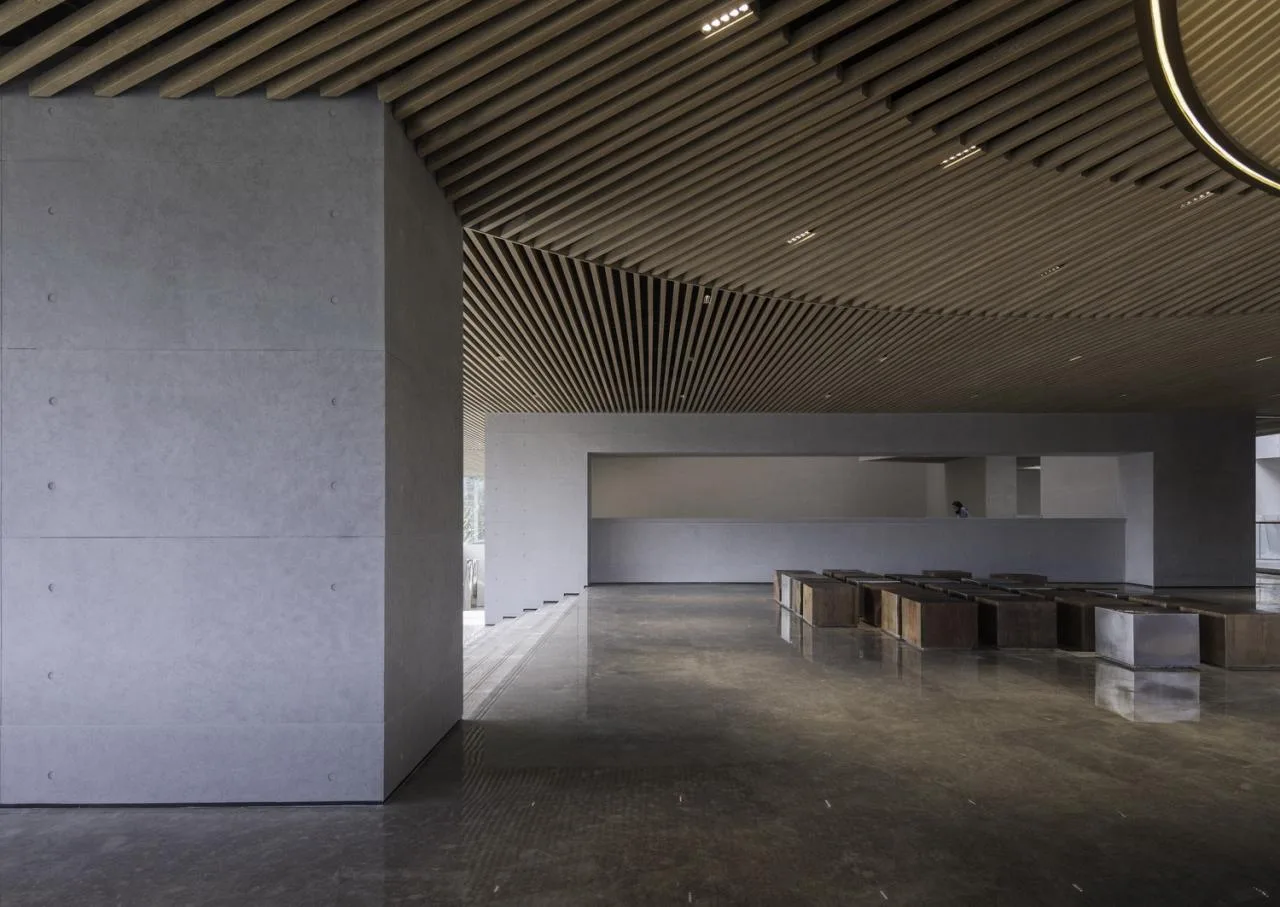
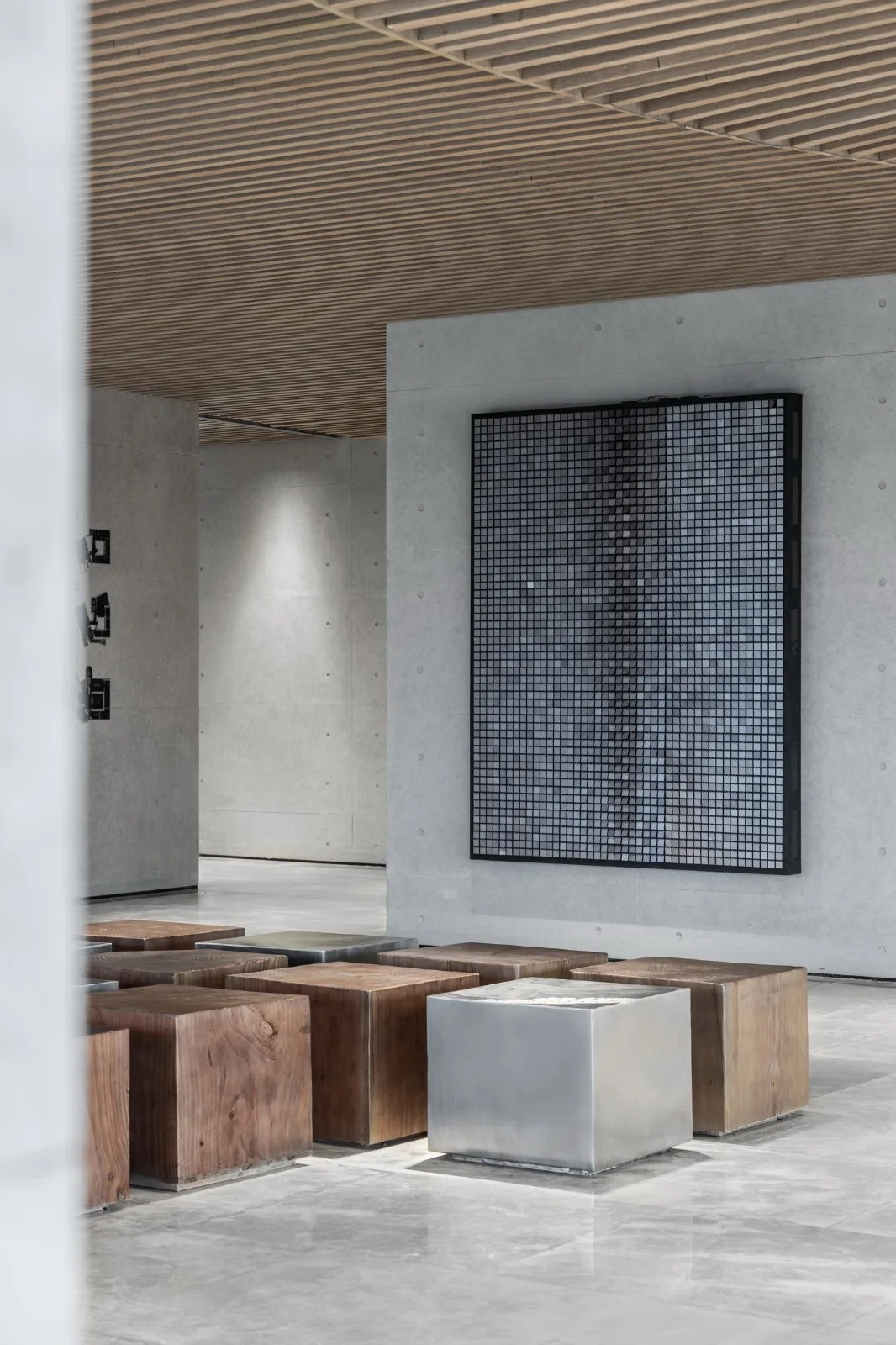
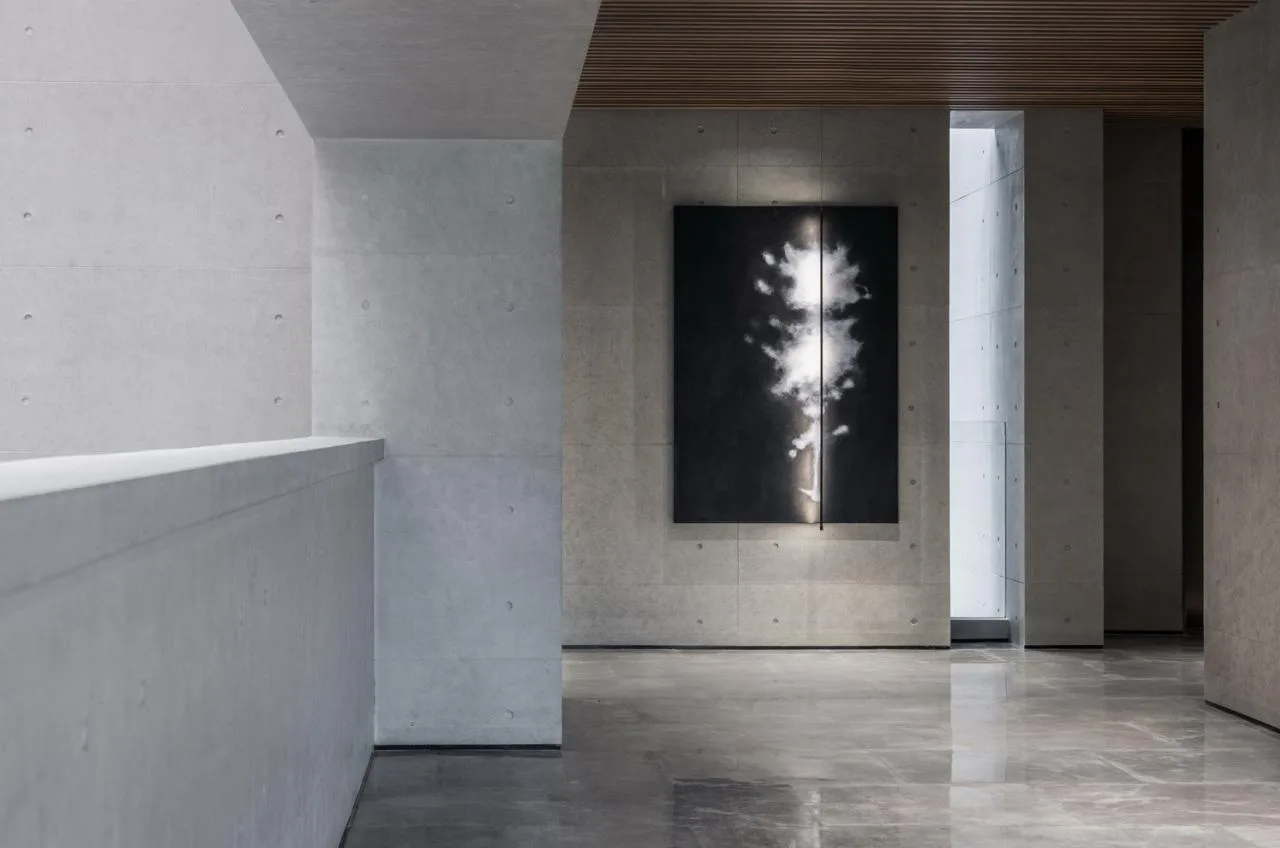
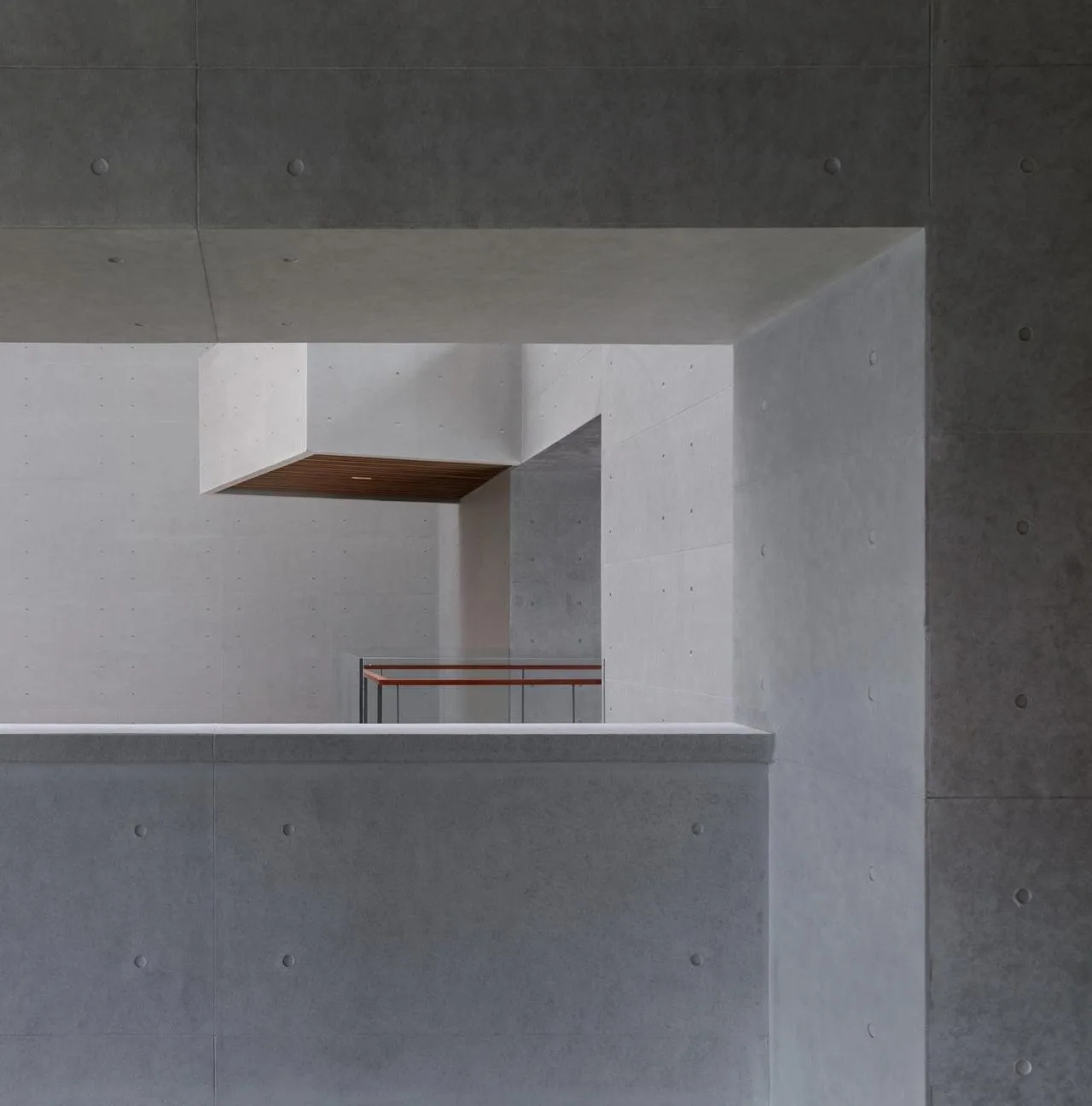
Exhibition Space ©️ Liang Qi’s 1000 Degree Visual Acuity
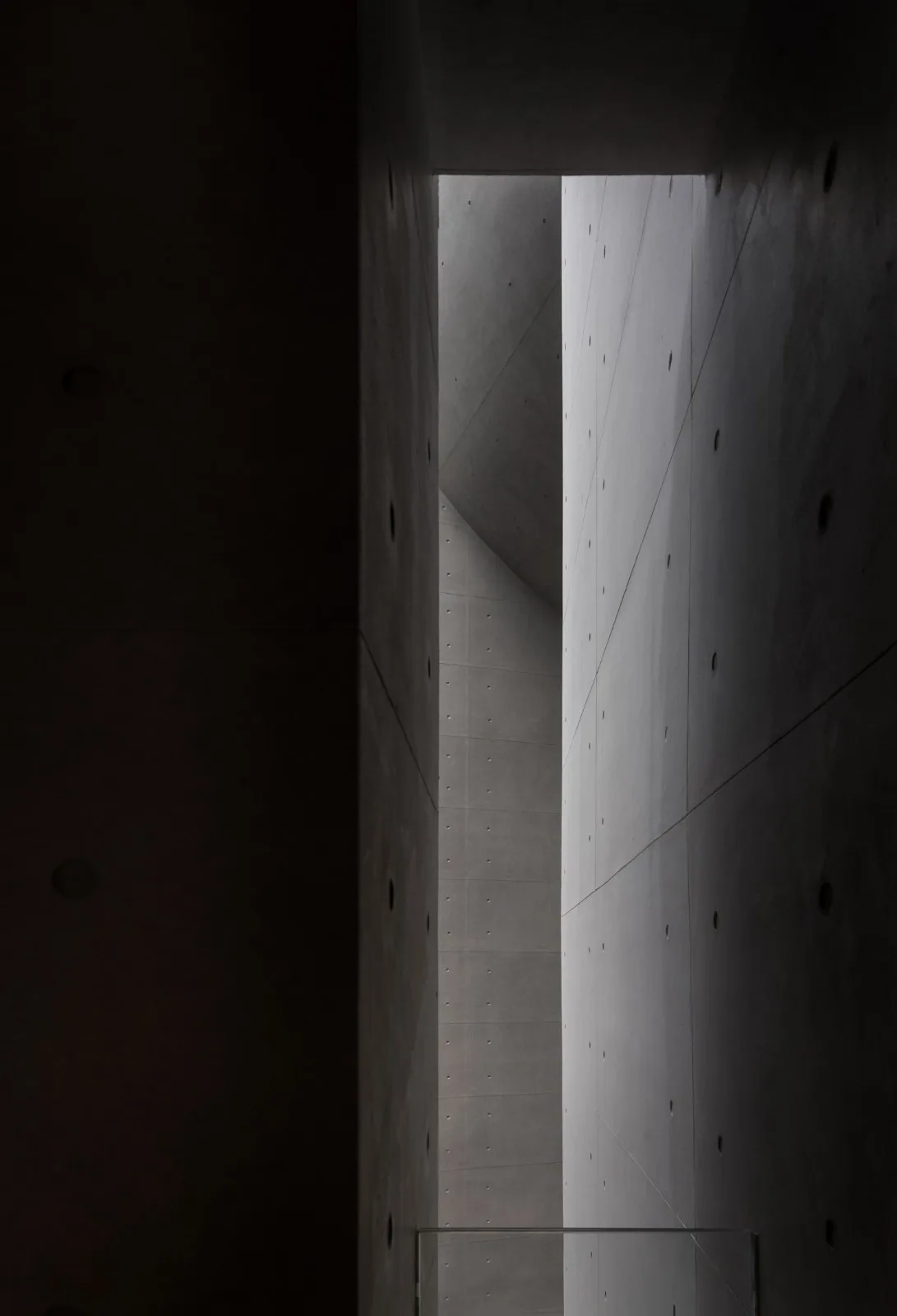
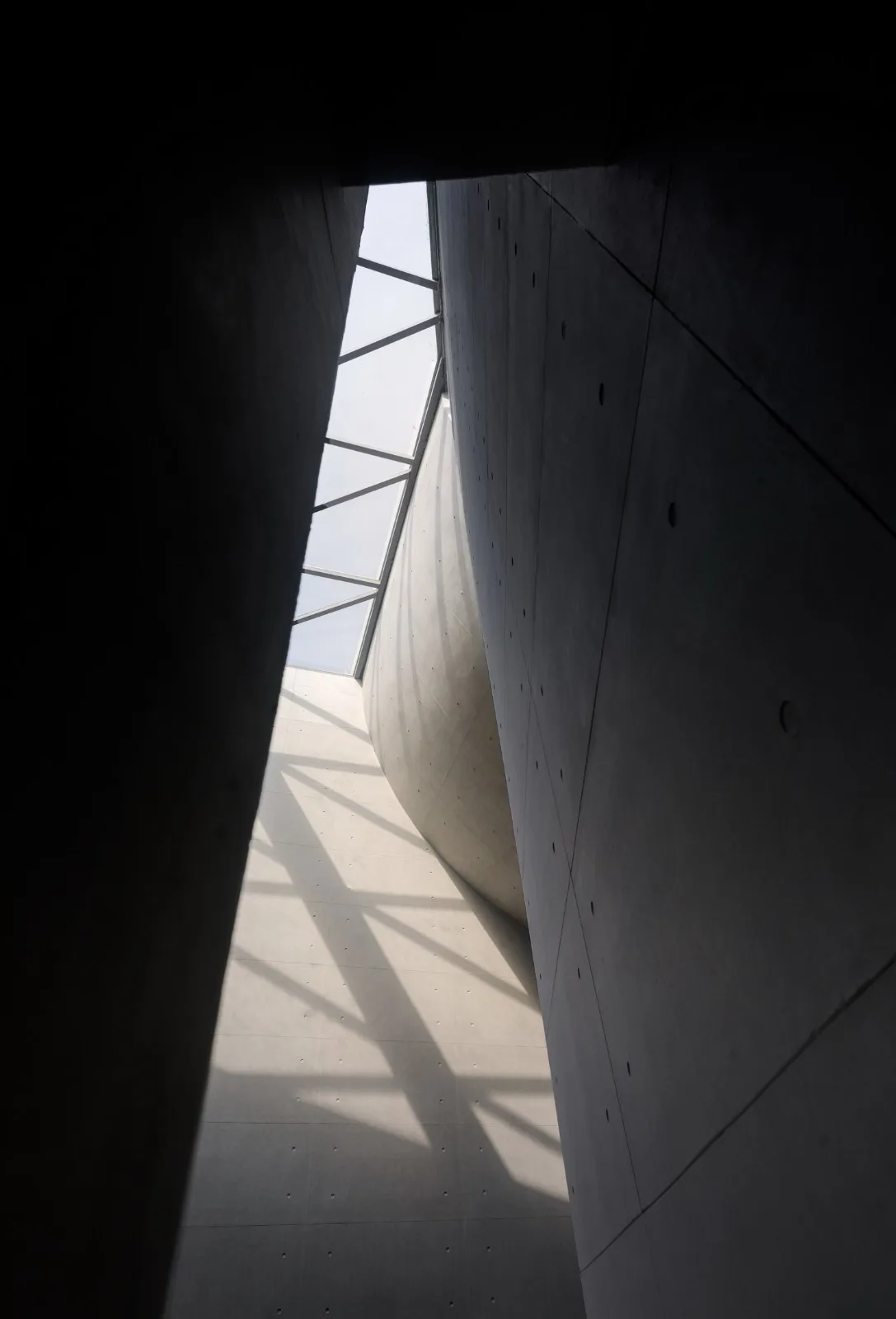
Indoor Details
Architectural Sketch
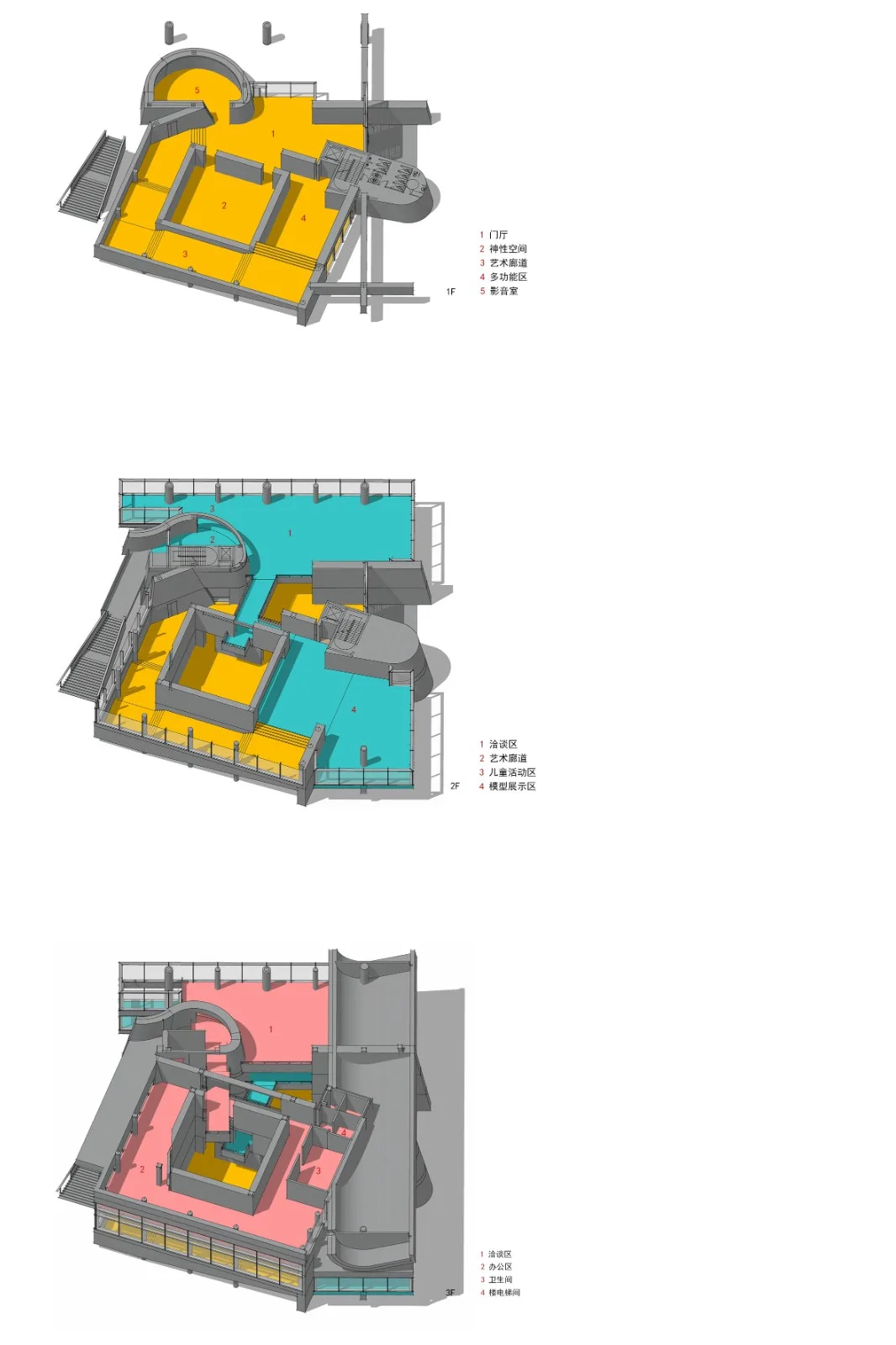
© Function and Space
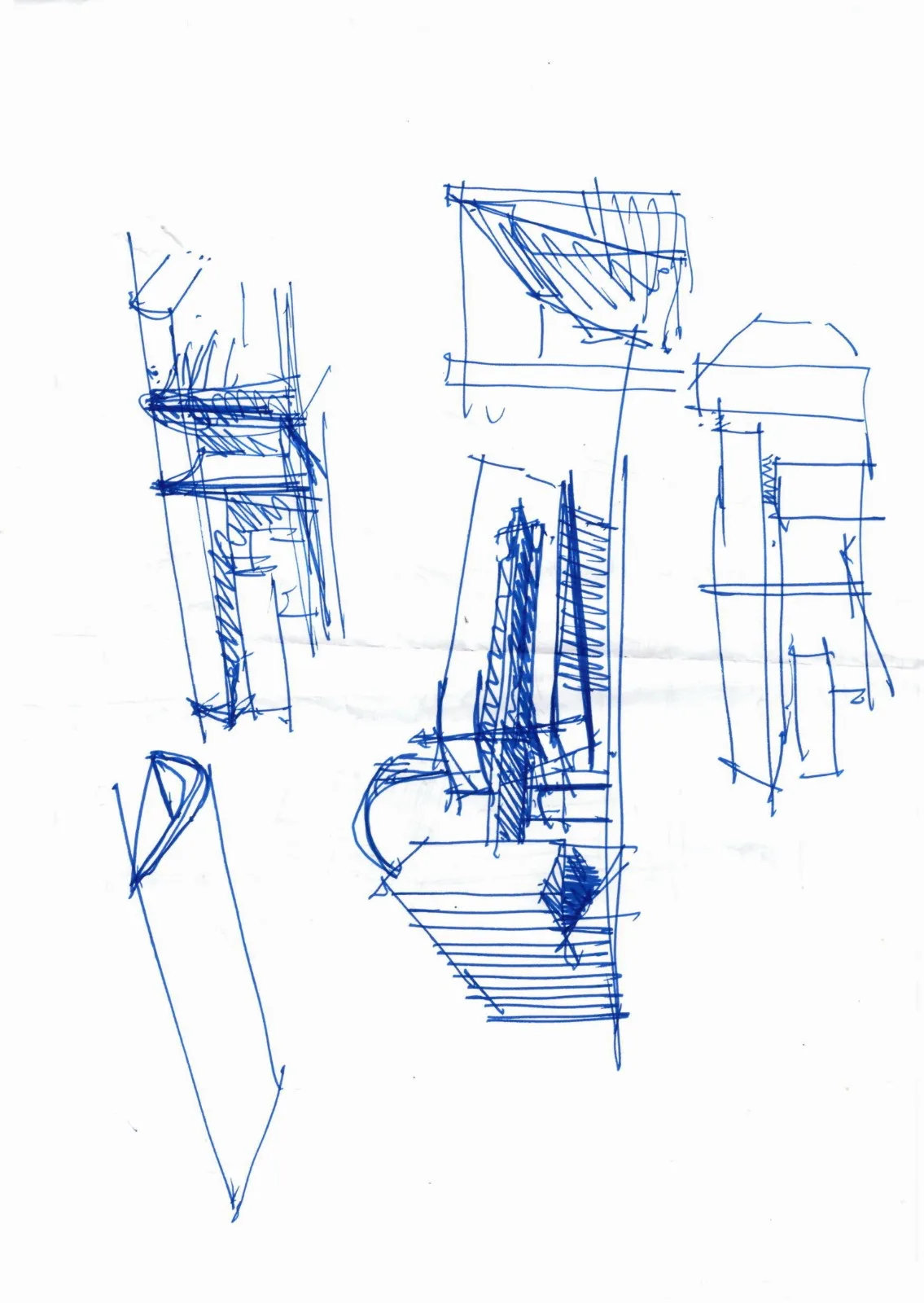
© Manuscript by Mr. Song Zhao
Conclusion
For Lishui residents, the historic charm of the old city and the collective memories of its people are invaluable assets that must be preserved within new urban planning projects. This design translates Lishui’s unique urban memories into abstract still life geometric forms, combining the semantics and imagery of specific streets, alleys, and buildings through spatial interpretation. It revives the living memories of meandering streets, alleys, and flowing rivers, while presenting a new vision for Lishui’s future urban landscape.
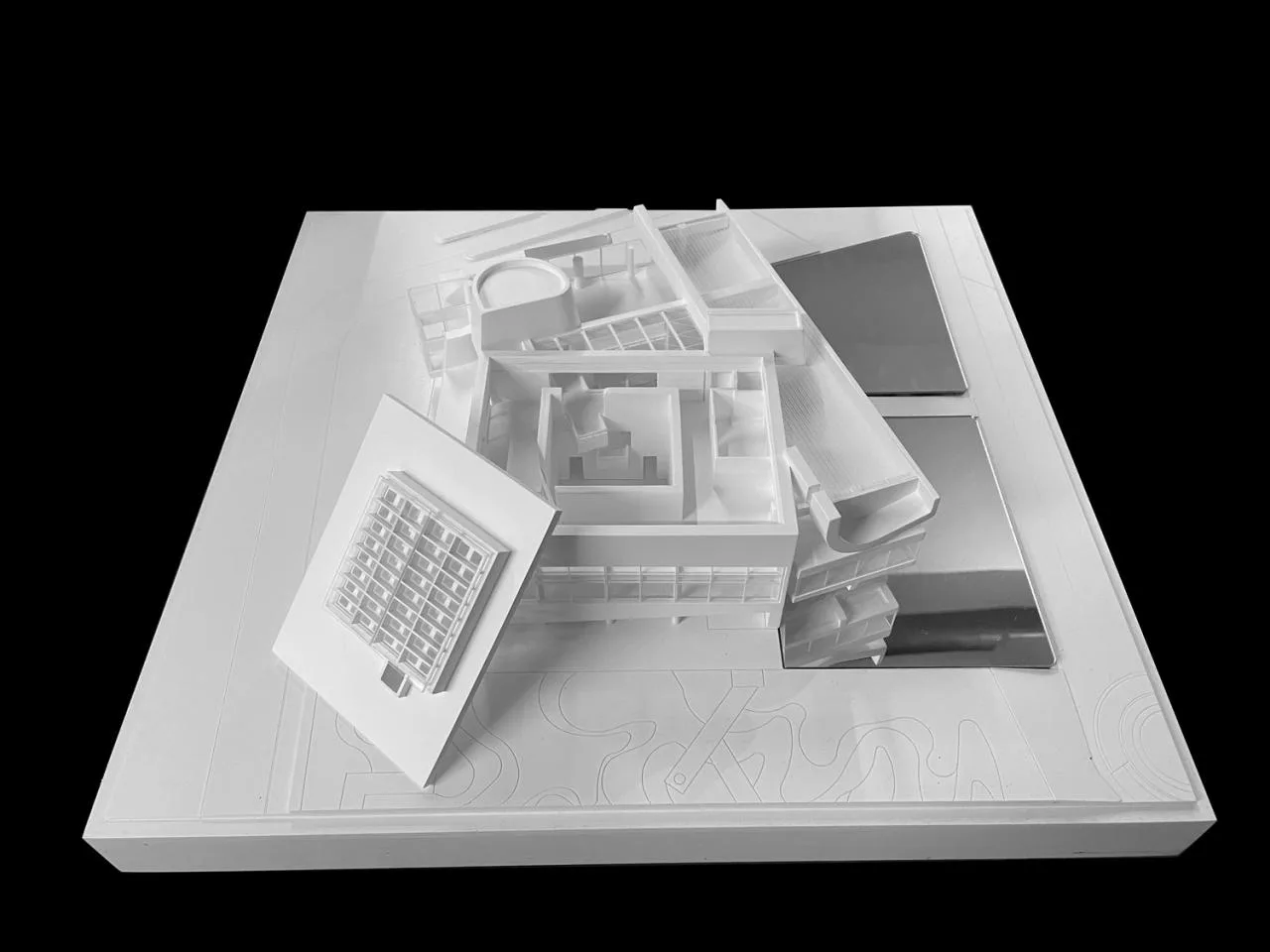
As a result, the architecture becomes a corner of the city’s memory, revitalizing the city with a fresh identity. This innovative design approach, using point-expansion architecture, drives the cultural tourism and social resources of the adjacent old city closer to the modern model of the new planning area. The exhibition center, as the first project, will serve as a new landmark and catalyst for Lishui’s development and transformation, bridging the old city’s traditional character with the modern planning vision and injecting new energy and urban memories into Lishui Ancient City.
Project Drawings
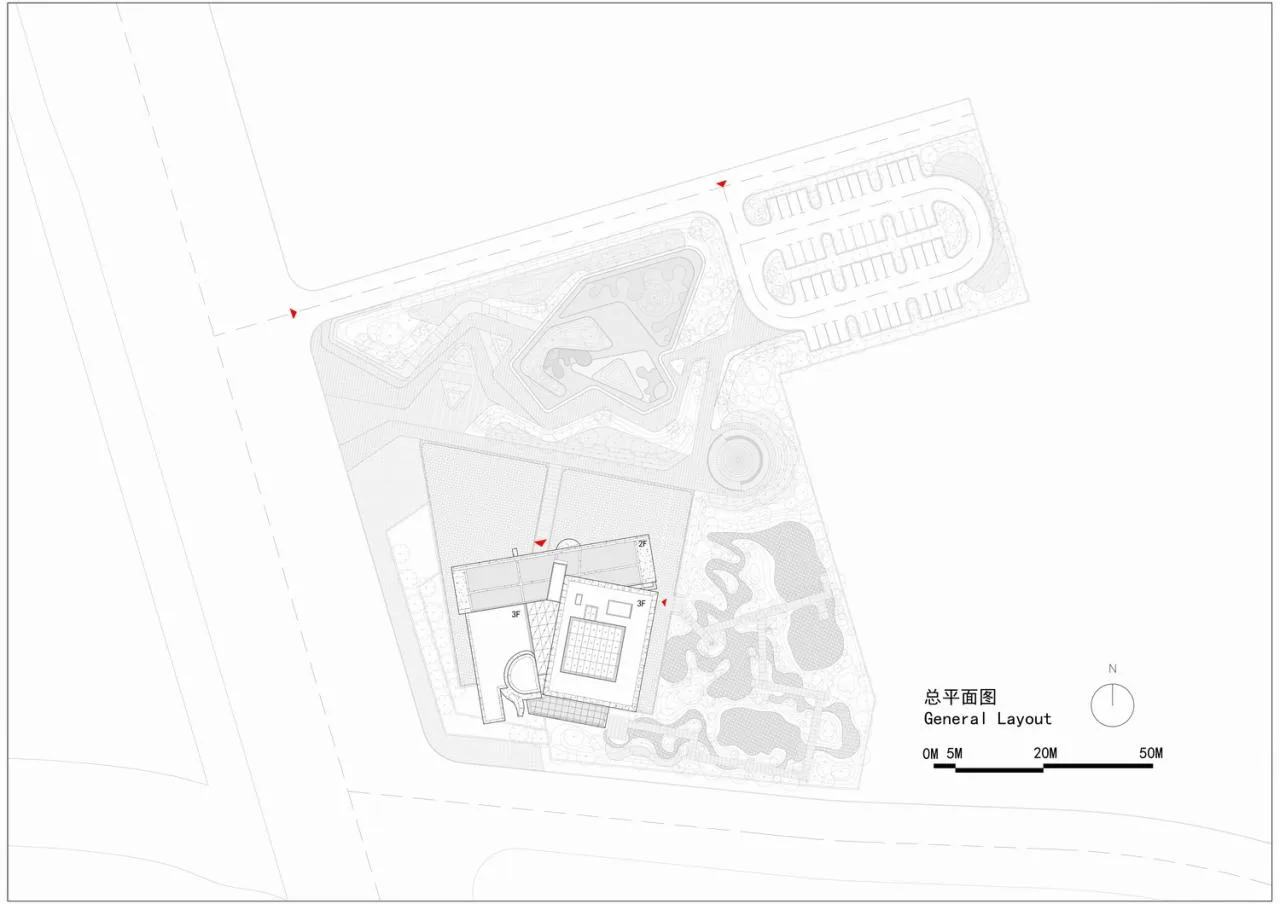
△ General Layout Plan
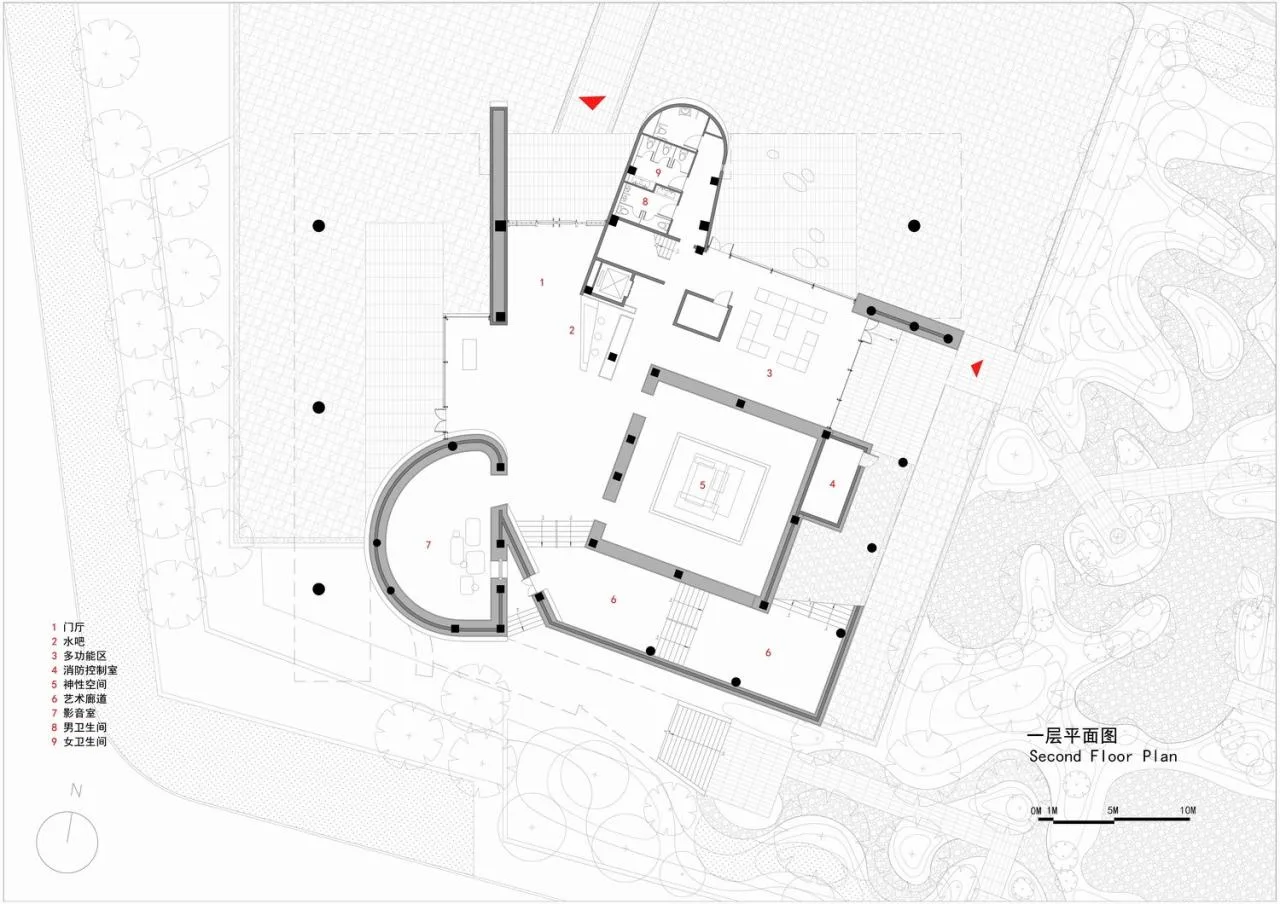
△ First Floor Plan
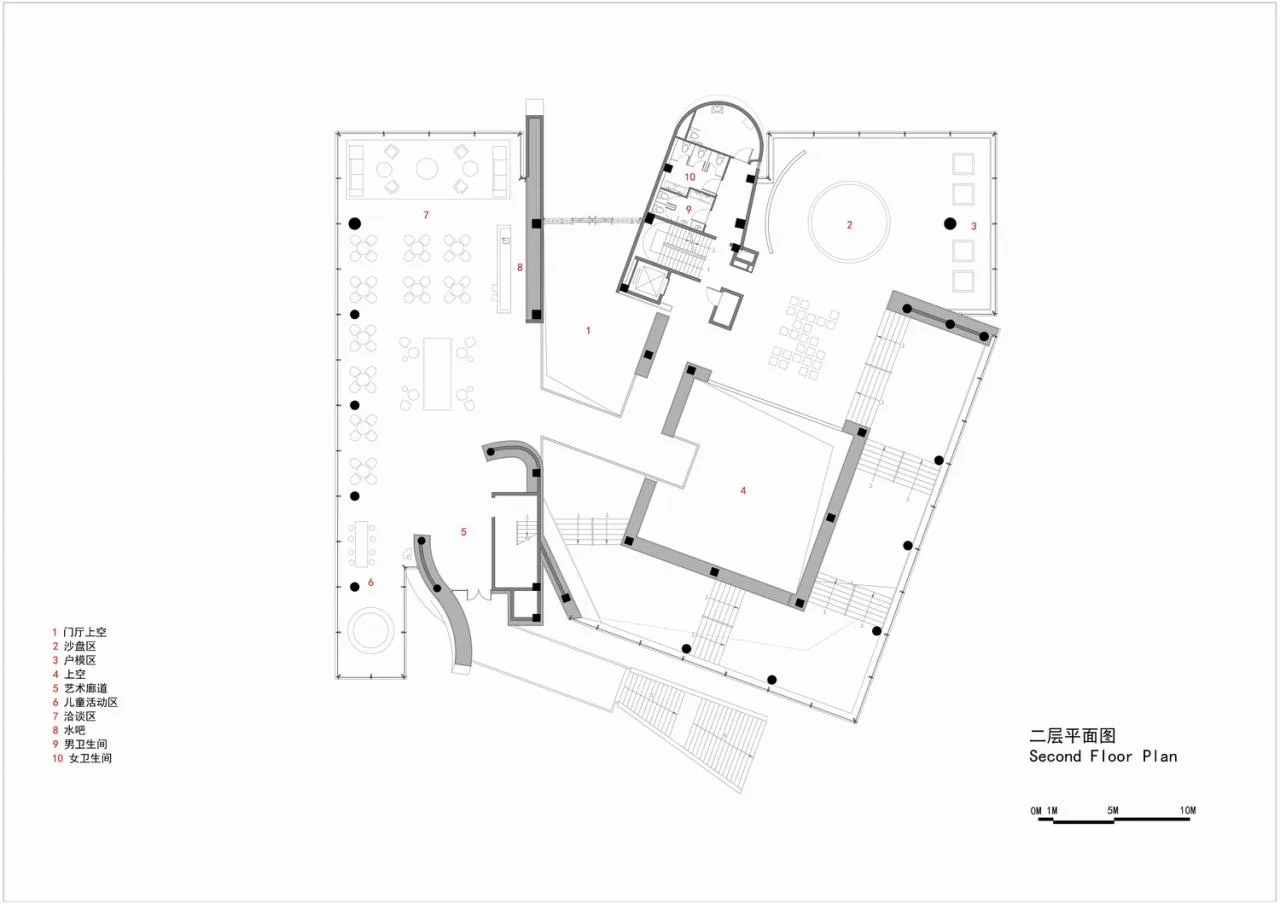
△ Second Floor Plan
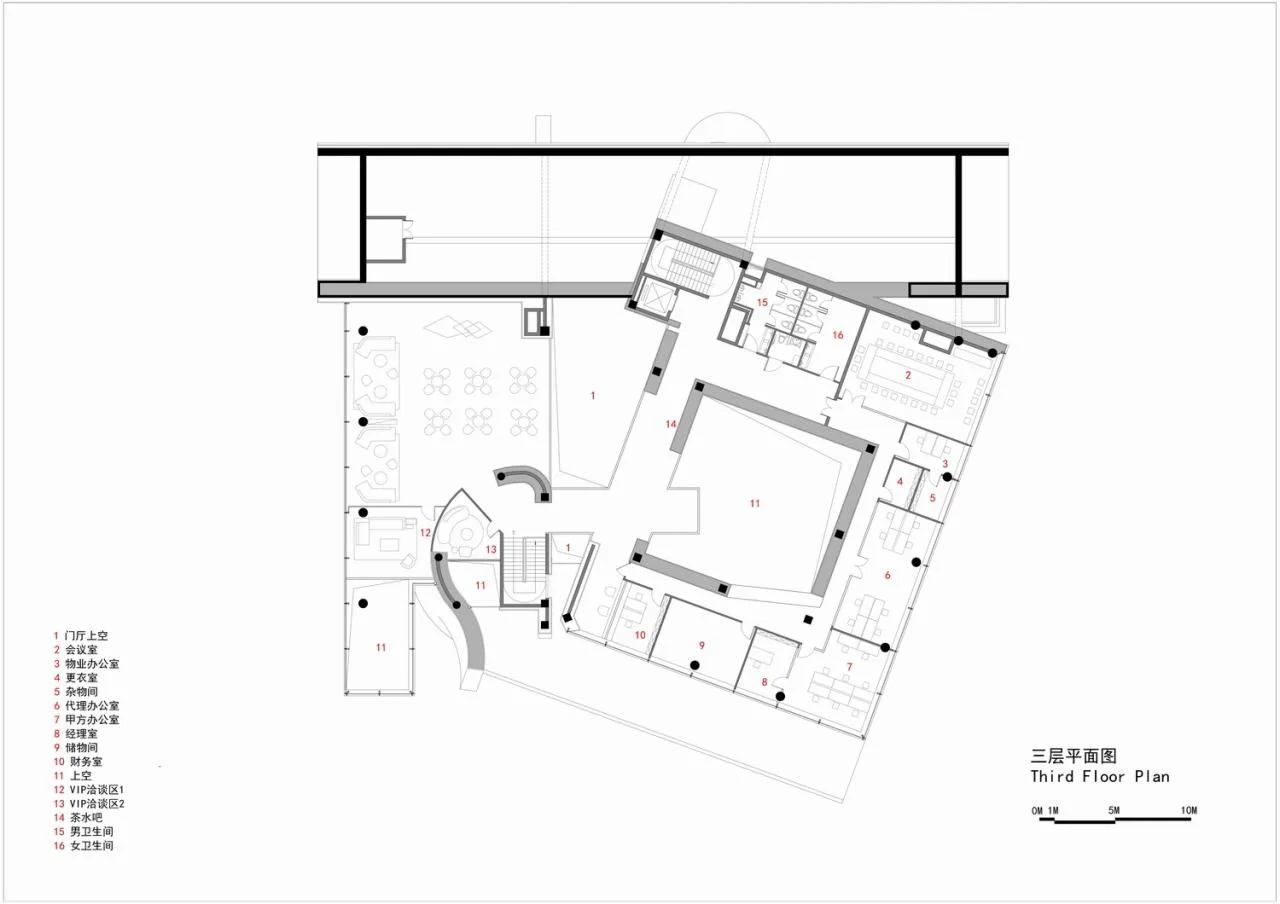
△ Third Floor Plan
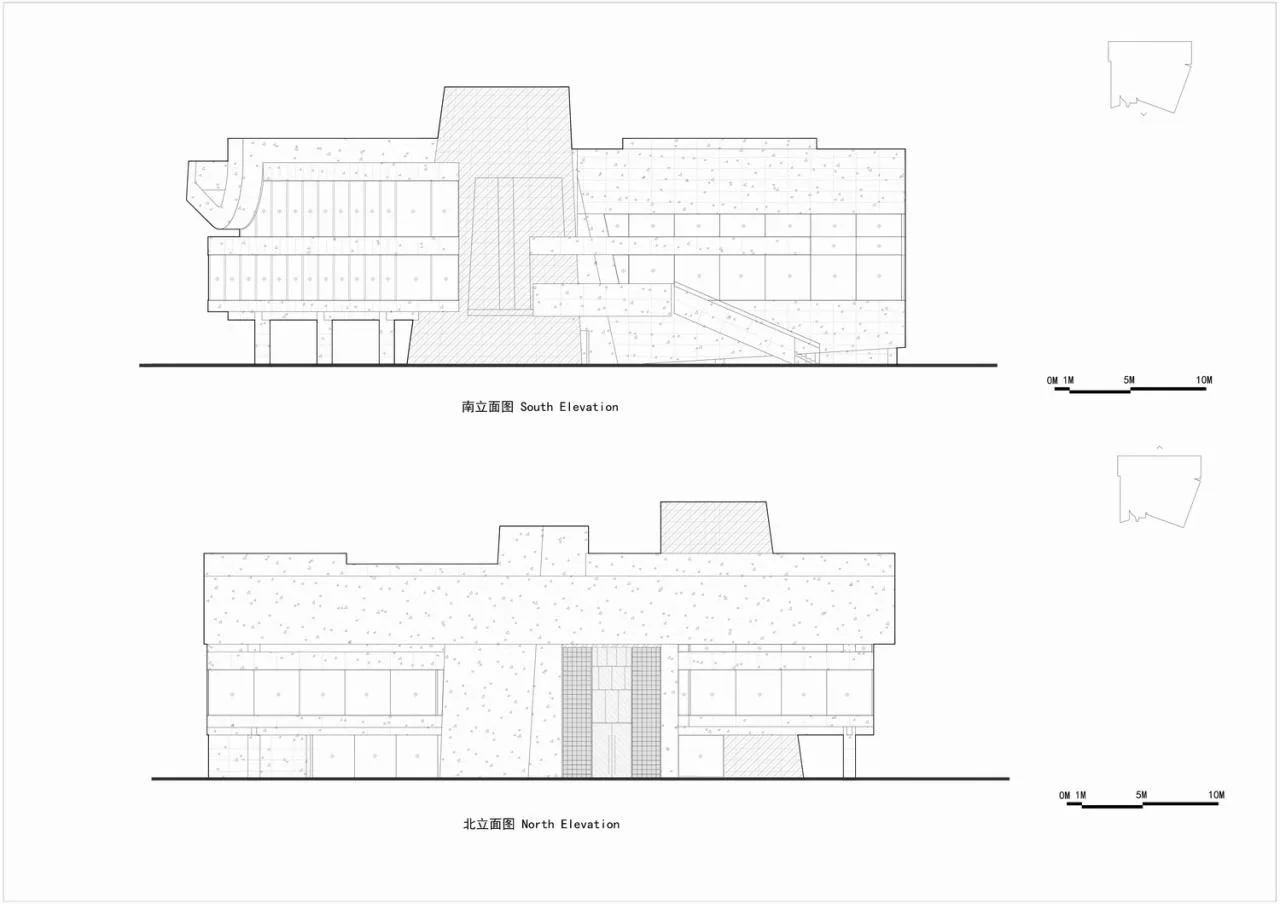
△ Elevation Drawing
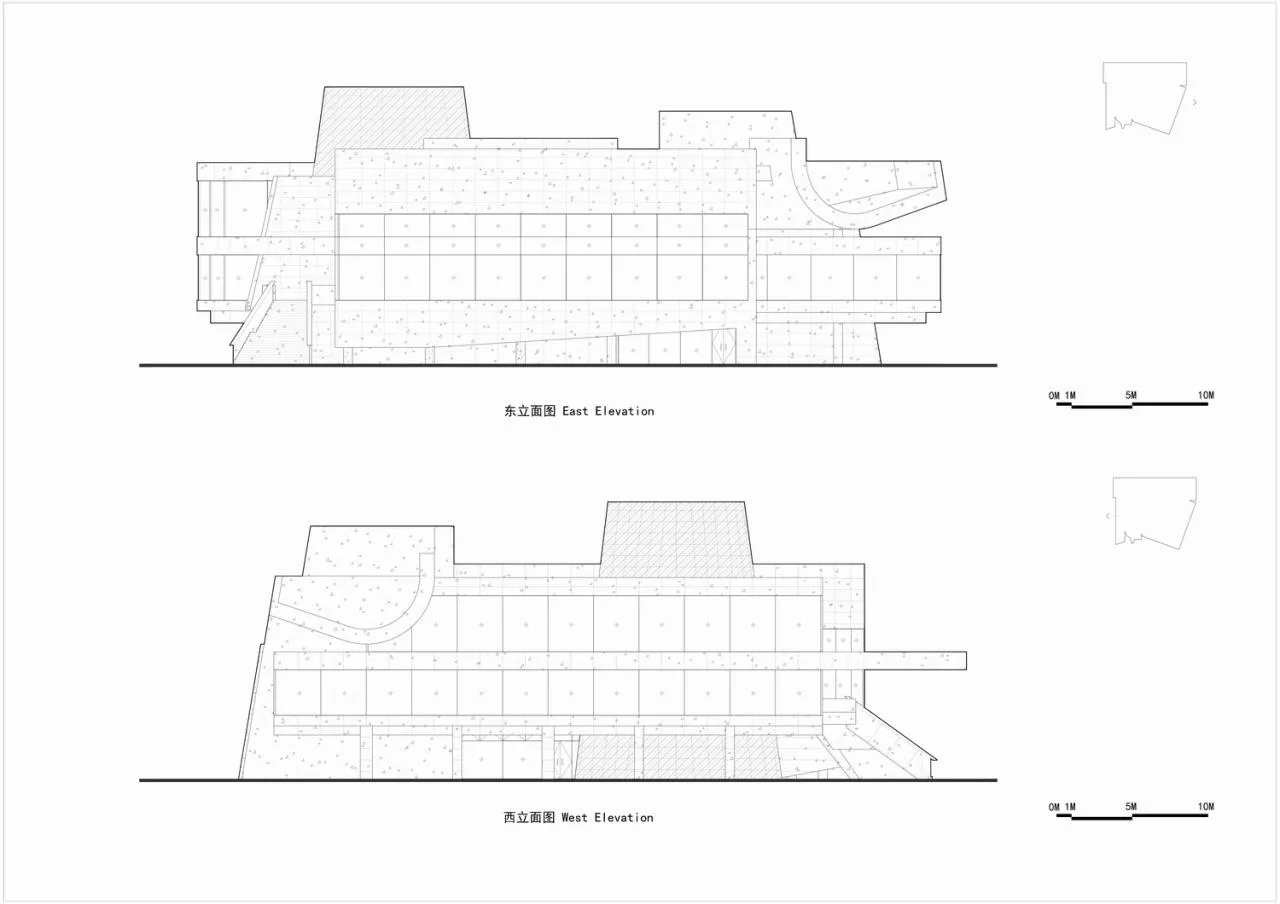
△ Elevation Drawing
Project Information
Project Name: Nanjing Lishui Overseas Chinese Town Exhibition Center
Location: East side of Baota Road, Lishui District, Nanjing City (north bank of Yigan River)
Owner: Nanjing Lishui Overseas Chinese Town Industrial Co., Ltd
Architectural Design: Shanghai Riqing Architectural Design Co., Ltd
Design Director: Song Zhaoqing
Design Manager: Chuzi Yuan
Design Team: Zhao Xiaoxue, Gao Wa, Li Dengzhou, Xing Yunfan, Liang Hao
Rendering Representation: Xu Ruipeng Studio
Video and Chart Drawing: Zhao Xiaoxue and Wang Qian
Architectural Photography: Liangshan 1000 Degrees Vision
Design Period: January 2021
Design Duration: 2 months
Project Completion: October 2021
Floor Area: Approximately 15,000 square meters
Building Area: Approximately 2,500 square meters above ground, no underground space
Materials: GRC, concrete fiberboard, imitation clear water concrete coating
Architectural Construction Drawing: Nanjing Changjiang Urban Architectural Design Co., Ltd
Curtain Wall Design: Xumilin Energy Technology (Shanghai) Co., Ltd
Floodlight Design: Xumilin Energy Technology (Shanghai) Co., Ltd
Interior Design: Shanghai Aoshi Design Consulting Co., Ltd
Interior Construction Drawing: Shanghai Aoshi Design Consulting Co., Ltd
Indoor Construction Unit: Taixing Yijian Construction Group Co., Ltd
Landscape Design: Shanghai Riqing Landscape
Landscape Construction Drawing: Shanghai Riqing Landscape
Curtain Wall Construction: Taixing Yijian Construction Group Co., Ltd
Landscape Construction: Taixing Yijian Construction Group Co., Ltd















Must log in before commenting!
Sign Up