
When it comes to determining elevations in modeling and drafting, the general rule is that only floor elevations should be established. In other words, when creating elevations in Revit—which is done through elevation or section views—you typically set elevations only at the floor levels indicated in the design drawings. Auxiliary elevations, such as those for the bottom of doors and windows or the heights of multi-flight stairs and landings, should not be created merely for drawing convenience. The positioning and dimensions of doors and windows can be accurately controlled using instance parameters for base height and type parameters for width and height. Similarly, stair landings are defined by several constraint parameters within the instance properties.
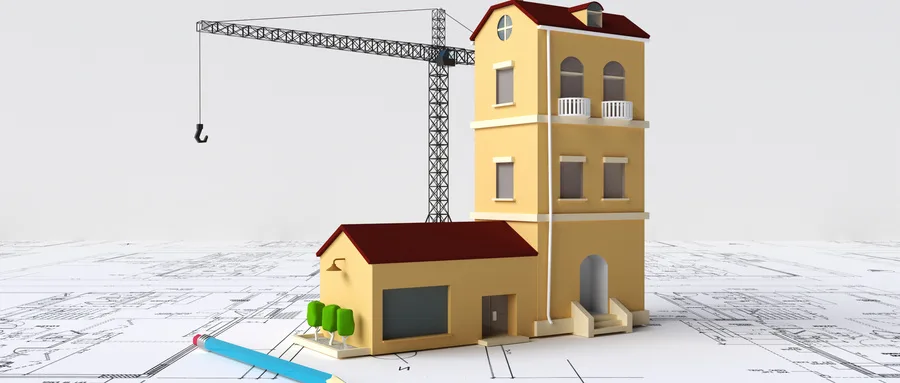
When modeling in Revit, the initial focus is on drawing core components such as columns and walls at their standard elevations.
In Revit, the elevation of masonry walls does not depend on additional elevations. After importing the model into Guanglian Da, the software reorganizes components based on floor elevations to align with its specific calculation rules.
Once a model file has been imported into the BIM5D platform, elevations cannot be arbitrarily added or removed. If changes to elevations are required, the model must be returned to the original modeling software for fundamental adjustments. This includes correcting any affected components according to the revised elevations. The BIM5D software was designed with flexibility in mind, recognizing that different users may follow varying workflows—some use building elevations for modeling, while others rely on structural elevations. To accommodate this, a simple function allows modification of project elevation values so that the imported model’s elevation matches the original elevation settings. However, this function only works when all users share the same elevation numbering system. If additional elevations have been introduced incorrectly, causing discrepancies in elevation counts, it becomes impossible to unify the project by simply adjusting elevation values. Such inconsistencies prevent the model from being classified as a single, cohesive project.













Must log in before commenting!
Sign Up