
Effective communication and coordination among all participating units are essential for successful project construction. Without proper coordination, conflicts may arise in the scheduling and execution of tasks, which can seriously disrupt the progress of the project. Therefore, it is vital that all parties involved—including owners—maintain timely and clear communication throughout the construction process.
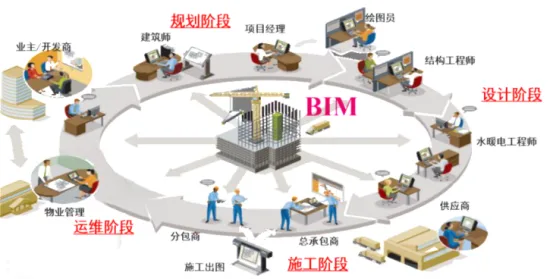
BIM, with its highly information-driven capabilities, allows for the comprehensive summarization, organization, and communication of ideas from all stakeholders before construction begins. This enables a scientifically sound scheduling of construction sequences, significantly reducing potential conflicts at different stages and easing the coordination workload. In essence, BIM technology addresses the communication shortcomings common in traditional construction methods, thereby enhancing management efficiency.
BIM coordination extends beyond aligning people and departments—it also facilitates the efficient management of building resources throughout the construction process. By simulating a three-dimensional site layout, BIM reveals changes in resource demands over time, providing valuable data for procurement planning. This approach helps minimize resource waste and financial strain on construction companies, while also reducing the space needed for material storage and optimizing site usage.
Moreover, BIM technology effectively resolves issues caused by poor communication among stakeholders. By simulating the construction process beforehand, potential problems can be identified early and addressed appropriately. For example, BIM ensures smooth coordination in critical areas such as elevator shaft divisions and fire zone delineations during construction.
















Must log in before commenting!
Sign Up