
The key to a building’s perception lies in its interpretation of regional culture.
01 Origin: Self-Cultivation and Perseverance at Mount Emei
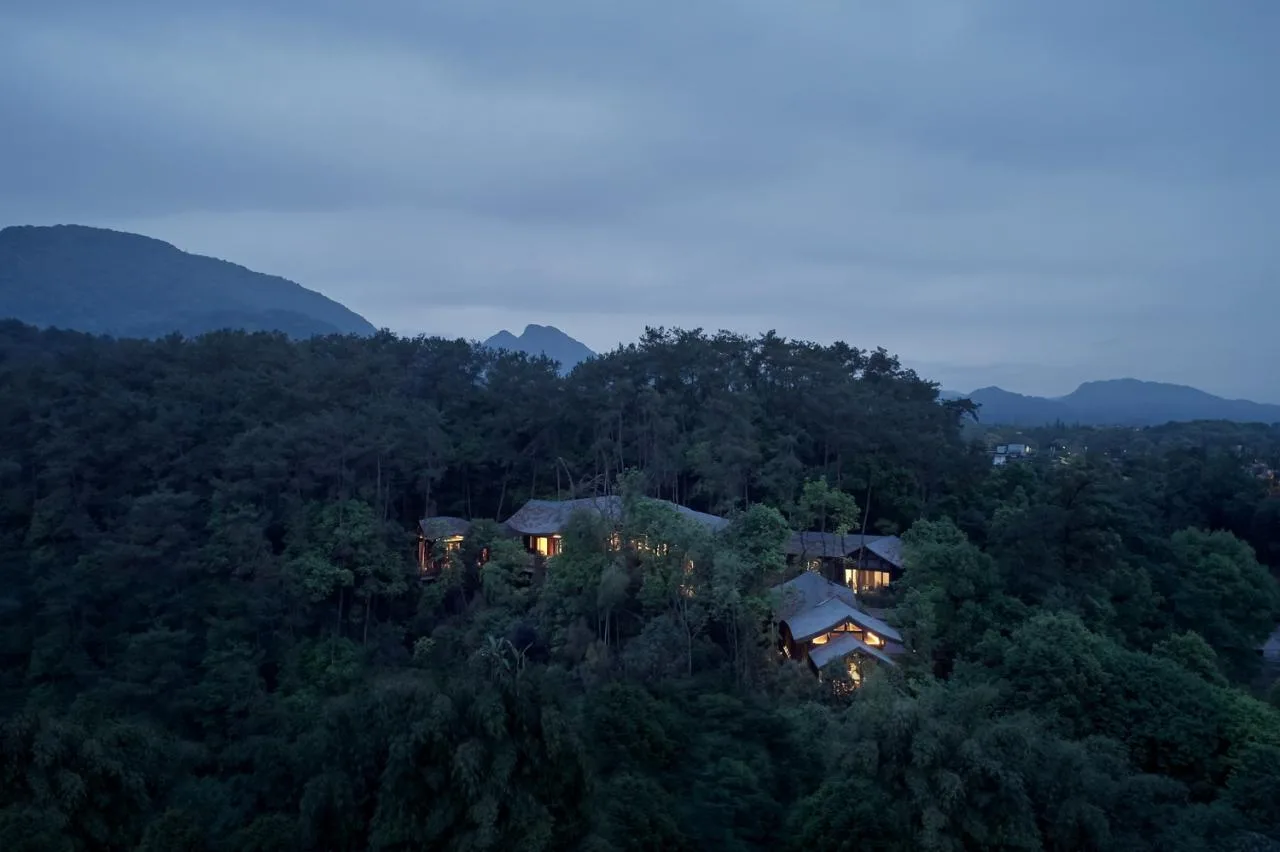
Mount Emei Banyan Tree · Huizong Academy is situated within the Baoguo Temple scenic area on Mount Emei in Sichuan Province. It is surrounded by mountains, lush greenery, and a serene environment, offering breathtaking scenery.
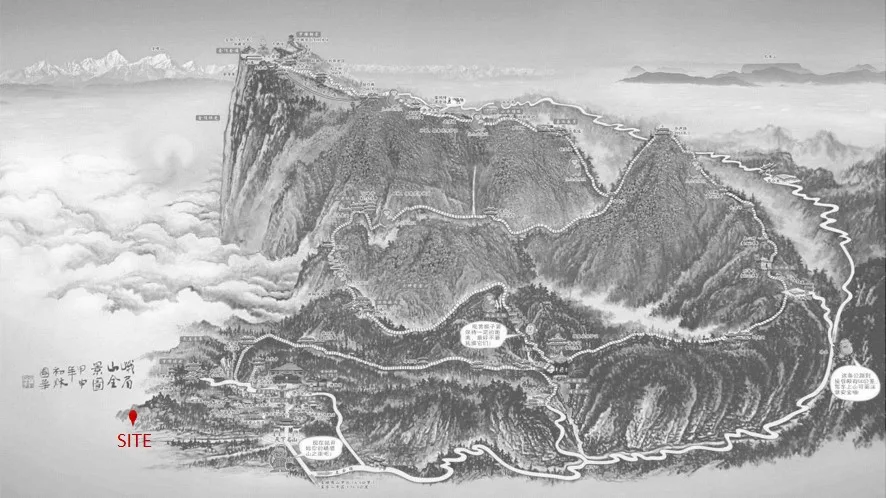
▲ Project location
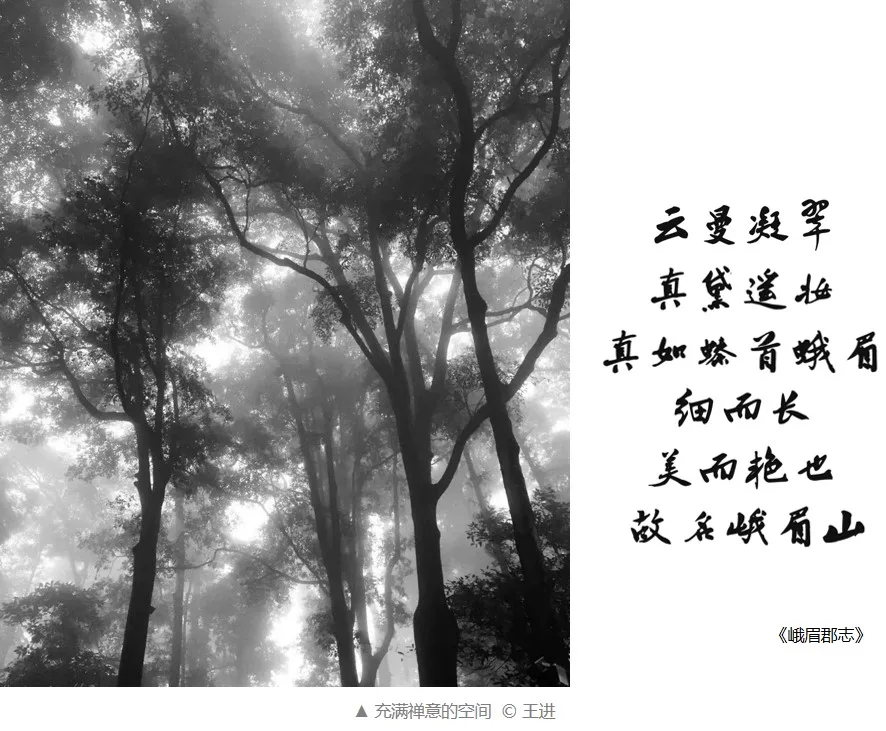
Mount Emei is recognized as a UNESCO World Natural and Cultural Heritage site. As one of China’s “Four Great Buddhist Mountains,” it is a prominent destination rich in international cultural appeal. The culture of Emei dates back to the Neolithic period and is part of the southwestern cultural region of the Sichuan Basin. With its deep and long-lasting history, Mount Emei remains a vital subject for the study of cultural meanings and regional characteristics.
The name “Huizong” comes from the original name of Baoguo Temple during the Ming Dynasty’s Wanli period, known as “Huizong Hall.” It symbolizes the integration and coexistence of Confucianism, Buddhism, and Taoism on Mount Emei. This embodies an inclusive spirit, allowing diverse cultures to coexist and presenting a grand vision of regional culture with a global perspective.
As the world’s first academy building at Banyan Tree Hotel, Huizong Academy focuses on Emei studies. It carries the essence of Chinese culture and the unique regional culture of Mount Emei, integrating the philosophical traditions of Confucianism, Buddhism, and Taoism. The academy combines global knowledge and local heritage to foster cultural inheritance.
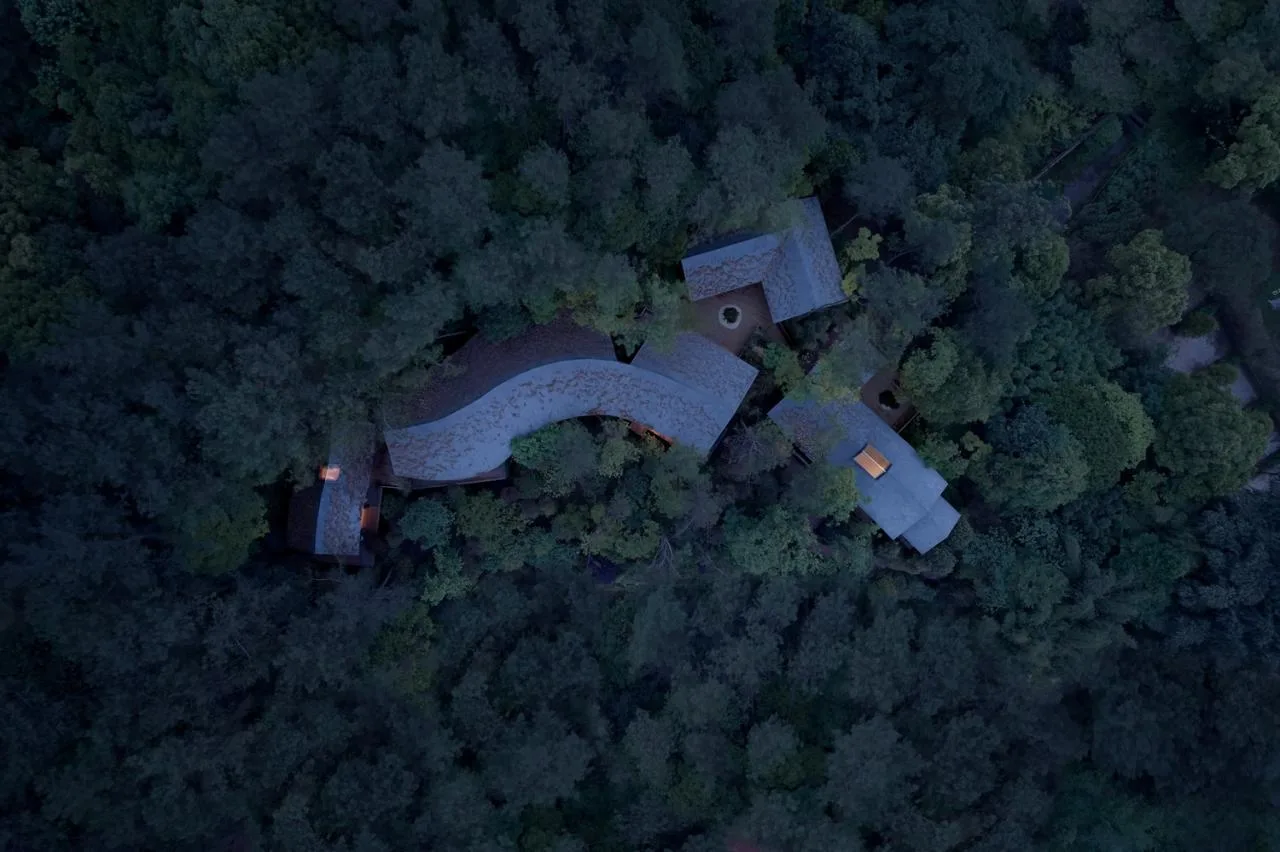
▲ Aerial view of the site
02 “Zhiwei Lin”: Outside the Forest, Seeing the Green; In the Book, Blooming Flowers
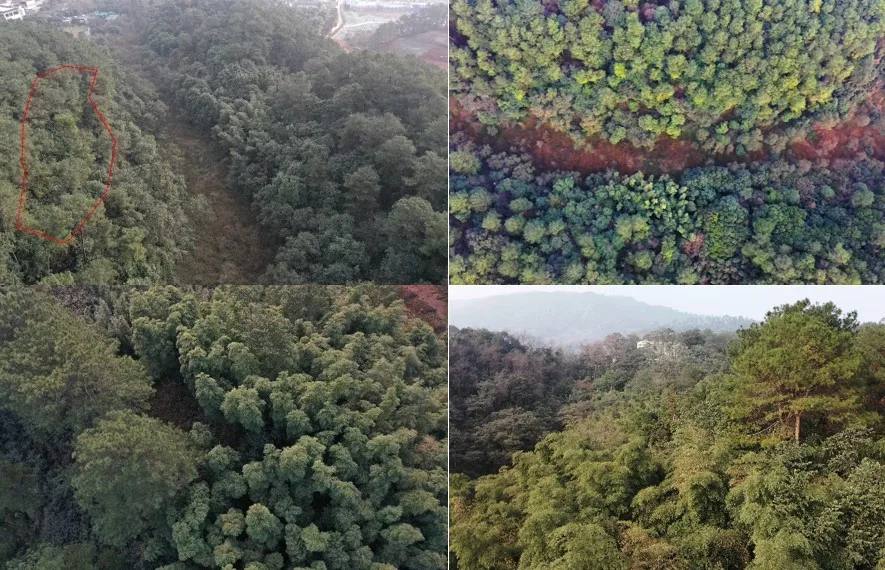
▲ Environmental features
Huizong Academy is nestled in a dense forest, backed by mountains and facing a body of water. The area boasts rich vegetation and an exceptional ecological environment, resembling a true “paradise on earth.”
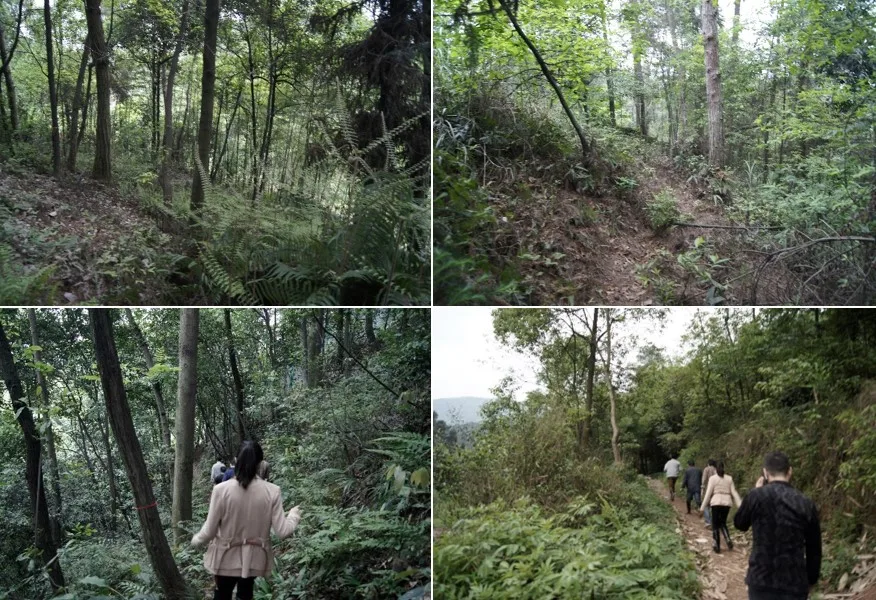
▲ Forest exploration
The design team ventured deep into the forest to document each tree, promoting the philosophy of “preserving every tree.”
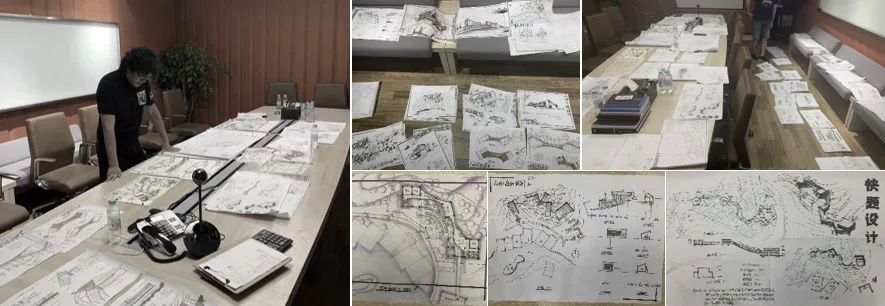
▲ On-site evaluation
In line with the “preserve trees” concept, the entire UA You’an Design team engaged in a week-long brainstorming session, generating nearly 100 original ideas using a “design quick question” method. The final proposals were assessed by Mr. Wang Jin, the design director and chief architect of Huizong Academy.
Thanks to the team’s dedication, the project successfully created a harmonious coexistence with nature, culminating in a Zen-inspired academy.
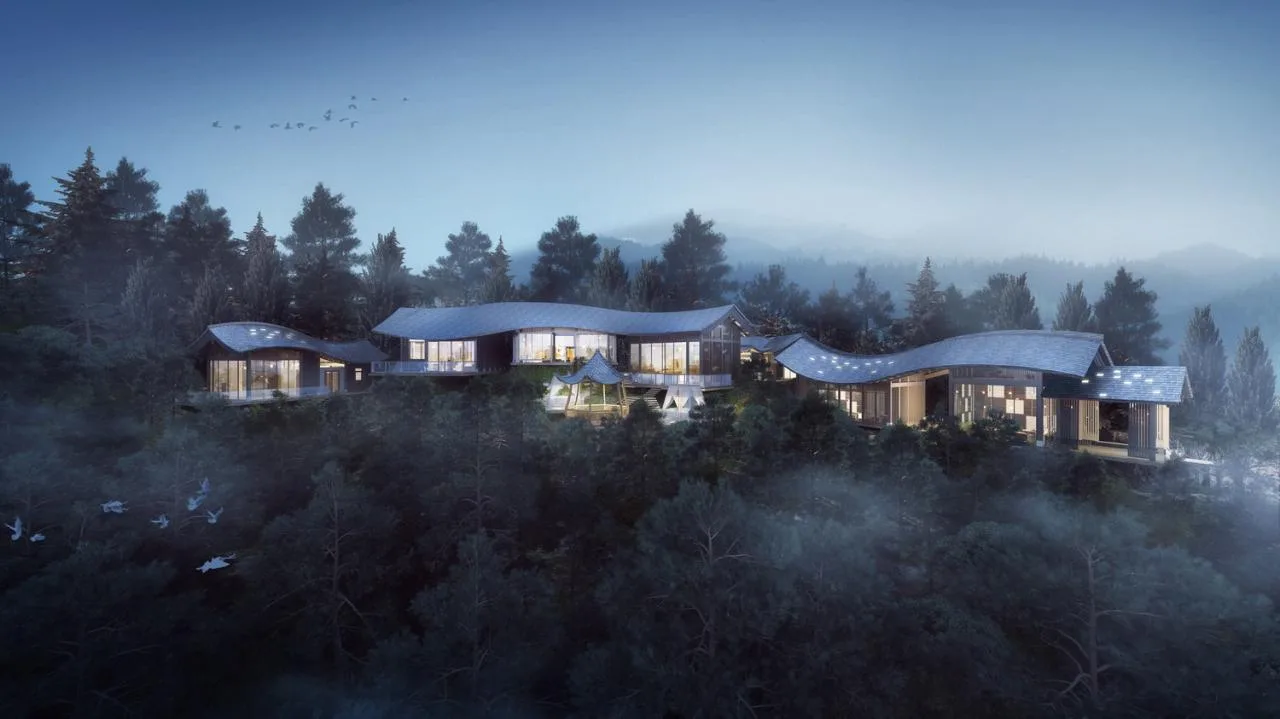
▲ Rendering of Huizong Academy
03 Embracing the Landscape: Architecture and Nature Intertwined
By analyzing the relationships between “architecture and mountains,” “architecture and trees,” “architecture and other buildings,” and “architecture and courtyards” in western Sichuan architecture, the design interprets regional culture artistically. Following the principle of preserving every tree, the project creates spaces such as rooms, courtyards, terraces, and pavilions that blend seamlessly with the environment and coexist harmoniously with nature.
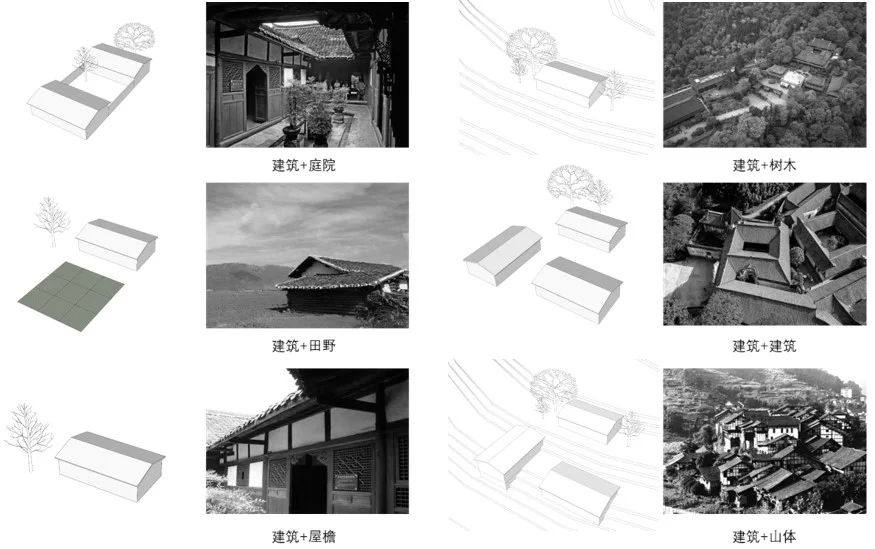
▲ Analysis of Mount Emei and architectural integration
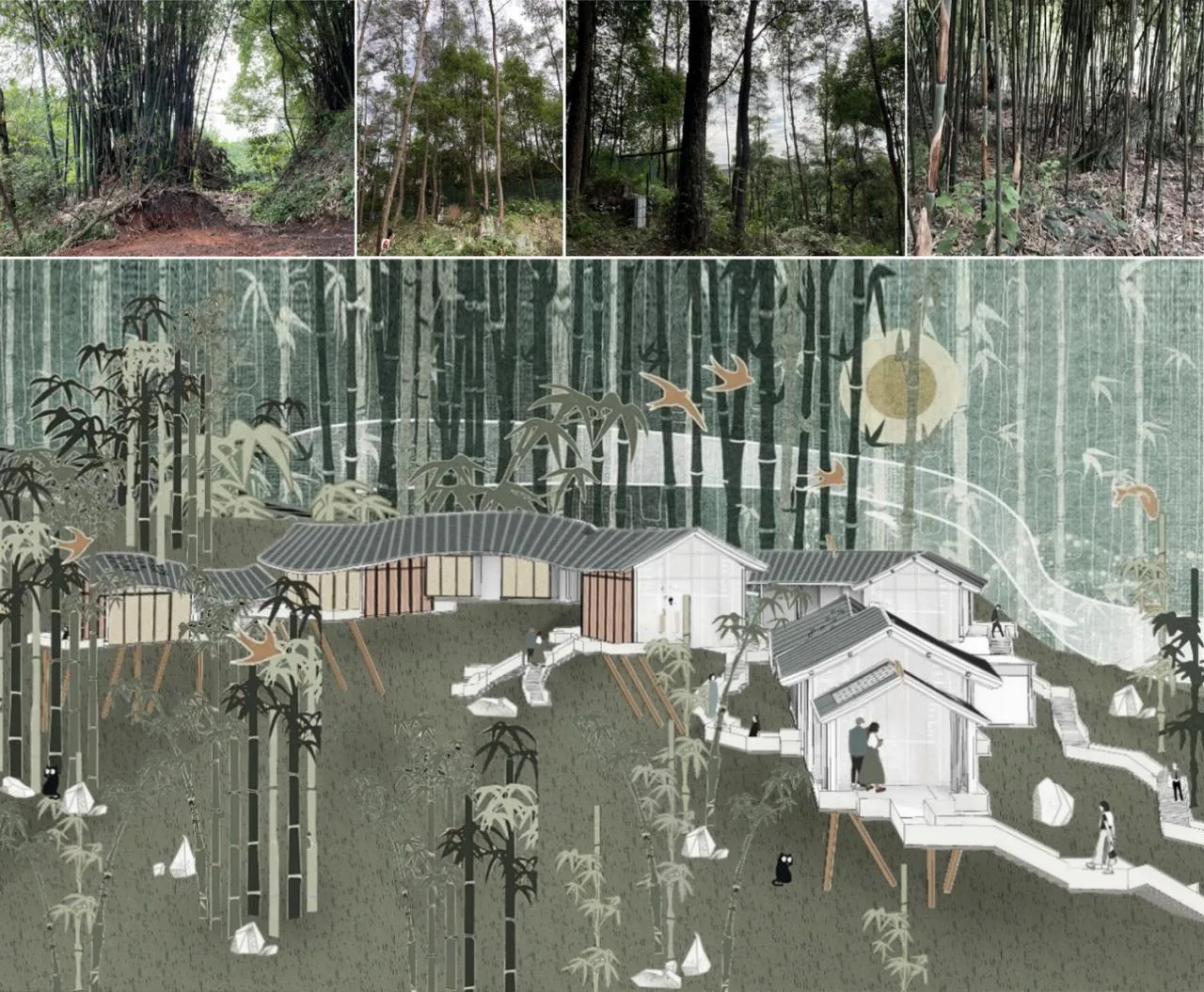
▲ Spatial illustration
The architectural design captures the distinctive style, structure, and cultural elements of Mount Emei, conveying them through architectural language.
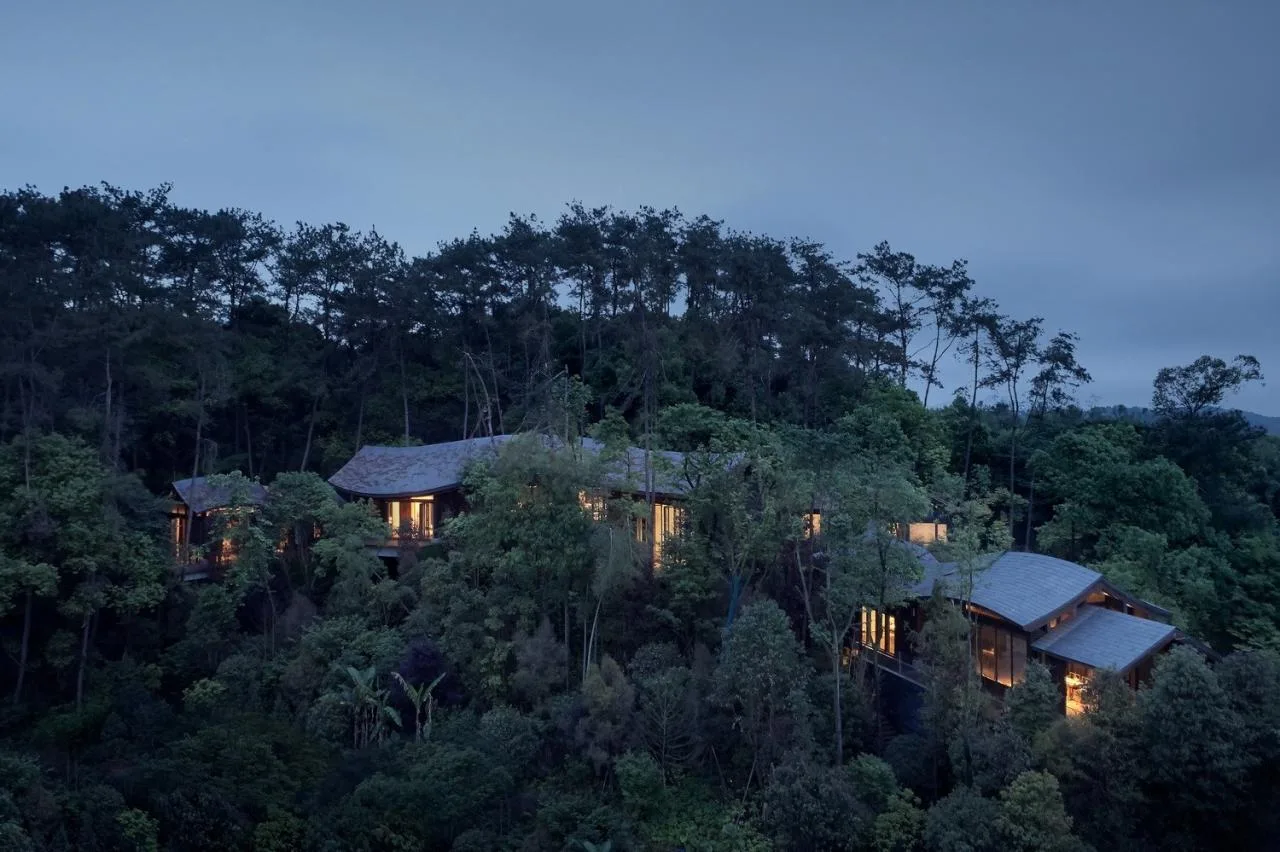
▲ Geological features of Mount Emei
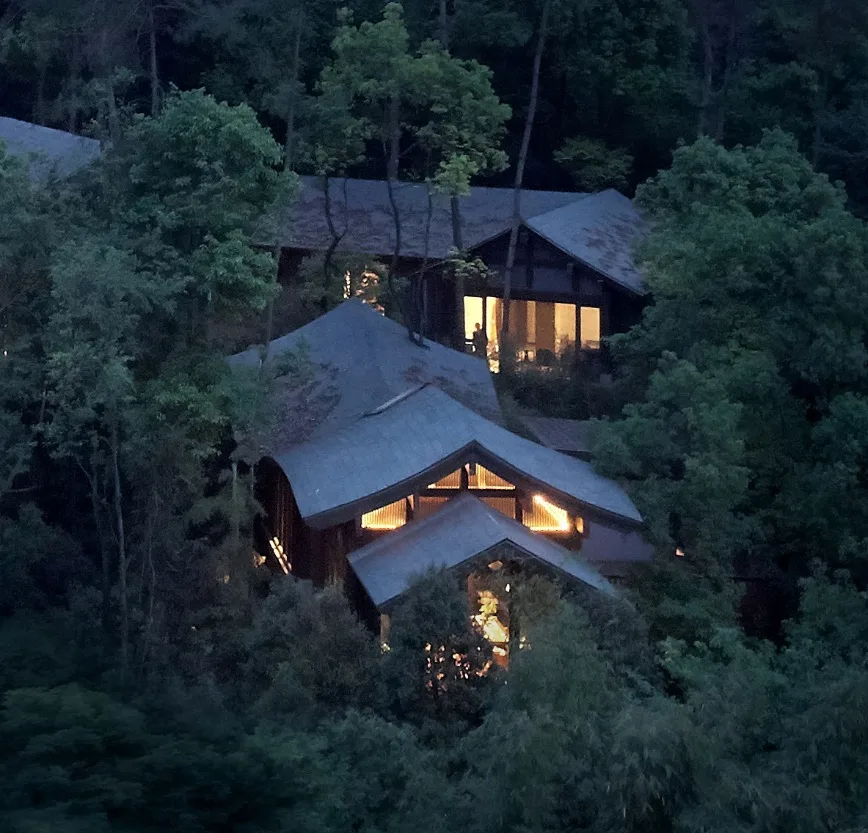
▲ Variations in building heights
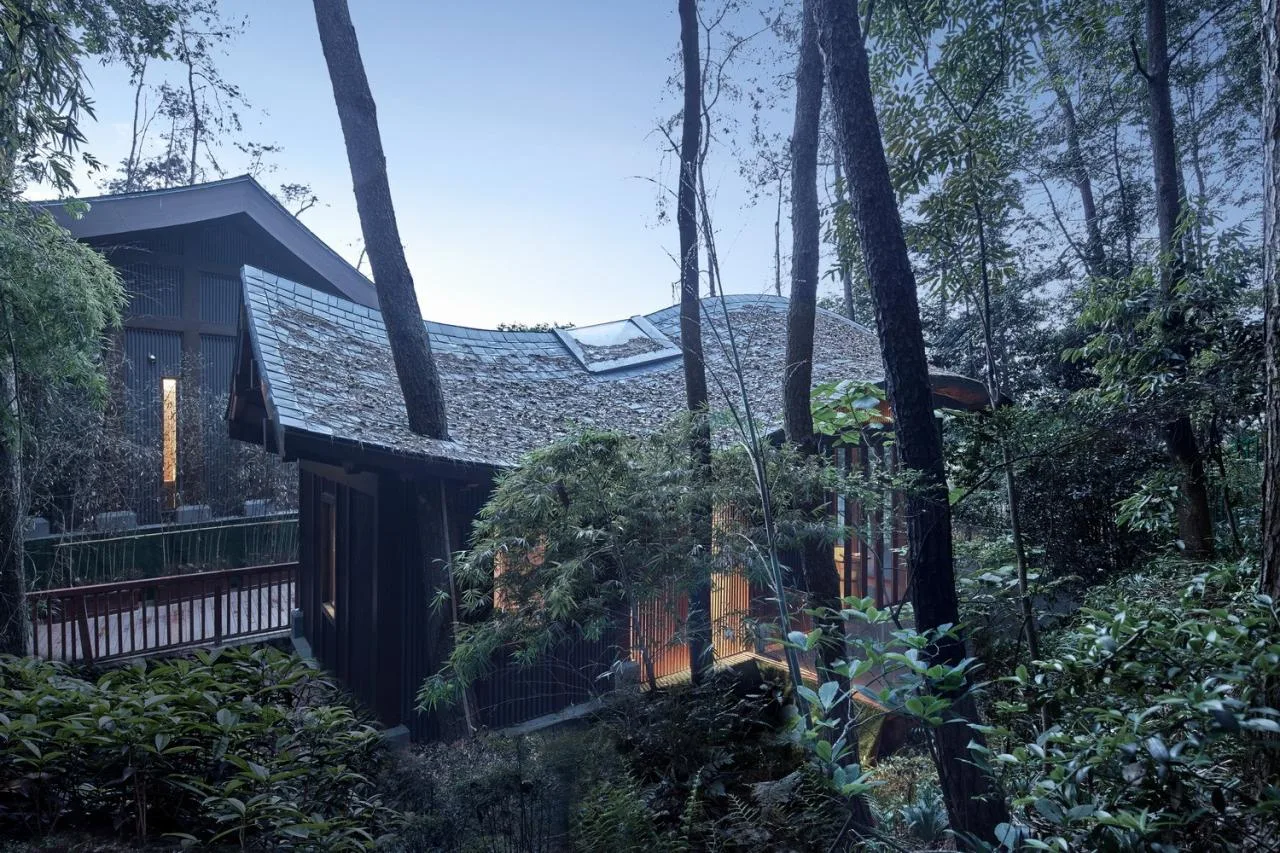
▲ Roof design characteristics
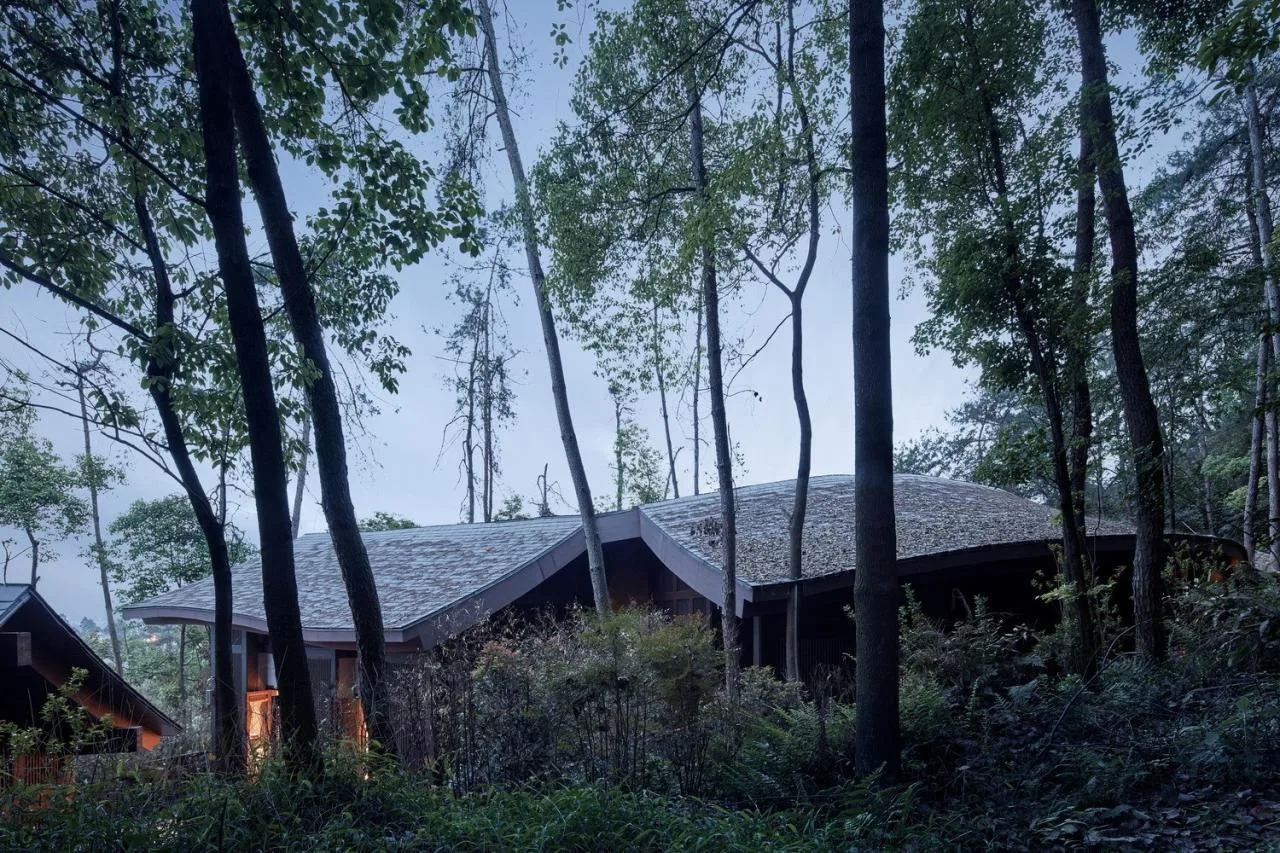
▲ Realistic photo of the site
04 Mountains and Forests in Harmony: Buildings Embracing the Scenery
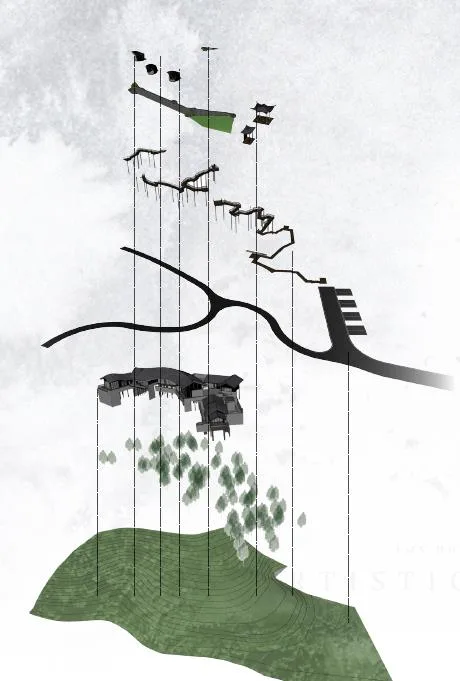
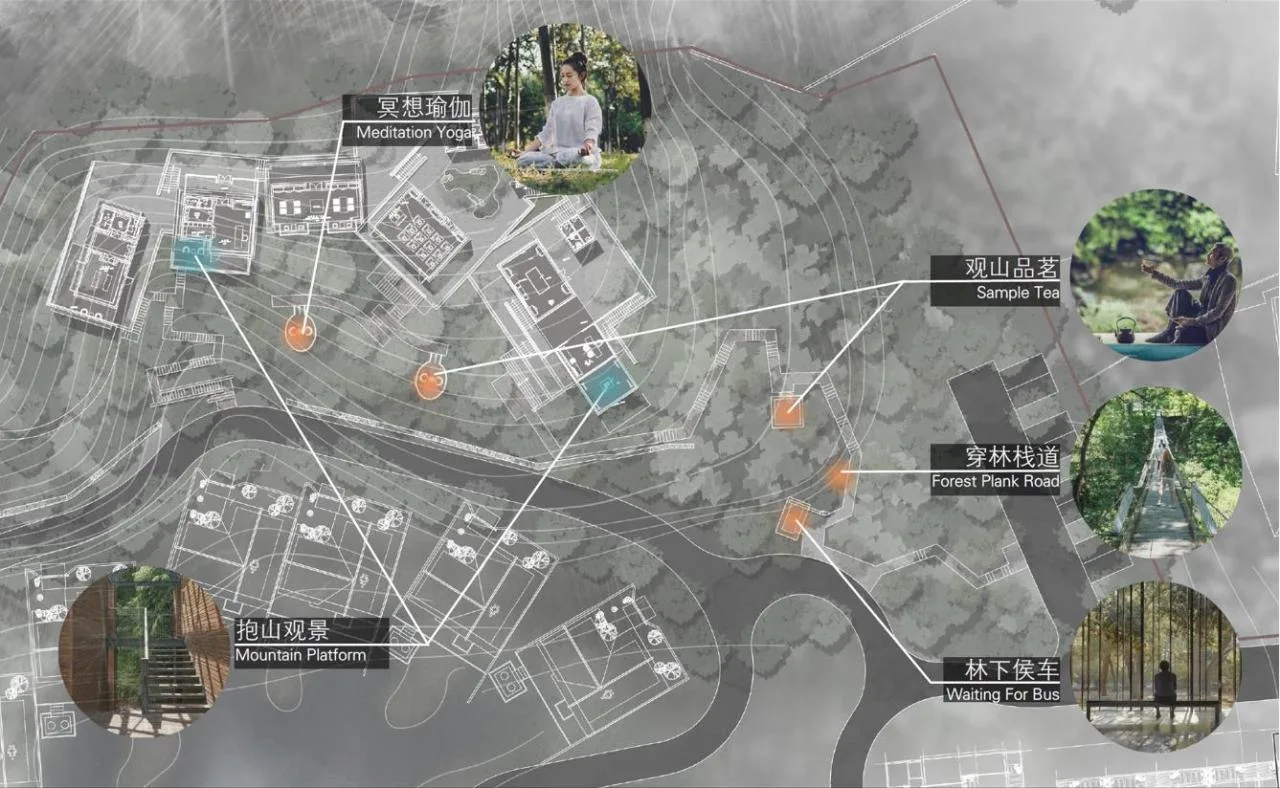
▲ Natural integration
Huizong Academy is set within the forest, naturally integrated with the undulating mountain terrain. The buildings blend seamlessly into the landscape, creating a scene of natural coexistence. Visitors access the academy by hiking along a forest trail, allowing them to experience the academy’s appearance gradually. Multiple forest platforms offer spaces for interaction with the surrounding trees.
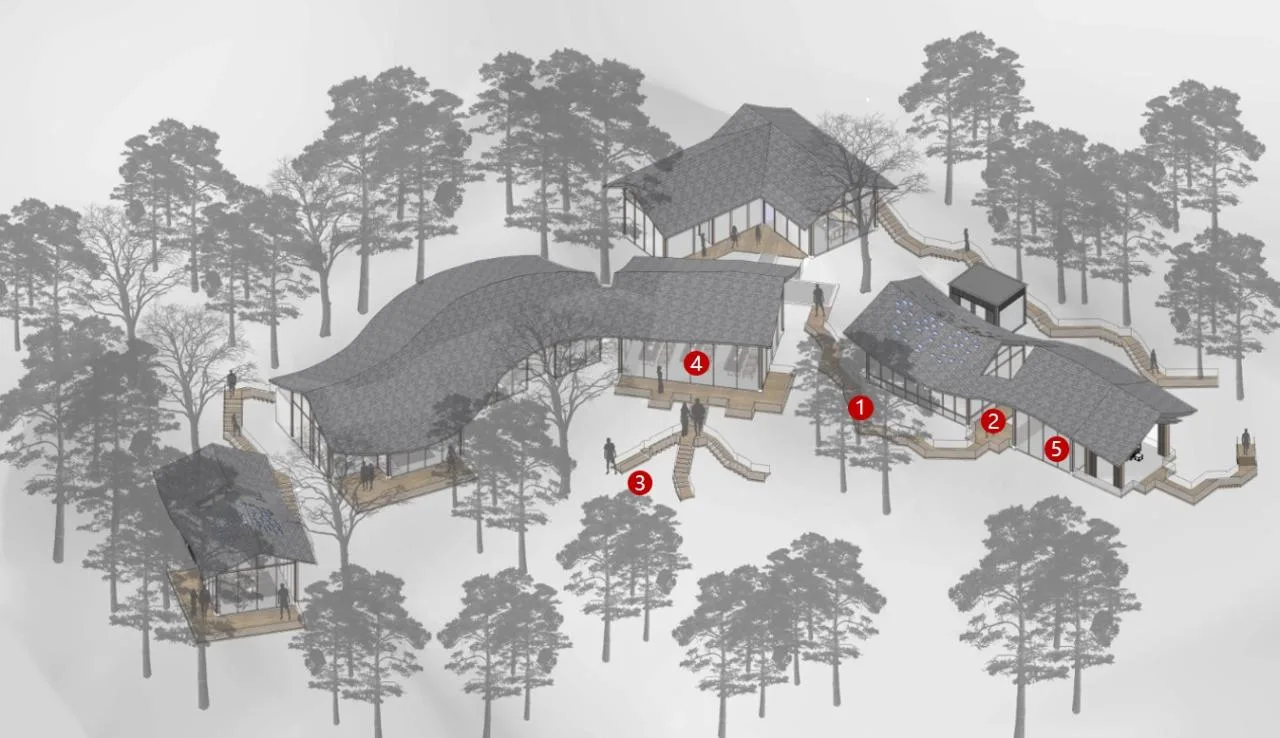
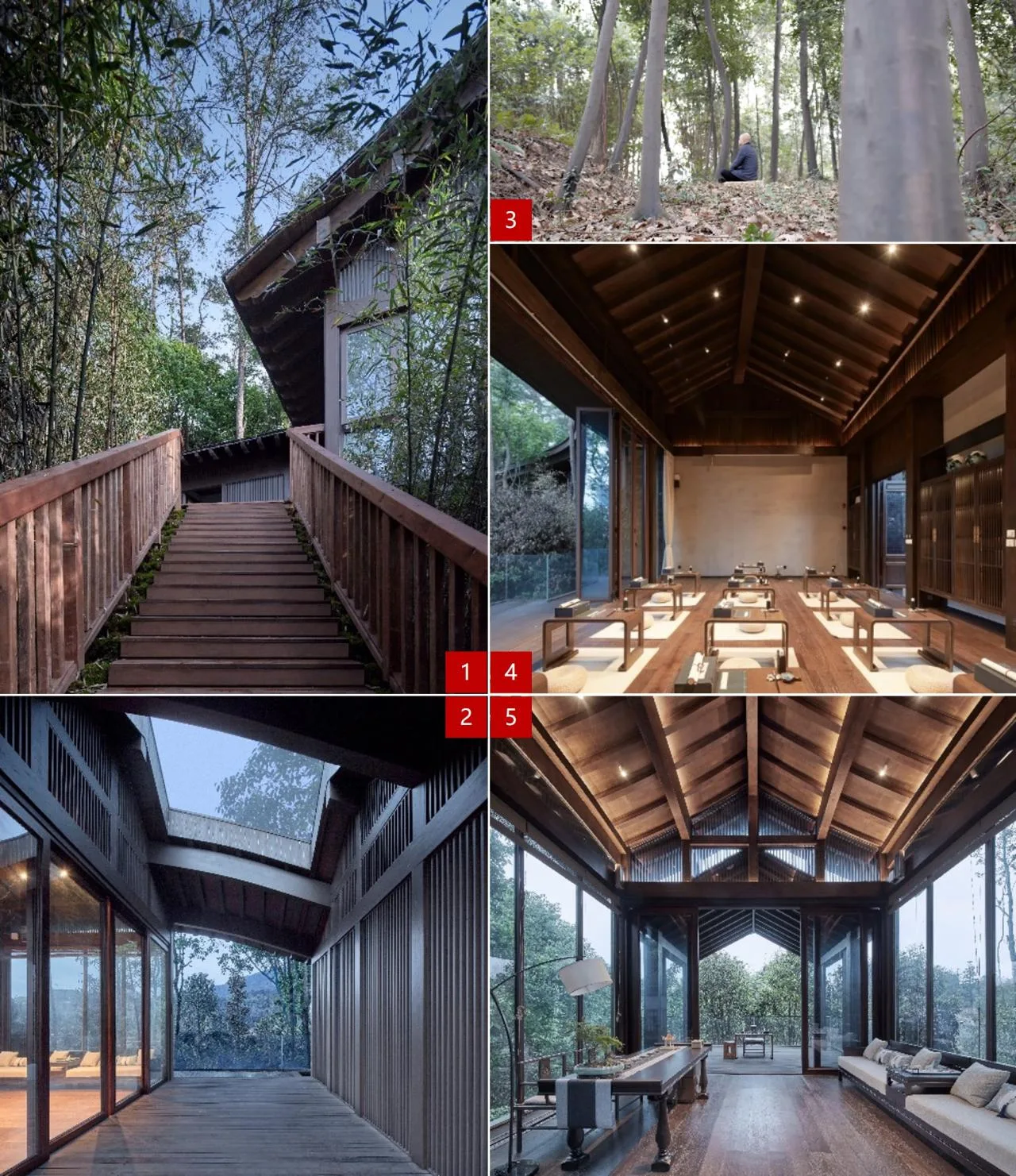
▲ Sequence of scenes
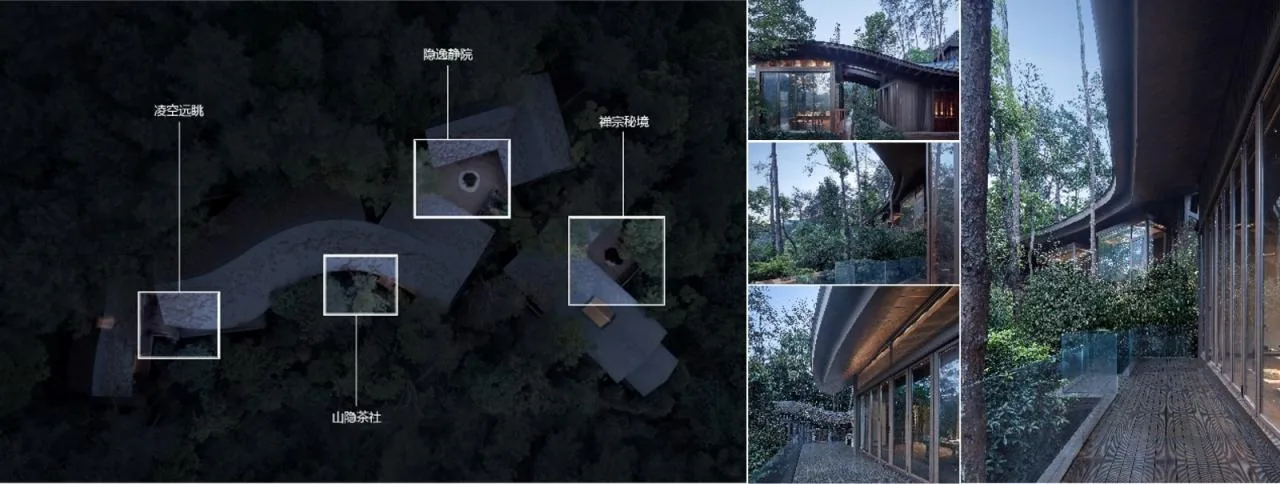
▲ Scene zoning
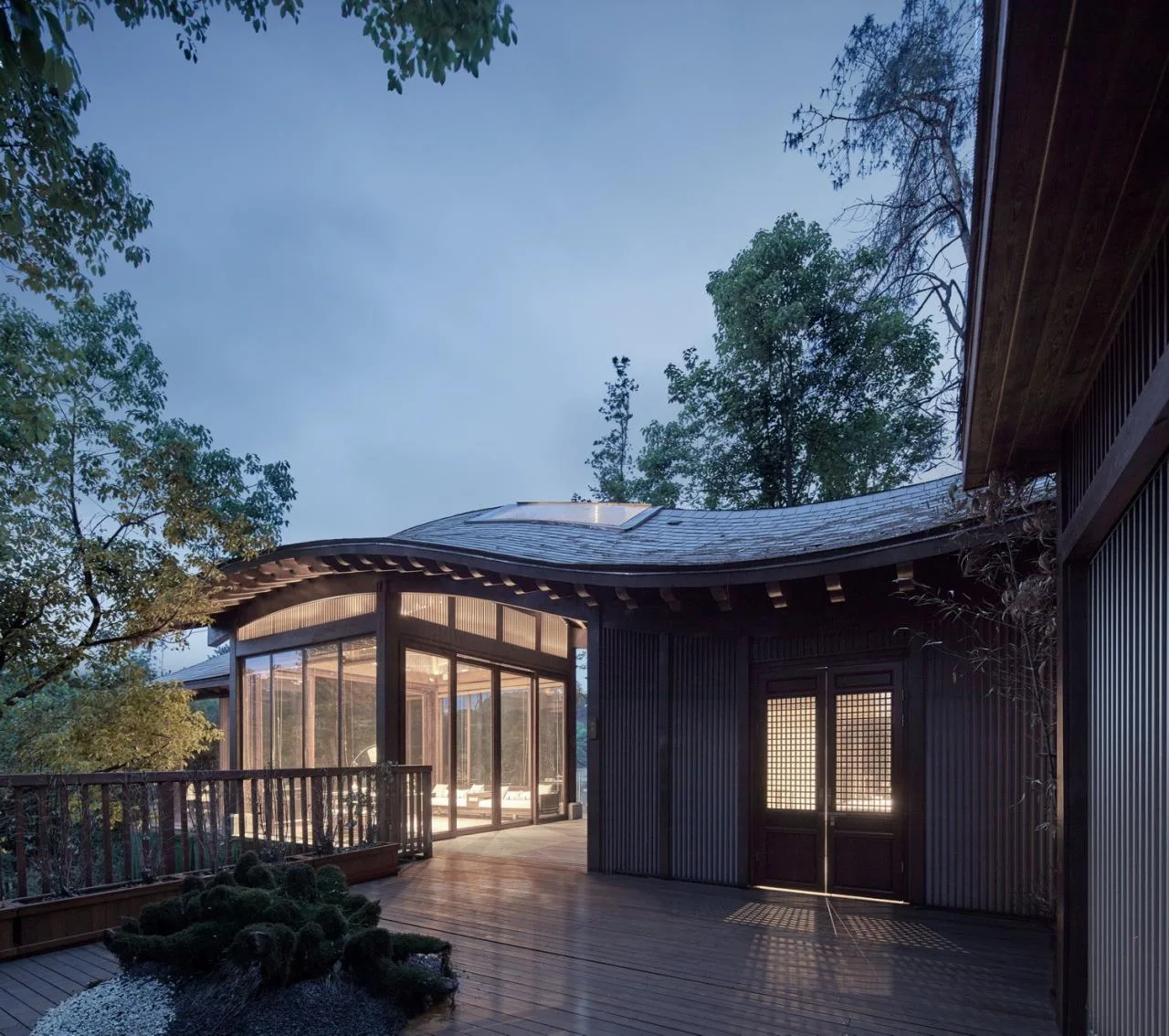
▲ Forest corner
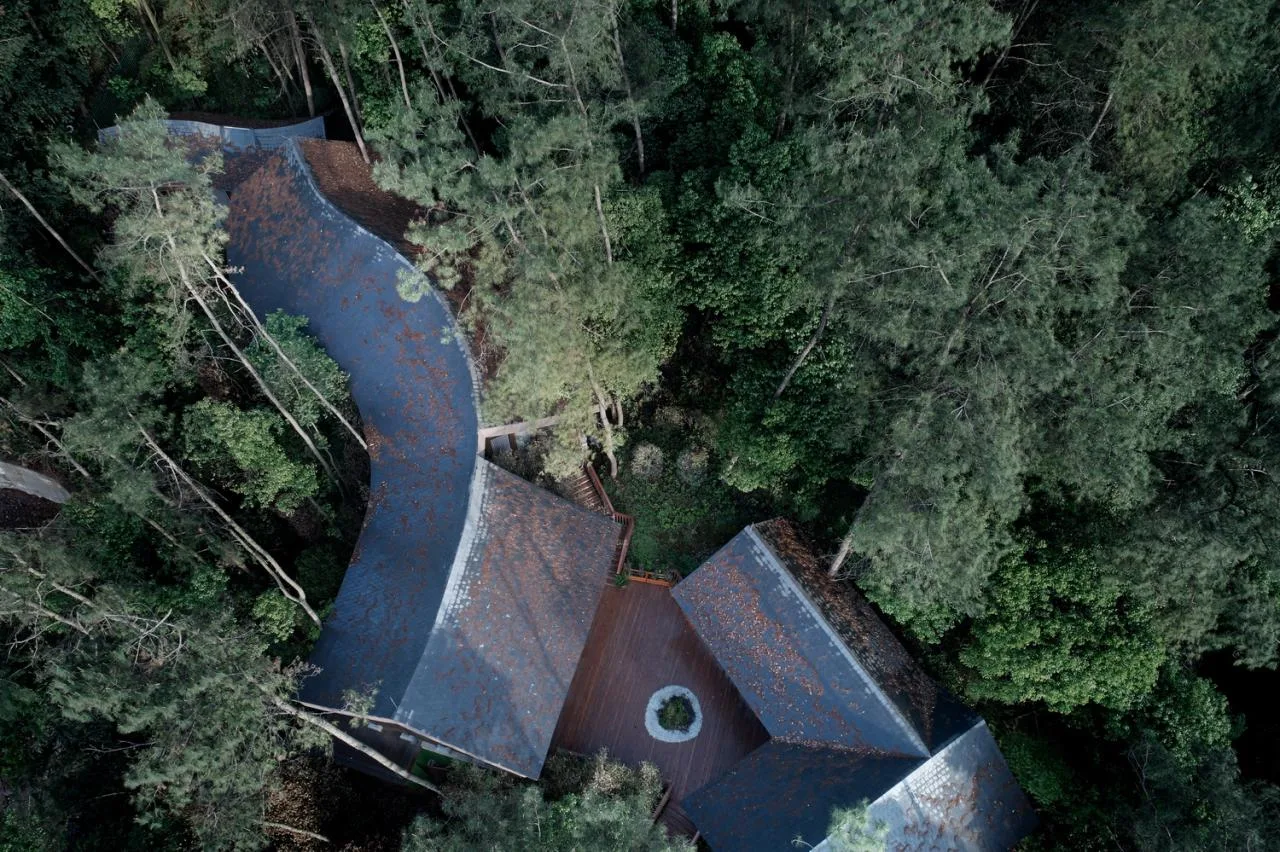
▲ Creating harmonious coexistence between architecture and nature
05 Tea Language: Zen Mind Cleanses, Evening Deepens Reflection
Huizong Academy follows the traditional layout of Chinese academies, featuring seven functional rooms: reception room, meditation room, tea room, lecture hall, study room, calligraphy and painting room, and auxiliary room.
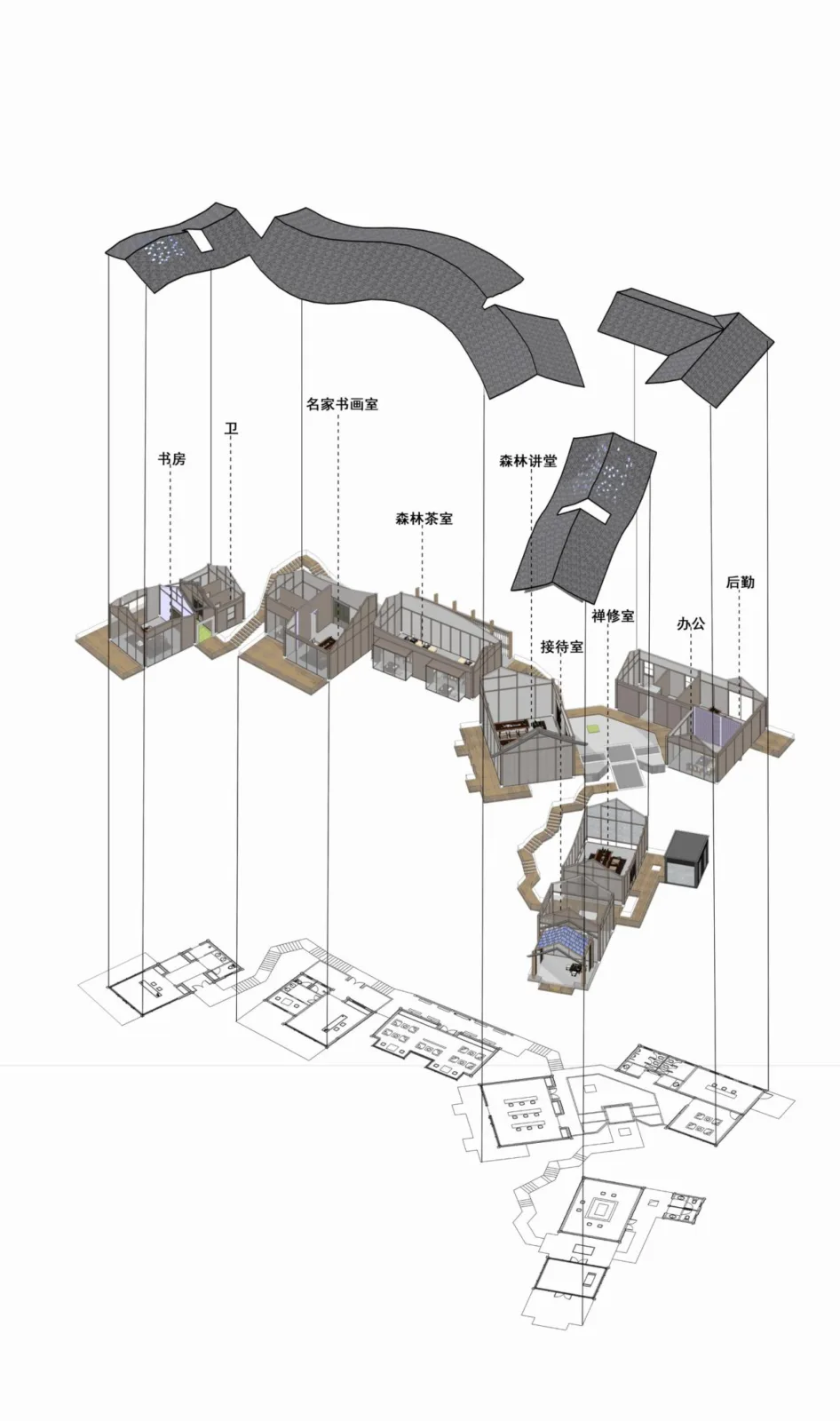
▲ Functional layout diagram
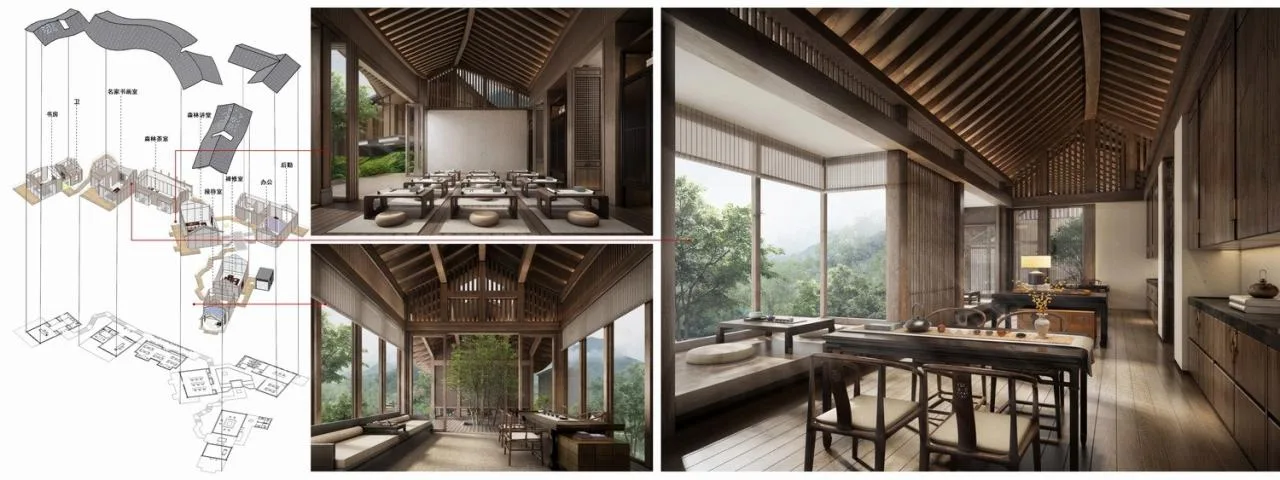
▲ Interior rendering
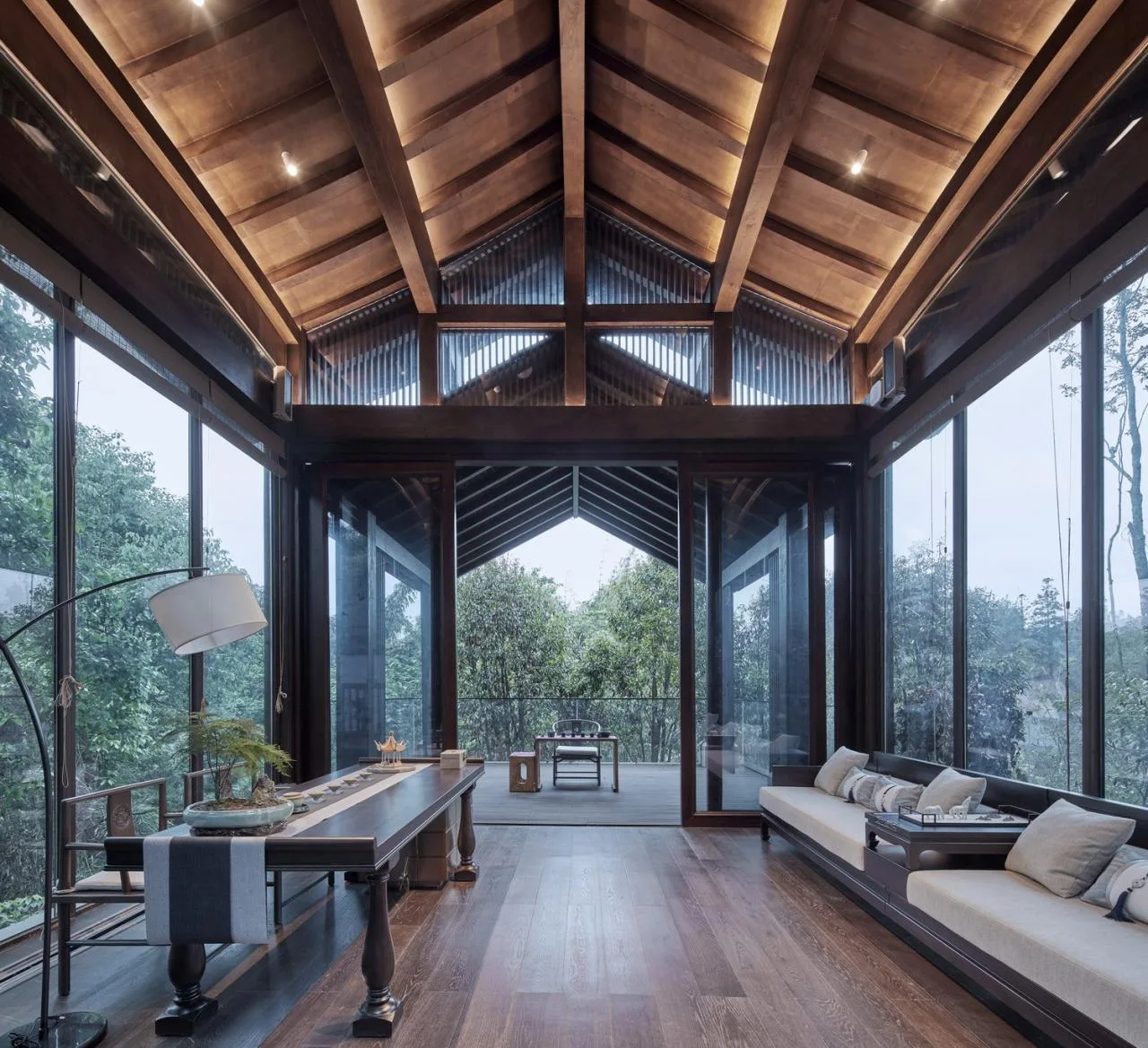
▲ Reception hall
Refreshing tea complements poetic verses, while the clear skies illuminate the Taoist heart. The architectural and interior design together create a Zen-inspired atmosphere throughout the academy.
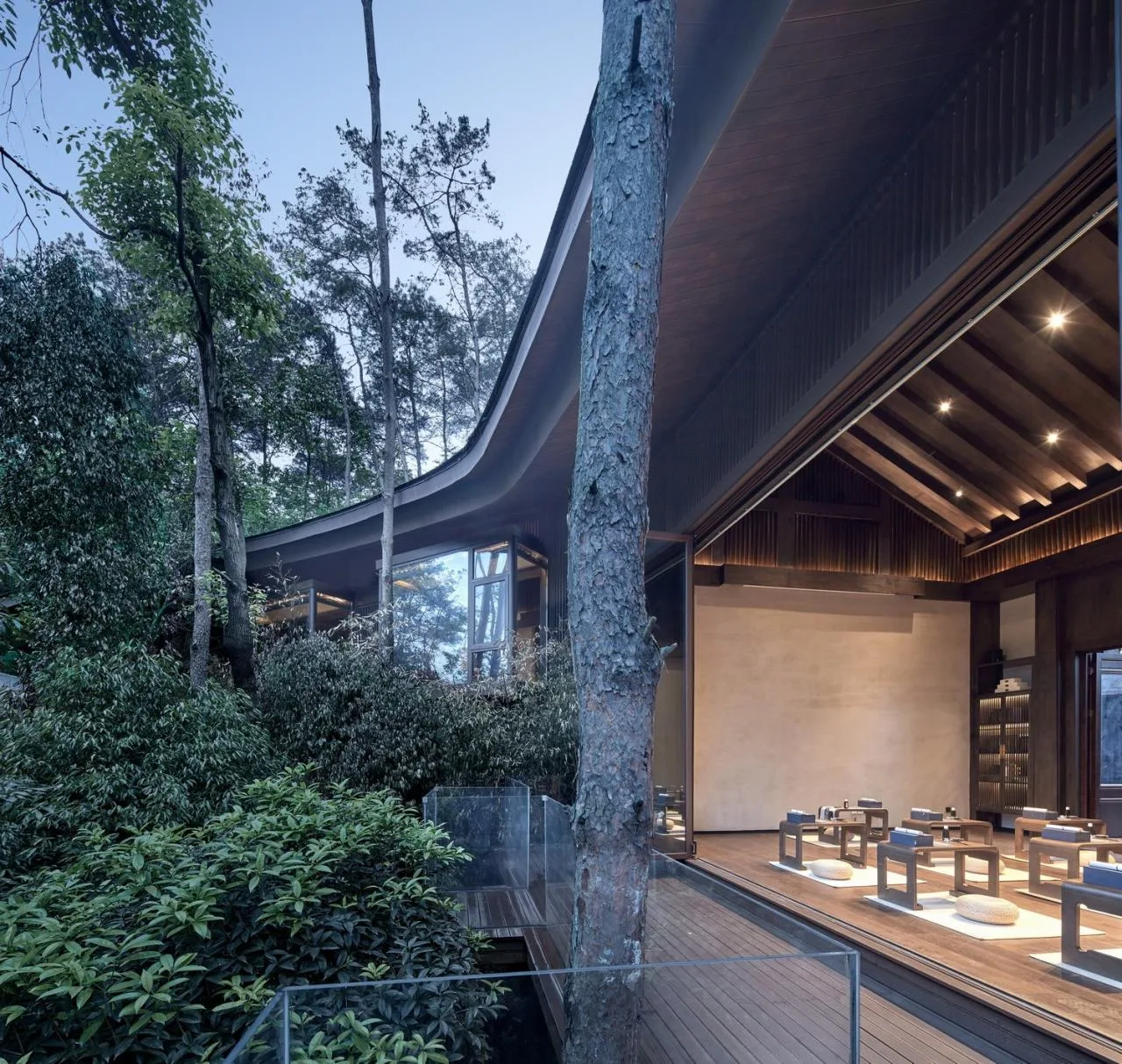
▲ Buddhist lecture hall
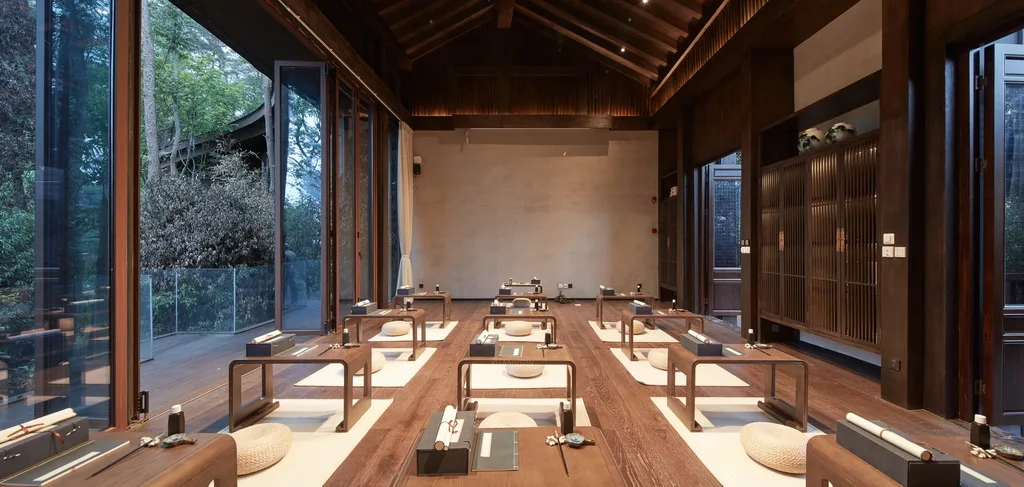
▲ Real photo
Throughout the design process, the team deeply explored the essence of design and studied the regional culture of Mount Emei. The project represents a practical exploration of Mount Emei and Emei studies. Huizong Academy will regularly host cultural figures from various fields to hold lectures, academic exchanges, and cultural exhibitions, inviting public participation and promoting Emei culture worldwide.
Project Drawings
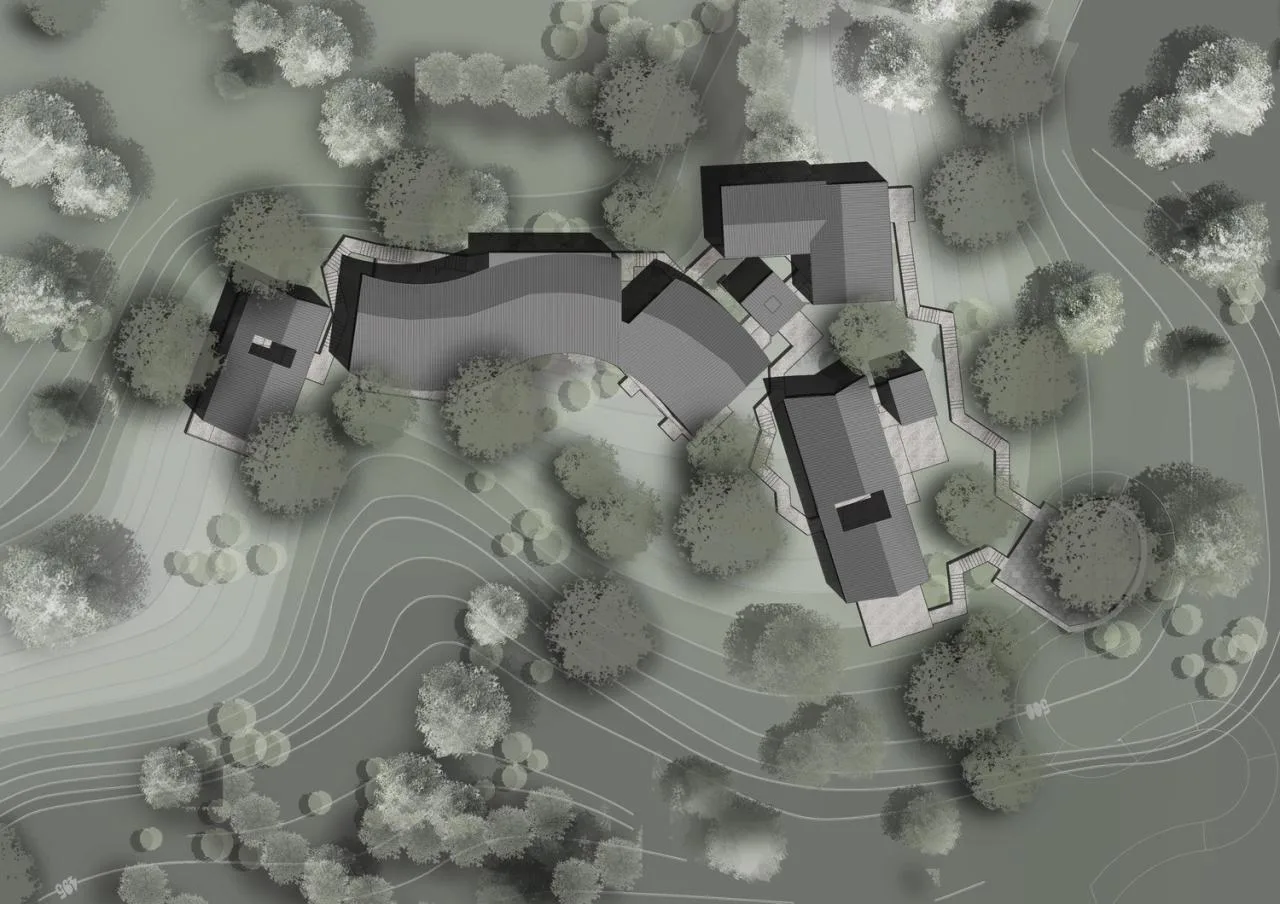
▲ General layout plan
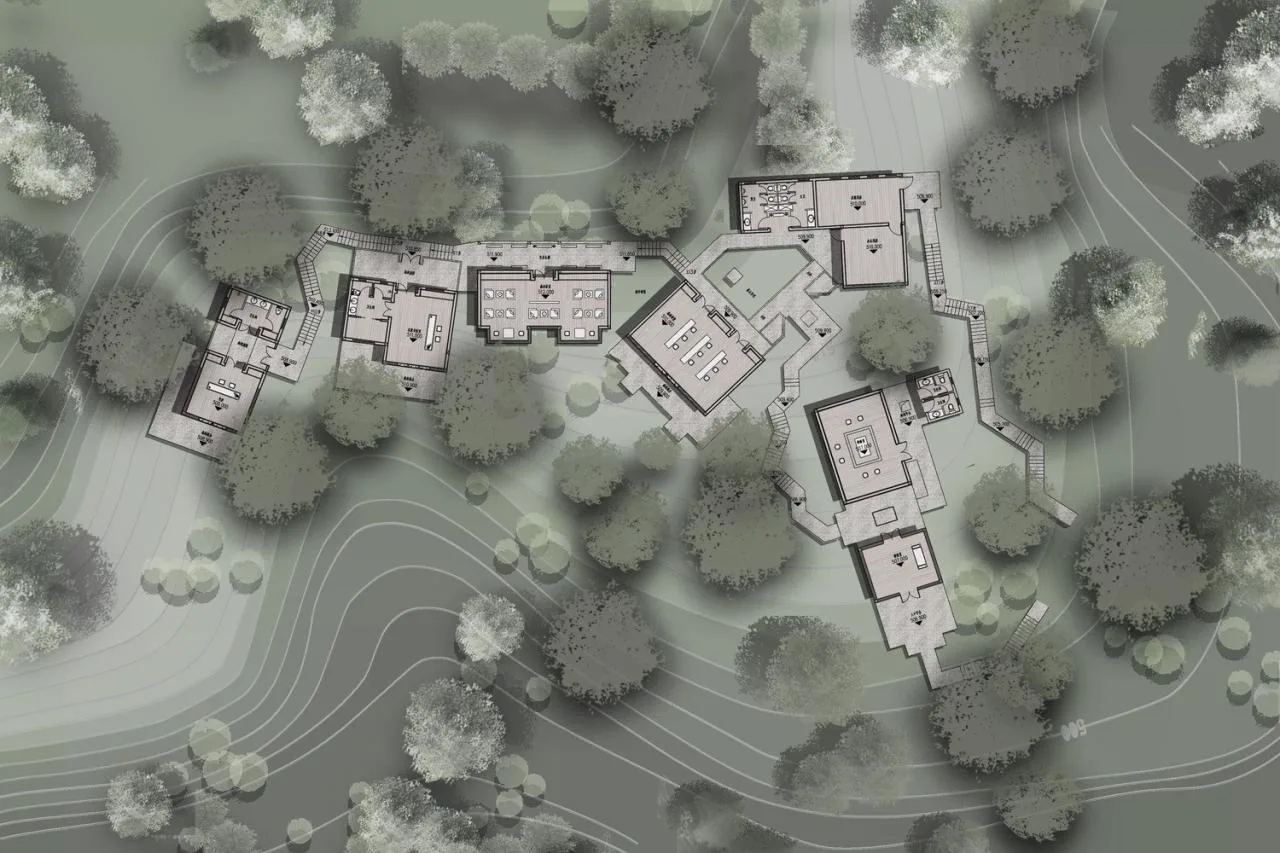
▲ Floor plan
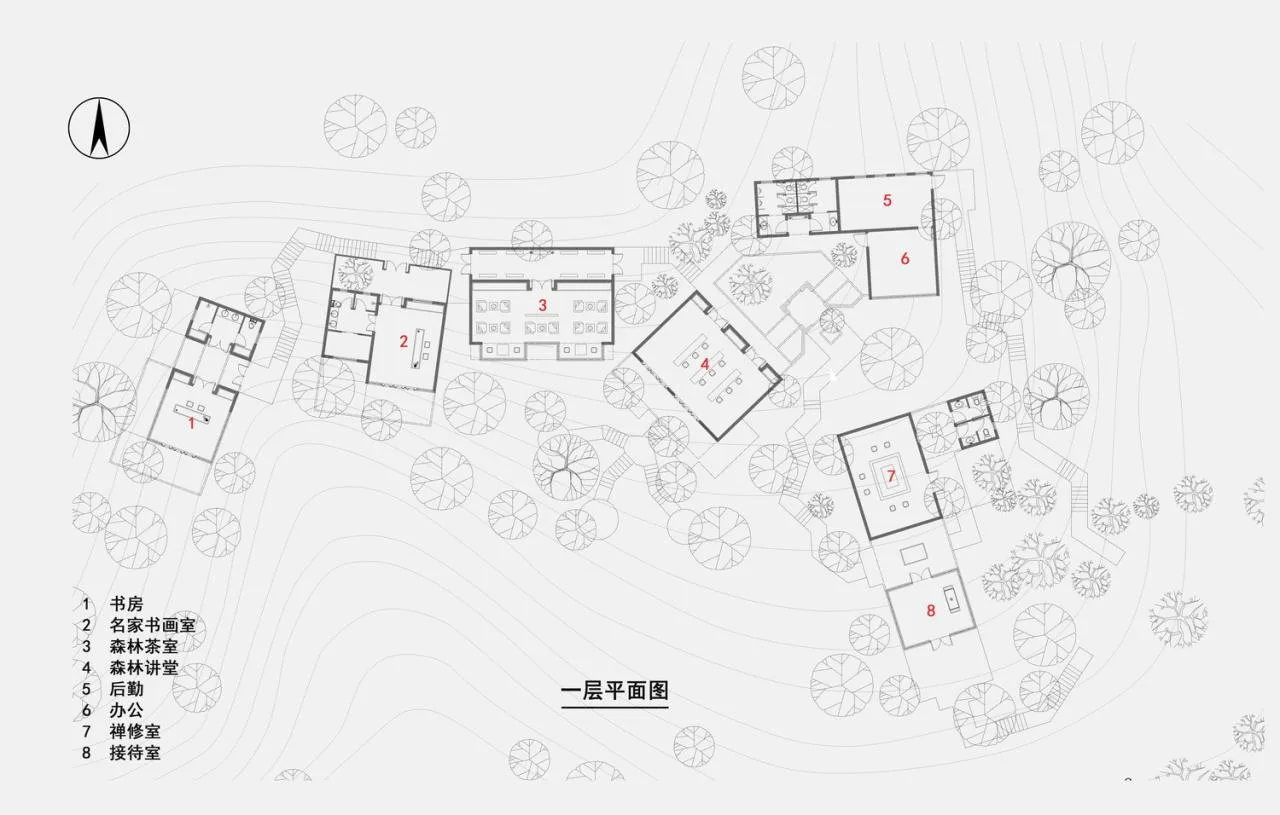
▲ First floor plan
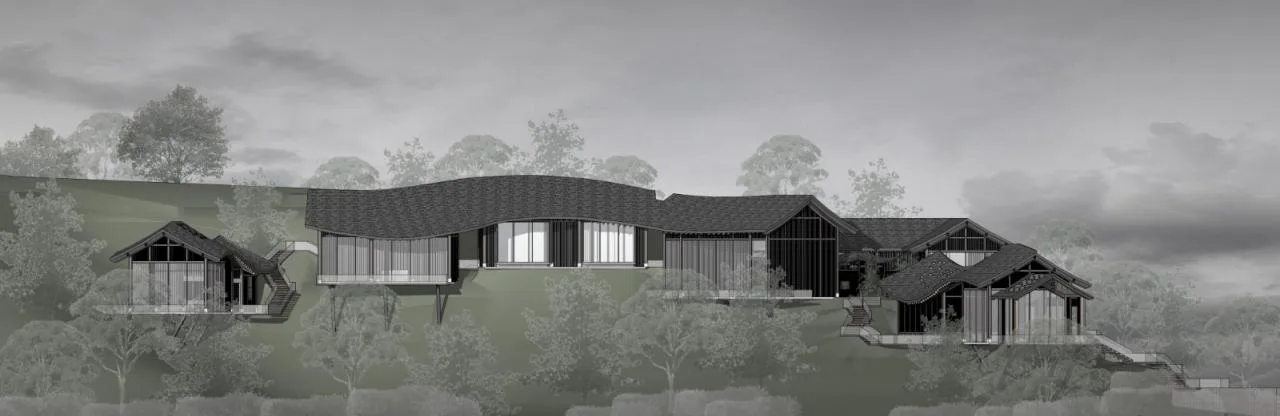
▲ Elevation view
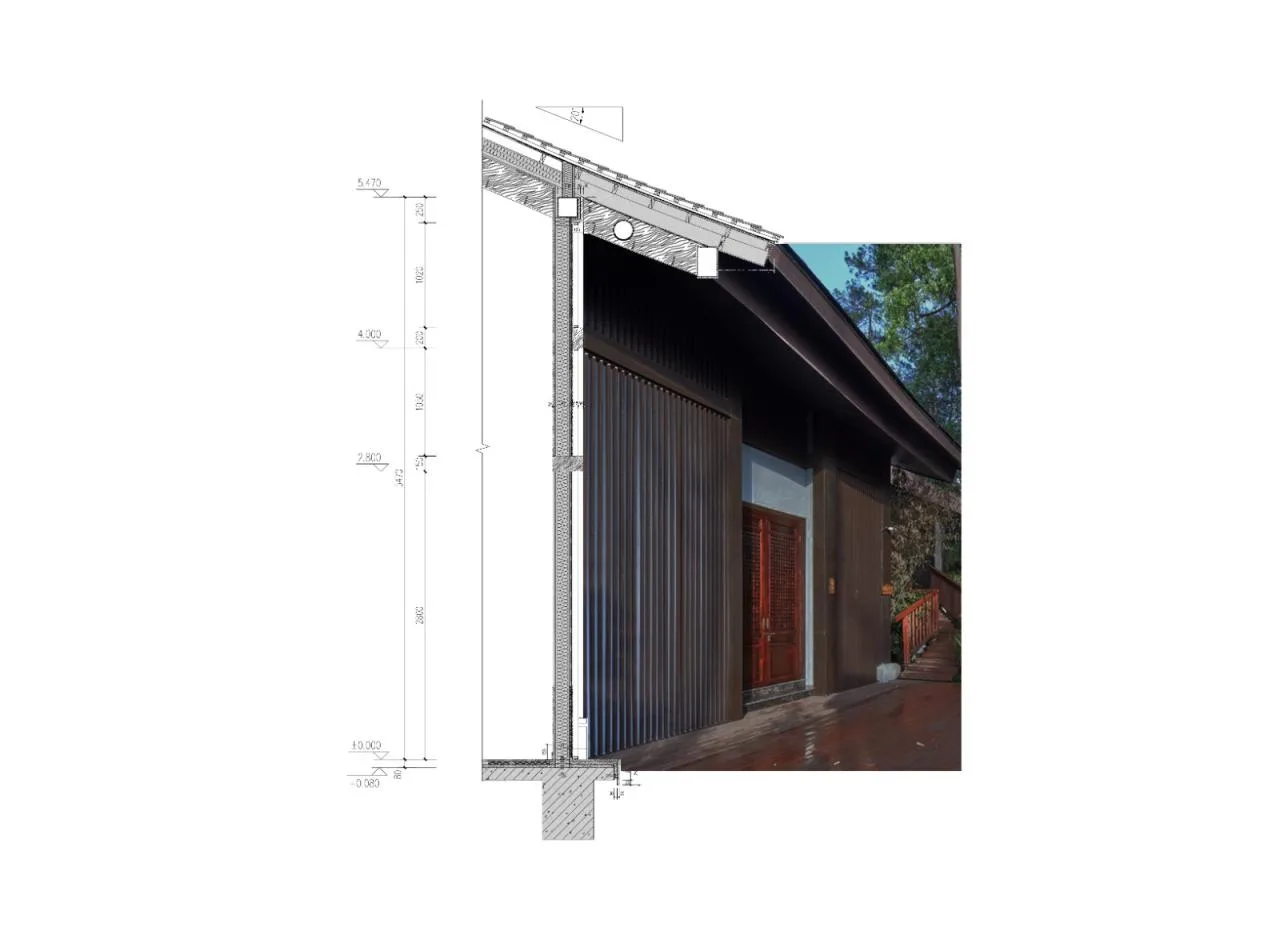
▲ Wall construction details
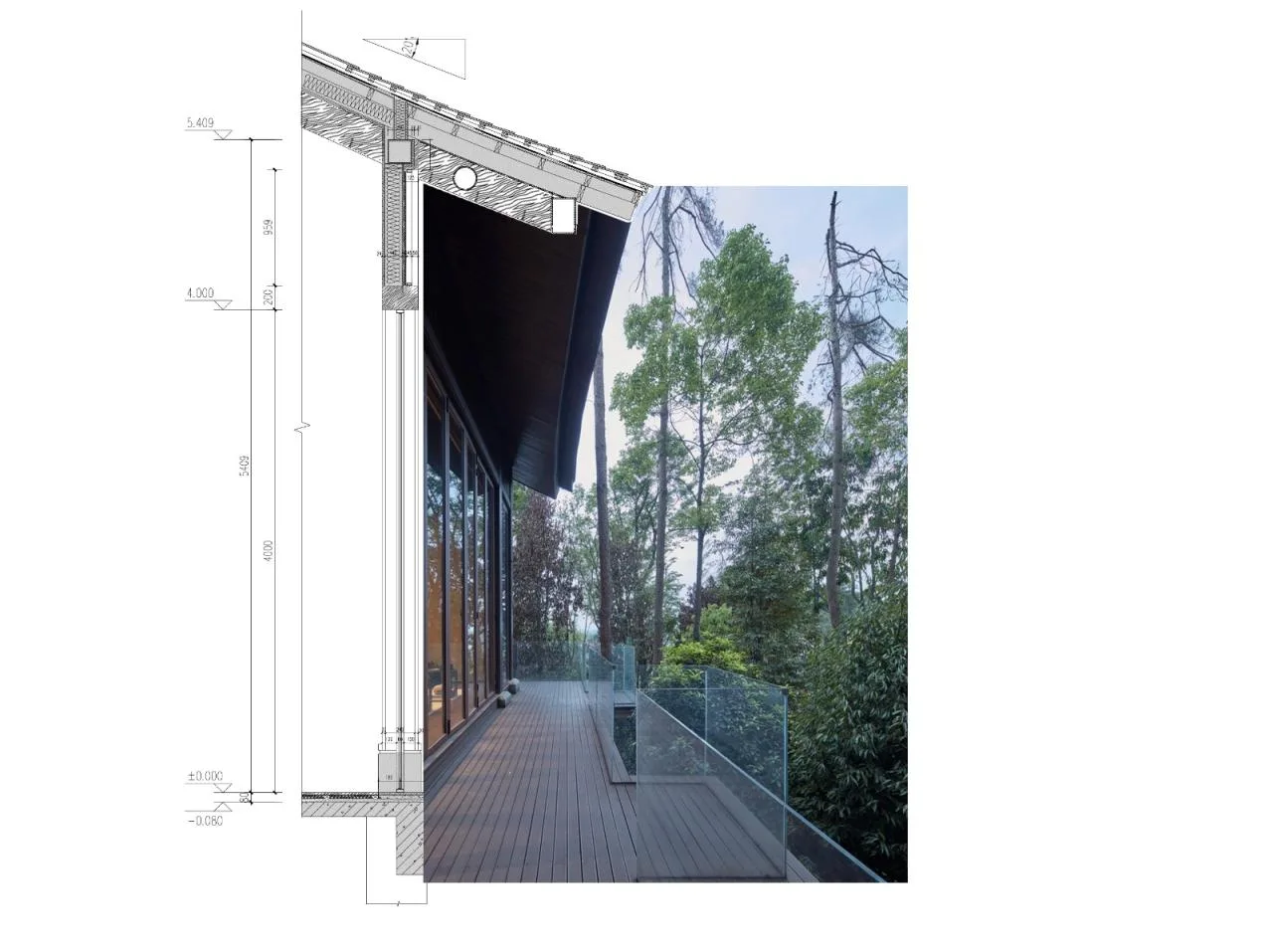
▲ Wall construction details
Project Information
Building Type: Cultural Architecture
Land Area: 4,200 square meters
Building Area: 470 square meters
Developer: Emeishan Yinyi Cultural and Tourism Investment and Construction Co., Ltd
Owner: Luo Mingguang (Chairman)
Architectural Design: Shanghai You’an Architectural Design Co., Ltd
Principal Designer: Wang Jin
Team Members: Zhang Tingdong, Sun Ming, Fan Wenjie, Su Guobo
Photographer: Xia Qiang












Must log in before commenting!
Sign Up