
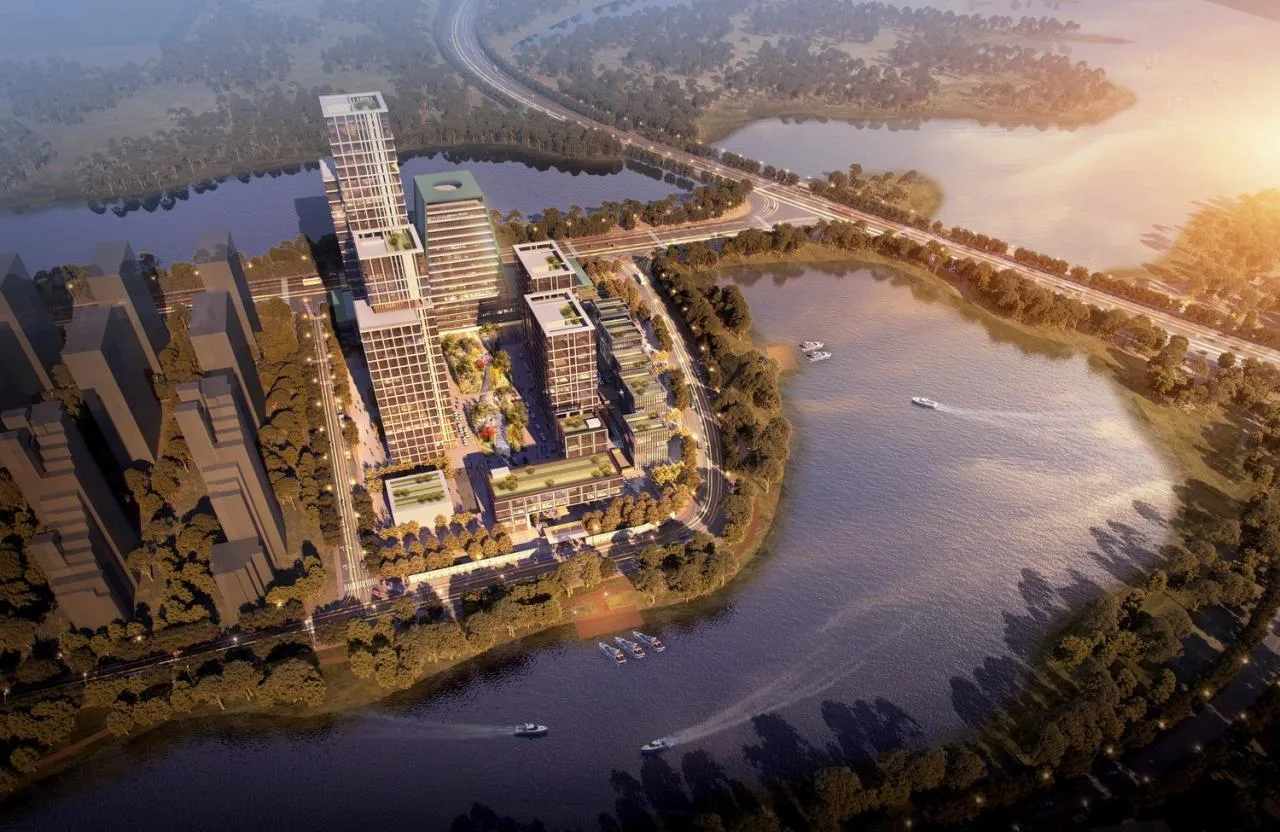
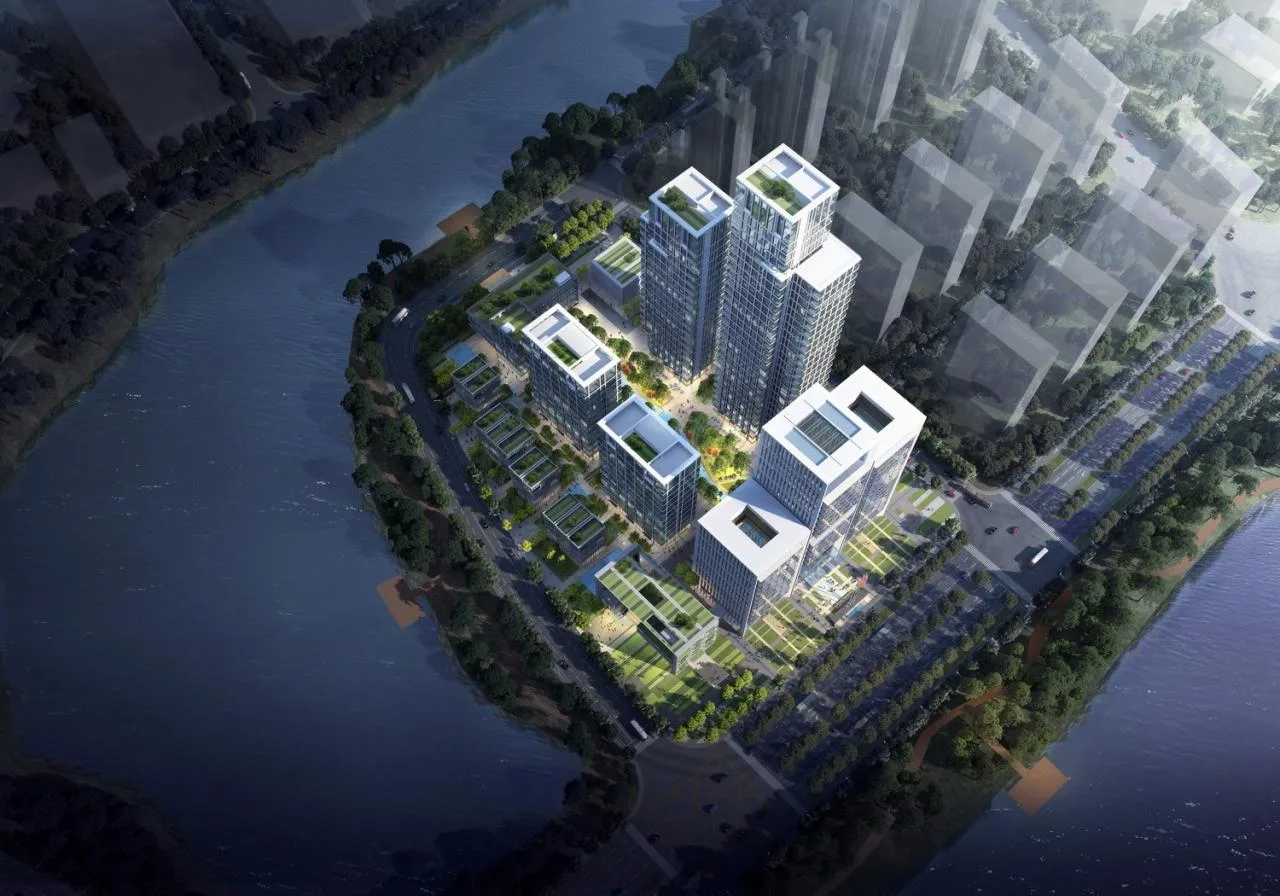
Guided by the Ministry of Commerce, Wuhan Lin’gang National Development Zone has, over the past two years, actively developed high-tech industrial parks and infrastructure across more than 500 square kilometers of undeveloped land in the Dongxihu area. The Wuhan Zhongjian Yipin Lanhui project, designed by the Vespin team, is situated in a prime location within Dongxihu. This 230,000-square-meter headquarters office complex integrates corporate headquarters, office spaces, commercial areas, and residential apartments. Upon completion, it will become a landmark in the Jinyinhu area, serving as a benchmark and driving force for the urban development of Wuhan’s Dongxihu district.
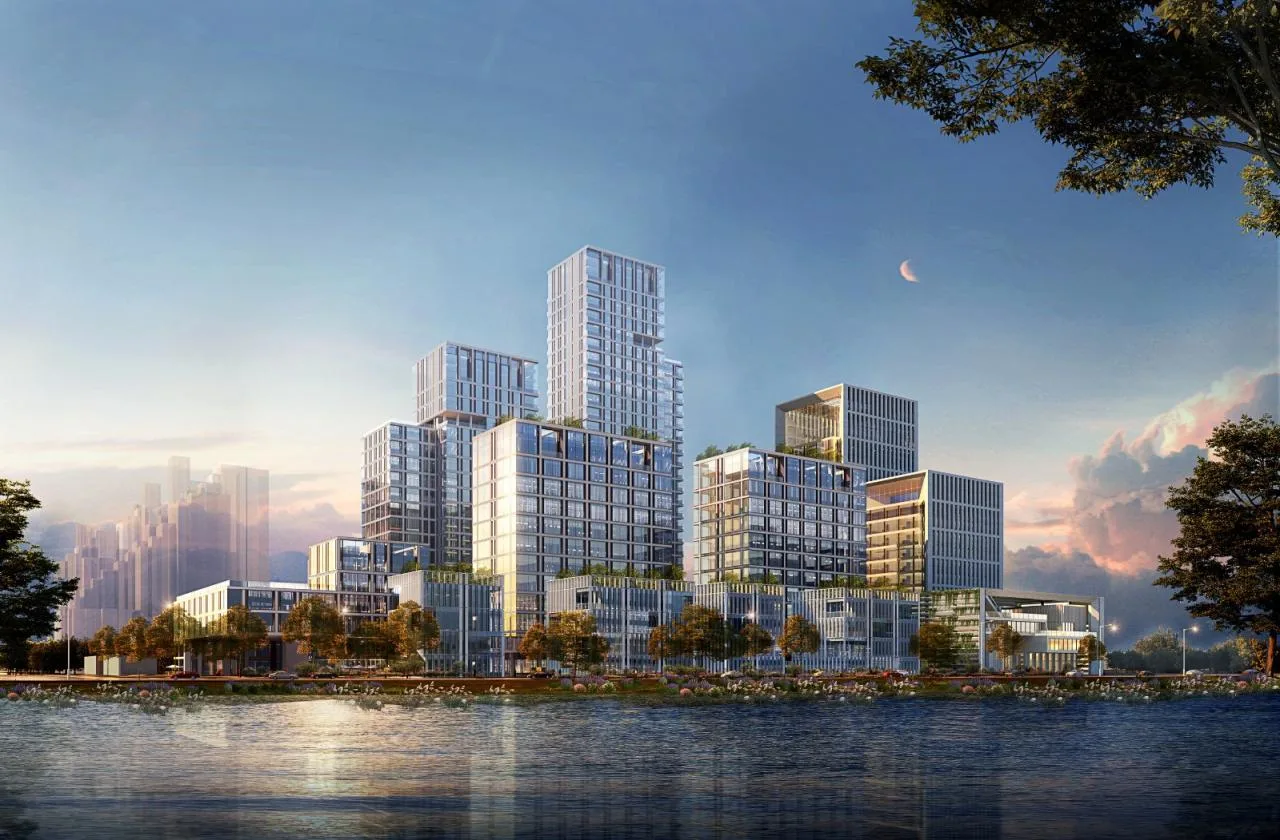
Located in the Wuhan Lingang Economic and Technological Development Zone—one of Wuhan’s three major national economic and technological hubs—the project is surrounded by a cluster of high-tech and development enterprises. Benefiting from excellent transportation access within the city planning center and the unique ecological landscape of Jinyinhu, the area is steadily evolving into a nationally and globally recognized development zone, showcasing Wuhan’s distinctive new city model. Positioned at a key urban intersection between Wuhan’s development axis and the airport economic agglomeration, the Yipin Lanhui project is set to become a pivotal benchmark supporting the future growth of the area.
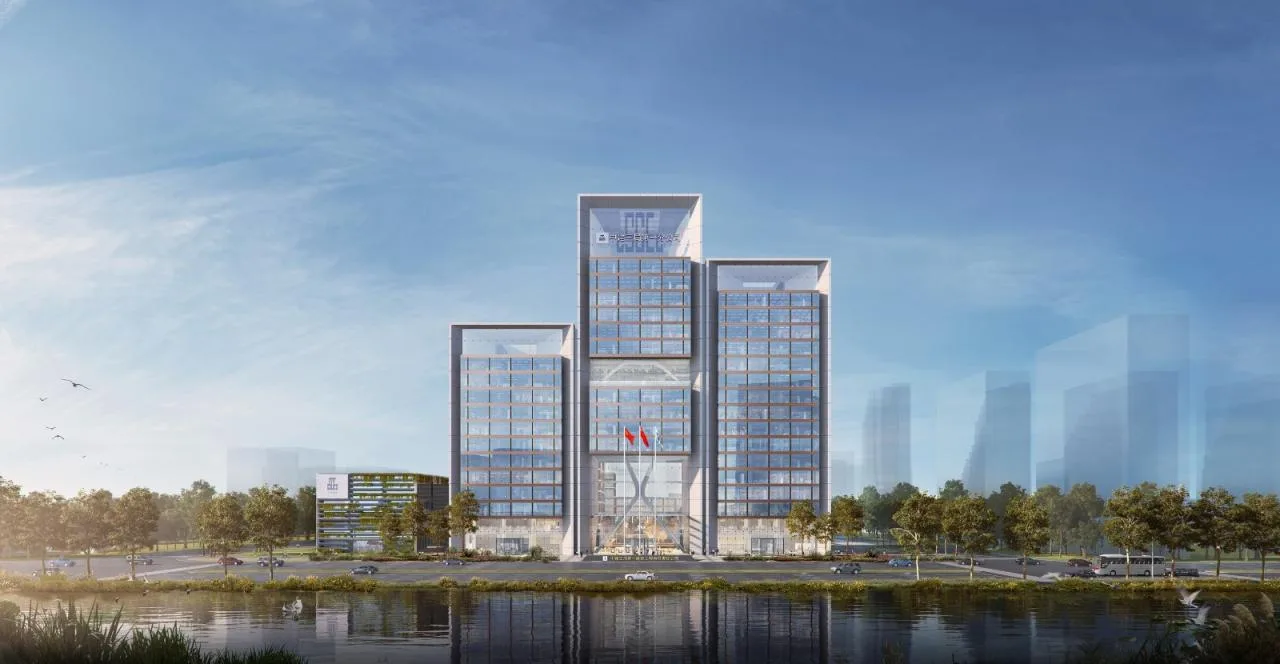
The project is situated north of Wuhan Tianhe International Airport, east of Wuhan’s main urban area and railway station, and south of Jinyinhu Ecological Park. Throughout the design process, the Vespin team has adhered to the principle of promoting traditional culture through modern architectural language. Lead designer Wu Gang envisioned creating a landmark by Jinyin Lake that merges the essence of Jingchu civilization with contemporary culture, establishing a reference model for future headquarters and office clusters.
Conceptual Design
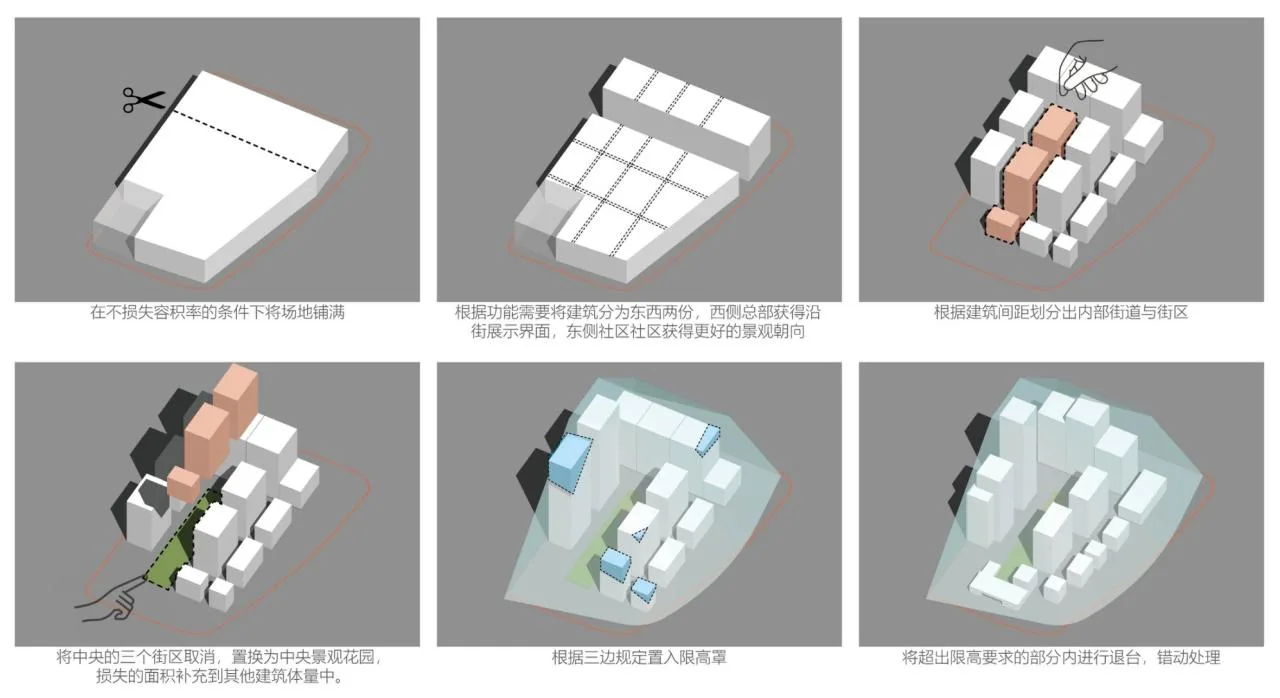
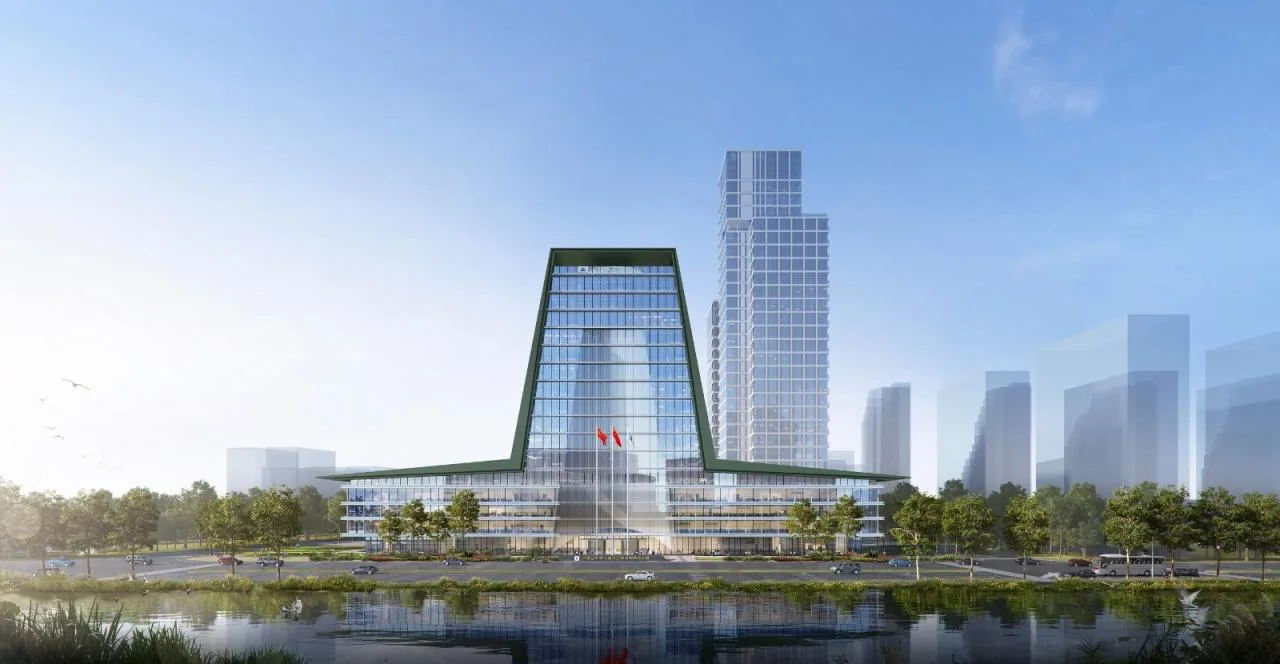
The design concept draws inspiration from the historical “Chu Palace,” reflecting Wuhan’s rich heritage. Featuring a regular and symmetrical layout combined with simple yet elegant architectural forms, the headquarters and office buildings blend historical context with modern technology, creating an overall style reminiscent of the majestic Chu Palace.
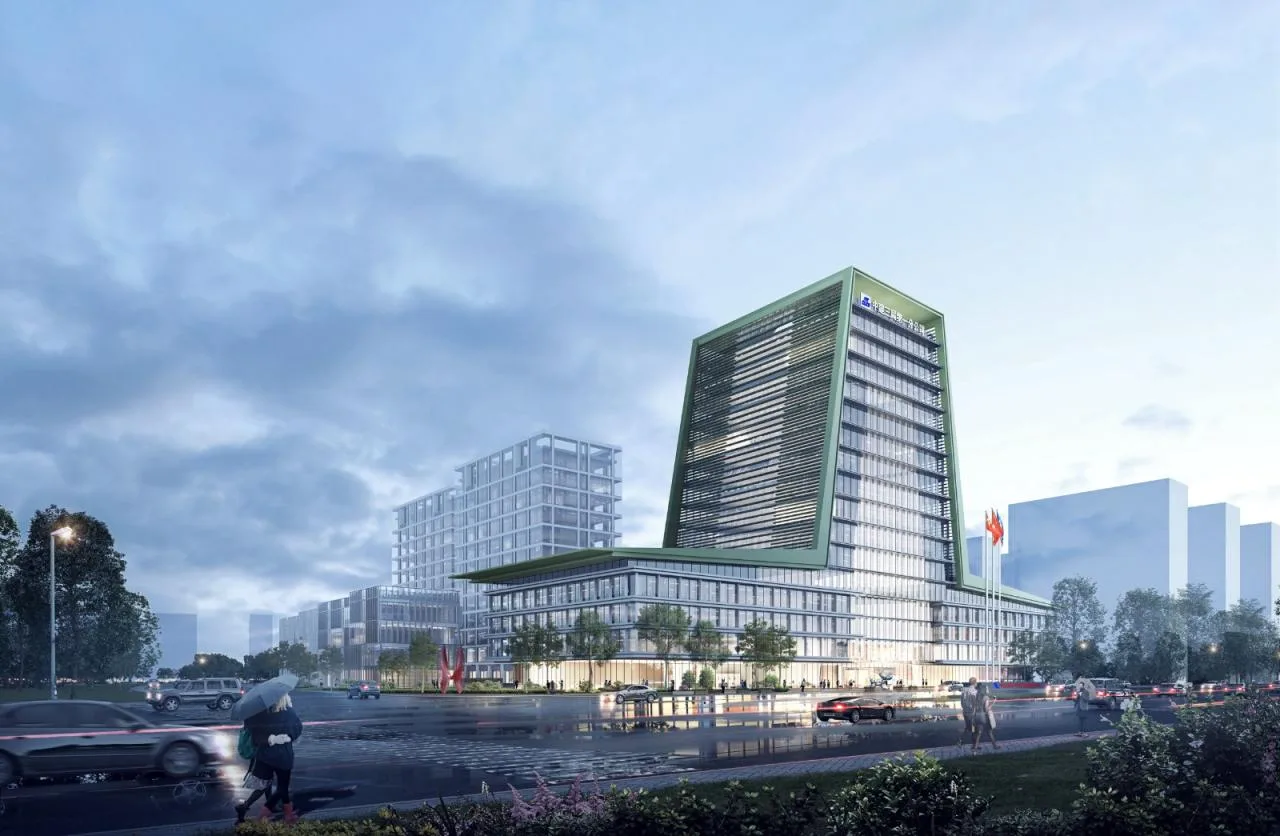
The designer further imbues the headquarters building with imagery rooted in Chu culture, such as memorial archways and gatehouses. Its grand and robust architectural silhouette, paired with a crystal-clear glass curtain wall, takes the form of an imposing gate, symbolizing inclusiveness and openness.
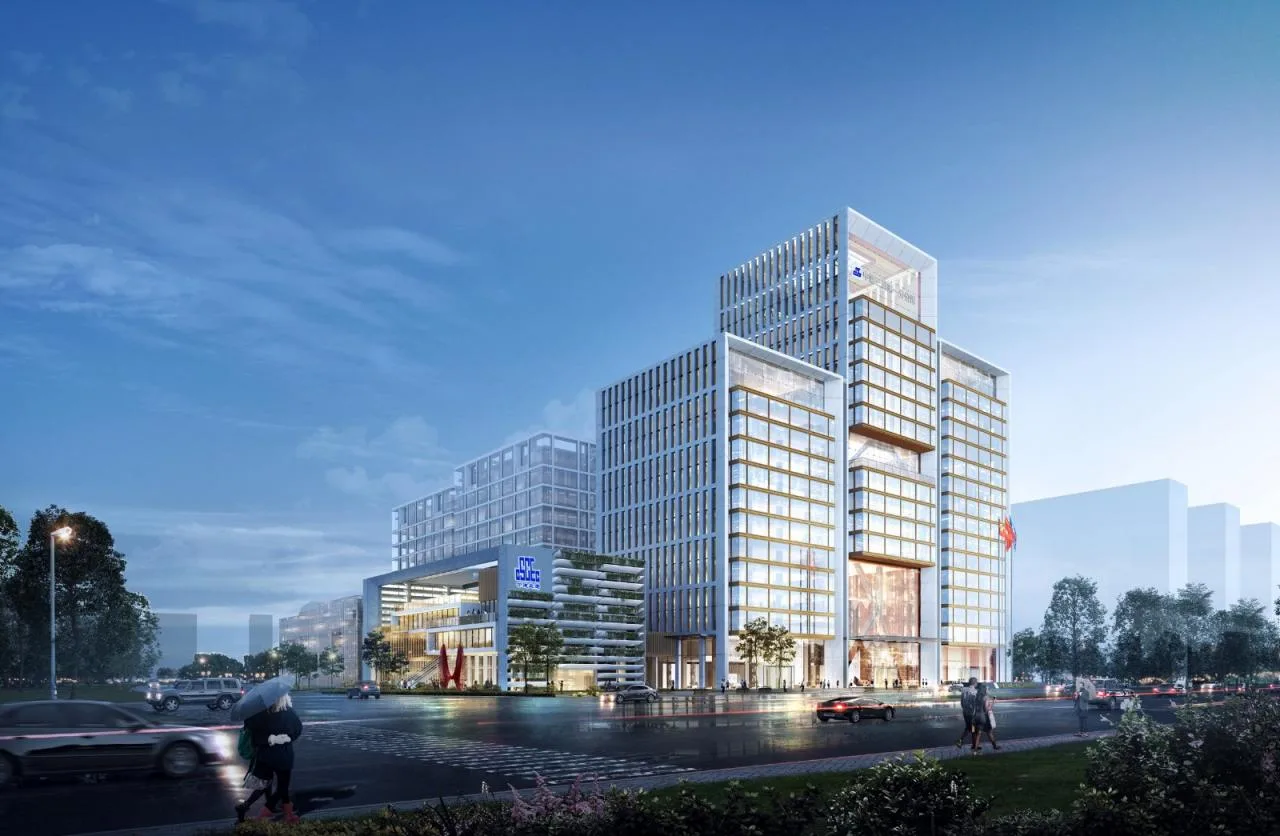
As the heart of the project, the headquarters building exudes a stable and majestic presence, standing like an enduring mountain peak. Its façade features four distinct yet harmoniously aligned contours of equal width but varying heights, symbolizing the company’s core values of integrity, innovation, transcendence, and mutual success.
The building’s massing is visually divided to avoid a heavy appearance, resulting in a dynamic façade. The main entrance, located on the first floor of the tallest section, boasts a prominent atrium and a flag-raising plaza. The façade also integrates office spaces with sky gardens, offering diverse architectural expressions. The building’s vertical movement echoes the surrounding Jinyin Lake mountains, reflecting the company’s philosophy of harmonious coexistence between humanity and nature.
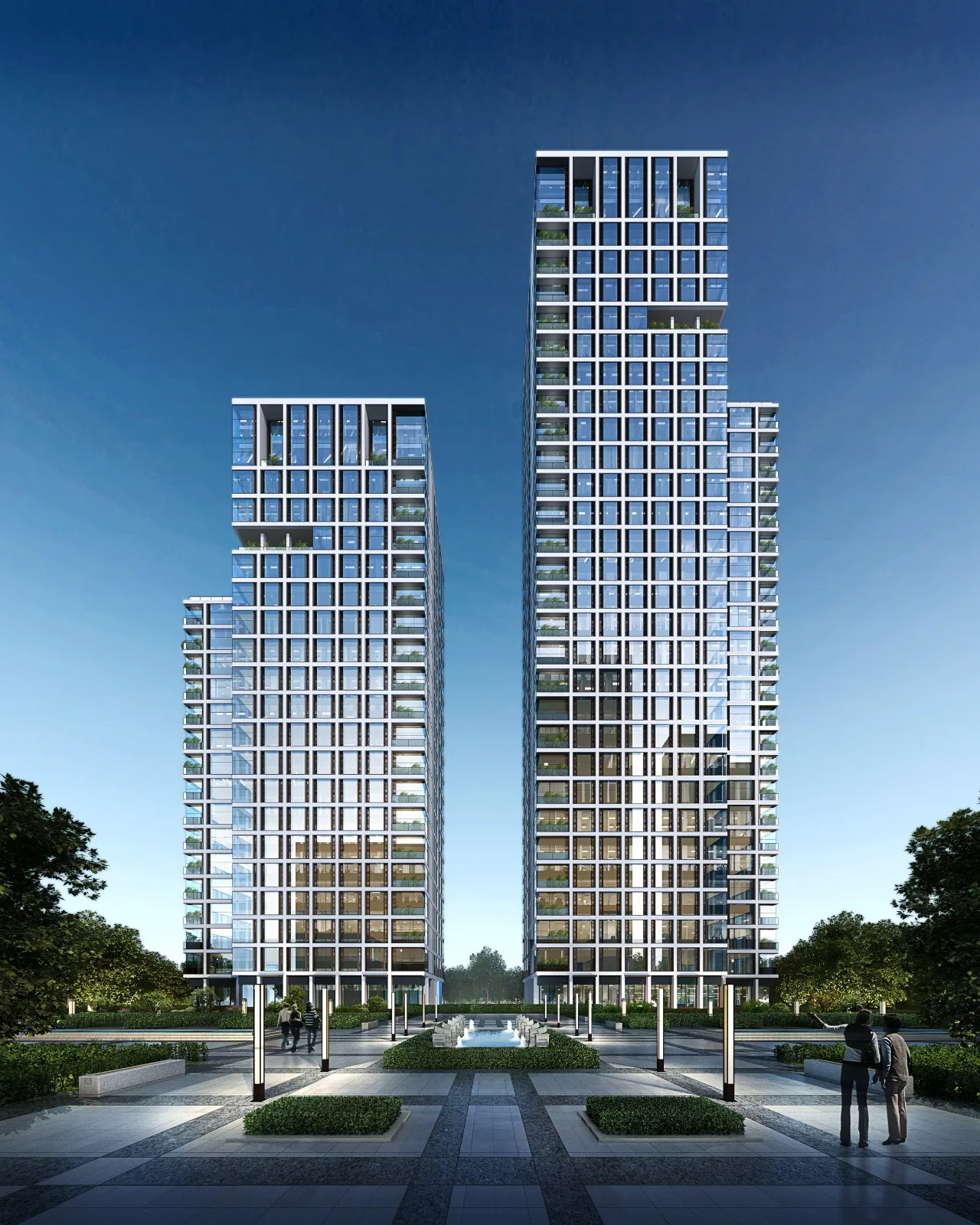
A New Headquarters Fully Engaged with Nature and the City
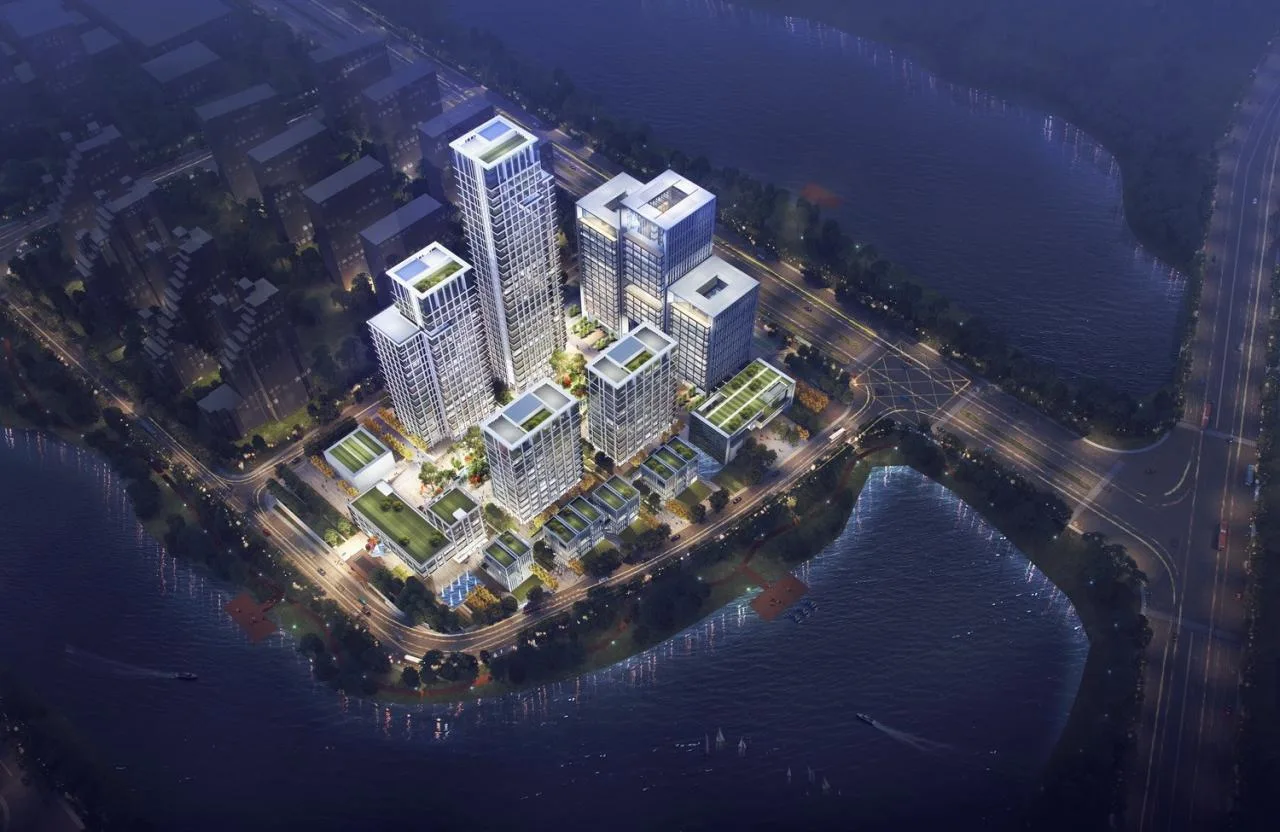
The design embraces urban integration and shared interaction through a large atrium and vertical gardens, aiming to create a headquarters that fully interacts with both nature and the urban environment, aligning with the ecological green planning principles of Dongxihu.
Serving as a shared space for the headquarters, the design preserves the cherished courtyards and gardens of the original site while expanding the compact land to include a six-story lobby and multiple aerial activity areas. By blending abundant public spaces with green ecology, it creates a harmonious fusion of landscape and architecture.
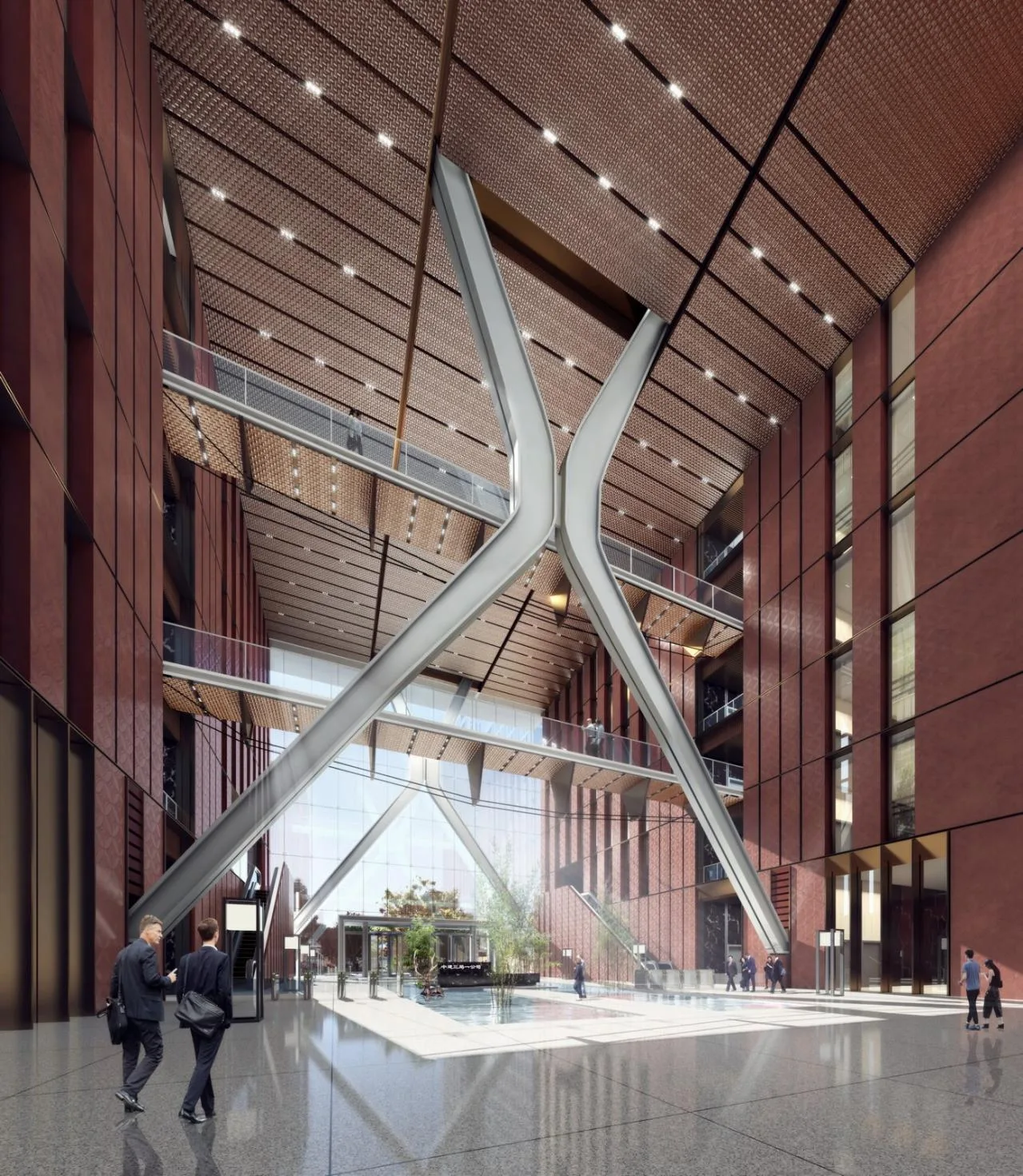
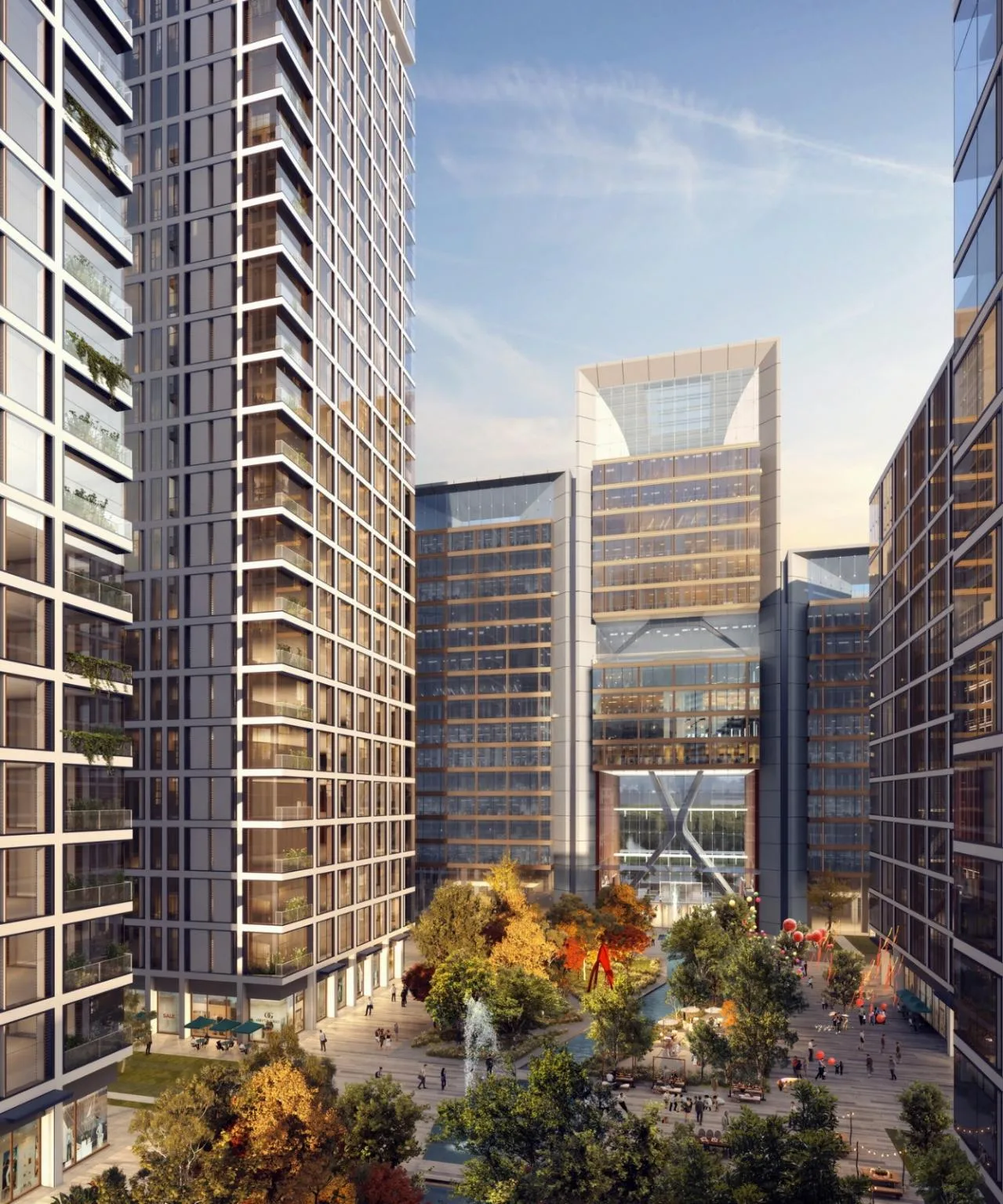
The headquarters lobby acts as a transitional space linking the surrounding landscape with the central garden. Its transparent interior blurs the line between indoors and outdoors, creating a spacious visual corridor for visitors.
Vertically shared sky gardens connect office spaces, featuring high ceilings and glass curtain walls that mirror each other. This design dissolves the boundary between the building and the central garden, reducing the sense of separation between the headquarters and the surrounding community. The employee activity area, located at the southern end of the building, offers panoramic views of Jinyin Lake and a private garden, providing a breathtaking natural setting.
Green Axis and Pedestrian-Friendly Environment
Linking various blocks and functional areas within the site is a key design priority. Two distinct green landscape axes run east-west, seamlessly connecting the community and enhancing its overall quality and value. The southern green axis is smaller in scale, situated between low-rise villas and mid-to-high-rise commercial residences, creating an inviting pedestrian environment. The central garden, positioned along the site’s main axis, serves as a green core.
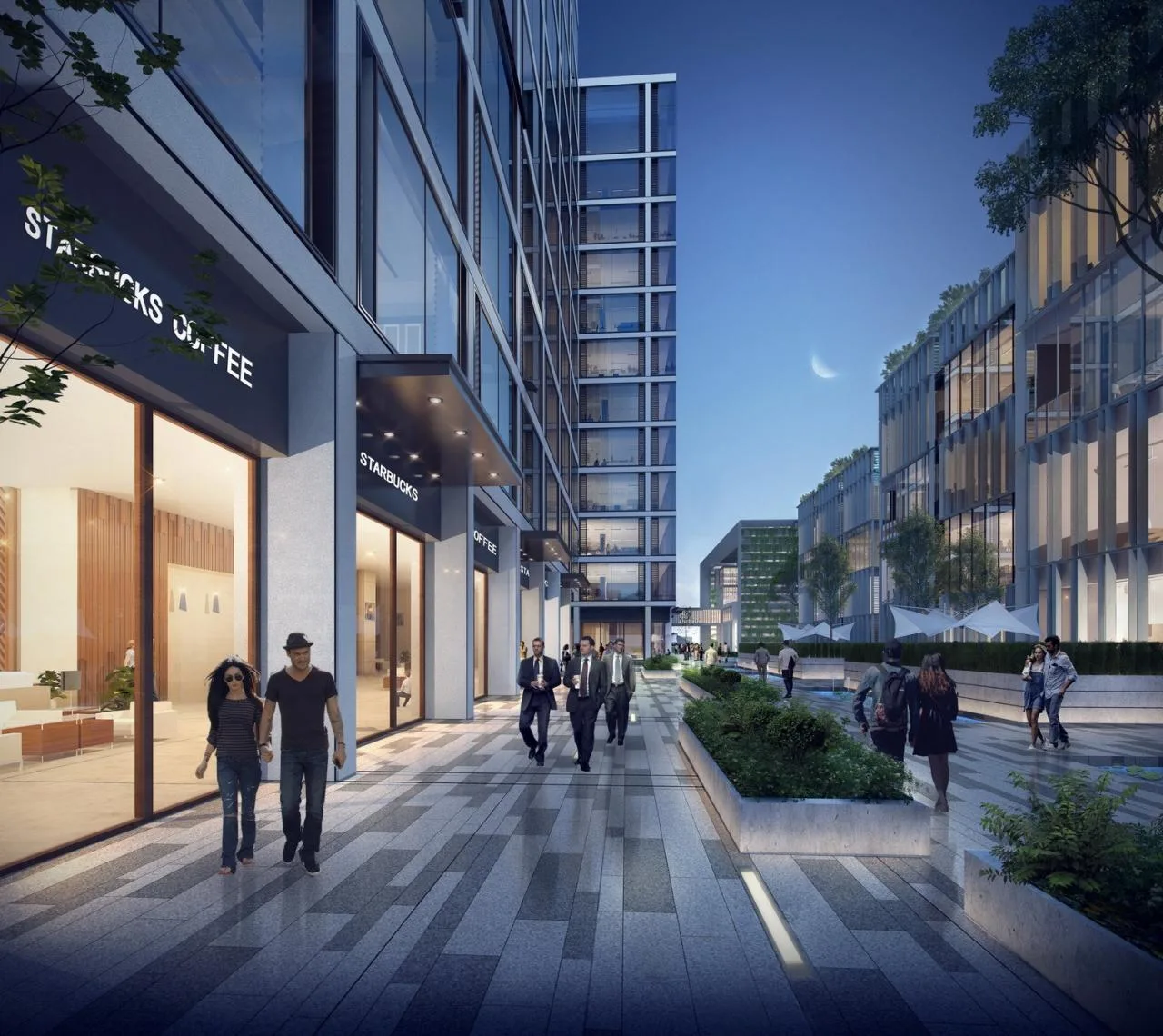
The site is framed by multiple office buildings, creating a central shared garden that acts as the community hub while integrating the natural landscapes on either side. This design fosters a tranquil yet vibrant shared space for residents and headquarters employees alike.
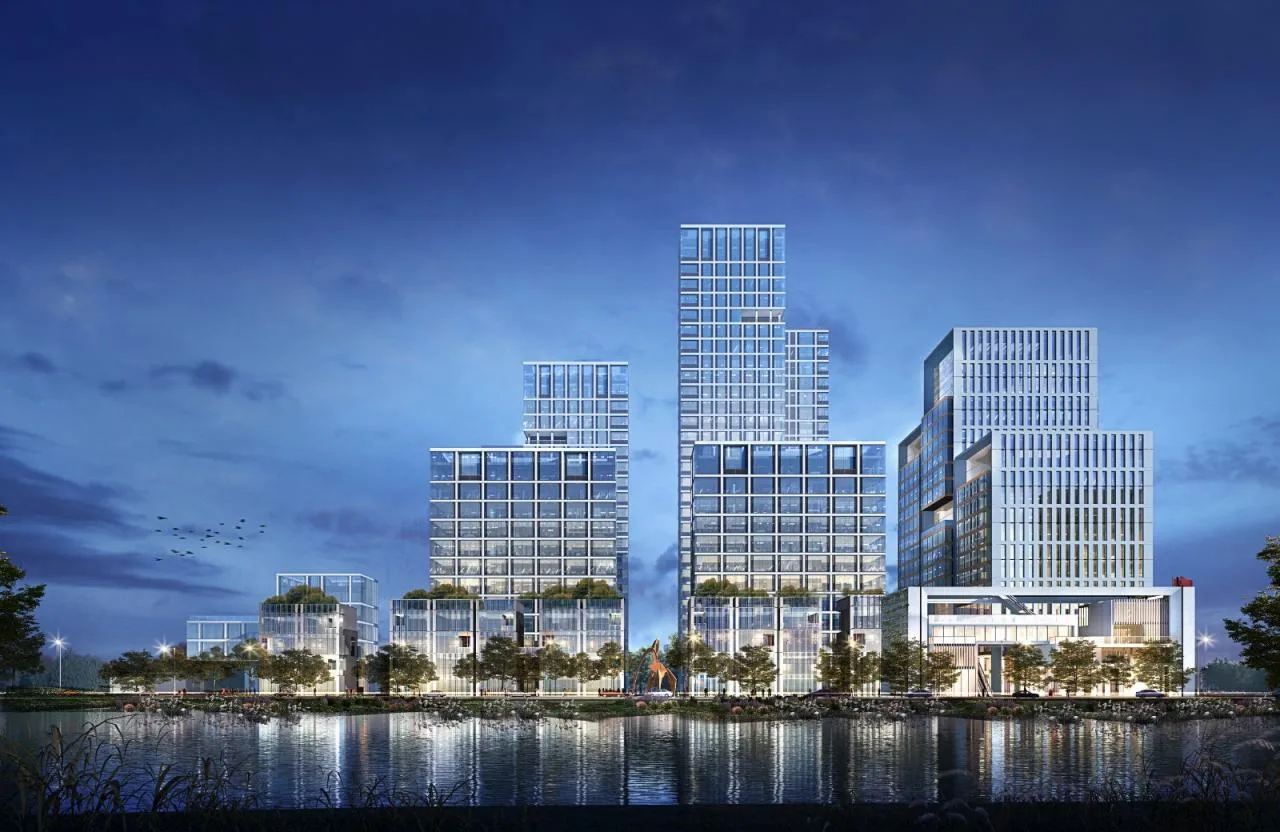
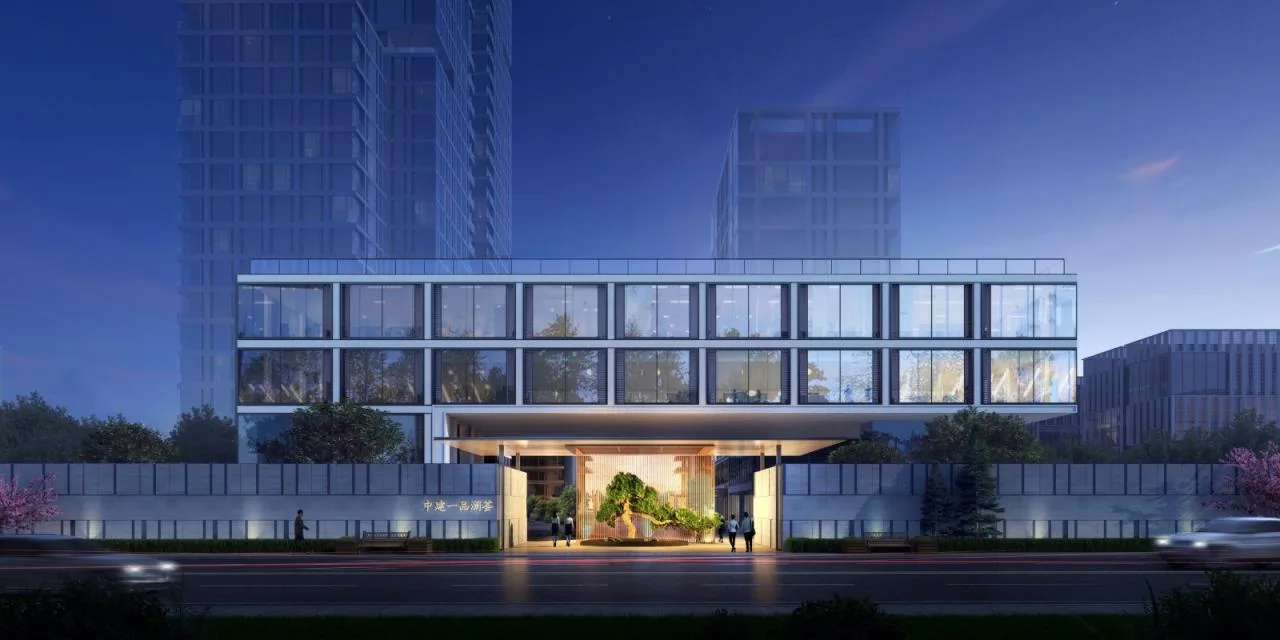
Wuhan Zhongjian Yipin Lanhui exemplifies Vespin’s success in balancing efficient office environments with comfortable living spaces. By thoroughly analyzing the site’s background and integrating design concepts with local geography, the project reflects the corporate culture and image. The building itself embodies the company’s humanistic values, serving as an innovative and inspiring model for future office and residential complexes.
Project Information
Project Name: Wuhan Zhongjian Yipin Lanhui Project
Design Firm: Weisiping Architectural Design
Owner: China Construction Third Engineering Bureau First Company
Design/Completion: 2021 – Present
Building Area: 230,000 square meters
Design Scope: Conceptual Design
Project Type: International Competition
Design Team: Qu Keming, Ma Xun, Zhang Yaodan, Wu Wanying, Huang Hongli, Sun Ying, Ding Yushuo, Li Jiaze
Chief Designers: Wu Gang, Johann Von Mansberg















Must log in before commenting!
Sign Up