
BIM technology is now integrated throughout the entire lifecycle of construction projects.
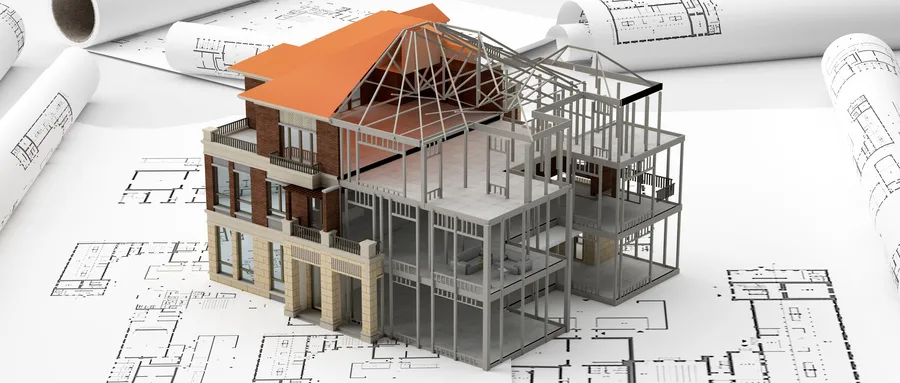
1. Decision Stage: During the decision-making phase, BIM technology enables visual planning, landscape simulation, and microenvironmental analysis. This includes 3D landscape modeling, sunlight exposure analysis, wind flow assessment, temperature evaluation, and noise impact studies.
2. Bidding Stage: Many project bidders now require BIM usage to better understand costs and budget control. BIM’s visualization capabilities allow bidders to present construction simulations, enhancing the technical quality and competitiveness of their bids.
3. Design Phase: BIM has revolutionized the design industry by replacing traditional 2D drawings with comprehensive 3D models. Design teams can build models, plan pipeline layouts, and collaborate across disciplines seamlessly, reducing conflicts and improving project coordination.
4. Construction Phase: During construction preparation, BIM supports site layout simulations, construction planning, and drawing reviews. Throughout construction, BIM models are updated to reflect design changes, ensuring accurate quantity takeoffs. For safety, BIM simulates scenarios such as deep foundation pit treatment and large-span support systems, aiding in risk management and safety briefings. Progress tracking is enhanced by integrating BIM with scheduling data to create 4D models, allowing detailed construction sequencing. Cost management benefits from 5D BIM, which links cost data with progress to monitor expenses and cash flow in real time.
5. Operation Phase: In the operation and maintenance stage, BIM aids in equipment maintenance and emergency management through visual models. Operators can quickly locate issues and respond effectively to breakdowns or routine maintenance. Additionally, BIM facilitates the collection and analysis of maintenance data, providing valuable insights for ongoing facility management.
















Must log in before commenting!
Sign Up