
(1) Visualization of Drawing Review. Traditional 2D construction drawing reviews require significant imagination to mentally construct a 3D image from the drawings. This approach often falls short of providing a comprehensive and detailed understanding, making it challenging to spot errors. With the introduction of BIM models, multiple 2D drawings combine to form a 3D model displayed on a screen. This allows for easy observation and analysis from various angles, making it simpler to detect errors, especially conflicts and clashes between different 2D drawings. Additionally, this facilitates collaboration among various disciplines, enabling them to efficiently address and correct any mistakes.
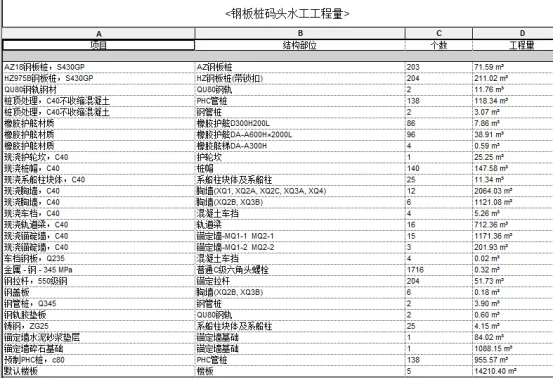
Figure 1: BIM model quantity overview for a specific project
(2) Visualization of Project Work Breakdown Structure. Establishing a Work Breakdown Structure (WBS) is a fundamental task in construction management. By leveraging the detailed attributes and information embedded in the BIM model—such as construction materials and component properties—the demand for materials and quantities of each element can be accurately determined. Figure 1 displays the engineering quantity list within the BIM model interface, while Figure 2 highlights the geometric and quantity attributes of a particular structural component. These visuals demonstrate how BIM visualization clearly presents the quantity list for each sub-project, making it easy to understand at a glance and greatly aiding cost control and material planning.
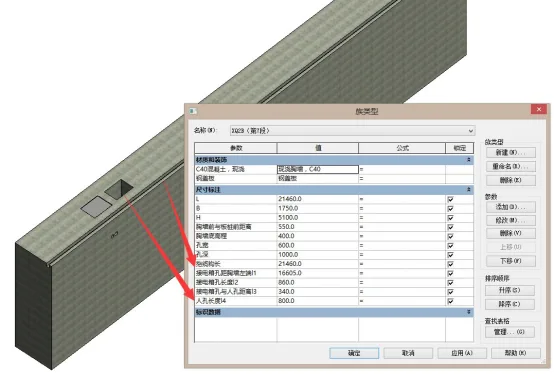
Figure 2: BIM model details of a specific structural component
(3) Visualization of Construction Site Layout. Traditional construction facility layouts are typically conveyed via 2D drawings, which do not clearly represent on-site conditions during construction. BIM models enable real-time reflection of actual site conditions based on ongoing construction activities. This allows for dynamic adjustments to facility layouts—such as steel storage areas, material processing zones, warehouses, site laboratories, and living quarters—tailored to the specific circumstances at any given time. Anticipating possible adjustments during construction helps planners develop early modification plans, reducing the need for costly rework.
(4) Real-Time Progress Visualization. During construction schedule preparation, BIM technology allows for repeated simulations of the entire build process. These schedule simulations help identify potential issues before project execution, ensuring logical sequencing and accurate timelines. This proactive approach enhances the reliability and effectiveness of construction scheduling.
















Must log in before commenting!
Sign Up