
During the construction phase of a project, the advantages of implementing BIM technology are just as significant as during the design phase. The key applications of BIM in construction primarily include the following aspects:
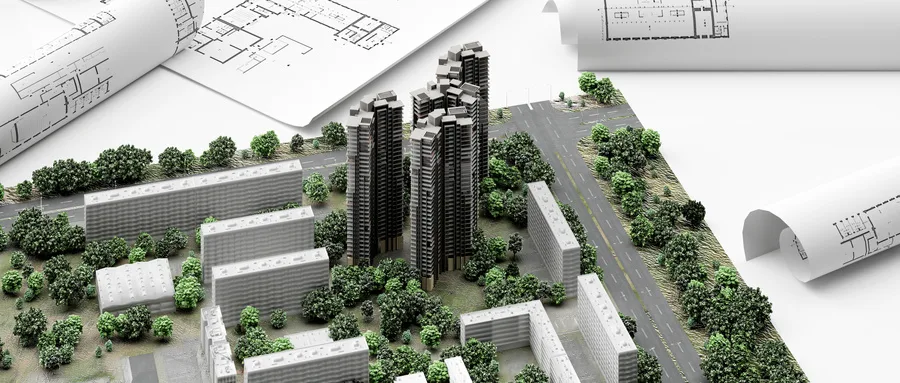
(1) Four-Dimensional Simulation
By integrating BIM models with construction schedules, spatial and temporal data combine into a visual 4D model (3D + Time). This approach clearly and accurately illustrates the construction stages and processes of the entire building. The 4D simulation enables construction teams to develop efficient plans, monitor progress precisely, optimize resource allocation, shorten project duration, reduce costs, and improve overall quality throughout construction.
(2) Providing Essential Construction Information
During construction, BIM offers synchronized insights into key factors such as quality, cost, and progress. It conveniently delivers critical data needed for construction activities, including bills of quantities, material requirements for each phase, and preliminary budget estimates. For instance, software like Graphisoft’s ArchiCAD facilitates quantity takeoffs and project progress tracking efficiently.
(3) Real-Time Project Evaluation, Planning, and Communication with Owners
BIM supports construction teams in quantifying building elements for engineering assessments and valuations, enabling up-to-date project evaluations and construction planning. Additionally, site usage can be clearly defined and adjustment plans updated for the owner. This ongoing communication helps minimize disruptions to the owner’s operations and personnel during the construction process.
















Must log in before commenting!
Sign Up