
Although the application of BIM technology in China is still developing, it already offers numerous advantages. The main goal of using BIM during project design is to enhance both the quality and efficiency of the design process. This helps reduce rework during construction, ensures timely completion, and saves project costs. The benefits of BIM in the design phase include:
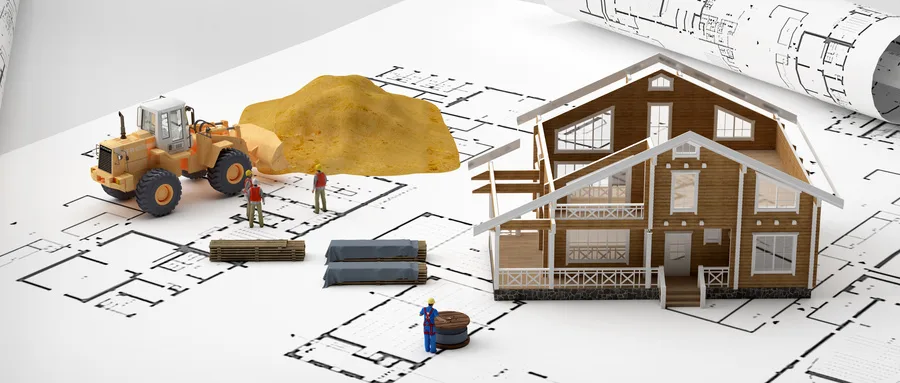
1. Three-Dimensional Visualization. BIM technology has transformed architectural design from traditional two-dimensional plans to interactive, three-dimensional digital models. This shift provides an intuitive and detailed visual representation, enabling non-experts such as designers and clients to better assess whether the project meets their requirements with greater accuracy and efficiency.
2. Coordination and Conflict Avoidance. Project design involves multiple disciplines—architecture, structural engineering, plumbing, HVAC, electrical systems, and more. BIM integrates these diverse design outputs into a unified 3D collaborative environment, promoting information sharing and detecting clashes between structural elements and equipment. This allows engineers to make timely adjustments, preventing costly errors and waste during construction.
3. Simulation. BIM enables the virtual pre-construction of the building process, which traditionally would only occur on-site. By simulating construction in a virtual environment, potential issues can be identified and resolved early, minimizing regrets and costly changes during actual construction.
4. Generation of Visual Documentation. BIM can automatically produce various 2D drawings, 3D renderings, and animations—including plans, elevations, and sections—directly from the design model. This streamlines the documentation process, saves time in preparing drawings, and ensures high accuracy and consistency in engineering documents and design plans.
















Must log in before commenting!
Sign Up