
The purpose of a drawing review is to identify technical challenges, develop effective solutions, detect drawing errors, eliminate hidden risks, optimize the design, ensure drawing quality, and ultimately guarantee the project’s quality and timely progress. The thoroughness and depth of the drawing review significantly influence the project’s quality, schedule, cost, safety, and ease of construction. Therefore, reviewing construction drawings is a critical and indispensable step before starting any project.
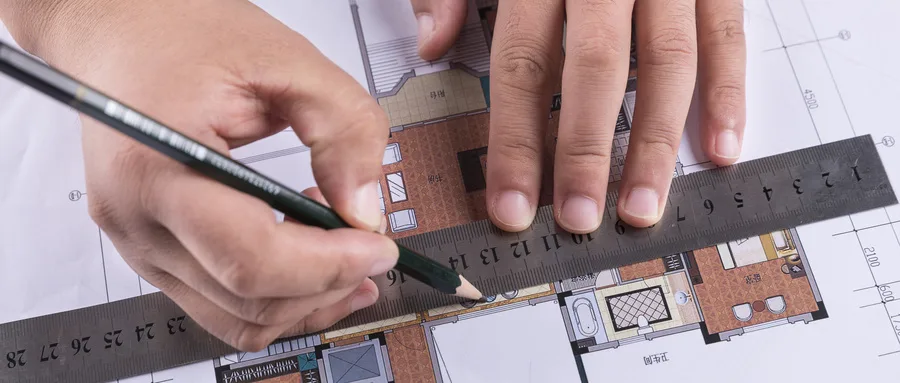
Key Points to Consider When Reviewing BIM Drawings
1) Modeling Task Grouping: Projects often feature similar units or repeated layouts. To increase efficiency, assign similar units to the same individual for modeling. This approach streamlines the process and improves consistency.
2) Information Communication: Establish a dedicated communication group for modeling teams. This allows for prompt discussion when issues arise during modeling, helping everyone recognize recurring problems and standardize modeling rules. For significant process or practical challenges affecting later construction phases, coordinate with the project department promptly to devise a collaborative and organized construction plan.
3) Drawing Comparison: Use BIM tools to import and compare drawings, with an emphasis on structural building plans. Equally important is the cross-checking of specialized drawings such as civil defense, plumbing, electrical, HVAC, landscaping, curtain walls, and vertical transportation systems (elevators and escalators). This prevents conflicts at connection points, dimensional inconsistencies, and flawed layouts.
Common Issues and Improvement Strategies
1) When assigning modeling tasks, grouping by layout aims to boost efficiency. However, differences in modelers’ skill levels mean some errors may go unnoticed by the individual who created the model. To address this, we plan to implement cross-checking procedures, where colleagues review each other’s models and findings. This approach not only helps catch errors but also encourages reflection on personal modeling practices.
2) Early project stages often demand rapid modeling turnaround, which, combined with varying skill levels, can lead to occasional oversights in the drawings. To mitigate this, any identified omissions will be communicated back to the modeling team through correction and review during subsequent on-site work phases. Following the drawing review, a dedicated modeling review and knowledge-sharing meeting will be held to systematically address key project drawing issues and enhance the team’s ability to identify and resolve drawing problems.
Article source: Yunjiang Digital Research Institute / Chen Weigao Jianrong
















Must log in before commenting!
Sign Up