
BIM stands for Building Information Modeling, a digital representation of the physical and functional characteristics of a construction project. It is created using three-dimensional digital technology to gather data from various disciplines, professions, and processes involved in construction. BIM serves as a comprehensive information model that links data, processes, and resources throughout different stages of a project’s lifecycle, providing a complete description of the engineering object. This model can be widely utilized by all parties involved in the construction project.
Currently, the most common BIM technology in engineering design in China is known as “Flipped BIM.” This approach involves creating a 3D model on specialized design platforms only after the 2D construction drawings have been completed by the design team. Because of this workflow, Flipped BIM is sometimes referred to as “fake BIM” or “post BIM,” as illustrated in Figure 1.
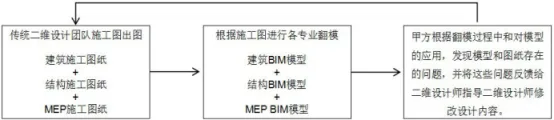
Figure 1: BIM Design Process for Mold Flipping
In this workflow, the BIM team begins their modeling work only after the 2D design team has finished the construction drawings. Using these 2D drawings, the BIM team develops a 3D model and applies BIM functionalities such as clash detection, virtual walkthroughs, and construction simulations. Following the application analysis, the client reviews the results and provides feedback to the 2D design team, who then adjust and modify the drawings accordingly.
This method tends to produce higher quality design outcomes and is suitable for design teams with fewer personnel. However, it is time-consuming and does not fully leverage the potential benefits of BIM technology.
















Must log in before commenting!
Sign Up