
A BIM (Building Information Modeling) model created with computer graphics software represents a virtual building through a detailed 3D visualization. Beyond capturing the building’s exact geometric dimensions, a BIM model can also incorporate various physical properties, unstructured data, construction methods, engineering documentation, and extensive related information. Visualization of the BIM model is a core feature of building information modeling and essential for utilizing BIM technology effectively.
The use of BIM models enables easy access to diverse information about building structures, such as construction progress, material lists, and more. This approach offers a new platform for decision-making throughout the stages of engineering design, construction, operation, and maintenance. It marks a significant advancement in computer graphics and information technology, bridging visual and logical thinking in construction projects.
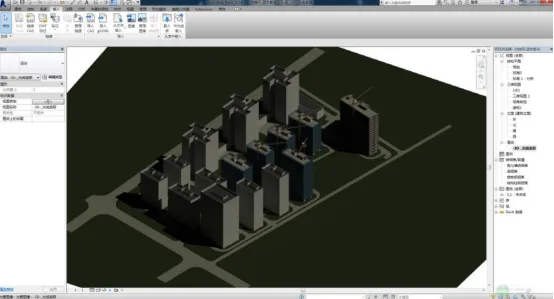
Figure 1: BIM model used for architectural planning and design
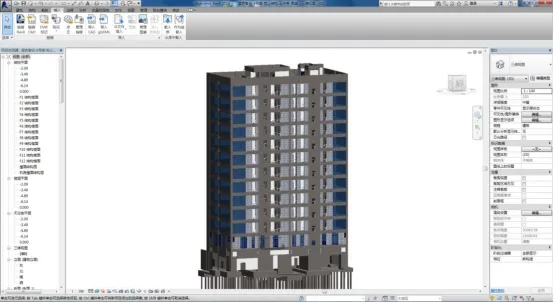
Figure 2: BIM model illustrating building visualization
BIM technology revolutionizes construction project management by liberating architects from traditional design constraints and methodologies. Historically, due to a lack of reliable tools, designers relied on two-dimensional drawings to represent three-dimensional buildings, often using surface renderings for communication and construction guidance. This approach led to high error rates in drawings and posed significant communication challenges, especially with stakeholders outside the industry. Such limitations impeded designers’ creativity, efficiency, and the ability to make swift, high-quality decisions during construction.
By leveraging BIM technology and visually rich BIM models, architectural designs, construction challenges, and workflows are clearly conveyed. This improves construction teams’ understanding of drawing details, helping to prevent errors and minimize risks.
Managing projects through BIM models enables visualization of the entire construction lifecycle—including planning, design, building, and operation—via virtual simulations. As shown in Figure 1, a BIM model for architectural planning and design facilitates analysis of building layouts, energy efficiency, construction drawings, and detection of plumbing or electrical conflicts within the structure. Figure 2 presents a BIM building model that directly provides critical information such as design schemes, structural details, and cost estimates for the construction project.
















Must log in before commenting!
Sign Up