
BIM technology plays a crucial role throughout the entire lifecycle of engineering projects, especially for complex projects that demand high quality, shortened construction times, and reduced costs. Its advantages become particularly evident in these scenarios. For example, a study of 32 projects using BIM technology at Stanford University in the United States identified five key benefits: a 20% reduction in engineering variables; maintaining cost control accuracy within 3%; reducing the time spent on cost estimation to just 10% of the original duration; cutting the project budget by 10%; and shortening design and construction time by over 7%.
These findings demonstrate that BIM technology significantly accelerates the design phase, minimizes design errors, and improves overall design efficiency. As BIM technology advances, localized BIM software in China is becoming increasingly comprehensive, making BIM software the most widely used tool during the design stage.
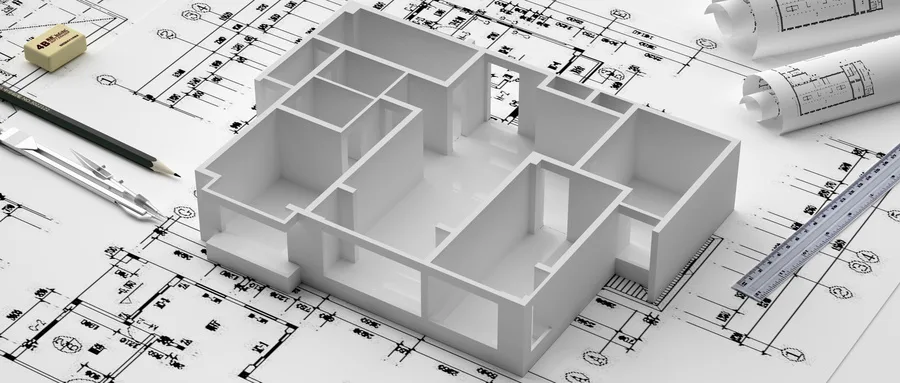
Key Tasks of BIM During the Design Phase
1. Model Establishment:
① Develop comprehensive information models across disciplines such as architecture, structural engineering, and equipment.
② Leverage the visualization capabilities of these models to facilitate communication and collaboration among different design and related fields.
③ Generate 2D plans, elevations, and section drawings directly from the models to support the presentation of design outcomes.
2. Design Optimization:
① Review drawings at each stage to ensure design quality control.
② Provide design assistance for complex architectural forms, including spatial positioning, surface cutting, and geometric optimization, enhancing design accuracy.
③ Perform clash detection among various disciplines, generate collision reports, and offer suggestions for optimization and adjustments.
3. Cost Estimation:
① Prepare detailed schedules to quickly and accurately summarize material quantities.
② Develop preliminary budgets and construction cost estimates.
③ Monitor investment changes in real time throughout the design process, enabling timely optimization recommendations.
4. Performance Analysis:
① Conduct sunlight analysis, including simulation and optimization of lighting environments.
② Analyze thermal conditions, simulate building energy consumption, and propose optimization strategies.
③ Design sunshades.
④ Simulate wind environments and optimize designs accordingly.
⑤ Perform sound environment simulations and optimize acoustic design.
5. Data Integration:
① Automatically organize design result data to streamline the delivery process.
② Support auxiliary information simulation platforms.
















Must log in before commenting!
Sign Up