
The Revit product suite includes Revit Architecture, Revit MEP (Mechanical, Electrical & Plumbing), Revit Structure, Revit OneBox, and Revit LT, offering BIM solutions tailored for various specialties such as architecture, structural engineering, and building systems (water, heating, electricity). These tools enable the completion of designs, drawings, and schedules required for projects within Revit itself. Designers can use Revit to plan, construct, and maintain buildings with enhanced quality and energy efficiency. The software supports seamless file interoperability across its different modules, showcasing full BIM technology support for collaborative design by creating a comprehensive, coordinated building information model. This integration not only significantly improves communication and collaboration among engineering teams but also shortens design cycles, boosts design quality, and delivers substantial economic benefits throughout the project lifecycle.
1. Revit Architecture
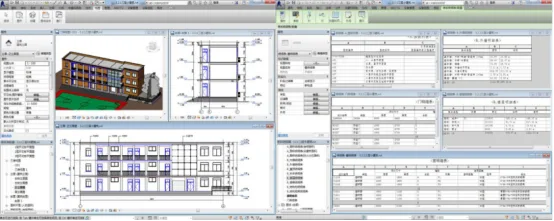
Revit Architecture focuses on creating 3D parametric building models. It allows designers to intuitively explore design concepts within 3D environments and make modifications at any stage, ensuring the preservation of their original design intent and style throughout the project. Using Revit Architecture, designers can simultaneously view multiple perspectives, including different elevations, overall drawing lists, and detailed component schedules. This comprehensive visibility aids in accurate project budgeting and cost minimization.
2. Revit Structure
Revit Structure is designed specifically for structural engineers, offering powerful tools for structural modeling and analysis. It helps engineers efficiently build structural models, perform thorough analysis, and quickly update model parameters and documentation as needed. The software allows precise visualization of building structures before construction, enabling smarter design decisions, enhanced coordination among disciplines, minimized errors, and strengthened collaboration across teams.
3. Revit MEP
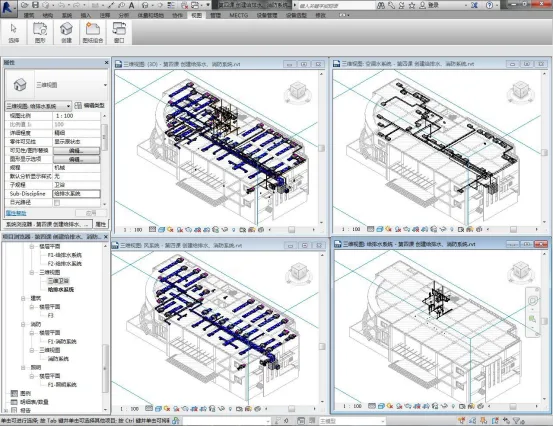
Revit MEP serves as a design tool for mechanical, electrical, and plumbing systems. It supports both 2D drafting and 3D visualization of pipelines. Projects designed with Revit MEP can be viewed simultaneously in 3D models, floor plans, and other layouts. This capability optimizes pipeline design, reduces coordination errors among architects, structural engineers, and MEP engineers, and facilitates comprehensive collaborative design across disciplines, ultimately saving costs.













Must log in before commenting!
Sign Up