
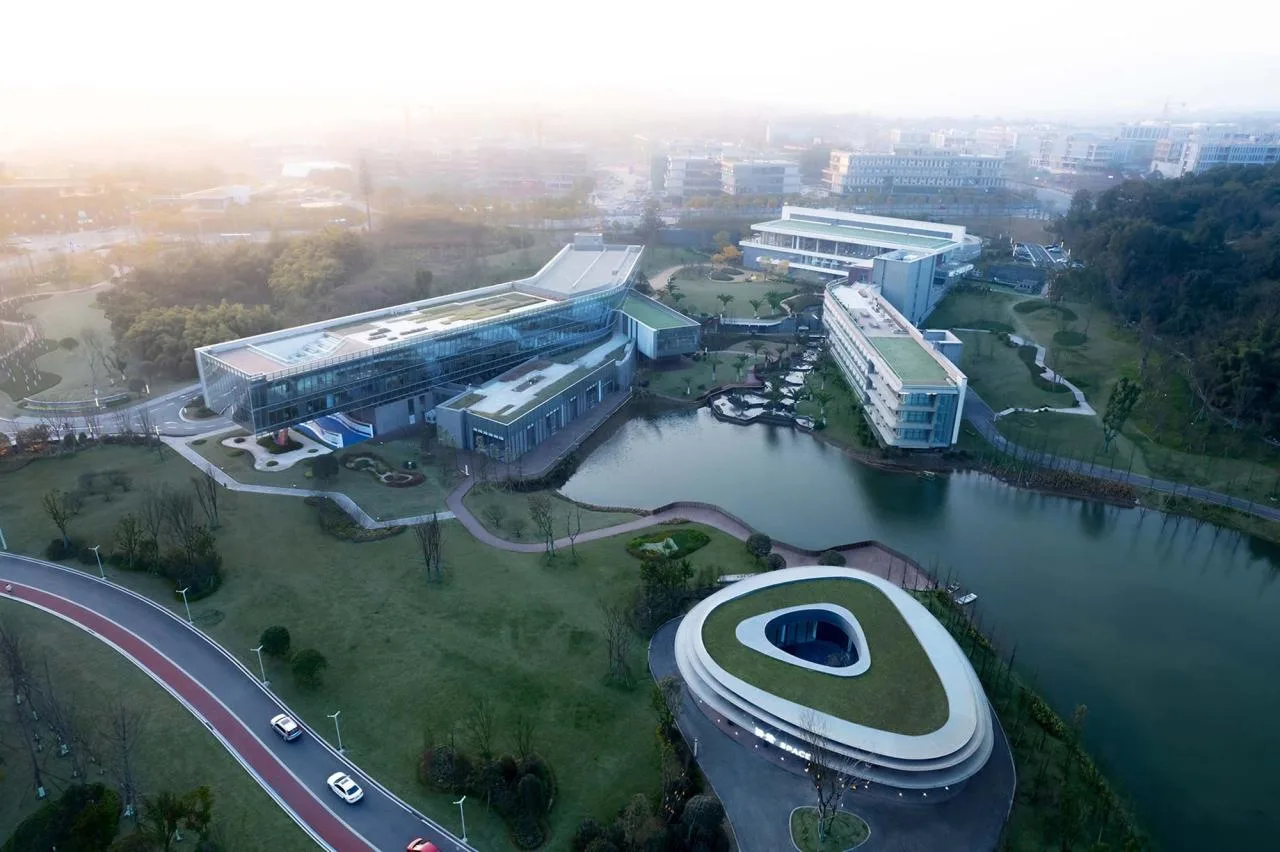
Mountains and Architecture
Mountains provide a unique sense of place that profoundly influences both the external form and internal space of buildings. This relationship creates remarkable spaces and experiences. The key challenge in mountain architecture design lies in harnessing the energy of mountainous environments and translating it into architectural space.
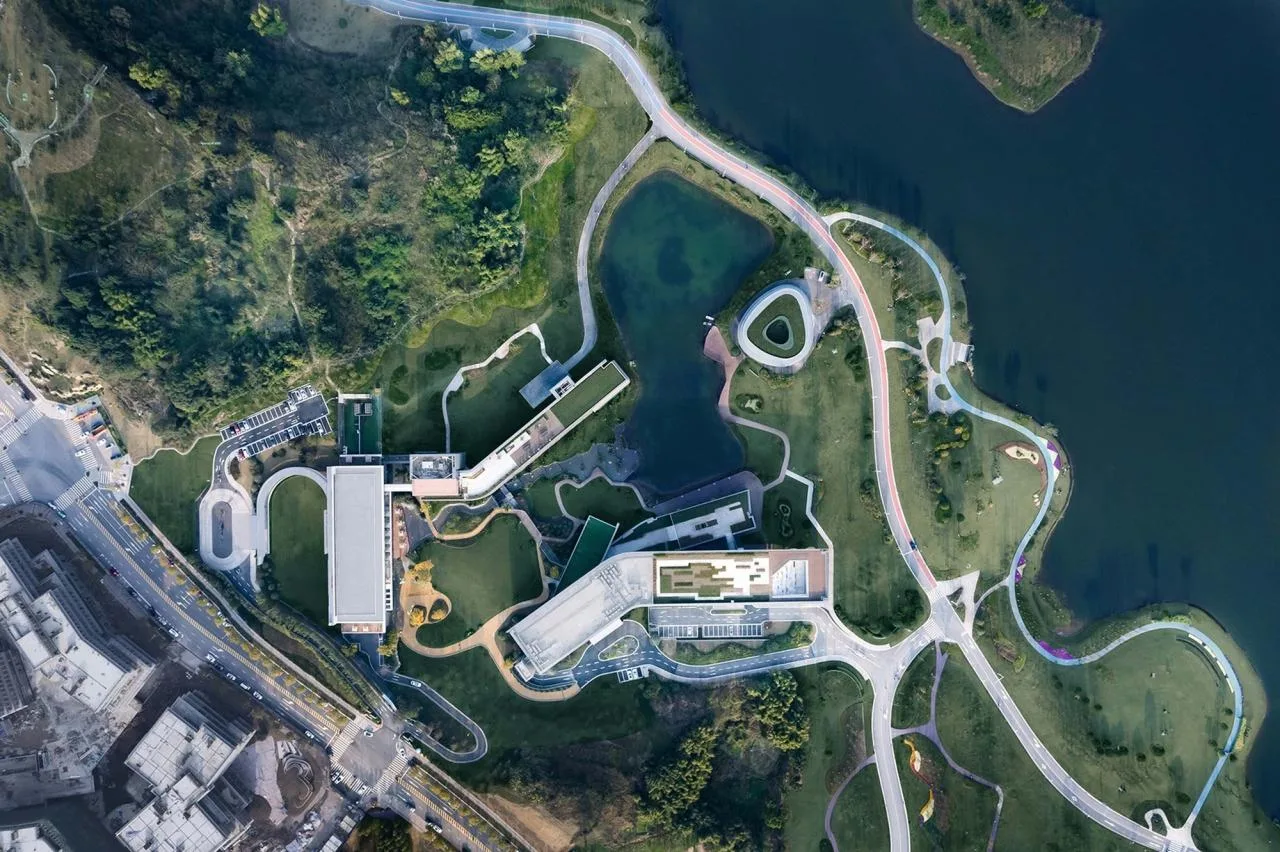
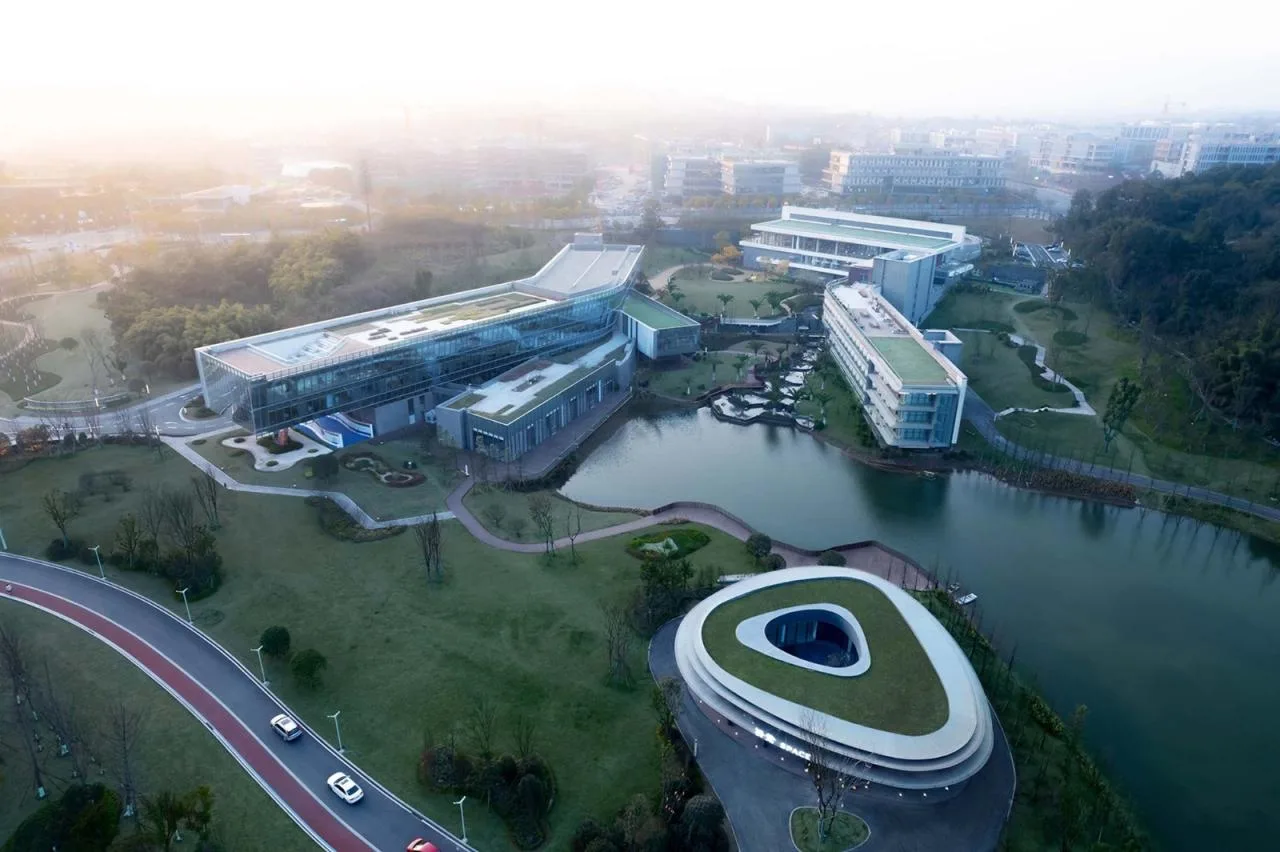
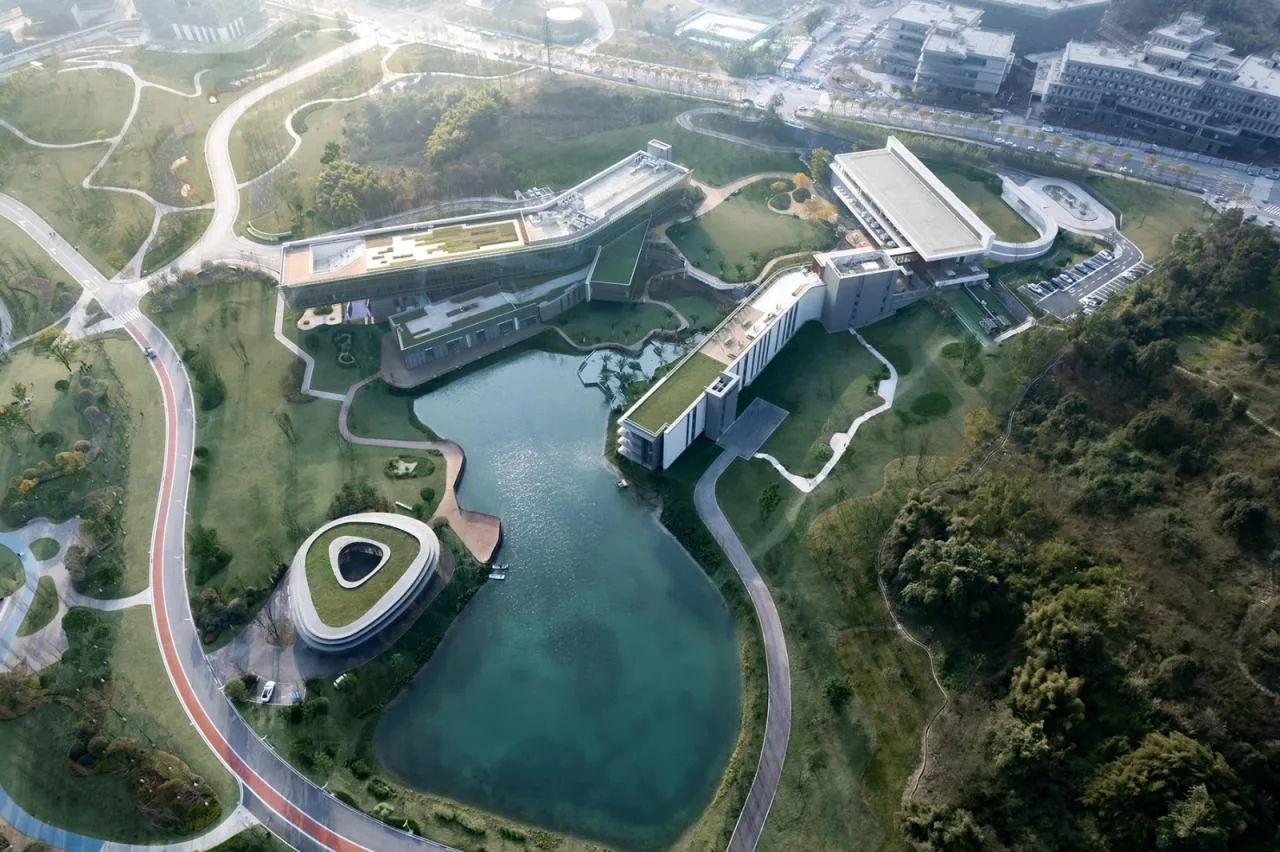
The “Filling Valley” Mountain Extension and Integration Center is one of the pioneering projects in the Two Rivers Collaborative Innovation Zone. It serves multiple functions including office and conference development, administrative operations, tourism, and commercial support. The complex features a 12,000-square-meter science and technology innovation office and service center, a 10,000-square-meter boutique hotel, a 5,000-square-meter garage, and a 1,000-square-meter commercial service facility.
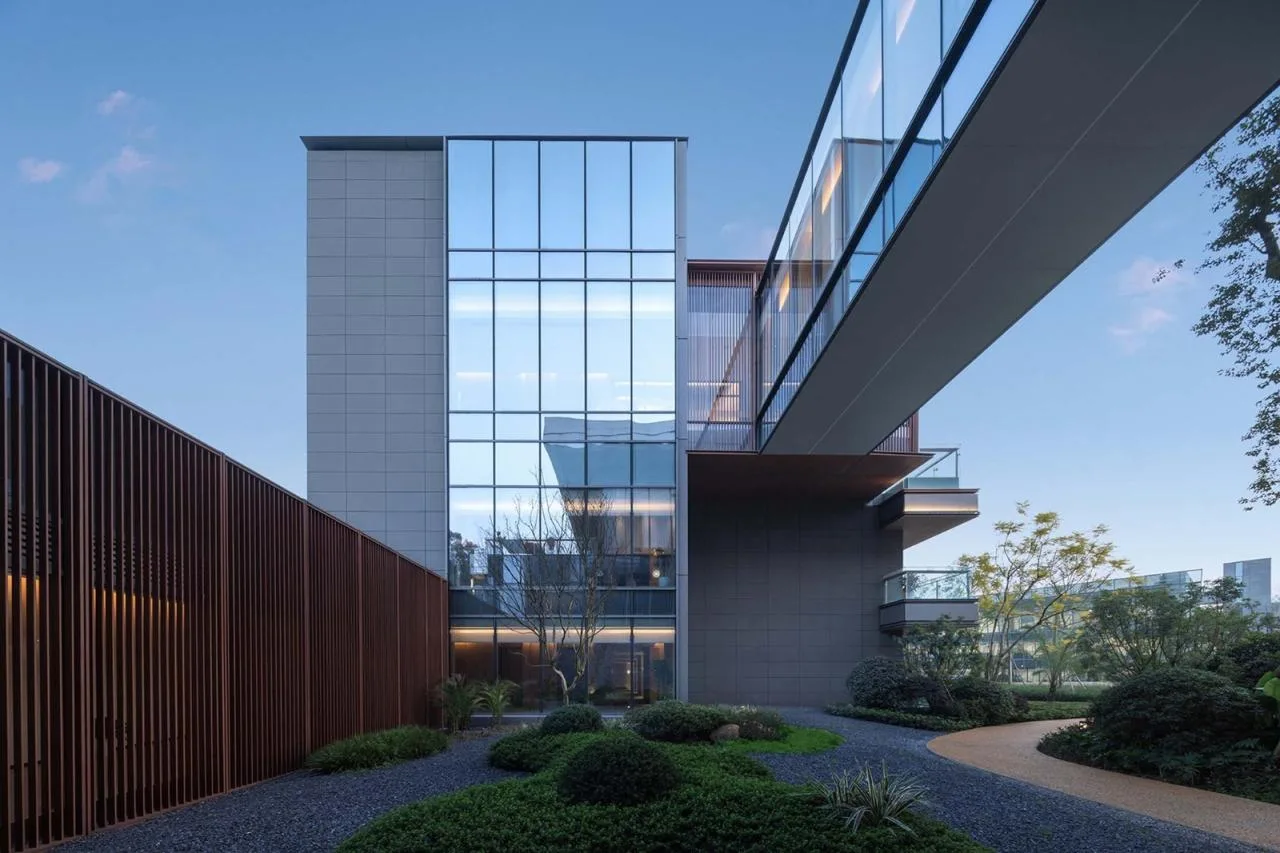
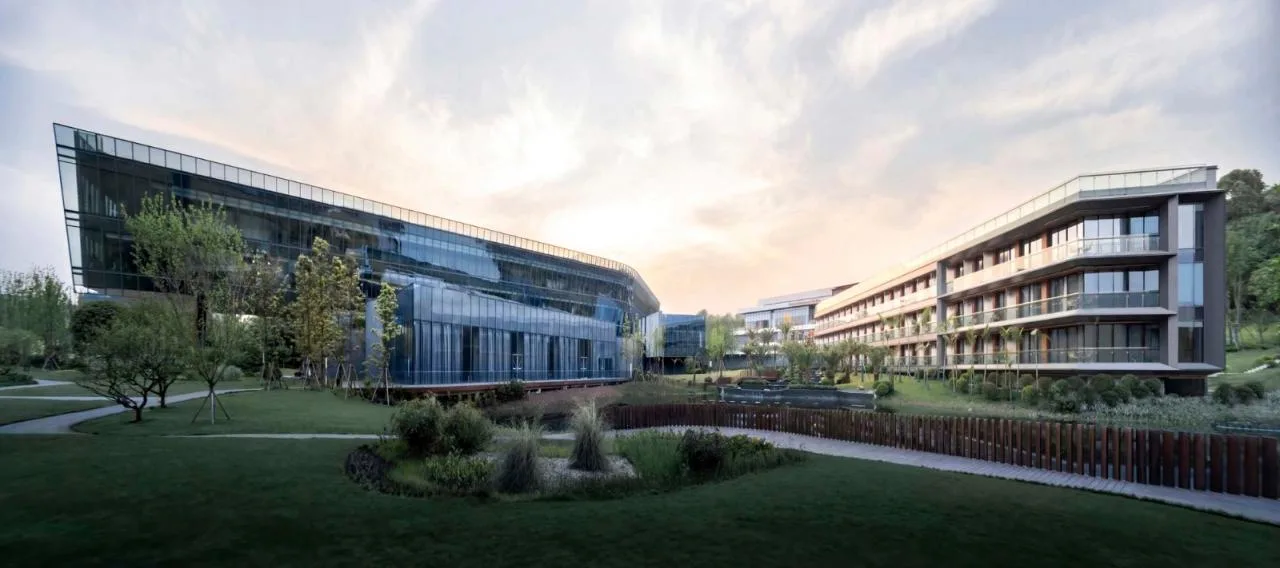
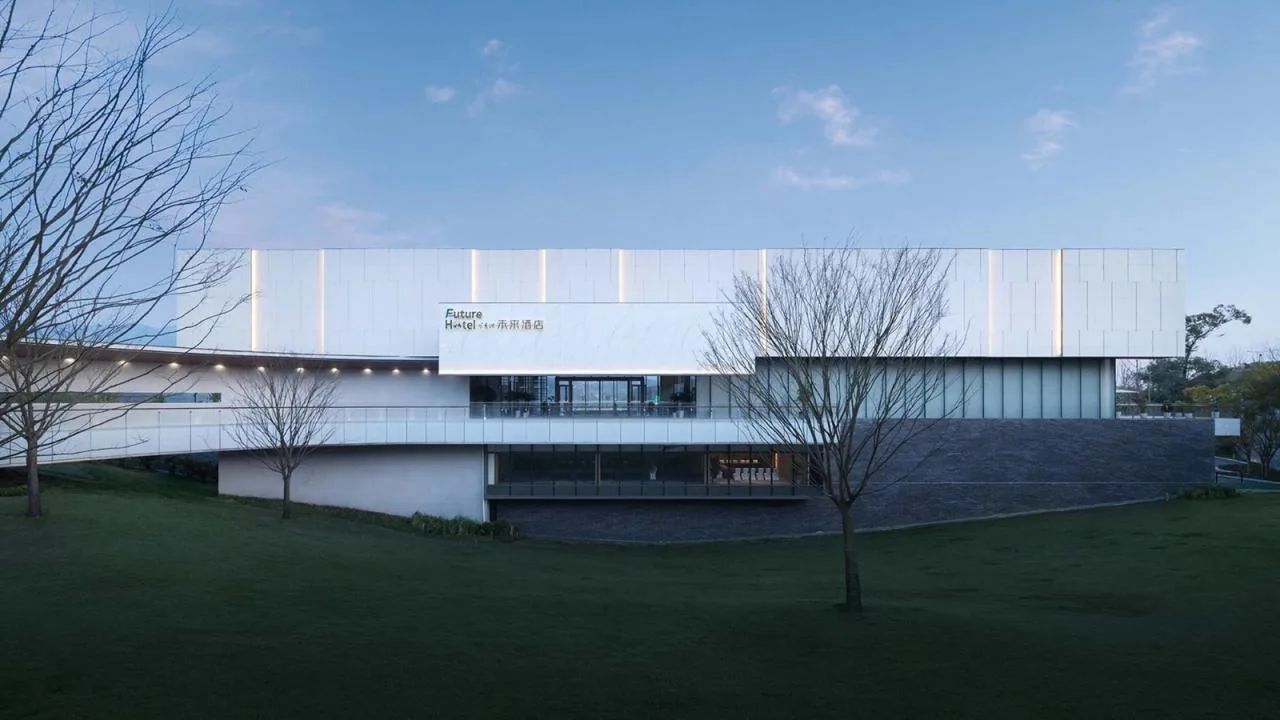
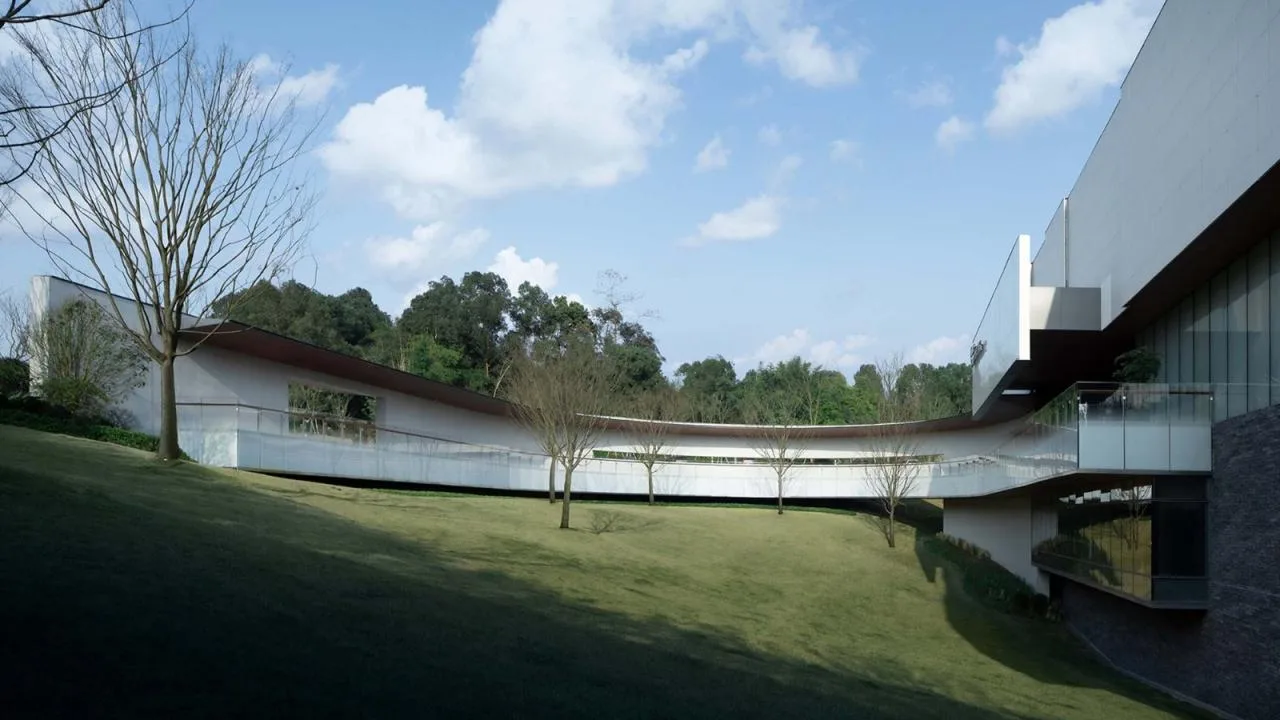
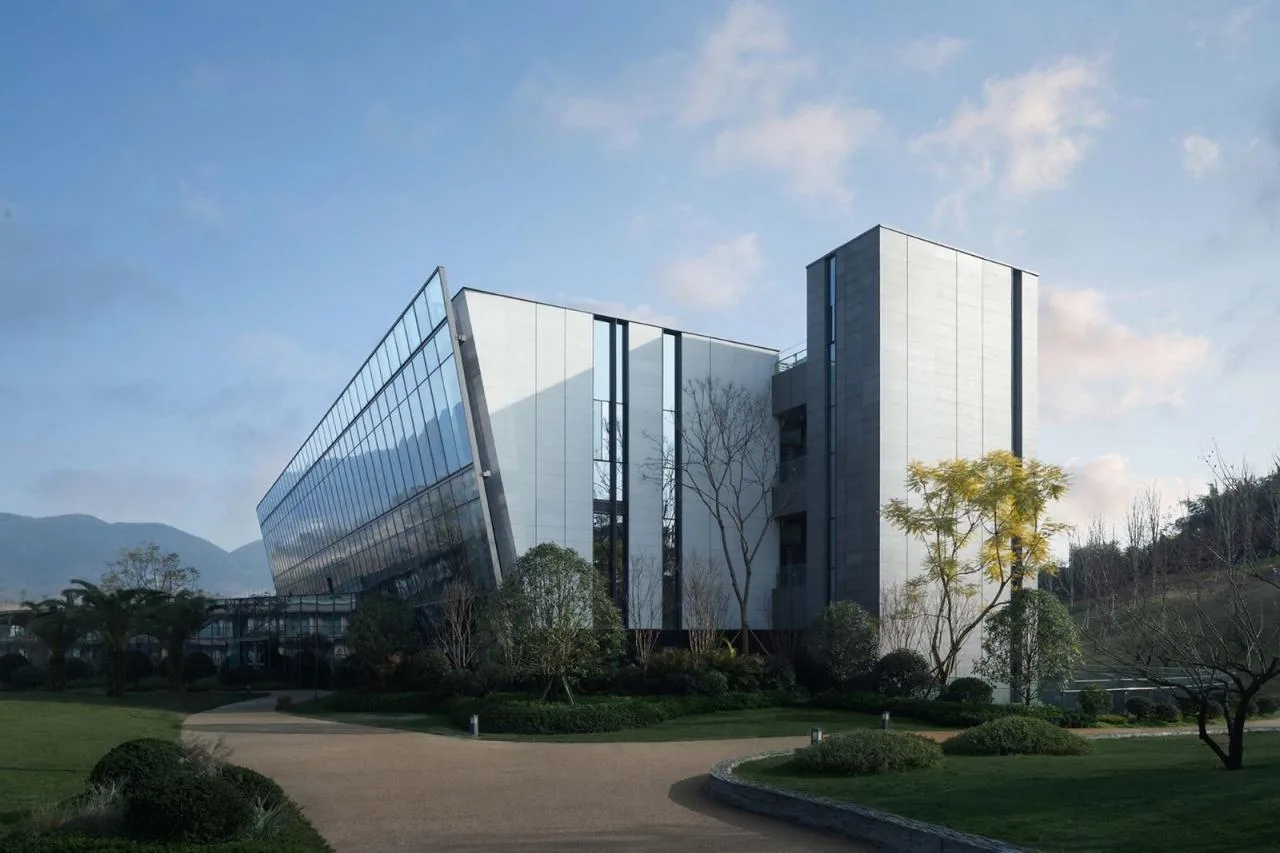
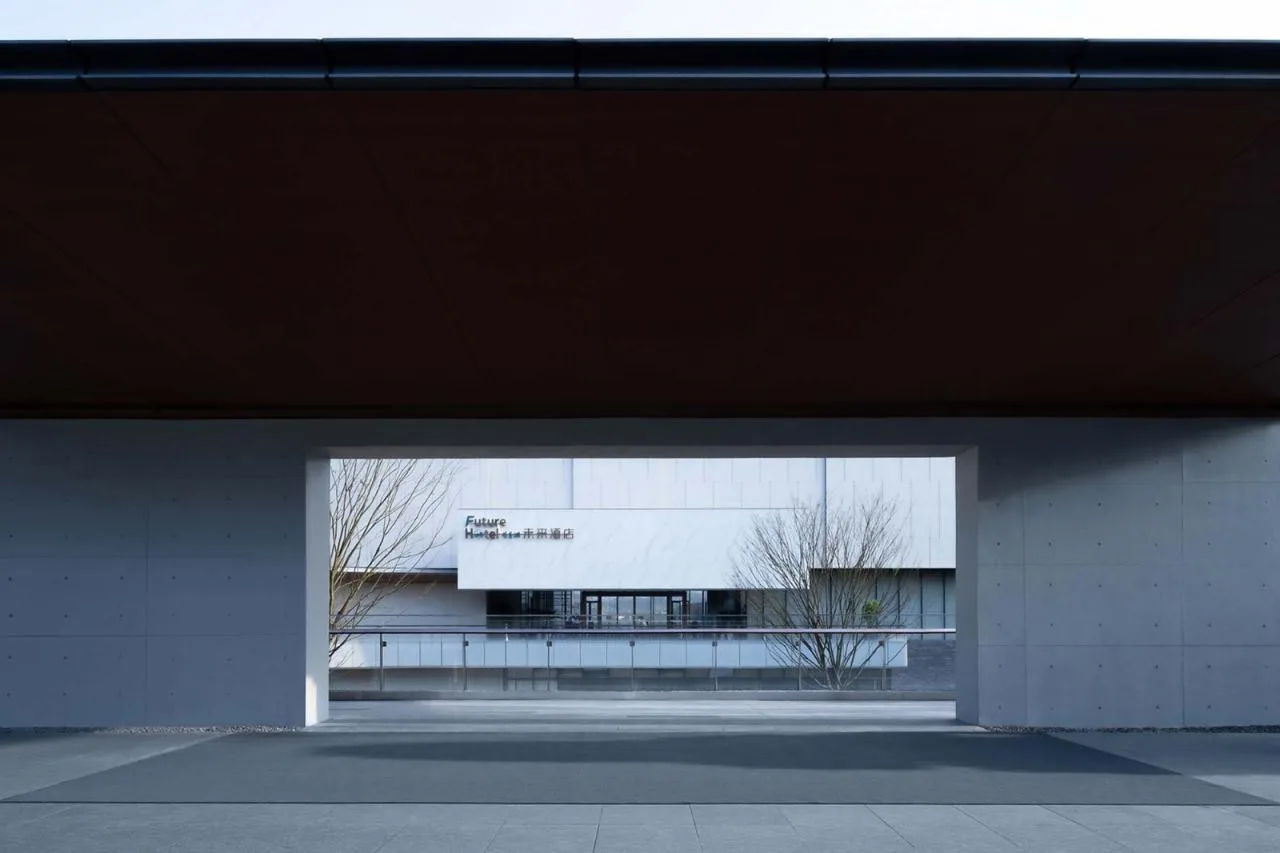
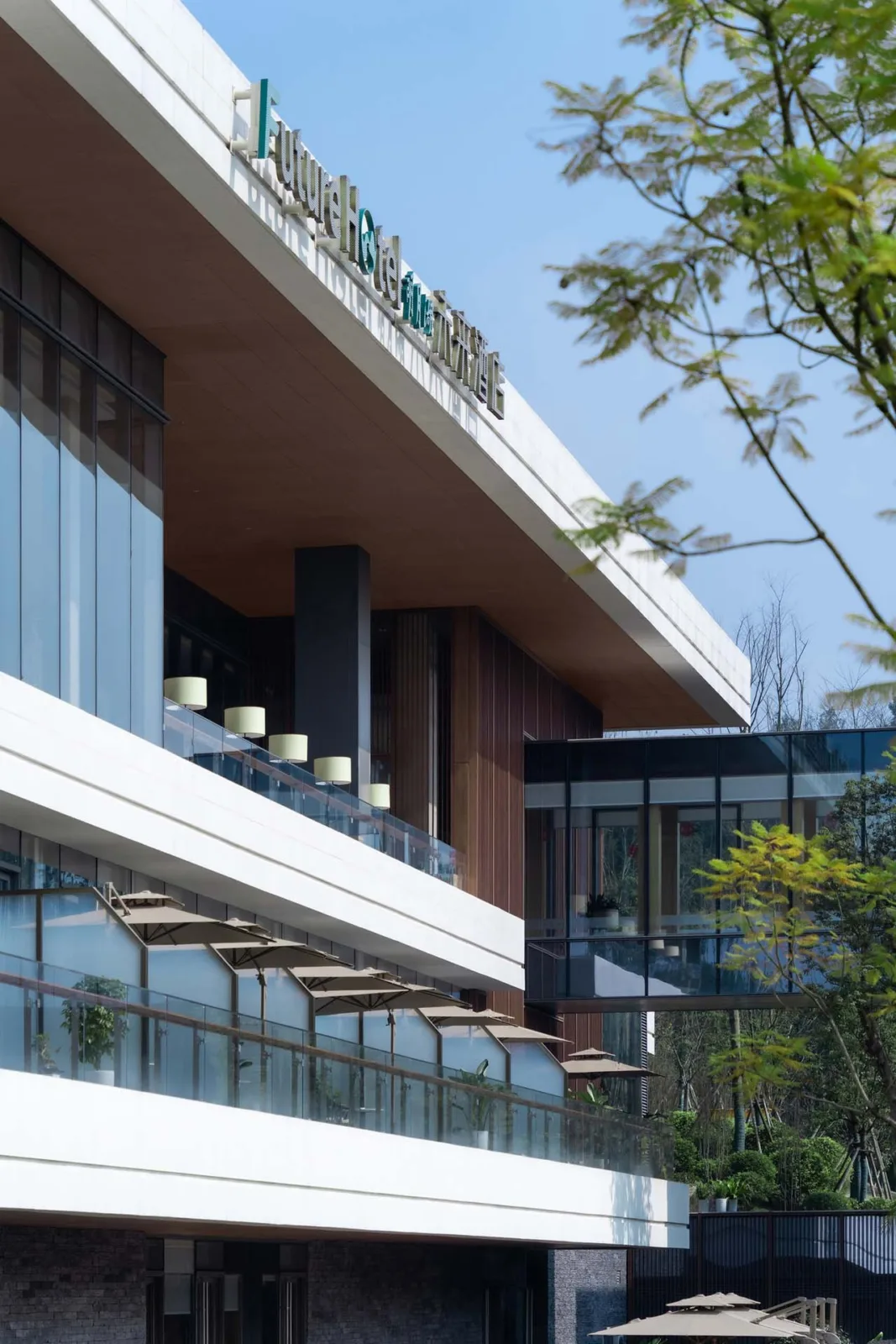
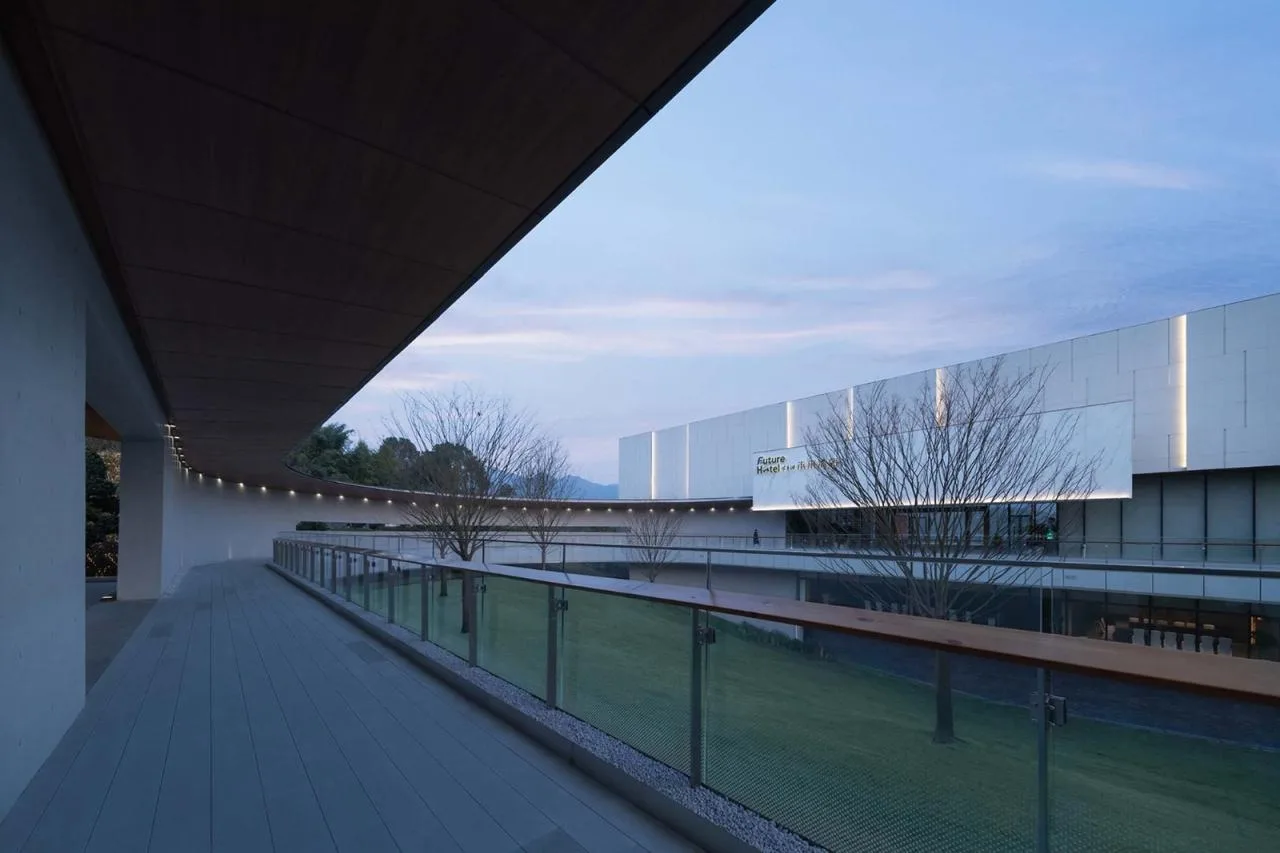
Flanked by mountains on both sides, the site naturally forms valleys. The overall terrain slopes gradually from northwest to southeast, creating a spatial landscape characterized by “valley, slope, and water.” The architecture redefines the valley space by “filling the valley,” extending the mountain’s presence while minimizing earthwork. The building’s twisted and deformed form activates the valley space. The hotel entrance fosters a secluded valley atmosphere, enhanced by an elevated corridor bridge that provides guests with a sense of privacy and retreat.
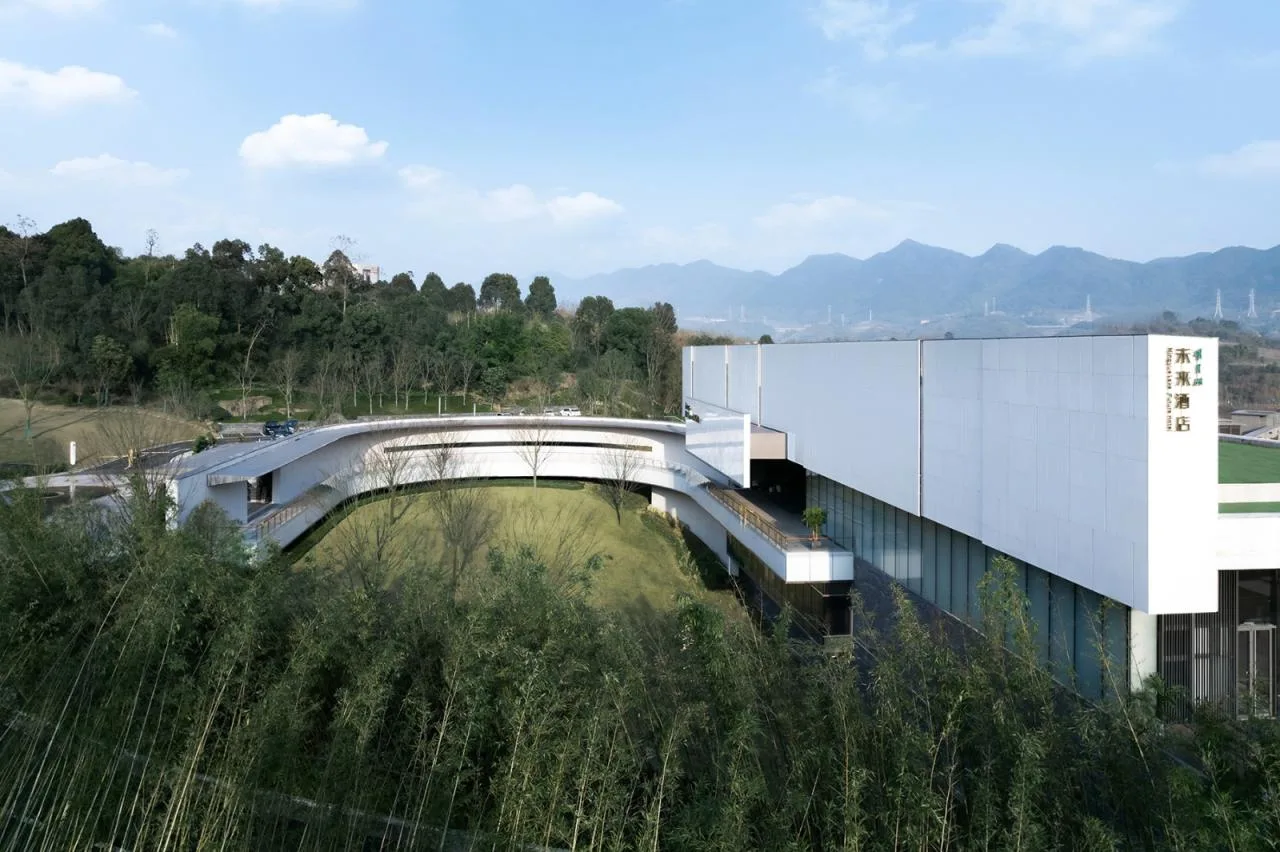
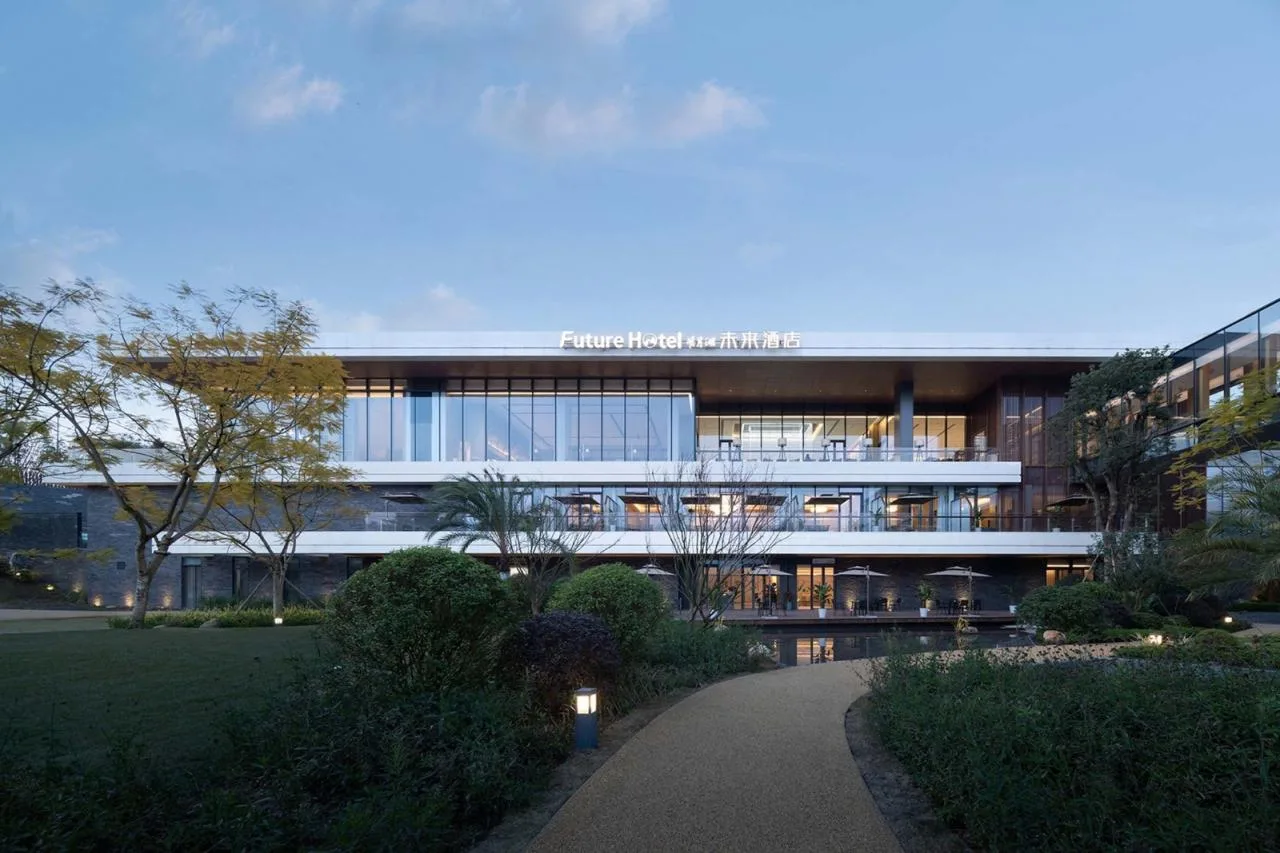
Dunyin Valley Hotel
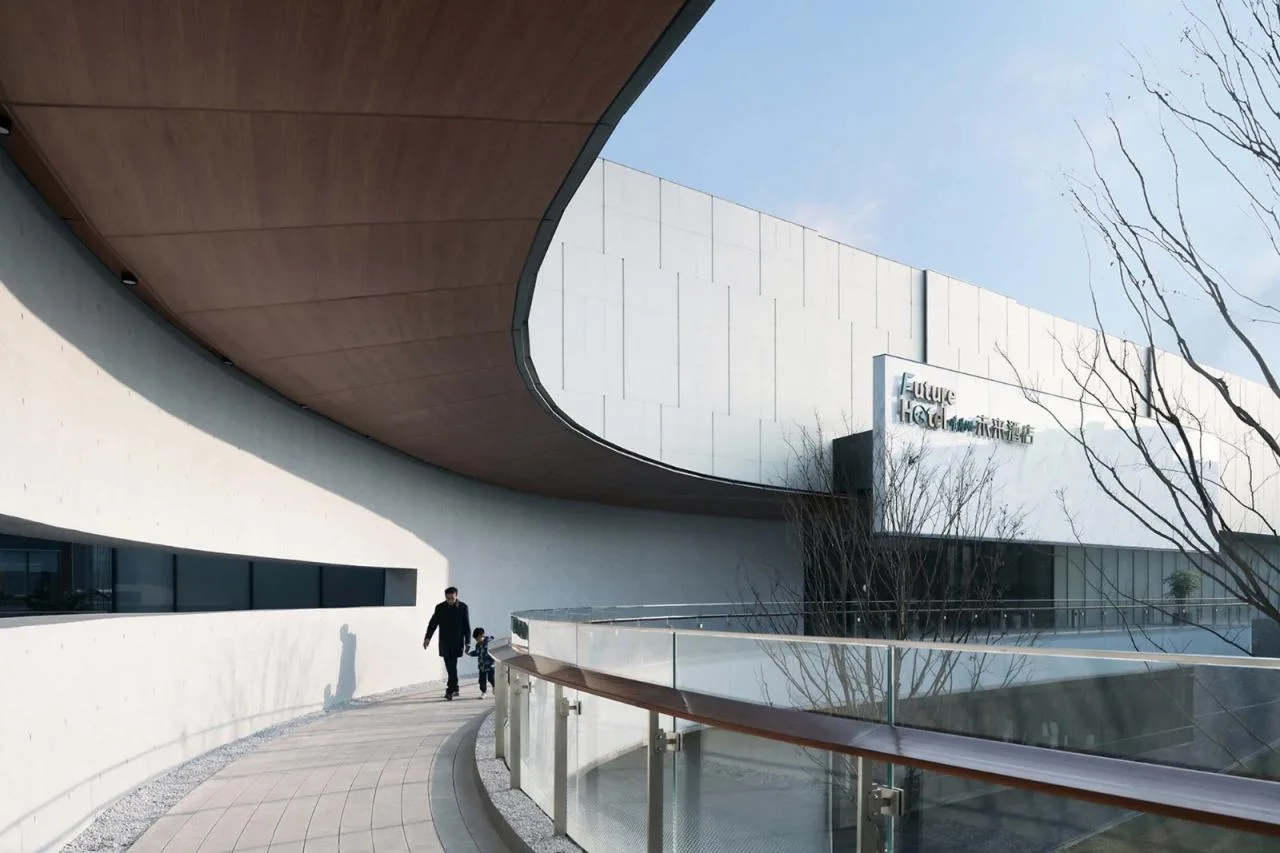
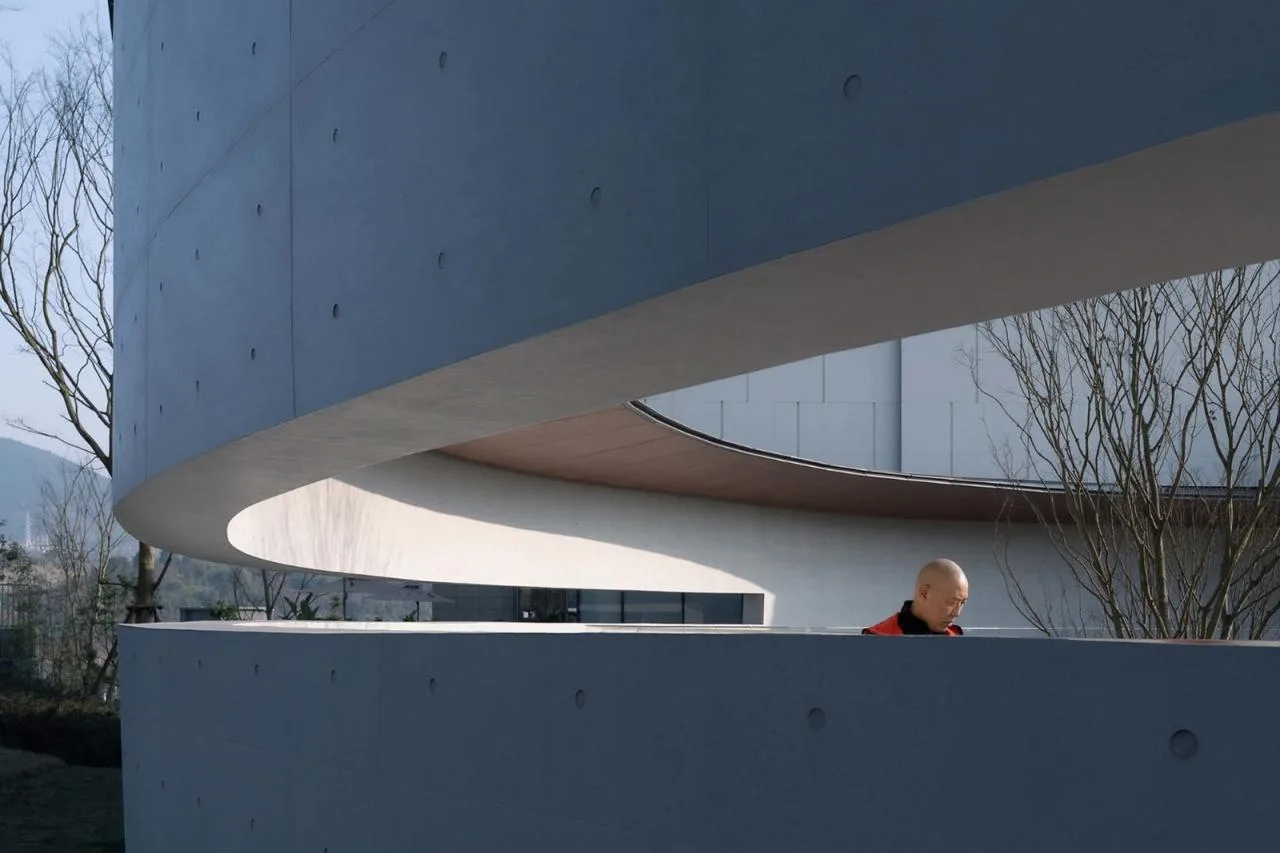
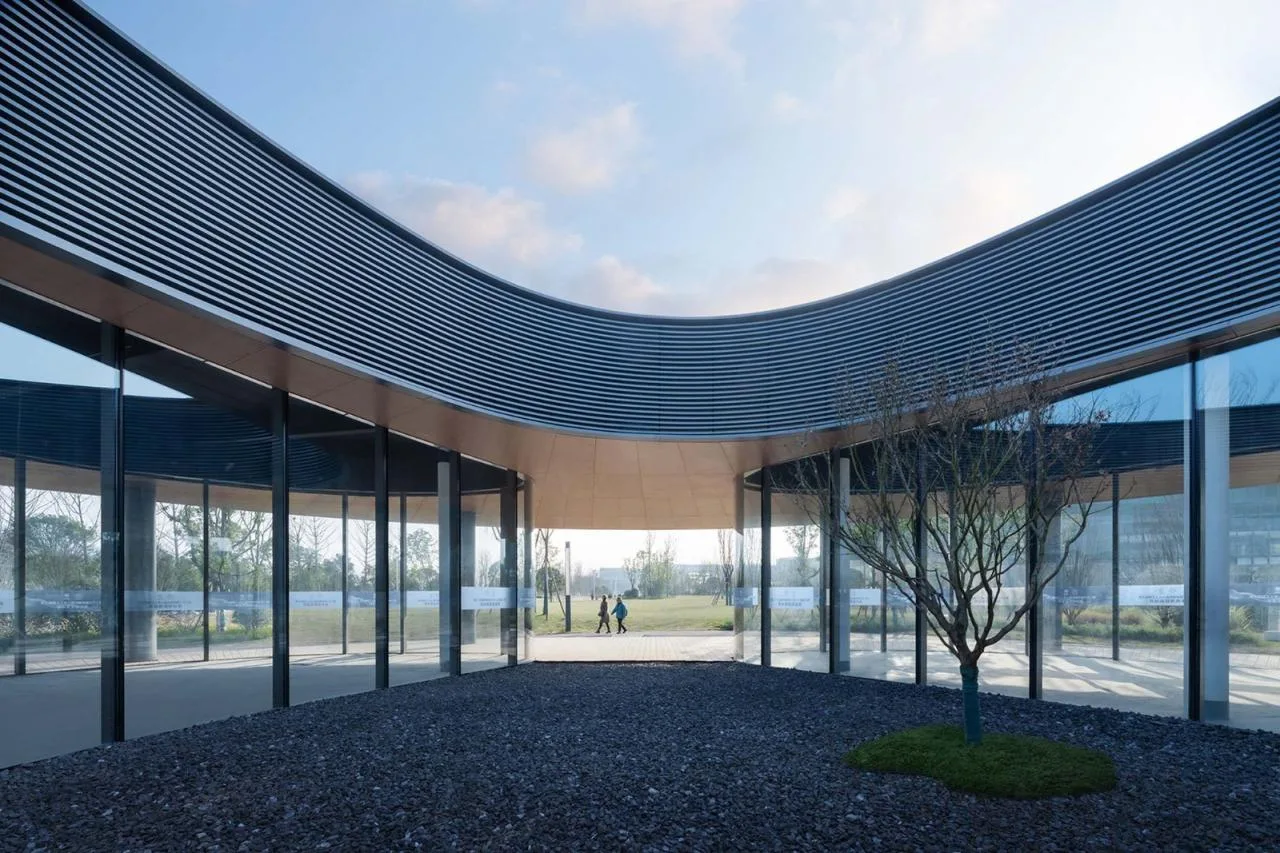
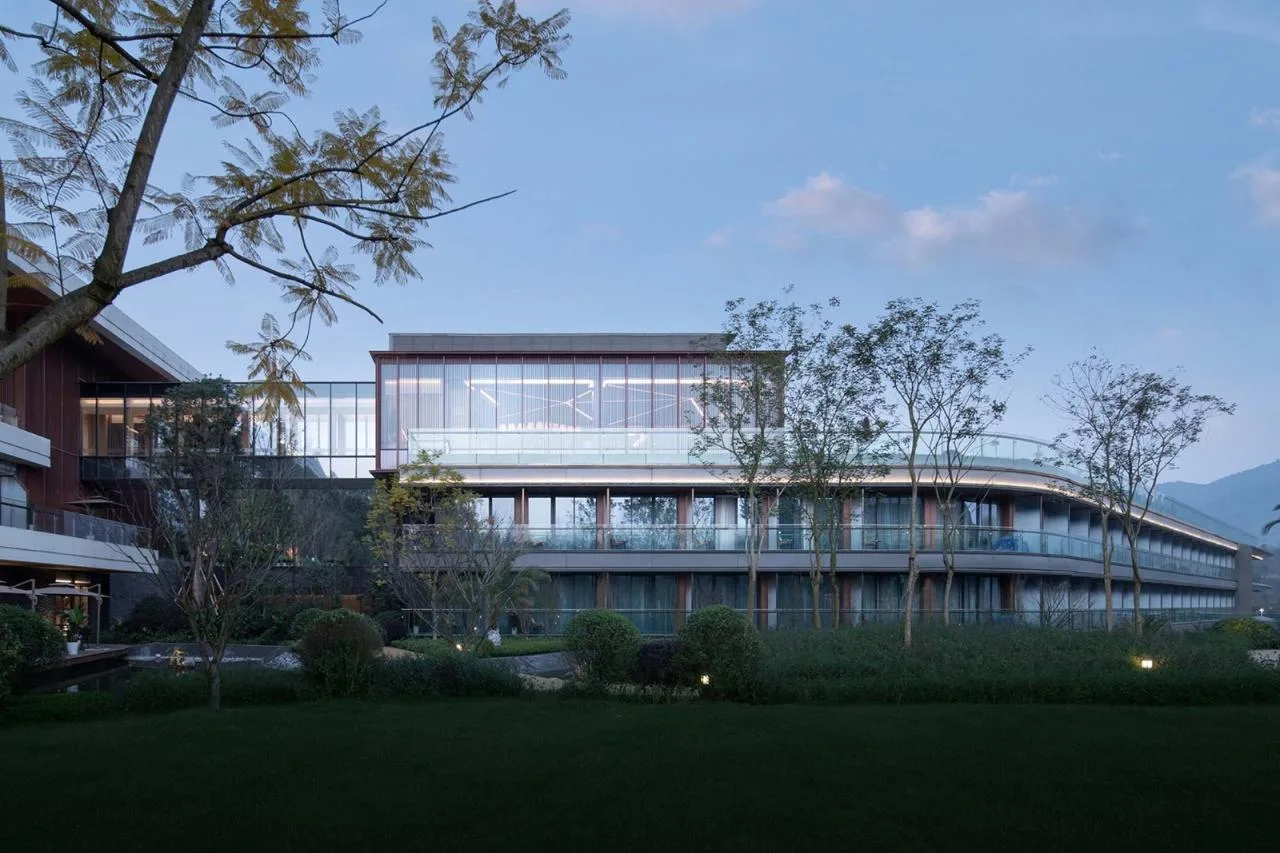
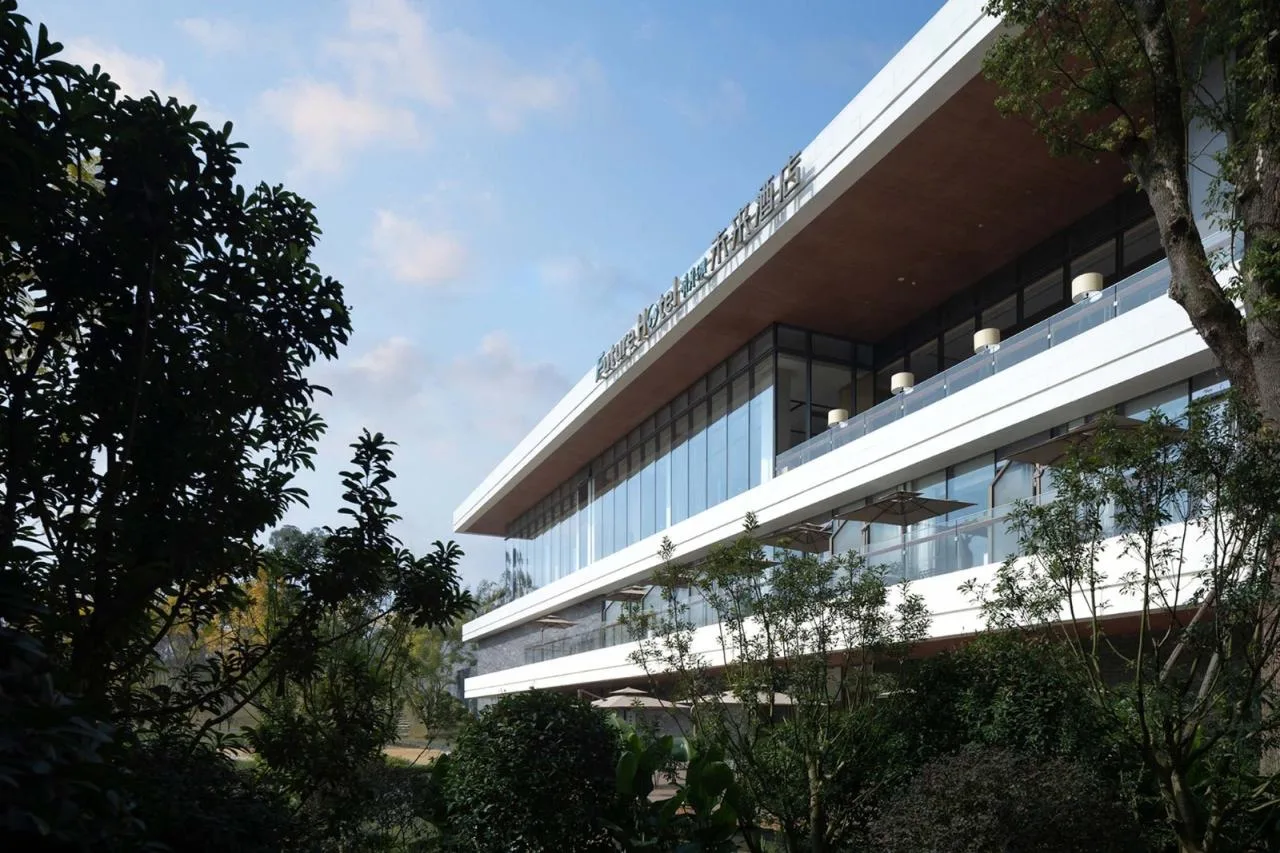
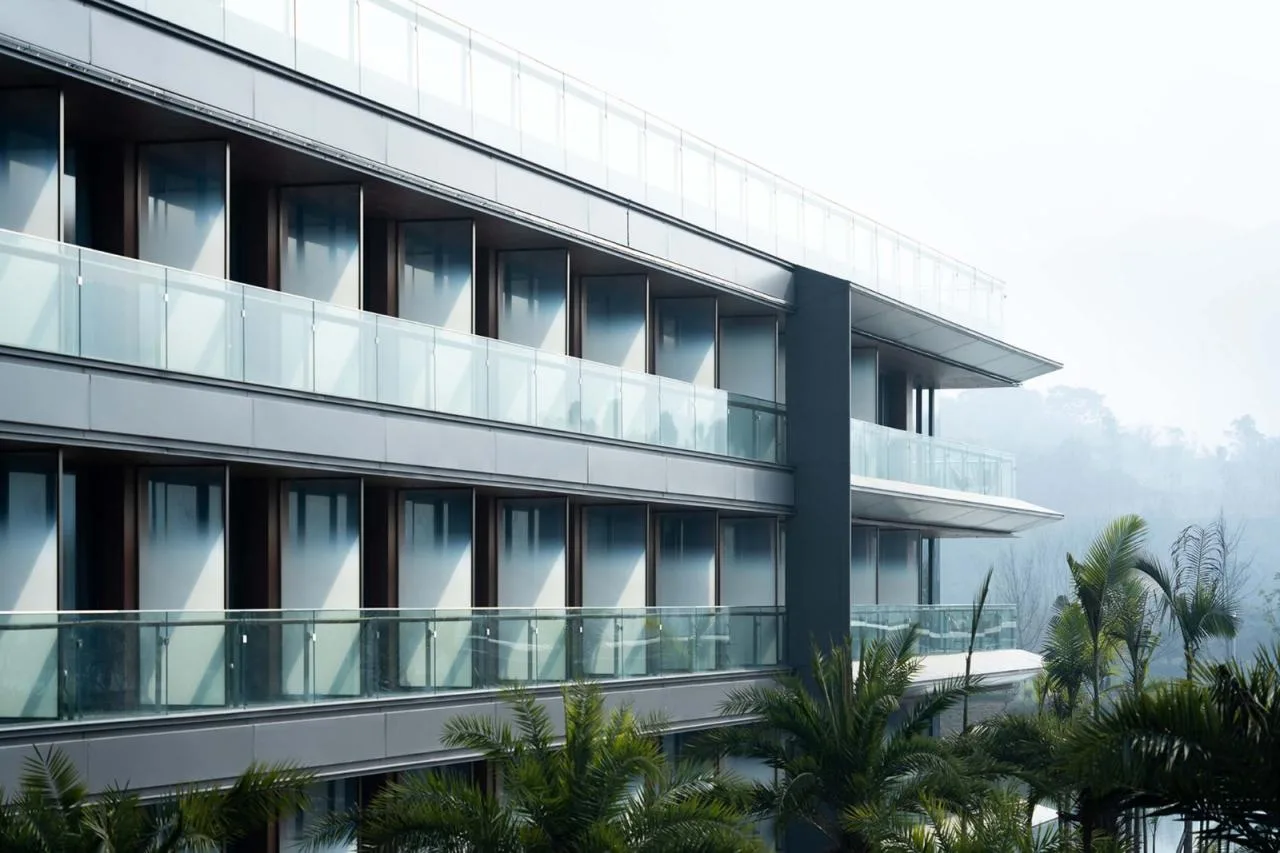
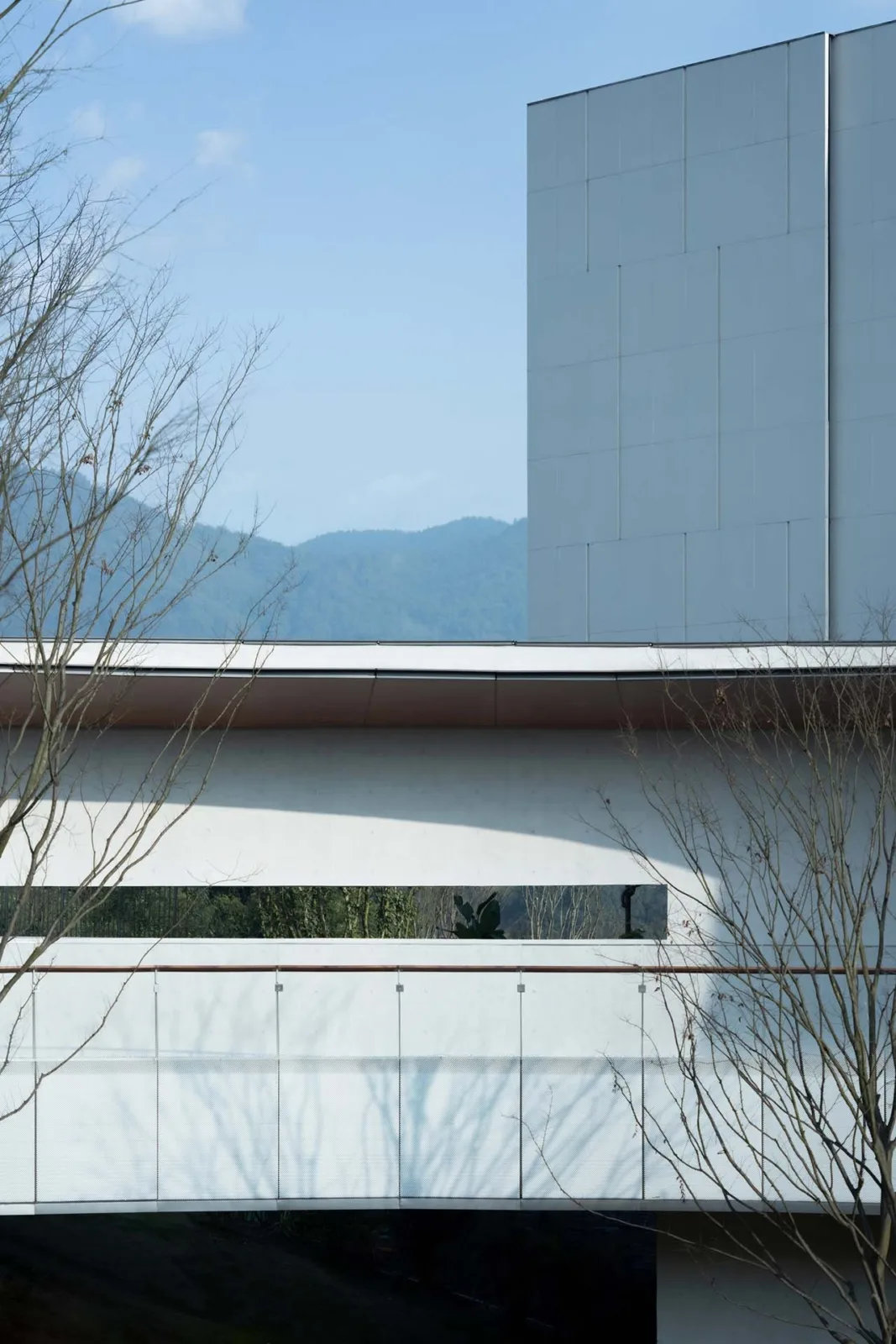
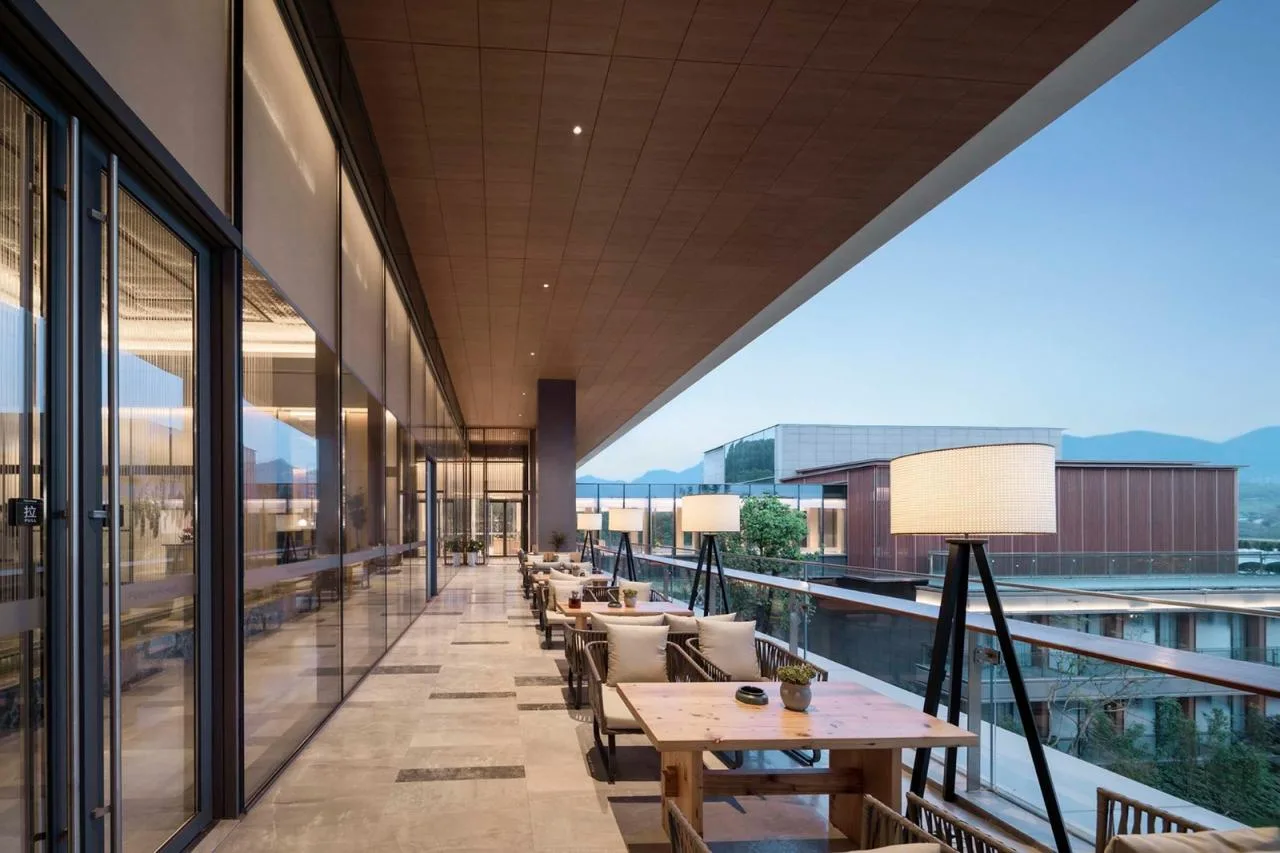
The hotel is designed to provide a peaceful escape from city bustle through elevating the site and buffering pathways. The entrance is defined by a simple, pure spatial form created by a U-shaped corridor bridge. Continuous horizontal windows craft a unique, step-by-step landscape experience, allowing guests to quietly blend into the natural surroundings without disturbance.
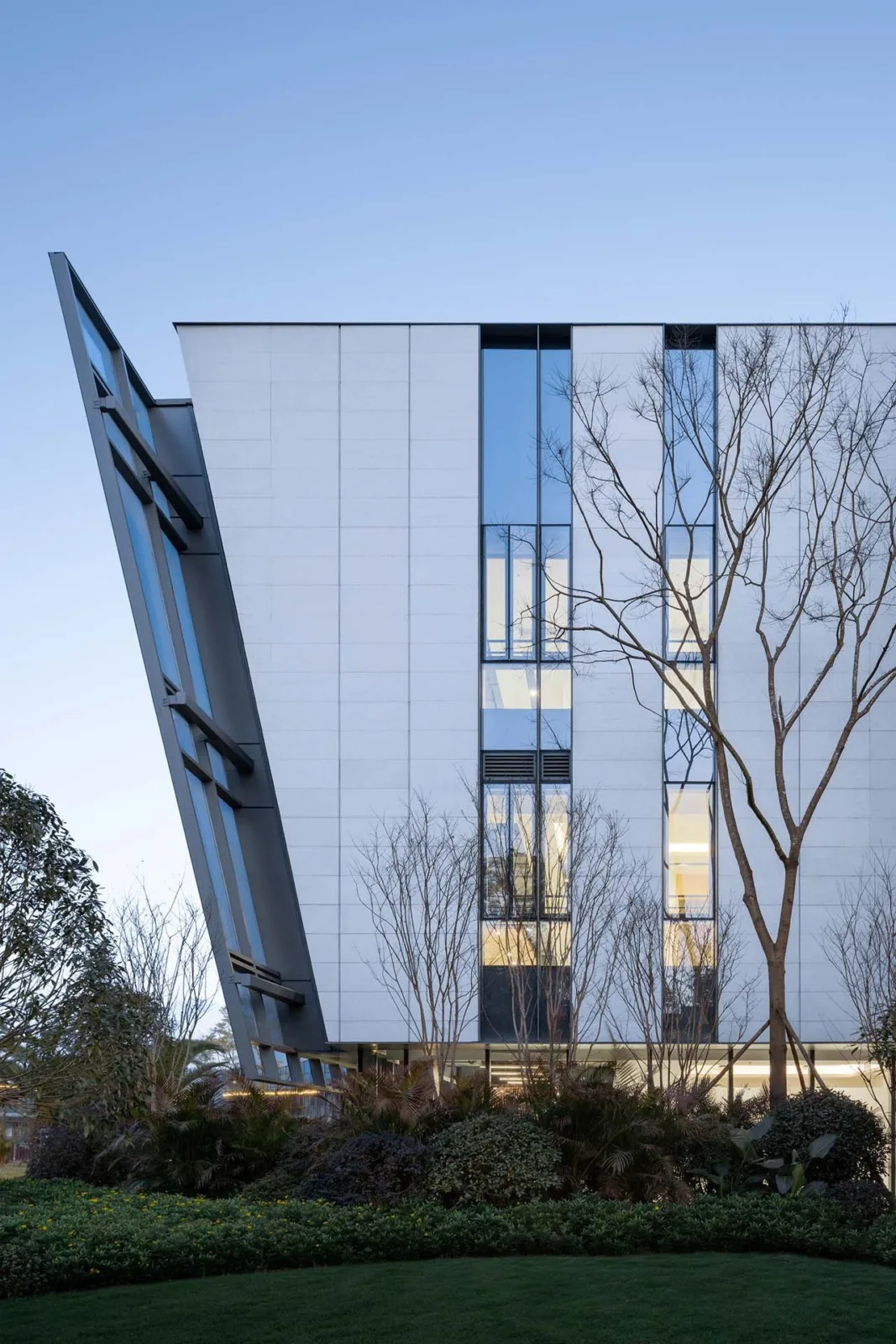
Guest room volumes are separated from public areas and connected by an aerial corridor bridge, enriching spatial dynamics. The facade features staggered horizontal floor slab lines, creating a sense of transparency and playful rhythm.
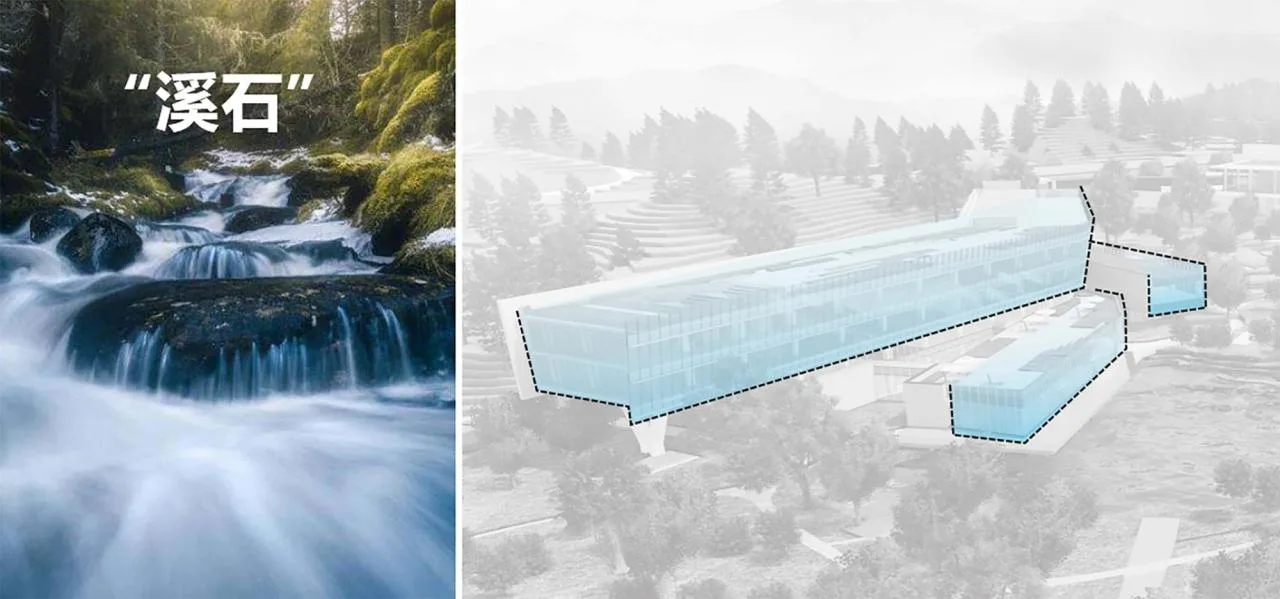
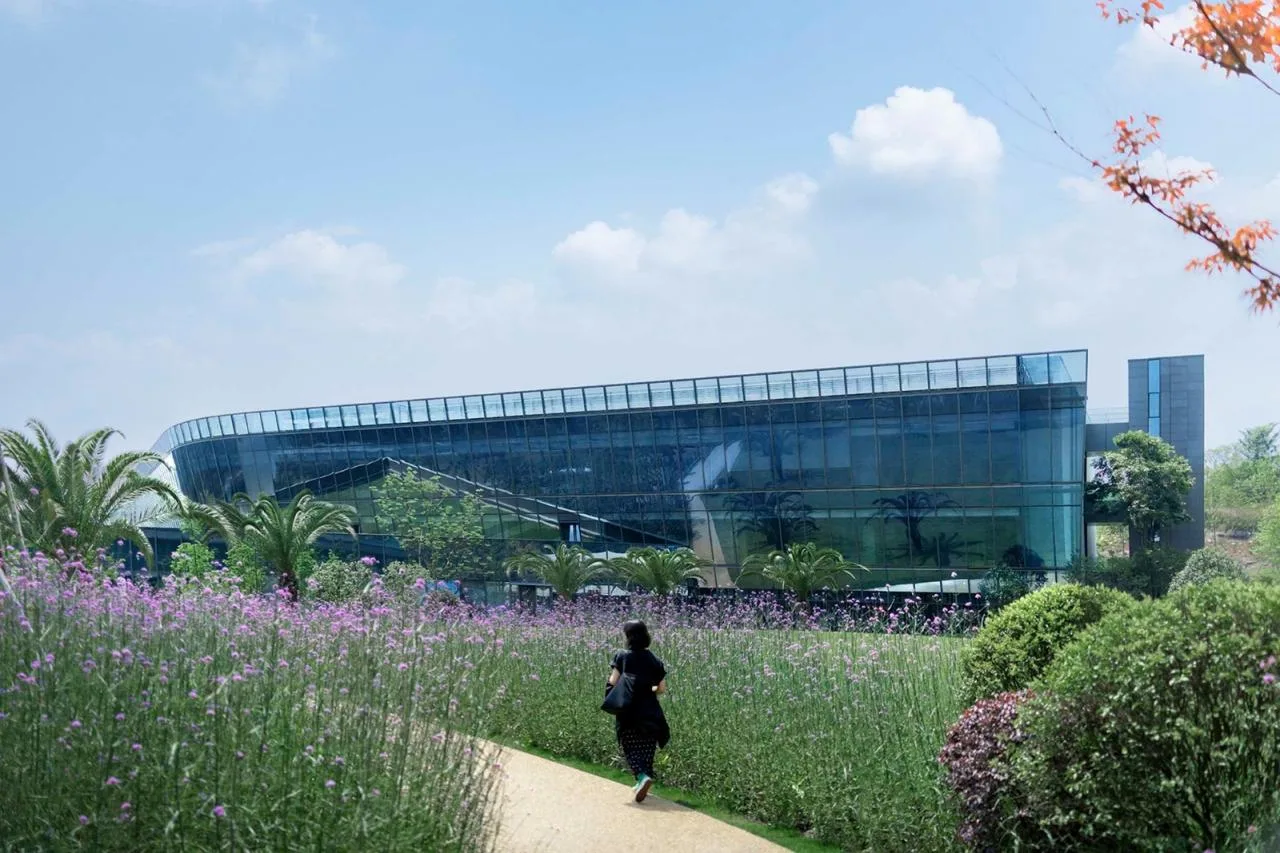
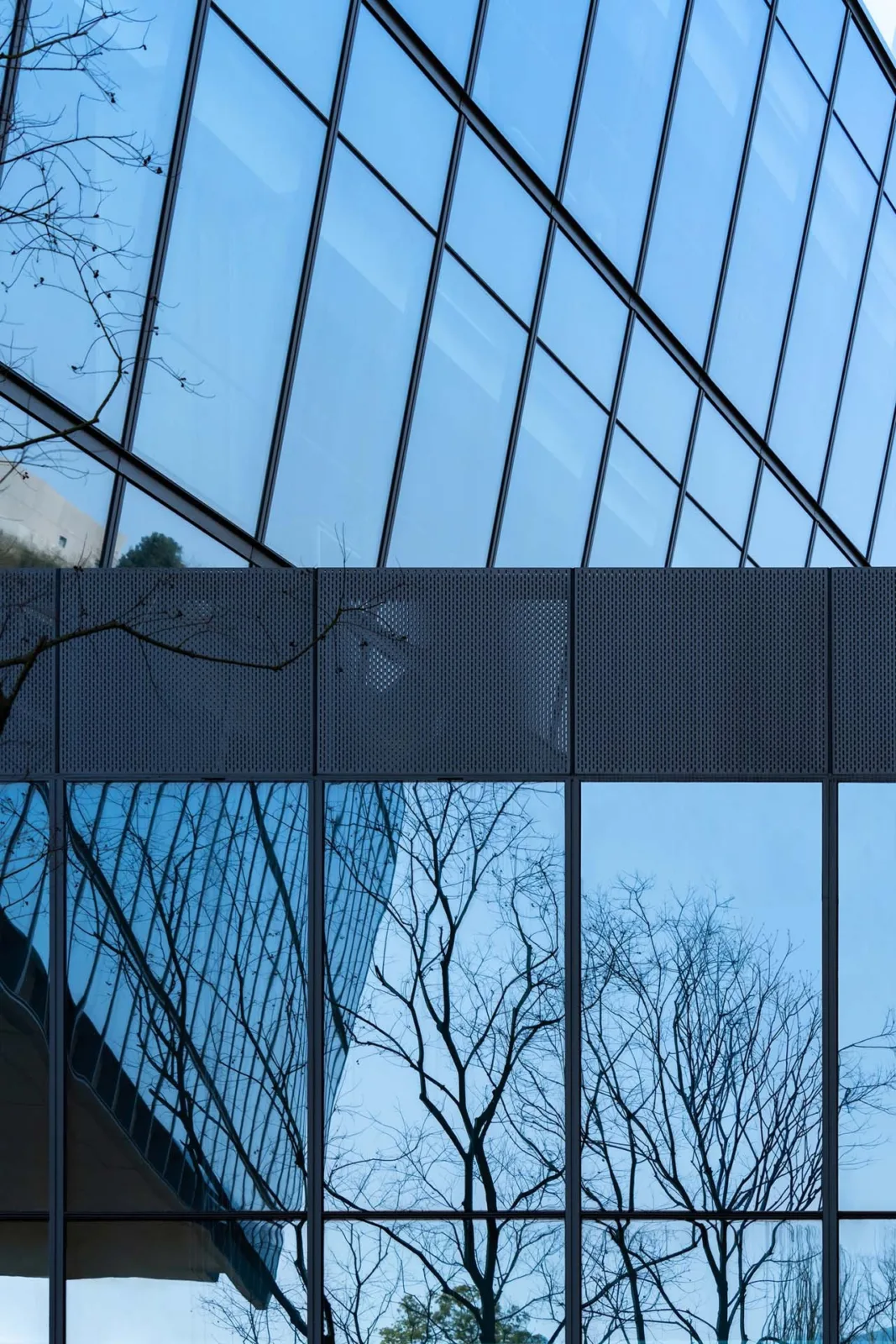
The office building, named “Abstract Environment” office service center, features a tiered roof garden that enhances the spatial hierarchy of the “Green Valley” and offers expansive landscape views from within the office spaces. The interior facade draws inspiration from the valley’s flowing water and smooth stones, combining glass and stone to evoke the playful interaction between water and rock.
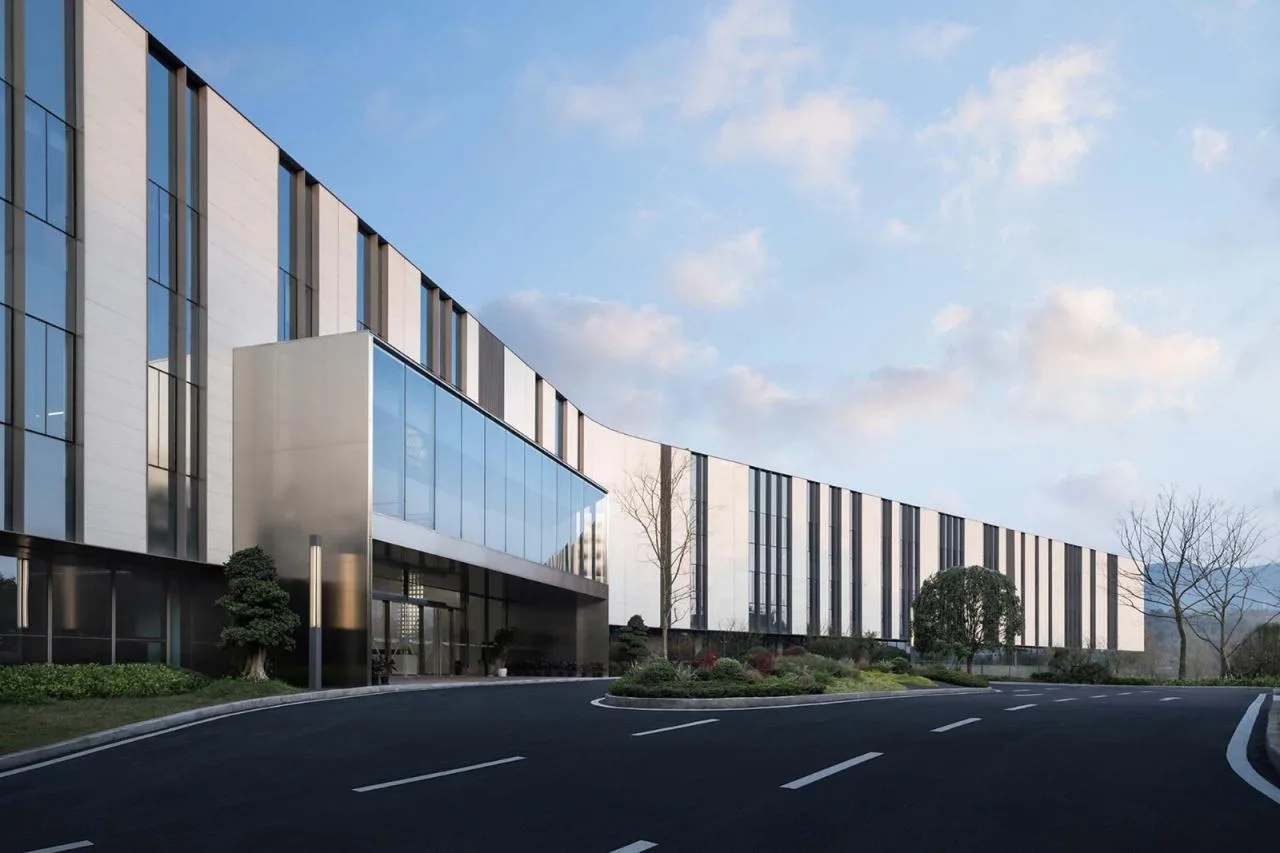
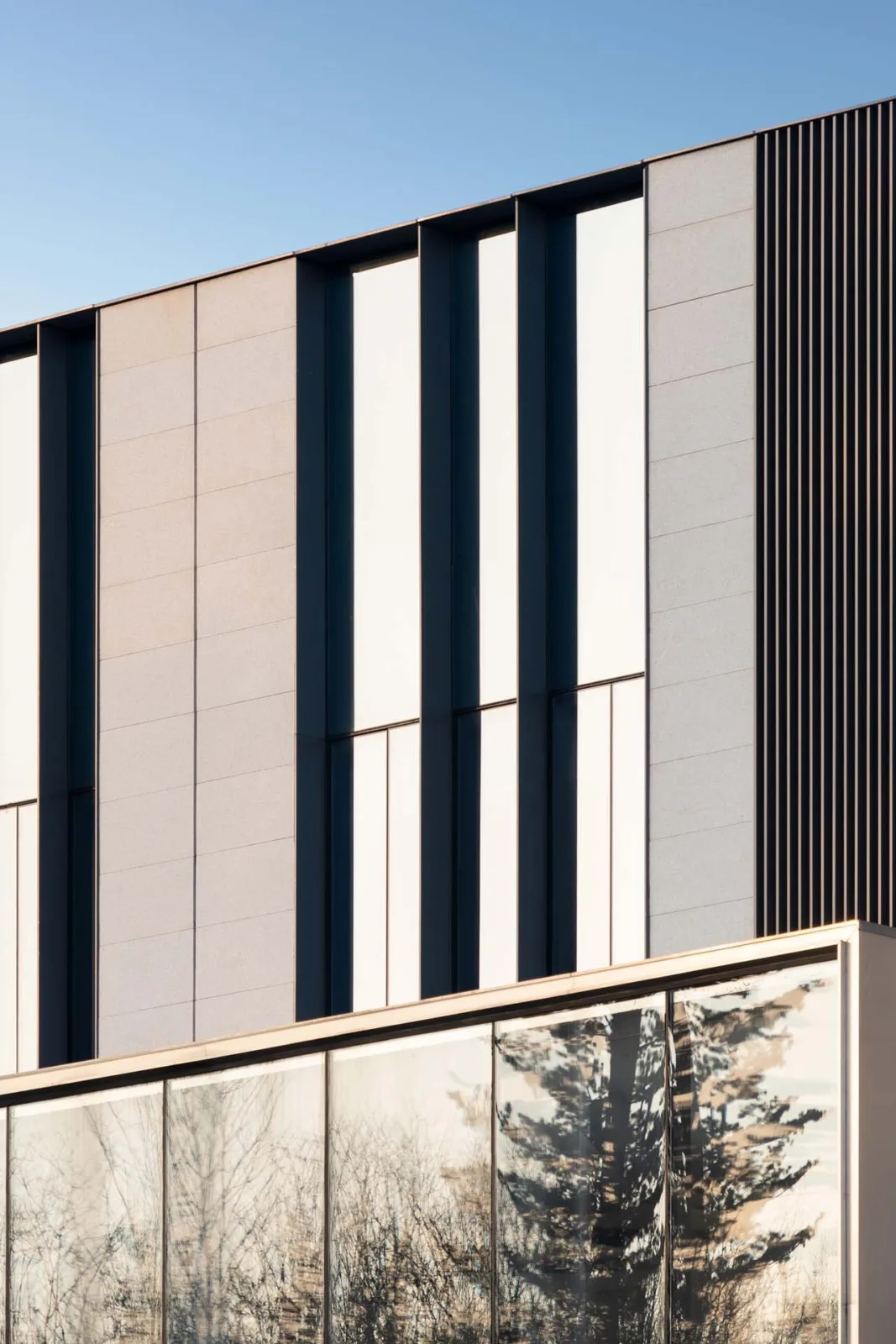
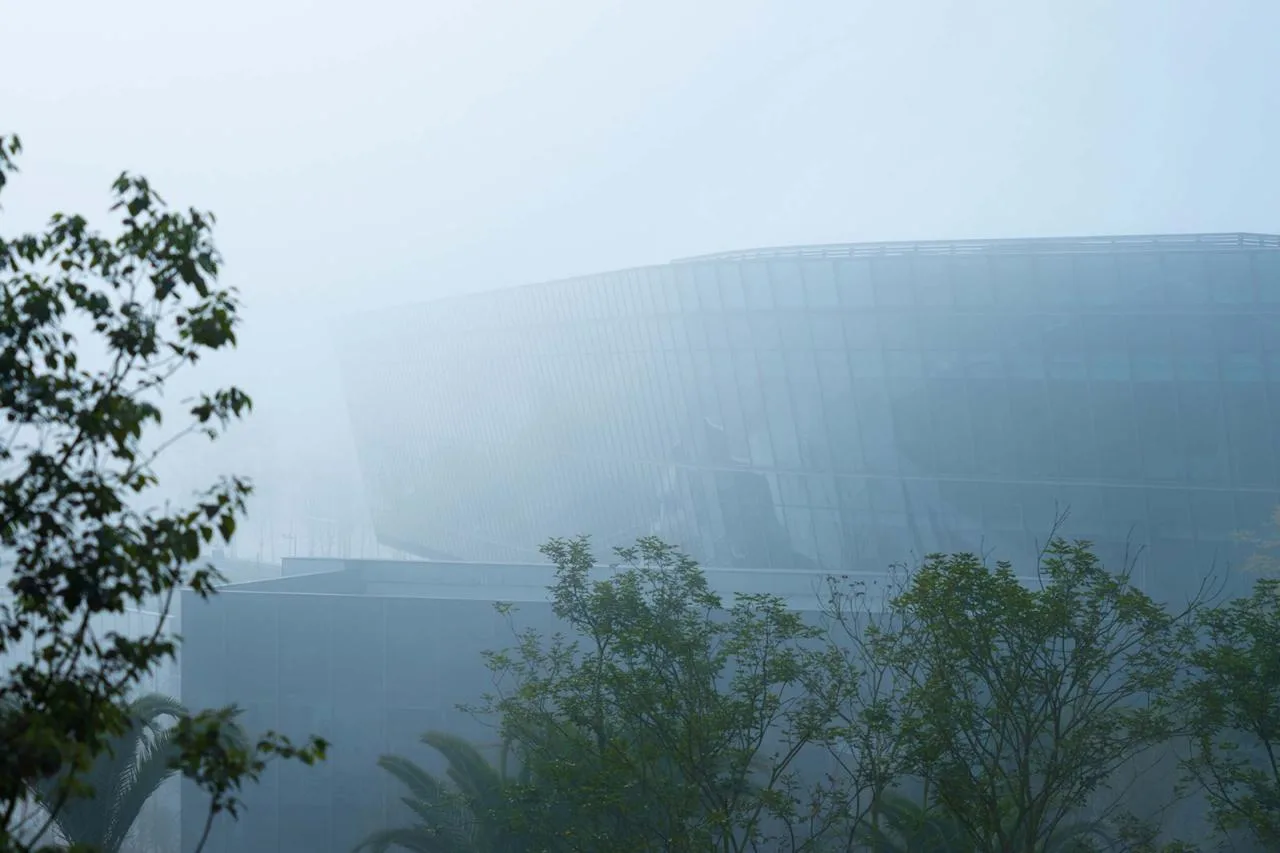
The exterior facade echoes the natural mountains and forests surrounding the site. It abstracts the spatial relationships of the forest into rhythmic lines, alternating between solid and void, harmonizing with the natural environment.
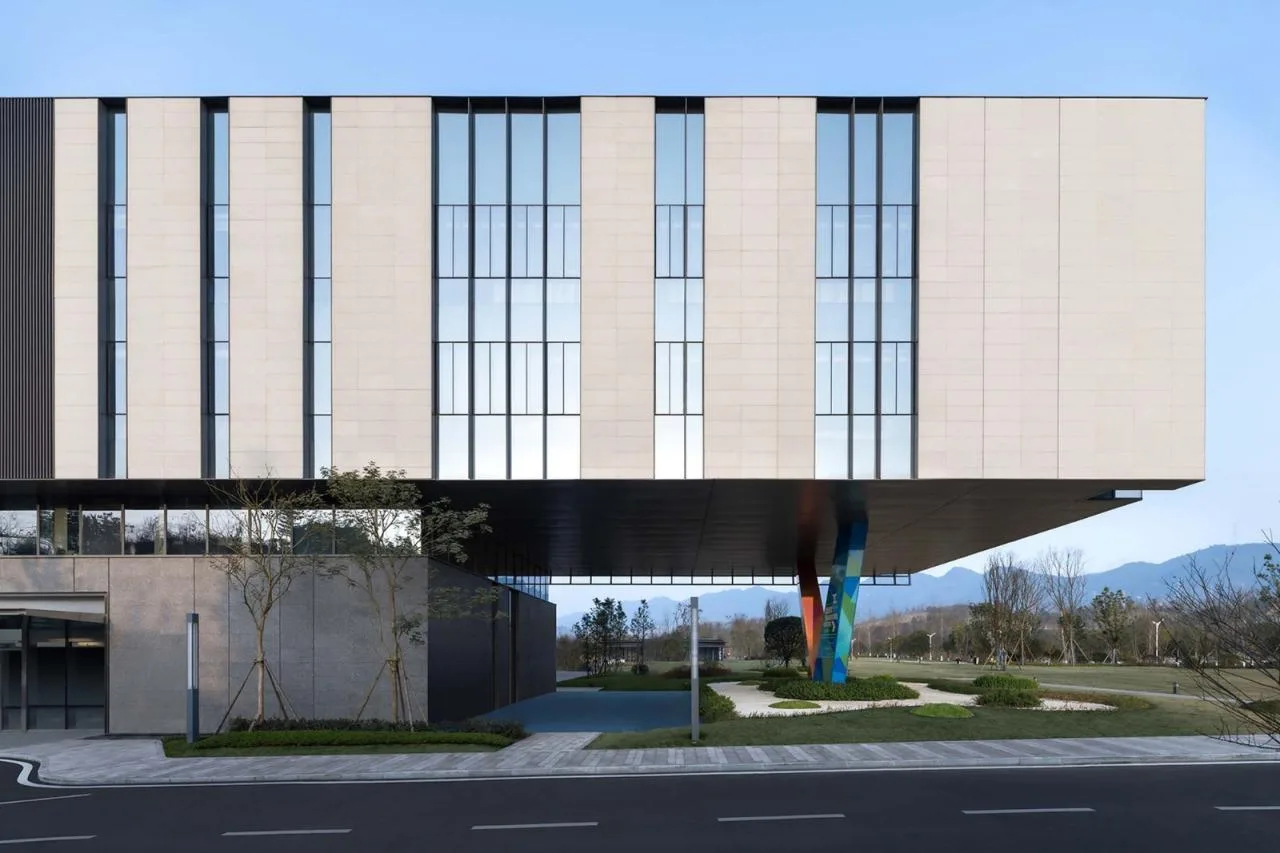
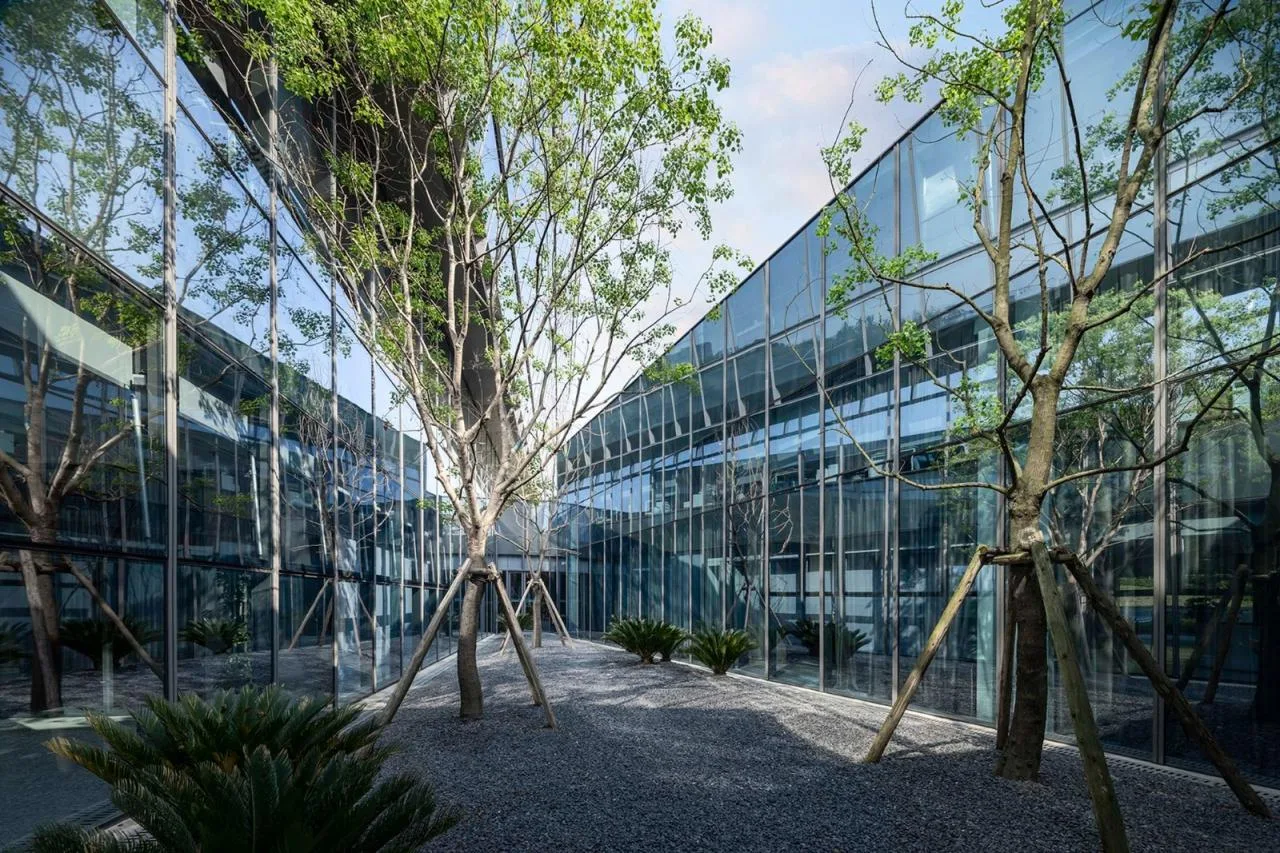
Integrated Facade Control System
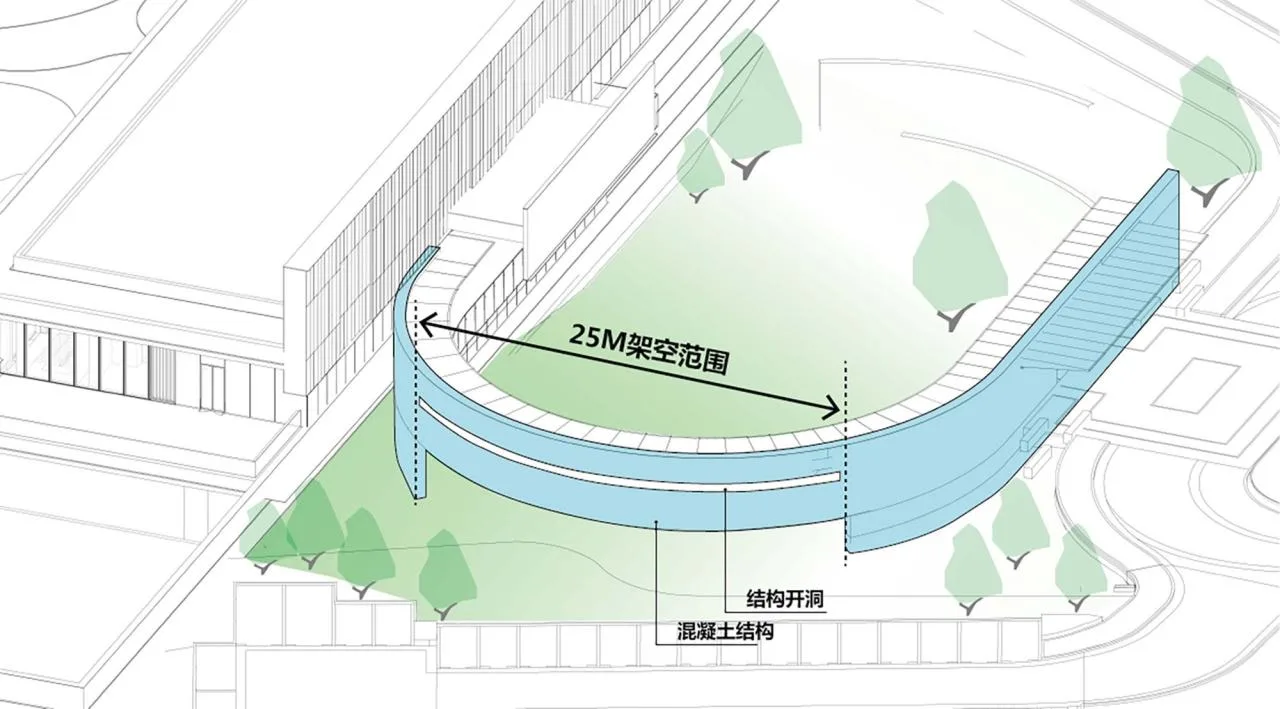
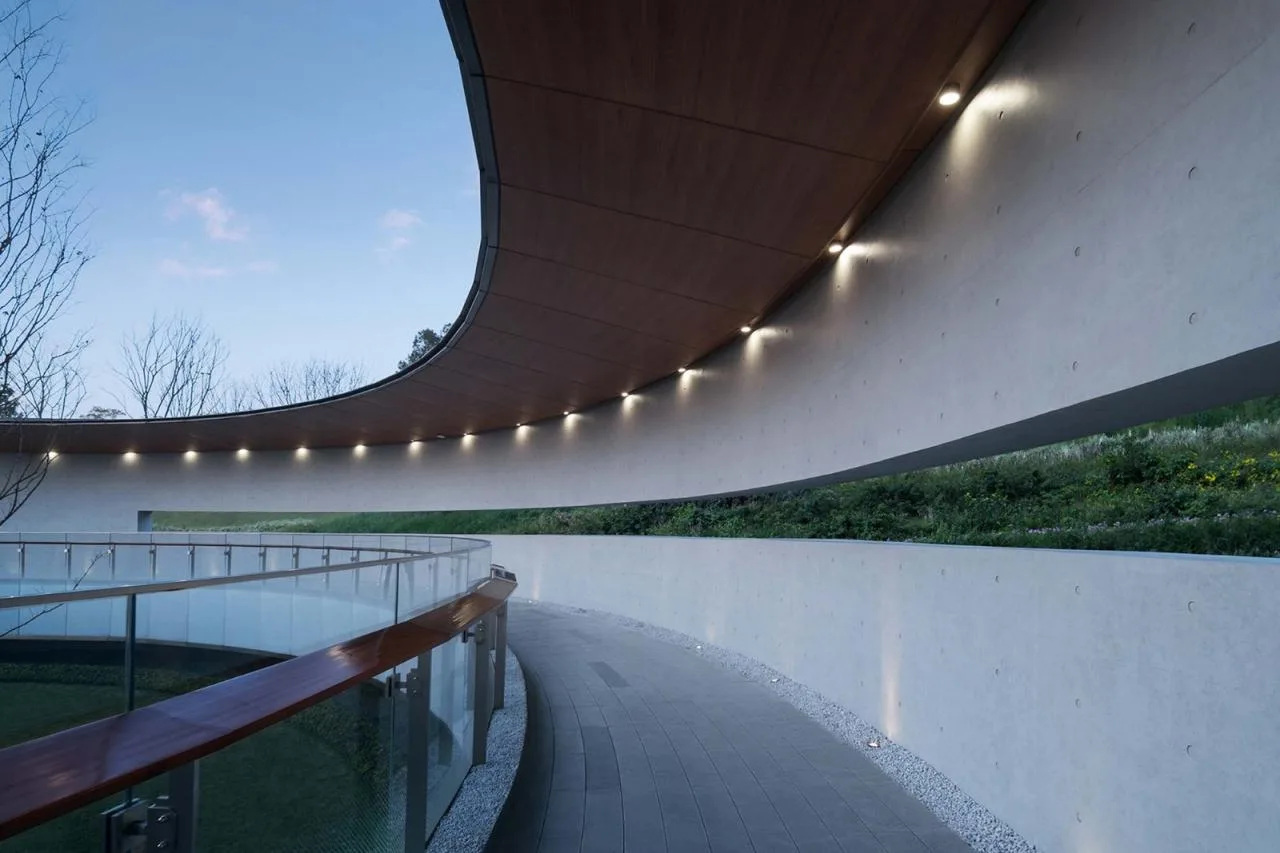
Designing the 25-meter elevated corridor bridge posed a significant challenge. The solution integrated structure and form by using a curved concrete beam with a central opening, enabling continuous landscape views and enhanced spatial experiences.
The design carefully coordinated facade details with lighting, structure, and electromechanical systems to deliver a clean, minimalist facade aesthetic.
Conclusion
This project exemplifies the harmonious integration of architecture with mountainous landscapes. The mountains empower the architecture, continuously offering unexpected spatial surprises.
By “filling valleys,” the design infuses the site’s mountainous energy into the architecture, elevating both spatial quality and architectural expression.
Project Drawings
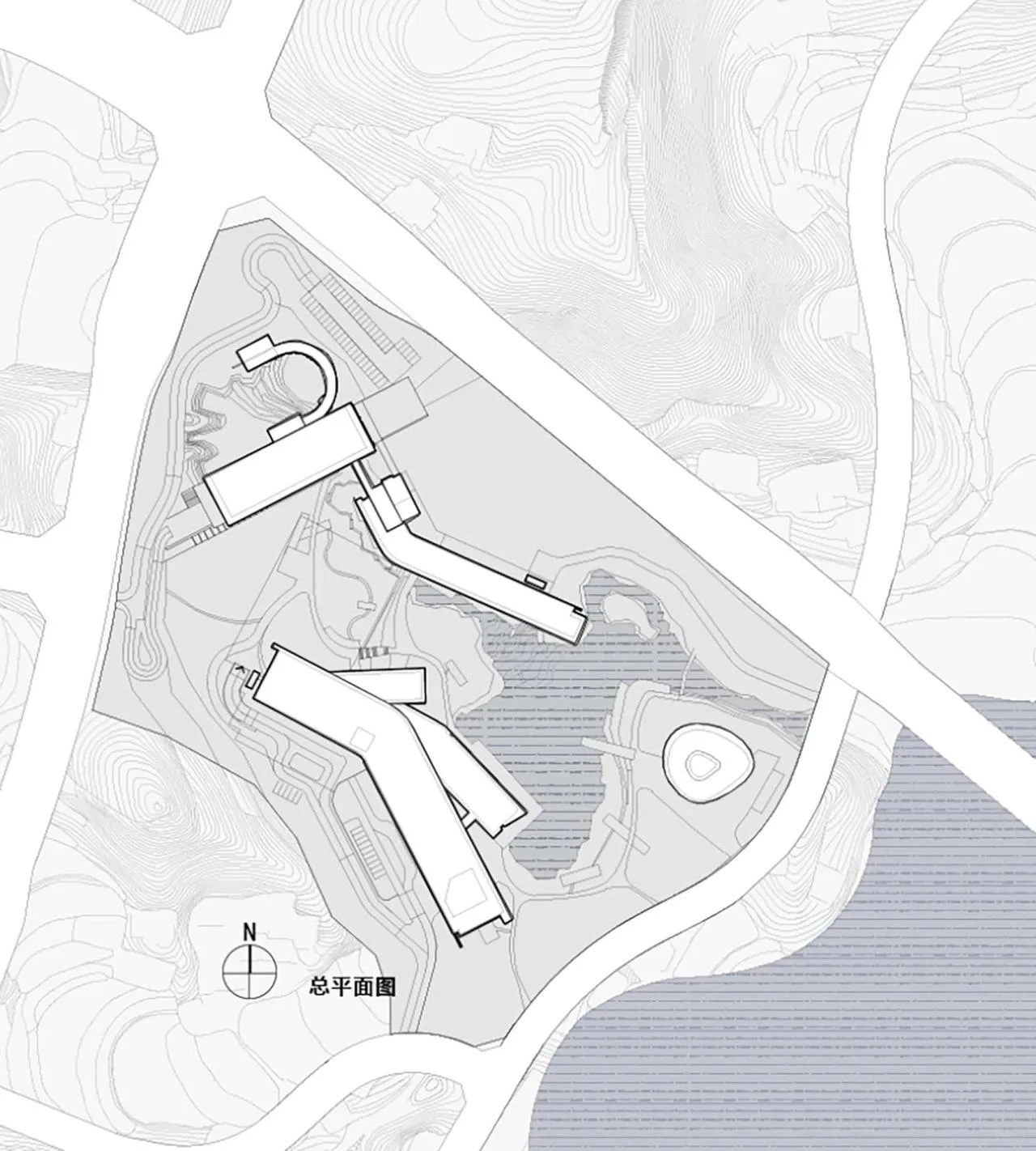
△ General Layout Plan
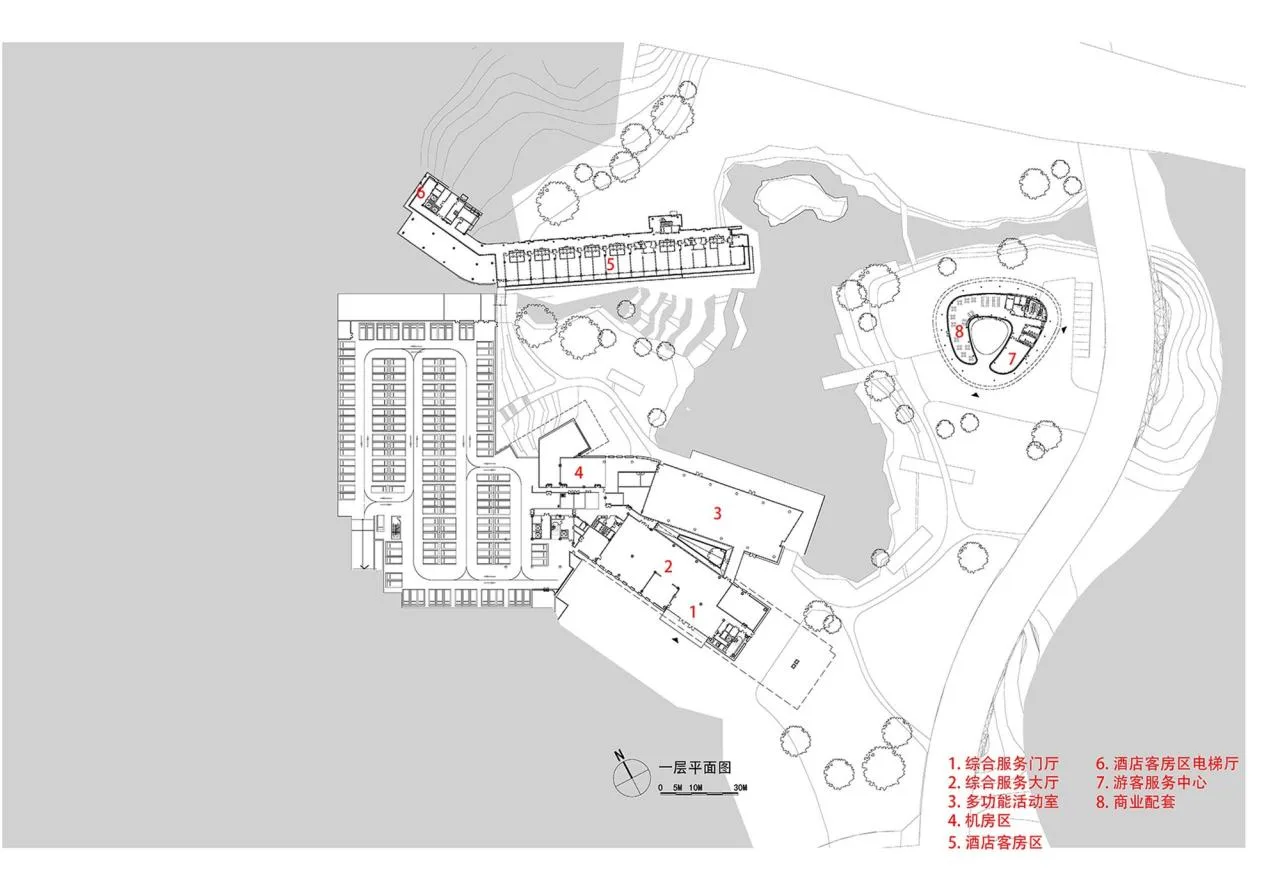
△ First Floor Plan
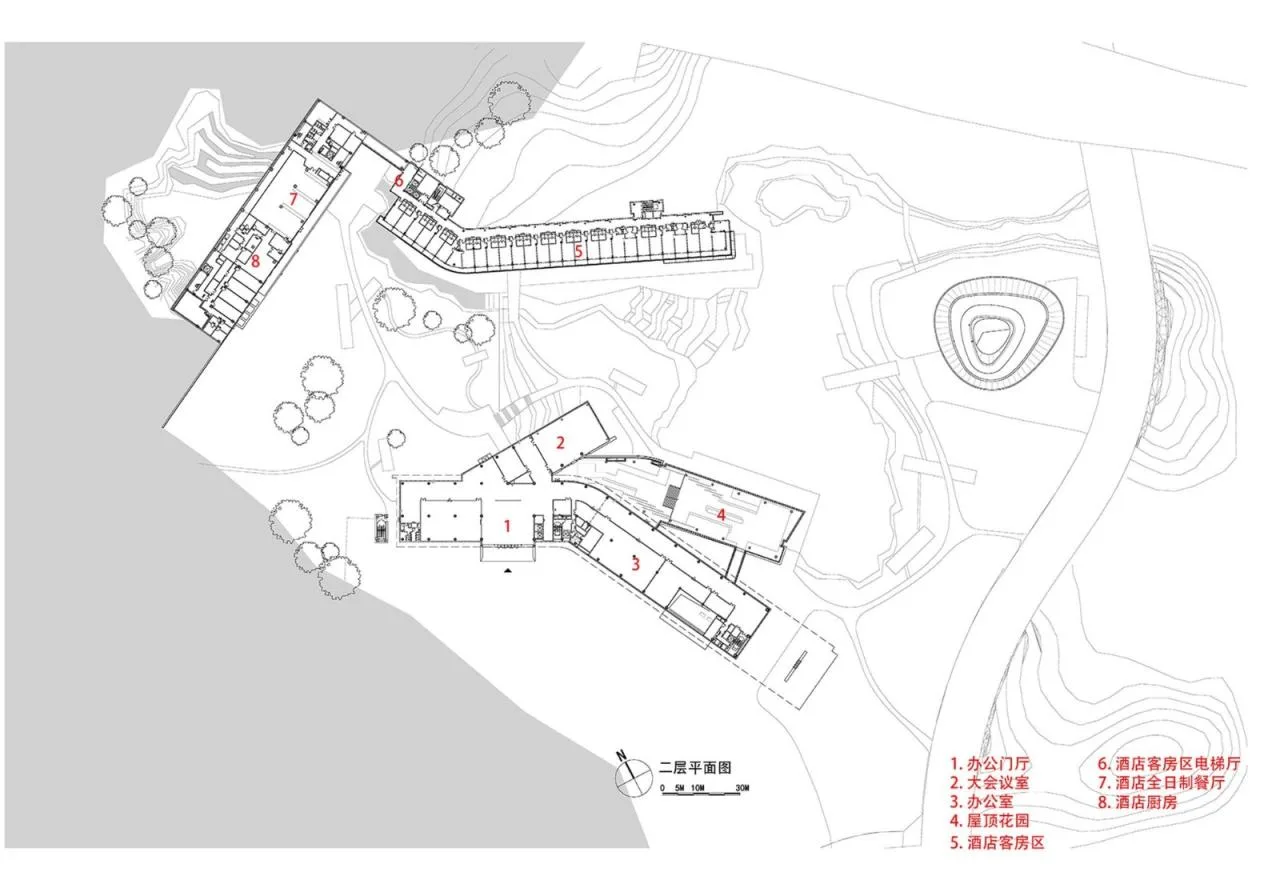
△ Second Floor Plan
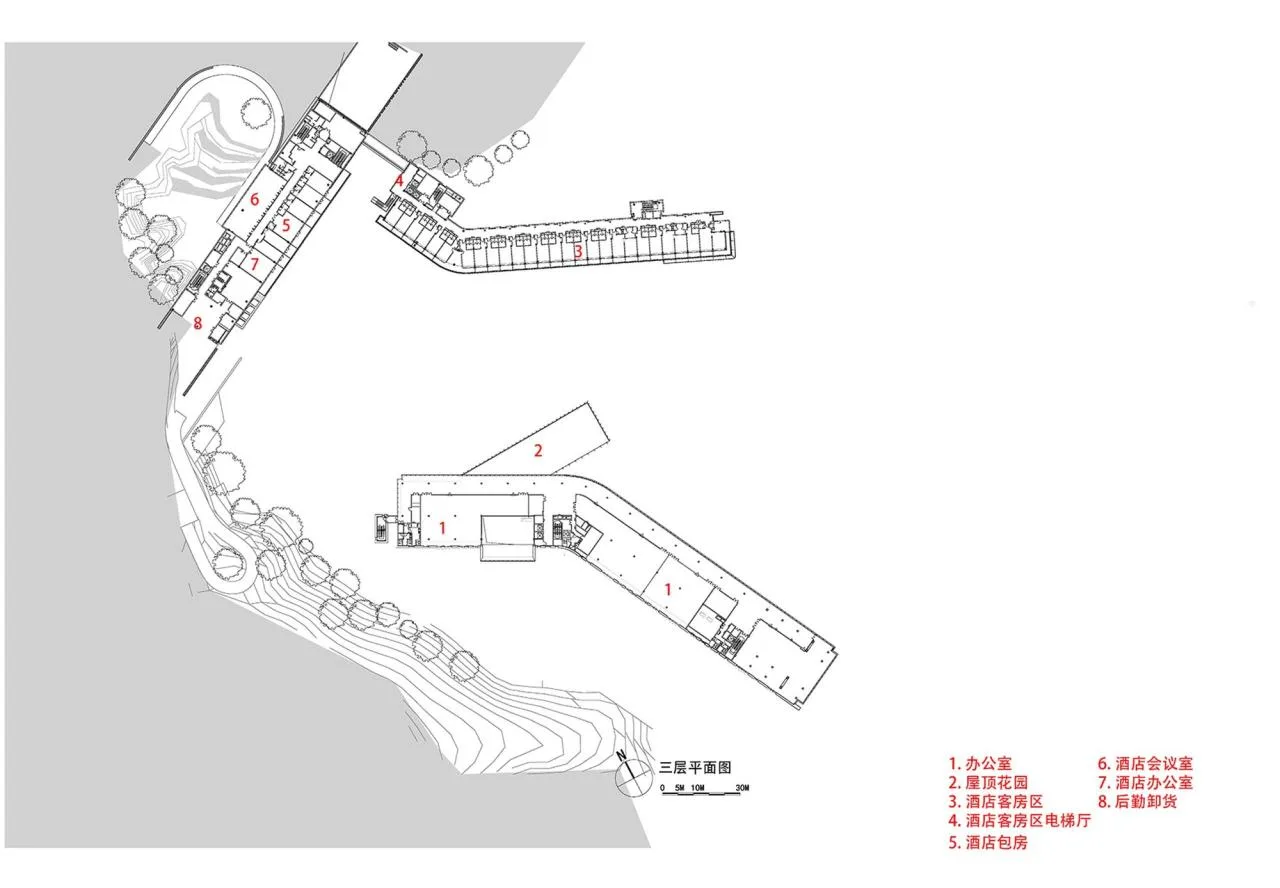
△ Third Floor Plan
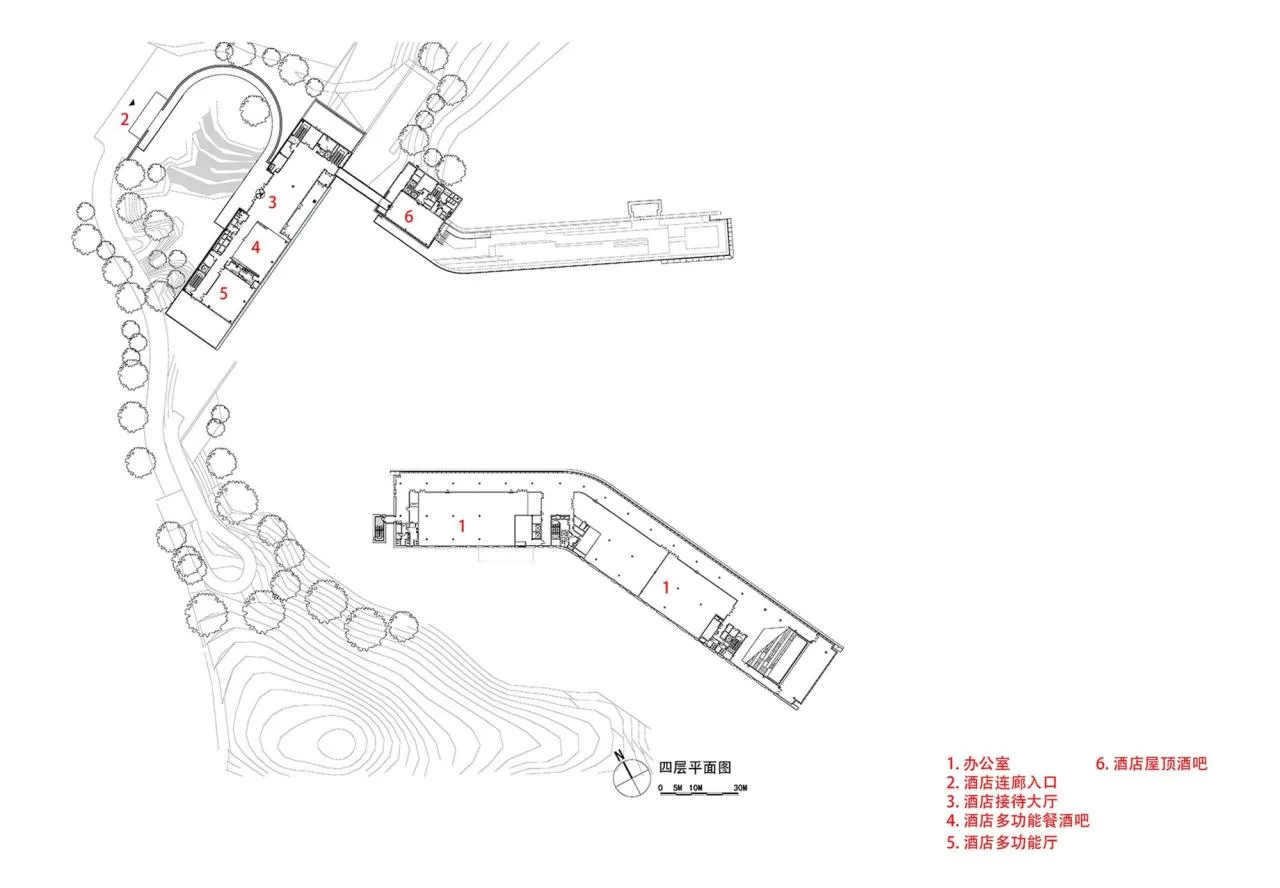
△ Fourth Floor Plan
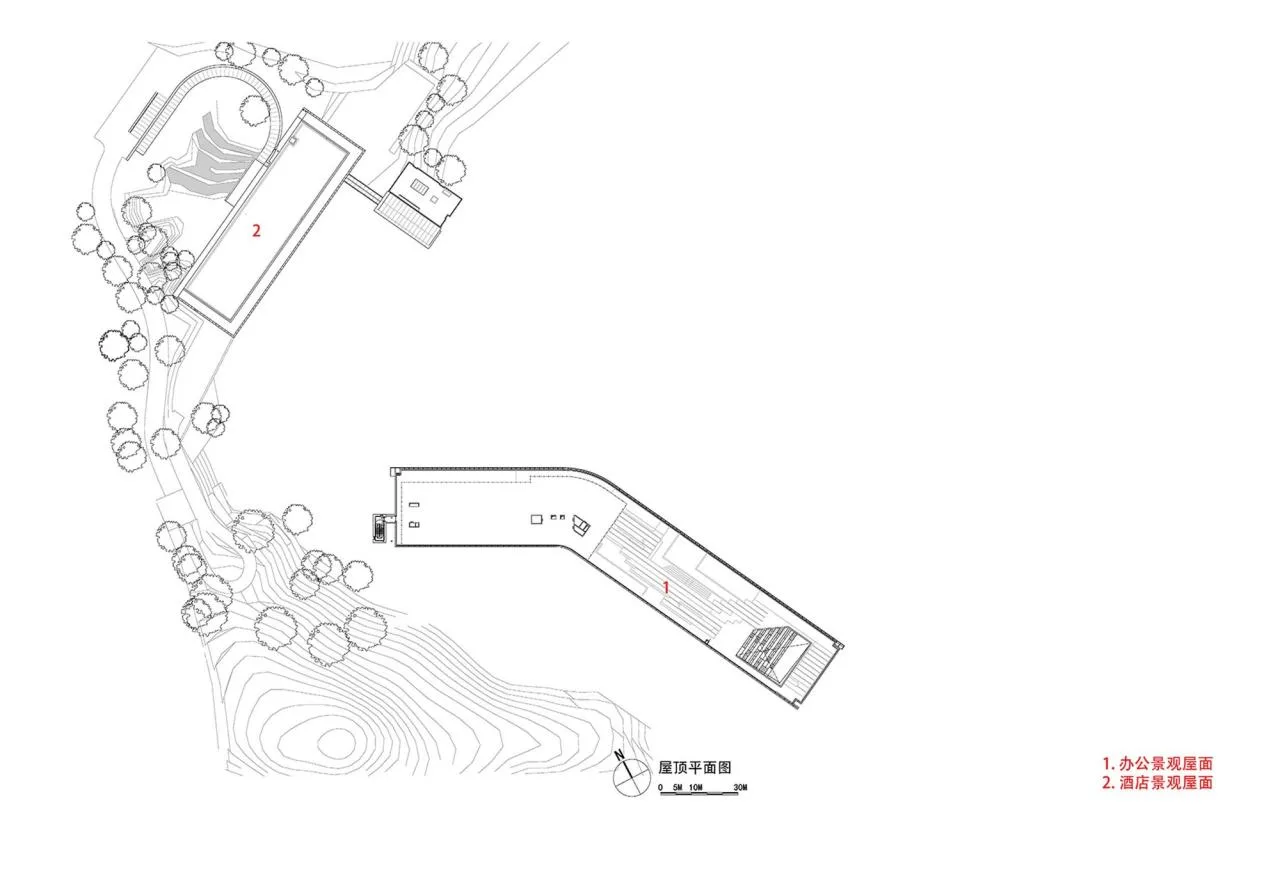
△ Roof Plan
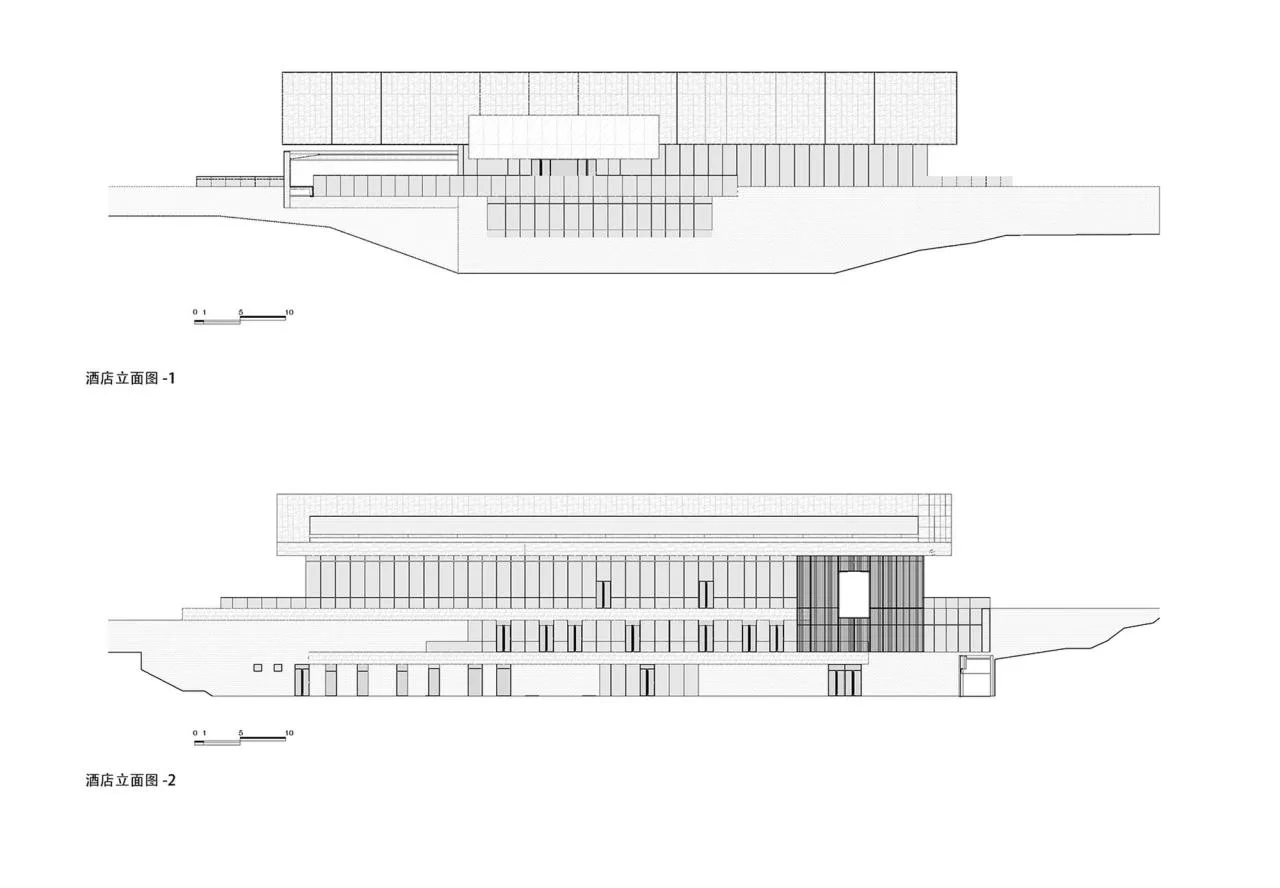
△ Hotel Elevation View
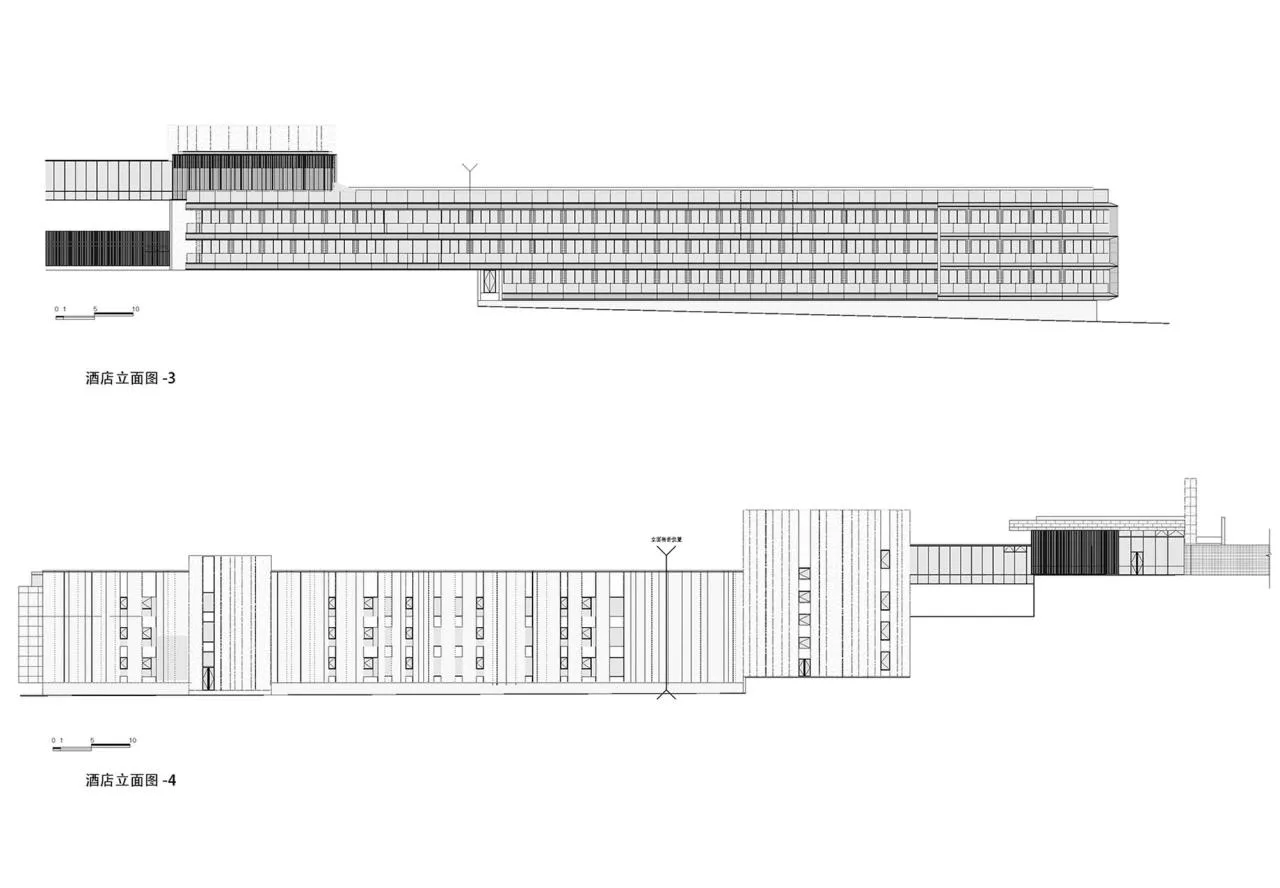
△ Hotel Elevation View
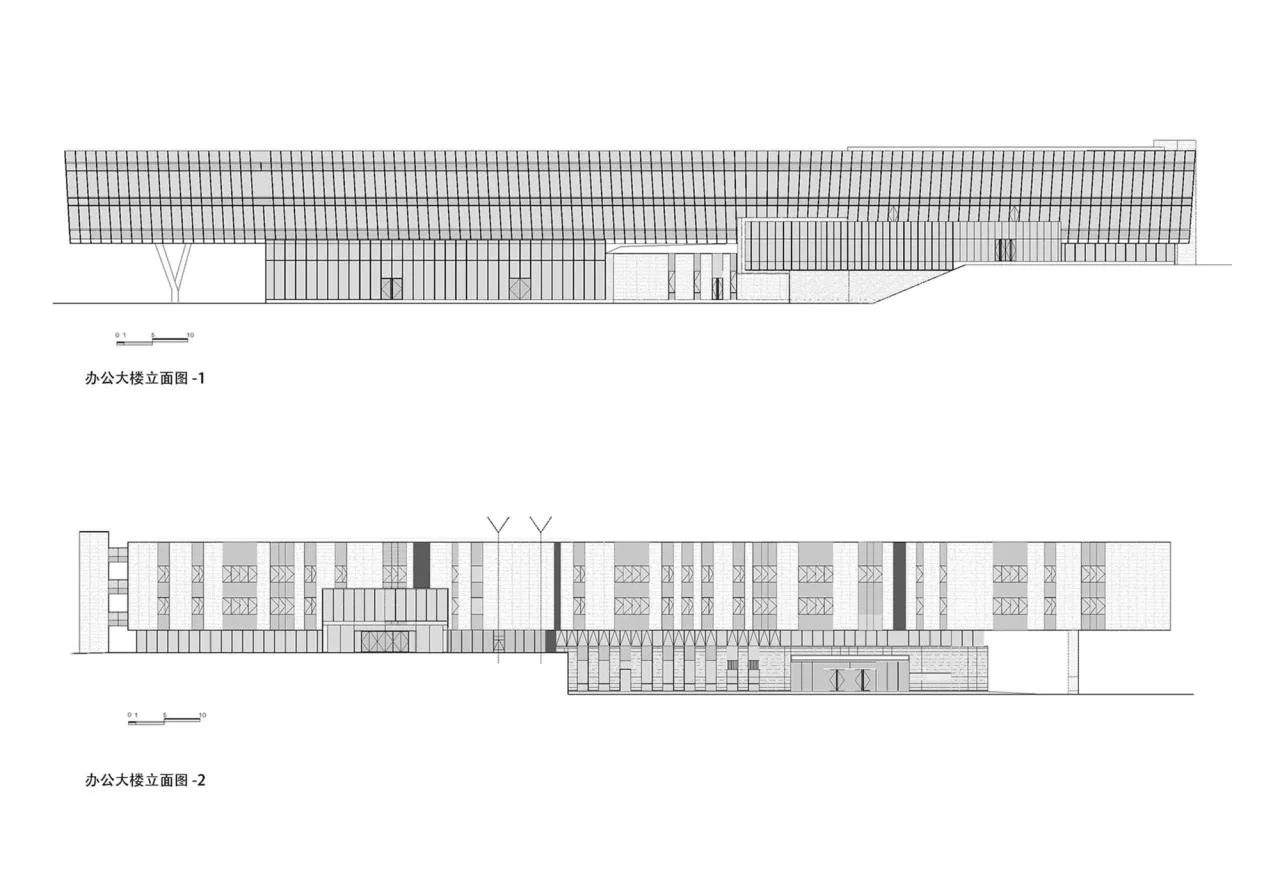
△ Office Building Facade
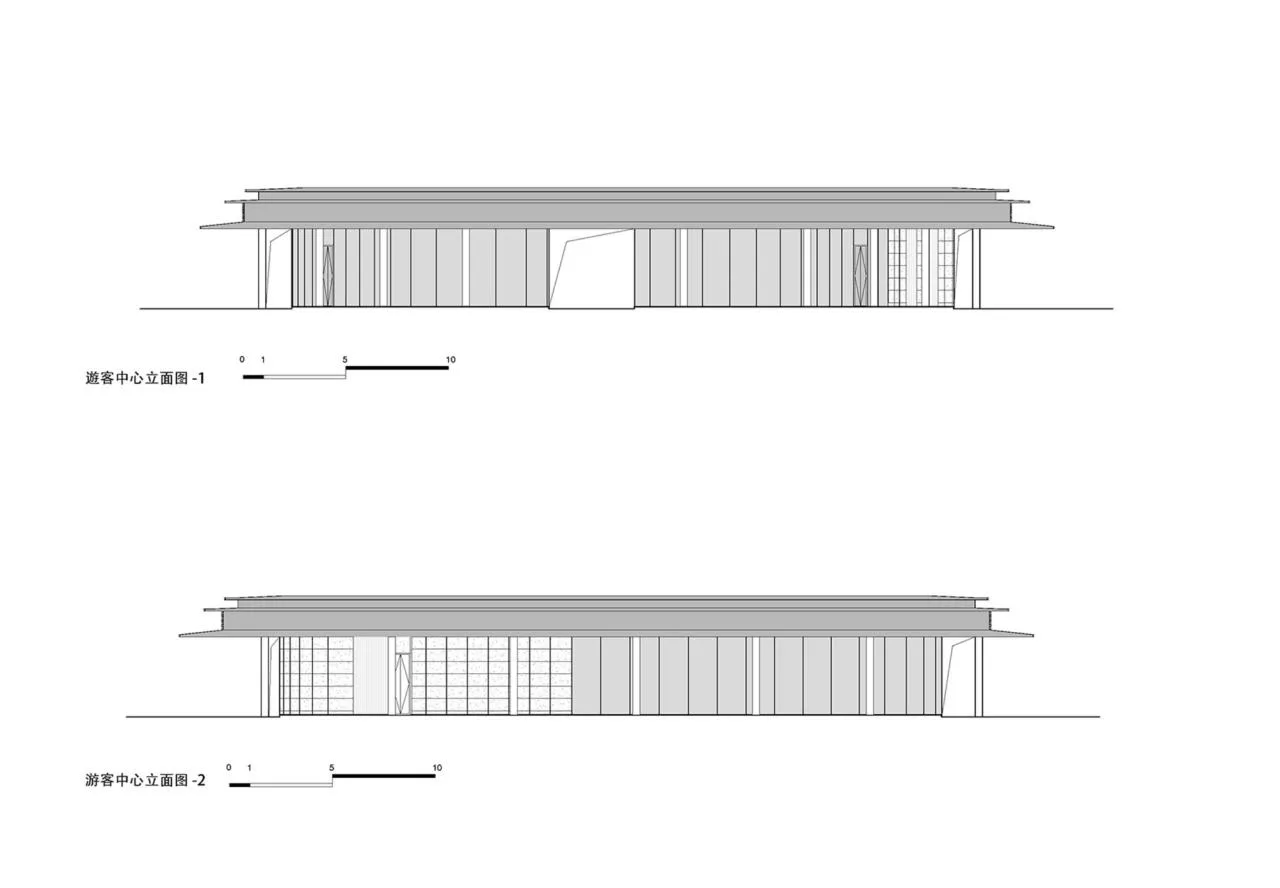
△ Front View of Tourist Center
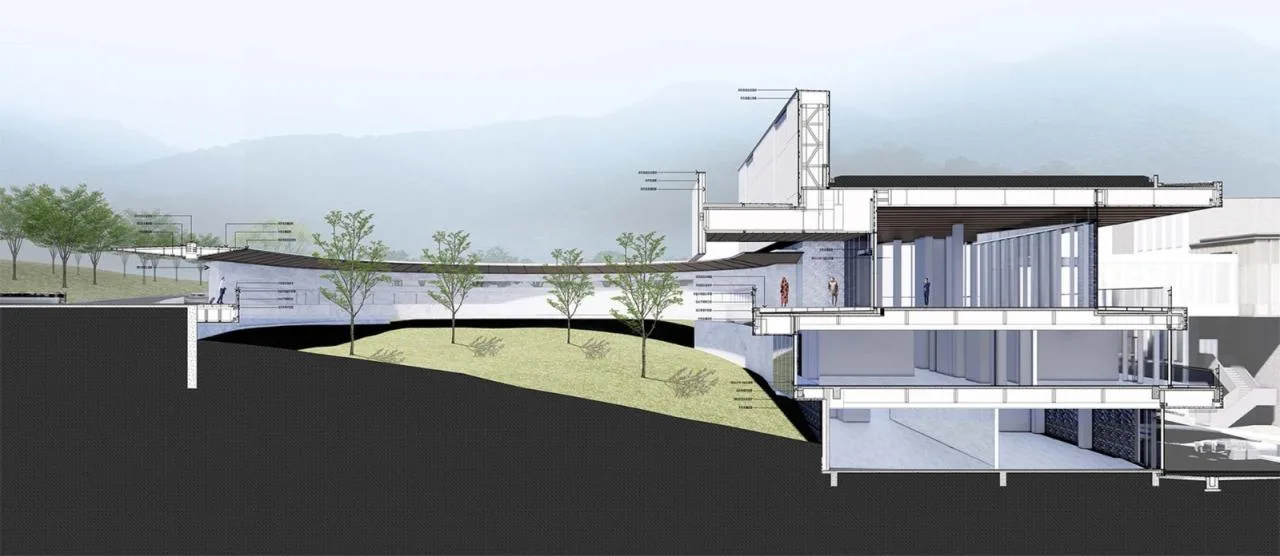
△ Sectional Perspective
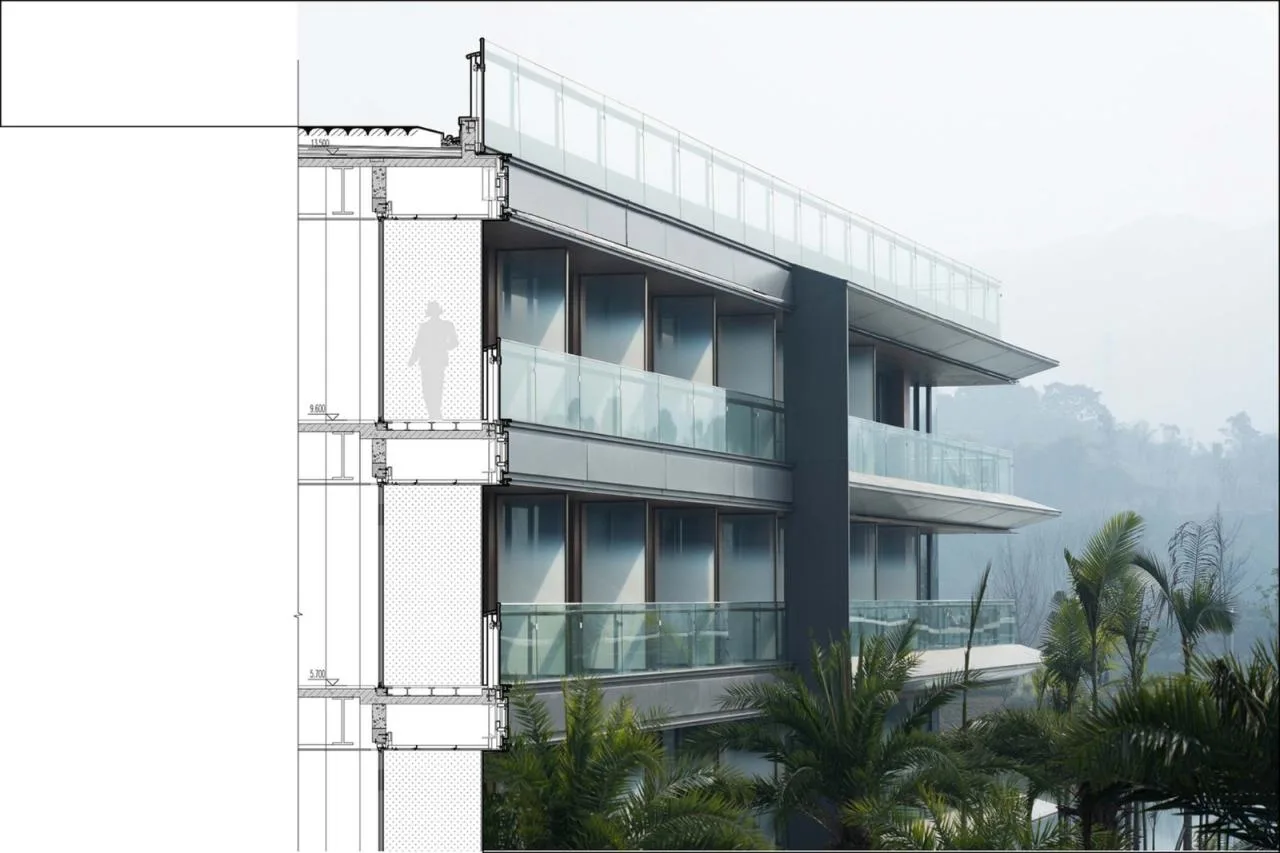
△ Sectional Perspective
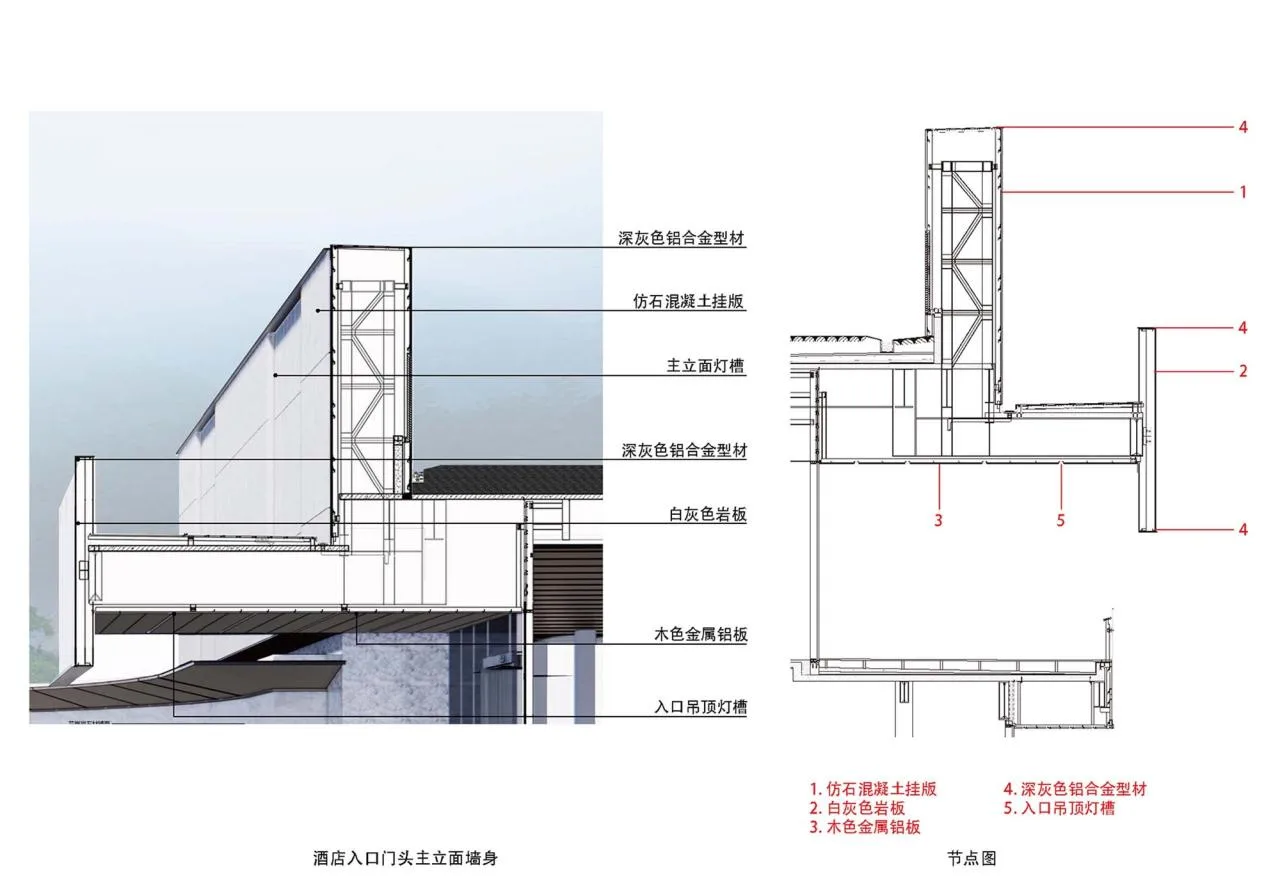
△ Structural Detail Drawing
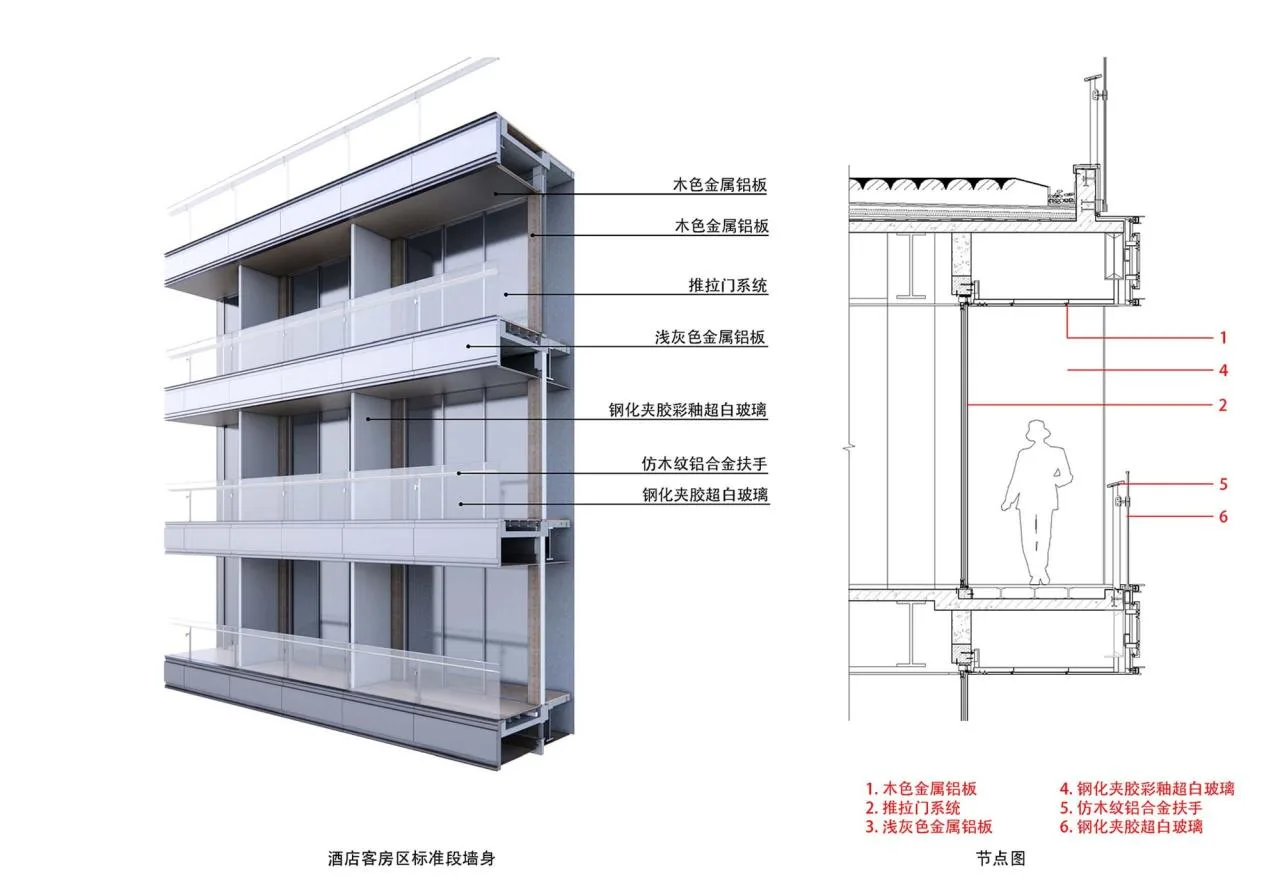
△ Structural Detail Drawing
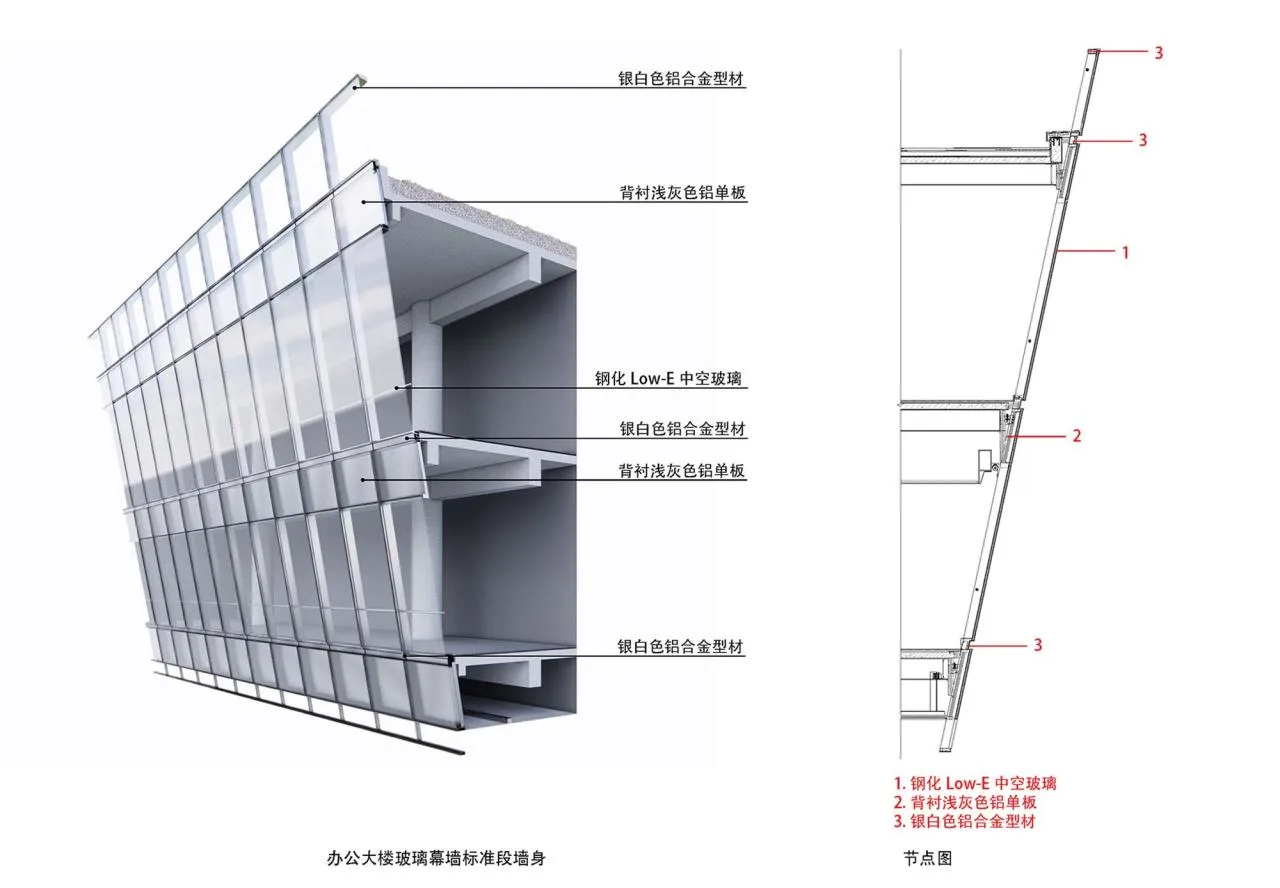
△ Structural Detail Drawing
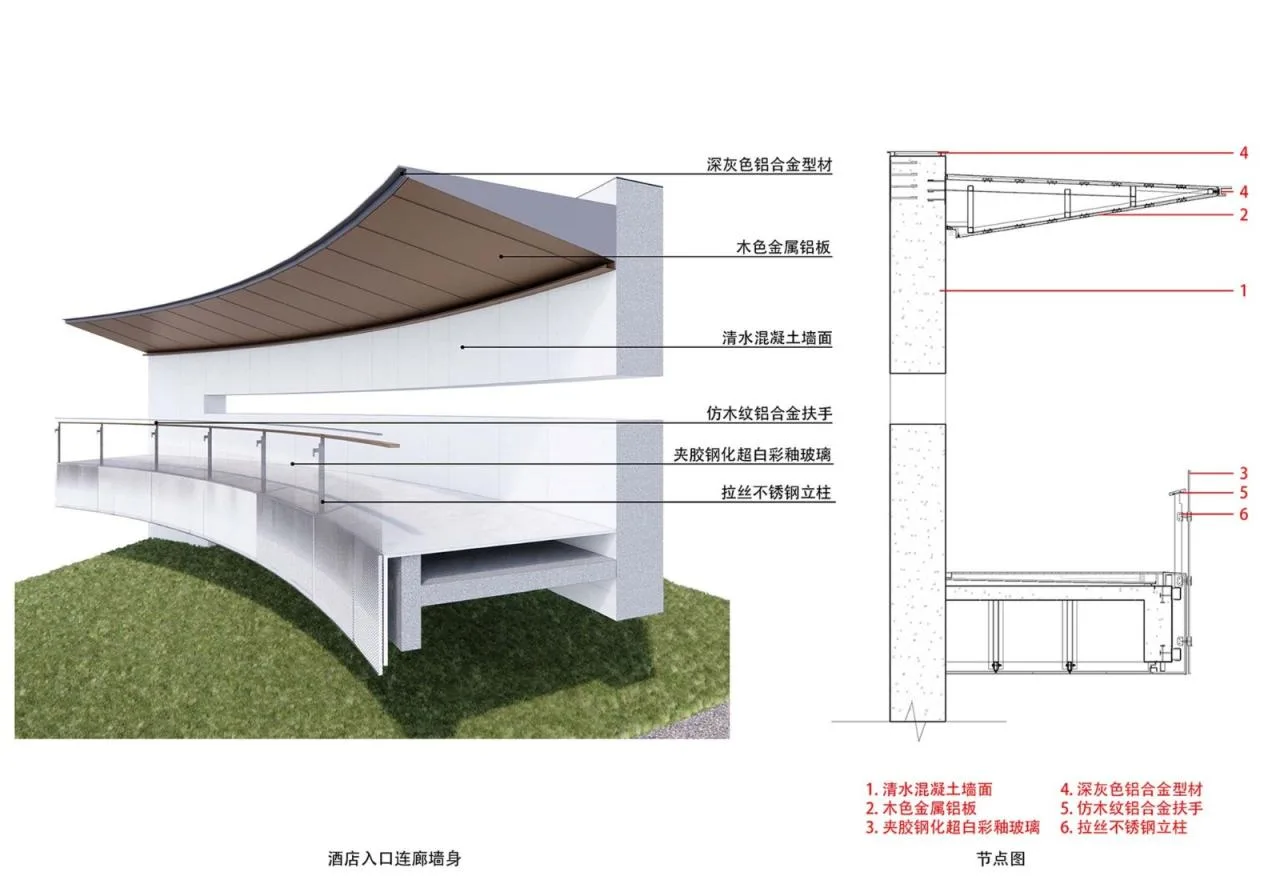
△ Structural Detail Drawing
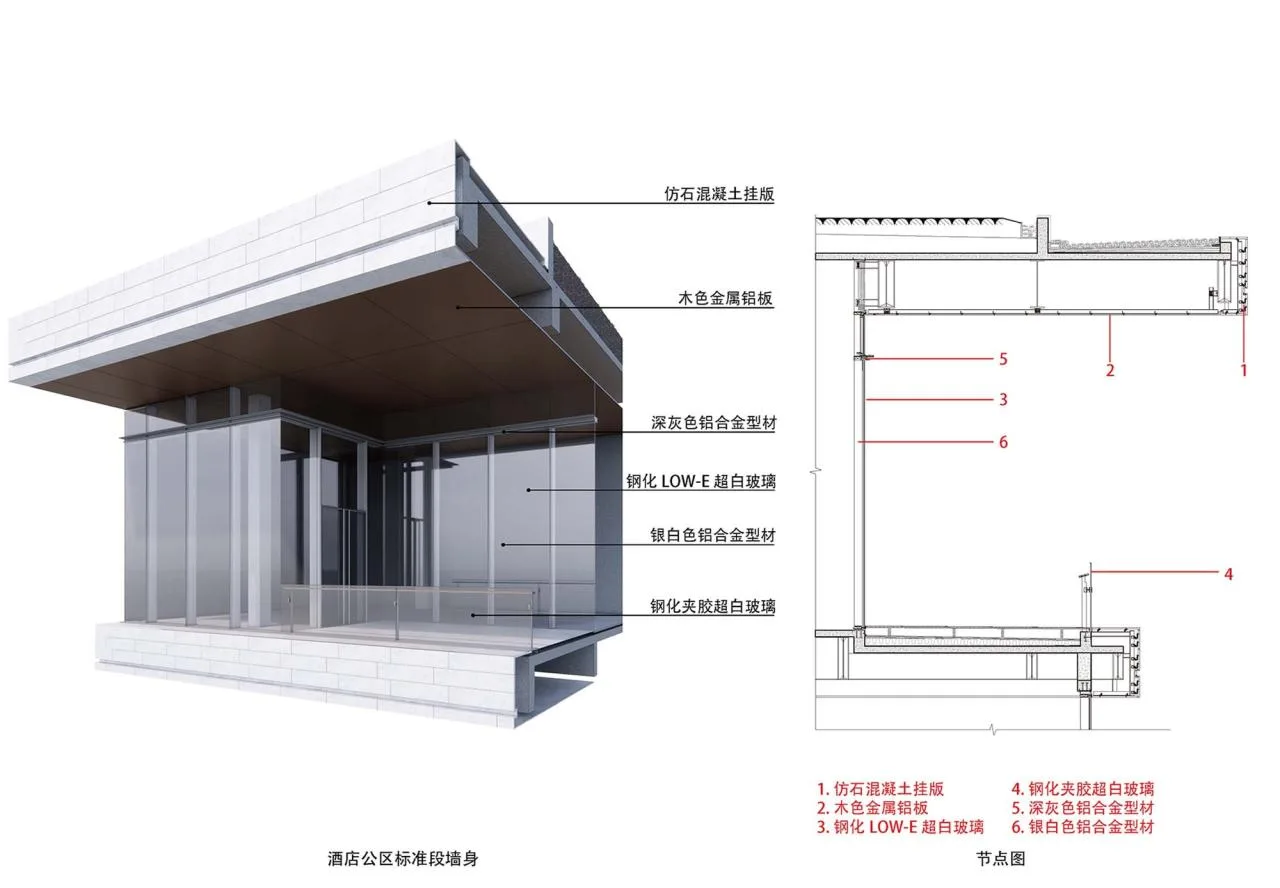
△ Structural Detail Drawing
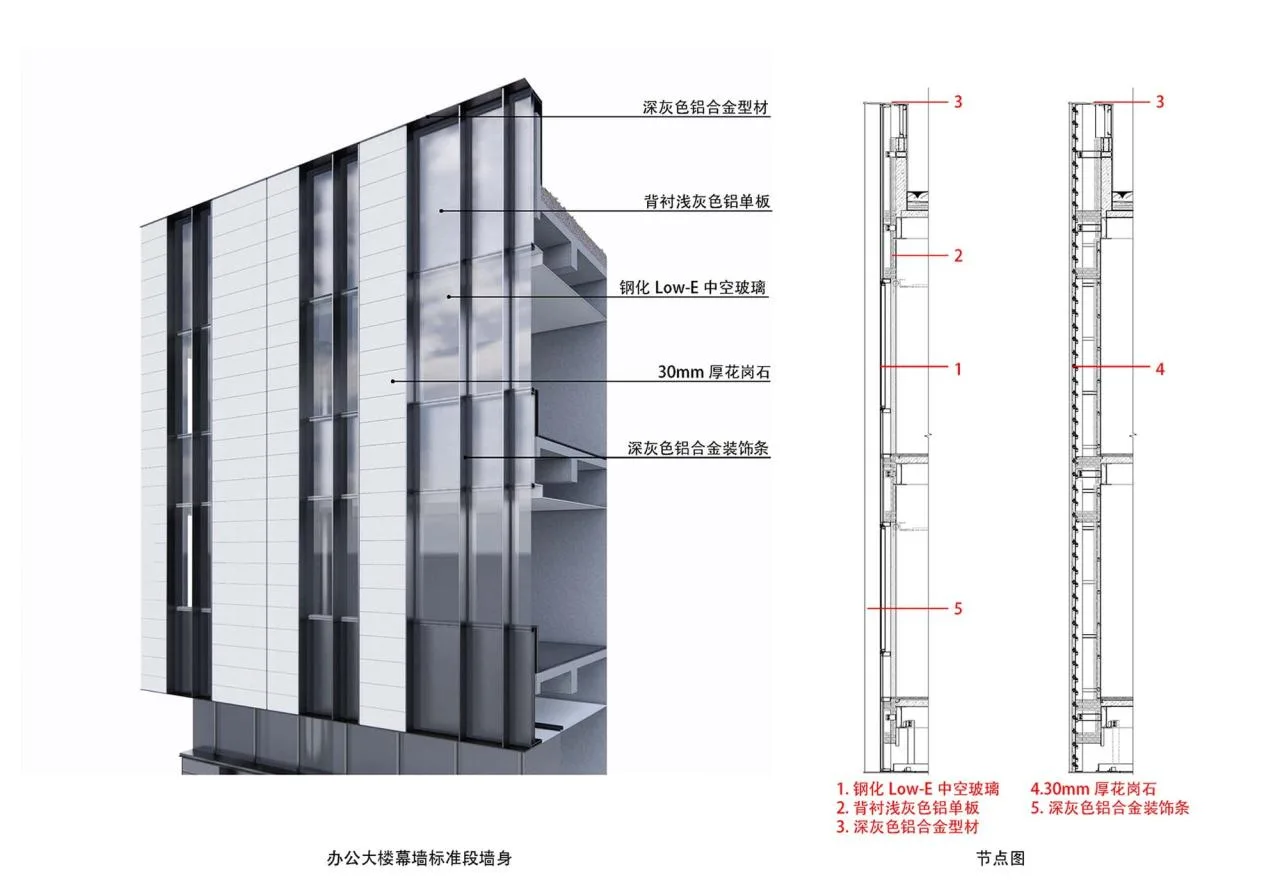
△ Structural Detail Drawing
Project Information
Architectural Design: Shanghai Dushe Construction Architectural Design Firm
Area: 30,991 m²
Project Year: 2021
Photographer: PrismImage
Manufacturer: Betonbau
Lead Architect: Ling Kego
Design Team: Ding Tianqi, Yong Youlong, Kong Juntao, Xie Xinzhun, Yang Wanghui, and others
Principal: Chongqing Liangjiang Collaborative Innovation Zone Construction Investment Development Co., Ltd
Construction Party: China Construction Third Engineering Group Co., Ltd
Partner: China Southwest Architectural Design and Research Institute Co., Ltd
Location: Chongqing, China















Must log in before commenting!
Sign Up