
With the support of BIM technology, the quality of engineering project design has seen significant improvements. BIM plays a key role in enhancing design quality through several important aspects:
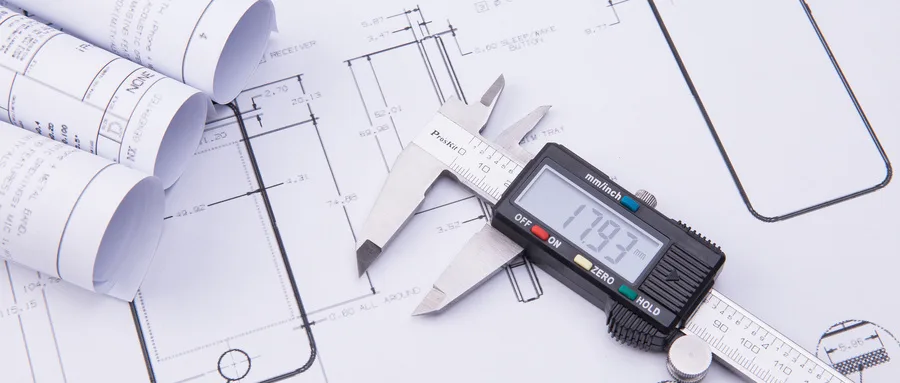
First, BIM technology offers visual design solutions for engineering designers. In many cases, especially in China, engineering designs still rely heavily on traditional 2D drawings. These drawings—both design and construction—serve as essential references for later stages of construction. However, traditional 2D drawings often fail to fully capture the details and information of complex structures, leading to numerous challenges during construction. By contrast, BIM enables the entire project to be visualized in a three-dimensional format. This visualization includes not only geometric data but also material specifications, analytical data, and more. For complex projects in particular, numerous engineering details can be presented as 3D models during the design phase. This allows designers, project owners, and stakeholders to analyze and discuss design concepts, project forms, and requirements collaboratively on a shared platform. The intuitive visualization greatly improves design quality and supports more informed construction decisions.
Second, BIM technology provides effective collision detection during the design process. Construction projects often involve extensive pipeline systems managed by different teams and disciplines. The complexity and volume of these pipelines make it difficult to identify conflicts using traditional design methods, and errors in pipeline layout can be hard to detect. Resolving pipeline clashes manually requires significant time and effort from designers, and some conflicts may still go unnoticed. Moreover, fixing one collision can sometimes create new issues elsewhere. BIM addresses this by visually highlighting clashes within the 3D model and employing automated collision detection tools. This helps prevent safety hazards caused by pipeline conflicts, reduces design time, and enhances overall design quality.
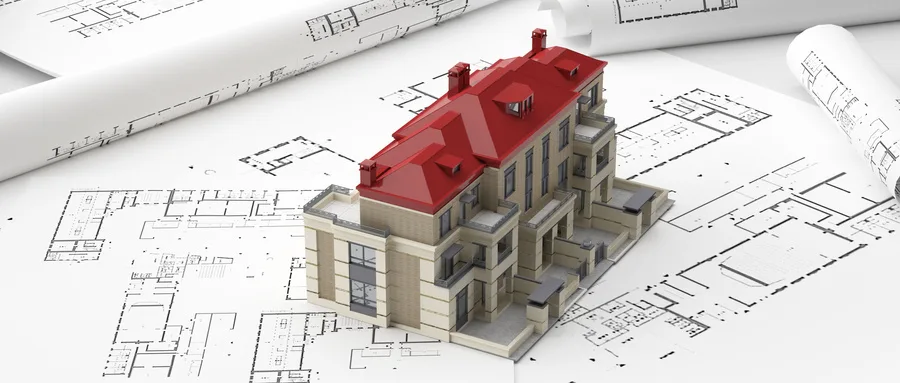
Finally, BIM offers a collaborative platform for multidisciplinary engineering design. Engineering projects typically involve various specialties—such as civil engineering, geology, bridge construction, architecture, electrical, plumbing, and mechanical systems—that each require coordination to ensure the overall design is coherent and effective. Traditional design methods often produce fragmented and inconsistent drawings from different disciplines, making it difficult to present a unified design concept and increasing the likelihood of construction errors. BIM’s parametric capabilities enable real-time collaborative design, maintaining dynamic links between drawings and ensuring consistent, coordinated information across disciplines. This fosters comprehensive communication and information sharing among all participants, reduces conflicts and later design revisions, saves time and costs, and ultimately improves design quality. Additionally, the rise of specialized modeling firms and the standardization of BIM models further facilitate seamless collaboration among various disciplines.
















Must log in before commenting!
Sign Up