
Application of BIM Technology During the Construction Phase
(1) Measurement and Layout Stage
At the early stage of construction, BIM models of the curtain wall and main steel structure are integrated. The spatial relationships between the skeleton and the steel framework are established based on partition dimensions within the model, allowing precise positioning of embedded parts. Since the steel plates for curtain wall embedded parts are welded during the steel structure processing, the curtain wall construction team must provide embedded part locations to the steel structure fabrication plant.
Once steel structure installation is complete, the actual positions of embedded plates on site are reviewed and re-measured. These measurements are then fed back into the 3D BIM model for comparison and correction. This updated model facilitates accurate extraction of positioning information for other components and assists on-site personnel with skeleton measurement, layout, and positioning tasks.
The embedded part positioning model is illustrated in Figure 14. Given the irregular spatial characteristics of curtain walls in non-standard buildings, positioning points for each component are irregular and involve complex data. Only with BIM models can accurate measurement and layout be effectively achieved.
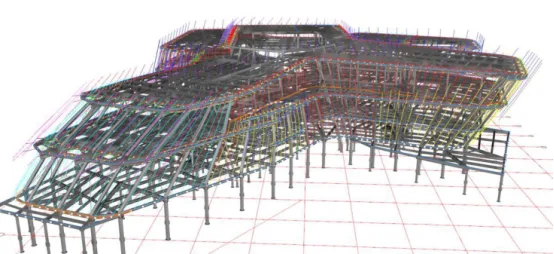
Figure 14: 3D Model of Curtain Wall Embedded Part Positioning
(2) Skeleton Processing, Storage, and Transportation — Main Components Example
The project includes 475 frames for glass curtain wall columns and 269 frames for ceramic panel curtain wall columns. Most column frames consist of two or three rectangular steel pipes twisted and spliced vertically, each uniquely designed. In the design phase, each column is assigned a unique identifier within the model—for instance, “ATGZXX” for ceramic panel steel columns in Zone A, or “A-BLXX” for fiberglass columns in Zone A.
Related components such as beams, aluminum profiles, glass panels, aluminum panels, and backboards reference these column numbers, ensuring uniqueness and correlation among components. This system guarantees efficient and accurate positioning and installation. BIM 3D modeling software facilitates this numbering process efficiently, as shown in Figures 15 and 16.
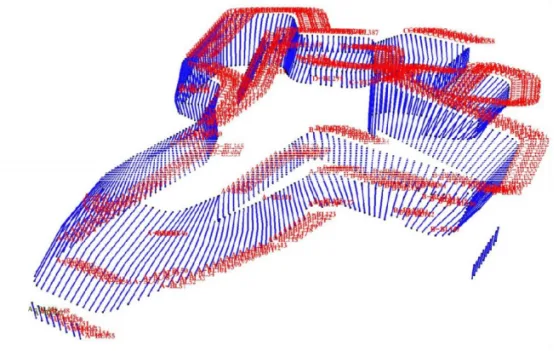
Figure 15: 3D Diagram of Glass Curtain Wall Skeleton Numbering
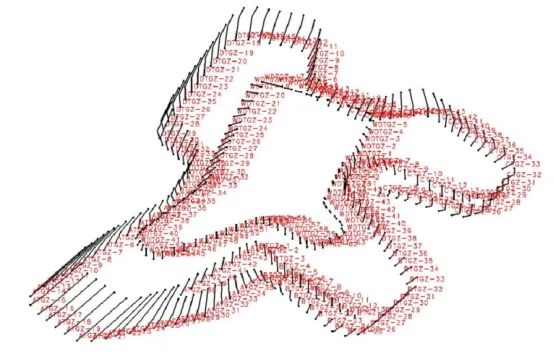
Figure 16: 3D Diagram of Ceramic Curtain Wall Skeleton Numbering
Columns are categorized and analyzed. DigitalProject software is used to parameterize glass curtain wall column designs based on their shapes. These parameterized columns are batch-generated as BIM models according to their assigned numbers. Consequently, machining drawings require only standard types, and machining data is extracted using BIM software. The same approach applies to crossbeams.
Figures 17 and 18 illustrate software-based parameterization and data extraction for column processing. This method ensures data accuracy and processing efficiency, reduces repetitive work, and simplifies material processing for factories. Utilizing specialized BIM software significantly enhances workflow efficiency.
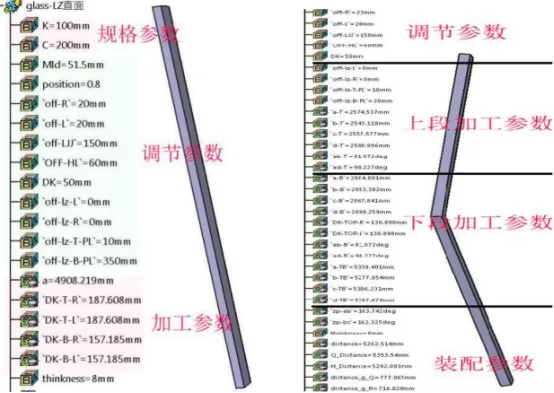
Figure 17: Parameterization of Columns Using Software
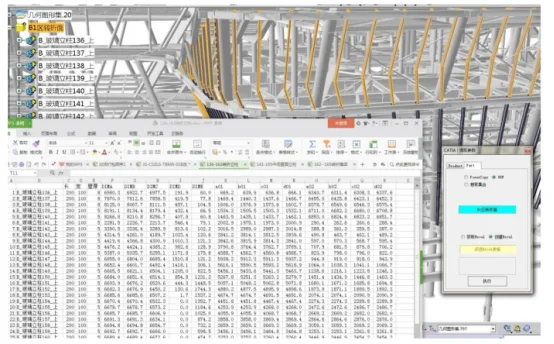
Figure 18: Extraction of Column Processing Data
(3) Panel Processing, Storage, and Transportation — Glass and Ceramic Panels
The design specifies 16 types of glass panels, each distinguished by different letter codes to ensure uniqueness. Each panel is numbered according to its corresponding skeleton number, enabling rapid location identification and significantly improving on-site installation efficiency.
Processing drawings require only standard section views and relevant parameters. Through BIM parametric design, all length and angle dimensions become variables, automatically generating batch processing data based on the BIM model’s actual dimensions. Additionally, BIM technology has been extended with VB programming to automatically produce single processing drawings for various glass specifications, reducing workload and minimizing errors.
The project includes 27,883 ceramic plate panels, among which 7,459 are irregularly shaped. Ceramic plates are classified into 15 categories based on cutting styles and hole configurations, each assigned a unique letter code. Due to the volume of panels, an effective numbering system is critical. Exterior facade ceramic plate units are numbered with explanatory codes to facilitate assembly and installation.
A specialized computer language program drives the ceramic panel line mold curve to automatically generate ceramic plate entities, inputting required parameter formulas to form assembly units. BIM software exports processing and drilling data for panel and frame components, generating data tables for organization. These are submitted to the processing factory, sequenced according to project progress and installation order, followed by material transport and on-site installation.
The entire process is computer-aided, enhancing efficiency while ensuring installation quality. The automatic generation of ceramic plate models via VB programming is shown in Figure 19.
Efficient and accurate processing of thousands of panel data points presents a significant challenge. Therefore, beyond conventional BIM application, a custom programming solution was developed to generate panels and export data, ensuring accuracy and greatly improving efficiency.
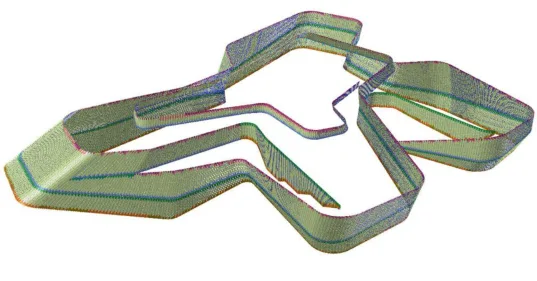
Figure 19: Automated Model Generation of Ceramic Plates
(4) Secondary Development and Programming Language Applications in BIM Software
Although BIM 3D software has matured for irregular curtain wall applications, no single software fully addresses all challenges posed by the variability and complexity of such designs. As curtain wall problems evolve, the use of programming languages compatible with BIM software to batch-generate thousands of parameterized nonlinear blocks is becoming a key development trend.
This evolution increases demands on BIM engineers, who must now combine expertise in curtain wall construction with proficiency in programming languages like C++, VB, and Python. Strategic use of programming enhances their BIM knowledge and application skills, achieving greater efficiency and results.
While BIM 3D model creation benefits design and technical disclosure, maximizing BIM’s value depends on its effective use during application stages. Software developers have responded by releasing secondary development platforms that support enterprise-level BIM innovation. For example, Guanglian Da, a leading digital building platform in China, offers BIMFACE—a secondary development platform enabling construction developers to customize BIM functions, enrich applications, and promote healthy industry progress.
Only by maximizing BIM’s potential can the construction industry truly leap forward in this digital era.
(5) Verification of BIM Technology Using Physical Templates
Verifying BIM technology through physical templates is essential to ensure smooth project execution. On-site physical template construction encompasses all project implementation processes, enabling early detection of construction challenges and serving as a critical quality assurance tool. Additionally, it validates the BIM application workflow and guides overall construction.
A 1:1 scale physical construction drill and verification sample were conducted on-site to confirm BIM application, parameter accuracy, and construction processes. The sample included key structures such as electric opening windows, fire rescue entrances, and outdoor doors. Installation strictly followed processing parameters and positioning data extracted from the BIM model.
This formal sample implementation identified and resolved potential issues early, delivering excellent results. The project’s BIM feasibility was confirmed through these physical template inspections. Figure 20 shows a comparison between the BIM model and on-site physical templates.
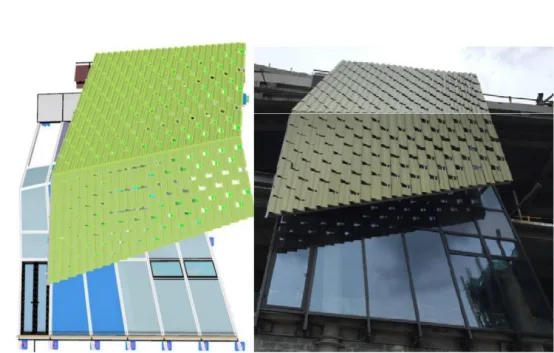
Figure 20: Comparison of BIM Model Verification Template and On-Site Implementation
Application of BIM Technology During the Operation and Maintenance Phase
After completing and accepting the building curtain wall construction, the final BIM 3D model, component and panel numbering, and processing data should be compiled and handed over to the owner or operator. Throughout operation and maintenance, BIM data serves as a key management tool.
Main tasks during this phase include inspection, cleaning, maintenance, repair, replacement of exterior surfaces, and local modifications based on owner input. The BIM data delivered to operators encompasses all information generated from early design through project completion. This data is systematically organized and linked, enabling quick and efficient retrieval during operation and maintenance—especially critical for managing complex irregular curtain walls.
The building’s operation and maintenance lifecycle is long-term. Information generated during this period can be added back into the BIM data from design and construction stages, enabling integrated data processing. This avoids redundant data entry and storage, boosting efficiency and reducing costs.
Data integration and exchange must also be addressed. Since operation and maintenance data formats may differ from original BIM formats, ensuring interoperability and data sharing is essential. Establishing a BIM database is necessary. For operation and maintenance management systems, mature commercial BIM software or custom secondary development can be employed. Each approach has advantages and disadvantages, so management should select the most appropriate solution based on project specifics to optimize support.
Text: Yi Yingying
For learning and communication purposes only. If any infringement occurs, please contact us for removal.
















Must log in before commenting!
Sign Up